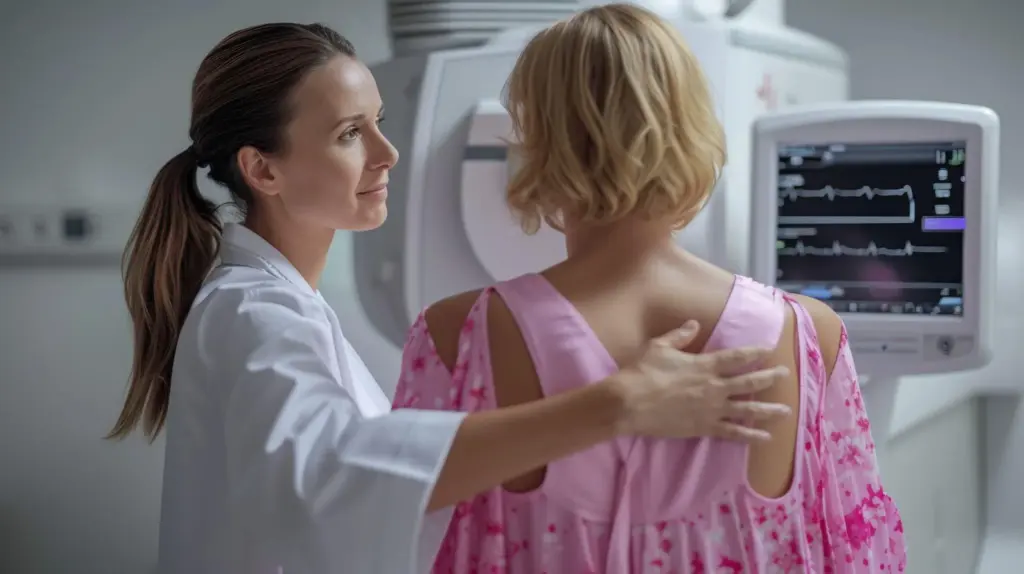
Explore the latest mammography and screening data. Learn why powerful clinical exams are changing and how to ensure your breast health is safe.
We are seeing big changes in breast cancer screening rules. This is because of new studies and better medical tech. Now, clinical breast exams (CBEs) are not usually needed anymore. This is because they have limits and can cause harm.
Studies have found that CBEs don’t really help lower breast cancer death rates. They can actually cause more worry and extra tests because of false positives. So, mammogram screening is now the main focus in breast cancer tests screening.
Liv Hospital is leading the way in using the latest breast cancer screening methods. We make sure our international patients get the best care. We’re moving towards methods that are proven to work, aiming for early detection and good treatment.
Key Takeaways
- Clinical breast exams are no longer recommended due to high false-positive rates.
- Mammogram screening has become the priority in breast cancer detection.
- Liv Hospital offers advanced breast cancer screening practices.
- Evidence-based screening methods are replacing traditional clinical exams.
- Early detection is key for effective breast cancer treatment.
The evolution of breast cancer screening practices

Breast cancer screening has changed a lot over time. This is thanks to new medical tech and big studies. Now, we can find breast cancer better and earlier.
Historical Role of Clinical Breast Exams in Cancer Detection
Older methods like clinical breast exams were key in finding breast cancer. Doctors would feel the breast to look for odd lumps. But, these methods weren’t perfect.
Shift Toward Evidence-Based Screening Methods
Now, we use mammograms more because they work better. Studies show mammograms catch more cancers than exams. Mammograms are now the top choice for early detection.
The Changing Landscape of Early Detection
Early detection is always getting better, thanks to new tech and research. The main changes are:
- Improved mammogram screening guidelines
- Recommendations on when to start mammograms
- Enhanced breast cancer screening guidelines
Understanding clinical breast exams: procedure and limitations
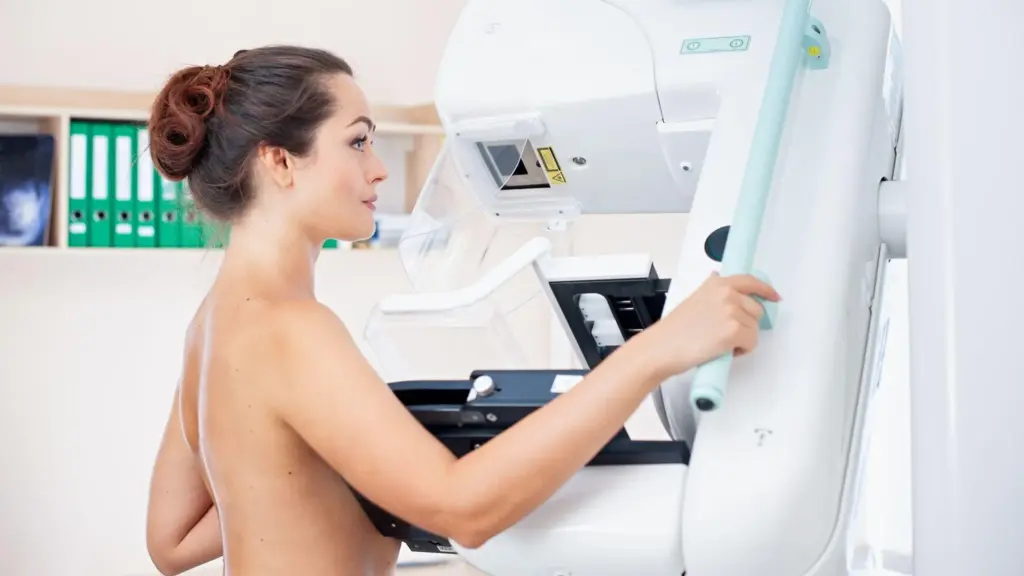
Breast cancer screening is changing. It’s important to know how clinical breast exams work and their role in finding cancer.
What happens during a clinical breast exam
A healthcare professional checks the breasts for any oddities during a clinical breast exam. They look and feel the breasts for any unusual lumps or changes. This is done in a doctor’s office and is used along with mammograms.
Sensitivity and specificity concerns
Even with its benefits, clinical breast exams have big limitations. There are worries about how well they can find all cancers or tell the difference between cancer and non-cancer.
The problem of false positives in clinical practice
One big problem with clinical breast exams is the high number of false positives. Studies show this can cause a lot of worry, extra tests, and treatments. False positives can really affect patients, showing we need better screening ways.
Knowing these limits helps us see why we’re moving towards better screening like mammograms. By understanding these issues, we can help patients more in their breast health journey.
The research behind the recommendation change
The move away from clinical breast exams (CBEs) comes from research. Studies have shown their limits. This led to the new guidelines.
Key studies evaluating clinical breast exam effectiveness
Research shows CBEs can find more cancers, but the difference is small. A study in the Journal of the National Cancer Institute found many false positives.
Statistical findings: 55 false positives for every cancer detected
Studies reveal a striking fact. For every cancer found, there are about 55 false positives. This high rate can cause a lot of stress and anxiety for patients.
Detection rates: CBEs identify only 2-6% more invasive cancers
Also, CBEs only find 2-6% more cancers than mammograms alone. This small increase doesn’t make CBEs worth keeping as a screening tool.
Why this modest increase doesn’t improve outcomes
The small increase in cancer detection by CBEs doesn’t lead to better results. Most cancers found by CBEs can also be seen with mammograms. So, the extra cancers found by CBEs don’t really lower death rates.
|
Screening Method |
Cancer Detection Rate |
False Positive Rate |
|---|---|---|
|
Mammography |
80-90% |
10-15% |
|
Clinical Breast Exam |
2-6% additional |
55 false positives per cancer detected |
As we improve breast cancer screening, we must rely on solid evidence. By sticking to proven methods like mammography, we can better help patients.
Major health organizations’ position on clinical breast exams
New evidence is changing how we screen for breast cancer. Health groups are updating their guidelines. They are looking for the best ways to find and treat cancer early.
American Cancer Society Guidelines Evolution
The American Cancer Society now says mammography is best for finding breast cancer. They found that mammograms help lower death rates from breast cancer.
U.S. Preventive Services Task Force Recommendations
The U.S. Preventive Services Task Force also changed its advice. They say mammograms are better than clinical breast exams for most women. Their new rules aim to find the right balance between benefits and risks.
International Perspectives on Breast Examination
Health groups around the world are agreeing on mammography as the top choice for breast cancer screening. This worldwide agreement shows how confident experts are in mammograms as the best tool.
Guidelines from big health groups are moving towards using evidence to guide breast cancer screening. By focusing on mammogram screening guidelines, they hope to catch cancer early and save lives.
The psychological and clinical impact of false-positive results
Getting a false-positive result from a clinical breast exam can be very upsetting. It can cause anxiety and lead to more medical tests that aren’t needed. This can affect a person’s mental health and how well they do in the long run.
Anxiety and Emotional Distress Following False Alarms
False-positive results can cause a lot of emotional pain. People might feel anxious or scared about having cancer. This feeling can be as tough as dealing with a real cancer diagnosis. The emotional toll can really affect someone’s daily life and happiness.
- Increased anxiety levels
- Fear of cancer
- Impact on daily life and well-being
Unnecessary Biopsies and Procedures
After a false-positive result, people might have to go through more tests, like biopsies. These tests are not only painful but also expensive and risky. The chance of problems from these tests is a big worry.
Some of the extra tests include:
- Biopsies
- More imaging tests
- Surgeries
Long-term Effects on Screening Adherence
A false-positive result can change how people follow screening advice. Some might skip future screenings because of the fear of getting a false result.
“The psychological impact of false-positive mammograms can be substantial, and it’s important to think about these effects when we plan screening programs.”
— Expert in Breast Cancer Screening
We need to find a balance between catching cancer early and the harm of false positives. We should make screening plans that fit each person’s risk and what they prefer.
Current mammography and screening guidelines for breast cancer detection
Mammography is key in finding breast cancer early. Guidelines have changed to make it more effective. It helps find cancers when they are easier to treat.
The vital role of mammography in breast cancer screening
Mammography is the best way to screen for breast cancer. It finds tumors before symptoms show up. This leads to better treatment results.
Age to start mammography screening: The importance of starting at 40
Guidelines say women should start mammograms at 40. This age is chosen because it catches more cancers early. It also lowers the risk of dying from breast cancer.
Recommended screening intervals by age and risk factors
How often to get screened depends on age and risk. Women at average risk should get screened every year starting at 40. Those at higher risk might need to go more often. We look at family history, genetics, and breast density to decide.
Balancing benefits and harms of different screening schedules
We weigh the good of early detection against the bad, like false positives. Our goal is to find the right balance. By considering each woman’s risk and age, we make screening more effective and personal.
Alternative and supplemental screening methods
There are many ways to screen for breast cancer, not just mammograms. These methods are used for certain groups or situations. They help improve how we find breast cancer early.
Breast Ultrasound: When and Why It’s Used
Breast ultrasound is a tool we use for women with dense breasts. It can tell if a mass is solid or a cyst. This helps us understand what’s going on better than a mammogram alone.
Breast MRI for High-Risk Populations
Women at high risk of breast cancer should get a breast MRI. It’s better at finding some cancers, like in younger women with dense breasts. We recommend annual MRI scans for these women, along with mammograms.
Emerging Technologies in Breast Cancer Detection
New technologies are coming into breast cancer screening. These include molecular breast imaging and contrast-enhanced mammography.
Molecular Breast Imaging and Contrast-Enhanced Mammography
Molecular breast imaging uses a tiny bit of radioactive material to spot cancer cells. Contrast-enhanced mammography uses a special dye to make tumors stand out. Both are being looked at to see if they can help find cancer better, in women with dense breasts.
|
Screening Method |
Primary Use |
Benefits |
|---|---|---|
|
Breast Ultrasound |
Supplemental screening for dense breast tissue |
Differentiates between solid masses and cysts |
|
Breast MRI |
High-risk populations |
More sensitive than mammography for certain cancers |
|
Molecular Breast Imaging |
Emerging technology for dense breast tissue |
Highlights cancerous cells using radioactive material |
|
Contrast-Enhanced Mammography |
Emerging technology for improved tumor visibility |
Uses contrast agent to enhance tumor detection |
Special considerations for high-risk populations
Breast cancer screening for those at high risk needs a custom plan. Factors like genetic predispositions, family history, and dense breast tissue raise the risk of breast cancer.
Defining high-risk factors for breast cancer
High-risk groups include women with a genetic predisposition, like BRCA1 or BRCA2 mutations. Also, those with a big family history of breast cancer and dense breast tissue are at higher risk. These factors call for a more careful and personalized screening plan.
Tailored screening approaches for genetic predisposition
For those with a genetic predisposition, we suggest starting screening early and often. This might mean annual mammograms 10 years before the relative’s cancer diagnosis. Also, breast MRI can be added to help find cancer sooner.
Screening recommendations for women with dense breast tissue
Women with dense breast tissue might need extra screening like ultrasound or MRI, along with mammograms. The best screening method depends on the woman’s risk and breast tissue type.
Using a personalized screening approach helps find breast cancer early in high-risk groups. This could lead to better treatment and outcomes.
Liv Hospital’s approach to evidence-based breast cancer screening
Liv Hospital is at the forefront of breast cancer screening. We focus on innovation and patient care. Our commitment to medical research and technology ensures our patients get the best care.
Advanced Screening Protocols and Technology
We use the latest in breast cancer screening, like digital mammography and MRI for high-risk patients. Our technology helps find cancer early and accurately. This improves treatment results.
Key features of our screening protocols include:
- Personalized screening plans based on individual risk factors
- Advanced imaging techniques for accurate detection
- Minimally invasive diagnostic procedures
Ethical Standards and Patient-Centered Care
At Liv Hospital, we value ethical standards and patient care. Our team works with patients to address their concerns. We provide clear information and support during the screening process.
Global Best Practices and Innovative Approaches
We keep our practices up to date with global standards and research. Our work with international experts and clinical trials offers the latest in screening and diagnostics.
Liv Hospital combines advanced technology, ethical care, and innovation in breast cancer screening. We aim to give our patients the best outcomes.
Conclusion: Embracing evidence-based approaches to breast cancer detection
We’ve seen a big change in how we screen for breast cancer. Now, we focus more on mammography than clinical exams. Studies show this change leads to better detection and fewer false alarms.
By choosing mammography first, we can find and treat breast cancer more effectively. This is a big step forward in fighting this disease.
Liv Hospital is leading this change with advanced screening and technology. We stick to proven methods to give our patients the best care. As we keep improving, evidence-based screening will stay key in the battle against breast cancer.
Using these methods helps us save lives and reduce unnecessary tests. The future of finding breast cancer depends on keeping up with these advancements. We’re committed to being at the forefront of this effort.
FAQ
What is the recommended age to start mammography screening?
Women should start mammograms at 40, as health groups like the American Cancer Society say. The U.S. Preventive Services Task Force also agrees.
How often should I get a mammogram?
Mammogram frequency depends on age and risk. Women 40-54 should get one every year. Those 55 and up might choose to get one every two years or yearly, based on their risk.
What are the limitations of clinical breast exams?
Clinical breast exams have some big drawbacks. They can be too sensitive and not always accurate. This can lead to false alarms, causing worry and extra tests.
What alternative screening methods are available for breast cancer detection?
Other screening options include ultrasound for dense breasts and MRI for high-risk groups. New tech like molecular breast imaging and contrast-enhanced mammography might also help find cancer earlier.
How do I know if I’m at high risk for breast cancer?
Being at high risk means having certain genetic markers, a family history of breast cancer, or dense breasts. If you have a BRCA1 or BRCA2 mutation or a strong family history, you might need special screening plans.
What screening recommendations are available for high-risk populations?
High-risk people might need more screening, like MRI, in addition to mammograms. The best plan depends on your risk factors and should be talked over with your doctor.
What is the role of mammography in breast cancer screening?
Mammograms are key in finding breast cancer early. They are the top choice for screening, backed by groups like the American Cancer Society and the U.S. Preventive Services Task Force.
How does Liv Hospital approach breast cancer screening?
Liv Hospital follows the latest in breast cancer screening. They use advanced tech and focus on patient care. They aim to give the best care globally and compassionately.
What are the benefits of evidence-based breast cancer screening?
Using proven methods like mammograms helps find cancer early. This lowers death rates and reduces risks from less effective tests.