
Arthritis is a big health problem worldwide. It affects over 58.5 million American adults and more than half a billion people globally. Living with degenerative joint disease makes simple tasks hard and painful.
It’s important to keep a healthy lifestyle despite this condition. Modern medicine focuses on patient care. Organizations like Liv Hospital offer new ways to manage DJD osteoarthritis well.
By using these methods, people can better handle their daily lives, even with arthritis’s challenges.
Key Takeaways
- Arthritis affects millions worldwide, impacting daily life and independence.
- Modern medical approaches prioritize patient-centered care.
- Liv Hospital offers innovative care pathways for managing degenerative joint disease.
- Maintaining a healthy lifestyle is key for those with arthritis.
- Good management of DJD osteoarthritis can improve life quality.
Understanding Arthritis and Its Impact
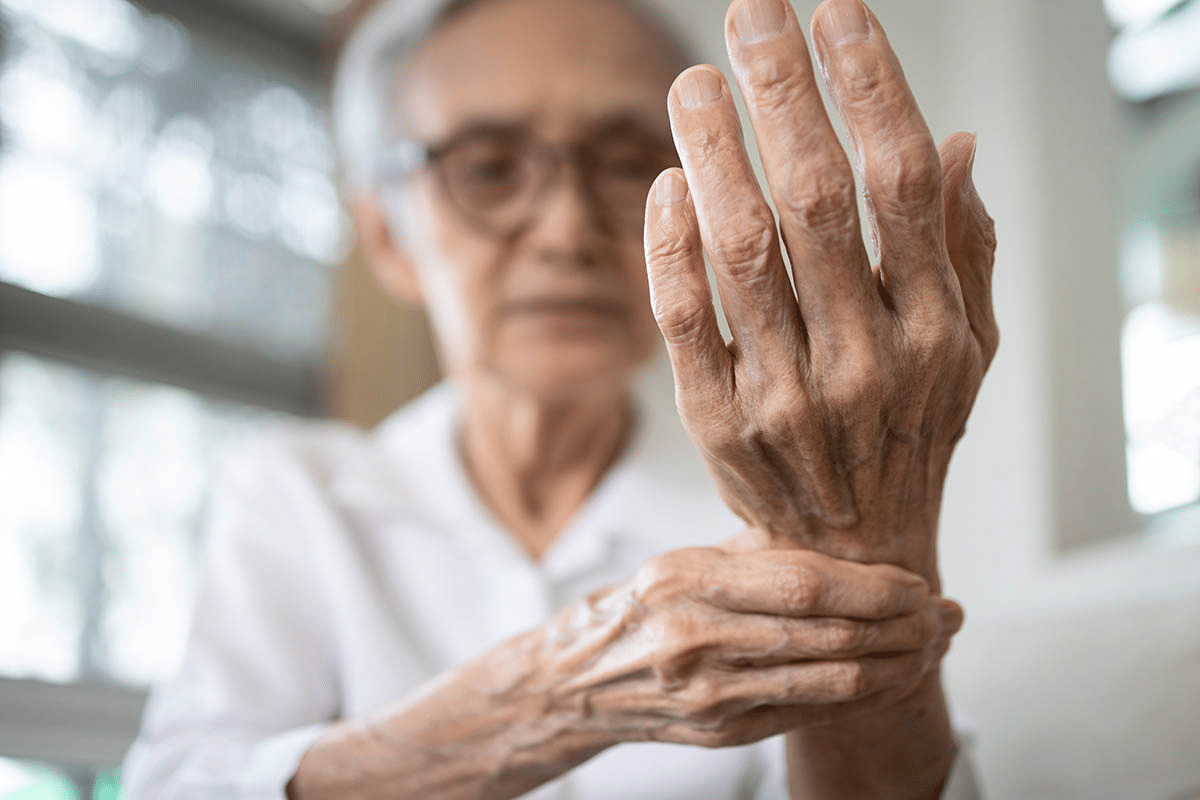
Arthritis is a complex condition that affects millions worldwide. It causes discomfort and disrupts daily life. There are over 100 types, including osteoarthritis and rheumatoid arthritis, each with its own challenges.
The Global and National Prevalence of Arthritis
Arthritis is common globally, with different rates in different places. In the U.S., millions of adults have it. Early signs are important for timely treatment.
It’s not just for older people; it can hit anyone, even kids. The world faces big challenges due to arthritis, including lost work and healthcare costs.
Common Types of Arthritis and Their Distinct Challenges
Osteoarthritis (OA) breaks down cartilage and bone, causing pain. Rheumatoid arthritis (RA) is an autoimmune disease that inflames joints. Psoriatic arthritis (PsA) is linked to psoriasis and causes joint pain.
Each type has its own challenges, from managing pain to keeping joints mobile.
How Arthritis Progression Affects Daily Functioning
Arthritis can make daily tasks hard. As it gets worse, pain and mobility issues grow. This makes simple activities tough.
For example, those with mild degenerative joint disease or djd joint issues might struggle with grip and balance. Knowing how arthritis affects daily life helps find better ways to manage it.
Physical Abilities Affected by Arthritis
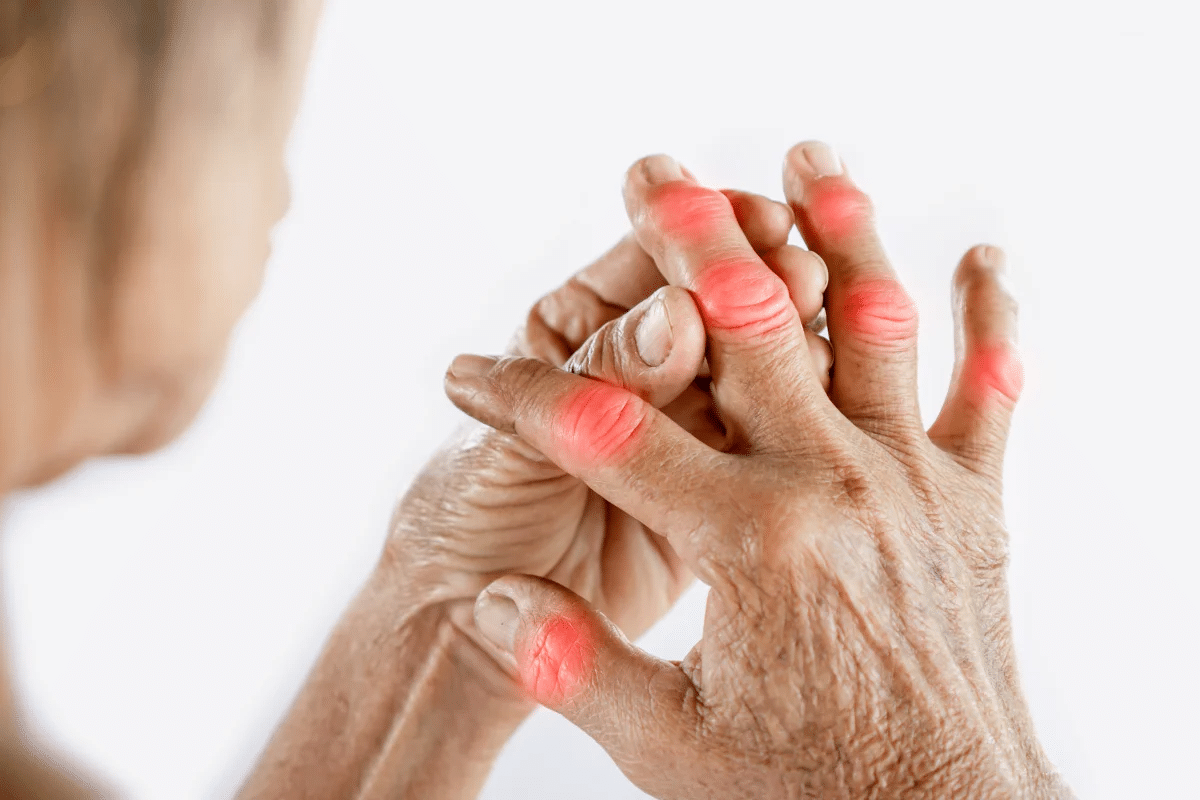
Arthritis can really change how people live their daily lives. It affects about 43.5% of those with arthritis, making simple tasks hard. We’ll look at how arthritis impacts physical abilities and how physiotherapy helps manage these issues.
Mobility and Range of Motion Limitations
Arthritis makes moving around tough. It causes stiffness and pain, making it hard to do everyday things. Physiotherapy helps manage these symptoms, improving how people move and feel.
For example, exercises that improve joint mobility are helpful. These include gentle stretches and strengthening to keep joints flexible and supported.
Grip Strength and Fine Motor Skills
Arthritis can also weaken grip and fine motor skills. This makes tasks like cooking, writing, or dressing hard. Moderate djd can make these tasks very challenging, affecting independence.
Physiotherapy and occupational therapy offer ways to boost grip strength and fine motor skills. They also suggest adaptive equipment and technologies to help manage these challenges.
|
Activity |
Challenge with Arthritis |
Adaptive Strategy |
|---|---|---|
|
Cooking |
Difficulty with grip strength for utensils |
Use adaptive utensils with larger grips |
|
Writing |
Pain and stiffness in hands |
Use ergonomic pens or voice-to-text software |
|
Dressing |
Difficulty with fine motor tasks like buttoning |
Use clothing with magnetic closures or adaptive dressing tools |
Balance and Coordination Challenges
Arthritis can also affect balance and coordination, which is a big problem if it’s in the lower limbs. This raises the risk of falls and can make people feel less confident in their ability to move safely.
Physiotherapy includes exercises to improve balance and coordination. These might include standing on different surfaces or using balance aids. These exercises can lower the risk of falls and improve mobility.
Understanding how arthritis affects physical abilities and using the right management strategies can help people live better lives despite the challenges.
Cognitive Functions Impacted by Arthritis
Arthritis does more than just hurt your body. It can also affect your mind, making it hard to remember things and focus. Studies show that people with arthritis might find everyday tasks tougher because of these mental challenges.
Memory and Concentration Issues
People with arthritis often struggle with memory and staying focused. Chronic pain and inflammation from conditions like degenerative joint disease (DJD) can really mess with your brain. For example, having moderate degenerative joint disease can make you feel mentally tired all the time.
Research shows that arthritis can cause memory problems and make it hard to concentrate. This is because the pain and the effort to manage it can be distracting. It takes a lot of mental energy to deal with it.
Executive Function Challenges
Executive function, which includes planning, decision-making, and solving problems, can also be affected by arthritis. The constant need to adapt and manage the condition can wear down these high-level thinking skills.
For instance, people with arthritis might have to plan their day around managing pain and going to physical therapy. This can be very taxing on the mind. Effective management strategies are key to overcoming these challenges.
The Connection Between Chronic Pain and Cognitive Performance
There’s a strong link between chronic pain and how well you think. Chronic pain can make it harder to adapt to new situations or tasks. It also takes a toll on your emotions, making cognitive problems worse.
|
Cognitive Function |
Impact of Chronic Pain |
Management Strategies |
|---|---|---|
|
Memory |
Decreased memory recall |
Memory aids, cognitive training |
|
Concentration |
Difficulty focusing |
Mindfulness, meditation |
|
Executive Function |
Reduced problem-solving ability |
Cognitive behavioral therapy, planning tools |
It’s important to understand how arthritis affects the mind to create better care plans. By recognizing these challenges, healthcare providers can offer better support. This can greatly improve the quality of life for those with arthritis.
Emotional and Social Abilities Affected by Arthritis
Arthritis affects more than just our bodies. It can also impact our emotional health and social connections. People with arthritis face many emotional and social challenges. These challenges can greatly affect their quality of life.
Managing Depression and Anxiety
Arthritis can cause feelings of depression and anxiety. This is due to chronic pain, limited mobility, and the stress of managing a long-term condition. It’s important to recognize these feelings and seek help. There are many ways to manage depression and anxiety, including:
- Cognitive-behavioral therapy (CBT)
- Mindfulness and relaxation techniques
- Support groups for individuals with arthritis
- Medications when necessary, under the guidance of a healthcare provider
By tackling these mental health issues, people with arthritis can improve their well-being. They can also keep a more positive outlook on life.
Maintaining Social Connections Despite Limitations
Arthritis can make it hard to keep up with social connections. This is due to physical limitations and pain. But staying connected with others is key for emotional support and health. We can adapt social activities to fit physical limitations, such as:
- Participating in online communities or forums
- Engaging in low-impact social activities, like board game groups or movie nights
- Using video calls to stay in touch with friends and family who live far away
By finding creative ways to stay socially engaged, people with arthritis can keep their social networks strong. This helps reduce feelings of isolation.
Coping with Identity Changes and Loss of Independence
Arthritis can cause big changes in a person’s identity and independence. This is true if it limits their ability to do daily tasks or enjoy activities they love. Coping with these changes needs a flexible mindset and support. We can help by:
- Exploring new hobbies or interests that are less physically demanding
- Using assistive devices to maintain independence
- Seeking support from family, friends, or professional counselors
By adapting to these changes and finding new activities, people with arthritis can keep a strong sense of self. They can continue to live fulfilling lives.
Medical Management Strategies
To manage arthritis well, it’s important to know the medical strategies. A good approach includes medicines, advice from doctors, and sometimes surgery.
Medications for Different Types of Arthritis
There are many medicines for different arthritis types. For example, disease-modifying antirheumatic drugs (DMARDs) help with rheumatoid arthritis. Biologic agents target specific molecules in inflammation. For osteoarthritis, or degenerative joint disease (DJD), pain relief medications like acetaminophen or NSAIDs are often suggested.
It’s key to talk to your doctor to find the right medicine for you. We’ll look into this more in the next section.
Working with Healthcare Providers
Working with your healthcare provider is very important for managing arthritis. This includes:
- Regular check-ups to monitor the progression of the disease
- Discussing any changes in symptoms or side effects from medications
- Adjusting treatment plans as necessary to optimize outcomes
By keeping open communication, you can make sure your treatment fits your needs.
When to Consider Surgical Interventions
In some cases, surgery is needed to manage arthritis well. This can include joint replacement surgery or arthroscopy to fix or replace damaged joints. The decision to have surgery should be made with your doctor, considering how bad your condition is and the benefits and risks of the surgery.
Knowing the medical management strategies is important for living well with arthritis. By using medicines, getting advice from doctors, and sometimes surgery, people can manage their symptoms and keep their quality of life.
Physical Therapy and Exercise Approaches
For those with arthritis, like degenerative joint disease (DJD) or osteoarthritis, physical therapy and exercise are key. They help manage symptoms and keep life quality high. These methods keep joints moving, strengthen muscles, and boost function.
Low-Impact Exercise Options for Arthritis
Low-impact exercises are great for arthritis as they don’t stress joints much. Examples include:
- Cycling
- Swimming
- Elliptical trainer workouts
- Yoga and Pilates, when modified appropriately
These exercises keep joints moving and help with heart health and weight. All important for managing arthritis.
Strength Training to Support Affected Joints
Strengthening muscles around joints is vital for arthritis care. Strength training can:
- Improve joint stability
- Reduce pain
- Enhance functional ability
It’s important to get a physical therapist to create a strength training plan. This plan should match the person’s needs and abilities, to avoid injury.
Water-Based Therapies and Their Benefits
Water-based therapies, like aquatic exercise and hydrotherapy, are great for arthritis. Water’s buoyancy eases joint stress, allowing for:
- Increased range of motion
- Improved muscle strength
- Reduced pain and inflammation
These therapies are great for those who struggle with land-based exercises due to pain or limited mobility.
Adding these physical therapy and exercise methods to their care plan can greatly improve life for those with arthritis.
Adaptive Equipment and Assistive Technologies
Adaptive equipment and assistive technologies are key for those with arthritis. They help keep people independent. Making changes at home and in daily routines can greatly improve life quality.
Enhancing Home Accessibility
Changing the home to manage arthritis is important. Simple steps can make a big difference. For example, grab bars in bathrooms offer support and prevent falls.
Clear paths and non-slip mats in wet areas also boost safety. Rearranging furniture and using adjustable furniture can also ease joint strain. These changes are very helpful for those with degenerative joint disease (DJD).
Tools for Daily Living
Many tools help with daily tasks for those with arthritis. In the kitchen, ergonomic utensils and automatic can openers ease hand and wrist strain. For personal care, long-handled brushes and easy-grip toothbrushes are very helpful.
- Adaptive kitchen tools are designed for comfort and ease.
- Bathroom aids like shower chairs and raised toilet seats improve safety and access.
- Reachers and grabbers let people pick up items without bending or straining.
Mobility Aids
Mobility aids are vital for many with arthritis, due to mobility issues. Canes, walkers, and wheelchairs offer support for safe movement. The right aid depends on the person’s needs and arthritis severity.
For mild degenerative joint disease, a cane might be enough. But for more severe cases, a walker or wheelchair is needed to avoid injury.
- Get a healthcare professional’s help to assess your mobility needs.
- Pick a mobility aid that is adjustable and comfortable.
- Learn to use your mobility aid correctly for the best benefits.
Adaptive equipment and assistive technologies help people with arthritis live better, more independent lives. It’s about finding the right tools and making the necessary adjustments to keep quality of life high despite arthritis challenges.
Nutritional Approaches to Managing Arthritis Symptoms
Managing arthritis can be helped a lot by what we eat. Eating right is key to easing symptoms of degenerative joint disease (DJD) and other arthritis types.
Principles of an Anti-Inflammatory Diet
An anti-inflammatory diet helps manage arthritis symptoms. It focuses on foods that lower body inflammation. Key foods include fruits, vegetables, whole grains, and healthy fats like olive oil and fatty fish.
A study in the Journal of Nutrition showed a Mediterranean diet can reduce inflammation and improve symptoms in rheumatoid arthritis patients (1).
“The Mediterranean diet is not only beneficial for heart health but also has anti-inflammatory effects that can help manage arthritis symptoms.”
|
Food Group |
Examples |
Benefits |
|---|---|---|
|
Fruits |
Berries, citrus fruits |
High in antioxidants and vitamin C |
|
Vegetables |
Leafy greens, cruciferous vegetables |
Rich in antioxidants and fiber |
|
Whole Grains |
Brown rice, quinoa |
Good source of fiber and nutrients |
|
Healthy Fats |
Olive oil, fatty fish |
Anti-inflammatory properties |
Supplements with Evidence-Based Benefits
Some supplements can help with arthritis. Omega-3 fatty acids, glucosamine, and chondroitin are well-studied.
Omega-3 fatty acids, found in fish oil, have anti-inflammatory effects. They can reduce joint pain and stiffness. A study in the Journal of Rheumatology found omega-3 supplements improved symptoms in rheumatoid arthritis patients (2).
Maintaining a Healthy Weight to Reduce Joint Stress
Keeping a healthy weight is important for joint health, mainly for DJD or osteoarthritis. Extra weight can make joint pain worse and speed up joint damage.
For a healthy weight, eat well and exercise regularly. Slow, steady weight loss through lifestyle changes can ease joint stress and boost health.
In summary, nutrition is a key strategy for managing arthritis symptoms. An anti-inflammatory diet, supplements, and a healthy weight can greatly improve life quality.
Alternative and Complementary Therapies
Many people with arthritis are exploring alternative and complementary therapies. These methods can offer extra relief and boost overall health. They help those living with arthritis feel better.
Acupuncture and Massage Therapy
Acupuncture uses thin needles to help with arthritis pain and function. Massage therapy manipulates soft tissue to reduce stress and pain. It also improves joint mobility.
Benefits of Acupuncture and Massage Therapy:
- Reduced pain and inflammation
- Improved joint mobility and function
- Enhanced overall well-being
Mind-Body Approaches: Meditation and Tai Chi
Mind-body therapies like meditation and Tai Chi are gaining popularity. Meditation helps manage pain and stress. Tai Chi improves balance, flexibility, and strength through slow exercises.
Benefits of Mind-Body Approaches:
- Reduced stress and anxiety
- Improved pain management
- Enhanced balance and flexibility
Heat and Cold Therapies for Pain Management
Heat and cold therapies are simple but effective for pain relief. Heat relaxes muscles and boosts blood flow. Cold therapy reduces inflammation and numbs pain.
|
Therapy |
Benefits |
Application |
|---|---|---|
|
Acupuncture |
Reduces pain, improves function |
Regular sessions |
|
Massage Therapy |
Reduces stress, alleviates pain |
Regular massages |
|
Meditation/Tai Chi |
Improves balance, reduces stress |
Daily practice |
|
Heat/Cold Therapy |
Relaxes muscles, reduces inflammation |
As needed |
For those with moderate DJD, knowing about DJD is key. DJD is a form of arthritis that breaks down cartilage and bone. This leads to pain and stiffness, mainly in hands, knees, hips, and spine. Adding these therapies to treatment plans can greatly improve DJD management and quality of life.
Conclusion: Living Well Despite Arthritis Challenges
Arthritis can really change a person’s life, affecting how they move, think, and feel. It’s important to understand how arthritis works, like the effects of djd medical term. This knowledge helps in finding ways to manage it better.
Managing arthritis means using many different strategies. This includes getting medical help, doing physical therapy, using special equipment, eating right, and trying alternative treatments. These steps help people with arthritis live better and stay independent.
For those with severe djd, it’s key to work with doctors to create a plan that fits their needs. This way, they can improve their health and deal with arthritis’s challenges.
Arthritis is becoming more common, with 34.6 million adults expected to be affected by 2040. So, it’s vital to have good ways to manage it. By using a mix of strategies, people can live well despite arthritis’s challenges.
FAQ
What is degenerative joint disease (DJD) and how is it related to arthritis?
Degenerative joint disease (DJD), also known as osteoarthritis, is a type of arthritis. It happens when cartilage in joints breaks down. This leads to pain, stiffness, and less mobility.
How does arthritis affect daily life and what are the challenges it poses?
Arthritis can make daily life hard. It limits how much you can move, causes chronic pain, and affects your mind and feelings. Simple tasks become a big challenge.
What are the different types of arthritis and their distinct challenges?
There are several types of arthritis, like osteoarthritis, rheumatoid arthritis, and psoriatic arthritis. Each type has its own challenges. For example, osteoarthritis causes joint degeneration, while rheumatoid arthritis is an autoimmune response.
How can physiotherapy help manage arthritis symptoms?
Physiotherapy can improve joint mobility and strengthen muscles. It also helps with balance and coordination. This reduces the risk of falls and improves life quality.
What is the connection between chronic pain and cognitive performance in arthritis?
Chronic pain from arthritis can hurt your brain. It affects memory, concentration, and how well you can think. Managing pain is key to keeping your mind sharp.
How can individuals with arthritis maintain social connections despite their limitations?
People with arthritis can stay connected by adapting social activities. Using technology and getting support from family and friends also helps.
What are the benefits of low-impact exercises for arthritis management?
Low-impact exercises, like swimming or yoga, are great for arthritis. They improve joint mobility, reduce pain, and keep you physically fit without harming your joints.
How can adaptive equipment and assistive technologies aid individuals with arthritis?
Adaptive equipment and assistive technologies, such as mobility aids, can greatly improve life for those with arthritis. They help with daily tasks and enhance independence.
What nutritional approaches can help manage arthritis symptoms?
Eating an anti-inflammatory diet and staying at a healthy weight can help arthritis. Supplements can also reduce joint stress and pain.
What alternative and complementary therapies are available for arthritis management?
There are many therapies for arthritis, like acupuncture and massage. Mind-body approaches and heat and cold therapies can also help manage symptoms and improve well-being.
What is mild degenerative joint disease, and how is it treated?
Mild degenerative joint disease is the early stage of osteoarthritis. It has minimal joint damage. Treatment includes lifestyle changes, physical therapy, and managing pain.
How does moderate DJD affect joint health?
Moderate DJD causes noticeable joint damage and degeneration. This leads to more pain, stiffness, and less mobility. A detailed treatment plan is needed to manage symptoms.
What is severe DJD, and what are the treatment options?
Severe DJD has significant joint degeneration. It often requires surgery, like joint replacement, to relieve pain and improve joint function.
References
World Health Organization. Evidence-Based Medical Guidance. Retrieved from https://www.who.int/news-room/fact-sheets/detail/osteoarthritis