Ligament injuries can really slow you down, whether you’re an athlete or just someone who loves to stay active. Did you know that nearly 40% of all sports injuries involve ligaments? This shows how important it is to find good ways to recover. Therapeutic massage is one method that’s getting more attention for helping ligaments heal.
Let’s look into how massage for healing might make recovery faster and better for ligament injuries. Understanding the benefits of massage therapy can facilitate our body’s natural healing process.
Key Takeaways
- Massage therapy can aid in the recovery of ligament injuries.
- Therapeutic massage may help reduce healing time.
- Incorporating massage into your recovery routine can improve outcomes.
- Massage supports the body’s natural healing processes.
- Effective recovery strategies are crucial for athletes and individuals with ligament injuries.
Understanding Ligaments and Their Function
Ligaments are key to how our bodies move and heal from injuries. They are strong tissues that link bones together, keeping our joints stable. Without them, our joints would move too much, leading to injuries and pain.
Anatomy of Ligaments
Ligaments are made of dense tissue full of collagen fibers. These fibers make ligaments strong and flexible. Depending on where they are in the body, ligaments help support joints and keep them stable.
Ligament Structure: Ligaments have collagen fibers arranged in a way that makes them strong and flexible. This structure helps them handle stress and strain well.
Common Ligament Injuries
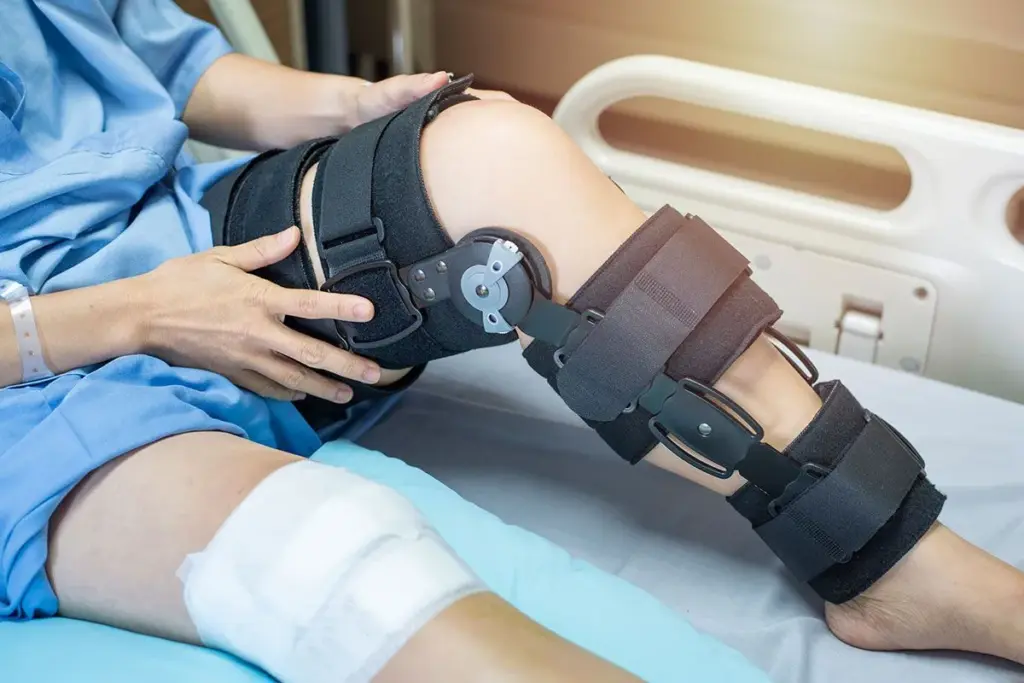
A ligament injury happens when the tissue between bones and joints gets stretched or torn. This can cause pain, swelling, and make it hard to move. Sprains are common ligament injuries, and they are graded based on how severe they are.
|
Grade |
Description |
Symptoms |
|---|---|---|
|
1 |
Mild stretching or micro-tearing |
Mild pain, minimal swelling |
|
2 |
Moderate tearing |
Moderate pain, noticeable swelling |
|
3 |
Complete tear |
Severe pain, significant swelling, instability |
Natural Healing Process of Ligaments
The healing of ligaments goes through several stages: inflammation, proliferation, and remodeling. Knowing about these stages helps us see how treatments like massage can help in recovery.
The inflammatory phase is when the body first reacts to injury, showing swelling and pain. Then, the body starts to repair the tissue in the proliferative phase. Finally, the remodeling phase strengthens and reorganizes the new tissue.
The Science Behind Ligament Healing
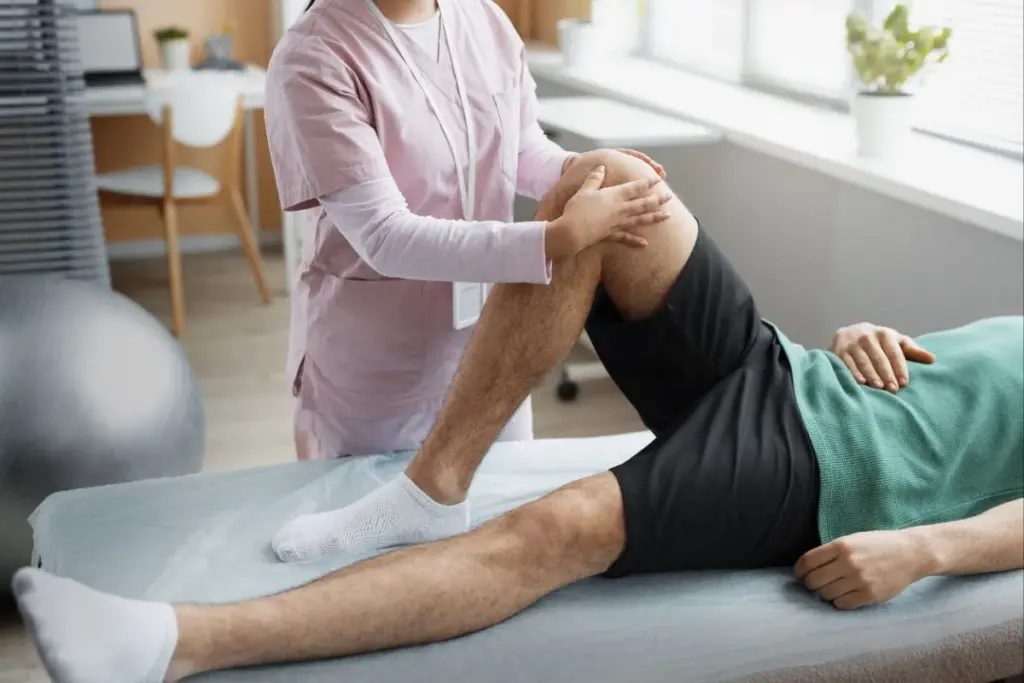
Knowing how ligaments heal is key to treating them well. Ligament injuries start a complex healing process. This process has many stages, each important for recovery.
Inflammatory Phase
The first step in healing is the inflammatory phase. It starts right after an injury. The body increases blood flow to the area, causing inflammation. This step is vital for removing debris and starting repair.
Proliferative Phase
After the inflammatory phase, the proliferative phase begins. This happens a few days post-injury. The body starts to rebuild the ligament with new tissue. This phase is marked by the growth of granulation tissue, full of blood vessels and cells for repair.
Remodeling Phase
The last stage is the remodeling phase. Here, the new tissue is strengthened and made functional. This phase can last months to a year or more, based on injury severity and individual factors.
Factors Affecting Healing Time
How long a pulled ligament takes to heal varies. It depends on injury severity, overall health, and treatment adherence. Age, nutrition, and any medical conditions also play a role in recovery.
|
Factor |
Description |
Impact on Healing |
|---|---|---|
|
Extent of Injury |
Severity of the ligament damage |
More severe injuries take longer to heal |
|
Overall Health |
General health and wellness of the individual |
Better overall health supports faster healing |
|
Age |
The age of the individual |
Older individuals may heal more slowly |
|
Nutrition |
Adequacy of nutritional intake |
Proper nutrition supports the healing process |
Understanding these factors and healing stages helps healthcare professionals create better treatment plans. These plans may include deep tissue healing massage to aid in recovery.
Traditional Medical Approaches to Ligament Injuries
Traditional medical methods are well-known for helping people recover from ligament injuries. These treatments have been improved over time. They are made to help with each stage of healing.
RICE Protocol (Rest, Ice, Compression, Elevation)
The RICE protocol is a key treatment for new ligament injuries. It includes:
- Rest: Staying away from activities that make the injury worse.
- Ice: Using ice to lessen pain and swelling.
- Compression: Wearing compression bandages to reduce swelling.
- Elevation: Keeping the injured limb up to lower swelling.
Medication Options
Medicines are important for managing pain and swelling from ligament injuries. Common medicines include:
|
Medication Type |
Purpose |
|---|---|
|
NSAIDs (e.g., ibuprofen) |
Lessen inflammation and pain. |
|
Analgesics (e.g., acetaminophen) |
Help with pain. |
Physical Therapy Basics
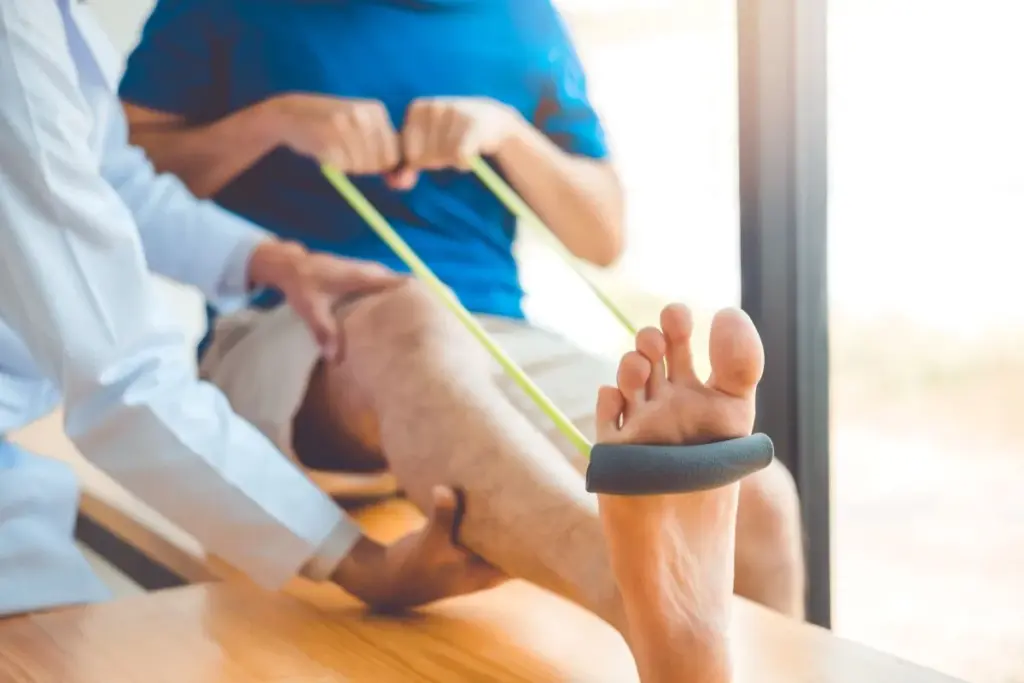
Physical therapy is key in getting better, helping to regain strength and flexibility. A physical therapist creates a plan tailored to the person’s needs.
“Physical therapy not only aids in the recovery from ligament injuries but also helps in preventing future injuries by improving overall musculoskeletal health.” – Expert in Sports Medicine
Surgical Interventions
If other treatments don’t work, or the injury is serious, surgery might be needed. Surgery can include arthroscopic procedures or ligament reconstruction.
Knowing about these traditional medical options helps people make better choices for their care. Combining these treatments with other therapies, like healing hands massage, can improve recovery results.
Massage for Healing: Mechanisms of Action
A serene, dimly lit massage therapy room. On a wooden table, a person’s back is being gently kneaded by skilled hands, promoting blood flow and muscle relaxation. Soft, diffused lighting from overhead casts a warm, soothing glow, creating an atmosphere of tranquility. In the background, a potted plant and soft, neutral-toned furnishings suggest a calming, natural environment. The massage therapist’s movements are deliberate and focused, using a combination of Swedish and deep tissue techniques to stimulate the body’s natural healing mechanisms.
Massage therapy is a key part of treating ligament injuries. It helps the body heal in many ways. Knowing how massage works helps us see its value in recovery.
Increased Blood Circulation
Massage boosts blood flow to injured areas. Increased blood circulation brings vital nutrients and oxygen. This supports the healing of damaged tissues.
Reduction of Inflammation
Massage also reduces inflammation, which is key for healing. It helps clear out harmful substances and improves lymphatic drainage. This reduces excessive inflammation, making it easier for tissues to repair.
Breaking Down Scar Tissue
Massage helps break down scar tissue. Scar tissue formation is part of healing, but too much can weaken tissues. Massage breaks down these adhesions, leading to better tissue repair.
Promoting Collagen Alignment
Lastly, massage influences collagen alignment during healing. By using specific techniques, massage therapists can guide the orientation of collagen. This improves the strength and function of the healed ligament.
Understanding these mechanisms shows the importance of massage in treating ligament injuries. It’s a valuable part of a comprehensive treatment plan.
Types of Massage Beneficial for Ligament Recovery
Recovering from ligament injuries can be helped by certain massages. These massages are tailored to meet the needs of those recovering. They offer a range of techniques for healing.
Sports Massage
Sports massage is for athletes and those who do a lot of physical activity. It focuses on stressed areas from repetitive movements. It improves circulation, reduces muscle tension, and helps remove waste after an injury.
Deep Tissue Massage
Deep tissue massage works on the deeper muscle and tissue layers. It’s great for ligament recovery because it breaks down scar tissue and adhesions. It uses slow, deep strokes to restore movement and function.
Myofascial Release
Myofascial release applies pressure to the tissue around muscles. It’s good for ligament recovery by releasing tension in the fascia. This improves range of motion and reduces pain.
Cross-Friction Massage
Cross-friction massage applies friction across muscle or ligament fibers. It’s good for breaking down adhesions and scar tissue. It also stimulates collagen synthesis for ligament repair.
A leading expert says, “Massage therapy is valuable for ligament injuries. It offers a holistic approach to recovery.”
“The integration of massage into a treatment plan can significantly enhance the recovery process for ligament injuries, providing a more comprehensive approach to healing.” –
Expert in Physical Therapy
Adding these massages to a recovery plan can speed up healing. It can also reduce recovery time and help you get back to normal activities faster.
Timing Matters: When to Start Massage After Injury
Massage therapy can greatly help in healing ligaments if done at the right time. The timing is key, as different methods are best for each injury phase. Knowing these phases and adjusting massage techniques can help recovery a lot.
Acute Phase Considerations
The acute phase is the first 72 hours after injury. Here, the main goal is to reduce swelling and pain. Gentle massage is introduced to help blood flow and remove waste. But, deep or intense massage should be avoided to prevent more swelling.
Gentle Techniques: Light stroking or soft tissue mobilization is good during this phase.
Sub-acute Phase Approach
The sub-acute phase comes after the acute phase. Now, the focus is on repairing and growing tissues. Massage can get more intense, using deeper techniques to tackle scar tissue and adhesions. This phase is vital for rebuilding tissue strength and flexibility.
Deep Tissue Techniques: Cross-friction massage and deep tissue mobilization work well here.
Chronic Phase Strategies
The chronic phase can last months after the injury. Here, the goal is to fully restore function and prevent future injuries. Massage therapy is crucial in keeping tissues healthy, improving movement, and aiding recovery.
Maintenance Techniques: Regular massages, using various methods like myofascial release and sports massage, support long-term recovery and performance.
Massage for Healing: Research Evidence and Clinical Outcomes
Research shows massage helps ligaments heal. It’s key to look at studies to see how well it works.
Clinical Studies Overview
Many studies have looked at massage and ligament injuries. They found massage boosts blood flow, cuts down inflammation, and helps collagen. These are all good for healing ligaments.
- A study in the Journal of Orthopaedic and Sports Physical Therapy found massage helped knee function and lessened pain in knee ligament injuries.
- Another study in the Journal of Bodywork and Movement Therapies showed massage reduced scar tissue and improved movement in ligament sprains.
Limitations in Current Research
Even with good results, there are challenges. Many studies have small groups, and we need bigger, more detailed trials to prove massage’s benefits.
Key limitations include:
- Different massage methods and plans are used in studies.
- Studies use different ways to measure results.
- We don’t know how long the benefits of massage last.
Expert Opinions and Consensus
“Massage therapy is becoming increasingly recognized as a complementary therapy that can aid in the recovery process for ligament injuries.”
—Sports Medicine Specialist
As research grows, we’ll learn more about massage’s role in healing ligaments and improving results.
Specific Ligament Injuries and Massage Approaches
Different ligament injuries need special massage methods for the best healing. These injuries can happen in many places like the ankle, knee, wrist, and shoulder. Each injury needs a unique massage plan to meet its specific needs.
Ankle Sprains and Massage Protocols
Ankle sprains are very common, often from sports or accidents. Massage for ankle sprains aims to lessen swelling, boost blood flow, and help move better.
- First, gentle massage helps blood flow and reduces swelling.
- Later, deeper massage and friction help break down scar tissue and strengthen ligaments.
Knee Ligament Injuries (ACL, MCL, PCL)
Knee ligament injuries, like ACL, MCL, and PCL tears, are common in sports. They can really hurt your ability to move. Massage is key in fixing these injuries.
|
Ligament |
Common Injury Mechanisms |
Massage Approach |
|---|---|---|
|
ACL |
Sudden stops, changes in direction |
Deep tissue massage, focus on quadriceps and hamstrings |
|
MCL |
Direct blow to the knee |
Gentle massage initially, progressing to deeper tissue work |
|
PCL |
Direct blow to the front of the knee |
Focus on posterior knee and hamstring muscles |
Wrist and Hand Ligament Treatment
Wrist and hand ligament injuries can come from falls or too much strain. Massage aims to lessen pain, improve movement, and get function back.
- Techniques include gentle mobilization of the wrist and hand joints.
- Soft tissue massage to reduce scar tissue and promote healing.
Shoulder Ligament Rehabilitation
Shoulder ligament injuries can happen from dislocation, falls, or too much strain. Massage for these injuries works on moving better, lessening pain, and making the shoulder stable.
Key massage techniques include:
- Cross-friction massage to promote ligament healing.
- Soft tissue mobilization to reduce muscle tension.
By customizing massage for each ligament injury, people can heal faster and get back to their usual activities sooner.
Self-Massage Techniques for Ligament Recovery
Self-massage can help your ligaments heal faster and feel better. Adding these techniques to your daily routine can make your recovery more effective. It lets you take a bigger part in healing yourself.
Tools and Accessories
There are many tools and accessories for self-massage. Here are some common ones:
- Foam rollers: Good for big areas like legs and back
- Massage balls: Great for spots like shoulders and hips
- Massage sticks: Useful for hard-to-reach places like the IT band
- Self-massage devices: Made for specific body parts or massage types
These tools help you apply the right pressure and technique. This promotes healing and relaxation.
Basic Self-Massage Methods
There are simple self-massage methods for ligament recovery. Here are a few:
- Effleurage: A soft, gliding stroke to warm up tissues and improve blood flow
- Petrissage: A kneading action to break down adhesions and scar tissue
- Trigger point therapy: Pressing on specific areas to release tension
Start softly and slowly increase pressure as your body gets used to it.
Safety Precautions
Self-massage is good, but safety is key to avoid injury. Here are some important tips:
- Don’t use too much pressure or cause pain
- Don’t massage directly over the injury, especially early on
- Be careful with tools or devices, especially if you have sensitive skin or health issues
By following these guidelines, you can safely use self-massage for ligament recovery.
Professional Massage vs. Self-Care: Making the Right Choice
It’s important to know the difference between professional massage therapy and self-care for ligament recovery. Self-care is good, but sometimes you need a professional’s help for the best healing.
When to Seek Professional Help
Professional massage therapy is great in some cases. If you’re in a lot of pain, have swelling, or your injury isn’t getting better, see a pro. Also, if you’ve had ligament injuries before or are not sure about your current one, a professional can help.
Massage therapists are trained to check how bad your injury is and create a plan just for you. They can also tell you how to use self-care with their help.
Finding a Qualified Massage Therapist
Finding the right massage therapist is key. Look for someone who knows about ligament injuries. Here’s what to consider:
- Check if they’re certified by groups like the National Certification Board for Therapeutic Massage and Bodywork (NCBTMB).
- Find therapists with sports or orthopedic massage experience.
- Ask for recommendations from doctors or friends who’ve had good experiences.
|
Qualification |
Description |
Importance Level |
|---|---|---|
|
Certification |
Certified by a recognized body such as NCBTMB |
High |
|
Experience |
Experience in treating ligament injuries |
High |
|
Client Reviews |
Positive feedback from previous clients |
Medium |
Questions to Ask Your Therapist
Before your massage, ask your therapist some questions. This ensures you’re getting the best care. Here are some questions to ask:
- What experience do you have with ligament injuries?
- What techniques will you use, and how will they help me?
- How will we track my progress, and can the treatment plan change?
These questions help you understand what to expect and if the therapist is right for you.
Complementary Approaches to Enhance Healing
To help ligaments heal better, we need more than just massage. Massage is great, but adding other therapies can make healing faster and stronger.
Nutrition for Ligament Repair
Eating right is key for fixing ligaments. Foods full of protein, vitamin C, and omega-3s are best. Protein makes collagen, vitamin C helps make it, and omega-3s fight inflammation.
Good foods for ligaments include lean meats, fish, eggs, citrus fruits, and nuts. Drinking enough water is also important. It keeps tissues strong.
Supplements That May Help
Some supplements can also help ligaments heal. Glucosamine and chondroitin are good for joints and ligaments. Omega-3s reduce swelling.
Vitamins C, E, and zinc help too. They make collagen and fight damage from stress.
|
Supplement |
Potential Benefit |
|---|---|
|
Glucosamine |
Promotes joint health |
|
Chondroitin |
Supports cartilage integrity |
|
Omega-3 |
Reduces inflammation |
Movement and Exercise Protocols
Moving right is important for healing ligaments. Gentle exercises keep joints moving and muscles strong. This helps the ligament get better.
Doing exercises that get harder slowly is good. But don’t push too hard. Let the ligament heal slowly.
Mind-Body Healing Techniques
Mind-body methods like meditation and deep breathing help with stress. They make you feel better and sleep better. They also help with pain.
Yoga and tai chi are great too. They make you more flexible and balanced. This helps fix ligament injuries.
Potential Risks and Contraindications
It’s important to know the risks and when to avoid massage therapy for ligament injuries. Massage can help, but there are times when you should be careful.
When Massage May Cause Harm
Massage therapy, like any treatment, has its risks. Some techniques or uses can be harmful, especially if not done right or if you have certain health issues. For example, deep tissue massage might be too strong for some, leading to bruises or pain.
Some risks of massage therapy include:
- Worsening existing injuries if not checked first
- Causing bruises or soreness from too much pressure
- Allergic reactions to massage oils or lotions
Medical Conditions to Consider
Some medical conditions might mean you should avoid massage or need special care. These include:
- Blood clotting problems or taking blood thinners
- Recent injuries or surgeries that could be hurt by massage
- Active infections or inflammatory diseases
- Osteoporosis, especially in advanced cases or with certain methods
Telling your massage therapist about your health is key to safe treatment.
Signs to Stop Treatment
It’s vital to know when to stop massage therapy. Look out for signs like:
- More pain or discomfort
- Numbness or tingling
- Dizziness or feeling light-headed
If you notice these symptoms, tell your massage therapist right away. They might need to change or stop the treatment.
Holistic Healing Massage Approaches
Holistic healing massage methods, like energy healing and healing touch therapy, create a caring space for ligament repair. They treat the whole person – body, mind, and spirit. This helps promote overall well-being and aids in the healing process.
Energy Healing Massage Methods
Energy healing massage methods believe the body has an energy system that can be influenced for healing. Techniques like Reiki and qigong balance and align the body’s energy. These methods can help reduce stress and promote relaxation, which are key for ligament injury recovery.
Energy healing massage uses gentle, non-invasive techniques. It stimulates the body’s natural healing mechanisms. This is especially helpful in the early stages of recovery when the body is most open to healing.
Healing Touch Therapy
Healing Touch Therapy uses gentle, light touch to balance the body’s energy system. It’s based on the idea that the body has an intricate energy system that can be influenced for healing and well-being. Healing Touch Therapy can help reduce pain and inflammation, common symptoms of ligament injuries.
Healing Touch Therapy practitioners use specific techniques to clear energy blockages and restore balance to the body’s energy system. This can lead to enhanced healing, reduced recovery time, and improved overall health.
Integrative Approaches
Integrative approaches to massage therapy combine conventional massage techniques with holistic healing methods. This comprehensive approach allows practitioners to tailor treatment plans to each client’s needs. By integrating different modalities, practitioners can address the complex needs of ligament injury recovery, including pain management, inflammation reduction, and tissue repair.
Integrative approaches also focus on client education and self-care. By empowering clients with knowledge and techniques for self-care, practitioners help them actively participate in their recovery. This leads to more effective and sustainable healing outcomes.
Creating an Effective Ligament Recovery Plan
To get the best results, it’s important to make a recovery plan that includes massage for healing. A good plan can help the healing process go faster and be more effective.
Combining Therapies for Optimal Results
A good recovery plan should use different therapies together. Massage therapy is key because it helps blood flow, reduces swelling, and breaks down scar tissue. Other important therapies include physical therapy, medicine, and nutrition.
Using these therapies together can lead to better results and shorter recovery times. It’s important to work with doctors to find the best mix of therapies for each injury.
Tracking Progress and Adjusting Treatment
It’s important to check how well the treatment is working regularly. Doctors might use tests, images, and patient feedback to see how things are going.
If the progress isn’t good, the treatment plan can be changed. This could mean doing more or different massage therapy, changing medicine, or adding new exercises.
Setting Realistic Recovery Expectations
It’s important to have realistic hopes about getting better. Healing from ligament injuries takes time and depends on the injury, treatment, and individual factors.
Knowing what to expect and setting reachable goals can help people stay motivated. Doctors are key in helping patients understand their recovery journey.
Conclusion: The Role of Massage in Ligament Healing
Massage therapy is key in helping ligaments heal faster. It improves blood flow and breaks down scar tissue. This helps the healing process.
Knowing which massages help, like sports and deep tissue, is important. It helps people choose the right treatment. Timing is also crucial, depending on the injury’s phase.
In conclusion, adding massage to a recovery plan can really help. It works best when combined with good nutrition and movement. This way, people can heal faster and get back to their normal activities.
FAQ
What is the role of massage in ligament healing?
Massage helps ligaments heal by boosting blood flow and reducing swelling. It also breaks down scar tissue and aligns collagen. This supports the healing process.
Can massage therapy be used immediately after a ligament injury?
No, the right time for massage therapy varies. In the early stages, gentle massage is best. As the injury heals, deeper massage can be used.
What types of massage are beneficial for ligament recovery?
Several massages help, like sports and deep tissue massage. Myofascial and cross-friction massages are also good. The best one depends on the injury and person.
How does massage therapy promote collagen alignment?
Massage therapy aligns collagen by using special techniques. This makes the ligament stronger and more functional.
Are there any risks or contraindications associated with massage therapy for ligament healing?
Yes, there are risks and things to avoid. Aggressive massage or certain health issues can be harmful. Always talk to a doctor before starting.
Can self-massage techniques be used for ligament recovery?
Yes, self-massage can help. Using tools, you can massage yourself safely. But, be careful not to hurt yourself.
How can I find a qualified massage therapist for ligament injuries?
Look for a massage therapist with ligament injury experience. Ask about their methods and experience to make sure they’re right for you.
What complementary approaches can enhance ligament healing alongside massage therapy?
Approaches like good nutrition, supplements, and exercise help. Mind-body healing techniques also support healing when used with massage.
How can I create an effective recovery plan for ligament injuries?
A good plan combines therapies and tracks progress. Work with doctors to create a plan that fits you.
Are there any holistic healing massage approaches that can aid in ligament recovery?
Yes, holistic massage methods like energy healing help. They support overall health and the body’s healing.
What are the benefits of therapeutic massage for ligament injuries?
Therapeutic massage reduces pain and swelling. It also improves movement and healing. Deep tissue and holistic massages are especially helpful.
National Center for Biotechnology Information. Evidence-Based Medical Insight. Retrieved from https://pubmed.ncbi.nlm.nih.gov/?term=Bove+et+al+2016+massage+forearm