Recovering from breast cancer surgery needs a full plan. This includes moving early, getting physical therapy, managing pain, and getting mental support. At LIV Hospital, we lead in giving top-notch, honest care to patients from around the world.
Today’s methods help patients heal faster and better. Our care plans, based on solid evidence, have shown a 91% 5-year survival rate for breast cancer patients. This proves the success of our modern medical ways.
Key Takeaways
- Early ambulation and tailored physical therapy can speed up recovery.
- Effective pain management is key for a smooth recovery.
- Proper wound care prevents complications.
- Psychological support is vital for emotional health.
- Modern medical protocols have greatly boosted breast cancer survival rates.
The Journey Through Mastectomy Recovery
Recovering from a mastectomy is a journey that needs a full approach to healing. It’s key to know what affects recovery and how new medical ways help patients.
Modern Recovery Protocols
Today’s recovery plans for mastectomy patients focus on moving early and tailored physical therapy. A proactive rehab plan helps patients move better and lowers lymphedema risk. Early, team-based care can cut hospital stays by up to 20%, showing the power of working together.
We know every patient’s path to recovery is different. Our care plans are flexible and meet each person’s needs. This way, patients get the best care, making their recovery better.
Setting Realistic Recovery Expectations
It’s vital to have clear recovery goals for mastectomy patients. Knowing what to expect can lessen worry and boost results. We teach our patients about their recovery, including possible hurdles and key moments.
|
Recovery Aspect |
Description |
Timeline |
|---|---|---|
|
Hospital Stay |
Initial recovery period under medical supervision |
1-3 days |
|
Physical Therapy |
Tailored exercises to improve range of motion and reduce lymphedema risk |
Within 24-48 hours post-surgery |
|
Full Recovery |
Complete healing and return to normal activities |
4-6 weeks |
Knowing the recovery steps and having clear goals helps patients on their healing path. Our team is dedicated to giving full care and support every step of the way.
Types of Mastectomy Procedures and Their Recovery Implications
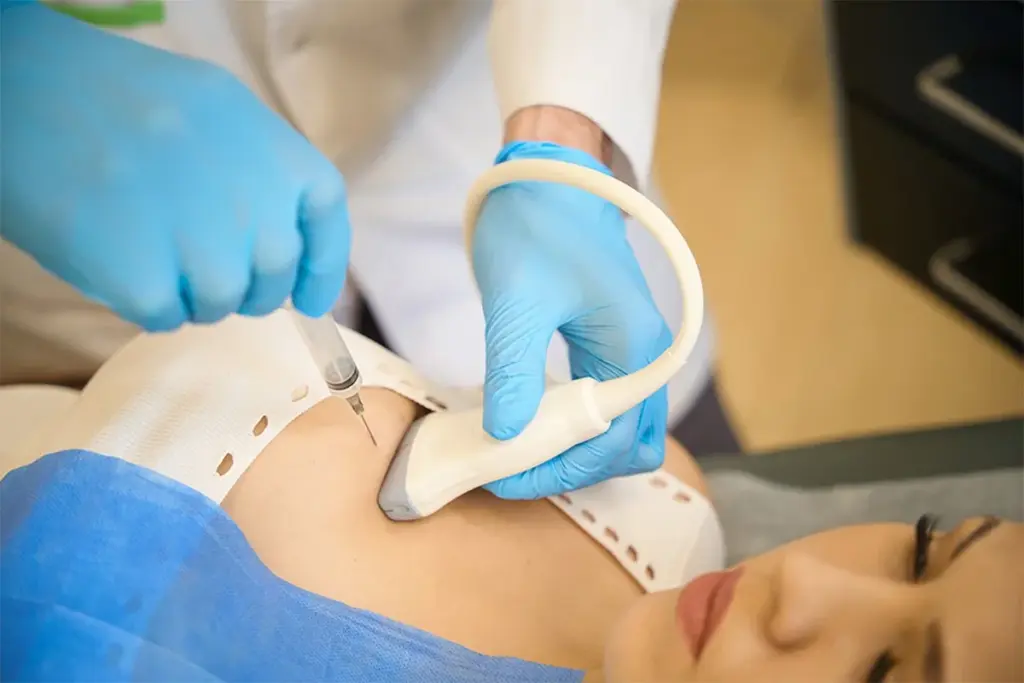
Mastectomy procedures vary, each with its own recovery and patient outcome implications. The choice of procedure depends on cancer stage, patient preference, and the surgeon’s advice.
Single vs. Double Mastectomy Recovery Differences
A single mastectomy removes one breast, while a double mastectomy removes both. Recovery times can differ significantly between the two procedures. Patients having a single mastectomy usually recover faster than those with a double mastectomy.
Studies show that double mastectomy patients often need longer hospital stays and more post-operative care. For example, a study found that double mastectomy rates have gone up, but survival rates are the same as single mastectomies. Further research is needed to understand double mastectomy’s impact on recovery and survival.
- Single mastectomy: Typically involves less tissue removal and potentially fewer complications.
- Double mastectomy: Involves more extensive surgery, potentially leading to longer recovery times and a higher risk of complications.
Skin-Sparing and Nipple-Sparing Considerations
Skin-sparing and nipple-sparing mastectomies aim to preserve more breast skin and, in some cases, the nipple-areola complex. These techniques can greatly impact patient satisfaction and recovery.
Skin-sparing mastectomy removes breast tissue while keeping as much skin as possible. This method can make immediate reconstruction easier and improve cosmetic results.
Nipple-sparing mastectomy is a more conservative option that keeps the nipple-areola complex. It requires careful patient selection and surgical planning for safety and cosmetic success.
Both skin-sparing and nipple-sparing mastectomies offer psychological benefits by preserving more of the natural breast look. Yet, these procedures may not be right for everyone. The decision to have one should be made with a qualified healthcare team.
Pre-Surgery Preparation for Faster Recovery
The journey to recovery after a mastectomy starts long before surgery. Careful preparation is key. Getting ready physically and mentally before surgery can make recovery better.
Physical Conditioning Before Surgery
Getting physically ready before surgery is very important. It helps patients recover faster and better. Regular exercise, a balanced diet, and enough rest are key.
A study shows that pre-surgery physical therapy can lower post-surgery problems. This approach also helps mentally.
Home Preparation for Post-Surgery Comfort
Preparing your home for recovery is also vital. This means making a comfy recovery space, arranging support, and getting necessary supplies. A well-prepared home can reduce stress and make recovery more comfortable.
“A well-organized home recovery plan can make a big difference. It can reduce the need for extra medical care and improve satisfaction.”
Expert Opinion
To ensure a smooth recovery, follow a structured plan. This includes:
- Arranging for someone to drive you home from the hospital
- Having a caregiver for daily tasks
- Stocking up on easy meals and snacks
- Setting up a comfy recovery area with supplies
By focusing on physical conditioning and home preparation, patients can improve their recovery. This leads to a faster and more comfortable return to normal life.
The Critical First 72 Hours After Mastectomy
Getting good care in the first 72 hours after mastectomy surgery is key. This time sets the stage for a smooth recovery.
Hospital Recovery Protocol
Hospital recovery plans are very important right after surgery. Effective pain management is a big part of these plans. It helps patients feel better and move around early.
We have a detailed pain management plan. It might include medicines and other therapies. We also watch for any problems that could arise.
Early Intervention Techniques
Starting early with care is vital in the first 72 hours. Gentle movement and watching for issues can really help patients.
Early mobilization stops stiffness and keeps blood flowing. This is key for healing. We also make sure the wound heals well to avoid infection.
- Effective pain management strategies
- Gentle mobilization techniques
- Monitoring for possible complications
- Proper wound care practices
Using these early steps, we can make recovery better for our patients.
Early Ambulation: The First Step to Rapid Recovery
Early ambulation is key in mastectomy recovery. It helps patients move again and lowers the chance of problems. By walking within 24 hours of surgery, patients can speed up their healing.
Benefits of Moving Within 24 Hours
Moving soon after mastectomy surgery has many benefits. It improves how well you can move and lowers the chance of lymphedema. Early ambulation also helps prevent blood clots, aids in wound healing, and boosts your physical health.
- Reduces the risk of deep vein thrombosis
- Improves circulation and promotes wound healing
- Enhances range of motion and reduces stiffness
- Lowers the risk of lymphedema
Safe Movement Techniques to Prevent Complications
To recover safely, patients need to learn safe movement techniques. Our healthcare team gives personalized advice on safe walking after mastectomy surgery. This helps avoid complications.
- Start with gentle movements, gradually increasing range of motion
- Avoid heavy lifting, bending, or strenuous activities
- Use support garments or devices as recommended by your healthcare provider
- Monitor your body’s response to movement and adjust as needed
By using early ambulation in their recovery, mastectomy patients can actively help their healing. Our team is dedicated to supporting and guiding you for a smooth recovery.
Advanced Pain Management Strategies
Advanced pain management is key to making patients comfortable after a mastectomy. It’s important for a smooth recovery. It lets patients get back to their daily lives faster and lowers the chance of problems.
Medication Protocols for Optimal Comfort
We use different medication plans to manage pain well. These include:
- Patient-controlled analgesia (PCA) for personalized pain relief
- Oral analgesics for sustained pain management
- Regional anesthesia techniques to minimize opioid use
By customizing medication plans for each patient, we boost comfort. We also lower the chance of opioid addiction.
Non-Pharmaceutical Pain Relief Approaches
We also use non-drug methods to help with pain. These include:
- Relaxation techniques such as deep breathing and meditation
- Physical therapy to improve mobility and reduce discomfort
- Acupuncture and other alternative therapies to complement traditional pain management
By adding these methods to our care plans, we offer full pain relief. This helps with both physical and emotional healing.
Key benefits of advanced pain management strategies include:
- Improved patient comfort and satisfaction
- Reduced risk of complications and opioid dependency
- Enhanced recovery outcomes through personalized care
Accelerated Wound Healing and Drainage Management
Proper wound care and managing drainage are key to avoiding problems after mastectomy surgery. We know how important it is for wounds to heal well and for drainage to be managed right. This helps make the recovery smoother.
Proper Surgical Site Care
It’s important to watch the surgical site for signs of infection and keep it clean. We suggest keeping the area clean and dry. If you see redness, swelling, or discharge, tell your doctor right away.
Using sterile dressings and topical antibiotics can help prevent infection. Our team will give you specific advice on caring for your surgical site. This will help you recover the best way possible.
Efficient Drain Management Techniques
Managing drains well is key to avoiding complications and making patients more comfortable. We use the latest drain management methods. These help reduce pain and speed up healing.
|
Drain Management Technique |
Description |
Benefits |
|---|---|---|
|
Closed Suction Drainage |
A system that uses suction to remove fluid from the surgical site. |
Reduces risk of infection, promotes healing |
|
Regular Drainage Record Keeping |
Monitoring and recording the amount and characteristics of drainage. |
Helps identify problems early |
|
Patient Education |
Educating patients on drain care and management. |
Empowers patients, reduces anxiety |
By focusing on good surgical site care and effective drain management, we can greatly improve recovery for mastectomy patients.
Physical Therapy: The Cornerstone of Mastectomy Recovery

After a mastectomy, physical therapy is key. It helps improve movement and lowers the chance of lymphedema. We tailor physical therapy to meet each patient’s needs.
Evidence-Based Exercise Protocols
Our physical therapy uses proven exercises for mastectomy patients. These exercises aim to boost shoulder movement, strengthen the upper body, and improve physical function.
These exercises are based on the latest research and guidelines. They help patients move better, feel less pain, and recover faster.
Progressive Rehabilitation Timeline
A gradual rehabilitation plan is vital for recovery. It lets patients slowly increase their activity and intensity. Our physical therapists create a plan that fits each patient’s needs and goals.
The plan has different phases, each with its own goals and exercises. The phases include:
|
Phase |
Goals |
Exercises |
|---|---|---|
|
Acute Phase (0-2 weeks post-op) |
Reduce pain and inflammation, improve range of motion |
Gentle stretching, deep breathing exercises |
|
Sub-Acute Phase (2-6 weeks post-op) |
Improve shoulder mobility, strengthen upper body |
Progressive resistance exercises, shoulder mobilization |
|
Advanced Phase (6+ weeks post-op) |
Enhance overall physical function, promote return to normal activities |
Advanced strengthening exercises, aerobic conditioning |
By sticking to this timeline, patients can get the best recovery and avoid complications.
Preventing Lymphedema Through Early Intervention
Knowing the risks and signs of lymphedema is key to preventing it. Lymphedema is a chronic condition where fluid builds up in the body. It can greatly affect the life of mastectomy patients. Early steps can help lower the risk of getting this condition.
Risk Factors and Warning Signs
First, we need to know the risk factors and warning signs. Risk factors include the extent of surgery, radiation therapy, and infection. Those who have had a mastectomy, and had lymph nodes removed, are at higher risk. Signs include swelling, heaviness, or tightness in the limb, and less flexibility.
It’s important to watch for these signs and tell your doctor right away. Catching it early means we can stop it from getting worse.
|
Risk Factor |
Description |
Prevention Strategy |
|---|---|---|
|
Surgery Extent |
More extensive surgeries increase risk |
Minimally invasive techniques when possible |
|
Radiation Therapy |
Radiation can damage lymph nodes |
Precise radiation targeting |
|
Infection |
Infections can trigger lymphedema |
Prompt infection treatment |
Proactive Prevention Strategies
Being proactive is important to lower lymphedema risk. Gentle exercises like yoga or swimming help improve lymph flow. Also, wearing loose clothes and keeping a healthy weight helps.
Learning about limb care and early signs of lymphedema is vital. Doctors should teach patients these strategies. This helps patients take charge of their recovery.
Nutritional Support for Accelerated Healing
Proper nutrition is key for mastectomy patients to heal faster. A balanced diet helps avoid complications and boosts health. The body needs specific nutrients to heal well after a mastectomy.
Anti-Inflammatory Diet Recommendations
An anti-inflammatory diet is vital for healing. Include foods high in omega-3s like salmon and sardines. Also, eat a variety of fruits, vegetables, whole grains, and lean proteins.
- Key Foods:
- Omega-3 rich fish
- Fruits and vegetables
- Whole grains
- Lean proteins
Supplements That Support Tissue Repair
Some supplements help with tissue repair and recovery. Vitamin C is important for collagen, and zinc boosts the immune system. Omega-3 supplements are good for those who don’t get enough from food.
- Beneficial Supplements:
- Vitamin C
- Zinc
- Omega-3 fatty acids
Drinking lots of water is also important. Stay away from processed foods and sugars to help healing. Getting a diet plan from a nutritionist is a good idea.
Psychological Recovery After Mastectomy
The journey after a mastectomy is not just about getting better physically. It’s also about building emotional strength. This emotional recovery is key to healing fully.
Managing Body Image Changes
Changes in body image after a mastectomy can be tough. Emotional support is very important during this time. Here are some helpful strategies:
- Counseling to tackle body image worries
- Support groups to connect with others who’ve gone through the same
- Mindfulness to help accept oneself
Emotional Support Resources
For those going through a mastectomy, emotional support is essential. Here are some resources:
- Counseling Services: Professional help can ease emotional challenges post-mastectomy.
- Support Groups: Being part of a group can offer a sense of belonging and understanding.
- Online Resources: The internet has many places for emotional support and information.
We aim to give a full picture of emotional recovery after mastectomy. Our goal is to support patients through this important part of their healing.
Multidisciplinary Approach to Faster Recovery
A team of healthcare professionals is key for a smooth mastectomy recovery. They cover physical, emotional, and psychological needs. This ensures a well-rounded care plan.
Coordinating Your Healthcare Team
Your healthcare team is essential for a smooth recovery. It includes surgeons, nurses, physical therapists, and sometimes psychologists. Together, they can spot and fix problems early.
To make sure everything runs smoothly, patients should:
- Keep a health record of medications, appointments, and progress.
- Talk openly with their team about their needs and worries.
- Stick to the recovery plan, including therapy and medication.
How Integrated Care Reduces Complications by 20%
Integrated care can cut complications by up to 20% in mastectomy patients. It uses proven methods, early action, and constant checks.
The perks of integrated care are:
|
Benefit |
Description |
Impact |
|---|---|---|
|
Early Detection of Complications |
A team watches closely for any issues. |
Less chance of serious problems |
|
Personalized Care Plans |
Plans are made just for each patient. |
Better care and results |
|
Coordinated Interventions |
Quick actions by many healthcare pros prevent and handle issues. |
Shorter recovery time and better life quality |
Using a team approach for mastectomy recovery boosts patient results and cuts down on complications. This method speeds up healing and improves care quality.
Recovery Statistics and Expectations
Recent studies have given us valuable insights into mastectomy recovery. This helps patients know what to expect. It’s key for them to navigate their recovery well.
Understanding the 86% Recurrence-Free Rate
The 86% recurrence-free rate at 5 years post-mastectomy for young women is hopeful. It shows that most patients in this group stay cancer-free after surgery.
Implications of this statistic highlight the need for early detection and effective surgery. It also shows the importance of personalized care and follow-up for the best results.
|
Demographic |
Recurrence-Free Rate at 5 Years |
|---|---|
|
Young Females |
86% |
|
Overall Population |
78% |
The 91% Five-Year Survival Rate Context
The 91% five-year survival rate for breast cancer patients after mastectomy is a key statistic. It shows how far medical care has come in treating breast cancer.
Early detection, effective surgery, and good post-operative care all play a role in this high survival rate. Knowing these factors helps patients and doctors work together for the best results.
Understanding recovery statistics and expectations helps patients prepare for their journey. This knowledge lets them make informed decisions and have realistic hopes for their recovery.
Returning to Normal Life: Accelerated Timeline
After a mastectomy, patients want to get back to their daily lives. This is a key part of recovery. It means slowly and safely getting back to normal routines, which helps improve overall health.
Resuming Daily Activities Safely
It’s important to start slowly with daily activities to avoid problems. Begin with easy things like reading, watching TV, or short walks. But, don’t do heavy lifting, bending, or hard exercises yet. Your doctor will tell you what’s okay.
Safe practices include:
- Gradually increasing activity levels
- Avoiding heavy lifting or bending
- Taking regular breaks to rest
Work and Social Reintegration Strategies
Going back to work and social activities needs a plan. Talk to your boss about when you can return and what help you might need. Joining support groups or counseling can help with social activities.
Strategies for successful reintegration include:
- Communicating your needs to your employer and family
- Setting realistic goals for returning to work
- Seeking support from counseling services or support groups
Advanced Recovery Protocols at Leading Institutions
Top hospitals are changing mastectomy recovery with new methods. LIV Hospital leads the way with its top-notch, caring approach.
LIV Hospital focuses on integrated care. It offers full recovery programs with the latest medical tech and personal support. This mix boosts patient results and makes recovery better.
LIV Hospital’s Integrated Recovery Approach
LIV Hospital’s care plan is smooth from start to finish. It teams up many healthcare experts. This way, patients get holistic care for their body, mind, and spirit.
“At LIV Hospital, we believe that integrated care is the key to unlocking the best possible outcomes for our patients. By bringing together a team of experts and leveraging the latest medical advancements, we can provide our patients with the highest quality care.”
Innovation in “5-Star Tourism Healthcare” Recovery
LIV Hospital’s “5-star tourism healthcare” shows in its modern facilities and top patient services. It mixes advanced medical care with luxury. This makes recovery both comfy and supportive.
The hospital’s new recovery methods include services like special diets and pain control. LIV Hospital puts patients first, setting a new standard in mastectomy recovery.
Conclusion: Your Personalized Fast-Track Recovery Plan
Creating a personalized recovery plan is key for mastectomy patients. It makes care fit each person’s needs, leading to better results and a quicker recovery.
This plan includes early walking, physical therapy, better pain control, and mental support. It helps patients recover more effectively, improving their life quality.
At top hospitals like LIV Hospital, patients get the best in mastectomy care. They work with a team of experts to make a recovery plan that meets their specific needs. This plan helps them recover faster.
Using a plan made just for them, patients face fewer complications and heal quicker. They can get back to their usual life sooner. We help our patients be active in their recovery, giving them the support they need for the best results.
FAQ
What is the fastest way to recover from a mastectomy?
To quickly recover from a mastectomy, focus on early movement and physical therapy. Also, manage pain well and get psychological support. Modern methods include walking early and tailored physical therapy to speed up healing and avoid problems.
What are the differences in recovery between single and double mastectomy?
Single and double mastectomies have different recovery times. Double mastectomies usually take longer. It’s important for doctors to tailor care to each patient’s needs based on these differences.
How can I prepare my home for post-surgery recovery?
Make your home safe and comfy for recovery. Have everything you need close by. Also, arrange for help from family or caregivers to make things easier.
What are the benefits of early ambulation after mastectomy surgery?
Moving early after surgery is key to recovery. It helps improve movement, lowers the risk of lymphedema, and speeds up healing.
How is pain managed after mastectomy surgery?
Managing pain well is essential for recovery. Doctors use various methods, including medicines and non-medical approaches, to keep patients comfortable.
What is the role of physical therapy in mastectomy recovery?
Physical therapy is vital for recovery. It uses exercises and a plan tailored to each patient. This improves movement, lowers lymphedema risk, and aids in healing.
How can lymphedema be prevented after mastectomy?
Preventing lymphedema involves understanding risks and signs. Early action, like gentle exercises and monitoring, can greatly reduce this complication.
What nutritional support is recommended for accelerated healing after mastectomy?
A diet low in inflammation and supplements are key for healing. Personalized nutrition advice from doctors helps repair tissues and boosts health.
How can patients manage body image changes after mastectomy?
Dealing with body changes and emotions is important. Doctors offer support, like counseling and groups, to help patients cope and feel better.
What is the overall 5-year survival rate for breast cancer patients?
The 5-year survival rate for breast cancer is 91%. This shows how effective today’s treatments are.
How can patients return to normal life after mastectomy?
Getting back to daily life after mastectomy means safely doing activities again. Doctors help with safe practices and strategies for a smooth transition, improving recovery and well-being.
References:
• Hamsa Sahib, Waqas Azhar, Nitin Saini, Kathy J Robinson, Kristin Delfino, & Krishna A. (2024). Breast cancer recurrence rate after mastectomy in young females. https://ascopubs.org/doi/10.1200/JCO.2024.42.16_suppl.e12591
• American Cancer Society. (2024). Breast Cancer Facts & Figures | American Cancer Society. https://www.cancer.org/research/cancer-facts-statistics/breast-cancer-facts-figures.html
• Lin, E., et al. (2020). Comparing survival differences between patients undergoing total mastectomy and breast-conserving therapy: A retrospective study. https://pubmed.ncbi.nlm.nih.gov/40789993/
• BreastCancer.org. (2024). Women Having Double Mastectomy, but Survival Rates Are Same as Lumpectomy Plus Radiation. https://www.breastcancer.org/research-news/more-double-mx-but-survival-same-as-lx
• National Cancer Institute. (2025). Cancer treatment and survivorship statistics, 2025. https://pmc.ncbi.nlm.nih.gov/articles/PMC12223361/.