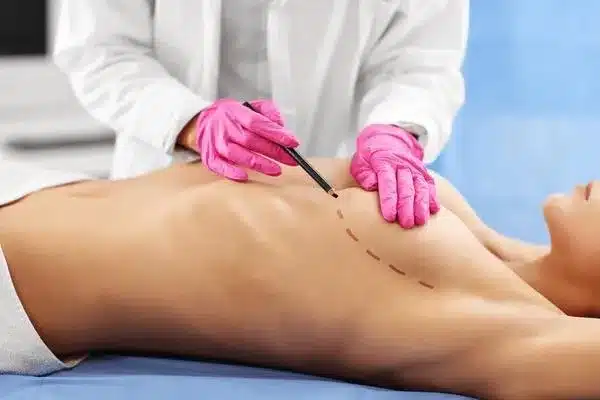
For many, a mastectomy is a big step in fighting breast cancer. At livhospital.com, our teams are here to help. We offer top-notch care to support you.
A breast removal surgery means taking out all breast tissue and sometimes more. It’s often done to treat or prevent breast cancer. Studies show that complications can happen in up to 17.4% of cases, depending on the procedure.
At livhospital.com, we focus on quality and new ideas in mastectomy care. We aim to help you through this tough time with care and kindness.
Key Takeaways
- Complication rates for mastectomy procedures vary based on the type of surgery.
- Combining mastectomy with implants or flap reconstruction increases complication rates.
- World-class care and innovative techniques are key for good results.
- Knowing the risks and complexities helps patients make smart choices.
- Multidisciplinary teams offer full support for mastectomy patients.
What Is a Mastectomy and Why Is It Performed
A mastectomy is a surgery to remove breast tissue. It’s a common treatment for breast cancer and sometimes used as a preventive measure. This surgery is a big deal and involves removing breast tissue. It’s done for different reasons, like treating or preventing breast cancer.
Definition and Scope of the Procedure
A mastectomy means removing all breast tissue and sometimes nearby tissues. The surgery can be different, from just removing the breast tissue to taking out lymph nodes and more. Recent studies show it’s key to know what the surgery includes for patient education and consent.
Common Reasons for Mastectomy

Mastectomy is mainly for breast cancer treatment. It’s also for those at high risk, like those with BRCA1 or BRCA2 genes. It’s also used for ductal carcinoma in situ (DCIS), where cancer cells are in ducts but not spreading.
|
Reason for Mastectomy |
Description |
|---|---|
|
Breast Cancer Treatment |
Removal of cancerous breast tissue |
|
High Risk of Breast Cancer |
Preventive measure for those with high genetic risk |
|
Ductal Carcinoma In Situ (DCIS) |
Treatment for non-invasive cancer cells in breast ducts |
Preventive versus Therapeutic Mastectomies
Mastectomies are either for treating cancer or to prevent it. Bilateral mastectomy, removing both breasts, is an option for those at high risk. This choice is made after weighing the risks and benefits.
Choosing to have a mastectomy is a big decision. Our team is here to support you. We aim to give you the best care and support.
Mastectomy as a Major Surgical Procedure
Mastectomy is a big surgery that needs careful planning and aftercare. It’s a big step for patients, and we want to make sure they know what to expect.
Classification Criteria for Major Surgery
Major surgeries are complex and risky. Mastectomy is one because it’s invasive and can lead to complications. It involves removing breast tissue, which is tricky, even with cancer.
Doctors look at several things to decide if a surgery is major. These include:
- The level of invasion and tissue disruption
- The risk of significant blood loss or other complications
- The need for general anesthesia or significant sedation
- The length of the procedure and recovery time
Comparison to Other Surgical Procedures
Mastectomy is as complex as other big surgeries like hysterectomy or CABG. These surgeries are invasive and risky.
|
Surgical Procedure |
Average Duration |
Recovery Time |
Anesthesia Type |
|---|---|---|---|
|
Mastectomy |
2-4 hours |
4-6 weeks |
General Anesthesia |
|
Hysterectomy |
1-3 hours |
4-8 weeks |
General Anesthesia |
|
CABG |
3-5 hours |
6-12 weeks |
General Anesthesia |
Anesthesia Requirements and Duration
Mastectomy needs general anesthesia for comfort and safety. The surgery’s length depends on the case’s complexity and if other procedures are done at the same time.
We focus on quick and effective care in emergencies, like the London Ambulance Service does. Our team works hard to give the best care to mastectomy patients. We plan carefully, execute precisely, and manage aftercare thoroughly.
Types of Mastectomy Procedures

There are many types of mastectomy procedures, each with its own benefits. At our institution, we tailor mastectomy options to meet our patients’ needs.
Total (Simple) Mastectomy
A total or simple mastectomy removes the entire breast. It keeps the muscles under the breast safe. This is often chosen for early-stage breast cancer or preventive mastectomies.
Modified Radical Mastectomy
Modified radical mastectomy removes the breast and some lymph nodes under the arm. It’s recommended for invasive breast cancer.
Skin-Sparing Mastectomy
Skin-sparing mastectomy keeps as much breast skin as possible. This makes immediate reconstruction easier. It’s used to improve looks and is often paired with reconstruction surgery.
Nipple-Sparing Mastectomy
Nipple-sparing mastectomy keeps the nipple-areola complex and skin. It’s for selected patients and can lead to better looks.
The right mastectomy depends on cancer stage, type, patient wishes, and reconstruction needs. Our skilled surgeons help choose the best option for each patient.
|
Type of Mastectomy |
Description |
Indications |
|---|---|---|
|
Total (Simple) Mastectomy |
Removal of entire breast |
Early-stage breast cancer, prophylactic mastectomy |
|
Modified Radical Mastectomy |
Removal of breast tissue and lymph nodes |
Invasive breast cancer |
|
Skin-Sparing Mastectomy |
Preservation of breast skin for reconstruction |
Breast cancer requiring immediate reconstruction |
|
Nipple-Sparing Mastectomy |
Preservation of nipple-areola complex |
Selected patients with favorable anatomy |
Medical technology and surgery have greatly improved mastectomy outcomes. Our team is dedicated to top-notch care and support during treatment.
Bilateral Mastectomy: Double the Complexity
Bilateral mastectomy, or double mastectomy, is a big surgery that needs careful thought and planning. It involves removing both breasts. This is often for people with breast cancer or those at high risk of getting it.
“The decision to have a bilateral mastectomy is never easy,” says a top breast surgeon. “It’s a complex process. It includes the surgery, recovery, and the emotional journey that comes with it.”
Indications for Bilateral Procedures
Bilateral mastectomy is usually suggested for those with cancer in both breasts or at high risk. It’s also for those with a strong family history of breast cancer or genetic mutations like BRCA1 or BRCA2.
Increased Surgical Risks
Research shows bilateral mastectomy carries more risks than single mastectomy. These risks include longer surgery times, more blood loss, and a higher chance of infection.
A study in the Journal of Clinical Oncology found, “Bilateral mastectomy was linked to a higher risk of complications than unilateral mastectomy.”
Recovery Considerations
Recovering from bilateral mastectomy is tougher than from single mastectomy. Patients might face more pain, swelling, and numbness. They may also need more physical therapy to move freely again.
At our institution, we know how complex bilateral mastectomy is. We’re dedicated to giving our patients the best care and support during their recovery.
Understanding Mastectomy Complication Rates
Recent studies have shed light on the complication rates associated with mastectomy and breast reconstruction. This gives valuable insights to both patients and healthcare providers.
At our institution, we understand the importance of knowing these complication rates. We want to ensure that patients are fully informed about the risks and benefits of different mastectomy procedures.
Baseline Complication Rates
Research shows that the baseline complication rate for mastectomy alone is about 5.8%. This rate helps us understand the risks of the procedure.
Complications with Implant Reconstruction
When mastectomy is combined with implant reconstruction, the complication rate goes up to around 10.3%. This increase is mainly because of the extra steps involved in placing the implant.
Complications with Flap Reconstruction
For patients having flap reconstruction, the complication rate is higher, at about 17.4%. The complexity of flap reconstruction, which includes both the mastectomy and the transfer of tissue, raises the risk.
Comparative Risk Analysis
A comparative analysis of these complication rates shows the importance of considering the type of reconstruction when evaluating risk. The following table summarizes the complication rates for different mastectomy procedures:
|
Procedure Type |
Complication Rate (%) |
|---|---|
|
Mastectomy Alone |
5.8 |
|
Mastectomy with Implant Reconstruction |
10.3 |
|
Mastectomy with Flap Reconstruction |
17.4 |
Understanding these complication rates is key to making informed decisions about mastectomy and reconstruction options. Our team is dedicated to providing personalized care and support to help navigate these complex choices.
Common Complications Following Breast Removal Surgery
After a mastectomy, patients might face several complications. At our institution, we focus on understanding these issues to help our patients recover well.
Surgical Site Infections
Surgical site infections (SSIs) are a big worry after mastectomy. These infections can cause longer hospital stays and more surgeries. We use antibiotics and careful wound care to lower this risk.
Wound Healing Complications
Wound healing problems can happen for many reasons. These include the patient’s health, how the surgery was done, and post-op care. Issues like wound opening up or slow healing can affect recovery and might need extra treatment.
Seroma and Hematoma Formation
Seroma and hematoma are common after mastectomy. A seroma is fluid, and a hematoma is blood outside blood vessels. Both can cause swelling, pain, and might get infected if not treated right.
Nerve Damage and Sensory Changes
Nerve damage during mastectomy can cause numbness, tingling, or pain in the chest, arm, or shoulder. Knowing about this risk helps us manage patient expectations and recovery.
Major complications like infections or wound problems usually happen within 60 days after surgery. Quick and effective management is key to the best outcomes for mastectomy patients.
|
Complication |
Description |
Management |
|---|---|---|
|
Surgical Site Infections |
Infections occurring at the surgical site |
Prophylactic antibiotics, wound care |
|
Wound Healing Complications |
Issues with wound closure or healing |
Monitoring, additional treatment as needed |
|
Seroma and Hematoma |
Fluid or blood accumulation at the surgical site |
Drainage, monitoring for infection |
|
Nerve Damage |
Sensory changes due to nerve injury |
Management of symptoms, potentially physical therapy |
We know mastectomy procedures come with risks and complications. Our team is skilled in handling these issues. We work closely with patients to watch their recovery and quickly address any worries.
The 60-Day Critical Period After Mastectomy
A successful mastectomy recovery depends on careful monitoring and follow-up care in the first 60 days. This time is when patients are most at risk for complications. Quick action can greatly improve their outcomes.
Early Post-Surgical Complications
In the first 60 days after mastectomy, patients face several risks. These include surgical site infections, wound healing issues, and seroma or hematoma formation. We watch closely for these issues to treat them quickly.
Some common early complications are:
- Infection
- Wound dehiscence
- Seroma or hematoma
- Nerve damage
Monitoring Protocols
Effective monitoring is key in the 60-day post-mastectomy period. Our team follows a strict schedule to check for complications and track healing. This includes regular visits, imaging studies when needed, and teaching patients about warning signs.
|
Monitoring Activity |
Frequency |
Purpose |
|---|---|---|
|
Post-operative check-ups |
Weekly for the first 4 weeks |
Assess wound healing, check for infection |
|
Imaging studies |
As needed based on clinical findings |
Evaluate for seroma, hematoma, or other complications |
|
Patient education |
Ongoing |
Empower patients to recognize warning signs |
Warning Signs Requiring Medical Attention
Patients need to know the warning signs for immediate medical help. These include increasing pain, fever, redness or swelling around the site, and unusual drainage. Spotting these signs early can prevent serious problems.
“The key to a successful recovery is not just the surgery itself, but the care that follows. By closely monitoring patients and educating them on what to watch for, we can significantly reduce the risk of complications.”
— A Surgical Oncologist
Understanding the 60-day period after mastectomy and following a strict monitoring plan can greatly improve recovery. This approach helps ensure better outcomes for patients.
Patient-Specific Risk Factors for Complications
The risk of complications after mastectomy surgery varies by individual. We focus on each patient’s unique factors to plan their care. This approach helps us tailor our treatment to meet their needs.
Age-Related Considerations
Age is a big factor in mastectomy complications. Older patients might face higher risks due to less physical strength and health issues. Careful pre-operative assessment and optimization are key for them.
Impact of BMI on Surgical Outcomes
Body Mass Index (BMI) also affects surgery results. People with a higher BMI might face more risks of wound problems and fluid buildup. Pre-surgical counseling on weight can help.
Pre-existing Medical Conditions
Medical conditions like diabetes and high blood pressure can make surgery harder. Managing these conditions before surgery is essential to reduce risks.
Lifestyle Factors Affecting Recovery
Lifestyle choices, like smoking and exercise levels, also matter. Smoking cessation programs and encouraging physical activity before and after surgery can help recovery.
|
Risk Factor |
Potential Complication |
Mitigation Strategy |
|---|---|---|
|
Advanced Age |
Increased risk of surgical site infections |
Careful pre-operative assessment |
|
High BMI |
Wound complications and seroma formation |
Pre-surgical weight management counseling |
|
Pre-existing medical conditions |
Complications related to diabetes, hypertension |
Managing conditions before surgery |
|
Smoking |
Impaired wound healing |
Smoking cessation programs |
Understanding and addressing these risk factors helps us create personalized care plans. This approach reduces the chance of complications and improves patient outcomes.
Preparing for Your Mastectomy Surgery
Getting ready for your mastectomy surgery is key to feeling confident and avoiding problems. At livhospital.com, we stress the need for thorough preparation. This ensures a good surgery and recovery.
Pre-surgical Consultations and Testing
You’ll have many tests and talks before your surgery. These steps help check your health and spot any surgery risks. Our team will make sure you get all the tests you need and answer any questions.
- Medical history review
- Physical examination
- Laboratory tests (blood work, etc.)
- Imaging studies (if necessary)
Physical Preparation Strategies
Getting your body ready for surgery is vital. We suggest:
- Eating a healthy diet to help your body heal.
- Drinking plenty of water to avoid complications.
- Doing gentle exercises as your doctor advises to boost strength and blood flow.
Nutritional Guidance: Eat a balanced diet with lots of fruits, veggies, lean proteins, and whole grains. Try to avoid too much sugar and processed foods.
Mental and Emotional Readiness
It’s just as important to prepare your mind and heart for surgery. We recommend:
- Using stress-reducing methods like meditation or deep breathing.
- Getting support from loved ones or support groups.
- Talking about your worries with your healthcare team.
Counseling services are there for you if you need help dealing with your diagnosis and surgery.
Home Preparation for Recovery
Getting your home ready for recovery can make a big difference. Think about:
|
Preparation Task |
Description |
|---|---|
|
Comfortable Recovery Area |
Make a quiet, cozy spot with everything you need close by. |
|
Essential Supplies |
Have loose, comfy clothes and any needed meds or care items ready. |
|
Meal Preparation |
Make and freeze meals ahead of time to avoid cooking while you’re recovering. |
By focusing on these areas, you can make your recovery smoother. This helps you heal better.
The Mastectomy Procedure: Surgical Process
The mastectomy surgery is complex, needing careful planning and skilled care. At our institution, we focus on giving detailed care at every step. This ensures the best possible outcome for our patients.
Pre-operative Preparations
Before surgery, our team does a lot of work. They check the patient’s health history, run tests, and talk about the surgery. Good communication helps the patient understand and get ready for the surgery.
Anesthesia Administration
Anesthesia is key to keeping the patient comfortable and pain-free. Our anesthesiologists work with the surgical team to pick the right anesthesia. They consider the patient’s health and any special needs.
Step-by-Step Surgical Technique
The surgery uses a precise technique to remove the breast tissue. Our surgeons follow a detailed plan. New surgical methods have made mastectomies more effective and successful.
Immediate Post-operative Care
After surgery, we focus on post-operative care. We watch the patient’s health, manage pain, and give care instructions for home. Good post-operative care helps avoid problems and aids in healing.
In summary, mastectomy surgery is a detailed process. It needs careful planning, precise surgery, and good care after. Understanding this helps patients prepare for the surgery and recovery.
Hospital Recovery After Mastectomy
Getting better after mastectomy surgery starts in the hospital. Our team at livhospital.com works hard to help patients during their stay. We focus on important things that help with recovery.
Duration of Hospital Stay
How long you stay in the hospital after mastectomy depends on your needs and the surgery. Most patients stay for 1-2 days. Our doctors keep a close eye on you, manage your pain, and watch for any problems.
Pain Management
Managing pain is key after surgery. We use different methods to help with pain, like oral medications, intravenous pain relief, and regional anesthesia. We want you to be comfortable so you can start getting better.
Drain Care and Management
Surgical drains are often used to remove fluid after mastectomy. Taking care of these drains is important to avoid problems like seroma or infection. Our team teaches you how to care for your drains and watch for any issues.
Initial Mobility Guidelines
Moving around early after mastectomy is good for you. It helps prevent blood clots and helps your body heal. You’ll start with small movements and do more as you feel better. Our team will guide you on how to move and do exercises that are right for you.
We focus on these important parts of hospital recovery. Our goal is to make sure you have a smooth and comfortable start to your recovery at home.
Long-Term Recovery and Rehabilitation Process
The journey to full recovery after mastectomy surgery is long. It goes beyond the hospital stay. At our institution, we focus on a detailed rehabilitation plan for the best results.
Physical Therapy Requirements
Physical therapy is key in the recovery journey. It helps patients regain strength and mobility. Early mobilization is encouraged to prevent issues like lymphedema and promote healing.
A physical therapist creates a personalized exercise program for each patient. This program meets their specific needs and abilities.
- Exercises to improve shoulder mobility and reduce stiffness
- Strengthening exercises for the arm and chest muscles
- Guidance on proper posture and body mechanics
Studies show physical therapy greatly improves outcomes after mastectomy surgery. A study on the National Center for Biotechnology Information website found physical therapy can enhance recovery and lower complication risks.
Timeline for Returning to Normal Activities
The time it takes to get back to normal varies. It depends on the surgery type and the patient’s health. Generally, it takes weeks to months to gradually return to normal activities.
It’s important to follow healthcare provider advice. This helps avoid overexertion and ensures a smooth recovery.
- Immediate post-surgery period (0-2 weeks): Rest and limited activity
- Early recovery phase (2-6 weeks): Gradual increase in activity level
- Late recovery phase (6-12 weeks): Return to most normal activities
Managing Long-Term Side Effects
Managing long-term side effects is vital. Common issues include lymphedema, numbness, and sensation changes. Our team helps patients find ways to manage these, like using compression garments and exercises.
Emotional Recovery Considerations
Emotional recovery is as important as physical recovery. Patients may feel anxious, depressed, relieved, or grateful. We offer counseling, support groups, and educational resources to help them emotionally.
By focusing on both physical and emotional recovery, we aim for the best outcomes after mastectomy surgery. Our detailed approach ensures patients get the care and support they need to thrive.
Breast Reconstruction Options Following Mastectomy
Medical technology has improved, making breast reconstruction a viable option for those who have had a mastectomy. At our institution, we see breast reconstruction as a key part of treating breast cancer patients.
Immediate versus Delayed Reconstruction
Choosing between immediate and delayed reconstruction depends on several factors. These include the patient’s health, the cancer’s stage, and if they need radiation therapy.
Immediate Reconstruction happens right after the mastectomy. It can offer psychological benefits and reduce the number of surgeries needed.
Delayed Reconstruction is done after the mastectomy and any follow-up treatments. This option is chosen by those who need radiation or want to focus on recovery first.
Implant-Based Reconstruction Techniques
Implant-based reconstruction uses saline or silicone implants to make the breast. It’s popular because it’s less invasive than other methods.
The process starts with tissue expansion to make room for the implant. Implant-based reconstruction is a simpler procedure but might need more surgeries to get the desired look.
|
Reconstruction Method |
Description |
Recovery Time |
|---|---|---|
|
Implant-Based |
Uses saline or silicone implants |
Several weeks |
|
Autologous |
Uses the patient’s own tissue |
Several months |
Autologous (Flap) Reconstruction Methods
Autologous reconstruction moves tissue from one part of the body to the chest. This method can make the breast feel and look more natural.
Types of Autologous Reconstruction include the TRAM, DIEP, and latissimus dorsi flaps. Each has its own benefits and considerations.
Choosing to Go Flat: No Reconstruction
Some patients decide not to have breast reconstruction after a mastectomy. This choice is valid and can make recovery simpler.
Our team supports all breast reconstruction decisions. We provide full care and guidance throughout the process.
Conclusion: Navigating Your Mastectomy Journey
Going through a mastectomy is tough and complex. At livhospital.com, we get how important good care and support are. We help from the start to when you’re fully recovered.
Our teams work together to give top-notch care. We focus on quality, new ideas, and kindness. We know that care and support are key for a smooth journey through mastectomy.
We aim to improve our patients’ lives with our treatments and services. For more details on our mastectomy care, check out livhospital.com.
FAQ
What is a mastectomy, and why is it performed?
A mastectomy is a surgery to remove breast tissue. It’s often done for breast cancer treatment or prevention. It’s a big surgery that needs careful planning and execution.
What are the different types of mastectomy procedures?
We offer several mastectomy procedures. These include total mastectomy, modified radical mastectomy, skin-sparing mastectomy, and nipple-sparing mastectomy. Our experienced surgeons help patients choose the best procedure for them.
What is a bilateral mastectomy, and when is it indicated?
A bilateral mastectomy removes both breasts. It’s often for those at high risk of breast cancer or with cancer in both breasts.
What are the possible complications of mastectomy procedures?
Mastectomy procedures can have risks like infections, wound issues, and nerve damage. Our team is skilled in handling these complications.
How long do I stay in the hospital after a mastectomy?
Hospital stay times vary. We provide detailed postoperative care to ensure a smooth recovery. This includes pain management and mobility guidelines.
What are the breast reconstruction options after a mastectomy?
We offer several breast reconstruction options. These include immediate or delayed reconstruction, implant-based methods, autologous (flap) reconstruction, and the choice to go flat without reconstruction.
How can I prepare for my mastectomy surgery?
We help patients prepare physically, emotionally, and mentally for surgery. We also ensure their home is ready for a smooth recovery.
What is the recovery process like after a mastectomy?
Recovery involves physical therapy, managing long-term side effects, and emotional recovery. We create personalized rehabilitation plans for the best outcomes.
What are the risks associated with mastectomy surgery?
We consider patient factors like age, BMI, and medical conditions when planning care. This helps minimize risks.
How will I be monitored during the recovery period?
We emphasize close monitoring for 60 days after surgery. Our team works with patients to catch any complications early.
Can I undergo breast reconstruction immediately after mastectomy?
Yes, immediate breast reconstruction is an option for some. We discuss the risks and benefits with patients to choose the best treatment.
References:
• American Cancer Society. (n.d.). What is a mastectomy? | American Cancer Society. https://www.cancer.org/cancer/breast-cancer/treatment/surgery-for-breast-cancer/mastectomy.html
• National Cancer Institute. (n.d.). Breast reconstruction after mastectomy – NCI. https://www.cancer.gov/types/breast/breast-reconstruction-fact-sheet
• Wiggins, A., Galvez, V., Barta, P., Brooks, D., & Ishak, K. (2018). Comparison of 2-year complication rates among common mastectomy reconstruction techniques. JAMA Surgery, 153(10), 901-908. https://jamanetwork.com/journals/jamasurgery/fullarticle/2685264
• Zobrist, A., Lee, S., Dela Cruz, C., Chen, P.O., & Wang, Y. (2017). The epidemiology and outcomes of breast cancer surgeries. PMC, https://pmc.ncbi.nlm.nih.gov/articles/PMC5216501/
• Xu, Y., Wang, S., Zheng, C., Zhang, X., & Zhang, M. (2010). Classifying breast cancer surgery: a novel, complexity-based system. PMC, https://pmc.ncbi.nlm.nih.gov/articles/PMC2679762/