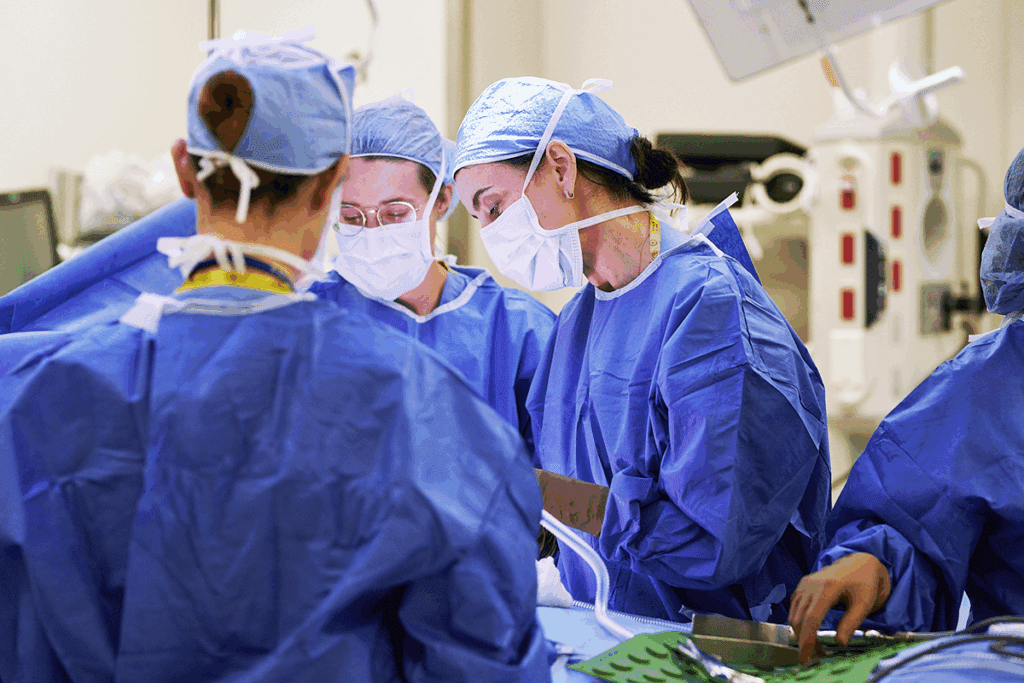
Nearly 40% of women with breast cancer have a mastectomy as part of their treatment. This big breast surgery means removing one or both breasts. It’s often done with other treatments like chemo or radiation.mastectomy major surgeryMastectomy: Negative Hospital Stay After Surgery
A Mastectomy is a significant procedure that can evoke fear and anxiety in patients. Many patients wonder about its complexity and what it means for them. Our team is here to help, giving clear info on the mastectomy procedure complexity and its role in fighting breast cancer.
Key Takeaways
- Mastectomy is a big surgery for breast cancer treatment.
- The complexity of mastectomy depends on the patient’s needs.
- Knowing about the procedure’s impact is key for making good choices.
- Patients going through mastectomy need lots of support and care.
- We’re all about giving top-notch, personalized healthcare.
- Mastectomy might be done with other cancer treatments.
Understanding Mastectomy: An Overview
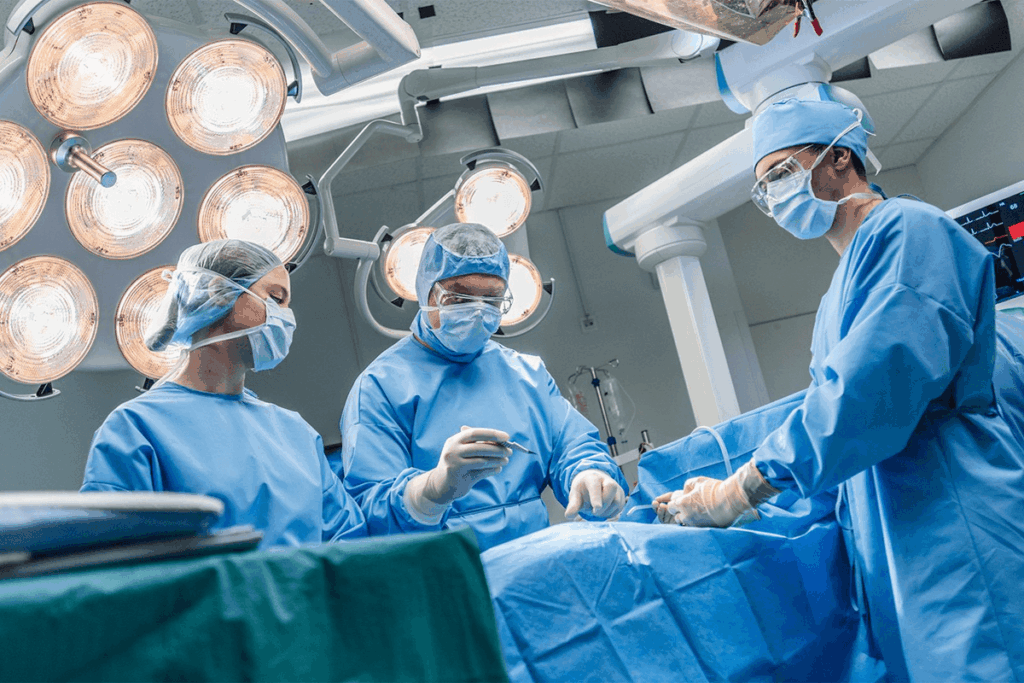
Understanding mastectomy is key for those facing breast cancer or health issues. We aim to give a detailed overview to guide you through this complex surgery.
What is Mastectomy?
A mastectomy is a surgery that removes one or both breasts, fully or partially. It’s often done to treat breast cancer or to prevent it in high-risk cases. The goal is to remove cancer cells from the breast tissue, lowering the chance of cancer coming back.
Types of Mastectomy Procedures
There are many types of mastectomy surgeries, each for different reasons and outcomes. The choice depends on the cancer’s stage, tumor size and location, and the patient’s health and wishes.
Here’s a quick look at the main types of mastectomy procedures:
| Type of Mastectomy | Description |
| Simple (Total) Mastectomy | Removal of the entire breast, including the nipple, areola, and most of the overlying skin. |
| Modified Radical Mastectomy | Removal of the entire breast along with the underlying lymph nodes. |
| Skin-Sparing Mastectomy | Removal of the breast tissue while preserving as much of the breast skin as possible, including the skin around the nipple. |
| Nipple-Sparing Mastectomy | Removal of the breast tissue while preserving the nipple-areola complex. |
| Radical Mastectomy | A more extensive surgery that involves the removal of the breast, lymph nodes, and parts of the chest muscles. |
Each mastectomy type has its own use and is chosen based on the case. It’s vital to talk to a healthcare professional to find the best surgery for you.
We know mastectomy is a tough experience. Our team is here to support and care for you every step of the way.
The Surgery Process: What to Expect
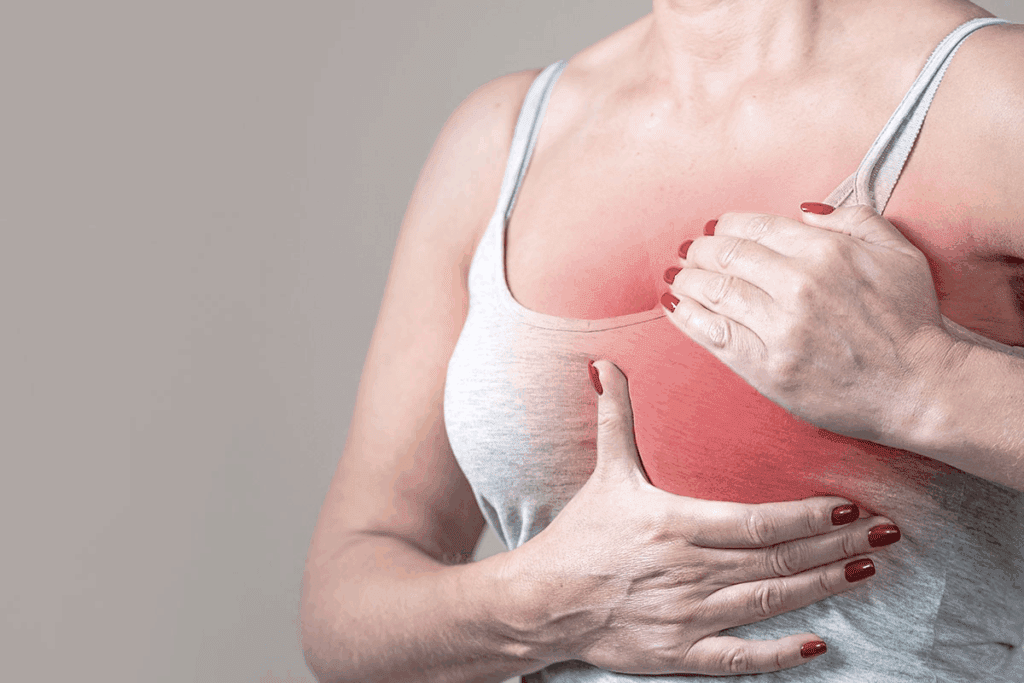
The mastectomy surgery process has several stages. These stages include initial preparations and postoperative care. Each stage is important for a good outcome. Knowing about these stages can help patients feel more ready and in control.
Preoperative Preparations
Before a mastectomy, patients go through many preparations. These include:
- Medical evaluations to check health and risks.
- Talking with the surgical team about the mastectomy type.
- Preoperative tests like blood work and imaging.
- Advice on how to prepare for surgery, including lifestyle changes.
These steps are key for a smooth surgery. They are tailored to each patient’s needs.
During the Surgical Procedure
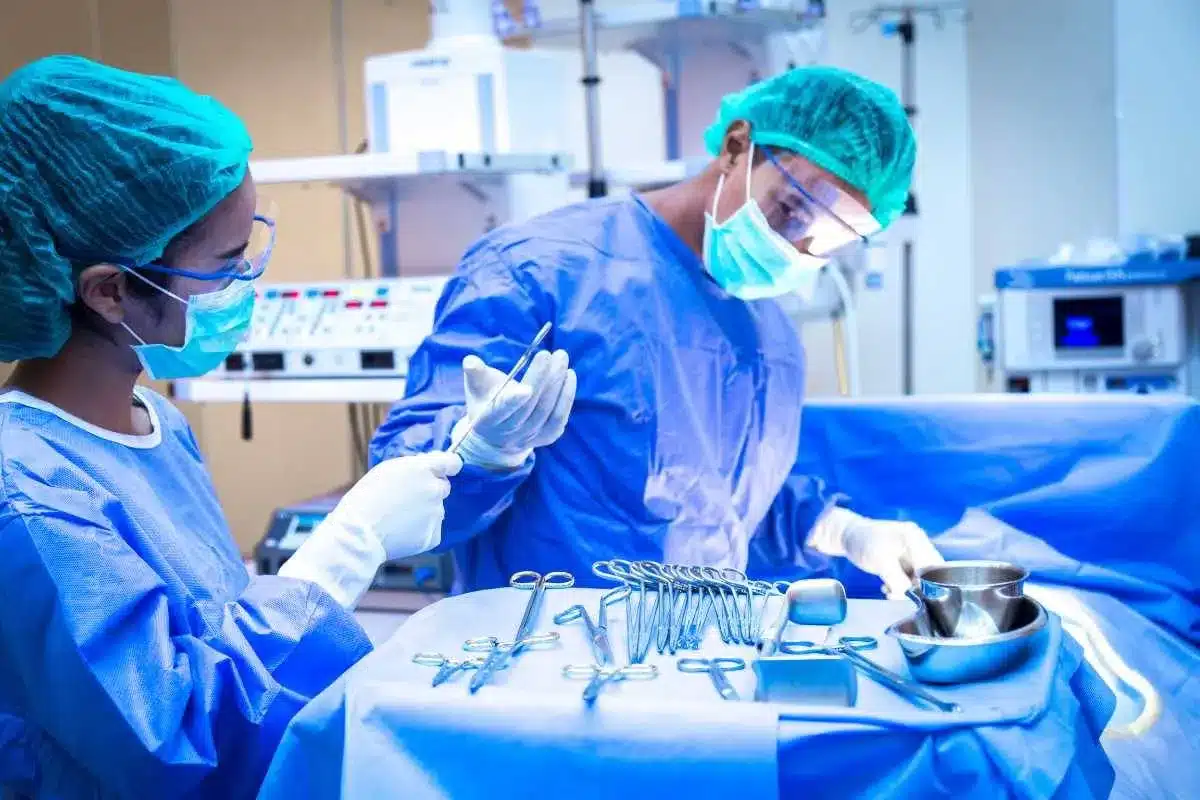
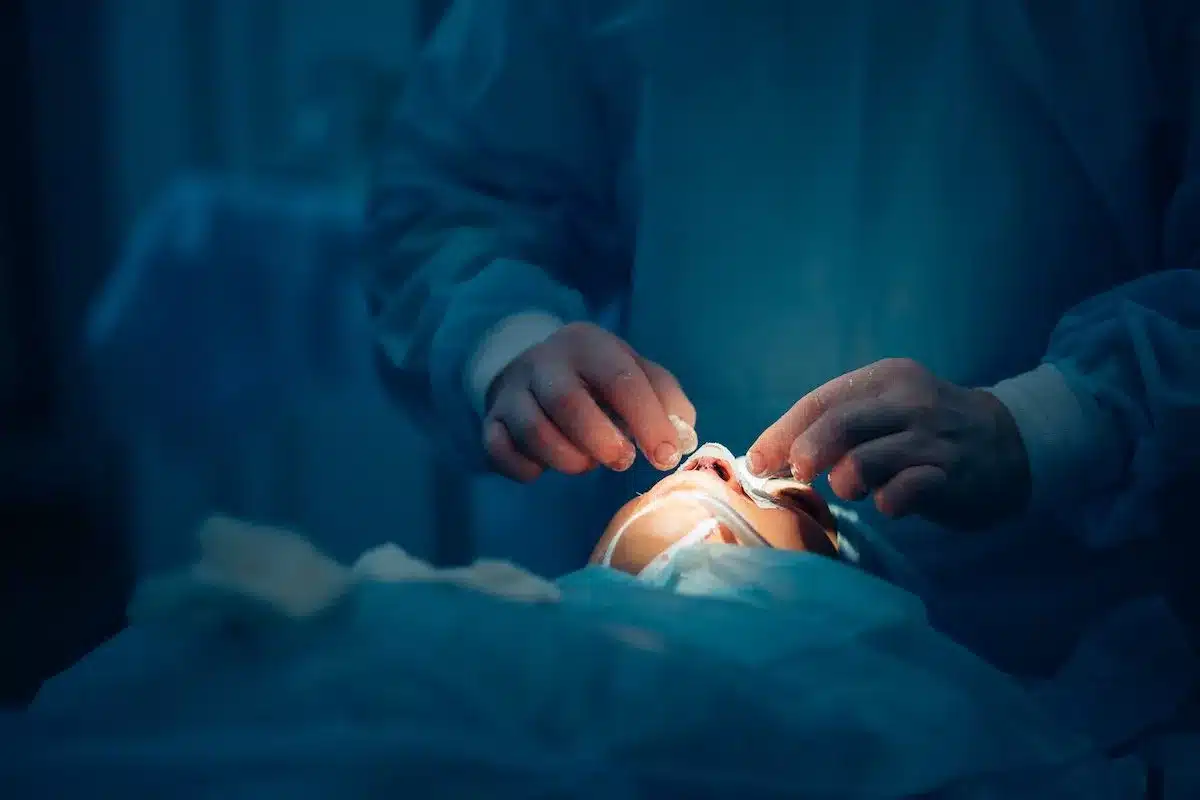
A mastectomy is a type of breast surgery. The type depends on the surgery extent and patient needs. The procedure involves:
- Administering anesthesia for comfort during surgery.
- Performing the mastectomy, varying based on diagnosis and condition.
- Potential reconstruction, if planned, right after the mastectomy.
The mastectomy type—simple, modified radical, or radical—varies. It depends on cancer stage and health.
Postoperative Care Instructions
After surgery, patients get detailed care instructions. These include:
- Watching for complications like infection or anesthesia reaction.
- Managing pain and discomfort with medication and other methods.
- Follow-up appointments to check healing progress.
- Guidance on when to start normal activities and exercises.
Postoperative care is vital. Following the healthcare team’s instructions is key for a smooth recovery.
| Stage | Description | Key Considerations |
| Preoperative Preparations | Medical evaluations, discussions with the surgical team, preoperative testing. | Understanding the type of mastectomy operation and necessary preparations. |
| During the Surgical Procedure | Administering anesthesia, performing the mastectomy, possible reconstruction. | The classification of breast surgery and the extent of the mastectomy. |
| Postoperative Care Instructions | Monitoring for complications, managing pain, follow-up appointments. | Adhering to postoperative instructions for a smooth recovery. |
Knowing the mastectomy process is key for patients. It helps them navigate their treatment journey confidently. By understanding what to expect, patients can better handle mastectomy surgery and focus on recovery and well-being.
Why Is Mastectomy Considered Major Surgery?
Mastectomy is seen as major surgery because it’s a big procedure. It affects a person’s body and mind deeply. It’s important to know why it’s considered major.
Surgical Impact on the Body
Mastectomy means removing one or both breasts, partly or fully. This big change can affect the body and mind in many ways. Some key effects include:
- Significant tissue removal: Removing a lot of tissue changes how the body looks and works.
- Risk of complications: Like any big surgery, mastectomy can lead to infections, bleeding, and bad reactions to anesthesia.
- Emotional and psychological effects: Losing a breast or breasts deeply affects self-esteem, body image, and mental health.
Length of Recovery Time
Recovering from mastectomy takes a long time, often weeks to months. Recovery time depends on:
- Extent of the surgery: The bigger the surgery, the longer it takes to recover.
- Individual health factors: People with health issues or extra treatments like chemo or radiation recover longer.
- Postoperative care: Good wound care, pain management, and doctor visits are key for a smooth recovery.
Knowing mastectomy is major surgery helps patients get ready for it and recovery. We aim to give full care and support during this time.
Risks and Complications of Mastectomy
Choosing to have a Mastectomy is a significant procedure that can evoke fear and anxiety in patients.erstanding the risks and complications that come with it. Mastectomy is a major surgery that can affect a patient’s recovery and health.
Common Surgical Risks
Mastectomy, like other surgeries, has common risks. These include:
- Infection: There’s a chance of infection with mastectomy. This can be treated with antibiotics, but sometimes more treatment is needed.
- Bleeding and Hematoma: Bleeding can happen during or after surgery. It might lead to hematoma, a blood collection outside of blood vessels.
- Seroma: A seroma is a fluid collection after surgery. It might need to be drained.
- Lymphedema: Removing lymph nodes can cause lymphedema. This is swelling in the arm.
- Nerve Damage: Nerve damage during surgery can cause numbness, tingling, or pain in the affected area.
Long-term Health Considerations
There are also long-term health issues to consider after mastectomy. These include:
- Chronic Pain: Some patients may have chronic pain after mastectomy. This can be managed with medication and therapy.
- Phantom Breast Sensation: Some women might feel sensations in the breast that’s been removed.
- Emotional and Psychological Impact: Mastectomy can deeply affect a patient’s emotions and mind. Support systems are key for recovery.
- Reconstruction Complications: If a patient chooses breast reconstruction, there are more risks and complications.
It’s vital for patients to talk to their healthcare provider about these risks. Understanding the impact of mastectomy on their health helps them make informed decisions. This way, they can choose the best path for their care and recovery.
Emotional and Psychological Effects
Mastectomy is a key step in fighting breast cancer, but it comes with a mix of emotions. These feelings can deeply affect a person’s life in many ways.
Coping with Surgery and Diagnosis
Getting a diagnosis and going through surgery can stir up many emotions. People often feel anxious, scared, and unsure about what’s next. It’s important to face these feelings and find help.
Every person’s experience is different, and the emotional impact can vary a lot. Some might feel sad or grieve the loss of a breast. Others might feel relieved that the cancer is being treated.
Coping Mechanisms:
- Meditation and mindfulness practices
- Support groups, either in-person or online
- Counseling or therapy sessions
- Engaging in hobbies or activities that bring joy
Support Systems and Resources
Having a strong support system is key to dealing with mastectomy’s emotional and psychological sides. This includes family, friends, healthcare teams, and support groups.
| Support System | Description | Benefits |
| Family and Friends | Emotional support and practical help | Reduces feelings of loneliness, provides practical assistance |
| Support Groups | Community of individuals with similar experiences | Shares experiences, advice, and emotional support |
| Professional Counseling | Guided therapy sessions | Helps manage anxiety, depression, and other emotional challenges |
Grasping the emotional and psychological sides of mastectomy and using support systems can greatly help patients cope with the surgery and its effects.
Alternatives to Mastectomy
Breast cancer treatment has changed a lot. Now, there are many options other than mastectomy. These choices depend on the cancer’s stage and type, and the patient’s health and wishes.
Lumpectomy vs. Mastectomy
Lumpectomy, or breast conserving surgery, removes the tumor and some tissue around it. This keeps most of the breast. Mastectomy, on the other hand, removes one or both breasts.
Choosing between lumpectomy and mastectomy depends on the tumor’s size and location. It also depends on if there are multiple tumors and the patient’s genetic risk. Studies show lumpectomy with radiation can be as good as mastectomy for early-stage cancer.
But, the right choice should be made with a doctor’s advice. They consider the mastectomy procedure complexity and what’s best for the patient.
| Procedure | Description | Recovery Time |
| Lumpectomy | Removal of tumor and surrounding tissue | Typically shorter than mastectomy |
| Mastectomy | Removal of one or both breasts | Can be longer due to complexity |
Benefits of Non-Surgical Options
For some, non-surgical treatments might be good alternatives or additions to surgery. These include chemotherapy, hormone therapy, and targeted therapy. These can be used alone or with breast conserving surgery for better results.
Non-surgical options might have less impact on the body than mastectomy. They can help keep more natural tissue and might avoid the need for reconstruction. But, these options depend on the patient’s specific situation and should be talked about with a doctor.
- Chemotherapy: Using drugs to kill cancer cells
- Hormone Therapy: Blocking hormones that cancer cells need to grow
- Targeted Therapy: Targeting specific characteristics of cancer cells
Knowing about all the treatment options helps patients make better choices. They can think about how effective the treatment is and how it affects their life quality.
The Role of Oncologists and Surgeons
Oncologists and surgeons play a huge role in mastectomy care. They handle the surgery and the patient’s overall health. It’s important to have a skilled team for this surgery.
Together, oncologists and surgeons give patients the best care. They work from diagnosis to recovery. Their knowledge helps patients get the best treatment.
How to Choose the Right Surgical Team
Choosing the right team is key for a successful mastectomy. Here are some things to think about:
- Experience and Qualifications: Find surgeons and oncologists with lots of experience in breast cancer surgery.
- Multidisciplinary Approach: Make sure the team includes many specialists like radiologists and pathologists.
- Patient Reviews and Testimonials: Look at what other patients say to see if the team is good.
- Communication: Pick a team that talks well, listens, and explains things clearly.
A study in the Journal of Clinical Oncology found that a team approach helps patients more. It improves survival rates.
“A multidisciplinary approach to breast cancer care is associated with improved survival and reduced risk of recurrence.”
Importance of Multidisciplinary Approach
A team approach is essential in mastectomy care. It brings together experts for a full treatment plan. This way, all parts of care are covered, from surgery to aftercare.
| Specialist | Role |
| Oncologist | Provides medical oncology care, including chemotherapy and hormone therapy. |
| Surgeon | Performs the mastectomy surgery and coordinates surgical care. |
| Radiologist | Interprets imaging studies and assists in diagnosis. |
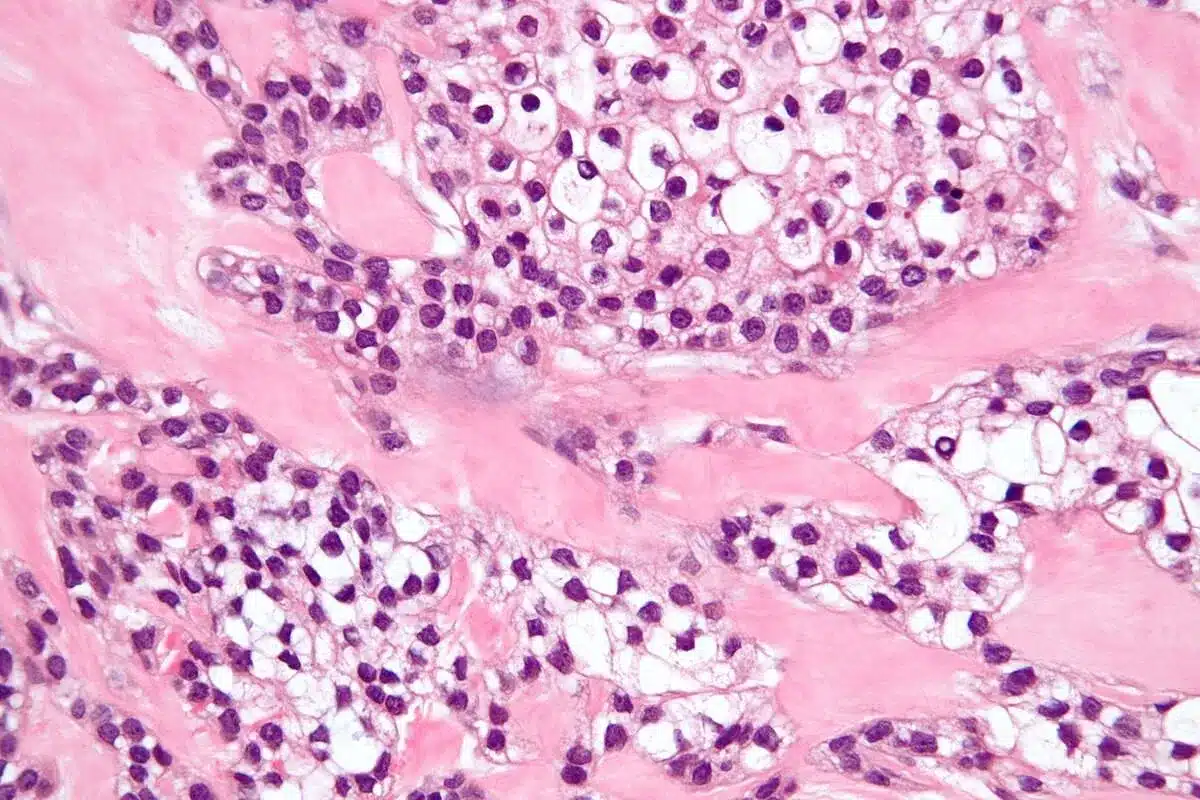
| Pathologist | Examines tissue samples to confirm diagnosis and assess margins. |
| Reconstructive Surgeon | Performs breast reconstruction surgery to restore the breast’s appearance. |
Choosing a team that works together offers better care. This leads to better treatment results for patients.
Financial Considerations and Insurance
When it comes to mastectomy surgery, the financial side is key. It’s important to know the costs and how to handle them. This helps you make the best choices for your care.
Costs Associated with Mastectomy Surgery
Mastectomy surgery comes with different costs. These include hospital stays, surgical fees, and care after surgery. The total cost can change a lot. It depends on the type of mastectomy, the surgeon’s fees, and the hospital’s rates.
- Surgical Fees: The cost of the surgery itself, which can vary based on the complexity of the procedure and the surgeon’s expertise.
- Hospital Stay: Costs associated with inpatient care, including room charges, nursing care, and hospital facilities.
- Postoperative Care: Expenses related to follow-up care, including medications, follow-up appointments, and any necessary rehabilitation.
The cost of a mastectomy can be between $10,000 and $20,000 or more. This depends on the details of the surgery and your insurance.
Navigating Insurance Coverage
Knowing your insurance is vital when facing mastectomy surgery. Most insurance plans cover mastectomy, but how much can vary.
To understand your insurance better:
- Review Your Policy: Look closely at your insurance policy to see what’s covered and what’s not.
- Contact Your Insurer: Talk to your insurance company to clear up any questions about your coverage.
- Discuss with Your Healthcare Provider: Your healthcare team can offer insights on costs and insurance options.
By knowing the financial side of mastectomy surgery and your insurance, you can prepare for the costs of your care.
Rebuilding Your Life After Mastectomy
Recovering from a mastectomy means focusing on physical health, emotional support, and practical advice. It’s key to regain strength and find the right help for your new life.
Physical Rehabilitation and Exercises
Physical therapy after a mastectomy is vital for getting strong and moving well. Start with simple exercises that help you move better. Then, make them harder as you get stronger. Good exercises include:
- Arm circles: Hold your arms straight out to the sides and make small circles.
- Wall climbing: Stand facing a wall and slowly walk your fingers up the wall.
- Shoulder rolls: Roll your shoulders forward and backward to loosen tension.
Always talk to your doctor before starting any new exercise. They can give advice that fits your needs and surgery.
Finding the Right Prosthetics and Bras
Finding the right prosthetics and bras is important for feeling good. A good prosthetic can make you feel more confident. Here are some tips:
- Consult with a professional fitter who specializes in post-mastectomy prosthetics.
- Try different types of prosthetics to find what works best for you.
- Invest in a few high-quality mastectomy bras that provide comfort and support.
Many groups offer help finding the right prosthetics and bras. Look into these resources to find what’s best for you.
Thinking about breast reconstruction is also part of your recovery. Talk to your surgical team about it. They can help you understand the options and benefits.
Mastectomy and Cancer Prevention
Mastectomy is a key preventive step for those at high risk of breast cancer. We’ll look into how it helps prevent cancer, focusing on reducing breast cancer recurrence.
Role in Preventing Breast Cancer Recurrence
Mastectomy greatly lowers the risk of breast cancer coming back in high-risk people. By taking out the breast tissue, the main place for cancer to start is gone. This makes it less likely for cancer to return.
Mastectomy is a big surgery because it’s complex and affects the body a lot. It removes one or both breasts, partly or fully. It’s used to treat breast cancer or prevent it in those at high risk. The complexity of the mastectomy procedure depends on the type, with some being more invasive.
Genetic Factors and Risk Assessment
Knowing about genetic factors is key to figuring out breast cancer risk. Genetic counseling and tests can spot high-risk people. For those at high risk, mastectomy can lower their chance of getting breast cancer.
| Genetic Mutation | Risk Level Without Mastectomy | Risk Reduction with Mastectomy |
| BRCA1 | Up to 72% lifetime risk | Up to 90% reduction |
| BRCA2 | Up to 69% lifetime risk | Up to 90% reduction |
Community and Support Networks
Connecting with others who have gone through mastectomy can help a lot in healing. Community and support networks are key for those having mastectomy surgery. They offer emotional support, guidance, and resources to patients and their families.
Support Groups
Joining a support group is a big step in recovery. These groups are safe places to share experiences, ask questions, and get support from others who get it. We suggest patients look for support groups, in-person or online, that fit their needs.
Being in a support group has many benefits:
- Emotional support and understanding from peers
- Access to resources and information about mastectomy and recovery
- Opportunities to share personal experiences and advice
- A sense of community and connection during a challenging time
Resources for Patients and Families
There are many resources for mastectomy patients and their families. These include counseling services, educational materials, and practical help. We help patients find the resources that will help them and their loved ones the most.
The table below shows some key resources:
| Resource | Description | Benefit |
| Counseling Services | Professional counseling to address emotional and psychological needs | Emotional support and coping strategies |
| Educational Materials | Information about mastectomy, recovery, and post-operative care | Informed decision-making and preparedness |
| Practical Assistance | Help with daily tasks and errands during recovery | Reduced stress and increased comfort during recovery |
By using these community and support networks, mastectomy patients can face their journey more easily and confidently. We are dedicated to supporting our patients from the first consultation to recovery and beyond.
Final Thoughts on Mastectomy Journey
As we wrap up our talk on mastectomy, it’s key to see how important it is. This surgery is a big step for those fighting breast cancer. It changes life in many ways, and we know how vital ongoing care is.
Embracing a New Normal
Getting used to life after a mastectomy takes time, support, and care. We urge patients to look after their body and mind. Using support groups and rehab services can help a lot.
Continuing Care and Follow-Up
After a mastectomy, keeping up with health checks is essential. Make sure to see your doctor regularly. This way, you can stay on top of your health and feel more confident in your journey.
FAQ
What is a mastectomy?
A mastectomy is a surgery to remove one or both breasts. It’s often done to treat breast cancer or to prevent it in high-risk cases.
Is mastectomy considered a major surgery?
Yes, mastectomy is a major surgery. It’s complex and affects the body a lot. Recovery can take weeks or months.
What are the different types of mastectomy procedures?
There are several types of mastectomy. These include simple mastectomy, modified radical mastectomy, radical mastectomy, and skin-sparing mastectomy. Each has its own purpose and benefits.
What can I expect during the mastectomy surgery process?
The mastectomy process starts with getting ready for surgery. Then, the surgery happens. After that, you’ll get care to help you recover well.
What are the possible risks and complications of mastectomy?
Mastectomy can have risks like infection, bleeding, and scarring. It can also cause long-term issues like lymphedema or changes in feeling.
How can I cope with the emotional and psychological effects of mastectomy?
To deal with the emotional effects, talk to loved ones and join support groups. You can also get help from counseling or therapy to manage stress and anxiety.
Are there alternatives to mastectomy for breast cancer treatment?
Yes, there are alternatives like lumpectomy and radiation therapy. These might be good options depending on your cancer type and other factors.
How do I choose the right surgical team for my mastectomy?
Look for experienced oncologists and surgeons who specialize in breast cancer. They should offer a team approach to care.
What are the financial implications of mastectomy, and how can I navigate insurance coverage?
Mastectomy can be expensive. To deal with insurance, understand your policy and talk to your insurer. You can also get help from financial advisors or patient advocates.
What steps can I take for physical rehabilitation after mastectomy?
Start with gentle exercises and physical therapy. Using prosthetics or bras can also help support your recovery and improve your well-being.
Can mastectomy be a preventive measure for breast cancer recurrence?
Yes, mastectomy can help prevent breast cancer from coming back. This is often true for those with genetic risks or a history of breast cancer. Always talk to a healthcare professional about this.
How can I find support groups and resources after mastectomy?
Look for online communities, local support groups, and organizations that help with breast cancer. They offer information and services for patients and families.
What does continuing care and follow-up entail after mastectomy?
After mastectomy, you’ll need regular check-ups with your healthcare team. They’ll watch for signs of cancer coming back and help with any ongoing physical or emotional needs.
References
National Center for Biotechnology Information. Evidence-Based Medical Insight. Retrieved from https://pmc.ncbi.nlm.nih.gov/articles/PMC2679762/