
Atrial fibrillation (AF) is a common heart rhythm problem that affects millions. Two main treatments for AF are catheter ablation and maze surgery. It’s important for patients and doctors to know the differences between these treatments. Is the maze procedure right for you? Discover the amazing differences from ablation and vital insights into this powerful heart surgery.
Catheter ablation is a minimally invasive treatment that uses energy to destroy the abnormal heart pathways. The maze procedure, on the other hand, is a surgery that creates scar tissue in the heart. This scar tissue helps redirect abnormal electrical impulses.
We will look at the differences in technique, invasiveness, and success rates between these two atrial fibrillation medical procedures. This will help you make a better choice for your treatment.
Key Takeaways
- Catheter ablation is a minimally invasive procedure for treating atrial fibrillation.
- The maze procedure is a surgical intervention that creates scar tissue to redirect abnormal electrical impulses.
- The key differences between the two procedures lie in their technique, invasiveness, and scope.
- Understanding these differences is important for patients and healthcare providers.
- Success rates and recovery times vary between catheter ablation and maze surgery.
Understanding Atrial Fibrillation
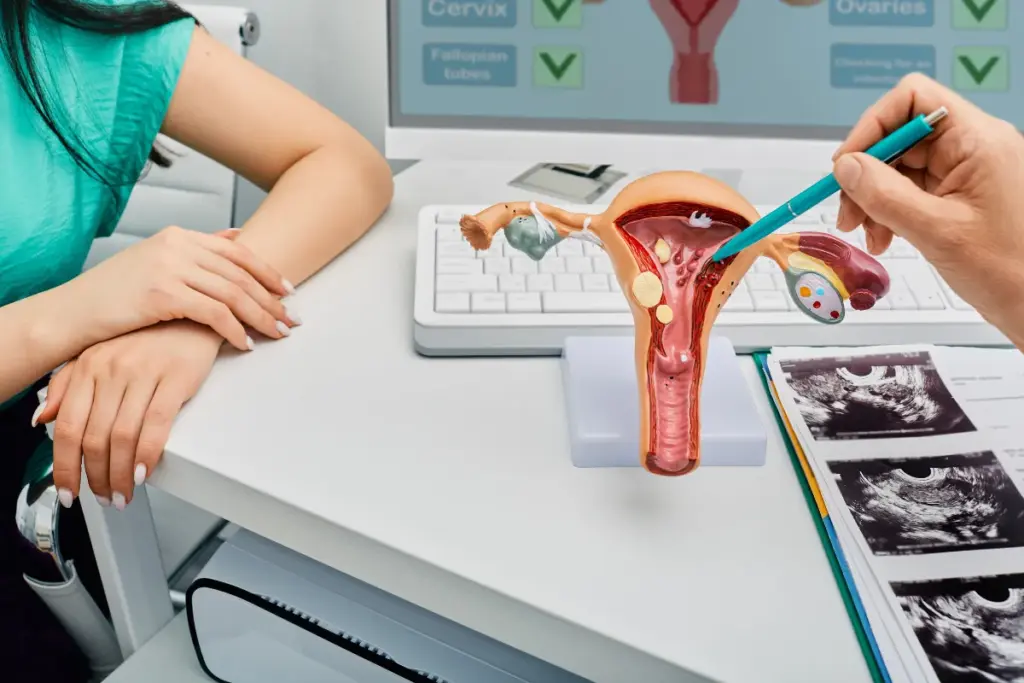
Atrial fibrillation is a common heart problem that can be serious. It makes the heart beat in an irregular way. This can lead to stroke and heart failure, affecting your quality of life.
Definition and Prevalence of Atrial Fibrillation
Atrial fibrillation is a heart rhythm problem. It’s more common with age. About 0.4% of people have it, with a big jump in older adults.
It’s more common in older people. This means we need to screen more and take steps to prevent it. As the world ages, this problem will grow, affecting many.
Impact on Quality of Life and Health Risks
Atrial fibrillation can really affect your life. Symptoms include palpitations, shortness of breath, and fatigue. It also raises the risk of stroke and heart failure.
Key health risks associated with atrial fibrillation include:
- Stroke: Atrial fibrillation increases the risk of stroke because of blood clots.
- Heart Failure: It can cause or worsen heart failure by making the heart less efficient.
- Other Complications: It can also lead to reduced exercise capacity and a lower quality of life.
A study found that atrial fibrillation greatly increases stroke risk. The risk grows with age, from 1.5% for those 50-59 to 23.5% for those 80-89.
“Atrial fibrillation is a major risk factor for stroke, and the risk of stroke increases with age…”
The Need for Interventional Treatments

Interventional treatments are often needed for atrial fibrillation. They aim to fix the heart rhythm, reduce symptoms, and prevent complications.
Treatments include catheter-based procedures like ablation and surgical options like the Maze procedure. The right treatment depends on symptoms, other health issues, and overall health.
|
Treatment Option |
Description |
Benefits |
|---|---|---|
|
Catheter Ablation |
A minimally invasive procedure that uses energy to destroy the abnormal electrical pathways in the heart. |
Minimally invasive, shorter recovery time |
|
Maze Procedure |
A surgical procedure that creates a pattern of scar tissue in the heart to redirect abnormal electrical signals. |
Effective for certain patients, can be performed alongside other heart surgeries |
Overview of Cardiac Ablation
Cardiac ablation is a minimally invasive procedure for arrhythmia treatment. It uses energy to destroy abnormal heart pathways. This helps restore a normal heart rhythm.
Definition and Purpose
Cardiac ablation creates small scars in the heart with heat or cold energy. It blocks abnormal electrical signals. The main goal is to treat arrhythmias like atrial fibrillation (AF).
This procedure targets specific heart areas causing arrhythmia. It offers a cure for those who haven’t responded to other treatments.
Types of Cardiac Ablation
There are several types of cardiac ablation, each using different energy sources:
- Radiofrequency Ablation: Uses high-frequency electrical energy to heat and destroy tissue.
- Cryoablation: Freezes and destroys tissue with extreme cold.
- Laser Ablation: Uses a laser to create lesions in heart tissue.
|
Type of Ablation |
Energy Source |
Mechanism |
|---|---|---|
|
Radiofrequency Ablation |
High-frequency electrical energy |
Heats and destroys tissue |
|
Cryoablation |
Extreme cold |
Freezes and destroys tissue |
|
Laser Ablation |
Laser energy |
Creates lesions in tissue |
Historical Development
Cardiac ablation has come a long way. It started in the 1980s and has seen many advancements.
“The development of catheter-based ablation techniques has revolutionized the treatment of cardiac arrhythmias, providing a minimally invasive alternative to surgical interventions.”
An Electrophysiologist
Improvements in catheter design, energy systems, and mapping tech have made procedures safer and more effective.
The ongoing development of cardiac ablation techniques and technologies promises better patient outcomes. It also opens up new possibilities for treating arrhythmias.
The Maze Procedure Explained
The Maze procedure is a surgery for atrial fibrillation (AF). It has changed a lot over time. The goal is to make scar tissue in the atria to stop bad electrical signals.
Definition and Surgical Approach
The Cox Maze III was created in the late 1980s. It uses cuts to stop bad electrical loops. This method has led to new versions of the Maze procedure.
“The Cox Maze procedure has been a cornerstone in the surgical treatment of atrial fibrillation,” say cardiac surgeons. It has evolved, using new ablation technologies to make it simpler and better.
Evolution of the Maze Procedure
The Maze procedure has changed a lot over time. The Cox Maze IV is a big step forward. It uses modern ablation methods to make the surgery easier and more effective.
The need for better and less invasive treatments for AF has driven the Maze procedure’s evolution. Using ablation technologies has been a key improvement.
Creating the “Maze” of Scar Tissue
The Maze procedure makes scar tissue to guide heart signals. It does this with precise cuts or ablations. This creates a “maze” for signals to follow.
The goal is to stop the bad electrical circuits that cause AF, so the heart can beat normally again. The scar tissue blocks these bad signals, making sure the heart beats right.
A study said, “Creating a precise pattern of scar tissue is key for the Maze procedure’s success.” This shows how important careful surgery is for good results.
Key Differences in Technique
The way catheter ablation and the maze procedure treat atrial fibrillation is different. We will look at how each method approaches this condition.
Catheter-Based vs. Surgical Approach
Catheter ablation is a minimally invasive procedure. It uses a catheter to reach the heart through blood vessels. The maze procedure, on the other hand, is a surgical intervention. It requires opening the chest to access the heart directly.
Energy Sources Used
The energy sources used in these procedures are different. Catheter ablation uses radiofrequency energy or cryotherapy to create lesions. The maze procedure uses a surgical incision to create scar tissue.
Tissue Targeting Strategies
The way each procedure targets heart tissue is unique. Catheter ablation isolates specific areas of the heart. The maze procedure creates a “maze” of scar tissue to guide electrical impulses.
Procedural Duration and Complexity
The duration and complexity of these procedures differ. Catheter ablation is simpler and can take a few hours. The maze procedure is more complex and requires more time and recovery.
|
Procedure |
Approach |
Energy Source |
Tissue Targeting |
Complexity |
|---|---|---|---|---|
|
Catheter Ablation |
Minimally Invasive |
Radiofrequency/Cryotherapy |
Specific Area Isolation |
Less Complex |
|
Maze Procedure |
Surgical |
Surgical Incision |
Creating Scar Tissue Pattern |
More Complex |
Comparing Invasiveness and Recovery
Atrial fibrillation treatments vary in their approach. Catheter ablation and the maze procedure differ in invasiveness and recovery needs. It’s important for patients and healthcare providers to understand these differences when choosing a treatment plan.
Ablation: Minimally Invasive Approach
Catheter ablation is a minimally invasive procedure. It uses catheters to destroy abnormal heart tissue pathways. This method leads to shorter hospital stays and quicker recovery times compared to surgical procedures.
Maze Procedure: Surgical Intervention
The maze procedure is a surgical intervention that requires a more invasive approach. It makes precise cuts in the heart tissue to direct electrical impulses properly. This procedure is done through open-heart surgery, leading to longer hospital stays and recovery periods.
Hospital Stay Duration
The length of hospital stay is a key factor in recovery. Catheter ablation usually means shorter hospital stays, often just a day or two. The maze procedure, being more invasive, may require longer stays for monitoring and recovery.
Return to Normal Activities
The time to return to normal activities also varies. Patients after catheter ablation recover quickly, returning within a few days to a week. Those who have the maze procedure may need several weeks to fully recover and resume their activities.
|
Procedure |
Invasiveness |
Typical Hospital Stay |
Return to Normal Activities |
|---|---|---|---|
|
Catheter Ablation |
Minimally Invasive |
1-2 days |
1 week |
|
Maze Procedure |
Surgical Intervention |
5-7 days |
4-6 weeks |
A study on StopAfib.org shows the mini-maze procedure is more effective but has more complications than catheter ablation. This emphasizes the need to consider invasiveness and recovery time when choosing a procedure.
Success Rates and Effectiveness
The success of ablation and maze procedures varies a lot. This depends on the type of atrial fibrillation.
Ablation Success Rates by AF Type
Catheter ablation works differently for each type of atrial fibrillation (AF). For paroxysmal AF, it works about 70% of the time. This means a big chance of getting back to a normal heart rhythm.
But for persistent AF, success is around 50%. A top cardiologist says,
“The success of catheter ablation depends a lot on the type and how long you’ve had atrial fibrillation. This shows why treatment plans need to be tailored for each patient.”
This shows how important it is to pick the right patients for catheter ablation. It’s all about matching the treatment to the condition.
Maze Procedure Long-Term Results
The maze procedure works well for long-term treatment of persistent atrial fibrillation. It can be as effective as, or even better than, catheter ablation for some patients. Long-term data shows the maze procedure keeps working over time. It helps keep AF symptoms away.
Need for Repeat Procedures
The need for more procedures varies between ablation and maze. For catheter ablation, some patients might need more than one treatment. This is more common for those with persistent AF. Some patients might need to have ablation done again to get the results they want.
The maze procedure, being a more serious surgery, usually doesn’t need to be done again as often.
Knowing these details is key for setting the right expectations for patients. It helps choose the best treatment plan for each person.
Potential Complications and Risks
Both ablation and maze procedures are used to treat atrial fibrillation. But, they each have their own risks and complications. It’s important for patients to know these risks to make the best treatment choice.
Ablation-Related Complications
Catheter ablation is a minimally invasive procedure. But, it can have risks. For example, cardiac tamponade is a condition where fluid builds up around the heart. This can make it hard for the heart to pump.
Another risk is pulmonary vein stenosis. This is when the pulmonary veins narrow. It can cause shortness of breath.
Other complications include esophageal injury and phrenic nerve injury. Esophageal injury can lead to a serious condition called atrio-esophageal fistula. This needs immediate medical care.
Maze Procedure Risks
The maze procedure is a more invasive surgery. It carries risks like infection, bleeding, and stroke. The surgery also has risks related to anesthesia, such as respiratory or cardiac problems.
To understand the risks of both procedures, let’s look at a comparison table:
|
Complication/Risk |
Ablation |
Maze Procedure |
|---|---|---|
|
Cardiac Tamponade |
Yes |
No |
|
Pulmonary Vein Stenosis |
Yes |
No |
|
Infection |
No |
Yes |
|
Bleeding |
No |
Yes |
|
Stroke |
No |
Yes |
|
Esophageal Injury |
Yes |
No |
Knowing these complications helps patients and doctors make better choices. They can decide which treatment is best for atrial fibrillation.
Patient Selection Criteria
To get the best results, finding the right patients for catheter ablation or the maze procedure is key. Choosing the right patients is vital for success in treating atrial fibrillation (AF).
Ideal Candidates for Ablation
Patients with paroxysmal AF usually do well with catheter ablation. They tend to respond better than those with persistent or long-standing AF. Also, those who haven’t gotten better with medicine or have bad symptoms might benefit from ablation.
Key characteristics of ideal candidates for ablation include:
- Symptomatic AF despite medical therapy
- Paroxysmal AF
- Failed or intolerant to antiarrhythmic medication
- Minimal structural heart disease
When the Maze Procedure is Recommended
The maze procedure is best for those with persistent or long-standing AF who haven’t improved with other treatments. It’s also good for patients having other heart surgeries, like bypass grafting or valve repair.
Factors that may favor the maze procedure include:
- Persistent or long-standing AF
- Undergoing concomitant cardiac surgery
- Failed or not suitable for catheter ablation
- Significant structural heart disease
Contraindications for Each Procedure
It’s important to check if a patient is a good fit for catheter ablation or the maze procedure. For catheter ablation, big no-nos include severe health problems, high risk of bleeding, or tricky anatomy. For the maze procedure, big no-nos include very bad heart function, serious health issues, or being very old and frail.
Contraindications to consider:
|
Procedure |
Contraindications |
|---|---|
|
Catheter Ablation |
Severe comorbidities, significant bleeding risks, anatomical challenges |
|
Maze Procedure |
Severe left ventricular dysfunction, significant comorbidities, advanced age with frailty |
By carefully looking at who’s a good fit and who’s not, we can make sure both procedures work well. This way, we can give the best care to those with atrial fibrillation.
The Hybrid Approach: Combining Techniques
Hybrid procedures mix surgery and catheter-based methods for treating atrial fibrillation. This new method aims to use the best of both worlds. It offers a detailed treatment plan for patients with hard-to-treat atrial fibrillation.
Definition of Hybrid Procedures
Hybrid procedures blend surgery and catheter-based ablation for atrial fibrillation treatment. This mix allows for a treatment plan tailored to each patient. It combines techniques to help patients who might not get better with just one method.
Benefits of Combined Approaches
The hybrid method has several benefits. It can make treatments more effective and lower the chance of atrial fibrillation coming back. It tackles both the electrical and physical issues of atrial fibrillation. This could lead to better long-term results and a better life for patients.
Also, hybrid treatments can be adjusted based on how a patient responds. This makes the treatment more effective for each person.
Patient Outcomes with Hybrid Treatments
Early results from hybrid procedures look good. Patients have seen big improvements in symptoms and life quality. Many have fewer atrial fibrillation episodes. This method might also mean fewer repeat treatments.
As more research comes in, we’ll learn more about hybrid treatments. They could offer new hope for patients with tough cases of atrial fibrillation.
Minimally Invasive Maze Procedures
Minimally invasive maze procedures are a big change in treating atrial fibrillation. They aim to make surgery less invasive than traditional methods. This could mean safer procedures with fewer complications for patients.
Thoracoscopic Approaches
Thoracoscopic approaches use a small camera and special tools through tiny chest openings. This method lets surgeons see the heart and do the maze procedure without a big cut. “It leads to less damage, less pain, and faster healing,” say cardiac surgeons.
Mini-Thoracotomy Techniques
Mini-thoracotomy techniques use a small chest incision to reach the heart. It’s less invasive than open-heart surgery. This method can lead to less scarring and fewer complications.
Benefits of Minimally Invasive Approaches:
- Less post-operative pain
- Shorter hospital stays
- Quicker return to normal activities
Comparison with Traditional Maze
Minimally invasive maze procedures differ from traditional maze surgery. Traditional surgery has a bigger incision, leading to more trauma and a longer recovery. In contrast, new techniques aim to reduce these issues, leading to fewer complications and faster healing.
“Minimally invasive surgical techniques for atrial fibrillation treatment are becoming increasingly popular due to their ability to reduce morbidity and improve patient outcomes,” recent studies show.
As technology advances, minimally invasive maze procedures will likely play a bigger role in treating atrial fibrillation. This could give patients more options and better results.
Pre-Procedure Preparation
Getting ready for catheter ablation and the maze procedure is key to success. We’ll walk you through the steps to make sure you’re ready for your treatment.
Diagnostic Testing Requirements
Diagnostic tests are needed before the procedure to check the heart’s health. These might include echocardiography, electrocardiography, and more. These tests help us find any risks and make the procedure fit your needs.
“Knowing the heart’s condition helps us plan the best procedure,” says a top cardiologist. These tests are vital for understanding the heart’s rhythm and any special areas to focus on during the procedure.
Medication Management
Managing your medications is also important before the procedure. Some drugs might need to be changed or stopped to reduce risks. It’s important to follow your doctor’s advice on medications to stay safe during the procedure.
- Review your current medications with your healthcare provider.
- Understand which medications to continue or stop before the procedure.
- Follow specific instructions regarding dosage and timing.
Patient Education and Expectations
Telling patients what to expect before, during, and after the procedure helps reduce anxiety. We give detailed advice on post-procedure care, possible side effects, and follow-up visits. By knowing what to expect, patients can better prepare for recovery.
A patient who went through the procedure said, “Knowing what to expect really helped with my anxiety and overall experience.”
Post-Procedure Care and Management
The success of catheter ablation and maze procedures depends on good post-procedure care. We help patients recover well by focusing on key steps. These steps are important for a good outcome.
Immediate Recovery Period
Right after the procedure, patients are watched for any problems. Close observation is key in the first hours. We make sure patients are okay before they go home.
Patients might feel sore or tired. These feelings usually go away soon. We take care of them during this time.
Medication Regimens
Medicines are very important after these procedures. Anticoagulant medications help prevent stroke. Anti-arrhythmic drugs help control heart rhythm.
We help patients understand their medicines. This way, they can take them correctly at home.
Follow-Up Monitoring
Regular check-ups are needed to see how the procedure worked. They help us keep an eye on heart rhythm. We can change treatment plans if needed.
Patients usually see us a few weeks after the procedure. How often they come back depends on how they’re doing.
Lifestyle Modifications
We often suggest changes to help the heart. This includes eating better, moving more, managing stress, and quitting smoking.
Living a heart-healthy lifestyle can improve overall health. It might also mean needing less medicine.
Cost Considerations and Insurance Coverage
Managing atrial fibrillation involves looking at costs and insurance. These factors are key when patients think about treatments like catheter ablation and the maze procedure.
Procedure Costs Comparison
The costs of catheter ablation and the maze procedure differ. This is due to several factors. These include the procedure’s complexity, the doctor’s fees, and where you live.
- Catheter Ablation Costs: This procedure is less invasive. It might have lower costs at first compared to the maze procedure.
- Maze Procedure Costs: The maze procedure is more invasive. It requires surgery and usually has higher initial costs.
Insurance Coverage Variations
Insurance for these procedures varies a lot. This depends on the insurance company and your policy.
- Some plans cover catheter ablation better than the maze procedure.
- What you need to pay out of pocket can change a lot between plans.
It’s vital for patients to check their insurance. They should know what they might have to pay for their chosen treatment.
Long-Term Cost-Effectiveness
Looking at the long-term costs of these procedures is also important.
- Treating atrial fibrillation well can save money in the long run. It can cut down on medication costs and hospital stays.
- Both catheter ablation and the maze procedure can improve life quality. They can also lower healthcare costs over time.
Understanding the costs and insurance for these treatments helps patients make better choices about their care.
Recent Advancements in Both Procedures
In recent years, there has been a big change in how we treat atrial fibrillation. This change comes from new technology in ablation and better surgical methods for the maze procedure.
Technological Innovations in Ablation
New technology has made catheter ablation much better. Improvements in catheter design and how energy is delivered have made the procedure more precise and successful. For example, contact force-sensing catheters help in doing a better job of ablation.
Surgical Technique Refinements in Maze
The maze procedure has also seen big improvements. Minimally invasive approaches like thoracoscopic and mini-thoracotomy have made the surgery less invasive. This means patients recover faster and feel less pain after surgery.
Impact on Patient Outcomes
These advancements have led to better results for patients. The table below shows the main improvements in both procedures.
|
Procedure |
Advancements |
Impact on Patient Outcomes |
|---|---|---|
|
Catheter Ablation |
Improved catheter designs, enhanced energy delivery systems |
Higher success rates, reduced complications |
|
Maze Procedure |
Minimally invasive surgical techniques |
Less post-operative pain, quicker recovery |
As we keep seeing new things in catheter ablation and the maze procedure, patients with atrial fibrillation will have better and safer treatments. These new things show how important it is to keep up with the latest in heart care.
Conclusion
It’s important to know the differences between ablation and maze procedures for atrial fibrillation treatment. Both catheter ablation and the maze procedure have their benefits and things to consider.
The choice between these treatments depends on the patient’s situation and what they prefer. Healthcare providers can tailor care to meet individual needs, helping those with atrial fibrillation.
The maze procedure and ablation are key in treating atrial fibrillation. Knowing about their methods, success rates, and possible side effects is vital. As these treatments get better, patients can look forward to better results and a better life.
FAQ
What is the main difference between catheter ablation and the maze procedure?
Catheter ablation is a less invasive method that uses energy to destroy bad heart paths. The maze procedure is a surgery that makes scar tissue to fix heart paths.
What is atrial fibrillation, and how is it treated?
Atrial fibrillation is a heart rhythm problem. It can be treated with catheter ablation or the maze procedure. These methods help manage symptoms and lower risks.
What are the risks associated with catheter ablation?
Risks include heart tamponade, lung vein narrowing, and esophageal injury. Knowing these risks helps make better choices.
What are the benefits of the maze procedure?
The maze procedure has shown great success in treating atrial fibrillation. It makes scar tissue in the atria to fix heart paths.
How do I prepare for catheter ablation or the maze procedure?
Preparing involves tests, managing medicines, and learning about the procedures. This helps reduce risks and ensures a smooth recovery.
What is the recovery process like after catheter ablation or the maze procedure?
After the procedure, patients are closely watched. Medicines are given to manage symptoms. Follow-up checks are needed to see how well the procedure worked.
Are there any alternative treatments for atrial fibrillation?
Yes, hybrid treatments combine different methods. They are being studied for treating complex atrial fibrillation.
What is a minimally invasive maze procedure?
This is a less invasive maze procedure. It uses small incisions for less trauma and quicker recovery.
How do I know if I’m a candidate for catheter ablation or the maze procedure?
Catheter ablation is for those with certain types of atrial fibrillation or who haven’t responded to medicines. The maze procedure is for those with long-standing atrial fibrillation.
What are the costs associated with catheter ablation and the maze procedure?
Costs vary based on procedure complexity, provider fees, and insurance. Understanding these costs is key for making informed choices.
What are the latest advancements in catheter ablation and the maze procedure?
Recent years have seen big improvements. New technologies and surgical techniques have led to better patient results.
References
https://my.clevelandclinic.org/health/treatments/14618-dialysis