
Going through surgery can be scary, and knowing how long it takes can ease worries. The mini maze procedure is a new way to treat atrial fibrillation with less invasive surgery. It’s a big step forward in heart surgery. How long is the mini maze procedure? Learn vital timing facts and the amazing benefits of this minimally invasive heart surgery.
We know patients want to know about their treatment options. Studies show the mini maze procedure works well for atrial fibrillation.We aim to give top-notch care and support to patients from abroad.
The mini maze procedure usually lasts 2 to 3 hours. Our skilled team will be with you every step of the way. We make sure you get the best care possible.
Key Takeaways
- The mini maze procedure is a minimally invasive surgical intervention.
- It typically takes 2 to 3 hours to complete.
- Recent studies have shown significant success rates in treating atrial fibrillation.
- Our team of experts guides patients through every step of the process.
Understanding Atrial Fibrillation and Treatment Options

It’s important for patients to understand atrial fibrillation and its treatments. Atrial fibrillation is a heart condition that makes the heart beat irregularly and often too fast.
What is Atrial Fibrillation?
Atrial fibrillation, or AFib, is a type of irregular heartbeat. It can lead to serious problems like stroke and heart failure. This happens when the heart’s upper chambers beat chaotically, not in sync with the lower chambers.
AFib is divided into three types: paroxysmal, persistent, and permanent. Paroxysmal AFib comes and goes, stopping within seven days. Persistent AFib lasts over seven days and may need treatment. Permanent AFib is a long-term condition where the irregular heartbeat is accepted as normal.
Common Treatment Approaches
Treatments for atrial fibrillation aim to fix the heart rhythm, control the heart rate, and prevent stroke. Common methods include medicines, cardioversion, catheter ablation, and lifestyle changes.
- Medications: To control heart rate or rhythm, and to prevent stroke.
- Cardioversion: A procedure that uses electrical shocks to restore a normal heart rhythm.
- Catheter Ablation: A minimally invasive procedure to destroy the abnormal electrical pathways in the heart.
- Lifestyle Changes: Including diet, exercise, and stress reduction.
When Surgical Intervention Becomes Necessary<SEP-9253_image_3>
Surgery, like the mini maze procedure, is needed when other treatments don’t work. It’s also considered if AFib greatly affects the patient’s life quality. The choice to have surgery depends on the patient’s health, how severe their AFib is, and other factors.
|
Treatment Approach |
Description |
Benefits |
|---|---|---|
|
Medications |
Control heart rate or rhythm and prevent stroke |
Non-invasive, widely available |
|
Cardioversion |
Restore normal heart rhythm using electrical shocks |
Quick restoration of normal rhythm |
|
Catheter Ablation |
Minimally invasive procedure to destroy abnormal electrical pathways |
Less invasive than surgery, potentially curative |
|
Mini Maze Surgery |
Surgical procedure to create scar tissue to block abnormal electrical signals |
Effective for patients with severe AFib, can be performed with other heart surgeries |
What is the Maze Procedure?
We use the Maze procedure to treat atrial fibrillation. This surgery creates scar tissue in the heart. It helps restore a normal heart rhythm.
History and Development
The Maze procedure, also known as the Cox-Maze procedure, started in the late 1980s by. It has changed a lot over the years. Advancements in medical technology have made the Maze procedure better, allowing for more precise and less invasive surgeries.
The original Cox-Maze procedure was complex. It involved many incisions and repairs to the heart. It was effective but long and detailed. Now, we understand atrial fibrillation better and have better surgical techniques.
Traditional vs. Mini Maze Procedure
The traditional Maze procedure needs a big incision and can take longer to recover. The mini Maze procedure uses smaller cuts and often means shorter hospital stays and faster recovery.
The mini Maze procedure is popular because it’s less invasive. But, the choice between the two depends on the patient’s health, how bad the atrial fibrillation is, and the surgeon’s opinion.
How the Procedure Works
During the Maze procedure, the surgeon makes scar tissue in the heart’s upper chambers. This scar tissue blocks abnormal electrical signals. It aims to restore a normal heart rhythm, making the heart work better and reducing symptoms.
The procedure can be done in different ways, like open-heart surgery or minimally invasive methods. The choice depends on the patient’s condition and the surgeon’s skills. Our cardiac surgeons help decide the best method for each patient.
Duration of the Mini Maze Procedure
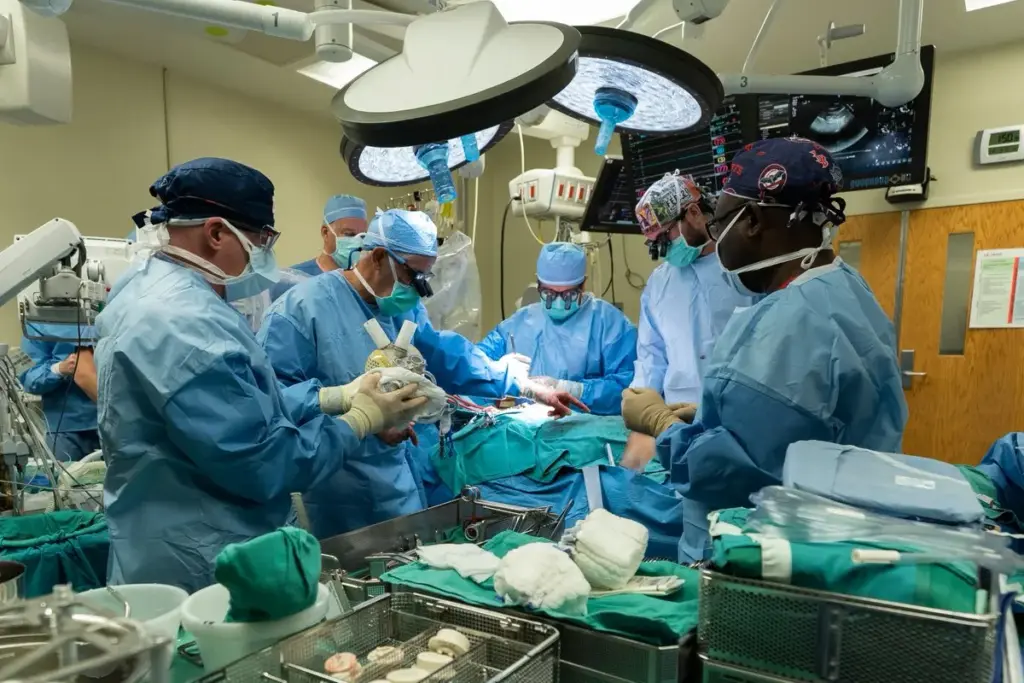
Many patients wonder how long the mini maze procedure will take. The answer depends on several factors. Knowing how long it takes is important for patients and their families as they prepare for atrial fibrillation treatment.
Average Surgical Time
The mini maze procedure usually lasts between 2 to 3 hours. This gives patients an idea of what to expect during surgery. Our team is committed to providing personalized care and support throughout the process.
Factors Affecting Procedure Length
Several factors can affect how long the mini maze procedure takes:
- The complexity of the patient’s atrial fibrillation
- The presence of other heart conditions
- The patient’s overall health status
- The surgical team’s experience with the procedure
These factors can lead to variations in surgical time. It’s important for patients to discuss their individual circumstances with their healthcare provider.
Comparison with Traditional Maze Surgery
The mini maze procedure is a less invasive version of traditional maze surgery. While traditional maze surgery is more extensive and takes longer, the mini maze procedure is more efficient. It usually requires less time to complete.
Our surgeons use advanced surgical techniques to ensure the best outcomes for our patients. By understanding the factors that affect the duration of the mini maze procedure, patients can better prepare for surgery and recovery.
Preparing for a Mini Maze Procedure
Our team helps you prepare for a mini maze procedure from start to finish. We know that good preparation leads to a better outcome and easier recovery.
Pre-operative Testing and Evaluation
Before your mini maze procedure, we do several tests to check your health and heart. These tests might include:
- Electrocardiogram (ECG): To record your heart’s electrical activity.
- Echocardiogram: An ultrasound to see your heart’s structure and function.
- Blood Tests: To find any health issues that might affect your surgery or recovery.
- Chest X-ray: To look at your heart and lungs.
These tests help our doctors and surgeons understand your heart and plan your surgery.
Medication Adjustments
You might need to change your medications before surgery. It’s important to follow your doctor’s advice on medication changes. Some medicines, like blood thinners, might need to be stopped or changed.
“Adjusting your medications as directed by your healthcare provider is a critical step in preparing for your mini maze procedure.”
What to Expect Before Surgery
In the days before surgery, you’ll get detailed instructions. This includes advice on:
- Fasting: You might need to fast for a while before surgery.
- Hygiene: How to shower and prepare your skin for surgery.
- Transportation: How to arrange for someone to drive you home after.
Our team is here to support you every step of the way. We want to make sure you’re ready for your mini maze procedure.
The Mini Maze Procedure: Step by Step
Learning about the mini maze procedure can ease worries for patients. This surgery is complex and needs a skilled team.
Anesthesia and Initial Setup
The first step is giving anesthesia to keep the patient comfortable. General anesthesia is used. Our anesthesiologists watch the patient’s vital signs closely.
Surgical Technique and Approach
The surgery involves making precise cuts in the heart for a new electrical path. This is done with a minimally invasive approach. It lowers the risk of problems and helps the patient recover faster.
Completion and Closure
After the repairs, the team closes the cuts. Then, the patient goes to the ICU for close monitoring during recovery.
|
Step |
Description |
|---|---|
|
Anesthesia Administration |
General anesthesia is administered to ensure patient comfort. |
|
Surgical Incisions |
Precise incisions are made to create a new electrical pathway in the heart. |
|
Closure |
The incisions are carefully closed after the necessary repairs are made. |
Our team is dedicated to top-notch care for mini maze procedure patients. Knowing the steps helps patients feel more ready for their surgery.
Hospital Stay and Immediate Recovery
Knowing what to expect during your hospital stay and recovery can ease your worries.We focus on giving you the best care and support during this important time.
Typical ICU Duration
Staying in the Intensive Care Unit (ICU) is a key part of your recovery after a mini maze procedure. Usually, patients stay in the ICU for 1-2 days. Here, they are watched closely for any issues and get the care they need.
Our team of experts keeps a close eye on your health. They manage your pain and check that your heart is working right.
Total Hospitalization Period
The time you spend in the hospital can vary. On average, it’s about 5-7 days. This lets our team watch your recovery, adjust your meds, and teach you about post-op care.
Early Post-operative Care
Getting the right care early on is key for a good recovery. Our team teaches you about pain management, wound care, and how active to be. We also show you how to spot and handle any complications.
One of our patients said, “
Understanding the recovery process made a significant difference in my overall experience
.”
We aim to give top-notch healthcare and support to our international patients. Our team works hard to make sure every patient gets the best care during their stay and recovery.
Long-term Recovery After a Maze Procedure
Recovery after a maze procedure involves a healing timeline, activity limits, and follow-up care. We focus on a detailed recovery plan for our patients. This ensures the best results for them.
Recovery Timeline
The maze surgery recovery time varies based on health and any complications. Generally, it takes several weeks to a few months to fully recover.
- Initial Recovery Phase: The first weeks are key for healing. Patients are watched closely for any complications.
- Gradual Improvement: As patients get better, they can start doing normal things again. They will get specific advice from their doctor.
- Full Recovery: It can take months to fully recover. During this time, patients need to go to follow-up appointments to check on their progress.
Activity Restrictions
Following activity restrictions is important for recovery. Patients should not do heavy lifting, bending, or strenuous activities for a while. We suggest:
- Don’t drive until your doctor says it’s okay.
- Don’t do heavy housework or exercise too much.
- Start doing more activities slowly, based on your doctor’s advice.
Sticking to these rules helps avoid complications and makes recovery smoother.
Follow-up Appointments and Monitoring
Follow-up appointments are key for checking on recovery and solving any issues. During these visits, we:
- Check the heart rhythm and overall heart health.
- Change medications if needed.
- Give advice on when to start doing normal activities again.
We’re all about giving full care during recovery. Our team works hard to make sure each patient gets the support and advice they need. This helps them get the best results after their maze procedure.
Success Rates and Effectiveness
The mini maze procedure has been shown to be effective in treating atrial fibrillation. Medical research has highlighted its success rates and long-term benefits. This surgical intervention has shown promise in restoring normal heart rhythm.
Short-term Outcomes (1-4 Years)
In the short term, the mini maze procedure is very effective. Studies show that within 1-4 years, many patients regain normal heart rhythm. Recent research found that “The mini maze procedure has been associated with a high rate of freedom from atrial fibrillation in the short term.” This leads to improved symptoms and quality of life for patients.
Long-term Results (5-10 Years)
Long-term results of the mini maze procedure are also positive. Research shows that the procedure’s benefits can last 5-10 years or more. A leading cardiologist noted, “The durability of the mini maze procedure’s success is a testament to its effectiveness as a treatment for atrial fibrillation.” This long-term success is a key factor for patients and healthcare providers.
Factors Influencing Success
Several factors can affect the success of the mini maze procedure. These include the patient’s health, underlying conditions, and the surgical team’s experience. It’s important to remember that “Individual results may vary, and a healthcare professional’s evaluation is necessary to determine success.” Understanding these factors helps patients make informed decisions about their care.
Our team is dedicated to providing top-notch care and staying updated on atrial fibrillation treatment. We see the mini maze procedure as a major breakthrough, bringing hope to patients worldwide.
Mini Maze vs. Catheter Ablation: A Comparison
Two main treatments for atrial fibrillation are the mini maze procedure and catheter ablation. Each has its benefits and is chosen based on the patient’s needs.
Effectiveness Differences
The mini maze procedure is a surgery that works well to fix a normal heart rhythm. It has a high success rate, mainly for those with long-lasting atrial fibrillation.
Catheter ablation is a less invasive method that uses energy to block bad heart pathways. It works well, but success can depend on how long atrial fibrillation lasts and heart health.
Recovery Time Comparison
Recovery times are different for each procedure. The mini maze procedure needs a longer recovery, often with a hospital stay and weeks of rest.
Catheter ablation has a shorter recovery. Most people can get back to normal in a few days. But, they should avoid hard activities for a few weeks.
When Each Procedure is Recommended
Choosing between the mini maze and catheter ablation depends on several things. These include how bad the atrial fibrillation is, other heart issues, and overall health.
The mini maze procedure is often chosen for those with long-lasting atrial fibrillation who are also having other heart surgeries.
Catheter ablation is best for those with symptoms of atrial fibrillation who haven’t gotten better with medicine or prefer a less invasive method.
Our team helps patients pick the best treatment for them.
Potential Complications and Risks
It’s important for patients to know about the risks of the mini maze procedure. We work hard to give the best results. But, it’s key to understand the possible challenges that might happen during or after the treatment.
Common Side Effects
Most people who get the mini maze procedure face some common side effects. These include:
- Mild discomfort or pain at the incision site
- Fatigue or weakness
- Swelling or bruising around the surgical area
- Temporary irregular heartbeats
These side effects can be managed with medicine and rest. We keep a close eye on our patients to make sure these effects are kept to a minimum and go away quickly.
Serious Complications
Even though rare, serious problems can happen with the mini maze procedure. These might include:
- Bleeding or hemorrhage needing a blood transfusion
- Infection of the surgical site
- Stroke or transient ischemic attack
- Damage to the heart or nearby structures
It’s vital for patients to know about these serious complications. They should talk to their healthcare provider about any worries they have.
Risk Mitigation Strategies
To lower the risks of the mini maze procedure, we use several strategies:
- Comprehensive pre-operative evaluation to spot possible risk factors
- Advanced surgical techniques and technology
- Close monitoring during and after the procedure
- Personalized post-operative care plans
We take a proactive and customized approach. Our goal is to lessen the chance of complications and get the best results for our patients.
Cost and Insurance Considerations
Knowing the cost of the mini maze procedure is key for those thinking about it for atrial fibrillation. We aim to give clear and detailed financial info. This helps our patients make well-informed choices.
Average Procedure Costs
The cost of a mini maze procedure can change a lot. It depends on the hospital’s location, the surgeon’s fees, and the techniques used. On average, it can cost between $20,000 and $50,000 or more. It’s important for patients to talk to their healthcare provider and financial advisor for a more precise estimate.
We know the cost is a big deal. So, we offer financial counseling. This helps patients understand their options and plan better.
Insurance Coverage
Insurance for the mini maze procedure varies a lot. Some plans cover it fully, while others only cover part of it. Patients should check with their insurance to see what’s covered.
We have a team to help with insurance. They make sure patients get the most from their plan.
Financial Planning for the Procedure
Planning your finances is key for the mini maze procedure. You should think about the procedure’s cost, travel, accommodation, and post-op care. We suggest talking to our financial counselors. They can help find financing options and create a plan just for you.
|
Cost Component |
Average Cost |
Insurance Coverage |
|---|---|---|
|
Surgical Fees |
$10,000 – $20,000 |
Varies by policy |
|
Hospital Stay |
$5,000 – $15,000 |
Partially covered |
|
Post-operative Care |
$1,000 – $3,000 |
Partially covered |
Understanding the costs and insurance options helps patients make better choices. We support our patients every step of the way. We ensure they get the best care possible.
Advancements in Minimally Invasive Maze Procedures
The treatment of atrial fibrillation is changing fast, thanks to new surgical methods. We’re always learning about these new ways to help our patients. We want to give them the best and safest treatments out there.
Technological Innovations
New tech has made maze procedures safer and more effective. Advanced imaging and real-time monitoring help surgeons work more precisely. New energy sources for ablation also lead to better results.
Robot-assisted surgery has made these procedures even better. It lets surgeons do more detailed work and see things clearer. This means better results for patients.
Improved Surgical Techniques
Surgeons are now using more advanced methods for maze procedures. They use totally endoscopic and minimally invasive thoracoscopic techniques. These methods cause less damage and help patients recover faster.
Creating standardized protocols for preparing patients and aftercare has also helped. These steps improve how well the procedures work.
Future Directions in Treatment
The future of treating atrial fibrillation looks bright. Researchers are working on new ablation technologies and innovative surgical approaches. These could lead to even better, less invasive treatments.
Our team is all about keeping up with these advancements. We’re committed to using the latest tech and techniques. This way, we can give our patients the best care possible.
Patient Stories and Testimonials
Listening to patients who’ve had the mini maze procedure is very enlightening. We’ve helped many patients through this journey. Their stories show the procedure’s great promise.
Real-Life Experiences
Our patients have shared their journeys, talking about the challenges and successes. One patient said they greatly improved their life quality after the procedure. They could do activities they hadn’t enjoyed in years because of their condition.
“The mini maze procedure was a game-changer for me. I can now live life without the constant fear of atrial fibrillation episodes.”
Outcomes and Results
The results of the mini maze procedure vary, but many see a big drop in atrial fibrillation episodes. Our patients have seen better heart function and fewer symptoms.
Lessons Learned
We’ve learned the value of personalized care and a full approach to treating atrial fibrillation. Every patient’s story is different. Understanding their experiences helps us improve our treatment plans.
Key Takeaways:
- The mini maze procedure can greatly improve life quality for patients with atrial fibrillation.
- Personalized care is key to the best results.
- Testimonials offer valuable insights into the procedure’s effectiveness.
We share these stories to educate and inspire those thinking about the mini maze procedure. Our team at is dedicated to caring for each patient with compassion and personal attention.
Conclusion
The mini maze procedure is a safe and effective way to treat atrial fibrillation. It has a shorter surgery time and fewer risks. Our team is committed to top-notch healthcare and support for international patients.
When looking at atrial fibrillation treatment options, it’s key to consider the pros and cons. The mini maze procedure, a form of heart surgery, has shown good results in fixing heart rhythm. Knowing about the procedure’s length, success rates, and possible issues helps patients make better choices.
We suggest talking to our team if you’re thinking about the mini maze procedure. Choosing means you’re getting the best care. Our experienced team is here to help you decide what’s best for you.
FAQ
What is the mini maze procedure, and how does it treat atrial fibrillation?
The mini maze procedure is a new way to fix atrial fibrillation. It’s a small surgery that makes scar tissue in the heart. This stops bad electrical signals that cause arrhythmia.
How long does a mini maze procedure take?
This surgery usually takes 2 to 3 hours. It depends on the case and the surgeon’s experience.
What are the benefits of the mini maze procedure compared to traditional maze surgery?
The mini maze is less invasive. It means smaller cuts, less damage, and possibly quicker healing.
What are the possible complications and risks of the mini maze procedure?
It’s generally safe but can have risks like bleeding, infection, stroke, or heart damage. We’ll talk about these risks and how to avoid them.
How long is the hospital stay after a mini maze procedure?
You might stay in the hospital for a few days to a week. It depends on your health and the doctor’s advice.
What is the recovery timeline after a mini maze procedure?
Recovery times vary, but most people can get back to normal in weeks to months. We’ll guide you through the recovery.
How effective is the mini maze procedure in treating atrial fibrillation?
It’s shown to be effective, but success rates vary. We’ll discuss the chances of success based on your situation.
What are the differences between the mini maze procedure and catheter ablation?
The mini maze is surgery, while catheter ablation uses catheters to fix electrical issues. We’ll decide which is best for you.
How much does the mini maze procedure cost, and what are the insurance considerations?
Costs vary based on location and insurance. We’ll give you clear financial information to help with planning and insurance.
What advancements are being made in minimally invasive maze procedures?
Treatment for atrial fibrillation is getting better. New technologies and techniques are being developed.
Are there any activity restrictions after a mini maze procedure?
Yes, you’ll need to follow activity restrictions to heal properly. We’ll guide you on what to do and what to avoid.
How will my heart rhythm be monitored after the mini maze procedure?
We’ll check your heart rhythm with follow-up visits and possibly devices. This ensures the procedure works and catches any problems early.
National Center for Biotechnology Information. Evidence-Based Medical Insight. Retrieved from