
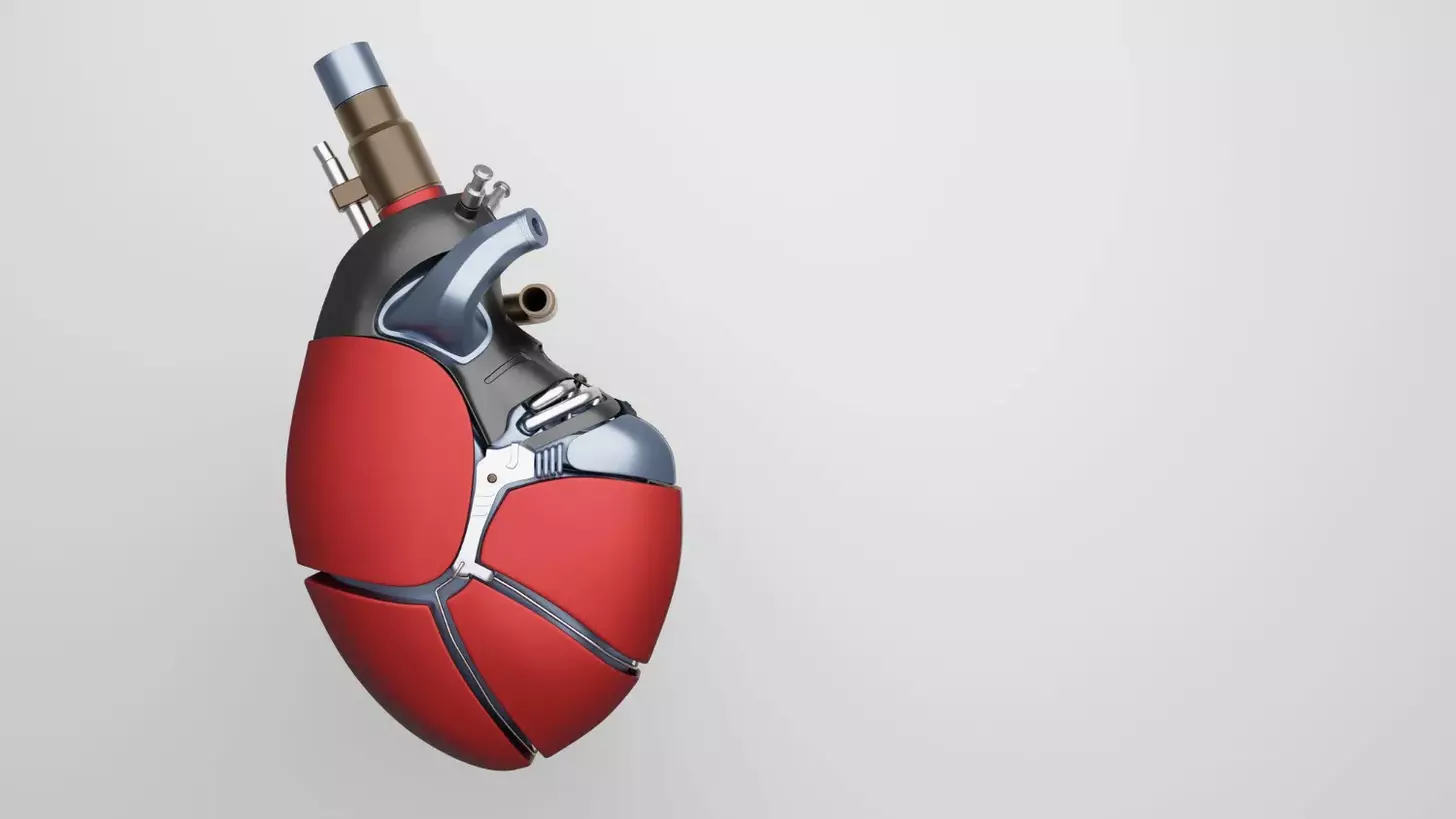
When it comes to heart valve replacement, patients have many options. At Liv Hospital, we stress the need to know about the different artificial heart valves. Mechanical valves are a top pick because they last long and work well over time.
Cardiac surgery is a big choice, and knowing about heart valve types is key. Mechanical heart valves are a solid option for many, but they mean you’ll need to take blood thinners for life. Knowing the benefits of each design helps patients make better choices for their care.
Key Takeaways
- Mechanical valves are known for their durability and long-term performance.
- Lifelong anticoagulation management is necessary for patients with mechanical heart valves.
- There are three main designs of mechanical heart valves, each with its key advantages.
- Understanding the different types of artificial heart valves is critical for making informed decisions.
- At Liv Hospital, we provide top-notch cardiac care and support for international patients.
The Evolution of Mechanical Heart Valves
Mechanical heart valves have changed a lot over time. They are now advanced devices that save many lives. By looking at their history and development, we understand their current design and how they work.
What Are Mechanical Heart Valves?
Mechanical heart valves are synthetic devices that replace sick or damaged heart valves. They are made from strong materials like metal or pyrolytic carbon. This makes them last long and work well.
These valves act like the real thing, helping blood flow right. They also help avoid problems that can come from sick valves.
Historical Development
The first mechanical heart valve was put in a person many years ago. This was a big step forward in heart surgery.
Over time, these valves got better. They went from simple designs to more complex ones. Each new design made them better at working like real heart valves.
Now, mechanical valve replacement is a common treatment. It gives people with heart valve problems a good chance to get better.
Materials and Construction
Making mechanical heart valves involves using special materials. These materials are strong, last long, and are safe for the body. Pyrolytic carbon is often used because it’s very durable.
The way these valves are made is very important. Things like how they’re finished and their shape help them work well. As technology gets better, new materials and coatings are being developed. This makes heart valve artificial replacements even better and safer.
Mechanical vs. Tissue Heart Valves: Making the Right Choice
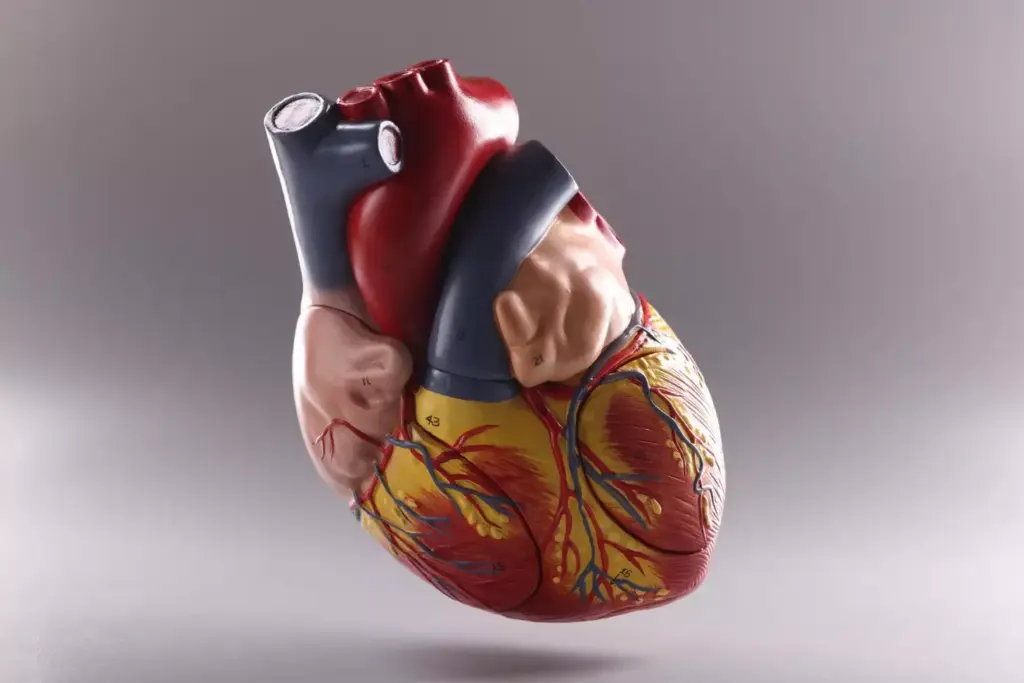
When it comes to heart valve replacement, knowing the difference between mechanical and tissue valves is key. The right choice depends on age, lifestyle, and health. It’s a big decision that needs careful thought.
Durability Comparison
Mechanical heart valves last a long time because they’re made of strong materials like titanium and pyrolytic carbon. Tissue valves, made from animal tissue, don’t last as long and need to be replaced every 10 to 15 years. But, new tech has made tissue valves more durable, making them a good option for some.
Anticoagulation Requirements
Mechanical valves need patients to take blood-thinning medicine forever to stop clots. Tissue valves have a lower clot risk, so not everyone needs blood thinners. But, some might, based on their health.
Age and Lifestyle Considerations
Age and lifestyle play a big role in choosing a valve. Younger people might choose mechanical valves for their long life. Older folks or those with shorter life expectancies might pick tissue valves to avoid blood thinners. Active people might also prefer tissue valves to lower bleeding risks.
Risk-Benefit Analysis
Choosing between mechanical and tissue valves is all about weighing risks and benefits. Patients and doctors must think about the valve’s durability and how it works against the risks of blood thinners. The bileaflet mechanical valve is popular because it works well and has a low clot risk. By considering each patient’s needs, doctors can help them make the best choice.
Caged Ball Mechanical Heart Valve Design
The caged ball mechanical heart valve was a key step in improving heart valve implants. It was one of the first durable solutions for patients needing valve replacement.
Structure and Mechanism of Action
The caged ball valve has a metal cage and a ball occluder. The ball moves to control blood flow. It’s made from durable, biocompatible materials.
When pressure is higher before the valve, the ball moves, letting blood flow. When pressure is higher after the valve, the ball blocks the flow.
The Starr-Edwards Legacy
The Starr-Edwards valve was introduced in the early 1960s. It was a major breakthrough in heart valve technology. It provided a reliable option for patients needing surgery.
The Starr-Edwards valve is known for its long-lasting performance. Some patients have lived decades with it.
Key Advantages
The caged ball design was durable and made from strong materials. It could handle the heart’s demands for a long time. Its simple design made it easy to make and implant.
Advantages of Caged Ball Valves:
- Durable construction
- Long-term functionality
- Simple design for manufacturing and implantation
Limitations and Declining Usage
Even with its benefits, the caged ball design is less used today. Newer designs, like bileaflet and tilting disc valves, offer better performance and fewer risks.
| Valve Design | Hemodynamic Performance | Complication Risk |
|---|---|---|
| Caged Ball | Fair | Higher |
| Bileaflet | Excellent | Lower |
| Tilting Disc | Good | Moderate |
While the caged ball valve was a major innovation, heart medicine keeps improving. Today, patients have even better options for valve replacement.
Monoleaflet (Tilting Disc) Valve Design
The tilting disc valve, a type of monoleaflet mechanical heart valve, has greatly improved patient care. This design is a big step forward in heart valve technology. It offers many benefits over older models.
Engineering Principles
The monoleaflet valve works with a tilting disc to improve blood flow. The disc tilts to let blood flow more naturally. This design cuts down on complications seen in older valves, like the caged ball valve.
Key features of the monoleaflet design include:
- A single tilting disc that opens to allow blood flow
- Improved hemodynamic properties compared to caged ball valves
- Reduced risk of thrombosis due to better blood flow
Hemodynamic Properties
The monoleaflet valve’s hemodynamic properties are better than the caged ball design. The tilting disc helps blood flow smoothly, reducing turbulence and clot risk. Research shows it lowers thromboembolic events as reported in recent research.
Clinical Performance
The monoleaflet valve has shown good clinical performance. Patients have seen better outcomes and fewer complications. Its ability to mimic natural blood flow has made it successful in heart valve replacement mechanical surgeries.
Specific Advantages Over Caged Ball Design
The monoleaflet design has several benefits over the caged ball design, including:
- Improved hemodynamic properties
- Reduced risk of thrombosis
- Better patient outcomes due to more natural blood flow
In summary, the monoleaflet or tilting disc valve design is a major leap in mechanical heart valve technology. It has greatly improved patient care and outcomes in valve surgery.
Bileaflet Mechanical Heart Valve Design
The bileaflet mechanical heart valve is the most used type. It offers better blood flow and less clotting risk. Many doctors and patients prefer it for these reasons.
Modern Design Features
This valve has two semicircular leaflets that move like natural valves. Key features include:
- Pyrolytic carbon construction for durability and biocompatibility
- Low profile design to minimize interference with surrounding cardiac structures
- Optimized leaflet motion for improved hemodynamics
Superior Hemodynamic Profile
The bileaflet design has a better blood flow profile than older valves. This is achieved through:
- Central flow pattern, mimicking natural valve function
- Reduced turbulence and energy loss
- Improved effective orifice area
These features lead to better heart function and lower complication risk.
Reduced Thrombogenicity Mechanisms
The bileaflet valve has a lower clotting risk. Mechanisms contributing to this include:
- Streamlined flow paths minimizing blood stasis
- Advanced surface coatings to reduce platelet activation
- Optimized leaflet motion to prevent thrombus formation
These design elements help lower the risk of blood clots, a big concern for valve patients.
Current Market Dominance
The bileaflet valve is the top choice in the market. It’s favored for its good blood flow, low clot risk, and performance. Its widespread adoption is a testament to:
- Long-term durability and reliability
- Improved patient outcomes
- Advancements in design and materials
So, the bileaflet valve remains a top pick for heart valve replacements.
Complications and Risks of Mechanical Heart Valves
Mechanical heart valves are both durable and risky. They’ve changed how we treat heart valve disease. But, they come with specific risks that need careful handling.
Thromboembolism
Thromboembolism is a big risk with mechanical heart valves. The device can cause blood clots. These clots can lead to strokes or other serious problems. Anticoagulation therapy helps prevent this.
The risk of thromboembolism depends on the valve type and where it’s placed. For example, mitral valves are riskier than aortic valves.
Bleeding Complications
Bleeding is another big risk for those with mechanical heart valves. This is mainly because of anticoagulation therapy. Anticoagulants can cause bleeding, from small bruises to serious hemorrhages.
It’s a challenge to balance preventing blood clots and avoiding bleeding. Regular checks and adjustments to anticoagulants are needed.
Structural Valve Deterioration
Mechanical heart valves don’t wear out as fast as bioprosthetic ones. But, they can fail over time. Mechanical failure is rare but can happen due to wear.
| Valve Type | Risk of Structural Deterioration | Typical Lifespan |
|---|---|---|
| Bileaflet | Low | 20+ years |
| Monoleaflet | Moderate | 15-25 years |
| Caged Ball | Higher | 10-20 years |
Endocarditis Risk
People with mechanical heart valves face a risk of infective endocarditis. Prophylactic antibiotics are given before certain procedures to lower this risk.
It’s key to understand these risks to manage patient care well. Knowing the possible problems with mechanical heart valves helps doctors reduce risks and improve patient results.
Anticoagulation Management for Patients with Mechanical Heart Valves
Anticoagulation therapy is a must for those with mechanical heart valves. It’s a lifelong need that requires regular checks and tweaks. This care is key to their life quality and survival. We’re here to help manage this therapy fully.
Lifelong Therapy Necessity
People with mechanical heart valves need to take anticoagulants forever. Warfarin is often used, but it needs careful watching. Sticking to the treatment plan is vital to avoid problems.
Monitoring and Adjustment Protocols
It’s important to check anticoagulation levels often. This ensures the International Normalized Ratio (INR) stays right. INR monitoring involves blood tests, and dosage changes are made as needed. We teach our patients to keep track of their INR and report any big changes.
| INR Range | Action | Follow-Up |
|---|---|---|
| Below Therapeutic Range | Increase Anticoagulant Dosage | Repeat INR in 1-2 weeks |
| Within Therapeutic Range | Maintain Current Dosage | Repeat INR as scheduled |
| Above Therapeutic Range | Decrease Anticoagulant Dosage | Repeat INR in 1-2 weeks |
Newer Anticoagulants and Research
Warfarin is the usual choice for mechanical heart valve patients, but research on new options is ongoing. Direct Oral Anticoagulants (DOACs) are being studied for other heart issues. We keep up with new research to give the best care.
Lifestyle Adaptations
Living with mechanical heart valves means making some lifestyle changes. This includes eating right and being careful about activities that might raise bleeding risk. We guide our patients on diet and exercise, helping them stay safe and active.
By understanding the need for anticoagulation, following monitoring plans, and adapting their lifestyle, patients can live well. Our goal is to support them every step of the way, providing the care and advice they need.
Advancements in Mechanical Heart Valve Technology
The field of mechanical heart valves has seen big changes. These changes have made patient care better and cut down on problems. We’re entering a new time in heart care, thanks to new tech and materials.
Recent Innovations
New designs and materials have made mechanical heart valves better. Advanced manufacturing techniques like 3D printing help make these valves more precise.
New materials are also being used. These materials are more friendly to the body and last longer. This means fewer problems for patients and valves that last longer.
Improved Materials and Coatings
New coatings have been a big help for mechanical heart valves. These coatings make the valves less likely to cause blood clots. They also make the flow of blood better.
| Material/Coating | Benefits | Clinical Impact |
|---|---|---|
| Pyrolytic Carbon | High durability, biocompatibility | Reduced risk of valve dysfunction |
| Antithrombogenic Coatings | Reduced thrombogenicity | Lower anticoagulation requirements |
| Nanostructured Surfaces | Improved hemodynamics | Enhanced patient outcomes |
Reduced Anticoagulation Requirements
One big change is needing less blood thinner. New designs and coatings help prevent blood clots. This means patients don’t have to take blood thinners for as long.
Future Directions in Design
The future of mechanical heart valves looks bright. Research is going into bioresorbable materials and smart valve technologies. These aim to make care even better and reduce blood thinner use.
As we keep moving forward, we’ll see valves that work more like the real thing. This will help patients live better lives.
Conclusion
Mechanical heart valves have changed how we treat heart valve disease. They offer a reliable and long-lasting fix for heart health. We’ve looked at the three main types: caged ball, monoleaflet, and bileaflet designs. Each has its own benefits and features.
Choosing the right mechanical heart valve depends on many things. This includes the patient’s age, lifestyle, and heart condition. It’s important to carefully pick and manage patients to get the best results and avoid complications.
New advancements in mechanical heart valve technology have made cardiac care better. Now, patients can live more active lives. Research keeps going to make these valves safer and more effective, reducing the need for blood thinners and improving heart treatment.
Mechanical heart valves are key in heart surgery, giving patients a proven way to fight heart valve disease. By knowing the good and bad of these valves, we can aim for better health and outcomes for our patients.
What are the main types of mechanical heart valves?
There are three main types of mechanical heart valves. These include caged ball, monoleaflet (tilting disc), and bileaflet designs. Each has its own benefits and features.
How do mechanical heart valves compare to tissue heart valves in terms of durability?
Mechanical heart valves last longer and are less likely to wear out than tissue valves. This makes them a good choice for younger patients or those needing a long-term fix.
What are the anticoagulation requirements for patients with mechanical heart valves?
Patients with mechanical heart valves must take anticoagulant medicine forever. This is to stop blood clots. They also need regular check-ups and changes to their treatment plan.
What are the risks associated with mechanical heart valves?
Mechanical heart valves can cause blood clots, bleeding, and valve damage. They also increase the risk of endocarditis. This shows why choosing the right patient is so important.
How have advancements in mechanical heart valve technology improved patient outcomes?
New materials and designs in mechanical heart valves have made them better. They need less anticoagulant medicine and work better with blood flow. This has improved patient health and life quality.
What is the significance of the bileaflet mechanical heart valve design?
The bileaflet design is the most popular for a reason. It works well with blood flow and is less likely to cause blood clots. This makes it a top choice for many patients.
How do mechanical heart valves impact a patient’s lifestyle?
Patients with mechanical heart valves have to make some changes. They need to eat differently and check their treatment regularly. This helps manage their medicine and avoid problems.
What are the advantages of mechanical heart valves over tissue heart valves?
Mechanical heart valves are more durable and last longer. Tissue valves might need to be replaced sooner. This makes mechanical valves a better option for some patients.
Can mechanical heart valves be used for all types of heart valve replacements?
Yes, mechanical heart valves can be used for many types of replacements. This includes both mitral and aortic valves. But, the right choice depends on the patient’s specific needs.
How do I know if a mechanical heart valve is right for me?
Deciding on a mechanical heart valve should be a team effort. Talk to your doctor about your age, lifestyle, and health history. This will help figure out the best valve for you.
References:
- European Society of Cardiology. (n.d.). Prosthetic heart valves: Part 1 – Selection. https://www.escardio.org/Journals/E-Journal-of-Cardiology-Practice/Volume-20/prosthetic-heart-valves-part-1-selection
- Kohn, M. A., & Lundin, W. (2020). Comparative Long-Term Performance of Mechanical Aortic Valves. https://jamanetwork.com/journals/jamanetworkopen/fullarticle/2817832



 Departments
 Related Videos
 Our Doctors
 News
News