When intravenous treatments are no longer needed, medi port removal is a key step. At Liv Hospital, we focus on a safe and comfortable port removal process. Our skilled team does this procedure under local anesthesia, helping you recover quickly.
The port removal surgery usually happens in an outpatient setting. Complications are rare. We help our patients through every part of the medical port removal process. This includes getting ready and taking care of yourself after the procedure, making sure it goes smoothly.
Key Takeaways
- A minimally invasive procedure under local anesthesia.
- Performed in an outpatient setting with rare complications.
- Expert clinicians ensure a safe and comfortable experience.
- Rapid recovery and thorough post-procedure care.
- Personalized guidance throughout the port removal process.
Understanding Medical Ports and Their Purpose
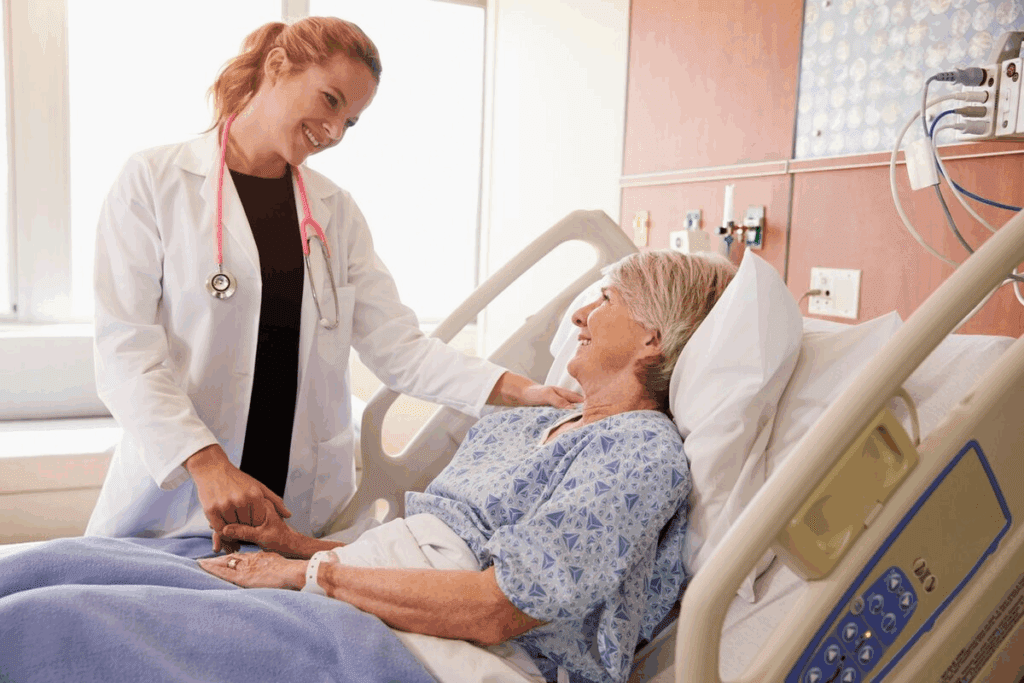
Medical ports are key in today’s healthcare. They help deliver treatments like chemotherapy and antibiotics. These small devices make it easier and less painful for patients to get treatments.
Types of Medical Ports
There are many types of medical ports, each for different needs. Here are a few:
- Portacaths: These are used for chemotherapy and long-term medication. They have a reservoir under the skin and a catheter in a vein.
- Chemotherapy Ports: These are for patients getting chemotherapy. They help avoid vein damage by directly putting drugs into the bloodstream.
- Other Types: There are also ports for pain management or nutritional support.
When Port Removal Becomes Necessary
Medical ports are meant to last a long time. But sometimes, they need to be removed. This happens for a few reasons:
- Completion of Treatment: When treatment is done, the port is removed.
- Infection or Complications: If the port gets infected or causes problems, it’s removed to keep you healthy.
- Device Malfunction: If the port breaks or doesn’t work right, it might need to be taken out and replaced.
Knowing about medical ports and when they need to be removed is important. It helps both patients and doctors make better choices about their use.
Pre-Procedure Considerations
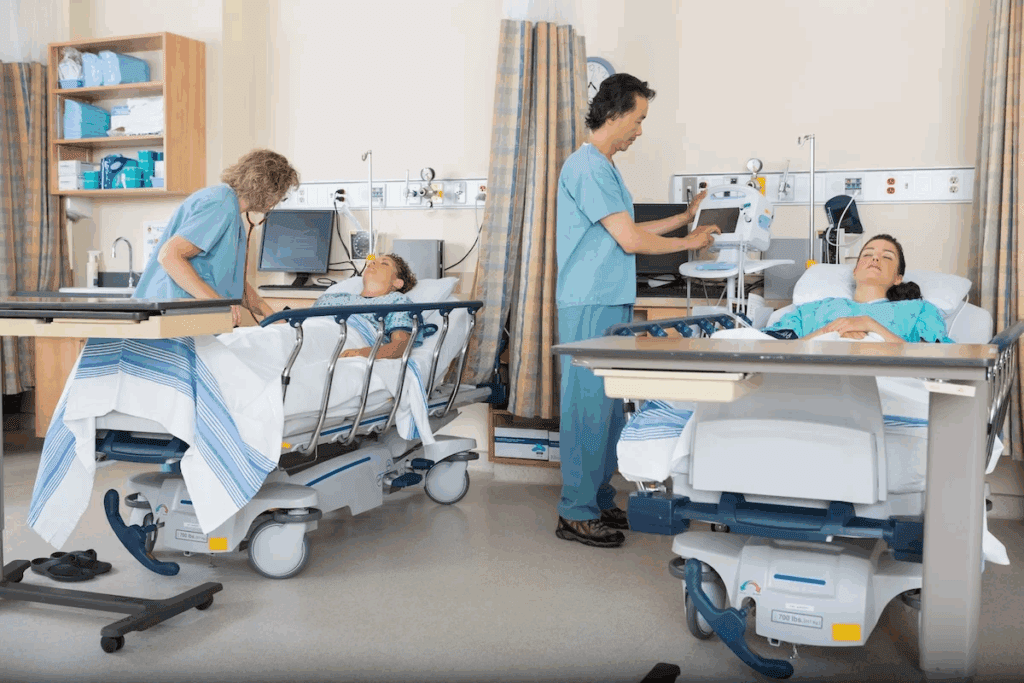
To make sure the Medi Port removal goes smoothly, some steps are key. Patients need a detailed medical check-up and a talk with their healthcare provider before the procedure.
Medical Evaluation Before Port Removal
A detailed medical check-up is vital before removing the Medi Port. This check-up usually includes:
- Looking at the patient’s medical history for any risks or complications.
- Running lab tests to see how the patient is doing and check for infections.
- Doing imaging studies like X-rays or ultrasounds to check the port’s location and condition.
This helps doctors plan the best way to remove the port and avoid problems.
Discussing the Procedure with Your Healthcare Provider
Talking about the Medi Port removal with your doctor is very important. During this talk, patients should:
- Ask about the risks and benefits of the procedure.
- Talk about any worries or fears they have.
- Understand what the removal process involves.
- Know how long it will take to recover and what to do after.
By talking openly with their doctor, patients can feel more ready and confident for the Medi Port removal.
Key things to talk about with your doctor include your medical history, any allergies or sensitivities, and current medications. This info ensures the procedure is done safely and right.
Preparing for Port Removal Surgery
Getting ready for port removal surgery is a big step. It needs careful planning, both in body and mind. We know it might feel overwhelming, but with the right help, you can do it confidently.
Physical Preparation
Getting your body ready is key for a smooth surgery. Here’s what to do:
- Follow Dietary Instructions: Your doctor might tell you what to eat before surgery. This could mean not eating for a while or avoiding certain foods.
- Review Medications: Tell your doctor about all the medicines you take. They might ask you to stop or change some to keep you safe during surgery.
- Stay Hydrated: Unless your doctor says not to, drinking plenty of water is good for you. It helps with recovery too.
Also, try to keep your body healthy before surgery. Eat well and exercise if you can.
Mental Preparation
Getting your mind ready is just as important. Here’s how:
- Understand the Procedure: Knowing what happens during and after surgery can ease your worries. Ask your doctor to explain it all to you.
- Manage Stress: Do things that calm you down, like meditation, deep breathing, or yoga. They help lower your stress.
- Build a Support Network: Having loved ones by your side can really help. Don’t be afraid to ask for their support.
| Preparation Aspect | Physical Preparation | Mental Preparation |
| Key Activities | Follow dietary instructions, review medications, stay hydrated | Understand the procedure, manage stress, build a support network |
| Benefits | Reduces surgical risks, promotes smoother recovery | Reduces anxiety, improves overall well-being |
By preparing both your body and mind, you’ll be ready for your surgery. We’re here to help you every step of the way. We want to make sure you have a good outcome.
Medi Port Removal: The Complete Procedure
Learning about the medi port removal process can ease patient worries and lead to better results. It involves key steps that healthcare experts must take. These steps are vital for patient safety and a successful port removal.
Patient Positioning and Preparation
Before starting the medi port removal, we make sure the patient is ready. This includes:
- Putting the patient in a comfortable position, usually lying down, to make it easy to access the port.
- Cleaning and disinfecting the skin around the port to lower infection risks.
- Using drapes to keep the area clean and sterile during the procedure.
Anesthesia Administration
To reduce pain during the procedure, we give local anesthesia. Local anesthesia numbs the area around the port. This lets us remove it without causing pain to the patient.
After the patient is numb, we make a small incision to get to the medi port. The steps are:
- Making a precise incision over the port site, just big enough for safe removal.
- Slowly cutting through the tissue around the port to free it from nearby structures.
Device Extraction Process
The last step is carefully taking out the medi port device. We:
- Slowly pulling out the port catheter, being careful not to harm nearby tissues.
- Checking the removed device to make sure it’s complete and no parts were left behind.
- Closing the incision with stitches or staples, based on the incision size and patient needs.
By following these steps, we ensure a safe and effective medi port removal. Our team is committed to giving the best care at every step.
Medical Personnel Involved in Port Removal
Removing a medi-port is a job for skilled medical personnel. It needs a team of experts to do it safely and right.
Qualifications of Clinicians Performing the Procedure
The doctors doing medi-port removals are pros at vascular access. They’ve had lots of training in putting in and taking out medical ports. They know how to deal with any problems that might come up.
To remove a medi-port, a doctor needs to know a lot about interventional radiology or surgery. They must understand the body’s anatomy and have experience with the needed techniques.
Support Staff Roles During the Procedure
A team of support staff is also key for a successful medi-port removal. Nurses and radiologic technologists help get the patient ready, assist during the procedure, and care for them after.
The support team makes sure the room has all the tools needed. They also help keep the patient safe and the area clean. Their skills are vital for a smooth process.
Together, the doctors and support staff make sure the medi-port removal goes well. They work hard to avoid problems and help the patient recover quickly.
Surgical Environment for Port Catheter Removal
Creating a clean and safe space is key for port catheter removal. The place where this happens greatly affects the patient’s safety and the success of the surgery.
Outpatient vs. Hospital Setting
Most port catheter removals happen in an outpatient setting. This is because it’s convenient and cheaper. It works well for patients who are healthy and the surgery is simple.
But, if a patient’s health is a worry or if the surgery might get complicated, a hospital setting is better. Hospitals can deal with emergencies and offer more care if needed.
| Setting | Characteristics | Best For |
| Outpatient | Cost-effective, convenient, same-day discharge | Routine, uncomplicated port removals |
| Hospital | Higher level of care, equipped for emergencies | Cases with possible complications or health worries |
Sterile Technique and Equipment
Keeping everything clean is vital, no matter where the surgery is done. This means using clean tools, washing hands well, and using the right draping.
We follow strict rules to lower the chance of problems. Using clean methods and tools is a big part of our work. It shows our dedication to giving top-notch care.
How to Remove a Chemo Port: Special Considerations
Removing a chemo port is different from standard port removals. Chemo ports are made to handle chemotherapy well. But, removing them needs extra care because of possible complications.
Standard Port Removal vs. Complicated Cases
Removing a chemo port can be simple or complex. Simple cases are ports that have been there for a short time and haven’t caused problems. Complex cases involve ports that have been there longer, are infected, or are hard to get out. Knowing the difference is key for a successful removal.
In complex cases, extra steps are needed. For example, if a port is infected, antibiotics are given before the procedure to prevent infection spread. If a port is deeply set, special surgery is used to avoid harming nearby tissue.
Chemotherapy Port Removal Specifics
Chemotherapy ports are built to last through many needle sticks. But, this makes them harder to remove. Scar tissue around the port can make it tough to take out, and sometimes, more surgery is needed.
The surgeon will cut over the port, free it from tissue, and then take it out. The complexity of this can vary based on the case and where the port is.
After the surgery, patients are watched for any signs of trouble, like bleeding or infection. Knowing about chemotherapy port removal helps patients get ready for the surgery and understand what to expect while they recover.
Post-Procedure Care After Removing a Port
Proper care after removing a port is key to avoid complications and aid in healing. Each person’s recovery can differ due to health and procedure specifics.
Immediate Post-Procedure Monitoring
Right after the port removal, we watch for any immediate issues like bleeding or reactions to anesthesia. This early watch is vital for quick action on any problems.
Our medical team closely checks vital signs and looks for signs of complications. They act fast if needed.
Wound Care Instructions
Good wound care is essential to prevent infection and help healing. We give detailed instructions on wound care, including:
- Keeping the wound clean and dry
- Changing dressings as directed
- Monitoring for signs of infection, such as redness, swelling, or increased pain
It’s also key to follow any specific wound care advice from your healthcare provider. This advice is tailored to your needs.
“Proper wound care is a critical component of the recovery process. By following the instructions provided by your healthcare team, you can significantly reduce the risk of complications.”
Activity Restrictions
We advise on certain activities to avoid for a smooth recovery. These include:
| Activity | Restriction |
| Heavy Lifting | Avoid for at least 24-48 hours |
| Strenuous Exercise | Avoid for 2-3 days or as advised |
| Bending or Straining | Minimize for 24-48 hours |
Following these guidelines helps avoid complications and aids in healing.
By following these care instructions, patients can lower the risk of complications and ensure a good recovery. If you have concerns or questions, always talk to your healthcare provider.
Chemo Port Removal Side Effects and Complications
Knowing about the side effects and complications of chemo port removal is key for patients. This procedure is generally safe but can have risks.
Common Side Effects
Most people face some side effects after having their chemo port removed. These are usually mild and short-lived. Common issues include:
- Pain or discomfort at the site of the port removal
- Bruising or swelling around the incision site
- Infection, though rare with good wound care
- Scarring, which fades over time
These side effects can be managed with over-the-counter pain meds and proper wound care. Following your healthcare provider’s post-procedure care is vital to reduce these risks.
Rare but Serious Complications
Though rare, serious complications can happen. These include:
- Nerve damage, leading to numbness or tingling
- Blood clots or hematoma formation
- Air embolism, where air gets into the bloodstream
- Severe infection, needing extra treatment
Knowing about these complications helps patients get medical help quickly if they notice unusual symptoms.
When to Seek Medical Attention
It’s important to know when to get medical help after chemo port removal. Call your healthcare provider right away if you notice:
- Increasing pain or swelling
- Signs of infection, like redness, warmth, or fever
- Unusual bleeding or discharge
- Difficulty moving the affected arm or shoulder
Quick medical attention can manage complications well and prevent more problems.
Recovery Timeline After Port-O-Cath Removal
Knowing what to expect after a port-o-cath removal can make things easier. Everyone recovers differently, but there are common steps to follow.
What to Expect in the First 24 Hours
In the first day, rest and avoid hard work. Watch for signs of trouble like too much bleeding or swelling. It’s a good idea to have someone with you for the first night.
Long-term Healing Process
The healing process usually goes smoothly after the first day. Keep the wound clean and dry to avoid infection. Your doctor will give you special instructions for caring for the wound.
Return to Normal Activities
You can usually get back to normal in a few days to a week. But, always listen to your doctor’s advice. Start slowly with activities to avoid problems and ensure a smooth recovery.
Knowing these steps can help you through your recovery after a port-o-cath removal. Always talk to your doctor for specific advice and care.
Patient Experiences with Port Removal Procedure
Having a port removed is a big deal for patients. It comes with lots of feelings and physical feelings. We’ll look at what patients usually go through, like pain, how to manage it, and the emotional side.
Common Sensations During the Procedure
Patients feel different things during the removal. Some might feel a little pinch when the anesthesia kicks in. Others might feel a tug when the device is taken out. These feelings can change based on how sensitive you are and how complex the procedure is.
Local anesthesia helps numb the area, making it less painful. But, some might feel a bit of stinging when the anesthetic is given.
Pain Management Expectations
Pain control is key during and after the procedure. Most patients find it okay, but some might feel a bit of pain later. Good pain management includes local anesthetics and sometimes pills after the procedure.
Talking to your doctor about pain before the procedure is important. This way, they can make sure you’re comfortable.
Psychological Aspects of Port Removal
The mental side of having a port removed is important too. For many, it’s a big step in their treatment. But, it can also make some anxious.
Having support from doctors, family, and friends helps a lot. Talking openly about your feelings and what you expect can make a big difference.
Conclusion: Life After Medi Port Removal
After a medi port removal, patients usually have a smooth recovery. We’ve walked you through the steps, from getting ready to caring for yourself after the procedure.
Most people get back to normal quickly. Life after the removal is usually calm, with little pain for most.
Knowing what happens during and after removal can ease worries. This knowledge helps you handle your recovery better and get back to your routine.
We want you to know that with the right care, risks are low. If you’re unsure or have questions, always talk to your doctor for advice tailored to you.
FAQ
What is a medi port, and why is it removed?
A medi port, also known as a portacath or chemotherapy port, is a device implanted under the skin. It helps administer medications, chemotherapy, or treatments. It’s removed when treatment ends or if it’s no longer needed.
How is a medi port removed?
Removing a medi port is a surgical process. A small incision is made, and the port is carefully dissected and removed. This is done under local anesthesia.
Is medi port removal a painful procedure?
While some discomfort is expected, the procedure is done under local anesthesia to reduce pain. Afterward, patients might feel some pain or discomfort, which can be managed with medication.
What are the risks and complications associated with medi port removal?
Like any surgery, medi port removal carries risks such as infection, bleeding, and tissue damage. But these are rare. Most patients have a smooth procedure.
How long does it take to recover from medi port removal?
Recovery time varies, but most can get back to normal in a few days. Following the post-procedure care instructions is key for a smooth recovery.
Can I remove a chemo port myself?
No, it’s not safe to try to remove a chemo port yourself. Only a qualified healthcare professional should do it in a sterile environment to avoid complications.
What is the difference between a portacath and a chemotherapy port?
A portacath and a chemotherapy port are the same thing. They are subcutaneously implanted devices used for administering treatments.
How is a port-o-cath removed?
Removing a port-o-cath is similar to removing a medi port. It involves accessing the device through a small incision and then removing it. The specifics can vary based on the case and the healthcare provider’s preference.
Are there any activity restrictions after port removal?
After removal, patients should avoid heavy lifting, bending, or strenuous activities for a few days. The healthcare provider will give specific instructions on what to avoid.
When should I seek medical attention after port removal?
If you notice signs of infection like redness, swelling, or increased pain, seek medical attention. It’s also important to follow post-procedure care instructions and attend follow-up appointments.
References:
- Su, J., Liu, L., & Xie, Y., Wang, J. (2024). Complications associated with the removal of totally implantable venous access devices (TIVADs): a retrospective analysis of 4,954 breast cancer patients in a single institution. BMC Surgery, 24(1), 324. https://pubmed.ncbi.nlm.nih.gov/39438981/