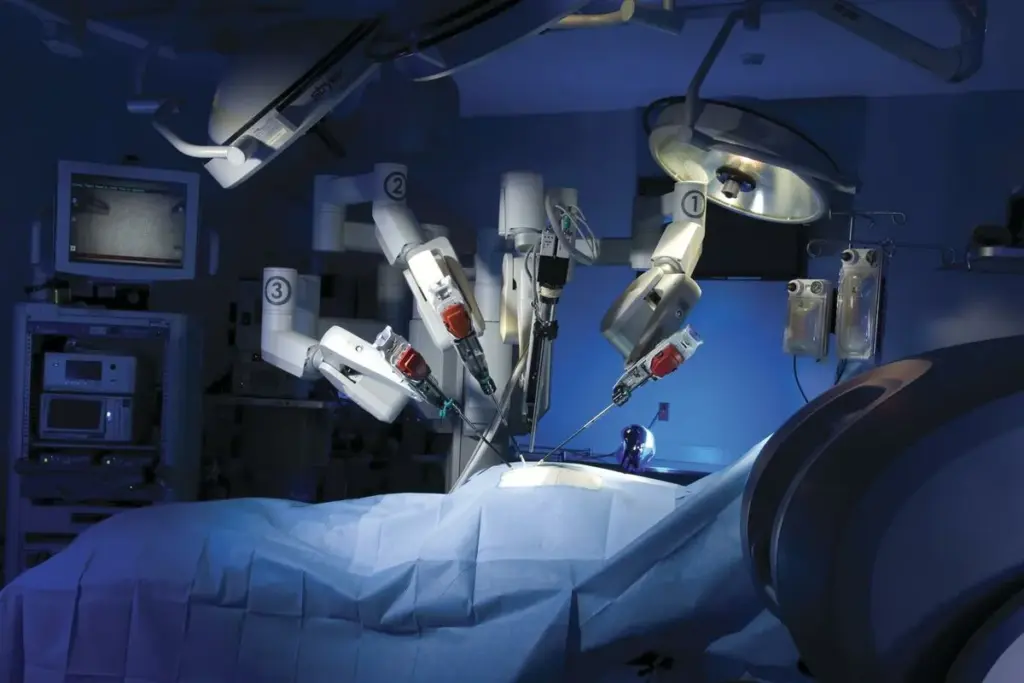
The global medical robotics market is on the verge of a big change. It’s expected to grow from $13.19 billion in 2023 to $52.41 billion by 2032. This shows how fast technology is changing healthcare. The future of medical robots is truly amazing. Explore the elite advancements and miraculous innovations changing the world of medicine.
The integration of medical robots in various procedures is significantly transforming healthcare. They make things more precise and efficient. These changes are not only making patients better but also changing how we get healthcare.
Key Takeaways
- The future of robotics in medicine is rapidly evolving with significant technological advancements.
- Medical robotics is expected to play a key role in surgery, rehabilitation, and diagnostics.
- The growth of the global medical robotics market shows a growing need for precise and efficient healthcare solutions.
- Technological innovations are making medical robots more capable.
- The use of robotics in healthcare is improving patient outcomes and changing how we get healthcare.
The Current State of Medical Robots in Healthcare
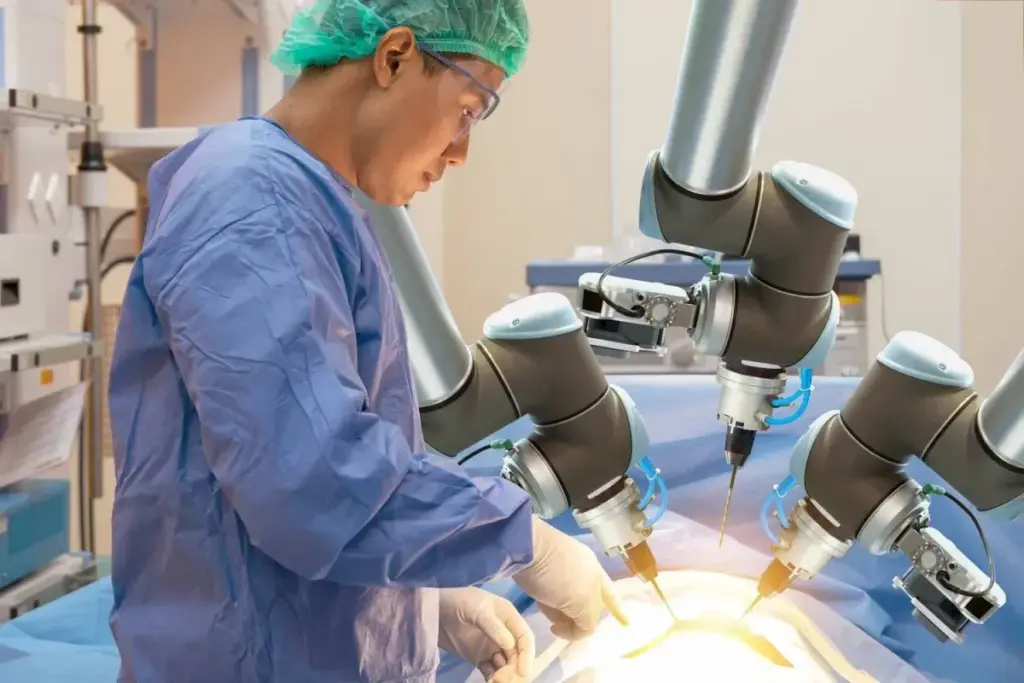
Healthcare is changing fast with the arrival of medical robots in hospitals and rehab centers. These robots are making a big difference in how we care for patients and work in clinics.
Medical robots are now a big part of healthcare, helping to make care better and work more efficient. Robot health care is getting smarter, with robots helping with things like watching over patients, managing medicines, and cleaning.
Leading Innovations in Hospital Robots
Hospitals are leading the way in using robots, thanks to new tech that’s making care better. Robots are doing everything from simple tasks to complex surgeries. For example, they’re used in minimally invasive surgeries, which means patients recover faster and do better.
Some top innovations include:
- Robotic-assisted surgery systems that improve precision and control.
- Automated patient monitoring systems that give real-time data.
- Medication management robots that cut down on mistakes and make things more efficient.
How Robots Are Transforming Patient Care Today
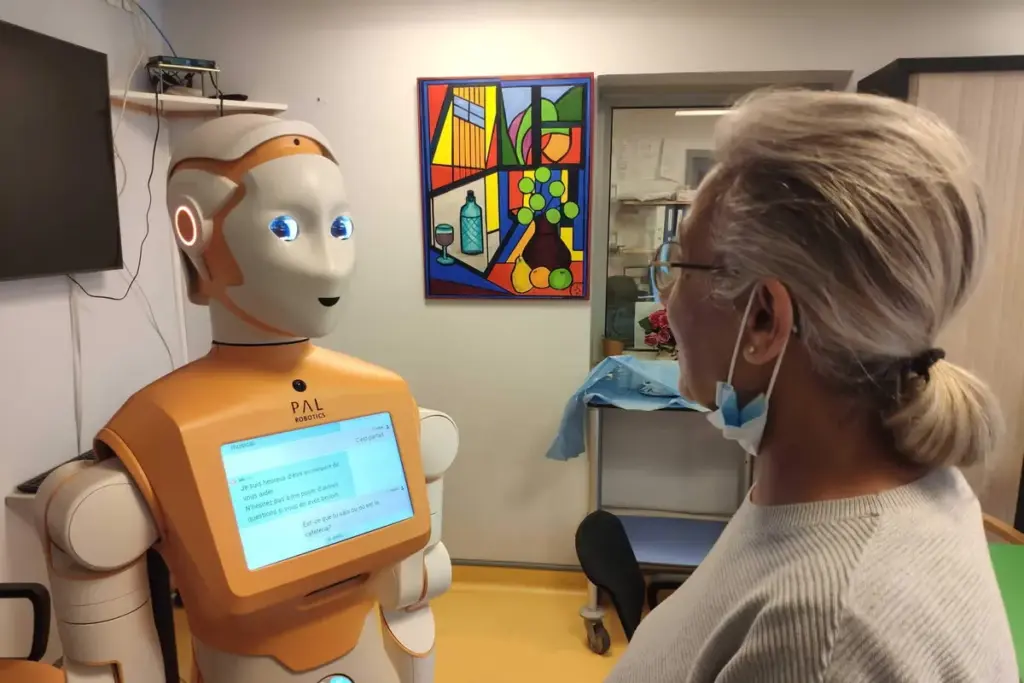
Robots are changing patient care in many ways, from being friends to the elderly to helping in therapy. Robots in hospitals are making care better and making patients happier. For example, robotic pets are helping to comfort kids and the elderly.
Robots are also making care more personal. They can be set up to meet the needs of each patient, giving them the right support and therapy. This personal touch is leading to better results and happier patients.
Historical Development of Robotics in Medicine
The history of robotics in medicine is filled with innovation and growth. We’ve seen big steps forward from the first medical robots.
The first robot, PUMA560, was introduced in the 1980s for neurosurgery. It showed robots could improve surgery’s precision and accuracy.
Pioneering Medical Robot Systems
The PUMA560 was a major step forward in medical robotics. It led to more research and better robots for different medical needs.
Robotics Expert
Some key moments in medical robotics include:
- The first robots for surgery
- Improved imaging and diagnostic robots
- Robots for patient care and rehab
Evolution from Industrial to Healthcare Applications
Robots started in industry, like in manufacturing. But as tech improved, their use in healthcare grew.
Switching to healthcare needed new, precise robots. These robots had to work with patients and doctors safely.
|
Year |
Milestone |
Significance |
|---|---|---|
|
1980s |
Introduction of PUMA560 |
First medical robot for neurosurgical procedures |
|
1990s |
Development of robotic surgical systems |
Enhanced precision in surgical interventions |
|
2000s |
Advancements in robotic imaging technologies |
Improved diagnostic capabilities |
Now, we’re seeing robots that help doctors and nurses. They’re making patient care better and outcomes more positive.
Types of Medical Robots Revolutionizing Healthcare
Robots are changing healthcare in big ways. They are now a key part of how we get medical care. This change is making healthcare better in many areas.
Surgical Robotics Systems
Surgical robots are leading the way in medical tech. They help surgeons do complex surgeries with more precision and less harm. These robots give surgeons better control and vision, leading to better results for patients.
The benefits of surgical robots include:
- Reduced recovery time
- Less blood loss during surgery
- Smaller incisions, resulting in less scarring
- Improved accuracy and precision
|
Feature |
Traditional Surgery |
Robotic Surgery |
|---|---|---|
|
Incision Size |
Large |
Small |
|
Recovery Time |
Longer |
Shorter |
|
Precision |
Limited |
High |
Rehabilitation and Therapy Robots
Rehabilitation and therapy robots help patients get back on their feet after illness or injury. They offer personalized therapy, helping patients recover faster.
The advantages of rehabilitation robots include:
- Customizable therapy sessions
- Increased patient engagement
- Data-driven insights for therapists
Service and Care Robots in Hospitals
Service and care robots are becoming more common in hospitals. They help with tasks like delivering medicine, moving supplies, and watching over patients.
The use of service robots in hospitals has several benefits, including:
- Improved efficiency
- Reduced workload for healthcare staff
- Enhanced patient experience
Robot-Assisted Surgery: Advancing Precision Medicine
The use of robots in surgery has changed healthcare a lot. Now, surgeries are more precise and less invasive. This change is making surgeries better for patients.
Minimally Invasive Robotic Procedures
Robotic surgery has changed how we do operations. Surgeons use robots to do complex surgeries through small cuts. This means less pain and quicker healing for patients.
Robots help with very detailed surgeries. They make it easier to do things like delicate dissections or suturing.
Remote Surgery Capabilities and Telemedicine
Remote surgery is a big step forward. It lets surgeons operate on patients from far away. This is thanks to fast internet and advanced robots.
Telemedicine adds to this by making it easier to talk to patients before and after surgery. It makes care more convenient and efficient.
Surgical Training with Robotic Simulation
Robotic simulation is key for training surgeons. It lets them practice in a safe, realistic way. Surgeons can try out different techniques and get feedback in real time.
This training is great for new surgeons or those learning new skills. It helps them get better and build muscle memory.
Diagnostic Applications of Healthcare Robotics
Robotics in healthcare diagnostics is changing how we do medical imaging and lab tests. We’re seeing big changes in how we do these tests, thanks to new robotic tech.
AI-Enhanced Robotic Imaging Systems
AI-enhanced robotic imaging systems lead in diagnostic innovation. They mix robotic precision with AI for detailed images that help doctors make accurate diagnoses. Robotic imaging lets doctors see inside the body clearly, helping find and treat diseases early.
AI-enhanced robotic imaging has many benefits. It makes diagnoses more accurate, cuts down on the need for repeat scans, and makes patients more comfortable. For example, robotic MRI machines can adjust to patient movements, making scans efficient and clear.
|
Feature |
Traditional Imaging |
Robotic Imaging |
|---|---|---|
|
Accuracy |
Good |
Excellent |
|
Patient Comfort |
Variable |
Enhanced |
|
Flexibility |
Limited |
High |
Laboratory Automation Through Robotics
Laboratory automation through robotics is also key. Robots are used for tasks like preparing samples, testing, and analyzing results. This makes lab work faster and less prone to mistakes.
We’re moving towards more advanced lab robots. They can do complex tasks like PCR testing and next-generation sequencing. These robots have advanced software for precise and consistent work.
Lab automation brings many benefits. It increases how much work labs can do, makes results more accurate, and handles lots of samples. This is great for busy places like hospitals and research labs.
Rehabilitation Robotics: Restoring Patient Mobility
Advanced medical robots are key in helping patients regain their independence and mobility. We’re seeing big changes in rehabilitation robotics. These changes are not just improving patient results but also making care better overall.
Exoskeletons and Powered Prosthetics
Exoskeletons and powered prosthetics lead the way in rehabilitation robotics. They give patients a chance to move and be independent again. These devices support and stabilize, making it easier for patients to walk, stand, or do other activities they once found hard or impossible.
Key Features of Exoskeletons and Powered Prosthetics:
|
Feature |
Description |
Benefit |
|---|---|---|
|
Adjustable Support |
Customizable to individual patient needs |
Enhanced comfort and safety |
|
Advanced Sensors |
Real-time feedback for optimal performance |
Improved mobility and balance |
|
Durable Design |
Built to withstand regular use |
Reduced maintenance and longer lifespan |
Neurological Rehabilitation Through Robotic Assistance
Robots are also making a big difference in neurological rehabilitation. They help patients recover from injuries like strokes or spinal cord damage. This is done through targeted therapy and support.
The benefits of robotic assistance in neurological rehabilitation include:
- Improved precision and control in therapy
- Enhanced patient engagement and motivation
- Personalized treatment plans based on individual patient needs
By using robotics and healthcare tech, we can offer more effective and tailored rehab programs. This leads to better results for patients and a better quality of life.
Hospital Robots for Patient Care and Management
Robots are becoming more common in hospitals to help with patient care. They make healthcare better and more efficient. This lets doctors and nurses focus on more important tasks.
Automated Patient Monitoring Systems
Hospitals are using robots to watch over patients all the time. These systems track vital signs and health metrics. They help spot health problems early, so doctors can act fast.
Key benefits of these systems include:
- They watch patients without needing people to always check on them
- They catch health problems early
- They help patients get better faster with quick action
Medication Management and Delivery Robots
Robots are helping with giving medicine to patients. They make it safer and faster. This helps avoid mistakes and makes things more efficient.
Robots in giving medicine have many advantages, such as:
- They lower the chance of medicine mistakes
- They make giving medicine quicker
- They keep patients safer
Disinfection and Sanitation Robotics
Robots are key in keeping hospitals clean. They use UV light to kill germs on surfaces. This helps stop infections from spreading.
Using disinfection robots has big benefits, like:
- They make hospitals cleaner
- They cut down on infections
- They keep patients and staff safer
Robots are changing how hospitals care for patients. They help with watching over patients, giving medicine, and keeping places clean. This makes care better and more efficient.
Artificial Intelligence Integration with Medical Robots
Medical robots are getting a boost from AI, marking a new chapter in healthcare. This mix of AI and medical robots is making them better and helping patients more. It’s changing healthcare in many ways, from surgeries to patient care and rehab.
Machine Learning Applications in Robotic Healthcare
Machine learning is being used in healthcare robots to better diagnose and treat patients. These algorithms help robots learn from data and make smart choices on their own. For example, they can analyze medical images to help in surgeries.
Machine learning also helps predict what patients might need, so treatments can be tailored. This makes healthcare more efficient and patient care more personal.
Natural Language Processing for Robot-Patient Interaction
Natural Language Processing (NLP) is key in AI and medical robots. It lets robots understand and talk back to patients, making care better. Robots can offer emotional support, answer questions, and keep an eye on patient health.
NLP also helps doctors by taking some of their workload. It works with other AI tools to make healthcare more complete and caring.
As AI and medical robots work together, they’re getting smarter and more helpful. The future of robotics in medicine and medical robotics is bright. We’re on the path to more advanced and personal healthcare.
Emerging Technologies Shaping Future Medical Robotics
Medical robotics is evolving fast, thanks to new technologies. These advancements include miniaturization, haptic feedback, and autonomous robots. They promise to change healthcare for the better.
Miniaturization and Nanorobotics
Miniaturization and nanorobotics are exciting fields. They allow for tiny robots that can enter the body’s tiny spaces. This means better diagnosis and treatment with less harm.
These small robots can go where big ones can’t. They could change how we treat diseases like cancer. They can target treatments right to the tumor.
Haptic Feedback and Sensory Advancements
Haptic feedback is making big strides. It lets medical robots feel their surroundings better. This is key for complex tasks.
In surgery, feeling the tissue and tools is vital. Haptic feedback helps surgeons be more precise. This reduces the chance of mistakes.
|
Technology |
Application |
Benefit |
|---|---|---|
|
Miniaturization |
Less invasive procedures |
Reduced recovery time |
|
Haptic Feedback |
Improved surgical precision |
Reduced risk of complications |
|
Autonomous Capabilities |
Enhanced patient monitoring |
Early detection of issues |
Autonomous Capabilities in Healthcare Robots
Autonomous robots are another big step. They can watch over patients on their own. This means spotting health problems early.
These robots can catch issues before they get worse. This could make healthcare more efficient and effective. It’s a big leap forward.
Looking ahead, new tech will keep changing medical robotics. By using these advancements, we can make healthcare better. It will lead to better care and outcomes for patients.
Ethical Considerations in Robotic Healthcare Solutions
Robotic healthcare solutions are changing patient care, but they bring up big ethical questions. As we add more medical robots to healthcare, we must tackle these issues. This ensures care is safe and works well.
Patient Privacy and Data Security Challenges
Medical robots in healthcare create a lot of sensitive patient data. Keeping this data private and secure is a big challenge. We need strong data protection to stop unauthorized access and keep patient trust.
Some main data security issues are:
- Stopping cyber threats and data breaches
- Following healthcare data protection laws
- Using secure ways to store and send data
Human-Robot Interaction and Trust Building
As medical robots grow in healthcare, building trust with patients is key. Good human-robot interaction is vital for robotic healthcare success.
To build trust, we should:
- Make robots easy for patients to use with simple interfaces
- Give clear info on how robots help in patient care
- Be open about how robots make decisions
By tackling these ethical issues, we can use medical robots to better patient care. This way, we keep the trust and confidence of those we help.
Regulatory Framework for Medical Robot Technology
Medical robot technology is growing fast. Regulatory frameworks are key to keeping it safe and effective. These rules help guide how medical robots are made and used.
The rules for medical robots are complex. They involve many groups and guidelines. “Understanding the rules for medical robots in healthcare is essential,” saysa top expert in the field.
FDA Approval Process for Robotic Medical Devices
The FDA approval process is vital for getting robotic medical devices to market. We must follow this process carefully. This ensures our devices are safe and work well.
The FDA looks at the risk of medical devices, including robots. The risk level decides how much scrutiny and what rules apply.
- Class I devices are low risk and follow general rules.
- Class II devices are moderate risk and need special rules.
- Class III devices are high risk and need FDA approval before they can be used.
Robotic medical devices often need to be Class II or III. This means they must go through a lot of testing and clinical trials. These steps show they are safe and work well.
International Standards and Compliance Requirements
Medical robot technology also has to follow international standards and rules. We work with regulatory bodies all over the world. This makes sure our devices meet these standards.
Standards from groups like the International Organization for Standardization (ISO) help. They make sure medical robots are safe and work right.
“Creating international standards for medical robots is key for global market access and patient safety,” saysa leading expert in regulatory affairs.
Following these standards is important. It shows we are committed to quality and safety. This is key for getting approval and for making sure patients get the best care.
By following the rules, we can make sure advanced medical robots are safe and effective in healthcare. This leads to better care for patients.
Economic Impact and Market Trends of Medical Robotics
Medical robotics is changing healthcare, affecting both health and money. It makes medical procedures more precise and efficient. This is thanks to new technology.
Robotic-assisted procedures are becoming more common in healthcare. They improve patient care and have a big economic effect.
Cost-Benefit Analysis of Robotic Healthcare Systems
Robotic healthcare systems cost a lot at first. They also need regular maintenance and training. But, they offer long-term benefits like shorter recovery times and fewer complications.
|
Aspect |
Traditional Methods |
Robotic-Assisted Methods |
|---|---|---|
|
Initial Cost |
Lower |
Higher |
|
Recovery Time |
Longer |
Shorter |
|
Complication Rate |
Higher |
Lower |
The table shows that while robots cost more upfront, they save money in the long run. They help patients recover faster and have fewer complications.
Investment Landscape and Growth Projections
The investment in medical robotics is strong, with big growth expected. The global market for medical robotics is set to grow a lot. This is because people want more precise and efficient healthcare.
The market will grow because of better technology, more use of robotic surgeries, and robots in more healthcare areas.
As healthcare changes, it’s key to understand the economic and market trends of medical robotics. This is important for investors, healthcare providers, and policymakers.
Patient Outcomes and Benefits of Advanced Medical Robots
Robotic technology is making patient care more precise and efficient. By adding advanced medical robots to healthcare, we’re changing how we care for patients.
Improved Recovery Times and Reduced Complications
Advanced medical robots help patients recover faster and have fewer complications. Minimally invasive robotic surgeries cause less damage and trauma. This leads to quicker healing.
|
Procedure |
Traditional Method Recovery Time |
Robotic-Assisted Recovery Time |
|---|---|---|
|
Hysterectomy |
6-8 weeks |
3-4 weeks |
|
Prostatectomy |
6-12 weeks |
4-6 weeks |
A study in the Journal of Robotic Surgery found robotic surgeries have fewer complications than traditional methods.
“The precision offered by robotic systems allows for more complex procedures to be performed with greater accuracy, reducing the risk of complications and improving patient outcomes.”
Robotic Surgeon
Patient Experiences and Satisfaction with Robotic Care
Advanced medical robots are not just improving health outcomes. They’re also making patient experiences better. Robots help with monitoring, rehabilitation, and even companionship.
Patients are happier with robotic care because of less pain and quicker recovery. Robots also help doctors and nurses by taking some of their workload. This lets them focus more on patient care.
- Reduced pain and discomfort
- Shorter hospital stays
- Quicker return to normal activities
As we keep improving medical automation and robotics, we’ll see even more ways to help patients. These advancements will make patient care even better.
Challenges and Barriers to Widespread Adoption
Medical robots offer many benefits, but their adoption is slow. Many challenges need to be overcome before they can be widely used in healthcare.
Technical Limitations of Current Systems
One big challenge is the technical issues with today’s medical robots. They struggle with precision, reliability, and fitting into current healthcare setups.
Healthcare Professional Training Requirements
Training healthcare staff is another major hurdle. They need to learn how to use these robots and fit them into patient care smoothly.
Accessibility and Equity in Robotic Healthcare
It’s also important to make sure everyone can use medical robots. This means fixing the problem of unequal access, mainly in areas that are far away or have less resources.
|
Challenge |
Current State |
Future Development |
|---|---|---|
|
Technical Limitations |
Limited precision and reliability |
Advanced AI and sensor technologies |
|
Training Requirements |
Basic operational training |
Comprehensive training programs including simulation and hands-on experience |
|
Accessibility |
Limited access in remote areas |
Telemedicine integration and mobile robotic units |
As we look to the future, solving these problems is key. It will help medical robots reach their full promise in making healthcare better and more efficient.
Conclusion: The Transformative Future of Robotics in Medicine
Looking ahead, medical robotics will be key in changing healthcare. New robotic solutions are making care more precise, efficient, and easy to get.
Artificial intelligence and machine learning are making medical robots even more powerful. They will change how we treat patients, improve healthcare services, and make special care more available. We’ll see more progress in surgery, rehab, and diagnosis, all helping patients get better care.
The future of medical robotics is bright, and we’re excited to use it for top-notch healthcare. As these solutions keep getting better, care will get better too. This will lead to happier patients and a healthier system for everyone.
FAQ
What is the current state of medical robotics in healthcare?
Medical robotics is growing fast, thanks to new tech and a need for better healthcare. Robots are now used for watching patients, managing meds, and cleaning. This makes healthcare more precise and efficient.
How are medical robots revolutionizing healthcare?
Medical robots are changing healthcare in big ways. They help with surgeries, rehab, and tests. This makes surgeries better and helps patients recover faster.
What are the benefits of robot-assisted surgery?
Robot-assisted surgery is making medicine more precise. It reduces damage and pain after surgery. It also lets doctors perform surgeries from far away, making care more accessible.
How is artificial intelligence being integrated with medical robots?
AI is making medical robots smarter. It uses machine learning to improve care. It also helps robots talk to patients better, making care more personal.
What are the emerging technologies shaping the future of medical robotics?
New tech like miniaturization and nanorobotics are changing medical robots. They make procedures more precise and less invasive. These advancements are improving robots and care.
What are the ethical considerations in robotic healthcare solutions?
Using robots in healthcare raises important questions. We must protect patient privacy and ensure robots are safe and effective. Building trust between humans and robots is also key.
What is the regulatory framework for medical robot technology?
Medical robots must meet FDA standards and follow international rules. These rules help make sure robots are safe and work well.
What are the challenges and barriers to widespread adoption of medical robots?
There are hurdles to using medical robots everywhere. These include technical issues, training needs, and making sure everyone has access. Overcoming these challenges is important for safe and effective use.
How are medical robots improving patient outcomes and satisfaction?
Advanced robots are making care better for patients. They help patients recover faster and with fewer problems. Patients also seem happy with the care they receive from robots.
What is the economic impact and market trend of medical robotics?
Medical robots are big business, with more demand for better healthcare. Understanding costs and investments helps us see the market’s direction.
References
National Center for Biotechnology Information. Evidence-Based Medical Insight. Retrieved from https://www.ncbi.nlm.nih.gov/pmc/articles/PMC7393684/