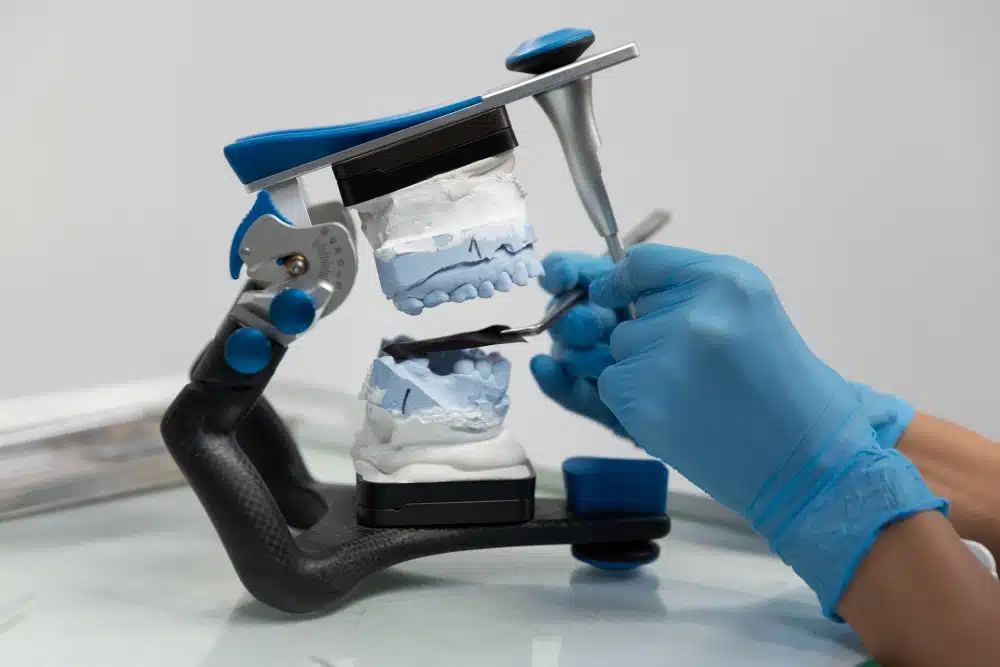
CEREC (Chairside Economical Restoration of Esthetic Ceramics) is a sophisticated digital dentistry system that utilizes CAD/CAM (Computer-Aided Design and Computer-Aided Manufacturing) technology to design and manufacture high-quality ceramic dental restorations in a single patient visit. In traditional dentistry, restoring a damaged tooth typically requires two or more appointments spread over several weeks, involving uncomfortable physical impressions, temporary crowns that can dislodge, and a reliance on external dental laboratories. CEREC fundamentally solves these logistical and comfort challenges by consolidating the entire workflow into chairside procedures.
The primary purpose of this technology is to restore the function, structural integrity, and aesthetics of a tooth immediately. It functions as a complete digital ecosystem. It eliminates the analog steps of the past, replacing physical molds with light-based scanning and manual casting with micron-precise robotic milling. For the patient, this means the permanent solution is delivered in hours rather than weeks. Whether for crowns, veneers, inlays, or onlays, the system allows the dentist to control the entire quality chain from start to finish, ensuring that the restoration fits the patient’s unique biological parameters without the delay of shipping materials back and forth.
How the CEREC CAD-CAM Works?
The CEREC workflow is a seamless integration of three main components: an intraoral scanner, 3D design software, and a milling unit. The process transforms a physical tooth preparation into a digital model and then back into a physical ceramic restoration.
Step 1: Digital Acquisition (The Scan)
The process begins after the tooth has been prepared (decay removed or reshaped). Instead of using a tray filled with gooey, nausea-inducing impression material, the dentist uses an advanced intraoral camera, such as the Primescan or Omnicam.
- Optical Triangulation: This wand-like camera projects a structured light pattern onto the teeth and gums.
- Real-Time Modeling: As the camera moves over the teeth, it captures thousands of images per second. The software stitches these images together in real-time to create a high-definition, full-color 3D virtual model of the patient’s mouth on the computer screen. This digital impression is accurate to within microns.
Step 2: Computer-Aided Design (CAD)
Once the 3D model is generated, the design phase begins. This is where the “CAD” component comes into play. The dentist utilizes specialized software to design the restoration.
- Biogeneric Computation: The software analyzes the adjacent teeth and the opposing jaw to calculate the optimal shape, size, and biting surface for the new restoration. It mimics the natural biological morphology of the patient’s existing teeth, ensuring the new tooth looks and functions like a natural one.
- Customization: The dentist can fine-tune this proposal, adjusting contact points, contour, and occlusion (bite) to ensure perfect comfort. Patients can often watch this design process on the screen, seeing their new tooth take shape virtually.
Step 3: Computer-Aided Manufacturing (CAM)
After the design is finalized, the data is sent wirelessly to the milling unit located in the office. This is the “CAM” component.
- The Milling Process: The dentist selects a ceramic block that matches the shade of the patient’s natural teeth. This block is placed into the milling machine.
- Subtractive Manufacturing: Inside the unit, two high-speed robotic arms equipped with diamond-coated burs work simultaneously. They carve the ceramic block, wet-milling it with extreme precision to replicate the digital design exactly. This process typically takes between 6 to 15 minutes, depending on the complexity of the restoration.
Step 4: Sintering and Glazing (Finishing)
For certain high-strength materials like Zirconia or Lithium Disilicate (e.max), the milled restoration is placed in a high-temperature speed furnace. This “baking” process crystallizes the material, giving it its final hardness and durability. Finally, the restoration is polished or glazed to match the natural luster of enamel before being bonded to the tooth.
Clinical Advantages and Patient Benefits
Transitioning to CEREC CAD-CAM offers distinct clinical superiorities over traditional laboratory-based methods, redefining the standard of care in restorative dentistry.
The “One-Visit” Advantage
The most significant benefit for the patient is efficiency. Traditional crowns require a minimum of two visits: one for preparation and impressions, and a second one weeks later for cementing the final piece. CEREC creates the final restoration in a single appointment.
- Time-Saving: Patients only need to be numbed (anesthetized) once. They do not have to take time off work for a second appointment.
- No Temporaries: There is no need to wear a fragile temporary crown for weeks. Temporary crowns often cause sensitivity, can fall off, or irritate the gums. CEREC eliminates this interim stage entirely.
Unmatched Precision and Fit
Digital impressions are inherently more stable than physical ones. Alginate or silicone impression materials can distort, tear, or shrink, leading to ill-fitting crowns that allow bacteria to leak underneath.
- Micron Accuracy: The digital scan captures the exact margins of the tooth preparation. The milling machine cuts the ceramic with a precision that human hands casting metal cannot consistently match. This results in a “gap-free” fit, sealing the tooth effectively against future decay.
Superior Aesthetics and Biocompatibility
CEREC restorations are metal-free. They are milled from high-quality industrial ceramic blocks that mimic the translucency and light-refracting properties of natural enamel.
- No Dark Lines: Unlike porcelain-fused-to-metal (PFM) crowns, which can show a dark gray line at the gum line as gums recede, CEREC ceramics remain naturally colored.
- Tissue Response: The ceramic materials are highly biocompatible and significantly less abrasive to opposing teeth than metal, causing less gum irritation and wear over time.
Preservation of Tooth Structure
The precision of CAD/CAM allows for “minimally invasive” dentistry. Because the materials bond chemically to the tooth, dentists can often save more of the healthy natural tooth structure compared to traditional crowns, which require aggressive shaving of the tooth to create mechanical retention.
Targeted Medical Fields and Applications
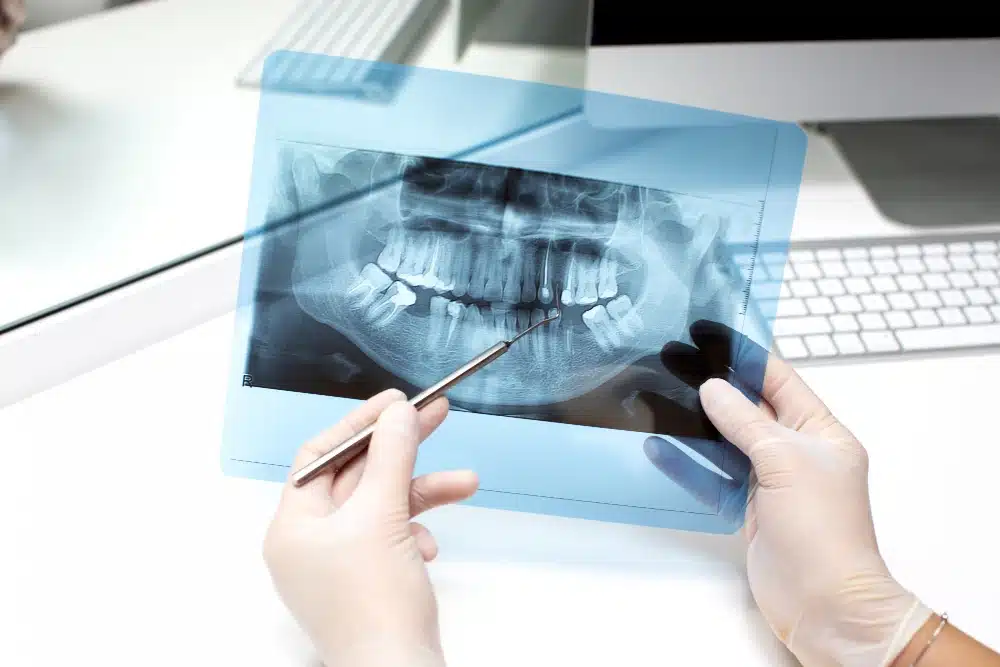
While primarily associated with general dentistry, CEREC CAD-CAM is utilized across several specialized dental fields to treat specific conditions.
Restorative Dentistry
- Crowns: Full coverage for teeth that are severely decayed or fractured.
- Inlays and Onlays: These are partial crowns used when a cavity is too large for a filling but the tooth does not require a full crown. CEREC is ideal for this, strengthening the tooth without removing healthy enamel.
Cosmetic Dentistry
- Veneers: Thin shells of ceramic placed on the front of teeth to correct discoloration, chips, or gaps. The software allows for the design of a complete smile makeover where multiple veneers are milled to create perfect symmetry.
Implantology
- Implant Crowns: CEREC can design and mill the crown that goes on top of a dental implant.
- Surgical Guides: The technology allows for the fabrication of surgical guides that help the surgeon place the implant into the bone at the exact angle and depth planned on the computer, increasing surgery safety.
Orthodontics
- Aligner Planning: The digital scans from the Omnicam or Primescan are used to plan clear aligner treatments (like Invisalign). The digital model replaces the need for physical molds to fabricate the aligners.
The Patient Experience of CEREC CAD-CAM
A CEREC appointment is interactive and efficient, typically lasting between 90 minutes to 2 hours.
Preparation Phase
The appointment begins like a standard dental visit. The dentist administers local anesthesia to numb the area. Any old fillings or decay are gently removed, and the tooth is shaped to receive the restoration.
The Digital Scan
Instead of a metal tray filled with paste, the dentist inserts the slim camera wand into the mouth.
- The Sensation: The patient feels only the wand gliding over the teeth. There is no gagging, no unpleasant taste, and no restricted breathing. The scan takes only a minute or two.
- Visualizing the Problem: The dentist turns the monitor to the patient, showing them the 3D model of their tooth. They can point out cracks, decay, or structural issues clearly, involving the patient in the treatment decision.
The “Intermission” (Milling Phase)
Once the design is complete, the milling begins. This is the waiting period for the patient.
- Relaxation: The patient rests in the chair for about 15 to 30 minutes while the machine operates. The milling unit is often visible, and patients can watch the robotic arms carving their tooth from the ceramic block.
- Fitting: The dentist retrieves the restoration from the mill and tries it in the patient’s mouth to check the fit and bite.
Bonding and Completion
The ceramic is polished or glazed in a furnace for a few minutes. Finally, the tooth is isolated to keep it dry, and the restoration is permanently bonded (glued) to the tooth using specialized resin cement. A special light is used to harden the cement instantly. The patient leaves the office with a fully functional, permanent tooth, able to eat and drink once the anesthesia wears off.
Safety and Precision Standards
CEREC CAD-CAM technology operates under strict manufacturing and clinical safety protocols to ensure longevity and patient health.
Material Safety and Strength
The ceramic blocks used in the milling process are industrially manufactured under controlled environments. Unlike hand-mixed porcelain in a lab, which can have bubbles or inconsistencies, these blocks are flawless and uniform in density.
- Fracture Resistance: Modern CAD/CAM materials, such as Lithium Disilicate and Zirconia, possess flexural strength that rivals or exceeds natural teeth, drastically reducing the risk of the crown breaking under chewing pressure.
Reduction of Human Error
Traditional impression taking is prone to errors: air bubbles in the material, saliva contamination, or distortion during shipping to the lab. The CEREC digital workflow removes these variables.
- Exact Margins: The software alerts the dentist if the preparation is not smooth enough or if the scan has missed a spot, forcing a correction before the crown is even made. This ensures the final seal of the crown is perfect, preventing bacteria from entering and causing secondary decay.
Single-Use Hygiene
The digital workflow significantly improves infection control. Since there are no physical impressions or stone models being passed between the patient, the staff, and an external lab courier, the risk of cross-contamination is virtually eliminated. The milling is done in-house, maintaining a closed loop of hygiene.