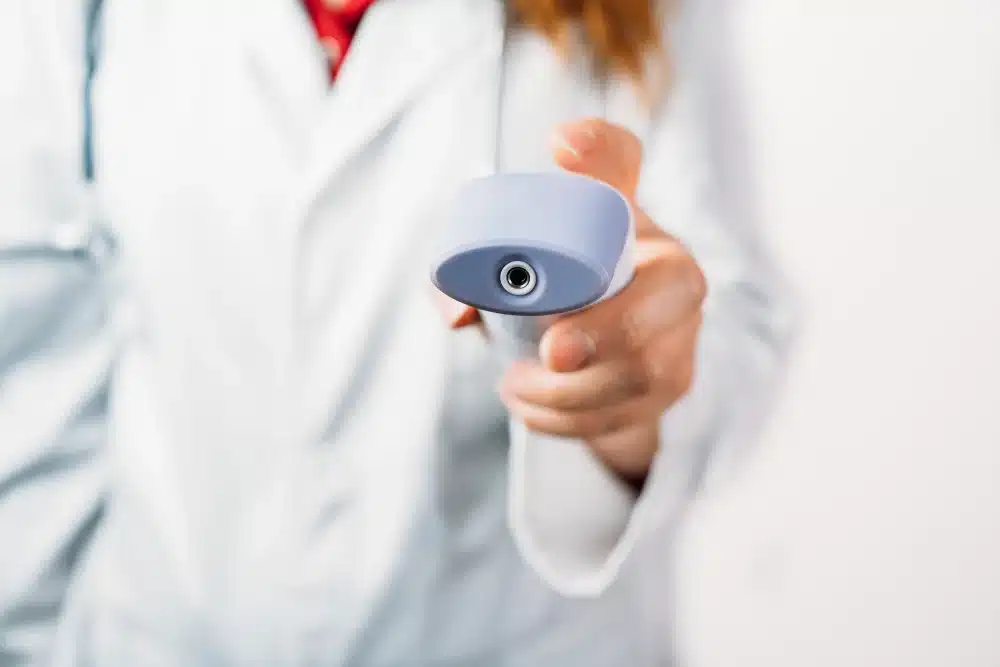
An endoscope is a sophisticated medical instrument used to examine the interior of a hollow organ or cavity of the body. Unlike X-rays or CT scans, which provide grayscale images based on tissue density, an endoscope provides a direct, full-color, high-definition optical view of the internal mucosa (lining). It functions essentially as a flexible, lighted camera that acts as an extension of the physician’s eye, allowing them to see inside the body without the need for large surgical incisions.
The primary purpose of endoscopy is to bridge the gap between non-invasive imaging and major surgery. It solves the clinical problem of “diagnostic uncertainty.” Symptoms like persistent heartburn, unexplained bleeding, difficulty swallowing, or chronic cough often have causes that external scans cannot reveal. An endoscope allows the physician to visually inspect the tissue for inflammation, ulcers, or tumors with sub-millimeter precision. Furthermore, it transforms diagnosis into immediate treatment; through the endoscope, doctors can take tissue samples (biopsies), stop bleeding, or remove abnormal growths (polyps) in the same session, preventing the need for a separate operation.
How the Endoscope Works?
The modern video endoscope is a marvel of optical engineering and miniaturization. While there are different types (rigid vs. flexible), the mechanism of the widely used flexible endoscope involves three integrated systems: visualization, illumination, and mechanical control.
The Insertion Tube and Visualization
The part of the instrument that enters the patient is the insertion tube. It is encased in a durable, waterproof, and biocompatible material that is smooth and flexible.
- The Chip on the Tip: At the very tip of the scope sits a tiny, high-resolution video chip (CCD or CMOS sensor). This chip captures video at high frame rates.
- Signal Transmission: The image data is transmitted electronically up the length of the tube to a video processor unit in the procedure room. This processor digitally enhances the signal adjusting brightness, contrast, and color balance before displaying it on a large, high-definition medical monitor.
The “Cold” Light System
To see inside dark internal cavities, powerful illumination is required. However, a light bulb at the tip would generate too much heat and burn the tissue.
- Fiber Optic Transmission: The light source (usually a powerful Xenon or LED lamp) is located in a separate console box outside the patient. The light travels through a bundle of glass optical fibers running the length of the endoscope.
- Cold Light: This method delivers bright, white light to the tip of the scope without transmitting the heat, ensuring the delicate internal tissues remain safe from thermal injury.
Mechanical Control and Angulation
The physician controls the movement of the scope using a handheld control body.
- Angulation Knobs: By turning wheels on the handle, the physician can mechanically pull wires running inside the scope. This bends the tip up, down, left, or right (angulation).
- Torque: The shaft of the scope is designed to transmit torque. When the physician twists the handle, the tip rotates 1:1, allowing them to navigate around corners, such as the bends of the colon or the bronchi of the lungs.
The Working Channel
A hollow channel runs from the control handle to the tip. This is the “therapeutic” pathway. Through this port, specialized accessories can be passed:
- Biopsy Forceps: To grab tissue samples.
- Snares: Wire loops to slice off polyps.
- Injection Needles: To inject adrenaline to stop bleeding.
Clinical Advantages and Patient Benefits
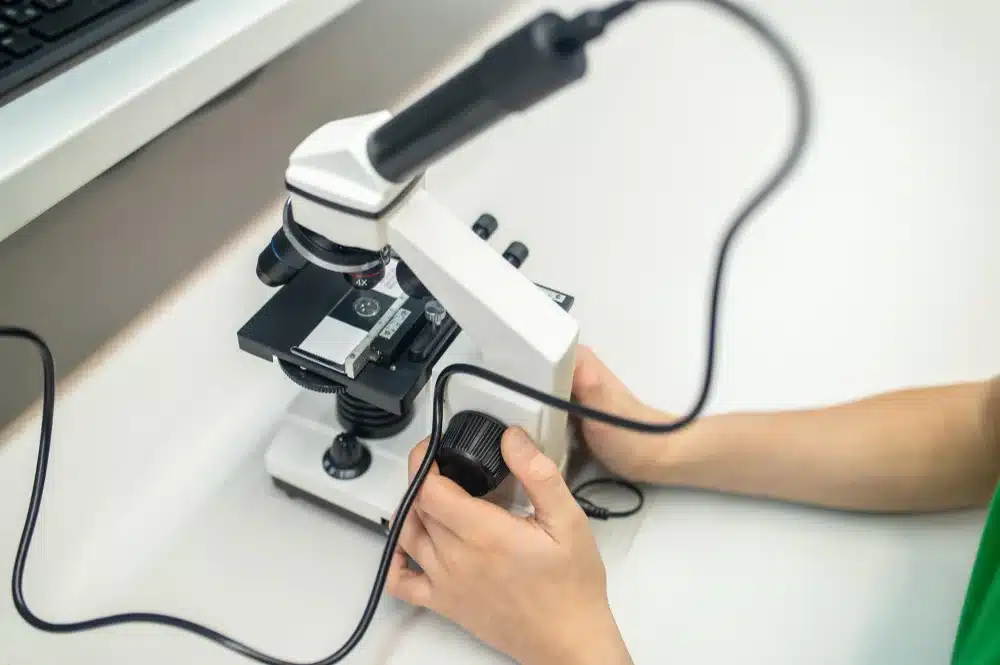
The adoption of endoscopic technology has shifted the paradigm of medicine from “exploration by incision” to “exploration by insertion,” offering massive benefits in patient recovery and diagnostic accuracy.
Minimally Invasive Recovery
- No Skin Incisions: Most endoscopic procedures (like gastroscopy, colonoscopy, bronchoscopy) use the body’s natural openings (mouth, nose, rectum). This means there are no stitches to remove and no abdominal scars.
- Same-Day Discharge: Because there is no surgical trauma to the muscles or skin, almost all endoscopic procedures are performed on an outpatient basis. Patients typically go home 1 to 2 hours after the procedure once the sedation wears off.
Superior Diagnostic Accuracy
- Direct Color Visualization: An X-ray might show a shadow that could be a tumor or just a fold of tissue. An endoscope allows the doctor to see the color and texture. A cancerous lesion often looks red and friable (bleeds easily), while a scar looks white and smooth. This immediate visual confirmation is invaluable.
- Optical Magnification: Modern scopes can zoom in optically (near-focus), magnifying the tissue surface up to 100 times. This allows for the detection of microscopic changes in the cellular pattern of the lining, catching pre-cancerous cells that are invisible to the naked eye.
Therapeutic “One-Stop” Capability
Endoscopy enables “Interventional Endoscopy.” If a patient swallows a coin, an endoscope retrieves it. If a patient has a bleeding ulcer, the endoscope cauterizes it. If a bile duct is blocked by a stone, an endoscope (ERCP) removes the stone. This capability saves patients from open surgeries that would require weeks of recovery.
Targeted Medical Fields and Applications
Endoscopes are the primary tool for a vast array of medical specialties, each using a scope designed specifically for that anatomy.
Gastroenterology (GI)
- Gastroscopy (EGD): Examines the esophagus, stomach, and duodenum. Used for heartburn, ulcers, and celiac disease diagnosis.
- Colonoscopy: Examines the large intestine. Critical for colon cancer screening and polyp removal.
- ERCP (Endoscopic Retrograde Cholangiopancreatography): A specialized side-viewing scope used to treat problems in the bile ducts and pancreas.
Pulmonology (Lung Specialists)
- Bronchoscopy: A thin scope is passed through the nose or mouth into the lungs. It is used to investigate chronic coughs, biopsy lung nodules, or clear mucus plugs in ICU patients.
- EBUS (Endobronchial Ultrasound): A bronchoscope equipped with an ultrasound tip to biopsy lymph nodes outside the airways, crucial for lung cancer staging.
Urology
- Cystoscopy: Examines the bladder and urethra. Used to investigate blood in the urine, recurrent infections, and bladder tumors.
- Ureteroscopy: A very thin scope travels up the ureter to the kidney to break kidney stones with a laser.
Orthopedics
- Arthroscopy: A rigid endoscope inserted through a small incision into a joint (knee, shoulder). It allows surgeons to repair torn ligaments (ACL) or trim damaged cartilage (meniscus) without opening the joint fully.
Otorhinolaryngology (ENT)
- Nasal Endoscopy: Used to inspect the nasal passages and sinus openings for sinusitis, polyps, or obstructions.
- Laryngoscopy: Visualizes the vocal cords to diagnose hoarseness or vocal nodules.
The Patient Experience of Endoscope
While experiences vary by procedure type, the general flow of an endoscopic exam is designed to be efficient and comfortable.
Preparation
For upper endoscopy (gastroscopy), fasting for 6-8 hours is required to ensure the stomach is empty, providing a clear view and preventing aspiration. For colonoscopy, a bowel cleansing regimen is necessary the day before. For cystoscopy or ENT scopes, often no specific preparation is needed.
The Procedure (Sedation and Comfort)
- Anesthesia: Procedures like gastroscopy and colonoscopy are typically performed under “Conscious Sedation” or “Monitored Anesthesia Care” (Propofol). The patient falls asleep quickly, breathes on their own, feels no pain, and wakes up with no memory of the procedure.
- Local Anesthesia: For simpler procedures like nasal endoscopy or flexible laryngoscopy, a numbing spray is applied to the nose or throat. The patient remains awake but the sensation is dampened to a mild pressure.
- The Exam: The physician inserts the scope gently. Air or Carbon Dioxide is often pumped in to inflate the organ for a better view. This might cause a sensation of fullness or bloating, which resolves quickly after the test.
Recovery
In the recovery room, patients are monitored until the sedation wears off (usually 30-45 minutes). The physician often provides a preliminary report immediately. If biopsies were taken, final results typically take a few days. Patients are advised not to drive for 24 hours if sedation was used.
Safety and Precision Standards
Endoscopy is a mature technology governed by strict protocols to ensure patient safety and infection control.
High-Level Disinfection (Reprocessing)
Because endoscopes are reusable instruments that enter the body, cleaning is the most critical safety step.
- Automated Reprocessors: After manual cleaning, scopes are placed in industrial-grade Automated Endoscope Reprocessors (AER). These machines flush the channels with powerful high-level disinfectants and rinse them with sterile water, killing all bacteria, viruses (including HIV and Hepatitis), and spores.
- Traceability: Every scope has a serial number tracked for every patient, ensuring a complete audit trail of the sterilization process.
Image Enhancement Technology (NBI)
To minimize the risk of human error (missing a lesion), modern scopes use digital filtration technologies like Narrow Band Imaging (NBI) or LCI (Linked Color Imaging).
- Vascular Contrast: By filtering out certain wavelengths of light, NBI makes blood vessels appear dark green or brown. Since tumors are highly vascular, they stand out sharply against the background tissue. This acts as a “visual alarm” for the physician, highlighting flat or subtle lesions that might blend in under normal white light.
Protective Mechanics
Variable Stiffness: High-end colonoscopes allow the physician to adjust the stiffness of the tube. If the scope needs to pass a tight loop, it can be made flexible; if it needs to be advanced straight, it can be stiffened. This prevents loops that can stretch the bowel wall, reducing patient discomfort and the risk of perforation.
Atraumatic Design: The tips of modern endoscopes are rounded and smooth to prevent scraping the tissue.