
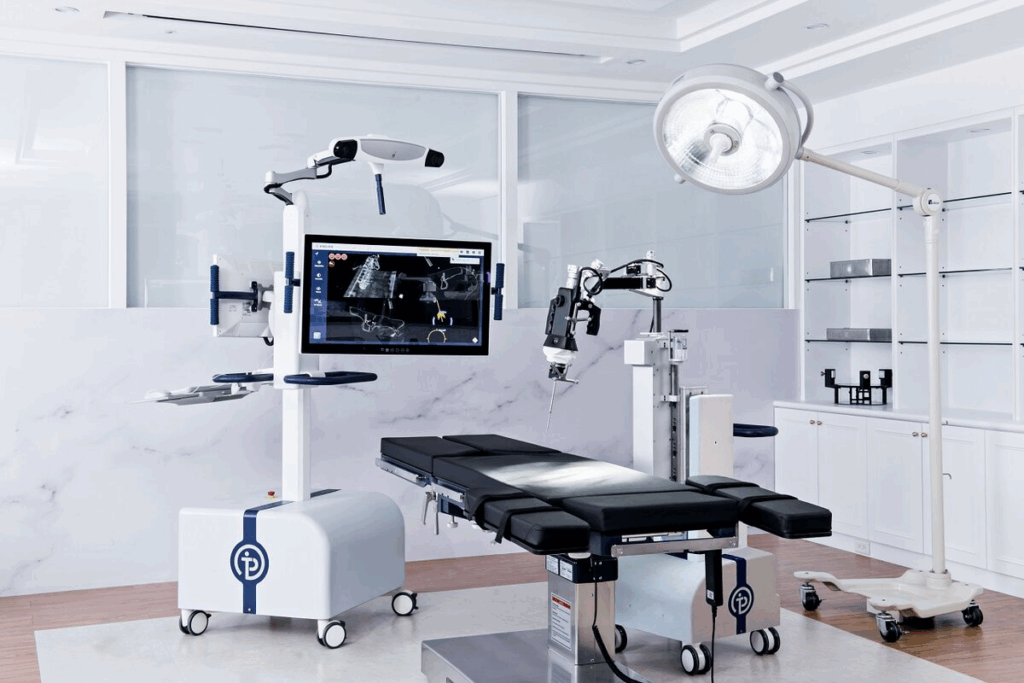
Robotic knee surgery has changed orthopedic surgery a lot. It gives patients a more precise and tailored way to replace their knees. A lot of patients getting knee replacements are on Medicare. So, it’s important to know how much it costs.
As more people want robotic knee surgery, it’s key to understand Medicare’s rules. Patients thinking about this surgery need to know if Medicare will pay for it. They also need to know what they might have to pay out of pocket.
Key Takeaways
- Understanding Medicare’s coverage for robotic knee surgery is essential for patients.
- The cost of robotic knee surgery can vary based on several factors.
- Medicare coverage policies can impact the overall cost of the procedure.
- Patients should review their Medicare plan details to determine coverage.
- Out-of-pocket costs for robotic knee surgery can be significant.
Understanding Robotic Knee Surgery

Robotic knee surgery is a big step forward in orthopedic care. It uses robots to help surgeons during knee replacement surgeries. This makes the surgery more precise and could lead to better results.
What Is Robotic-Assisted Knee Replacement?
Robotic-assisted knee replacement uses computer tools to help pick and place the prosthesis. This method is more precise and tailored to each patient than old ways. The robot shows a 3D image of the knee, helping the surgeon plan with great accuracy.
Benefits of Robotic Knee Surgery Over Traditional Methods
The advantages of robotic knee surgery include:
- More precise bone preparation and component placement
- Potential for implants to last longer due to better alignment
- Less damage to tissues during surgery
- Better visualization with 3D imaging
- Custom plans based on the patient’s unique anatomy
| Benefit | Description |
| Increased Precision | Robotic systems allow for more accurate bone preparation and component placement. |
| Improved Implant Longevity | More accurate alignment may lead to longer-lasting implants. |
| Less Tissue Damage | The robotic approach may result in less trauma to surrounding tissues. |
Common Conditions Treated with Robotic Knee Surgery
Robotic knee surgery is mainly for treating:
- Osteoarthritis
- Rheumatoid arthritis
- Post-traumatic arthritis
- Severe knee deformities
These issues cause a lot of pain and make it hard to move. Robotic knee surgery is a precise and possibly more effective way to treat these problems.
Medicare Coverage for Robotic Knee Surgery: The Basics
It’s important to know how Medicare handles surgical procedures, like robotic knee surgery. Medicare’s rules are detailed but can be tricky, mainly with new tech.
Medicare’s General Approach to Surgical Procedures
Medicare pays for surgeries that are needed for health. They check if a surgery is safe, works well, and is a common treatment. For robotic knee surgery, Medicare looks at if it’s better than traditional surgery.
Key factors in Medicare’s evaluation include:
- Clinical evidence supporting the procedure’s safety and efficacy
- Comparison with existing treatments for the same condition
- Input from medical professionals and professional organizations
How Medicare Evaluates New Surgical Technologies
Medicare has a special way to check out new medical tech, like robotic knee surgery. They look at the data to see if it helps patients. They consider if it’s better for health, saves money, and is an improvement over old treatments.
The evaluation process is critical because it directly affects whether Medicare will cover the procedure. If the data shows robotic knee surgery is good, Medicare might pay for it. This makes it easier for people who need knee surgery to get it.
Medicare’s Position on Robotic-Assisted Surgeries
Medicare’s view on robotic surgeries, like knee replacements, is changing with new info. Medicare pays for many surgeries but only if they’re needed and supported by evidence. For robotic knee surgery, Medicare looks at benefits like less invasive surgery and faster recovery.
As robotic surgeries become more common, Medicare’s rules will likely change. It’s key for people to know what’s covered and why.
Medicare Part A and Robotic Knee Surgery

Medicare Part A helps cover hospital inpatient services, like robotic knee surgery, under certain conditions. It’s key for patients to understand this coverage well.
Hospital Inpatient Coverage Details
Medicare Part A covers the costs of hospital inpatient care, including robotic knee surgery. This includes the surgery, hospital stay, and related care.
Key aspects of hospital inpatient coverage under Medicare Part A include:
- Coverage for the surgical procedure and related hospital services
- Room and board in a semi-private room (or private room if medically necessary)
- Nursing care and other hospital services
Length of Stay Considerations
The length of hospital stay affects the cost of robotic knee surgery. Medicare Part A covers stays, but the length depends on medical need.
Factors influencing length of stay include:
- The complexity of the surgical procedure
- The patient’s overall health and recovery progress
- Any complications that may arise during or after surgery
What Part A Does Not Cover
Medicare Part A covers a lot, but not everything. Knowing what’s not covered helps patients plan better.
Examples of services or costs not covered by Medicare Part A include:
- Outpatient services and related costs
- Physician fees (covered under Medicare Part B)
- Certain durable medical equipment or post-discharge care not deemed medically necessary
Medicare Part B and Robotic Knee Surgery
Medicare Part B helps cover costs for outpatient robotic knee surgery. Knowing what’s covered can help patients plan and manage their expenses.
Surgeon Fees and Outpatient Procedure Coverage
Medicare Part B covers surgeon fees for robotic knee surgery done on an outpatient basis. This includes the surgeon’s services and other medical costs. It’s important for patients to check if their surgeon accepts Medicare to avoid extra costs.
Key aspects of outpatient procedure coverage under Medicare Part B include:
- Coverage for the surgical procedure itself
- Related services such as anesthesia and diagnostic tests
- Follow-up care as directed by the surgeon
Durable Medical Equipment Benefits
Medicare Part B also covers durable medical equipment (DME) after robotic knee surgery. This includes walkers, canes, or knee braces if a doctor prescribes them. The equipment must come from a Medicare-approved supplier.
Examples of DME that may be covered include:
- Walkers for mobility assistance
- Knee braces to support the knee during recovery
- Canes for balance and stability
Rehabilitation Services Coverage
Rehabilitation services are key to recovering from robotic knee surgery. Medicare Part B covers physical and occupational therapy if they’re medically necessary. Patients should work with their healthcare provider to create a rehabilitation plan that meets Medicare’s requirements.
Understanding Medicare Part B’s coverage for robotic knee surgery helps patients plan their care and manage costs. It’s wise to talk to healthcare providers and Medicare representatives to ensure all care is covered.
Medicare Advantage (Part C) Coverage for Robotic Knee Surgery
It’s important to know about Medicare Advantage coverage for robotic knee surgery. Medicare Advantage plans, or Part C, are from private companies approved by Medicare. These plans must offer the same services as Original Medicare, but they can vary a lot.
How Coverage Differs from Original Medicare
Medicare Advantage plans cover the same services as Original Medicare, including robotic knee surgery. But, the costs and extra benefits can be different. Some plans might offer extra help for recovery, like fitness programs or telehealth services.
Key differences include:
- Out-of-pocket maximums: Medicare Advantage plans have a maximum out-of-pocket limit, which can protect patients from high medical expenses.
- Network restrictions: Patients must use providers within the plan’s network, except in emergency situations.
- Additional benefits: Some plans offer extra benefits that can aid in recovery and overall health.
Plan-Specific Variations in Coverage
Different Medicare Advantage plans cover robotic knee surgery in different ways. Some plans might cover it without needing extra approval. Others might need pre-authorization.
| Plan Feature | Plan A | Plan B | Plan C |
| Pre-authorization Required | Yes | No | Yes |
| Out-of-Pocket Maximum | $7,000 | $6,500 | $7,500 |
| Additional Benefits | Fitness Program | Telehealth Services | Dental and Vision |
Network Restrictions and Considerations
Medicare Advantage plans often have network restrictions. This means patients must see providers in the plan’s network to get coverage. This can affect who you choose for your surgery.
When picking a Medicare Advantage plan, make sure your preferred providers are in the plan’s network.
Medicare Supplement (Medigap) and Robotic Knee Surgery
It’s important to know about Medicare Supplement (Medigap) policies to manage costs for robotic knee surgery. This surgery is beneficial but can be expensive. Original Medicare might not cover all the costs.
How Medigap Policies Help with Out-of-Pocket Costs
Medigap policies help fill gaps in Original Medicare. They cover deductibles, copayments, and coinsurance. For robotic knee surgery, this can save a lot of money. For example, if a surgery has a big copayment or deductible, Medigap can help pay for it.
Key benefits of Medigap for robotic knee surgery include:
- Covers deductibles and copayments for hospital stays and surgeries
- Covers coinsurance for post-surgery rehab
- Can save money on out-of-pocket costs for surgeon fees and more
Comparing Medigap Plans for Surgical Procedures
Not all Medigap plans are the same. It’s important to compare them to find the best one for robotic knee surgery. Plans are grouped into categories like A, B, C, D, F, G, K, L, M, N. Each offers different levels of coverage.
When comparing Medigap plans, consider the following:
- How well they cover deductibles, copayments, and coinsurance
- Any extra benefits, like coverage for emergencies abroad
- The cost of premiums and how they fit your budget
Enrollment Timing Considerations
When you enroll in Medigap matters a lot. The best time is during your Medigap Open Enrollment Period. This starts when you’re 65 or older and have Medicare Part B. It lasts for six months. During this time, you can’t be denied coverage or charged more because of health issues.
Consider the following when planning your enrollment:
- Apply during your Medigap Open Enrollment Period to avoid higher costs or denials
- Know that outside this period, insurance companies can check your health and set your premium
Cost Analysis: Robotic Knee Surgery and Medicare
Robotic knee surgery is becoming more common. It’s important to know how it affects your wallet under Medicare. This surgery is known for its precision and can lead to faster recovery times.
Average Costs of Robotic Knee Surgery
The cost of robotic knee surgery varies a lot. It depends on where you get it, the surgeon’s fees, and hospital charges. On average, it can cost between $20,000 and $30,000 or more. This includes the surgery, hospital stay, and initial rehab.
Keep in mind, these costs can change. They depend on how complex the surgery is, the technology used, and your health.
Medicare’s Payment Structure
Medicare’s payment for robotic knee surgery has different parts. Medicare Part A covers hospital costs, and Medicare Part B covers the surgeon’s fees and outpatient care. Knowing how Medicare pays is key to understanding what you might have to pay out of pocket.
Medicare pays a fixed amount for hospital services based on your diagnosis. For outpatient care, it pays based on a different system.
Typical Out-of-Pocket Expenses
Even with Medicare, you might have to pay some money for robotic knee surgery. This includes deductibles, coinsurance, and costs for services not covered by Medicare. This can include some rehab services or durable medical equipment.
For example, under Medicare Part B, you pay 20% of the approved amount for the surgeon’s services after the deductible. You might also have to pay for hospital stays, like copays for longer stays.
To reduce these costs, it’s a good idea to check your Medicare coverage. You might also want to look into Medigap policies. These can help cover some of the costs you have to pay out of pocket.
Eligibility Requirements for Medicare Coverage of Robotic Knee Surgery
To get Medicare to cover robotic knee surgery, you need to meet certain criteria. Knowing these requirements is key to a smooth process.
Age and Disability Qualifications
Eligibility for Medicare depends on your age or disability. People 65 and older qualify, as do some younger folks with disabilities.
- Individuals 65 years or older
- People with disabilities who have received Social Security Disability Insurance (SSDI) for at least 24 months
- Patients with End-Stage Renal Disease (ESRD) or Amyotrophic Lateral Sclerosis (ALS)
Medicare eligibility isn’t just about age. Disability status matters too.
Medical Necessity Documentation
For Medicare to cover robotic knee surgery, it must be medically necessary. You’ll need detailed records from your doctor.
- Detailed medical records showing the necessity of knee surgery
- Documentation of conservative treatment attempts and their outcomes
- A physician’s recommendation for robotic knee surgery
Having accurate and complete records is vital for getting Medicare to cover it.
Prior Conservative Treatment Requirements
Before approving robotic knee surgery, Medicare wants to see you’ve tried other treatments. These might include:
- Physical therapy
- Medications for pain management
- Corticosteroid injections
By understanding and meeting these requirements, you can boost your chances of getting Medicare to cover robotic knee surgery.
Pre-Authorization and Approval Process
Medicare pre-authorization is often needed for robotic knee surgery. It’s important to know this process well. Patients must go through several steps to make sure their surgery is covered.
When Pre-Authorization Is Required
Pre-authorization is usually needed for robotic knee surgery that’s not urgent. Medicare checks if the surgery is really needed and if other treatments have been tried.
Key factors that determine the need for pre-authorization include:
- The type of surgical procedure
- The diagnosis and medical condition of the patient
- The surgeon’s recommendation for robotic-assisted surgery
Steps to Secure Medicare Approval
To get Medicare approval for robotic knee surgery, patients and their doctors must follow a certain process.
- Initial Consultation: The surgeon checks the patient’s condition and suggests robotic knee surgery if it’s right.
- Pre-Authorization Request: The doctor sends a pre-authorization request to Medicare. This includes the patient’s medical records and why the surgery is needed.
- Review Process: Medicare looks at the request and might ask for more information.
- Decision: Medicare tells the patient and doctor if they will cover the surgery.
The table below shows how long the pre-authorization process usually takes:
| Step | Timeline |
| Pre-Authorization Request | 1-3 days |
| Medicare Review | 7-14 days |
| Decision Notification | 1-5 days |
Appealing Denied Claims
If Medicare says no to robotic knee surgery, patients can appeal. The appeal process has different levels, starting with a redetermination request.
Knowing about pre-authorization and appeals can help patients deal with Medicare’s rules for robotic knee surgery. It’s key for patients to work with their doctors to make sure they get approval.
Comparing Traditional vs. Robotic Knee Surgery Coverage
Understanding Medicare’s coverage for traditional and robotic knee surgery is key to making a good choice.
Coverage Differences Between Surgical Approaches
Medicare’s coverage for traditional and robotic knee surgery varies in important ways. Medicare usually covers knee replacement surgeries. But, the details of coverage can change based on the surgery method.
Traditional Knee Surgery: Medicare often covers traditional knee replacement surgery. It’s a well-known and accepted procedure.
Robotic Knee Surgery: Medicare might need more information or approval for robotic-assisted knee surgery. This is because it uses advanced technology.
Cost Variations and Medicare Considerations
The cost of knee surgery can change a lot, depending on the method used. Medicare’s payment rules also affect what you might pay out of pocket.
- Average costs of traditional knee surgery
- Additional costs associated with robotic knee surgery
- Medicare’s payment structure for surgical procedures
Making an Informed Decision
Choosing between traditional and robotic knee surgery requires looking at more than just coverage. You should also think about the benefits and risks of each.
Talking to your healthcare provider and knowing Medicare’s policies can guide you to the best choice for you.
Finding Medicare-Approved Facilities and Surgeons
Finding a Medicare-approved facility for robotic knee surgery is key to getting top care. You need to check if a facility is approved and if the surgeon is experienced with robotic procedures.
Locating Providers Who Accept Medicare Assignment
To find doctors who accept Medicare, use the Medicare Physician Compare tool on Medicare.gov. This tool helps you search for doctors who work with Medicare. Also, call local hospitals and orthopedic departments to see if they offer robotic knee surgery and accept Medicare.
Ask your primary care doctor or other health professionals for recommendations. They might know good surgeons for robotic knee surgery.
Verifying Surgeon Experience with Robotic Procedures
It’s important to check a surgeon’s experience. Look for surgeons with lots of robotic knee surgeries under their belt. The American Academy of Orthopaedic Surgeons (AAOS) and other groups have directories to find experienced surgeons.
“The success of robotic knee surgery heavily depends on the surgeon’s skill and experience with the technology. As Orthopedic Surgeon
Questions to Ask Potencial Providers
When talking to surgeons and facilities, have a list of questions ready. This ensures you make a well-informed choice. Some important questions are:
- What experience do you have with robotic knee surgery?
- How many robotic knee surgeries have you performed?
- What are the success rates and complication rates for your robotic knee surgeries?
- Do you participate in Medicare, and do you accept Medicare assignment?
- What is the typical recovery time for patients undergoing robotic knee surgery?
By asking these questions and doing your research, you can choose a Medicare-approved facility and a skilled surgeon for robotic knee surgery.
| Criteria | Questions to Ask | Importance Level |
| Surgeon Experience | How many robotic knee surgeries have you performed? | High |
| Facility Approval | Is your facility Medicare-approved? | High |
| Success and Complication Rates | What are your success and complication rates for robotic knee surgery? | High |
Working with Your Doctor to Ensure Medicare Coverage
To get Medicare to cover robotic knee surgery, you need to work closely with your doctor. It’s important for patients and doctors to work together. This helps make sure all steps are taken to get approval for the surgery.
Required Documentation and Medical Records
Keeping accurate medical records is key to getting Medicare coverage. Your doctor must document your medical history and the severity of your condition. This documentation is vital for establishing the medical necessity of robotic knee surgery.
Your doctor should include your diagnosis, any treatments you’ve tried, and why robotic surgery is best. Accurate and complete medical records support your claim and make the approval process smoother. It’s a good idea to ask for a copy of your records to check if they’re complete and accurate.
Physician Advocacy for Coverage Approval
Your doctor’s advocacy is important for getting Medicare to cover robotic knee surgery. They can explain why robotic surgery is needed. This involves communicating effectively with Medicare about your condition and the benefits of robotic surgery.
A knowledgeable doctor can greatly improve your chances of approval. They ensure all necessary information is submitted and your case is presented well. It’s good to talk to your doctor about your coverage concerns and how they can help.
Coordinating Between Multiple Providers
When you have multiple healthcare providers, coordinating care is essential. Coordinating care among these providers ensures a cohesive treatment plan. This plan is supported by all involved.
Good coordination helps avoid delays in the Medicare approval process. Your primary care physician or specialist can help by sharing all relevant information. They ensure a unified treatment plan is presented to Medicare.
Post-Surgery Rehabilitation and Medicare Coverage
Recovering from robotic knee surgery takes time and effort. It includes physical therapy and home health services. Medicare covers these under certain conditions. Knowing what’s covered is key for a smooth recovery.
Physical Therapy Benefits
Physical therapy is vital after knee surgery. It helps patients get stronger and move better. Medicare Part B pays for this therapy if it’s needed for recovery.
To start physical therapy, you need a doctor’s note. Medicare will cover visits from licensed therapists. But, there might be limits on visits, and you could pay for each session.
Key aspects of Medicare coverage for physical therapy include:
- Coverage for medically necessary services
- Requirement for a doctor’s referral
- Potential limits on the number of visits
- Copayments for each session
Home Health Services
Home health services might be better for some patients after surgery. Medicare pays for these services if you’re homebound and need skilled care. This can include physical therapy and nursing.
| Service | Medicare Coverage | Requirements |
| Physical Therapy | Covered under Part B | Doctor’s referral, medically necessary |
| Home Health Services | Covered under Part A | Homebound, requires skilled care |
Skilled Nursing Facility Coverage
If you need more care after surgery, Medicare covers skilled nursing facility (SNF) care. This includes therapy, wound care, and more from licensed professionals.
Medicare Part A pays for SNF care for up to 100 days. The first 20 days are free. Days 21-100 cost a daily copayment.
“Medicare’s coverage for post-surgery rehabilitation is designed to support patients through their recovery, providing access to necessary services like physical therapy, home health care, and skilled nursing facility care.”
— Medicare.gov
Knowing about Medicare’s coverage for post-surgery care helps plan recovery and manage costs. It’s important to talk to your healthcare team about your needs. This ensures you get the care Medicare covers.
Comparing Medicare Advantage Plans for Robotic Knee Surgery
Medicare Advantage plans vary in how they cover robotic knee surgery. It’s key for beneficiaries to look at their options carefully.
Evaluating Plan Benefits for Orthopedic Procedures
When looking at Medicare Advantage plans for robotic knee surgery, focus on orthopedic procedure benefits. Some plans cover more of robotic surgeries than others.
Check the plan’s formulary and coverage details. See what’s included and what’s not. Look at if the plan covers surgeon fees, hospital stay, and follow-up care.
Out-of-Pocket Maximums and Cost Considerations
Out-of-pocket maximums differ a lot among Medicare Advantage plans. It’s important to understand these costs for robotic knee surgery, as they affect your budget.
Also, think about other costs like copays, deductibles, and coinsurance rates. Some plans might have lower premiums but higher costs for care.
Special Needs Plans and Chronic Condition Coverage
For those with chronic conditions needing robotic knee surgery, Special Needs Plans (SNPs) might be a good choice. SNPs are for people with specific health needs, providing special coverage and care.
These plans are great for ongoing care after knee surgery. Make sure to check the SNPs’ benefits and network to see if they fit your needs.
Alternative Financing Options When Medicare Won’t Cover
Medicare might not cover robotic knee surgery, forcing patients to look for other ways to pay. When Medicare doesn’t help, patients can use other financial options to cover surgery costs.
Secondary Insurance Considerations
Patients with secondary insurance might have extra help for robotic knee surgery. This insurance can cover some costs not covered by Medicare. It’s important to check the secondary insurance policy to see what it covers.
Benefits of Secondary Insurance:
- Additional financial protection
- Coverage for deductibles and copays
- Potential coverage for services not included in Medicare
Hospital Payment Plans
Hospitals often have payment plans for robotic knee surgery costs. These plans let patients pay over time, not all at once. It’s important to talk to the hospital about payment plans to know the details.
Key Considerations for Hospital Payment Plans:
| Feature | Description | Benefits |
| Payment Terms | Duration and frequency of payments | Flexible payment schedules |
| Interest Rates | Potential interest charges | No interest or low-interest options |
| Down Payment | Initial payment required | Low or no down payment |
Medical Loans and Other Financing Options
Medical loans are another option for robotic knee surgery. These loans are made for medical bills and can help pay for the surgery. It’s important to look at the loan terms, like interest rates and how to pay back.
Exploring different financing options can help patients deal with the costs of robotic knee surgery, even without Medicare help.
Conclusion: Navigating Medicare Coverage for Robotic Knee Surgery
Understanding Medicare coverage for robotic knee surgery can be tricky. But knowing the basics helps patients make smart choices. Medicare does cover robotic knee surgery under certain rules. Patients must meet specific criteria to qualify.
To get coverage, patients need to work with their doctors. They must show that the surgery is medically necessary. Following the pre-authorization steps is also key. Medicare Part A, Part B, and Medicare Advantage plans have different coverage levels. It’s important for patients to know what they’ll pay out of pocket.
By grasping these key points, patients can confidently deal with Medicare. This way, they can get the robotic knee surgery they need. Navigating Medicare coverage for this surgery helps patients get the best care for their condition.
FAQ
Does Medicare cover robotic knee surgery?
Medicare might cover robotic knee surgery if it’s needed and meets certain criteria. But, the details can change based on your Medicare plan and the surgery type.
What are the eligibility requirements for Medicare coverage of robotic knee surgery?
To get Medicare to cover robotic knee surgery, you must be old enough or have a disability. You also need to show it’s medically necessary and you’ve tried other treatments first.
How does Medicare Part A cover robotic knee surgery?
Medicare Part A pays for hospital stays for robotic knee surgery. This includes room, board, and hospital services. But, it doesn’t cover outpatient procedures or some other costs.
What aspects of robotic knee surgery are covered under Medicare Part B?
Medicare Part B covers surgeon fees, outpatient procedures, durable medical equipment, and rehab services for robotic knee surgery.
How do Medicare Advantage plans cover robotic knee surgery?
Medicare Advantage plans also cover robotic knee surgery. But, the details can differ between plans. You might see different costs, network rules, or extra benefits.
Can Medigap policies help with out-of-pocket costs for robotic knee surgery?
Yes, Medigap policies can help with costs like deductibles, copayments, and coinsurance for robotic knee surgery.
What is the pre-authorization process for robotic knee surgery under Medicare?
For robotic knee surgery, you need to get Medicare approval before the surgery. You’ll need to provide proof of medical need and other important info.
How can patients find Medicare-approved facilities and surgeons for robotic knee surgery?
To find approved facilities and surgeons, check the Medicare website or contact your plan. You can also ask your healthcare provider for suggestions.
What are the average costs of robotic knee surgery, and how does Medicare pay?
The cost of robotic knee surgery varies. Medicare pays based on the Physician Fee Schedule and hospital rates. But, you might have to pay some costs yourself.
Are there alternative financing options if Medicare does not cover robotic knee surgery?
Yes, you can look into secondary insurance, hospital payment plans, or medical loans. These can help with costs not covered by Medicare.
How does Medicare cover post-surgery rehabilitation for robotic knee surgery?
Medicare covers rehab services after robotic knee surgery. This includes physical therapy, home health, and skilled nursing care to help with recovery.
What is the difference in Medicare coverage between traditional and robotic knee surgery?
Medicare coverage for both traditional and robotic knee surgery is similar. But, robotic surgery might have different coding and billing rules. Always check with your Medicare plan for details.
Reference:
Cambridge University Hospitals NHS Foundation Trust (CUH) – Bladder care and management:
https://www.cuh.nhs.uk/patient-information/bladder-care-and-management



 Departments
 Related Videos
 Our Doctors
 News
News