We are seeing a big change in how we treat leukemia with precision medicine. This new method makes medicine for leukemia fit each patient’s cancer perfectly.
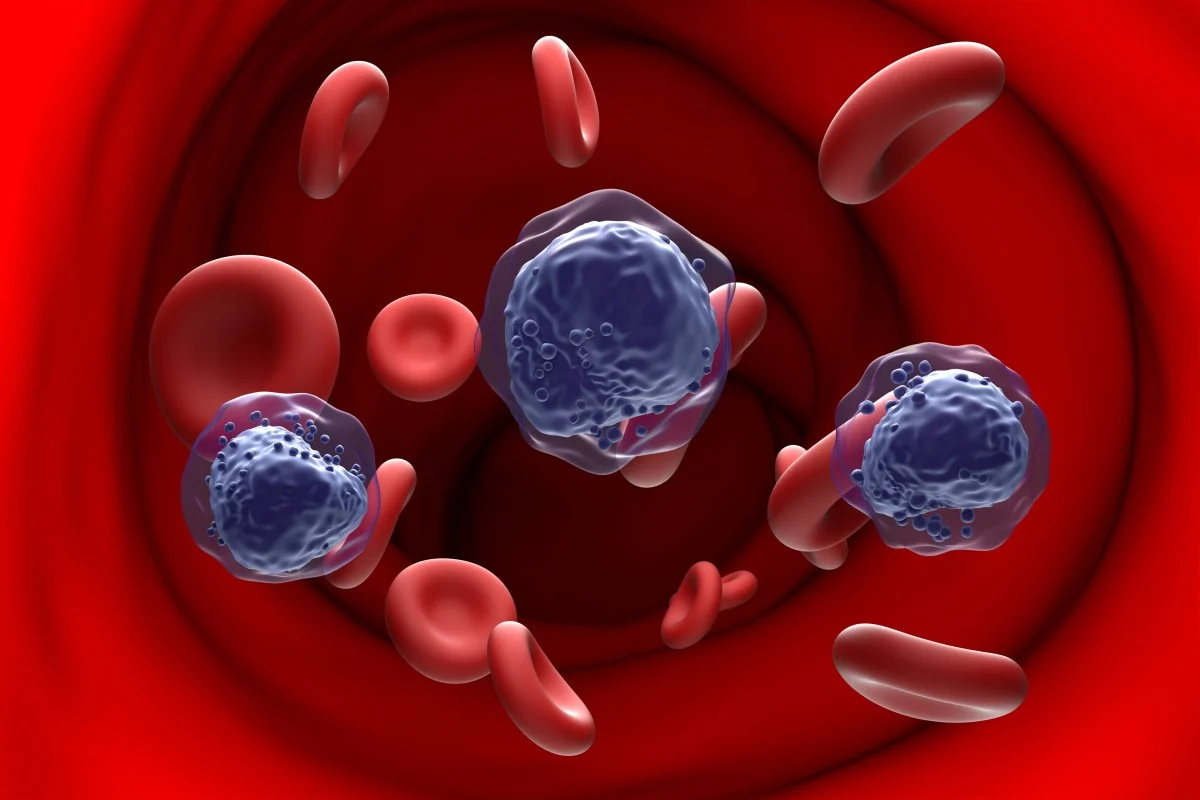
Using advanced tech like next-generation sequencing, genomic profiling leukemia helps find the exact genetic causes of the disease.
This knowledge leads to targeted therapy leukemia plans. These plans are more effective and cause fewer side effects than old treatments.
Key Takeaways
- Precision medicine tailors leukemia treatment to individual genetic profiles.
- Genomic profiling identifies specific genetic mutations in leukemia cells.
- Targeted therapies improve treatment outcomes and reduce side effects.
- The National Institutes of Health (NIH) is conducting clinical trials to test new treatment combinations.
- Precision medicine has the power to change how we treat leukemia.
Understanding Precision Medicine in Oncology
Precision oncology is changing cancer care by using molecular diagnostics and custom treatments. It’s making a big difference in how we fight cancer, including leukemia.

The move to precision medicine in oncology is a big step forward. Before, treatments were based on the cancer type and stage. Now, we can find and target specific genetic mutations in cancer.
The Evolution from Traditional to Precision Approaches
Old cancer treatments were often the same for everyone. They used chemotherapy and radiation. These methods can work but often cause a lot of side effects.
Precision medicine is different. It looks at each patient’s cancer on an individual basis. This leads to treatments that are more effective and have fewer side effects. For example, treatments for specific mutations in leukemia have shown great results.
- Identification of specific genetic mutations
- Development of targeted therapies
- Improved patient outcomes
- Reduced treatment-related toxicity
Key Components of Personalized Cancer Care
Personalized cancer care includes several important parts. These are detailed genomic profiling, advanced molecular diagnostics, and targeted therapies. By knowing a patient’s cancer genetics, we can make treatment plans that fit their needs.
- Genomic Sequencing: Finds mutations in the cancer genome.
- Molecular Profiling: Looks at the cancer’s molecular makeup.
- Targeted Therapies: Uses drugs that target specific mutations or characteristics.
By combining these elements, we can offer personalized leukemia treatment plans. These plans are more effective and easier to tolerate than traditional treatments.
The Science Behind Precision Medicine for Leukemia
Precision medicine in leukemia treatment relies on understanding the disease’s genetic and molecular makeup. It uses molecular profiling like next-generation sequencing to create treatments that fit each patient’s unique case.
Studies, like the myeloMATCH trial, show how fast genetic testing can help match patients with the right treatments. This approach has led to better treatment results.
Molecular Profiling and Genomic Sequencing Techniques
Molecular profiling and genomic sequencing are key in precision leukemia medicine. They help find specific genetic changes that cause leukemia. By studying these changes, we can choose the best treatments. Recent research shows how important it is to look at the whole genome for these changes.
Next-generation sequencing (NGS) is a big help in analyzing lots of genetic data quickly. It spots mutations, amplifications, and deletions that are vital for understanding leukemia.

Identifying Actionable Genetic and Biological Markers
Finding genetic and biological markers is a big part of precision leukemia medicine. These markers help predict how well a treatment will work. For example, FLT3 mutations in AML and BCR-ABL1 fusion in CML are important for knowing how to treat a patient.
Using biomarkers in leukemia therapy means we can make treatment plans that really fit each patient. This way, we can target the disease’s root causes, making treatments more effective and safer.
Types of Leukemia and Their Genetic Profiles
Leukemia is a complex disease with many subtypes. Each subtype has its own genetic traits. Knowing these differences is key to creating better treatments and improving patient care.
Acute Myeloid Leukemia (AML) Genetic Landscape
Acute Myeloid Leukemia (AML) has a wide range of genetic mutations. The myeloMATCH trial matches patients with AML or MDS to the right treatments. This shows how important genetic testing is in AML care.
Key mutations in AML include FLT3, IDH1, and IDH2. These mutations are targets for new treatments. For example, FLT3 inhibitors are helping AML patients with FLT3 mutations.
Chronic Myeloid Leukemia (CML) and the BCR-ABL1 Fusion
Chronic Myeloid Leukemia (CML) is linked to the BCR-ABL1 fusion gene. This gene is a result of a chromosome swap between 9 and 22. It’s a main target for tyrosine kinase inhibitors (TKIs).
TKIs have greatly improved CML treatment. Many patients now stay in remission for a long time.
Acute Lymphoblastic Leukemia (ALL) Molecular Subtypes
Acute Lymphoblastic Leukemia (ALL) has different molecular subtypes. Some have the BCR-ABL1 fusion, while others have MLL gene rearrangements. Finding these subtypes helps doctors choose the best treatments.
Targeted therapies like tyrosine kinase inhibitors for BCR-ABL1-positive ALL have made treatments better.
Chronic Lymphocytic Leukemia (CLL) and TP53 Mutations
Chronic Lymphocytic Leukemia (CLL) often has TP53 gene mutations. These mutations affect treatment choices. Patients with these mutations might need different treatments, like targeted therapies.
BTK inhibitors and venetoclax are effective for CLL. They offer new hope for patients, even those with high-risk genetic traits.
Next-Generation Sequencing in Leukemia Diagnosis
Next-generation sequencing (NGS) is changing how we diagnose leukemia. It’s a key tool in precision medicine. It helps doctors find the exact genetic mutations that cause the disease.
NGS is making a big impact in treating leukemia. It lets us see the genetic makeup of leukemia cells. This helps us understand why the disease happens in each patient.
How NGS Technology Revolutionizes Leukemia Detection
NGS has changed how we find leukemia. It lets us check many genes at once. This way, we can spot complex mutations that old methods miss.
A study in the myeloMATCH trial shows NGS’s power. It quickly finds genetic changes in AML or MDS patients. This helps doctors make quick treatment plans. Experts say NGS could greatly improve patient care by tailoring treatments to each person’s disease.
“The integration of next-generation sequencing into clinical practice represents a significant advancement in the diagnosis and treatment of leukemia, providing new hope for patients and clinicians alike.”
Clinical Applications of NGS in Leukemia
NGS has many uses in treating leukemia. It helps doctors:
- Find genetic changes that guide treatment
- Watch how the disease grows and catch relapse early
- Make treatment plans that fit each patient’s genetic profile
As we keep moving forward, NGS will likely become even more important. It will help improve how we treat leukemia, making life better for patients.
Targeted Biomarker Analysis for Personalized Treatment
Targeted biomarker analysis is key for making treatment plans that fit each leukemia patient. It helps find genetic mutations linked to certain treatments. This way, doctors can choose therapies that match each patient’s needs.
Essential Biomarkers Guiding Leukemia Treatment Decisions
Many biomarkers are important for deciding how to treat leukemia. These include:
- FLT3 mutations in Acute Myeloid Leukemia (AML), which can be targeted by FLT3 inhibitors.
- BCR-ABL1 fusion in Chronic Myeloid Leukemia (CML), targeted by tyrosine kinase inhibitors like imatinib.
- TP53 mutations in Chronic Lymphocytic Leukemia (CLL), which influence the use of specific therapies such as venetoclax.
These biomarkers help find the best treatment plans. They also help improve how well patients do.
Translating Biomarker Data into Clinical Action
Turning biomarker data into action involves a few steps:
- Identifying actionable mutations through detailed genomic profiling.
- Picking targeted therapies based on the biomarkers found.
- Watching how patients react to treatment and changing plans if needed.
By using biomarker analysis in treatment, we can make leukemia care more precise. This leads to better results for patients.
Breakthrough Targeted Therapies in Medicine for Leukemia
Recent breakthroughs in medical research have led to the development of innovative targeted therapies for leukemia. These breakthroughs are changing the treatment landscape and giving new hope to patients worldwide.
FLT3 and IDH1/2 Inhibitors Transforming AML Treatment
The introduction of FLT3 and IDH1/2 inhibitors has revolutionized the treatment of Acute Myeloid Leukemia (AML). These targeted therapies address genetic mutations that drive AML progression.
FLT3 inhibitors, such as midostaurin and gilteritinib, have shown significant efficacy in patients with FLT3 mutations. They improve overall survival rates.
IDH1/2 inhibitors, including ivosidenib and enasidenib, target specific metabolic pathways in AML cells. They provide a new treatment option for patients with IDH1/2 mutations.
BCR-ABL1 Tyrosine Kinase Inhibitors for CML Management
BCR-ABL1 tyrosine kinase inhibitors have transformed the management of Chronic Myeloid Leukemia (CML). These inhibitors target the BCR-ABL1 fusion protein, a hallmark of CML.
Imatinib was the first tyrosine kinase inhibitor to show efficacy in CML treatment. Subsequent generations of inhibitors, such as dasatinib and nilotinib, have further improved treatment outcomes.
BTK Inhibitors and Venetoclax for CLL
The treatment of Chronic Lymphocytic Leukemia (CLL) has been enhanced by the introduction of BTK inhibitors and venetoclax. These targeted therapies offer new options for patients with CLL.
BTK inhibitors, such as ibrutinib and acalabrutinib, have shown significant efficacy in CLL treatment. They inhibit Bruton’s tyrosine kinase.
Venetoclax, a BCL-2 inhibitor, targets a different pathway. It provides an additional treatment option for CLL patients.
Emerging Targeted Approaches for Refractory Leukemias
Research is ongoing to develop new targeted therapies for refractory leukemias. Emerging approaches include novel inhibitors and combination therapies. These are designed to overcome resistance and improve patient outcomes.
As we continue to advance in our understanding of leukemia genetics and biology, we can expect to see the development of even more effective targeted therapies.
Improving Treatment Outcomes Through Precision Approaches
Precision oncology leukemia approaches have greatly improved treatment results for patients. Precision medicine lets doctors tailor treatments to each patient. This leads to more effective care.
Enhanced Response Rates and Remission Duration
Research shows that precision medicine boosts improved response rates and longer remission times in leukemia patients. By focusing on specific genetic mutations, treatments work better. This leads to better outcomes for patients.
- Personalized treatment plans based on genetic profiling
- Targeted therapies that focus on specific mutations
- Enhanced patient monitoring and adjustment of treatment as needed
Reduced Toxicity Profiles Compared to Conventional Chemotherapy
Precision medicine also cuts down on the harm caused by traditional chemotherapy. It targets cancer cells without harming healthy ones. This means fewer side effects for patients.
A study on PMC found a big drop in treatment-related harm with precision medicine.
Impact on Long-term Survival Statistics
Precision medicine has made a big difference in how long leukemia patients live. With more precise and effective treatments, patients are living longer and enjoying better lives.
- Increased long-term survival rates due to targeted therapies
- Improved quality of life for patients undergoing treatment
- Ongoing research and development of new precision medicine approaches
The Role of Immunotherapy in Precision Leukemia Treatment
Immunotherapy is becoming key in treating leukemia. It uses the immune system to fight cancer. This approach is changing how we treat leukemia, making treatments more effective.
CAR T-Cell Therapy for Acute Lymphoblastic Leukemia
CAR T-cell therapy is showing great promise for ALL. It changes T-cells to attack cancer. Clinical trials have shown high success rates, giving hope to those with hard-to-treat ALL.
The therapy involves several steps. First, T-cells are taken out. Then, they are genetically modified and put back in. While it’s effective, it can cause side effects like cytokine release syndrome.
Immune Checkpoint Inhibitors in Leukemia Management
Immune checkpoint inhibitors are another important treatment. They help the immune system fight cancer better. PD-1 and CTLA-4 inhibitors are being tested for leukemia treatment.
- They boost the immune system’s fight against cancer.
- They help patients live longer.
- They give new options to those with few treatment choices.
Bispecific Antibodies and Novel Immunotherapeutic Approaches
Bispecific antibodies are a new type of treatment. They can target two things at once, like a cancer cell and an immune cell. This helps the immune cell destroy the cancer cell.
- Bispecific T-cell engagers (BiTEs) are being looked at for treating different leukemias.
- Other new methods include cancer vaccines and oncolytic viruses. They are being studied to boost the immune system’s fight against leukemia.
As research goes on, immunotherapy’s role in treating leukemia will grow. This could lead to better outcomes and a better quality of life for patients.
Patient Experience and Considerations in Precision Medicine
Leukemia patients are seeing a big change in their treatment. This change is not just in the treatment itself. It’s also about how it’s given and the patient’s experience.
Genetic Counseling and Informed Decision-Making
Genetic counseling is key in precision medicine for leukemia. It helps patients understand their diagnosis and treatment options. Genetic counselors help patients make sense of complex genetic info, guiding them in their care choices.
Through counseling, patients learn about their condition and treatment risks. This knowledge empowers them to be involved in their treatment. It gives them control and confidence in their care.
Managing Expectations and Side Effects
Managing expectations and side effects is vital in precision medicine for leukemia. Targeted therapies, though precise, can have side effects that need careful management. Healthcare providers closely monitor patients and adjust treatment plans as needed.
By setting clear expectations and managing side effects, healthcare teams can boost patient outcomes. This teamwork ensures patients get the support they need during treatment.
Quality of Life Improvements with Targeted Therapies
One big plus of precision medicine in leukemia treatment is better quality of life. Targeted therapies are often more effective and less harsh than old treatments. This leads to fewer side effects and a better patient experience.
Research shows targeted therapies can improve survival rates and lower treatment risks. Precision medicine helps patients keep their independence and daily activities. It makes treatment less of a burden on their lives.
In summary, the patient experience in precision medicine for leukemia covers genetic counseling, managing side effects, and improving quality of life. By focusing on these areas, healthcare providers can offer more supportive and effective care to patients.
Real-World Impact: Statistics and Success Stories
Precision medicine has changed the fight against leukemia. It has transformed how we treat and manage leukemia. Thanks to new advances in precision medicine.
Declining Mortality Rates
Precision medicine has led to lower death rates from leukemia. The American Cancer Society reports a big drop in cancer deaths, including among kids. Precision medicine has been key in this success, with treatments that work better for patients.
“The progress in precision medicine is amazing,” says a top oncologist. “We’re not just fighting cancers; we’re treating each patient based on their unique genetic makeup.”
Patient Case Studies and Transformative Outcomes
Patient stories show how precision medicine is changing leukemia treatment. For example, a patient with Acute Myeloid Leukemia (AML) went into complete remission with a treatment that matched their genetic mutation.
“I got a second chance at life with treatment that fit my genetic profile. It shows the power of precision medicine,” said a leukemia survivor.
These stories show the big impact of precision medicine on leukemia care. By focusing on each patient’s unique genetic and biological traits, we can create better treatments. This leads to better survival rates and quality of life.
As we keep moving forward in precision medicine, we expect even better results in treating leukemia. Next-generation sequencing, targeted therapies, and immunotherapies will lead this progress. They will help lower death rates and improve patient care.
Challenges and Limitations in Precision Leukemia Care
As precision medicine grows, we must face its challenges in leukemia care. It has many obstacles that affect its success and reach. These hurdles make it hard for some to get the best care.
Cost Barriers and Healthcare Access Disparities
High costs are a big problem for precision medicine in leukemia. Tests and treatments are expensive. This price can stop some patients from getting the care they need, mainly those without good insurance or money.
We need to think about how to make precision medicine cheaper and more available. This way, everyone who needs it can get it.
Healthcare access issues also matter a lot. People from different backgrounds or living far away might struggle to get the right care. We must work to make sure everyone has equal access to precision medicine.
Technical Challenges in Implementation and Interpretation
Using precision medicine is complex. It needs advanced technology and skilled people to work. The data is hard to handle, and keeping up with new tech and skills is tough.
Also, understanding the genetic data is a big challenge. Doctors need to know a lot about genetics and how to use this knowledge to help patients. They must have the right training and tools to do this.
Addressing Treatment Resistance and Disease Progression
Leukemia can become resistant to treatment, even with precision medicine. Some patients may not stay responsive to treatments. Finding ways to beat resistance is key to improving care.
Disease can also get worse over time. This can happen for many reasons, like new mutations. Keeping a close eye on patients and having backup plans is important for managing leukemia.
In summary, precision medicine is promising for leukemia care but faces many challenges. By tackling these issues, we can make it better, more accessible, and fair for all patients.
Conclusion: The Future of Precision Medicine in Leukemia Treatment
Looking ahead, precision medicine is set to change how we treat leukemia. New targeted therapies are being developed. These could greatly improve treatment results and change lives for the better.
The myeloMATCH trial and other projects are leading the way. They help us find specific genetic and biological markers. This means we can make treatments that work best for each patient, making them more effective and safer.
We expect precision medicine to make treatments even more tailored to each patient. This will lead to better results and a higher quality of life. As we learn more about leukemia, we’re dedicated to providing top-notch care. We also aim to support patients from around the world.
FAQ
What is precision medicine for leukemia?
Precision medicine for leukemia is a way to treat each patient based on their genes. It uses advanced tests and targeted treatments to help patients get better.
How does precision medicine improve leukemia treatment?
Precision medicine helps by finding the exact genetic changes in leukemia. This leads to better treatments, longer times without symptoms, and fewer side effects.
What is the role of next-generation sequencing (NGS) in leukemia diagnosis?
NGS is key in diagnosing leukemia. It quickly checks the genes to find mutations and guide treatment plans.
What are the different types of leukemia and their genetic profiles?
Leukemia types include AML, CML, ALL, and CLL. Each has unique genetic traits that help doctors choose the right treatment.
How do targeted therapies work in leukemia treatment?
Targeted therapies block specific genetic flaws in leukemia. For AML, they target FLT3 and IDH1/2. For CML, they target BCR-ABL1. CLL treatments include BTK inhibitors and venetoclax.
What is the impact of precision medicine on long-term survival statistics for leukemia patients?
Precision medicine has greatly improved survival rates for leukemia patients. It leads to better responses, longer remissions, and fewer side effects.
What are the challenges and limitations of precision medicine in leukemia care?
Precision medicine faces challenges like high costs and unequal access. It also deals with technical hurdles and finding ways to overcome resistance and progression.
How does immunotherapy fit into precision leukemia treatment?
Immunotherapy, like CAR T-cell therapy and immune checkpoint inhibitors, is vital in leukemia treatment. It uses the immune system to fight leukemia cells and improve outcomes.
What is the role of genetic counseling in precision medicine for leukemia?
Genetic counseling is vital in precision medicine for leukemia. It helps patients understand their genetic makeup, make informed treatment choices, and manage side effects.
What are the future prospects for precision medicine in leukemia treatment?
The future of precision medicine in leukemia looks bright. Ongoing research will bring new treatments, improving outcomes and changing lives for leukemia patients.
References
- National Cancer Institute. (2022). Targeted therapy for cancer: A deeper look. National Institutes of Health. https://www.cancer.gov/about-cancer/treatment/types/targeted-therapy