
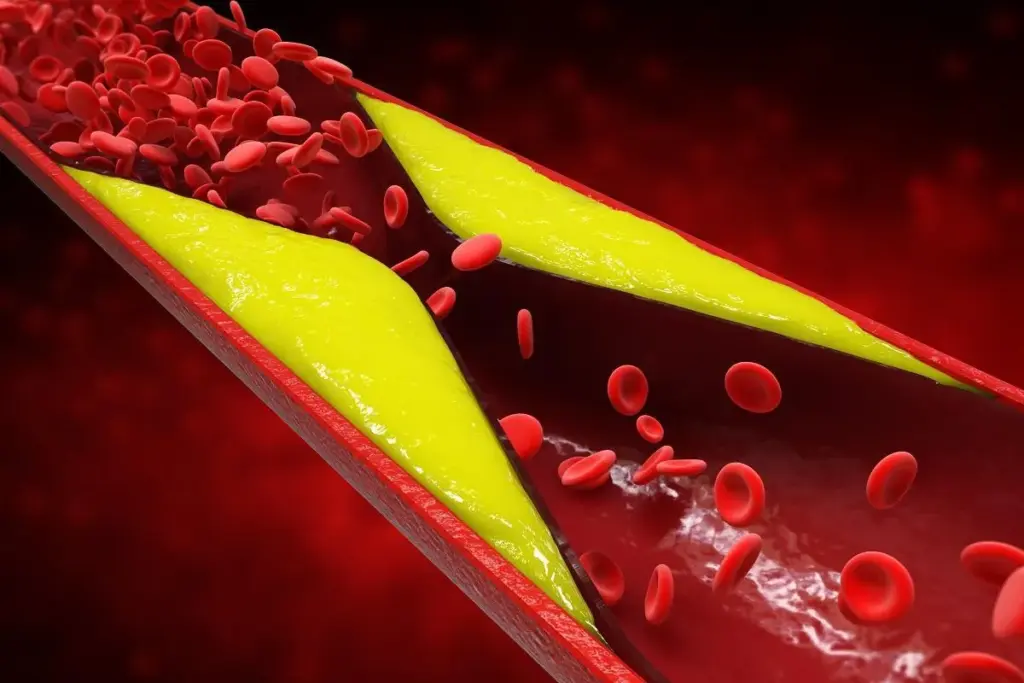
Did you know that nearly 1 in 3 adults in the United States has high levels of low-density lipoprotein cholesterol (LDL-C), often referred to as “bad” cholesterol?
High LDL-C levels can lead to plaque buildup in arteries, known as atherosclerosis. This increases the risk of heart disease and stroke. We will explore how LDL-C affects heart health and why managing its levels is key to preventing cardiovascular diseases.
Multiple lines of evidence confirm that the cumulative burden of LDL-C is linked to the development of atherosclerotic cardiovascular disease (ASCVD). Understanding LDL-C and its impact on heart health is vital for a healthy cardiovascular system.
Need medicine that lowers LDLC and help prevent heart attack? Discover top new drugs. Reduce plaque and save your life with best care.
Key Takeaways
- LDL-C, or “bad” cholesterol, contributes to plaque buildup in arteries.
- High LDL-C levels increase the risk of heart disease and stroke.
- Managing LDL-C levels is critical for heart health.
- Cardiac CT scans and computed tomography angiography are diagnostic tools used to assess cardiovascular health.
- Understanding the impact of LDL-C on heart health can help in preventing ASCVD.
What Is LDL-C and Why Is It Important?
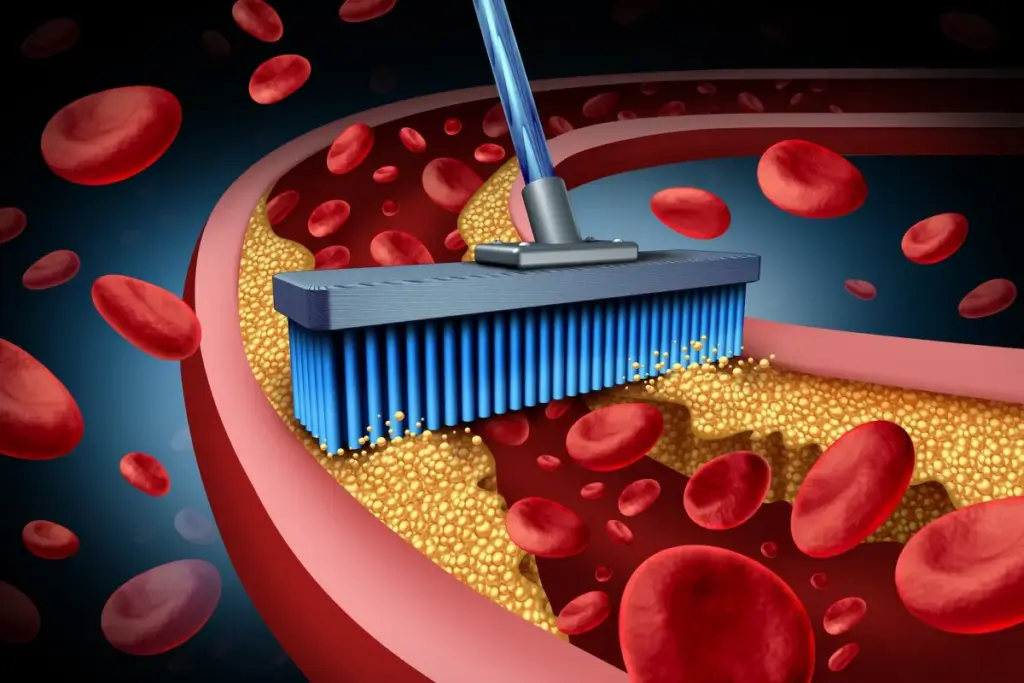
LDL-C is a type of cholesterol that can harm heart health if it’s too high. We’ll explore what LDL-C is and why it’s key to managing heart disease.
Definition of LDL-C
LDL-C, or low-density lipoprotein cholesterol, is called “bad” cholesterol. High levels can cause plaque to build up in arteries, leading to atherosclerosis. Elevated LDL-C levels are a big risk for heart diseases, like coronary artery disease.
Role of LDL-C in Heart Disease
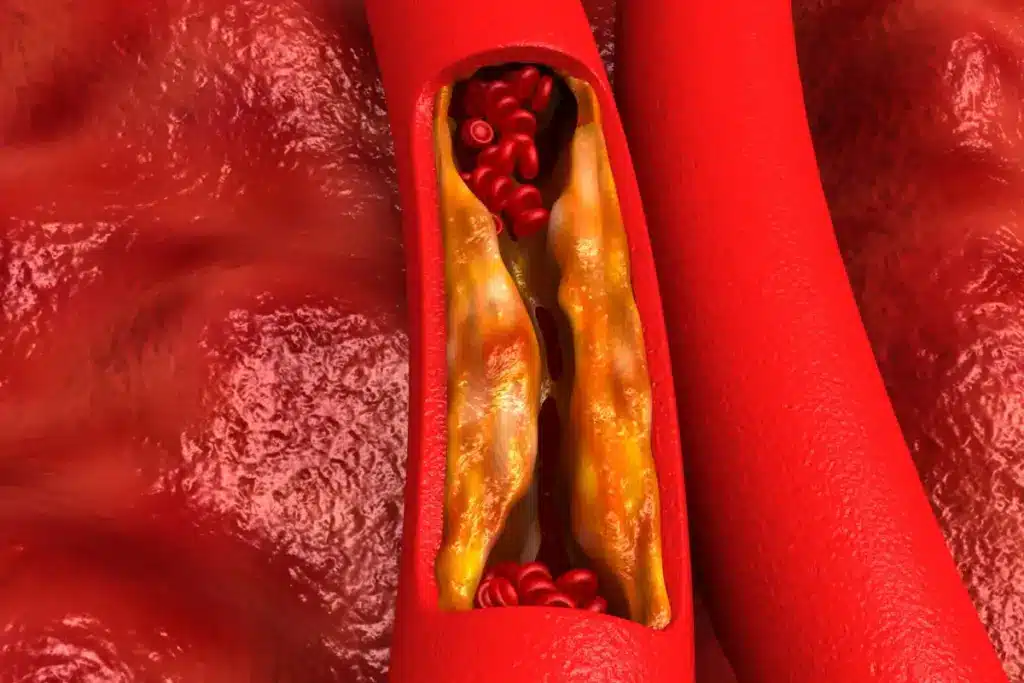
LDL-C plays a big role in heart disease. It helps form plaque in artery walls, causing them to narrow and harden. This is called atherosclerosis. It can block blood flow to the heart, brain, and other important organs. Diagnosing and managing LDL-C levels is key to avoiding heart attacks and strokes.
Knowing how LDL-C affects heart disease helps doctors create better treatment plans. Lowering LDL-C levels can greatly reduce the risk of heart problems. This can be done through lifestyle changes, medication, or a mix of both.
How Do Statins Lower LDL-C?
Statins have changed how we manage high cholesterol by lowering LDL-C levels. They are key in treating high lipid levels. We will look at how statins work, their mechanism, and common types.
Mechanism of Action
Statins block the enzyme HMG-CoA reductase in the liver. This enzyme is important for cholesterol production. By stopping it, statins cut down cholesterol production, lowering LDL-C in the blood. This is the main way statins manage high cholesterol.
Statins do more than just lower LDL-C. They also have anti-inflammatory effects and help stabilize artery plaques. Research shows they can greatly reduce heart attack and stroke risks in those at high risk.
Common Statin Medications
There are many statin medications, each with different strengths and how long they last. Some top choices include:
- Atorvastatin (Lipitor)
- Simvastatin (Zocor)
- Rosuvastatin (Crestor)
- Pravastatin (Pravachol)
- Lovastatin (Mevacor)
Doctors pick statins based on the patient’s needs and health history. The right statin depends on the patient’s LDL-C level, other health issues, and drug interactions.
It’s important to regularly check LDL-C levels and heart health. This might include a cardiac CT scan. It helps make sure the treatment is working and makes any needed changes.
New Drug Innovations in Lipid Management
The field of lipid management is changing fast with new drug discoveries. Researchers are finding new ways to help patients manage their lipids better. This gives doctors and patients new options for treating lipid issues.
Overview of Recent Developments
New drugs like Inclisiran and PCSK9 inhibitors are making a big impact. Inclisiran works by targeting PCSK9 in the liver to lower LDL-C. PCSK9 inhibitors, which are antibodies, block PCSK9 from removing LDL-C from the blood.
These drugs help those who can’t take statins or need more LDL-C reduction. They offer new benefits like better patient outcomes and more treatment choices.
Potential Benefits of New Medications
Inclisiran and PCSK9 inhibitors bring many advantages. PCSK9 inhibitors have been shown to greatly lower LDL-C in high-risk patients. Inclisiran’s twice-yearly dosing makes it easier for patients to stick to treatment.
These drugs also meet needs not covered by statins. They could help prevent heart problems and improve heart health.
It’s key to understand how these drugs work with current treatments like statins. They help tailor treatments to each patient’s needs.
The Connection Between Plaque and Heart Attacks
It’s important to know how plaque in arteries can lead to heart attacks. Plaque buildup in arteries is a complex process. It can cause severe heart problems if not managed.
How Plaque Forms in Arteries
Plaque forms in arteries from cholesterol, fatty substances, and other materials. This is called atherosclerosis. It can start early and get worse over time if not treated.
High LDL-C levels, smoking, and high blood pressure can make plaque form faster. Tools like coronary CT angiography or a CT scan for the heart can spot plaque buildup. They help see how much risk there is for heart attacks.
Risks Associated with Plaque Buildup
Plaque buildup is risky and can lead to heart attacks. If plaque ruptures, it can block blood flow to the heart. This can cause a heart attack. People with heart disease, high LDL-C, and other risk factors are at higher risk.
To manage plaque buildup, making lifestyle changes is key. This includes diet and exercise. Medical treatments also help lower LDL-C and stabilize plaques. Knowing the risks and taking action can greatly lower the chance of heart attacks.
Lifestyle Changes to Complement Medication
Making lifestyle changes is key to managing LDL-C. This includes eating better and being more active. These steps can make your medication work better.
Dietary Strategies for Lowering LDL-C
Eating more fruits, veggies, whole grains, and lean proteins can lower LDL-C. It’s also good to cut down on saturated fats, trans fats, and cholesterol.
- Eat foods high in soluble fiber like oats, barley, and apples.
- Choose healthy fats from avocados, nuts, and olive oil.
- Reduce red meat and processed food intake.
These diet changes can lower LDL-C and boost heart health.
The Role of Physical Activity
Regular exercise is vital for LDL-C management. It raises HDL cholesterol, the “good” kind, and improves heart health.
Benefits of Regular Exercise:
- Improves heart function
- Helps with weight control
- Reduces inflammation
Do at least 150 minutes of moderate exercise weekly. Or, do 75 minutes of vigorous exercise. Mixing both is best. Adding strength training boosts heart health even more.
Combining a healthy diet with exercise can greatly improve LDL-C levels. It also enhances heart health, working alongside medication.
Understanding Non-Statin Treatments
For those who can’t take statins or need more help lowering LDL-C, non-statin treatments are a good option. These treatments can work with or without statins to reach the best LDL-C levels.
Types of Non-Statin Medications
There are many non-statin medications, each working in its own way. Ezetimibe stops cholesterol from being absorbed in the small intestine. PCSK9 inhibitors target the PCSK9 protein to reduce LDL-C levels by helping the liver clear more cholesterol.
Bile acid sequestrants bind to bile acids in the gut, reducing cholesterol production in the liver. Niacin and fibrates also help with lipid profiles, but they’re not mainly for lowering LDL-C.
Efficacy of Non-Statins in Reducing LDL-C
How well non-statin medications work varies. Ezetimibe can lower LDL-C by 15-20% on its own and up to 10-15% more with statins. PCSK9 inhibitors can cut LDL-C by 50-60% or more, depending on the drug and the patient.
|
Non-Statin Medication |
LDL-C Reduction |
|---|---|
|
Ezetimibe |
15-20% |
|
PCSK9 Inhibitors |
50-60% |
|
Bile Acid Sequestrants |
10-20% |
Checking how well non-statin treatments work often means regular lipid tests. Sometimes, a coronary CT angiogram is used to check plaque buildup and heart risk.
New Approaches to Reducing Arterial Plaque
Medical research has made big strides in fighting arterial plaque, a major cause of heart disease. We’re learning more about how to tackle this problem. New methods are being tested to help keep our hearts healthy.
Recent Research Findings
New studies are looking into medicines and treatments to fight arterial plaque. PCSK9 inhibitors are showing great promise. They help lower LDL-C levels and reduce plaque.
A coronary artery CT scan is key for checking plaque levels. It’s a non-invasive test that shows how much plaque is there. This helps doctors create the best treatment plans for each patient.
|
Therapeutic Approach |
Description |
Benefits |
|---|---|---|
|
PCSK9 Inhibitors |
Medications that inhibit the PCSK9 protein, leading to increased LDL receptor density on hepatocytes. |
Significant reduction in LDL-C levels, reduced plaque buildup. |
|
Lifestyle Modifications |
Dietary changes, increased physical activity, and smoking cessation. |
Improved overall cardiovascular health, reduced risk of heart disease. |
Future Directions in Plaque Reduction
Future research will likely mix medicines and lifestyle changes. New treatments, like anti-inflammatory treatments, might help. They could make plaque less likely to cause heart problems.
We expect personalized medicine and genomic data to be big in the future. Tailoring treatments to each person could lead to better health outcomes. This way, doctors can give patients the best care possible.
Monitoring and Managing Heart Health
Keeping an eye on heart health is essential for a healthy heart. Regular checks help prevent heart problems and keep you feeling good.
Importance of Regular Check-Ups
Regular doctor visits are important for heart health. Doctors check important health numbers, like LDL-C levels, to see heart disease risk. Early detection is key to managing this risk.
“The cornerstone of cardiovascular disease prevention is the early identification and management of risk factors,” say top cardiologists. Regular visits let doctors watch these factors and change treatment plans if needed.
Key Metrics to Monitor
There are several important metrics for heart health. These include:
- LDL-C levels: High levels of LDL-C can lead to plaque buildup in arteries, increasing the risk of heart attacks.
- Cardiac Computed Tomography (CT): This imaging test helps assess the extent of plaque buildup and calcium deposits in the coronary arteries.
- Blood Pressure: High blood pressure is a significant risk factor for heart disease.
Tracking these metrics helps you and your doctor create a plan for heart health. Proactive management can greatly lower the risk of heart problems.
The Role of Healthcare Providers in Treatment
Working with healthcare providers is key to improving heart health. They help manage heart disease by guiding treatment and lifestyle changes. Their knowledge helps patients understand heart health better.
Collaborating with Your Doctor
Talking openly with your doctor is important. Share your medical history, current health, and any worries. Asking about your treatment helps you grasp your condition and how to manage it.
Key aspects to discuss with your doctor include:
- Your current medication regimen and any side effects
- Lifestyle changes that can help your treatment
- Any new symptoms or concerns during treatment
When to Seek Specialist Help
Primary care doctors are great for general health. But, for complex heart issues, seeing a cardiologist is wise. They offer specific advice and treatments.
Signs that you may need to seek specialist help include:
- High cholesterol or blood pressure that’s hard to control
- Symptoms like chest pain or shortness of breath
- A family history of heart disease
Patient Perspectives on Heart Health Medications
Learning from patients who have treated heart health issues can offer deep insights. It shows how well different medicines work and the hurdles they face.
Real-Life Experiences
Many patients have shared their personal stories of change after starting heart health meds. Some have seen big drops in LDL-C levels. This is backed up by ct scans showing less plaque in arteries.
Effective Medication Management
It’s key to manage meds well to get the best results. Patients who stick to their treatment plans, including diet and exercise, see better outcomes. Sharing tips and experiences helps others on their treatment paths.
By looking at what patients say about heart health meds, we can build a supportive community. This community encourages sticking to treatment and boosts heart health for all.
FAQ
What is LDL-C and why is it considered “bad” cholesterol?
LDL-C, or low-density lipoprotein cholesterol, is called “bad” because high levels can cause artery blockages. This increases the risk of heart disease and stroke.
How do statins work to lower LDL-C levels?
Statins block the enzyme HMG-CoA reductase. This enzyme is key in making cholesterol in the liver. So, statins reduce LDL-C in the blood.
What are PCSK9 inhibitors and how do they help manage LDL-C?
PCSK9 inhibitors target the PCSK9 protein. This protein helps break down LDL receptors in the liver. By blocking PCSK9, these inhibitors increase LDL receptors. This helps remove more LDL-C from the blood.
How does plaque buildup in arteries lead to heart attacks?
Plaque buildup narrows arteries and reduces blood flow to the heart. If the plaque ruptures, it can block the artery. This can lead to a heart attack.
What lifestyle changes can help lower LDL-C levels?
Eating a heart-healthy diet and being more active can lower LDL-C. Maintaining a healthy weight and quitting smoking also help manage cardiovascular risk.
What are some non-statin treatments available for managing LDL-C?
Non-statin treatments include bile acid sequestrants, cholesterol absorption inhibitors, and PCSK9 inhibitors. These can be used alone or with statins to manage LDL-C levels.
How often should I have my LDL-C levels checked?
LDL-C checks depend on your risk factors and medical history. Adults should get their cholesterol checked every 4-6 years. If you have heart disease risk factors, you may need more frequent checks.
What is a CT angiogram and how is it used to assess heart health?
A CT angiogram is a non-invasive test that uses CT technology. It shows the coronary arteries and can diagnose blockages or other heart health issues.
How can I manage my heart health medications effectively?
To manage your heart health meds well, work closely with your doctor. Follow your treatment plan and report any side effects or concerns.
When should I seek specialist help for managing my heart health?
Seek specialist help if you have complex or uncontrolled heart risk factors. Or if you’re experiencing symptoms or concerns that need specialized care.
National Center for Biotechnology Information. Evidence-Based Medical Insight. Retrieved from https://www.ncbi.nlm.nih.gov/pmc/articles/PMC5882339/



 Departments
 Related Videos
 Our Doctors
 News
News