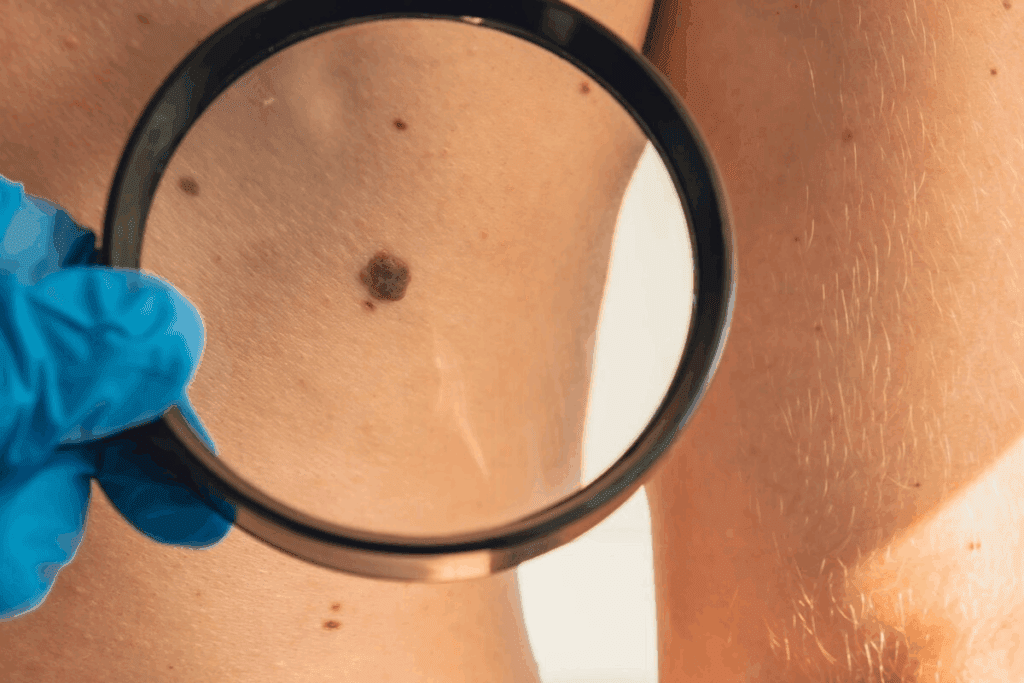
Melanoma on the scalp is a serious condition often missed because it’s hidden by hair. It’s a type of skin cancer that is very aggressive. It also has a significantly higher mortality rate than melanomas in other areas. How to detect and treat melanoma on scalp, focusing on early self-examination and surgical treatment options.
Even though it only makes up about 5% of all melanomas, scalp melanoma is very dangerous. It has a 10-year survival rate of 60%. Finding it early is crucial because stage 1 cases have a 98.4% chance of surviving five years.
We stress the need for careful checks and teamwork to fight scalp melanoma. Knowing the risks and acting fast can help beat this aggressive skin cancer.
Key Takeaways
- Scalp melanoma is a rare but aggressive form of skin cancer.
- Early detection significantly improves survival rates.
- Systematic examination is key to spotting scalp melanoma.
- Teamwork is vital for treating it well.
- Stage 1 scalp melanoma has a 98.4% five-year survival rate.
Understanding Melanoma on Scalp: The “Invisible Killer”
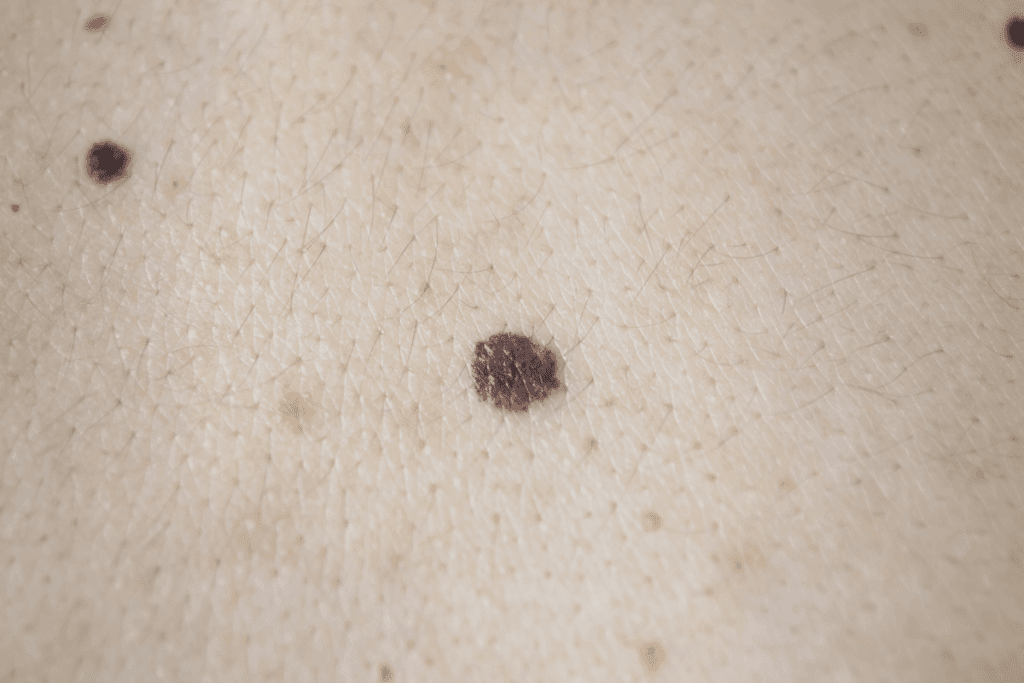
The scalp is a high-risk area for melanoma, often called an “invisible killer” because it’s hard to spot. Melanoma on the scalp is a serious condition that needs quick attention and understanding.
What Makes Scalp Melanoma Dangerous
Scalp melanoma is dangerous for several reasons. It’s hard to find early, leading to a late diagnosis. The hidden nature of the scalp allows melanomas to grow larger before they are noticed, which can affect treatment outcomes.
Also, scalp melanomas are often more aggressive. The scalp’s rich blood supply may help the disease spread fast. So, it’s important to watch for changes in the scalp, even if there are no obvious symptoms.
“The scalp is one of the most common sites for melanoma in men, and its prognosis is generally poorer compared to melanomas located in other areas.”
Medical Expert, Dermatologist
Prevalence and Mortality Statistics
It’s important to know the prevalence and mortality statistics of scalp melanoma. Scalp melanoma happens six times more in males than females, showing a big gender gap.
Gender | Prevalence Rate | 10-Year Survival Rate |
Males | Higher | 55% |
Females | Lower | 65% |
The 10-year survival rate for scalp melanoma is about 60%. This shows a tough prognosis for many patients. Early detection and treatment are key to bettering these numbers.
By knowing the risks and taking care of scalp health, people can lower their risk of scalp melanoma. Regular self-checks and visits to dermatologists are important for prevention and early detection.
Risk Factors for Developing Scalp Melanoma

Scalp melanoma risk comes from genetics, environment, and demographics. Knowing these factors helps in prevention and early detection.
Age and Gender Considerations
Elderly men are more likely to get scalp melanoma. Age is a big risk factor, with older adults seeing more cases. Men also get it more than women on the scalp.
Age Group | Incidence Rate in Men | Incidence Rate in Women |
40-49 | 1.2 per 100,000 | 0.8 per 100,000 |
50-59 | 2.1 per 100,000 | 1.3 per 100,000 |
60-69 | 3.5 per 100,000 | 2.0 per 100,000 |
Ultraviolet Exposure and Hair Loss
UV exposure is a big risk for melanoma, and the scalp is very vulnerable. This is true for those with hair loss. UV damage can harm scalp skin cells, raising melanoma risk.
Genetic Predisposition
Genetics also matter in scalp melanoma. Those with a family history of melanoma are at higher risk. Certain genetic mutations can make you more susceptible. Knowing your genetic risk can help prevent it.
By understanding these risks, we can lower our chance of scalp melanoma. Regular self-checks, UV protection, and knowing your family’s health history are key. These steps help in early detection and prevention of scalp melanoma.
Common Types of Melanoma on Scalp
Melanoma on the scalp can take many forms. Each type has its own traits that affect how it’s treated. Knowing these differences is key to better care and results.
Lentiginous Melanoma
Lentiginous melanoma, also known as lentigo maligna melanoma, often shows up on sun-exposed skin, like the scalp. It starts from a precursor called lentigo maligna. If not caught early, it can turn into invasive melanoma.
Early detection is critical to stop it from getting worse.
Desmoplastic Melanoma
Desmoplastic melanoma is rare and aggressive. It usually appears on the scalp and other sun-exposed spots. It’s hard to diagnose because it mixes melanoma cells with dense fibrous tissue.
Desmoplastic melanoma tends to be thicker when found, which makes it harder to treat.
Superficial Spreading Melanoma
Superficial spreading melanoma is common and can show up on the scalp. It starts on the skin’s surface and then goes deeper. Early detection is easier because it grows slowly at first.
Nodular Melanoma
Nodular melanoma is very aggressive and can appear on the scalp. It grows quickly, making it hard to catch early. It looks like a raised, pigmented nodule.
Its fast growth means it needs quick diagnosis and treatment.
It’s important for doctors and patients to know about these scalp melanoma types. Understanding each type helps with better diagnosis and treatment plans.
Early Warning Signs and Symptoms
It’s important to spot the early signs of melanoma on the scalp. This is because melanoma on the scalp can grow without being noticed. Being careful about changes in this area is key.
The ABCDE Method for Melanoma Detection
The ABCDE method helps find moles that might be melanoma. It looks at moles for these traits:
- A: Asymmetry – One half doesn’t match the other.
- B: Border – The edges are not smooth.
- C: Color – The color is not even and might have different shades.
- D: Diameter – It’s bigger than 6mm, like a pencil eraser.
- E: Evolving – It’s changing in size, shape, or color.
Using the ABCDE method on scalp moles can help catch melanoma early. But remember, melanoma can look different, so any new or changing growth needs to be checked.
Unique Challenges of Scalp Examination
Checking the scalp for melanoma is tricky. Hair covers the scalp, making it hard to see moles or skin changes. Doing self-exams and using mirrors or getting help from someone can help.
When to Consult a Dermatologist
If you see anything odd on your scalp, like new moles or changes in old ones, see a dermatologist. Early checks can lead to early treatment if melanoma is found.
Some signs you should see a dermatologist include:
- Moles that are changing or growing.
- Sores that don’t heal.
- Pigment, redness, or swelling spreading beyond the mole’s border.
- Itchiness, tenderness, or pain in a mole.
Checking your scalp regularly and seeing a dermatologist when needed can greatly improve melanoma detection and treatment.
How to Perform a Thorough Scalp Examination
Checking your scalp for melanoma is key to early detection. Regular self-checks can help spot problems early. We’ll show you how to use tools and techniques for self-examination. We’ll also talk about the benefits of having a partner help and how technology can aid in detection.
Tools and Techniques for Self-Examination
You’ll need a few tools for a scalp check: a handheld mirror, a comb, and a hair dryer. Start by drying your hair lightly to move it away from your scalp. This makes it easier to see your skin.
Next, use the comb to part your hair. This lets you see more of your scalp. Look for any unusual moles or changes in existing ones.
Do your check in a bright area. Use the mirror to see the back and top of your scalp. Divide your scalp into sections to check it all over.
Partner-Assisted Examination Methods
Having someone help you check your scalp can be really helpful. They can see spots you might miss. Ask them to look for any odd lesions or changes, using the ABCDE method.
Using Technology for Better Detection
Technology has made a big difference in finding melanoma. Dermoscopy is a tool that lets you see skin details up close. It can spot things you can’t see with your eyes. Apps and online tools also help with self-checks and analyzing skin images.
Using old and new methods together can really help find melanoma early. Don’t forget to see a dermatologist regularly. They can give you a professional check-up and advice based on your risk.
Diagnostic Procedures for Melanoma on Scalp
Diagnosing scalp melanoma is a detailed process. It’s important to catch it early. The scalp’s hair makes it hard to see, unlike other body parts.
Initial Clinical Assessment
The first step is a thorough check-up. A doctor will look at the scalp for any unusual spots or changes in moles. This is key to finding melanomas early.
Dermoscopy and Imaging Techniques
If a doctor finds something suspicious, they might use dermoscopy. This tool lets them see the skin up close without cutting it. It helps tell if a spot is safe or not. Sometimes, imaging techniques like confocal microscopy are used too.
Biopsy Procedures and Pathology
To confirm a diagnosis, a biopsy is needed. This means taking a piece of the suspicious area for a closer look. There are different ways to do this, like removing the whole spot or just a part of it. A pathologist then checks the sample to see if it’s cancer.
Staging and Further Testing
After finding melanoma, the next step is to figure out how far it has spread. This is called staging. Doctors check how thick the melanoma is and if it’s in lymph nodes or other parts of the body. They might also do more tests like scans or blood work to plan the best treatment.
Treatment Options for Melanoma on Scalp
Treatment for scalp melanoma includes surgery and non-surgical methods. The choice depends on the disease’s stage, how far it has spread, and the patient’s health.
Surgical Interventions
Surgery is the main treatment for scalp melanoma. Wide local excision removes the tumor and some healthy tissue around it. This helps remove all cancer cells and lowers the chance of it coming back.
- Sentinel Lymph Node Biopsy: This involves taking out the first lymph node to check if cancer has spread. It helps plan further treatment.
- Lymph Node Dissection: If cancer is found in the sentinel lymph node, more nodes may need to be removed.
Non-Surgical Treatments
While surgery is key, non-surgical treatments are also used. These depend on the stage and other factors. They include:
- Immunotherapy: This boosts the body’s immune system to fight cancer. It’s used for advanced melanoma.
- Targeted Therapy: Drugs target specific cancer cell traits, stopping them from growing and spreading.
- Radiation Therapy: Though not the first choice, it’s used in some cases, like when cancer has spread.
- Chemotherapy: While not as effective for melanoma, it might be considered in some cases.
It’s important for patients to talk to their healthcare provider about treatment options. This helps find the best approach for their situation.
Prognosis and Survival Rates
Early detection of melanoma on the scalp greatly improves patient outcomes and survival rates. When melanoma is caught early, treatment success rates go up a lot.
Stage-Specific Survival Statistics
Survival rates for scalp melanoma depend on the stage at diagnosis. For example, Stage 1 melanoma on the scalp has a 98.4% five-year survival rate with proper treatment. This shows how vital early detection is.
Stage | Five-Year Survival Rate |
Stage 1 | 98.4% |
Stage 2 | 80-90% |
Stage 3 | 40-70% |
Stage 4 | 10-20% |
Factors Affecting Prognosis
Several factors affect scalp melanoma prognosis. These include tumor thickness, ulceration presence, and cancer spread to lymph nodes or other areas. Early detection and treatment are key to better survival rates.
Importance of Early Detection
Early detection is extremely important. Regular self-exams and doctor visits can catch melanoma early, when it’s easier to treat. Being watchful for scalp changes is essential for a better prognosis.
Understanding scalp melanoma prognosis and survival rates helps patients make better treatment choices. This way, they can make informed decisions about their care.
Living with Scalp Melanoma
Living with scalp melanoma is more than just treatment. It’s about dealing with the emotional and physical effects. We need to look at all the care and support patients need.
Coping Strategies and Support Resources
Dealing with scalp melanoma means treating the condition and its emotional side. Support groups and counseling services are key. They help manage stress and anxiety. Finding emotional support and advice from others is important.
Psychological support is also essential. It helps patients face their fears and uncertainty. Professional counseling can improve their life quality.
Managing Appearance Changes
Scalp melanoma treatment can change how you look, like hair loss and scarring. It’s important to manage these changes. Options like wigs, hats, and scarves can help.
Reconstructive surgery might also be an option. Talking to a healthcare professional can help decide the best choice.
Follow-Up Care and Monitoring
Regular follow-up care is key for scalp melanoma patients. It helps catch any signs of recurrence early. A good follow-up plan includes regular check-ups and screenings.
It’s important to stick to the follow-up schedule. Being alert to any changes in your condition is vital. If you notice anything unusual, tell your doctor right away.
Conclusion
Scalp melanoma is a serious condition that can be life-threatening. It needs quick attention and proper care. Understanding the risks and recognizing early signs are key to managing it well.
Knowing the risk factors helps prevent scalp melanoma. These include age, UV exposure, and genetics. We’ve talked about how to detect it early and the treatment options available.
Early detection is vital for better outcomes. It improves survival rates. Awareness, self-checks, and medical care are vital in fighting this disease.
Our aim is to help people spot and tackle scalp melanoma early. This way, we can improve health outcomes.
FAQ
What are the risk factors for developing melanoma on the scalp?
Risk factors for scalp melanoma include age, gender, and UV exposure. People with fair skin and a family history of melanoma are at higher risk. Prolonged UV exposure is also a big factor.
How can I detect melanoma on my scalp early?
To detect scalp melanoma early, use the ABCDE method for self-examination. Look for any changes in moles or new ones. Dermoscopy technology can also help in detection.
What are the common types of melanoma that occur on the scalp?
Scalp melanoma types include lentiginous, desmoplastic, superficial spreading, and nodular melanoma. Each type has its own characteristics and treatment needs.
What are the treatment options for melanoma on the scalp?
Treatment for scalp melanoma depends on the disease stage. Surgical options like wide local excision are common. Non-surgical treatments like immunotherapy may also be used.
What is the prognosis for scalp melanoma, and how do survival rates vary by stage?
Scalp melanoma prognosis varies by stage. Early stages have better outcomes than advanced ones. Survival rates improve with early detection. Melanoma thickness, ulceration, and lymph node involvement also affect prognosis.
How can I manage the psychological and aesthetic impacts of scalp melanoma?
Managing scalp melanoma’s effects involves counseling and support groups. Resources like wigs or scalp prosthetics can help with appearance. Regular follow-up care is also key for well-being.
What is the importance of follow-up care after being treated for scalp melanoma?
Follow-up care is vital for scalp melanoma. It helps monitor for recurrence and manages treatment effects. Regular dermatologist or oncologist visits are essential for health and early detection.
Can UV exposure increase the risk of developing scalp melanoma?
Yes, UV exposure significantly increases scalp melanoma risk. Fair skin and sunburn history make it worse.
Are there any specific techniques for performing a thorough scalp examination?
For a thorough scalp exam, use good lighting and part the hair. Check for suspicious moles or changes. Partner-assisted exams and handheld dermatoscopes can help.
References
National Center for Biotechnology Information. (2025). How to Detect and Treat Melanoma on Scalp. Retrieved from https://pmc.ncbi.nlm.nih.gov/articles/PMC8504470/