Melasma is a common skin condition that causes patches of discoloration, typically on the face, but it can also occur elsewhere, including the hands.
Characterized by its distinctive skin discoloration, melasma can be a source of concern for those affected, impacting their self-confidence and overall skin health.
Understanding what melasma is and how it affects the skin is crucial for managing and treating this condition effectively.
What causes it on hands? Learn the crucial melasma on hands facts and powerful information on the serious causes and treatment options today.
Key Takeaways
- Melasma is a common skin condition causing discoloration.
- It typically affects the face but can also occur on hands.
- Understanding melasma is key to managing it.
- Effective treatment can help reduce its appearance.
- Maintaining good skin health is crucial in managing melasma.
What is Melasma and Where Does It Occur?

Melasma is a common skin condition characterized by patches of discoloration, typically on the face, but it can also appear on other parts of the body, including the hands. It is crucial to understand what melasma is and where it occurs to address the condition effectively.
Definition of Melasma
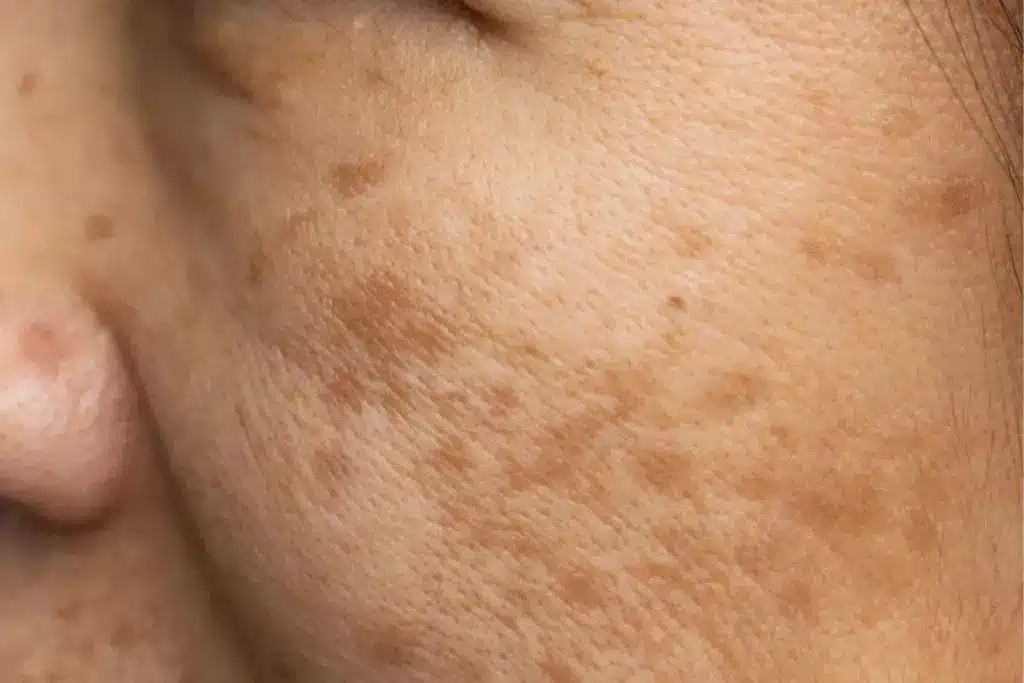
Melasma is a chronic skin condition that results in brown or gray patches, usually on the face, but it can also manifest on other sun-exposed areas, such as the hands. The exact cause of melasma is multifactorial, involving a combination of hormonal influences, sun exposure, and genetic predisposition. “Understanding the root causes is key to managing melasma,” as noted by dermatological experts.
Common Locations for Melasma
While melasma is most commonly associated with the face, particularly the cheeks, forehead, and upper lip, it can also appear on other areas exposed to the sun, such as the hands and forearms. The condition tends to affect individuals with lighter skin tones, although it can occur in anyone. The hands are a less common but significant location for melasma, especially in individuals who spend a lot of time outdoors.
Differences Between Melasma and Other Skin Conditions
Distinguishing melasma from other skin conditions can be challenging due to its similarity in appearance to conditions like freckles, age spots, or post-inflammatory hyperpigmentation. However, melasma is typically characterized by its symmetrical distribution and the presence of distinct borders. As one dermatologist puts it,
“Melasma is not just a cosmetic issue; it’s a sign of underlying factors that need to be addressed.”
Accurate diagnosis is crucial for effective treatment, which may includemelasma skin treatmentoptions ranging from topical creams to more advanced laser therapies.
Understanding the nuances of melasma, including its causes and how it differs from other skin conditions, is vital for those affected. By recognizing the condition and its characteristics, individuals can seek appropriate advice and treatment, potentially reducing the appearance of melasma on their hands and other affected areas.
Signs and Symptoms of Melasma on Hands
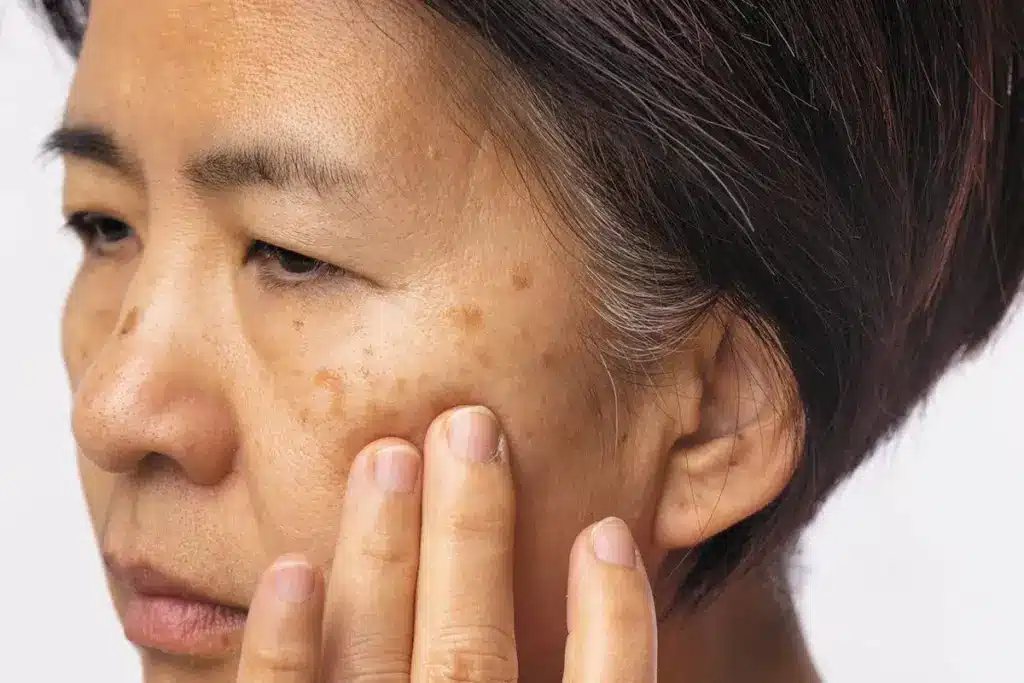
Understanding the signs and symptoms of melasma on hands is crucial for effective identification and treatment. Melasma on hands can manifest in various ways, making it essential to recognize its characteristics.
Visible Signs on the Skin
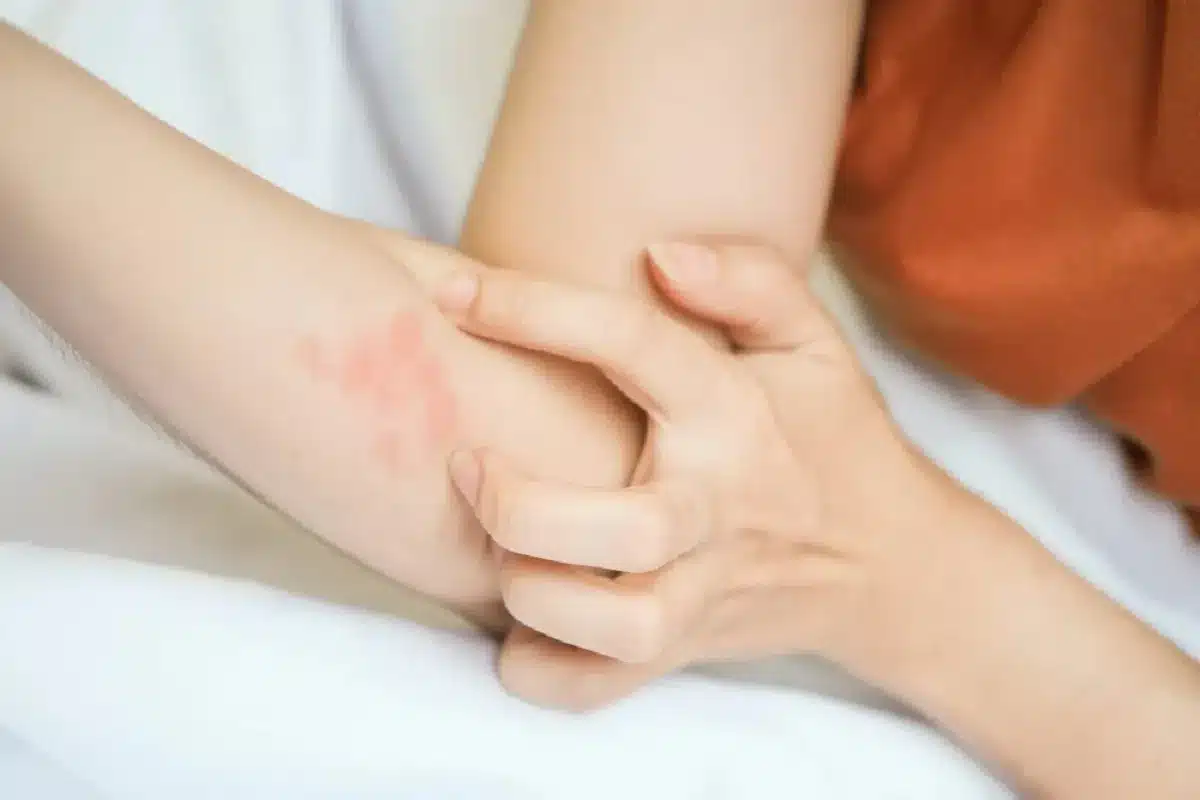
The visible signs of melasma on hands include discoloration and patches that are typically darker than the surrounding skin. These patches can vary in size and shape, often appearing on the backs of hands. In some instances, individuals may notice what appears to be “melasma pimples,” although these are not true pimples but rather areas of hyper-pigmentation.
Some common visible signs include:
- Hyper-pigmented spots or patches, sometimes referred to as “melasma spots”
- Symmetrical distribution of melasma on both hands
- Variation in color from light brown to dark grey
Texture Changes Associated with Melasma
In some cases, melasma on hands can be accompanied by texture changes, where the affected skin becomes smoother or slightly rougher than the surrounding areas. When considering treating melasma, it’s essential to address these texture changes as well.
Key texture changes to look out for include:
- Smooth, flat patches
- Slightly raised or rough texture in some cases
- Occasional fine lines or wrinkles in the affected area
Causes of Melasma on Hands
Understanding the causes of melasma on hands is crucial for effective prevention and treatment. Melasma, a condition characterized by patches of discoloration, is influenced by a variety of factors. These factors can be broadly categorized into hormonal, environmental, and genetic influences.
Hormonal Influences
Hormonal changes are a significant contributor to the development of melasma. Fluctuations in estrogen and progesterone levels, such as those experienced during pregnancy or with the use of hormonal contraceptives, can lead to melasma. This condition is sometimes referred to as the “mask of pregnancy.”
The role of hormonal factors in melasma is supported by the observation that the condition often improves after pregnancy or upon cessation of hormonal contraceptives. Hormonal balance plays a crucial role in the development and severity of melasma.
Environmental Factors
Exposure to UV radiation is a major environmental factor that contributes to melasma. UV light stimulates the production of melanin, the pigment responsible for skin color, leading to the formation of melasma patches. Other environmental factors, such as pollution and certain chemicals, may also play a role.
- UV radiation from the sun or tanning beds
- Exposure to certain chemicals or pollutants
Genetic Predisposition
Individuals with a family history of melasma are more likely to develop the condition, suggesting a genetic component. Genetic predisposition can affect how the skin responds to hormonal and environmental stimuli, influencing the likelihood of developing melasma.
|
Cause |
Description |
Influence on Melasma |
|---|---|---|
|
Hormonal Changes |
Fluctuations in estrogen and progesterone |
Can trigger or worsen melasma |
|
UV Radiation |
Exposure to sunlight or tanning beds |
Stimulates melanin production, leading to melasma patches |
|
Genetic Predisposition |
Family history of melasma |
Increases the likelihood of developing melasma |
Is Melasma Itchy? Understanding Sensations
The experience of melasma can vary significantly among individuals, with some reporting itchiness alongside the characteristic skin discoloration. This variation in symptoms raises questions about the nature of melasma and its effects on the skin.
Common Misconceptions About Melasma
One common misconception about melasma is that it is merely a cosmetic issue, devoid of any sensations such as itchiness or discomfort. However, for some individuals, melasma can be accompanied by sensations that range from mild irritation to pronounced itchiness.
It’s essential to understand that melasma is not just about skin discoloration; the condition can have various effects on the skin, potentially leading to discomfort. Preventing melasma or managing its symptoms effectively can significantly improve the quality of life for those affected.
Why Melasma Might Itch for Some
The itchiness associated with melasma can be attributed to several factors, including the skin’s response to the discoloration and potential inflammation. For some, the itch might be a result of the skin’s dryness or irritation caused by external factors or treatments.
Understanding the causes of itchiness in melasma is crucial for effective management of the condition. By addressing the underlying factors, individuals can find relief from the discomfort associated with melasma.
|
Factors Contributing to Itchiness in Melasma |
Description |
Potential Relief Measures |
|---|---|---|
|
Skin Dryness |
Dry skin can exacerbate itchiness in melasma. |
Moisturizing regularly, using gentle skincare products. |
|
Inflammation |
Inflammation can contribute to itchiness and discomfort. |
Avoiding irritants, using anti-inflammatory treatments. |
|
External Irritants |
External factors like sun exposure or harsh products can irritate the skin. |
Practicing sun protection, choosing gentle, fragrance-free products. |
By understanding the factors that contribute to itchiness in melasma and taking proactive steps, individuals can better manage their condition and improve their skin health. Effective melasma prevention and management strategies are key to minimizing its impact.
Diagnosis: How to Identify Melasma on Hands
Melasma on hands can be identified through a combination of professional diagnosis by a dermatologist and simple at-home checks. Accurate diagnosis is crucial for effective treatment.
Professional Evaluation
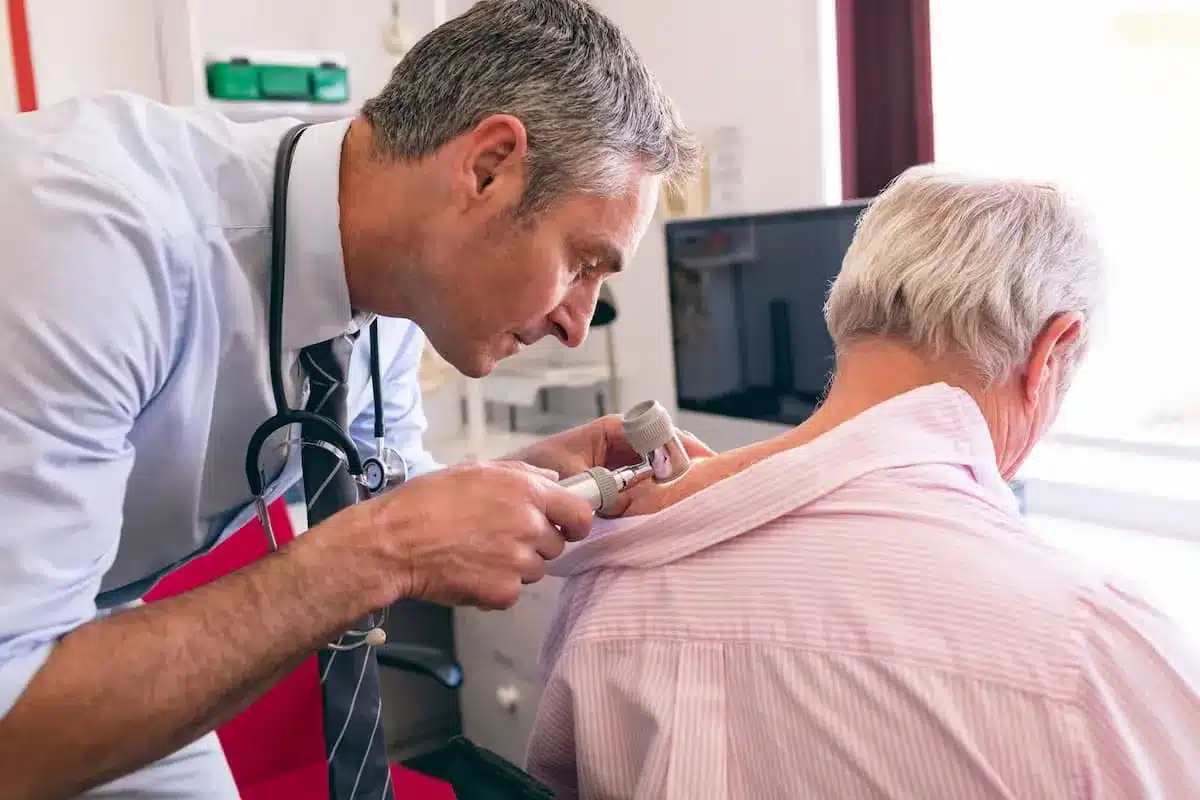
A dermatologist plays a vital role in diagnosing melasma. They conduct a thorough examination, often using specialized equipment to assess the skin condition accurately.
Key aspects of a professional evaluation include:
- Visual examination of the affected area
- Use of Wood’s lamp to highlight the extent of melasma
- Discussion of medical history to identify potential causes
During the consultation, the dermatologist may also discuss various melasma skin treatment options tailored to the individual’s condition.
|
Diagnostic Tool |
Purpose |
|---|---|
|
Visual Examination |
Initial assessment of melasma’s appearance and extent |
|
Wood’s Lamp |
Highlights the contrast between affected and unaffected skin |
|
Medical History |
Identifies potential triggers or causes of melasma |
At-Home Assessment Techniques
While a professional diagnosis is indispensable, individuals can also perform simple checks at home to monitor their condition.
At-home assessment techniques include:
- Observing the skin for changes in color or texture
- Noting any new or changing patches
- Keeping a record of any changes to share with a dermatologist
Understanding and utilizing these methods can complement professional care, potentially enhancing the effectiveness of behandeling melasma strategies.
Treatment Options for Melasma on Hands
The treatment of melasma on hands involves a multifaceted strategy, incorporating both conventional medical treatments and alternative natural solutions. Understanding these options is crucial for individuals seeking to manage their condition effectively.
Medical Treatments Available
Medical treatments for melasma on hands are diverse and can be highly effective. Some of the most common treatments include:
- Topical Creams: Creams containing ingredients like hydroquinone, retinoids, and corticosteroids can help lighten areas of darkened skin.
- Laser Therapy: Laser treatments can reduce the appearance of melasma by targeting the pigment. However, they can be costly and may require multiple sessions.
- Chemical Peels: A chemical solution is applied to remove the top layers of the skin, helping to reduce discoloration.
It’s essential to consult with a dermatologist to determine the best medical treatment plan, as they can recommend the most suitable option based on the severity and characteristics of the melasma.
Natural Remedies to Consider
In addition to medical treatments, several natural remedies may help alleviate melasma on hands. While these remedies may not completely eliminate melasma, they can be used in conjunction with medical treatments to enhance their effectiveness.
- Turmeric: Known for its anti-inflammatory properties, turmeric can help reduce hyperpigmentation.
- Aloe Vera: Aloe vera gel can soothe the skin and may help lighten melasma patches.
- Sun Protection: Using sunscreen with a high SPF is crucial in preventing melasma from worsening.
|
Treatment Option |
Description |
Benefits |
|---|---|---|
|
Topical Creams |
Creams that lighten darkened skin areas |
Easy to apply, non-invasive |
|
Laser Therapy |
Targets pigment to reduce melasma appearance |
Can be highly effective, long-lasting results |
|
Chemical Peels |
Removes top skin layers to reduce discoloration |
Can be customized to individual skin types |
|
Turmeric |
Natural anti-inflammatory to reduce hyperpigmentation |
Natural, low cost |
|
Aloe Vera |
Soothes skin and lightens melasma patches |
Soothing, hydrating |
Treating melasma on hands effectively requires patience and a comprehensive approach. By understanding the available treatment options, individuals can make informed decisions about their care, potentially combining medical treatments with natural remedies for optimal results.
Preventative Measures to Avoid Melasma
Protecting your skin from the sun and making a few lifestyle changes can significantly reduce the risk of melasma. By understanding the causes of melasma and taking proactive steps, you can minimize your chances of developing this condition.
Sun Protection Tips
One of the most effective ways to prevent melasma is by protecting your skin from the sun. UV rays are a significant contributor to melasma, so using a broad-spectrum sunscreen with a high SPF is crucial. Apply sunscreen daily, even on cloudy days, and reapply every two hours or immediately after swimming or sweating.
In addition to sunscreen, wearing protective clothing such as a wide-brimmed hat and seeking shade, especially during peak sun hours (10 am to 4 pm), can further reduce your exposure to harmful UV rays.
- Use a broad-spectrum sunscreen with a high SPF.
- Apply sunscreen daily and reapply every two hours.
- Wear protective clothing like a wide-brimmed hat.
- Seek shade during peak sun hours.
Lifestyle Changes to Reduce Risk
Making certain lifestyle changes can also help reduce your risk of developing melasma. Hormonal fluctuations can contribute to melasma, so managing stress and maintaining a healthy hormonal balance is important.
Avoiding excessive heat and using gentle skincare products can also help prevent melasma. Some studies suggest that certain dietary changes, such as increasing your intake of antioxidants, may also be beneficial.
- Manage stress through relaxation techniques like meditation or yoga.
- Maintain a healthy hormonal balance through a balanced diet and regular check-ups.
- Avoid excessive heat by staying cool in hot weather.
- Use gentle skincare products that are suitable for your skin type.
Living with Melasma: Tips for Care
Living with melasma can be challenging, but with the right strategies, individuals can manage its impact on their daily lives. Melasma, a condition that causes patches of discoloration, typically on the face but also on hands, requires a comprehensive care approach.
Skincare Routines
Establishing a gentle yet effective skincare routine is vital for managing skin melasma. This includes using sunscreen with a high SPF daily, as UV exposure can exacerbate melasma. Products containing ingredients like vitamin C, niacinamide, or licorice extract can help in brightening the skin and reducing the appearance of melasma patches.
It’s also important to be gentle when cleansing the skin. Using a mild cleanser and lukewarm water can help prevent irritation, which might worsen melasma symptoms. Consistency is key when it comes to skincare routines for melasma management.
Emotional and Psychological Support
Dealing with melasma can have emotional and psychological implications. The visible skin changes can affect an individual’s self-esteem and confidence. Seeking support from friends, family, or support groups can provide emotional relief and help individuals cope with the condition.
Moreover, practices like mindfulness, meditation, or yoga can be beneficial in managing stress, which is sometimes linked to melasma flare-ups. Addressing the emotional aspect of living with melasma is as important as treating the physical symptoms.
For some, melasma can lead to feelings of insecurity or anxiety, especially if it’s accompanied by melasma pimples or other skin issues. In such cases, talking to a mental health professional can offer strategies to manage these feelings and improve overall well-being.
To stop melasma from significantly impacting one’s life, it’s essential to combine effective skincare with emotional resilience. By adopting a comprehensive care plan, individuals can better manage melasma and improve their quality of life.
When to Seek Professional Help for Melasma
Melasma on hands can be a challenging condition to manage, and while some cases may be treated with self-care and lifestyle adjustments, others may require professional intervention. If you’re experiencing persistent or severe melasma, it’s essential to know when to seek medical attention.
Indicators for Medical Attention
Certain signs indicate that your melasma requires professional evaluation. These include rapid darkening of the patches, significant discomfort, or if the condition is impacting your daily life. Understanding the cause of the melasma behind your condition is crucial for effective treatment.
Consulting the Right Specialist
For effective behandeling melasma, or treatment, consider consulting a dermatologist. These specialists can provide personalized advice, recommend appropriate treatments, and help manage any underlying conditions contributing to your melasma.
By seeking professional help when needed, you can better manage melasma on hands and improve your overall skin health. Don’t hesitate to reach out to a healthcare professional for guidance on treating and managing your condition.
FAQ
What is melasma and how does it affect the skin on hands?
Melasma is a common skin condition characterized by patches of discoloration. While it typically occurs on the face, it can also appear on hands, causing brown or gray patches.
What causes melasma on hands?
Melasma on hands can be caused by a combination of hormonal factors, environmental influences like sun exposure, and genetic predisposition.
How can I identify melasma on my hands?
Look for visible signs such as discoloration, patches, or texture changes on the skin. A professional evaluation by a dermatologist can provide a definitive diagnosis.
Is melasma on hands itchy?
Melasma itself is not typically itchy, but some people may experience itchiness or discomfort due to associated dryness or other skin conditions.
What are the treatment options for melasma on hands?
Treatment options include medical treatments like creams, laser therapy, and chemical peels, as well as natural remedies such as turmeric, aloe vera, and vitamin C.
How can I prevent melasma on hands?
Preventative measures include sun protection tips like using broad-spectrum sunscreen, wearing protective clothing, and seeking shade, as well as lifestyle changes like maintaining a healthy diet and managing stress.
Can melasma on hands be treated at home?
While some natural remedies can help alleviate symptoms, it’s essential to consult a dermatologist for a proper diagnosis and to discuss the best treatment options for your specific condition.
How can I care for my skin if I have melasma on my hands?
Establish a gentle skincare routine, avoid harsh products, and consider emotional and psychological support to manage the condition effectively.
When should I seek professional help for melasma on hands?
If you notice signs like rapid darkening, itching, or other concerning symptoms, consult a dermatologist for guidance and to determine the best course of treatment.
Can treating melasma on the face also help with melasma on hands?
While treatments can be similar, it’s crucial to consult a dermatologist to develop a personalized treatment plan that addresses melasma on both the face and hands.
Are there any specific products that can help treat melasma on hands?
Products containing ingredients like hydroquinone, retinoids, or vitamin C can be beneficial, but it’s essential to consult a dermatologist to determine the best products for your specific skin type and condition.
References
National Center for Biotechnology Information. Evidence-Based Medical Insight. Retrieved from https://www.ncbi.nlm.nih.gov/pmc/articles/PMC4144272/