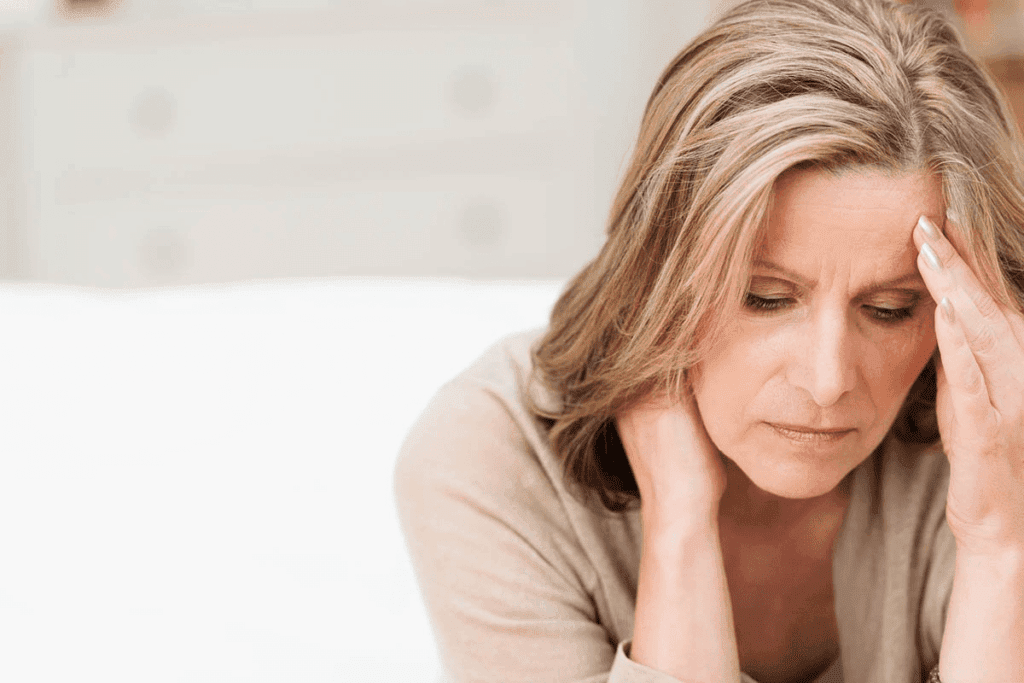
Menopause is a big change in a woman’s life. It means she won’t have periods anymore. This happens when she hasn’t had a period for 12 months straight. It usually happens between 45 and 55 years old, but it’s different for everyone. Menopause is the cessation of menstruation. This ultimate guide explains the causes, critical stages, and surprising facts.
Knowing about ages, facts, and causes of menopause helps women feel more in control. At Liv Hospital, we offer full care during this time.
Key Takeaways
- Menopause is defined as the permanent cessation of menstruation after 12 consecutive months.
- The average age of menopause is around 51-52 years.
- Menopause is a natural biological process marking the end of a woman’s reproductive period.
- Understanding menopause facts and causes helps women navigate this life stage with confidence.
- Comprehensive care is essential for women during this transition.
Defining Menopause: The Cessation of Menstruation
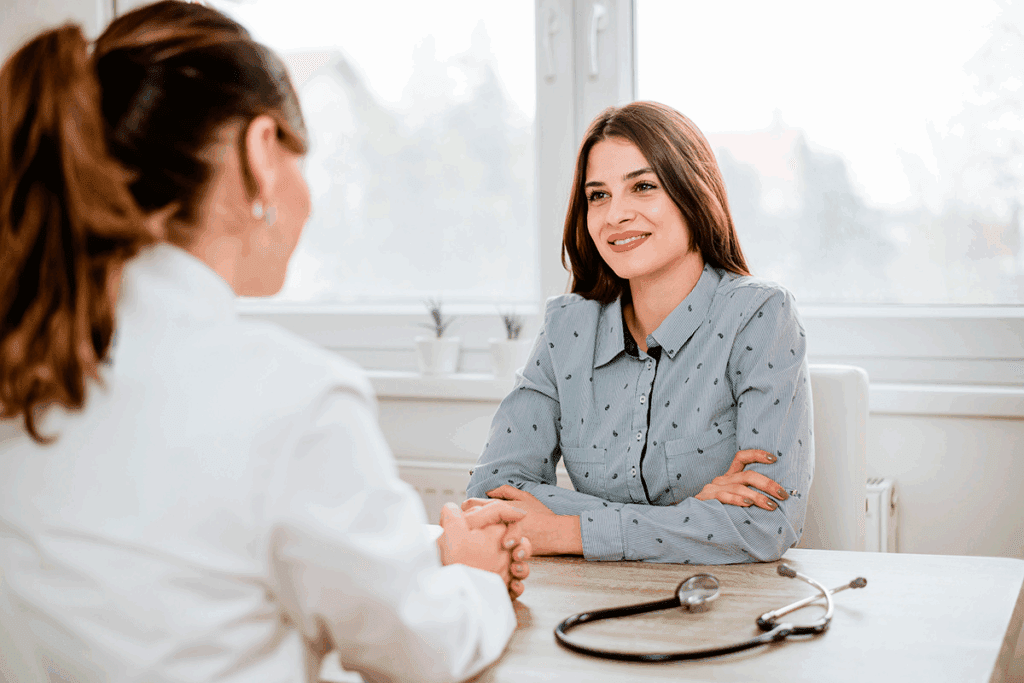
Menopause is a natural change in women that ends their menstrual cycle. It’s a big life change that happens after a year without periods. This shows a woman has stopped being able to have children.
Medical Definition and Diagnostic Criteria
Doctors say menopause is when a woman’s last period happens. This is confirmed after a year without periods. It’s important for both doctors and women to know when they’ve stopped being fertile.
The average age for menopause in the U.S. is 51. But it can start between 45 and 55. Things like family history, lifestyle, and health can affect when it starts. Knowing this helps manage the change better.
Historical Understanding and Cultural Perspectives
Menopause has been seen differently in history and culture. In some places, it’s seen as a big change or aging. In others, it’s just a natural part of life.
In some cultures, older women are respected and have more power. In others, they might face shame or be ignored. These views show how complex menopause is, not just a biological event but also a cultural one. Understanding these views helps doctors care for women going through menopause better.
The Biology Behind Menopause
Menopause is caused by changes in how ovaries work and hormone levels. As women get older, their ovaries make less hormone. This leads to the end of menstruation and fertility.
Ovarian Function and Follicle Depletion
Menopause happens because ovaries don’t work as well and have fewer follicles. Follicles are where eggs are made. As women age, there are fewer follicles, making less estrogen and progesterone.
- The ovaries start to slow down years before menopause, in a phase called perimenopause.
- As women get older, follicles get used up, leading to less hormone.
- How fast follicles get used up can vary, affecting when menopause starts.
Hormonal Changes: Estrogen and Progesterone Decline
Menopause is marked by a drop in estrogen and progesterone. Estrogen helps the menstrual cycle and keeps reproductive health. Progesterone gets the uterus ready for pregnancy.
With less hormone, women may see:
- Irregular periods
- Hot flashes and night sweats
- Mood swings and trouble sleeping
Knowing about these hormone changes helps manage menopause symptoms and improve life quality.
Menopause Is the Cessation of Reproductive Capability
Menopause is a big change in a woman’s life, marking the end of her ability to have children. It happens naturally as women age, usually between 45 and 55. We’ll look at how menopause affects fertility and its possible benefits or drawbacks.
End of Fertility and Reproductive Years
In the U.S., the average age for menopause is 52. This means a woman can no longer get pregnant. Many things can affect when menopause starts, like genes, lifestyle, and health issues. As menopause approaches, periods may get less regular and eventually stop.
Knowing about the end of reproductive years is key for women’s health. It helps with planning families and understanding the physical changes that come with it. Every woman’s experience with menopause is different, with some facing tough symptoms and others hardly noticing any.
Evolutionary Perspectives on Menopause
Menopause is unique to humans, setting us apart from other animals. Scientists have theories on why menopause evolved, like to help older women care for their grandchildren. This idea is part of several theories on menopause’s role in evolution.
Looking at menopause from an evolutionary standpoint also highlights humans’ long lives after they stop having children. This allows for passing on knowledge and helping younger family members, which could help them survive and thrive.
Age Ranges: When Does Menopause Typically Occur?
Knowing when menopause usually happens can help women get ready. Menopause is when a woman stops being able to have children. It’s a natural part of life.
Average Age of Menopause in the United States
In the United States, most women go through menopause around age 52. This means many women start menopause in their early to mid-fifties. We’ll look at what affects this age and what women might experience.
Early Menopause (Ages 40-45): Prevalence and Causes
Some women experience menopause between 40-45, which is less common. Many things can lead to early menopause, like genes, lifestyle, and health issues. Knowing these can help women understand their risk and maybe slow it down.
Premature Menopause (Before Age 40): Risk Factors
Premature menopause, or early ovarian failure, happens before 40. It can be due to genes, autoimmune diseases, or some treatments. We’ll dive deeper into these causes.
To grasp the age ranges for menopause, let’s look at some data:
Menopause Category | Age Range | Prevalence |
Average Menopause | 50-55 | Most common |
Early Menopause | 40-45 | Less common |
Premature Menopause | Before 40 | Rare |
By knowing these age ranges and their causes, women can prepare for menopause. They can make smart choices about their health.
Perimenopause: The Transition Phase
The journey to menopause starts with perimenopause. This phase is marked by irregular periods and hormonal changes. Women may feel a range of symptoms as their bodies prepare for menopause.
Duration and Timeline of Perimenopause
Perimenopause can last from 2 to 8 years. The exact time varies among women. It’s a time of big hormonal changes, like ups and downs in estrogen and progesterone levels.
Knowing when perimenopause starts is key to managing its symptoms. Women usually enter this phase in their 40s. But it can start earlier or later. Lifestyle and health play a big role in how long perimenopause lasts.
Stage | Characteristics | Duration |
Early Perimenopause | Irregular periods, hormonal fluctuations | 2-4 years |
Late Perimenopause | More pronounced symptoms, significant hormonal changes | 1-4 years |
Menopause | Cessation of menstruation | N/A |
Recognizing the Signs of Perimenopause
Knowing the signs of perimenopause helps women get ready for menopause. Symptoms include irregular periods, hot flashes, night sweats, and mood swings. These happen because estrogen levels drop.
Other signs include trouble sleeping, changes in sex drive, and physical changes like weight gain. Being aware of these symptoms helps women find the right support and treatment.
Understanding perimenopause and its symptoms helps women navigate this phase. It’s important to stay informed and get medical help if symptoms are severe or hard to handle.
Common Symptoms and Physical Changes
The menopausal transition is a complex process. Hormonal changes affect women differently. Women go through various symptoms that can change their life quality.
Hot Flashes and Night Sweats: Why They Occur
Hot flashes and night sweats are common symptoms of menopause, affecting up to 80% of women. Hot flashes are sudden feelings of heat, often with sweating and flushing. Night sweats are hot flashes during sleep. These symptoms happen because estrogen levels drop, affecting the body’s heat control.
Sleep Disturbances and Mood Changes
Sleep disturbances are common, often caused by hot flashes and night sweats. Sleep disturbances can make you feel tired, irritable, and moody. Hormonal changes in menopause can also affect mood, causing anxiety, depression, and mood swings.
Physical Changes in the Body
Menopause brings physical changes, like vaginal dryness, decreased libido, and changes in body shape. The drop in estrogen makes vaginal tissues thinner, drier, and less elastic, causing discomfort during sex. Many women also gain weight, mainly around the belly.
Variation in Symptom Experience Among Women
Menopause symptoms vary greatly among women. Some have severe hot flashes and night sweats, while others have mild symptoms. Lifestyle, genetics, and health can affect how severe and long symptoms last.
Knowing these differences helps healthcare providers give better care. This improves women’s quality of life during this time.
Factors Affecting Menopause Onset and Experience
Many things can change when and how you go through menopause. These include your genes, lifestyle, and health. Knowing about these can help both women and doctors handle menopause better.
Genetic and Family History Influences
Genetics play a big part in when you start menopause. If your family had early menopause, you might too. Studies show genes can change when menopause starts.
Research has found genes linked to menopause timing. Genes that control ovaries and hormones can affect when menopause starts.
Lifestyle Factors: Smoking, BMI, and Diet
What you do in life can also change your menopause. Smoking can make menopause come earlier because it harms ovaries and health.
Your BMI can also change how you feel during menopause. Women with a higher BMI might have worse hot flashes because fat insulates.
Lifestyle Factor | Impact on Menopause |
Smoking | Earlier menopause onset |
Higher BMI | More severe hot flashes |
Diet rich in phytoestrogens | Milder menopause symptoms |
Medical Conditions and Treatments Affecting Menopause
Some health issues and treatments can also change when and how you go through menopause. For example, hysterectomy or ovarian surgery can make menopause come suddenly.
Some treatments, like chemotherapy and radiation therapy, can damage ovaries and cause menopause. It’s important to know how these treatments can affect menopause for women’s health.
Understanding what affects menopause can help women and doctors manage symptoms better. This can improve life quality during this big change.
Managing Menopause: Treatment Options and Approaches
Managing menopause involves many strategies, from medical treatments to lifestyle changes. These help reduce symptoms and improve life quality. It’s key for women to know their treatment options during this natural change.
Benefits and Risks of Hormone Replacement Therapy
Hormone replacement therapy (HRT) is a common treatment for menopause symptoms. HRT replaces hormones that decrease as women approach menopause. It can be very effective but comes with risks like blood clots and certain cancers.
To lower risks, HRT should be customized for each woman. This includes considering age, medical history, and symptom severity. Regular check-ups and treatment adjustments can help avoid side effects.
Non-Hormonal Medications and Treatments
For those who can’t or don’t want HRT, non-hormonal treatments are available. These include antidepressants, blood pressure medications, and anti-seizure drugs. These can help with hot flashes and mood changes.
Some women also find relief in alternative therapies like acupuncture and herbal supplements. But, the evidence for their effectiveness varies. Always talk to a healthcare provider before starting new treatments.
Lifestyle Modifications for Symptom Relief
Lifestyle changes are important for managing menopause symptoms. Simple steps like keeping a cool environment and avoiding hot flash triggers can help. Eating well and exercising regularly also boost well-being.
Choosing the right clothes, using layers, and staying hydrated can also ease discomfort. Combining these lifestyle changes with medical treatments can help women manage menopause better.
Conclusion: Embracing This Natural Life Transition
Menopause is a big change in a woman’s life. It means she stops getting her period and can’t have more kids. Knowing about menopause can help women feel more in control.
Menopause awareness helps women take charge of their health. It’s when the ovaries stop working, causing hormone levels to drop. Spotting signs like hot flashes and mood swings can lead to better care.
There are many ways to handle menopause, like hormone therapy or changing your lifestyle. Knowing what options are out there can make a big difference. We want to help women see menopause as a natural part of life, filled with understanding and support.
FAQ
What is menopause, and how is it defined medically?
Menopause is when a woman stops having periods. It happens when she hasn’t had a period for 12 months.
At what age does menopause typically occur?
Menopause usually happens between 51 and 52 years old. But, it can happen at different ages for different women.
What is perimenopause, and how long does it last?
Perimenopause is the time before menopause starts. Women may feel symptoms like hot flashes and mood swings. It can last for years.
What are the common symptoms of menopause?
Symptoms include hot flashes, night sweats, and mood swings. Women may also have physical changes and sleep problems.
What causes menopause, and is it related to aging?
Menopause is caused by the ovaries working less. This leads to less estrogen and progesterone. It’s a natural part of aging.
Can menopause occur at an early age, and what are the risk factors?
Yes, some women go through menopause early. This can be due to genetics, medical conditions, or lifestyle choices.
How is menopause managed, and what are the treatment options?
There are many ways to manage menopause. Treatments include hormone therapy, non-hormonal meds, and lifestyle changes. These can help with symptoms and improve life quality.
Do all women experience menopause in the same way?
No, menopause is different for everyone. Some women have severe symptoms, while others may not notice much.
What are the factors that influence the onset and experience of menopause?
Many things can affect when and how menopause happens. These include genetics, lifestyle, and medical conditions.
Is menopause the end of fertility, and what are the implications?
Yes, menopause means a woman can no longer get pregnant. This has big implications for fertility and health.
References
National Center for Biotechnology Information. Evidence-Based Medical Guidance. Retrieved from https://www.ncbi.nlm.nih.gov/pmc/articles/PMC4472340/