
Menopause is a big change in a woman’s life, affecting her health in many ways. It brings a lot of symptoms, with studies showing up to 100 different ones. This is the ultimate menopause symptoms list. Our guide reveals 100 surprising and alarming signs, from physical to emotional. Get the critical facts.
Understanding these symptoms is key to helping women feel better. Symptoms like joint pain, hot flashes, and sleep issues are common during menopause.
At Liv Hospital, we are committed to delivering world-class healthcare. We focus on helping women through this big life change. By learning about menopause symptoms, we want to help women understand and manage this transition.
Key Takeaways
- Menopause is associated with approximately 100 distinct symptoms.
- Joint and muscular discomfort is one of the most prevalent symptoms.
- Menopausal symptoms can significantly impact a woman’s quality of life.
- Understanding the symptom landscape is essential for providing comprehensive care.
- Liv Hospital is dedicated to supporting women through this transition.
Understanding Menopause and Its Stages
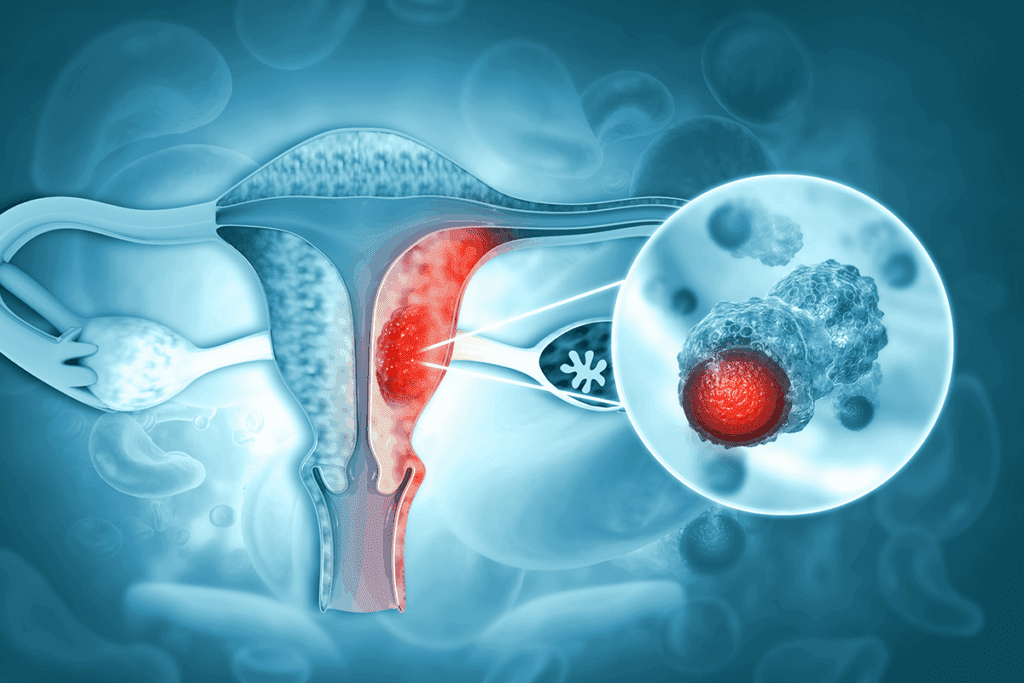
Menopause is a journey with several stages, including perimenopause, menopause, and postmenopause. It can last for years, bringing physical and emotional changes.
Defining Perimenopause, Menopause, and Postmenopause
Perimenopause starts in a woman’s mid-40s and can last up to ten years. It’s when hormonal changes start, causing symptoms. Menopause is when a woman hasn’t had a period for 12 months, ending her reproductive years. Postmenopause comes after, with low hormone levels and a new health normal.
Perimenopause is when women may see irregular periods and hot flashes. It’s a time of hormonal changes, affecting both body and mind.
The Hormonal Shifts Behind Symptoms
The main cause of menopause symptoms is the shift in hormonal balances, mainly the drop in estrogen. This affects many body functions, causing hot flashes, mood swings, and vaginal dryness. Knowing about these hormonal changes helps manage symptoms better.
In perimenopause and menopause, estrogen and progesterone levels drop. This affects not just the reproductive system but also bone density, heart health, and mental well-being.
How Common Are Menopause Symptoms?

Menopause is a natural part of life, but its symptoms can be common and varied. About 80% of women go through menopausal symptoms. This makes it a big health issue for many.
Every woman’s experience with menopause is different. Some may have mild symptoms, while others face severe ones. Knowing how common and severe these symptoms are is key to managing them well.
Statistical Overview of Symptom Prevalence
Many studies show that most women face symptoms during menopause. Some common symptoms include:
- Hot flushes
- Sleep disturbances
- Vaginal dryness
- Mood changes
- Sore breasts
These symptoms are widespread and can vary in how bad they are. For example, hot flushes affect up to 75% of women. Sleep problems also impact many.
Factors Affecting Symptom Severity
Several things can make menopause symptoms worse or better. These include:
- Age: Symptoms can start years before menopause, during perimenopause.
- Health and Lifestyle: Your overall health, lifestyle, and social status can affect how bad symptoms are.
- Genetic Predisposition: Your family history can influence the severity and type of symptoms you get.
Knowing these factors helps women and doctors create better plans to manage symptoms. This can greatly improve life during this time.
Vasomotor Symptoms: The Classic Signs
About 75% of women going through menopause experience hot flashes and night sweats. These symptoms are key signs of menopause and can really affect a woman’s life.
Hot Flashes and Their Variations
Hot flashes are sudden feelings of heat. They often come with sweating, flushing, and a fast heartbeat. They can happen at any time, but are more common at night. The severity and how often they happen can vary a lot among women.
Common characteristics of hot flashes include:
- Sudden onset of intense heat
- Sweating, often profuse
- Flushing of the skin
- Rapid heartbeat
- Anxiety or a feeling of panic
Night Sweats and Temperature Regulation Issues
Night sweats are hot flashes that happen while you’re sleeping. They can really disrupt your sleep, causing you to wake up and have trouble falling back asleep. Night sweats show that your body has trouble controlling its temperature during menopause.
Factors that can make night sweats worse include:
- A warm sleep environment
- Stress and anxiety
- Certain foods or drinks before bedtime
- Tight or synthetic clothing
Heart Palpitations and Circulatory Changes
Heart palpitations, or irregular heartbeats, can also be linked to vasomotor symptoms. These usually aren’t serious but can be scary. They happen because of the hormonal changes that affect the heart during menopause.
Some tips for managing heart palpitations include:
- Staying hydrated
- Avoiding stimulants like caffeine
- Practicing relaxation techniques, such as deep breathing or meditation
- Engaging in regular physical activity
Understanding and managing vasomotor symptoms can really improve life for women going through menopause. By knowing the signs and finding ways to lessen their impact, women can make this transition easier.
Sleep and Fatigue-Related Symptoms
Women going through menopause often face sleep issues and constant tiredness. This life stage can change how well they sleep and their energy levels.
Insomnia and Sleep Disturbances
Insomnia and sleep problems are common during menopause. They affect up to 47% of women going through the change and up to 60% after it’s over. Sleep problems come from hormonal changes, like a drop in estrogen. This can cause hot flashes and night sweats, making it hard to sleep.
It’s key to manage sleep issues for overall health. Keeping a regular sleep schedule, having a calming bedtime routine, and avoiding caffeine and screens before bed can help.
Fatigue and Energy Depletion
Fatigue hits three out of four women during menopause. It can really affect their daily lives and health. Fatigue often comes from sleep issues, but hormonal changes and other symptoms also play a part.
To tackle fatigue, we need to improve sleep, stay active, and manage stress. Trying relaxation methods like meditation or yoga can also help fight fatigue.
Sleep-Related Breathing Disorders
Sleep-related breathing disorders, like sleep apnea, can happen during menopause. These conditions cause pauses in breathing or shallow breaths during sleep. They worsen sleep quality and lead to tiredness.
Women with symptoms of these disorders should see a healthcare provider. Getting a diagnosis and treatment can greatly improve sleep and health.
Psychological and Cognitive Symptoms
Women going through menopause often face psychological and cognitive symptoms. These can change their daily lives as much as physical changes. They impact wellbeing and quality of life.
Mood Disorders and Emotional Changes
Mood swings are common in menopause. Women may feel irritable, anxious, or sad. Hormonal fluctuations play a big role, as estrogen levels drop. This affects brain neurotransmitters, leading to mood disorders.
Anxiety and Panic Attacks
Anxiety is widespread, with some women having panic attacks. The stress of midlife and hormonal changes make anxiety worse. It’s key for women to recognize these signs and get help to manage anxiety.
Memory Issues and Cognitive Changes
Many women experience memory issues and cognitive changes in menopause, known as “brain fog.” Symptoms include forgetfulness and trouble concentrating. Hormonal changes and sleep issues are thought to cause these problems.
Depression and Mental Health Concerns
Depression is a big concern in menopause, with some women experiencing it for the first time. Depression can be caused by hormonal changes, life stress, and menopause symptoms. It’s important for women to know the signs of depression and seek help if they feel sad or hopeless for a long time.
Understanding these symptoms helps women and their healthcare providers find ways to manage them. This improves life quality during menopause.
Complete List of Menopause Symptoms Affecting Physical Appearance
Menopause affects more than just health; it also changes how we look. Skin, hair, and weight can all be impacted. As estrogen levels drop, women may see noticeable changes.
Skin Changes
Estrogen loss in menopause can cause skin issues. These include:
- Dryness and reduced moisture retention
- Thinning of the skin, making it more fragile
- Loss of elasticity, leading to sagging
- Increased visibility of fine lines and wrinkles
- Changes in skin pigmentation
Using moisturizers with hyaluronic acid and antioxidants can help. Hormone replacement therapy (HRT) might also be an option, depending on your doctor’s advice.
Hair and Nail Transformations
Hormonal shifts in menopause can affect hair and nails. Common issues include:
- Thinning or loss of hair, mainly on the scalp
- Changes in hair texture, becoming drier or more brittle
- Nail brittleness or fragility
- Slower growth rate of hair and nails
Eating a balanced diet with vitamins and minerals can help. Foods rich in biotin and vitamin E are good for hair and nails.
Weight Distribution and Body Composition Changes
Menopause often brings changes in weight and body shape. Women may notice:
- Weight gain, mainly around the belly
- Shift in body composition, with more fat and less muscle
- Changes in body shape, like a bigger waistline
Regular exercise and a healthy diet can help manage these changes. Watching calorie intake is also important due to metabolism changes.
Understanding and addressing these physical changes can greatly improve a woman’s quality of life during menopause. Being proactive can help navigate this transition.
Urogenital and Sexual Health Symptoms
Women often face urogenital and sexual health issues as they enter menopause. These problems stem from the drop in estrogen levels. This hormone decline impacts the urogenital tract’s health and function.
Vaginal Dryness and Atrophy
Vaginal dryness is a common menopause symptom. It’s caused by the thinning and inflammation of vaginal walls due to less estrogen. This condition, known as vaginal atrophy, can cause discomfort and pain during sex. It also raises the risk of infections. Estrogen therapy is often suggested to help.
A study in the Journal of Menopause found that vaginal estrogen therapy helps. It reduces vaginal atrophy symptoms and improves postmenopausal women’s quality of life.
“Vaginal estrogen therapy has been shown to significantly improve vaginal dryness and pain during sex, making sex more enjoyable and improving overall well-being.”
Urinary Symptoms and Incontinence
Menopause can also cause urinary symptoms like incontinence and more frequent urination. The weakening of pelvic floor muscles and lower estrogen levels are to blame. Pelvic floor exercises, or Kegel exercises, can strengthen these muscles and lessen symptoms.
Symptom | Prevalence | Management Options |
Vaginal Dryness | 70-80% | Estrogen therapy, lubricants |
Urinary Incontinence | 40-50% | Pelvic floor exercises, lifestyle changes |
Changes in Sexual Function and Libido
Menopause also brings changes in sexual function and libido. Lower estrogen levels can reduce libido, and vaginal dryness can make sex uncomfortable. Treating these symptoms often involves hormone therapy and counseling.
Reproductive Tract Changes
Menopause’s estrogen decline causes changes in the reproductive tract. The vaginal walls thin, and vaginal tissue loses elasticity. Understanding these changes is key to managing menopause symptoms effectively.
We suggest women with these symptoms talk to their healthcare provider. They can find the best treatment. By addressing these symptoms, women can greatly improve their menopause experience.
Musculoskeletal and Joint Symptoms
Musculoskeletal symptoms are common in menopause. They affect joints, muscles, and bone density. Understanding these symptoms helps manage musculoskeletal health during this time.
Joint Pain and Stiffness
Joint pain and stiffness are common in menopause. Lower estrogen levels harm joint health. Women often feel pain and stiffness, more in the mornings or after resting.
Doing gentle exercises like yoga or swimming helps. These activities keep joints moving without too much strain.
Muscle Tension and Weakness
Muscle tension and weakness are also symptoms of menopause. Hormonal changes can make muscles weaker and feel tense.
Regular exercise, like resistance training, can strengthen muscles. Pilates also improves flexibility and muscle tone.
Osteoporosis and Bone Density Changes
Menopause leads to bone density changes, raising osteoporosis risk. Lower estrogen speeds up bone loss, making bones fragile and prone to fractures.
Eating foods high in calcium and vitamin D is key. Also, doing weight-bearing exercises helps. Regular bone density tests are important to check bone health.
Gastrointestinal and Metabolic Symptoms
Women going through menopause often face many gastrointestinal symptoms. These symptoms can make daily life tough and affect their health.
Bloating and Digestive Discomfort
Bloating is common in menopause, along with digestive issues. Hormonal changes can mess with digestion, causing bloating and discomfort. Many find relief by changing their diet, like eating more fiber and avoiding certain foods.
- Eating smaller, more frequent meals can help manage bloating.
- Avoiding carbonated drinks and foods that cause gas can reduce discomfort.
- Incorporating foods rich in probiotics can support gut health.
Nausea and Appetite Changes
Nausea and changes in appetite are common in menopause. Hormonal shifts can upset the stomach, causing nausea. Some women might eat less or more, due to metabolic changes.
To fight nausea, try eating small meals often and skip strong-smelling foods. Drinking plenty of water is also key.
Changes in Taste and Smell
Some women notice their taste and smell senses change during menopause. These changes, caused by hormonal shifts, can alter eating habits and nutrition.
Metabolic Changes and Blood Sugar Fluctuations
Menopause brings metabolic changes, including blood sugar level swings. These changes raise the risk of metabolic syndrome and type 2 diabetes.
Eating a healthy diet, full of whole foods and low in sugar, helps manage these changes. Regular exercise is also good.
- Monitoring blood sugar levels can help identify any fluctuations early.
- A balanced diet that includes complex carbohydrates, lean proteins, and healthy fats supports metabolic health.
Neurological and Sensory Symptoms
Menopause brings changes that affect the nervous system. Hormonal shifts can lead to various symptoms. It’s important to understand and address these changes.
Headaches and Migraines
Headaches and migraines are common in menopause. Hormonal drops can cause pain. Managing stress and keeping a regular sleep schedule can help.
Dizziness and Balance Issues
Hormonal changes can cause dizziness and balance problems. Staying hydrated and avoiding sudden stands can help prevent falls.
Tingling Sensations and Neuropathy
Tingling, numbness, or neuropathy can be upsetting. These might be due to hormones or other health issues. Seeing a healthcare provider is key for diagnosis and treatment.
Understanding and tackling these symptoms can greatly improve life for menopausal women. Recognizing the complexity of symptoms helps support women’s health.
Conclusion: Navigating Your Menopause Journey
Menopause is a complex experience that affects women in many ways. Understanding its symptoms helps women navigate this life change. This keeps them healthy and well.
Handling menopause means looking at physical, emotional, and mental changes. We’ve talked about symptoms like hot flashes and mood swings. We’ve also covered changes in sleep, appearance, and health.
Women can manage their health by recognizing menopause’s unique effects. They can seek medical help, make lifestyle changes, and use resources. This helps them make informed health choices.
Women should focus on their health during menopause. This way, they can come out of this phase feeling strong and ready for the next part of their lives.
FAQ
What are the most common menopause symptoms?
Common symptoms include hot flashes, night sweats, and vaginal dryness. Mood changes and sleep issues are also common. These symptoms can affect daily life.
What is perimenopause, and how does it differ from menopause?
Perimenopause is the phase before menopause, with hormonal changes. Menopause is when women stop having periods for 12 months. Perimenopause can last years, with symptoms like irregular periods.
How do hormonal shifts during menopause affect women?
Hormonal changes can cause symptoms like hot flashes and mood swings. They can also affect physical appearance and health. This includes urogenital and musculoskeletal health.
What are the 100 menopause symptoms that women may experience?
Symptoms include hot flashes, sleep issues, and mood changes. Physical changes, urogenital health issues, and musculoskeletal symptoms are also common. Gastrointestinal and neurological symptoms can occur too. These symptoms vary in severity.
How can women manage menopause symptoms effectively?
Women can manage symptoms by understanding them and living a healthy lifestyle. A balanced diet and exercise can help. Getting support from healthcare providers is also key.
What is the prevalence of menopause symptoms among women?
About 80% of women experience menopause symptoms. The severity and type of symptoms vary. Factors like age, health, and lifestyle play a role.
Can menopause symptoms affect mental health?
Yes, symptoms can lead to mood disorders, anxiety, and cognitive changes. Understanding these symptoms can help women manage their mental health.
How can women manage sleep disturbances during menopause?
Women can manage sleep issues by sticking to a sleep schedule and creating a relaxing sleep environment. Avoiding stimulating activities before bed helps. Hormone replacement therapy (HRT) and other treatments can also be effective.
What are the urogenital and sexual health symptoms associated with menopause?
Symptoms include vaginal dryness, urinary incontinence, and changes in libido. Understanding these symptoms can help women manage their health.
Can menopause symptoms be a sign of an underlying health issue?
Yes, symptoms can indicate health issues like osteoporosis or thyroid disorders. Women should see their healthcare provider if symptoms are severe or persistent.
How can women maintain their overall health and wellbeing during menopause?
Women can stay healthy by living a balanced lifestyle and getting support from healthcare providers. Regular check-ups and screenings help identify health issues.
Are there any effective treatments for menopause symptoms?
Yes, treatments include hormone replacement therapy (HRT), lifestyle changes, and alternative therapies. Women should talk to their healthcare provider to find the best treatment.
References
https://www.joinmidi.com/post/menopause-symptoms



 Departments
 Related Videos
 Our Doctors
 News
News