
Urinary incontinence is a big health problem worldwide, affecting millions. Did you know that over 17 million adults in the United States alone expe rience urinary incontinence? It’s not just about accidents; it’s a complex issue with many causes and treatments. Mens incontinence is treatable. Discover amazing medical procedures and how to find a powerful cure for male bladder control issues.
Talking about men’s incontinence can be tough, but it’s important. We need to talk about it with care and understanding. There are different types of incontinence, like stress, urge, and mixed. Each one needs its own way of being managed and treated.
We want to help you understand male incontinence solutions. We aim to give you the info you need to find the right medical help. And to explore the urinary incontinence solutions that are out there.
Key Takeaways
- Urinary incontinence affects millions worldwide, impacting their quality of life.
- There are different types of urinary incontinence, each requiring a distinct management approach.
- Seeking medical help is key for the right diagnosis and treatment.
- Many male incontinence solutions exist, from lifestyle changes to medical treatments.
- Knowing the causes and symptoms is the first step to managing it well.
- There’s support and guidance for those dealing with urinary incontinence.
What is Men’s Incontinence?
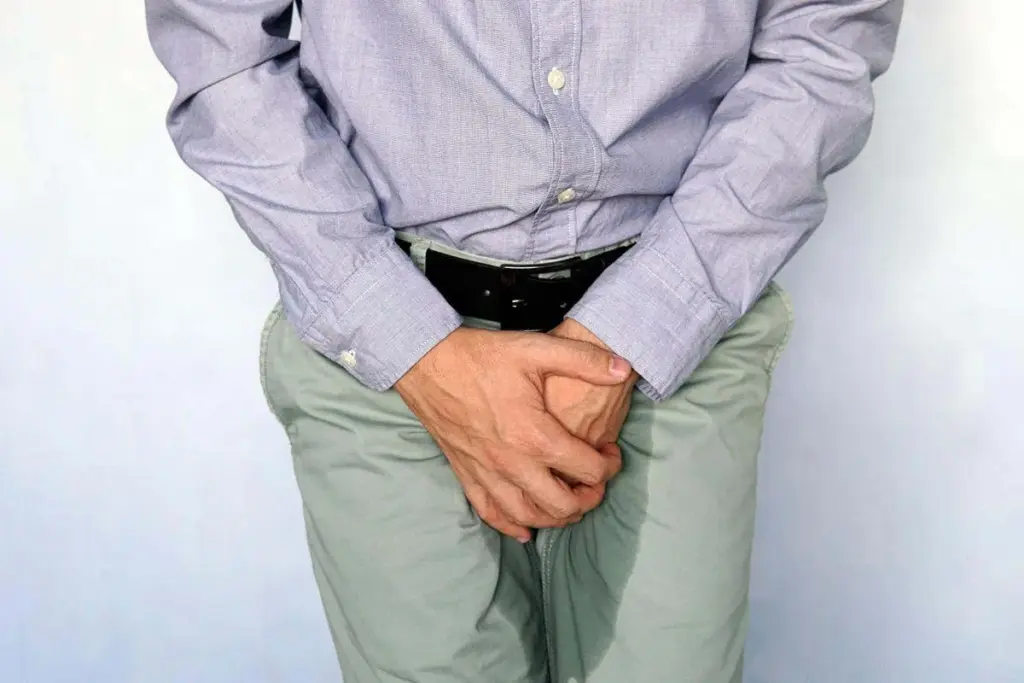
Men’s incontinence is when a man can’t control his urine. It’s a big problem that affects his life a lot. It can make him feel sad and change how he does things every day.
Definition and Overview
Men’s incontinence means losing control of the bladder and leaking urine. It can be mild or very bad. It happens because of many reasons, like getting older, health issues, or how a man lives.
But, men’s incontinence is not just for old men. It’s important to know that. It also affects how a man feels and how he interacts with others. Men with incontinence might feel isolated or embarrassed.
Types of Incontinence in Men
Men can have different kinds of incontinence. Each one has its own reasons and how it feels. Knowing what kind a man has helps doctors find the right treatment.
- Stress Incontinence: This happens when moving or pressure on the bladder makes urine leak. Things like coughing, sneezing, or lifting can trigger it.
- Urge Incontinence: It’s when a man suddenly needs to pee and can’t hold it. This is often because of an overactive bladder.
- Mixed Incontinence: This is when a man has both stress and urge incontinence. He leaks urine for both reasons.
Knowing the exact type of incontinence is key to finding the best treatment. We’ll talk about treatment options later. This will give a full view of what’s available.
Common Causes of Incontinence in Men

Incontinence in men comes from many sources, like age, health issues, and lifestyle. Knowing these causes helps in preventing and treating it.
Age-related Factors
As men get older, their bodies change in ways that can lead to incontinence. Weakened pelvic muscles and decreased bladder elasticity are common. Also, the chance of getting conditions like benign prostatic hyperplasia (BPH) goes up, adding to incontinence problems.
Medical Conditions
Some health issues can really affect bladder control. For example, diabetes can harm the nerves that control the bladder, causing incontinence. Prostate issues, like an enlarged prostate or prostate cancer, are also common causes. Neurological disorders like Parkinson’s disease and multiple sclerosis can also mess with bladder control.
Lifestyle Choices
Our lifestyle choices also play a big part in incontinence in men. Smoking and too much caffeine can make the bladder irritated, leading to urgency and frequency. Being overweight or obese can also put extra pressure on the bladder and pelvic muscles, making incontinence worse.
|
Cause |
Description |
Impact on Incontinence |
|---|---|---|
|
Age-related Factors |
Weakened pelvic muscles, decreased bladder elasticity |
Increased risk of incontinence |
|
Medical Conditions |
Diabetes, prostate issues, neurological disorders |
Damage to bladder control mechanisms |
|
Lifestyle Choices |
Smoking, excessive caffeine, being overweight |
Irritation and pressure on the bladder |
Symptoms Associated with Men’s Incontinence
Knowing the symptoms of men’s incontinence is key to managing it well. This condition can affect both physical and emotional health.
Frequency and Urgency
Men often need to urinate more often, with little warning. This can lead to urgency, making it hard to hold urine. This can really mess up daily life.
“I had to rush to the bathroom many times a day,” said a patient. “It was hard on my work and social life.” Many men face similar issues.
Leakage Types
There are different types of leakage in men with incontinence. Stress incontinence happens when physical movement causes urine to leak. Urge incontinence is when urine leaks suddenly, often with a strong urge to go.
- Stress incontinence happens during activities that increase pressure, like coughing or lifting.
- Urge incontinence is when you suddenly feel a strong need to urinate.
- Mixed incontinence has symptoms of both stress and urge incontinence.
Emotional Effects
The emotional side of men’s incontinence is just as important. It can cause feelings of shame, anxiety, and depression. The emotional toll can be just as significant as the physical symptoms.
“Dealing with incontinence is tough, not just physically but emotionally,” said a man. “It makes you feel isolated and lowers your self-esteem.” His words show why treating both physical and emotional sides is vital.
Understanding these symptoms helps men manage their condition better. It’s important to look at incontinence as a whole, including medical treatment and emotional support.
Diagnosis Procedures for Incontinence
To find out what’s causing incontinence, doctors use medical history, physical examination, and specialized diagnostic tests. This method helps figure out why someone has incontinence. It also helps find the best way to treat it.
Consultation and Medical History
The first step is talking to the patient and looking at their medical history. We ask about how often they leak urine, any past surgeries, and health issues. This info helps us find the cause and decide what to do next.
Physical Examination
Then, a physical examination is done. It checks the patient’s overall health and looks for physical problems that might cause incontinence. This includes checking the nerves to see if they’re working right.
Diagnostic Tests
Next, diagnostic tests are used to learn more. These include:
- Urodynamic tests to see how well the bladder and urethra work.
- Imaging tests like ultrasound or MRI to look at the urinary tract.
- Post-void residual (PVR) measurement to check for urine left in the bladder.
These tests give us important details about the urinary system. They help us figure out the type of incontinence someone has.
By using what we learn from the medical history, physical exam, and tests, we can create a treatment plan. It’s made just for the person’s needs.
Treatment Options for Men’s Incontinence
Treatment for men’s incontinence varies based on the cause, severity, and health. Options include lifestyle changes, medications, and surgery. Finding the right treatment can be tough, but many effective solutions exist.
Conservative Treatments
Conservative treatments are often the first step. They include:
- Pelvic floor exercises, like Kegel exercises, to strengthen bladder control muscles.
- Lifestyle changes, such as diet, weight, and fluid intake adjustments.
- Behavioral therapies, like bladder training, to manage symptoms.
These methods can greatly help manage incontinence symptoms. Asa urologist, notes, “Simple lifestyle changes can significantly reduce incontinence.”
Medications
Some men may need medications to manage incontinence. These include:
- Anticholinergics to reduce bladder muscle contractions.
- Mirabegron, which relaxes the bladder muscle.
Medications can be effective, but it’s key to discuss side effects and benefits with a healthcare provider. As emphasized by the National Institute on Aging, “Understanding medication risks and benefits is vital for informed decisions.”
Surgical Interventions
When conservative treatments and medications fail, surgery may be considered. Surgical options include:
- Slings or suspension procedures to support the urethra.
- Artificial urinary sphincter implantation to control urine flow.
- Other procedures like bulking agents or male sling surgery.
Like any surgery, there are risks and benefits. It’s important to discuss these options with a healthcare provider to find the best approach.
“Surgical treatments for incontinence have evolved significantly, providing men with more effective and less invasive options than ever before.”
—Urologist
Every man’s experience with incontinence is different. Treatment plans should be personalized. By working with healthcare providers, men can find effective solutions to manage incontinence and improve their well-being.
Lifestyle Changes to Manage Incontinence
Making lifestyle changes is key for men to manage incontinence better. Simple adjustments can greatly reduce incontinence’s daily impact.
Dietary Adjustments
Changing what you eat can help a lot with incontinence. Fluid management is important; drinking less before bed can cut down on nighttime leaks. Also, stay away from things like caffeine, alcohol, and spicy foods to ease symptoms.
- Watch how much you drink to avoid too much urination.
- Steer clear of diuretics like caffeine and alcohol.
- Avoid foods that can bother your bladder.
Eating a balanced diet with lots of fiber can also help. It prevents constipation, which makes incontinence worse. A healthy diet and enough water can manage incontinence well.
Exercise and Weight Management
Regular exercise and a healthy weight are key for managing incontinence. Pelvic floor exercises, or Kegels, strengthen muscles that help control the bladder. This can lessen leaks.
- Stay active to boost your health.
- Do pelvic floor exercises to strengthen bladder control muscles.
- Keep a healthy weight to ease pressure on the bladder.
Exercise not only helps with weight but also improves bladder control. It’s wise to talk to a healthcare provider about a workout plan that fits you.
By making these lifestyle changes, men can actively manage incontinence. This improves their overall health and confidence.
Absorbent Products for Men
Absorbent products are key for managing male incontinence. They offer comfort and protection. These products meet different needs, helping men stay active without leakage worries.
Variety of Absorbent Products
There are many types of absorbent products for men. Each has its own special features. These include:
- Disposable pads and liners for light to moderate incontinence
- Adult diapers for more severe cases
- Protective underwear that looks like regular underwear but absorbs
- Specialized products like washable cloth pads for those who prefer reusable options
A study in the Journal of Urology found that absorbent products greatly improve life for those with incontinence.
“The right product can make a big difference in managing the condition effectively.”
Advantages and Disadvantages
Choosing an absorbent product means weighing its benefits and drawbacks. Disposable products are convenient but can harm the environment. Reusable products are good for the planet but need washing.
|
Product Type |
Advantages |
Disadvantages |
|---|---|---|
|
Disposable Pads/Liners |
High absorbency, convenient, discreet |
May be costly over time, environmental impact |
|
Adult Diapers |
High capacity for leakage, secure fit |
Can be bulky, may cause skin irritation |
|
Protective Underwear |
Comfortable, resembles regular underwear |
May not be as absorbent as diapers, visible under clothing |
|
Washable Cloth Pads |
Eco-friendly, cost-effective, customizable absorbency |
Requires regular washing, may be bulky |
A leading urologist says, “Choosing the right absorbent product is key for managing male incontinence. It’s about finding one that fits your lifestyle and needs.” Knowing the pros and cons helps men choose wisely, boosting their comfort and confidence.
Support and Resources for Affected Men
Support systems are key for men dealing with incontinence. It can feel isolating, but the right help can change lives. Men can take back control with the right support and resources.
Support Groups and Counseling
Support groups offer a safe place for men to share and connect. Counseling provides one-on-one help, focusing on the emotional side of incontinence.
These services are vital for men’s quality of life. Joining a support group or getting counseling helps men understand and manage their condition better.
Educational Resources
Educational resources are essential for men to grasp their condition and treatment options. They include online articles, brochures, and workshops with valuable information.
Men with incontinence should use these resources to learn about their condition. This knowledge empowers them to make better care choices and improve their well-being.
|
Resource Type |
Description |
Benefits |
|---|---|---|
|
Support Groups |
Group meetings for men to share experiences |
Emotional support, community building |
|
Counseling Services |
One-on-one counseling for emotional support |
Personalized guidance, stress relief |
|
Educational Resources |
Online articles, brochures, workshops |
Informed decision-making, improved self-management |
Overcoming Stigma Surrounding Incontinence
The stigma around men’s incontinence is a big obstacle to getting help. Yet, it’s something we can beat. Incontinence hits millions of men worldwide, affecting their health and minds. By talking openly and sharing victories, we can make a space where men feel safe to ask for help.
Importance of Open Discussion
Talking openly about incontinence is key to breaking down its stigma. When men share their stories, it builds a sense of community and understanding. This support can really help men to get medical help.
We think talking openly about incontinence can make it seem more normal. It lets men talk about their symptoms with doctors sooner. This can lead to quicker diagnosis and better treatment plans.
Success Stories
There are many tales of men who’ve managed their incontinence well. These stories inspire and show that with the right help, men can live full lives despite incontinence.
|
Strategy |
Description |
Benefits |
|---|---|---|
|
Open Discussion |
Encouraging men to talk about their experiences with incontinence. |
Reduces stigma, fosters community support. |
|
Sharing Success Stories |
Highlighting men who have successfully managed their incontinence. |
Inspires others, demonstrates effective management strategies. |
|
Seeking Medical Help |
Encouraging men to consult healthcare providers about their symptoms. |
Leads to earlier diagnosis, more effective treatment plans. |
By talking openly, sharing success stories, and urging men to see doctors, we can beat the stigma of incontinence. It’s a journey that needs empathy, understanding, and support. But it can greatly improve the lives of men dealing with this issue.
Future Innovations in Men’s Incontinence Solutions
Men’s incontinence solutions are on the verge of big changes. New research is leading to better and more tailored treatments.
Advancements in Research
Studies now aim to understand incontinence’s root causes. This is opening doors to new therapies. We’re seeing progress in regenerative medicine and neuromodulation.
Emerging Technologies
New gadgets and apps are being made to manage incontinence. These tools help men track their issues, get reminders, and find support. This boosts their quality of life.
With these advancements, men with incontinence can look forward to better care. As research grows, we’ll see more effective, easy-to-use solutions.
FAQ
What is men’s incontinence, and how common is it?
Men’s incontinence is when urine leaks out without control. It affects millions of men worldwide. It’s often due to age, medical issues, or lifestyle choices.
What are the different types of incontinence in men?
There are three main types: stress, urge, and mixed incontinence. Each has its own causes and symptoms. Knowing the type is key to finding the right treatment.
What are the common causes of incontinence in men?
Age, medical conditions like prostate issues, and lifestyle choices are common causes. Understanding these can help prevent and treat incontinence.
How is incontinence diagnosed in men?
Doctors start with a consultation and medical history. Then, they do a physical exam and might use tests like urodynamic studies. This helps find the cause of incontinence.
What are the treatment options for men’s incontinence?
Treatments range from simple changes to medications and surgery. The right treatment depends on the type and how severe the incontinence is.
How can lifestyle changes help manage incontinence?
Making dietary changes and exercising, like pelvic floor exercises, can help. These changes can improve health and reduce symptoms.
What absorbent products are available for men with incontinence?
There are pads, diapers, and protective garments available. Choosing the right one depends on individual needs. Knowing the options can help make better choices.
Why is support important for men with incontinence?
Support from groups, counseling, and resources is vital. It helps men understand and manage their condition. It also helps with emotional and social impacts.
How can men overcome the stigma surrounding incontinence?
Talking openly and sharing success stories can help. Creating a supportive environment encourages men to seek help. This improves their quality of life.
What future innovations are being developed for men’s incontinence solutions?
New research and technologies are being explored. These aim to improve life for men with incontinence. They include innovative treatments and products.
Are there any male incontinence solutions that can completely fix the condition?
No single solution works for all men. But, many treatments and strategies can greatly improve symptoms. The best approach often combines lifestyle changes and medical interventions.
What are some effective male incontinence solutions?
Solutions include pelvic floor exercises, lifestyle changes, and absorbent products. In some cases, medications or surgery may be needed. The best solution varies by individual.
How can I manage urinary incontinence as a man?
Managing incontinence involves lifestyle changes, absorbent products, and medical treatments. Talking to a healthcare provider is key to finding the right plan.
References
https://www.paulchungmd.com/blog/5-common-treatment-options-for-male-stress-incontinence