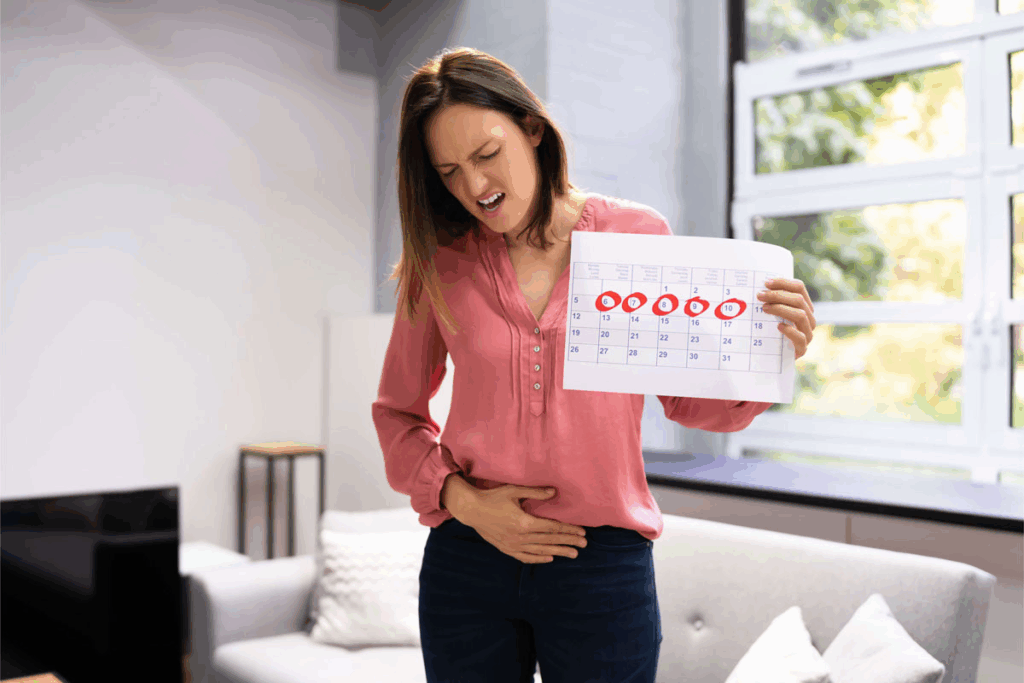
Getting your period every two weeks can be confusing and unsettling. It’s normal to have occasional menstrual irregularities. But knowing what causes more frequent periods is key for your health. Discover the common medical conditions and hormonal imbalances that result in a menstrual period twice a month. Seek medical advice now.
A normal menstrual cycle lasts between 21 to 35 days. Some women naturally have shorter cycles, leading to two periods in one month. At Liv Hospital, we believe in giving you the right info and support to understand your body’s signals.
Key Takeaways
- Frequent periods can be caused by hormonal imbalances, lifestyle changes, and underlying medical conditions.
- A normal menstrual cycle can range from 21 to 35 days.
- Experiencing two periods in one month can be a result of a shorter cycle.
- Temporary stress, perimenopause, or birth control medication can cause irregular periods.
- Understanding your menstrual cycle is key to figuring out why you get your period so often.
Understanding the Normal Menstrual Cycle
The menstrual cycle is a monthly process that prepares the body for pregnancy. It involves hormones, physical changes, and reproductive processes.
Typical Cycle Length and Variation
A normal menstrual cycle lasts between 21 to 35 days, with an average of 28 days. But, it can vary from 24 to 38 days and is considered normal. Stress, weight changes, and health can affect cycle length.
Some key points to consider regarding cycle length include:
- Cycles can vary from woman to woman and even for the same woman over time.
- A consistent cycle length is not as important as understanding what is normal for your body.
- Significant changes in cycle length can indicate underlying health issues.
What Happens During a Normal Menstrual Cycle
During a normal menstrual cycle, the body goes through several phases:
- Menstruation: The shedding of the uterine lining, resulting in bleeding.
- Follicular Phase: The growth of follicles in the ovaries, which produce estrogen.
- Ovulation: The release of an egg from the dominant follicle.
- Luteal Phase: The preparation of the uterine lining for a possible pregnancy.
These phases are controlled by hormonal changes. They ensure the body is ready for pregnancy each month.
How Hormones Regulate Your Cycle
Hormones are key in regulating the menstrual cycle. Estrogen and progesterone are the main hormones. Estrogen levels rise during the follicular phase, making the uterine lining thicker. Progesterone levels increase after ovulation, preparing the uterine lining for implantation.
Medical professionals say, “Hormonal balance is essential for a regular menstrual cycle. Any imbalance can lead to irregularities, such as changes in cycle length or intensity.”
“Hormones are the key regulators of the menstrual cycle, and understanding their fluctuations can help women better manage their reproductive health.”
By understanding how hormones regulate the menstrual cycle, women can better appreciate the complexities of their reproductive health. They can also identify any issues early on.
What Is Considered a Frequent Menstrual Period?
Knowing what a frequent menstrual period is important for women’s health. Menstrual cycles vary a lot from one woman to another. What’s normal for one might be a worry for another.
Having two periods in one month can be okay if your cycle is short. But, it’s key to know why and how it affects your health.
Defining Polymenorrhea
Polymenorrhea means having periods that are too close together, less than 21 days apart. It can show hormonal imbalances or health problems. We’ll dive into the reasons and effects of polymenorrhea.
Too much menstrual bleeding can cause anemia and discomfort. It can really affect a woman’s life. Knowing what polymenorrhea is and why it happens is the first step to managing it.
The Difference Between Frequent Periods and Irregular Periods
Frequent and irregular periods are different concerns. Frequent periods mean cycles that are too short, less than 21 days apart. Irregular periods mean cycles that change a lot, making it hard to guess when the next one will come.
Irregular periods can happen for many reasons, like hormonal imbalances, stress, or medical issues. Knowing the difference is key for the right diagnosis and treatment.
How Common Are Frequent Periods?
About 40 to 60 percent of women have some menstrual irregularity in their lives. Frequent periods, or polymenorrhea, can be due to hormonal changes, medical conditions, or lifestyle factors.
Condition | Characteristics | Common Causes |
Polymenorrhea | Frequent menstrual periods, less than 21 days apart | Hormonal imbalance, medical conditions |
Irregular Periods | Variable cycle length, unpredictable | Hormonal changes, stress, medical conditions |
Normal Menstrual Cycle | Regular cycles, typically 24-38 days apart | N/A |
By understanding frequent menstrual periods, women can better manage their reproductive health. They can seek medical help when needed.
Hormonal Imbalances and Menstrual Period Twice a Month
It’s important to know how hormonal imbalances can cause frequent periods. Changes in estrogen and progesterone levels can affect the menstrual cycle. This can lead to periods happening twice a month.
The Role of Estrogen and Progesterone
Estrogen and progesterone are key hormones for the menstrual cycle. Estrogen helps the uterine lining grow. Progesterone keeps it in place. An imbalance can make periods come more often.
Too much estrogen can make the uterine lining too thick. This can cause heavier or more frequent bleeding. Low estrogen levels can lead to irregular periods. But, when combined with other hormonal changes, it can also cause frequent bleeding.
How Hormonal Fluctuations Affect Cycle Length
Hormonal changes can make the menstrual cycle shorter or more irregular. When estrogen and progesterone are out of balance, cycle length can vary. For example, some women might have periods every two weeks.
- Polymenorrhea, or frequent menstrual periods, can be caused by hormonal imbalances.
- Stress, lifestyle changes, and certain medical conditions can also cause hormonal changes.
- Understanding these factors is key to managing menstrual health.
Common Symptoms of Hormonal Imbalance
Hormonal imbalances can show up in different ways. These include:
- Irregular or frequent menstrual bleeding
- Mood swings and emotional changes
- Weight gain or loss
- Sleep disturbances
Spotting these symptoms is the first step to fixing hormonal issues. Knowing how estrogen and progesterone affect the menstrual cycle helps women manage their health better.
Perimenopause: A Common Cause of Frequent Periods
The journey to menopause is not immediate; it involves a transition period called perimenopause. During this time, menstrual cycles can become unpredictable. Perimenopause is a natural part of aging but can be challenging due to hormonal changes and irregular periods.
Understanding the Perimenopausal Transition
Perimenopause is the transitional phase leading up to menopause. Hormone levels fluctuate significantly during this time. It can last from a few months to several years, usually starting in a woman’s late 30s to mid-40s.
During perimenopause, estrogen and progesterone levels become erratic. This imbalance can lead to changes in menstrual cycle length, frequency, and intensity.
Age Range and Typical Symptoms
Perimenopause usually starts in a woman’s 40s, but it can begin as early as the late 30s. Common symptoms include irregular periods, hot flashes, night sweats, mood swings, and sleep disturbances.
These symptoms can vary in intensity and frequency among women. Some may experience mild symptoms, while others may have more severe effects.
How Perimenopause Affects Your Cycle
One of the hallmark signs of perimenopause is a change in menstrual cycle patterns. Women may experience shorter or longer cycles, heavier or lighter bleeding, and even skipped periods or periods that come more frequently, such as every two weeks.
This irregularity is due to the fluctuating hormone levels, which disrupt the normal ovulation process.
Symptom | Description | Prevalence |
Irregular Periods | Changes in cycle length and frequency | Common |
Hot Flashes | Sudden feelings of heat | Very Common |
Mood Swings | Emotional changes | Common |
Distinguishing Perimenopausal Changes from Other Causes
While perimenopause is a common cause of irregular periods, it’s essential to distinguish its effects from other causes. Conditions such as polycystic ovary syndrome (PCOS), thyroid disorders, and uterine fibroids can also cause menstrual irregularities.
“The diagnosis of perimenopause is based on clinical evaluation and the presence of characteristic symptoms. It’s essential to rule out other causes of menstrual irregularity through appropriate diagnostic tests.”
— Medical Expert, OB-GYN Specialist
A healthcare provider can help determine if symptoms are due to perimenopause or another underlying condition. They do this by conducting a thorough medical history, physical examination, and potentially, diagnostic tests.
Thyroid Disorders and Their Impact on Menstruation
The thyroid gland is key in managing menstrual cycles. Problems with this gland can lead to irregular periods. Hormone imbalances caused by thyroid issues can disrupt menstrual patterns.
Effects of Hypothyroidism on Menstrual Cycles
Hypothyroidism means the thyroid gland doesn’t make enough hormones. This can mess with menstrual cycles. Women with this condition might see:
- More frequent periods
- Heavier or longer menstrual bleeding
- Changes in cycle length
Medical Expert, “Hypothyroidism can raise prolactin levels. This can change menstrual cycles.”
Effects of Hyperthyroidism on Menstrual Cycles
Hyperthyroidism is when the thyroid gland makes too many hormones. It can also cause menstrual issues, such as:
- Lighter or less frequent periods
- Shorter menstrual cycles
- Irregular ovulation
A study in the Journal of Clinical Endocrinology and Metabolism shows. “Hyperthyroidism can lower sex hormone-binding globulin. This changes menstrual cycles.”
Recognizing Thyroid-Related Symptoms
Thyroid problems often show symptoms beyond irregular periods. Common signs include:
Symptom | Hypothyroidism | Hyperthyroidism |
Fatigue | Common | Less common |
Weight changes | Weight gain | Weight loss |
Mood changes | Depression | Anxiety |
Getting Tested for Thyroid Issues
If you have irregular periods and other thyroid symptoms, get tested. Tests for thyroid function include:
- TSH (Thyroid-Stimulating Hormone) test
- Free T4 and Free T3 tests
Early diagnosis and treatment can manage thyroid disorders and menstrual issues.
Polycystic Ovary Syndrome (PCOS) and Frequent Periods
Polycystic Ovary Syndrome (PCOS) is a hormonal disorder that affects many women. It often leads to irregular menstrual cycles. This condition causes a hormonal imbalance that disrupts ovulation and leads to various menstrual irregularities.
Understanding PCOS
PCOS is a complex condition that affects hormones, metabolism, and reproduction. Women with PCOS may experience a range of symptoms. These include irregular periods, cysts on the ovaries, and hormonal imbalances that cause acne, excess hair growth, and more.
How PCOS Disrupts Normal Menstrual Cycles
The hormonal imbalance in PCOS can disrupt menstrual cycles. This disruption can lead to irregular periods, including more frequent bleeding. The imbalance of estrogen and progesterone, key hormones, is a main reason for this disruption.
Other Symptoms of PCOS to Watch For
Women with PCOS may also experience weight gain, acne, and excess hair growth. Recognizing these symptoms is key for diagnosing PCOS.
Diagnosis and Management Options
Diagnosing PCOS involves medical history, physical exams, and tests for hormonal imbalance. Management options include lifestyle changes and medical treatments. These help regulate menstrual cycles and address other symptoms. Working closely with a healthcare provider is essential for managing PCOS effectively.
Other Medical Causes of Getting Periods Every 2 Weeks
Frequent menstrual bleeding can signal many health issues, some specific to the reproductive system. Hormonal imbalances and perimenopause are common culprits. But other medical conditions can also cause periods to come every two weeks.
Endometriosis
Endometriosis is when tissue like the uterus lining grows outside the uterus. It causes pain and irregular bleeding. This can lead to inflammation and scarring, making periods come more often.
Women with endometriosis might have heavy or long bleeding. They might also spot between periods.
Uterine Fibroids and Polyps
Uterine fibroids are non-cancerous growths in or around the uterus. Polyps grow on the uterus lining. Both can cause irregular or heavy bleeding, leading to periods every two weeks.
These growths can disrupt normal menstrual flow. This results in more frequent bleeding.
Pelvic Inflammatory Disease
Pelvic inflammatory disease (PID) is an infection of the female reproductive organs. It can cause inflammation and scarring in the uterus, fallopian tubes, or ovaries. This can lead to irregular menstrual bleeding.
PID can cause more frequent periods or prolonged bleeding. This is due to the infection and inflammation it causes.
Stress and Lifestyle Factors
Stress and lifestyle factors can also affect menstrual regularity. High stress can disrupt hormonal balances, leading to more frequent periods. Significant weight changes, intense exercise, or dietary habits can also influence menstrual cycle length and frequency.
Understanding these causes and factors is key to managing frequent menstrual bleeding. Healthcare providers can identify the cause and suggest treatments. This helps regulate menstrual cycles and ease symptoms.
Managing Symptoms When You Have Your Period Twice in One Month
Having two periods in one month can be tough. But, there are ways to handle the symptoms. Women dealing with this should focus on self-care, nutrition, stress relief, and tracking their cycles.
Self-Care Strategies for Frequent Bleeding
Self-care is key when you have periods often. Prioritizing rest and getting enough sleep helps your body heal. Also, keeping good hygiene is important to avoid infections.
Choosing high-quality sanitary products and changing them often helps manage bleeding. Wearing comfortable, breathable clothes also helps feel better and avoid irritation.
Nutritional Support for Hormonal Balance
Eating well is important for hormonal balance and managing frequent periods. Increasing iron intake through spinach, beans, and red meat helps with anemia from heavy bleeding.
Eating foods rich in omega-3 fatty acids like salmon and flaxseeds can reduce inflammation and balance hormones. A diet high in fiber also helps regulate blood sugar and support hormonal health.
Stress Management Techniques
Stress can make hormonal imbalances worse, leading to more periods. Engaging in stress-reducing activities like yoga, meditation, or deep breathing exercises can help manage stress.
Regular physical activity not only lowers stress but also helps regulate menstrual cycles by balancing hormones. Finding the right balance between activity and rest is important for managing symptoms.
Tracking Your Cycles Effectively
Tracking your menstrual cycles can give you insights into your hormonal health. It helps spot patterns or triggers for frequent periods. Using a menstrual calendar or a period tracking app makes tracking easier.
Recording details like bleeding duration, flow intensity, and symptoms helps you and your healthcare provider understand your cycle better. This information is key for making informed health decisions.
When to See a Doctor About Frequent Menstrual Cycles
If you’re getting your period every two weeks, it’s important to know why. Frequent periods might mean there’s an issue that needs a doctor’s check-up.
Warning Signs That Require Medical Attention
Certain symptoms with frequent periods need quick medical help. These include:
- Heavy Bleeding: Soaking through one or more sanitary pads or tampons every hour for several consecutive hours.
- Severe Pain: Menstrual cramps that are debilitating and interfere with daily activities.
- Irregular Periods: Periods that are unpredictable, vary significantly in flow, or are accompanied by other symptoms like dizziness or weakness.
Spotting these warning signs is the first step to getting the right care.
What to Expect at Your Appointment
At your doctor’s visit, you’ll get a thorough check-up. This might include:
- A detailed medical history to identify any underlying conditions.
- A physical examination to check for any abnormalities.
- Discussion of your symptoms, including their duration and severity.
Being ready with your symptoms’ details will help your doctor make a correct diagnosis.
Tests Your Doctor May Recommend
Your doctor might suggest different tests to find out why you have frequent periods. These could be:
Test | Purpose |
Blood Tests | To check hormone levels, thyroid function, and other possible imbalances. |
Ultrasound | To look at the uterus for fibroids, polyps, or other issues. |
Endometrial Biopsy | To check for abnormal cell changes in the uterine lining. |
Questions to Ask Your Healthcare Provider
Being proactive during your visit is key. Think about asking:
- What are the possible causes of my frequent periods?
- What tests do I need to undergo to determine the cause?
- What treatment options are available based on my diagnosis?
- Are there any lifestyle changes that can help manage my symptoms?
By being informed and asking the right questions, you can understand your condition better and take the right steps to manage it.
Conclusion
It’s important to know why you might have two periods in one month to keep your reproductive health good. Many things can make your periods come more often. Finding out what’s causing it is key to handling it right.
We talked about some reasons, like hormonal issues, perimenopause, thyroid problems, and PCOS. To feel better, you need to take care of yourself, eat right, and manage stress well.
Knowing why you have two periods a month and how to deal with it can help you feel better. If you’re getting your period too often, see a doctor. They can help find out why and create a plan just for you.
FAQ
Why am I getting my period every 2 weeks?
Getting your period every 2 weeks can happen for many reasons. Hormonal imbalances, lifestyle changes, and medical conditions like PCOS or thyroid disorders can cause it. Even perimenopause can lead to this issue.
What is considered a normal menstrual cycle length?
A normal cycle is between 21 to 35 days, with 28 days being average. Cycles outside this range are considered irregular or abnormal.
What is polymenorrhea?
Polymenorrhea is when you have periods too often, less than 21 days apart. It often points to hormonal imbalances or other health issues.
How do hormonal imbalances affect menstrual cycles?
Hormonal imbalances, like with estrogen and progesterone, can make cycles irregular. This includes having two periods in a month. Symptoms include changes in menstrual flow and mood swings.
Can stress cause my period to come twice a month?
Yes, stress can mess with hormone levels and lead to irregular cycles. Stress management, like meditation or exercise, can help.
What are the symptoms of perimenopause?
Perimenopause brings symptoms like irregular periods, hot flashes, mood swings, and sleep issues. These symptoms vary in severity and duration.
How do thyroid disorders affect menstruation?
Thyroid problems, like hypothyroidism or hyperthyroidism, can make cycles irregular. They can also cause fatigue, weight changes, and mood swings.
What is PCOS, and how does it affect menstrual cycles?
PCOS is a hormonal disorder causing irregular cycles, including two periods in a month. It also leads to cysts, acne, and excess hair.
When should I see a doctor about frequent menstrual cycles?
See a doctor if your cycle is always changing, like having two periods in a month. Look out for heavy bleeding, severe pain, and other concerning symptoms.
What can I do to manage symptoms of frequent menstrual periods?
To manage symptoms, try self-care, eat right for hormone balance, manage stress, and track your cycles. These steps can reduce discomfort and improve your health.
What tests may my doctor recommend for frequent menstrual cycles?
Your doctor might suggest tests like hormone checks, thyroid tests, and ultrasounds. These help find the cause of your frequent periods.
How can I track my menstrual cycles effectively?
Use a period app, calendar, or diary to track your cycles. Note the start and end dates and any symptoms. This helps spot patterns and irregularities.
References
Government Health Resource. Pituitary Gland: Alternative Names and Functions. Retrieved from https://histology.siu.edu/erg/pituit.htm