<SEP-14172_image_1>
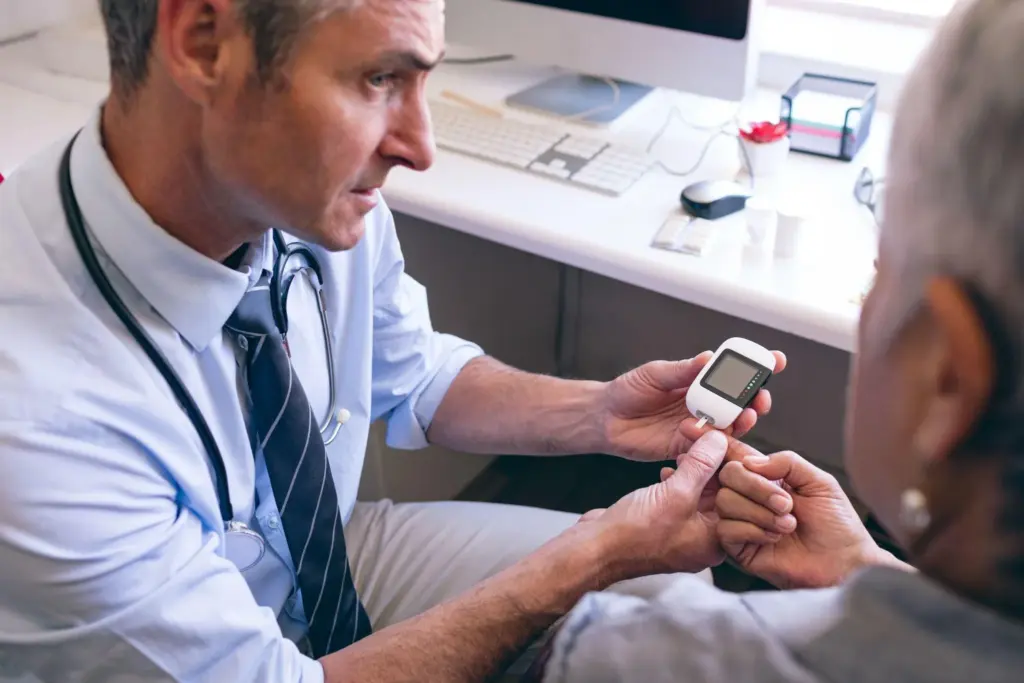
Patients often wonder about their meds when getting ready for a CT scan. They’re curious if they should keep taking metformin. This is a common drug for type 2 diabetes.
At Liv Hospital, we know how to balance old rules with new ideas to keep patients safe. We think carefully about metformin before a CT scan. This is because of the danger of lactic acidosis with contrast agents.
We help our patients use metformin safely before CT scans. We look at the risks of contrast dye. Our goal is to make sure they get the best results.
Key Takeaways
- Patients taking metformin should talk to their doctor before a CT scan.
- The risk of lactic acidosis is a concern when using contrast agents with metformin.
- Liv Hospital provides personalized guidance on medication management before medical imaging.
- Understanding the latest evidence and international best practices is key for patient safety.
- Managing meds before a CT scan is vital to avoid complications.
The Importance of Medication Management Before Medical Imaging
Managing medications before medical imaging is key for patient safety and accurate results. At Liv Hospital, we focus on safe medication handling. This ensures our patients’ well-being and the accuracy of our diagnostic tests.
Why Medication Timing Matters for Diagnostic Procedures
When you take your meds before imaging, it can affect the results. For example, metformin needs special care with contrast agents in imaging tests. Current guidelines suggest stopping metformin for 48 hours after CT scans with contrast if your kidney function is low.
Liv Hospital’s Approach to Patient Safety
At Liv Hospital, we follow international standards for managing meds before imaging. Our protocol for metformin and contrast dye interactions aims to reduce risks and keep patients safe.
Overview of Metformin Considerations for Imaging
The mix of metformin and contrast media in radiology can be risky, mainly for those with kidney issues. Here’s a quick guide:
|
Patient Condition |
Action Required |
|---|---|
|
eGFR ≥ 60 mL/min/1.73m² |
No interruption of metformin |
|
eGFR |
Withhold metformin before and after contrast administration |
By managing when you take your meds and following guidelines, we aim for the best results for our patients during imaging tests.
Understanding Metformin’s Function in Diabetes Treatment
Metformin is a key treatment for type 2 diabetes. It helps control blood sugar levels without causing low blood sugar. This makes it a vital tool for healthcare providers.
Mechanism of Action and Therapeutic Benefits
Metformin stops the liver from making too much glucose. It also makes cells more sensitive to insulin. This helps lower blood sugar levels.
Prevalence of Metformin Use in Diabetes Management
Metformin is a common choice for treating type 2 diabetes. It’s often the first medication prescribed when diet and exercise aren’t enough. Its widespread use shows how important it is in managing diabetes.
Metabolic Pathways and Elimination Process
Metformin is excreted unchanged by the kidneys. This means kidney function is key to how it’s removed from the body. Knowing how metformin is processed is important, mainly for patients getting CT scans with contrast agents.
Understanding metformin’s role in diabetes treatment helps us manage patients better. This is true, even when they’re getting CT scans with contrast agents.
CT Scans with Contrast: Procedure and Purpose
Contrast-enhanced CT scans are key in diagnosing and planning treatments for many health issues. They use contrast agents to make internal structures more visible. This helps doctors make more accurate diagnoses.
How Contrast-Enhanced CT Scans Work
A CT scan involves giving a contrast agent with iodine through an IV. This dye makes blood vessels, organs, or tumors stand out on the images. The steps are:
- Injection of contrast media
- CT scan imaging
- Image analysis by radiologists
Types of Iodinated Contrast Media
There are different iodinated contrast media for CT scans. These include:
- Low-osmolar contrast media (LOCM)
- Iso-osmolar contrast media (IOCM)
These agents differ in their properties like osmolality and iodine content. This affects how they work in the body and the image quality.
Kidney Processing of Contrast Agents
The kidneys are vital in getting rid of contrast agents. After being given, the contrast is filtered by the kidneys and then goes out in urine. People with kidney problems might face more risks.
It’s important to know how contrast-enhanced CT scans work and their effect on the kidneys. This is key for managing patients on drugs like metformin.
Metformin and Contrast Dye: Understanding the Interaction
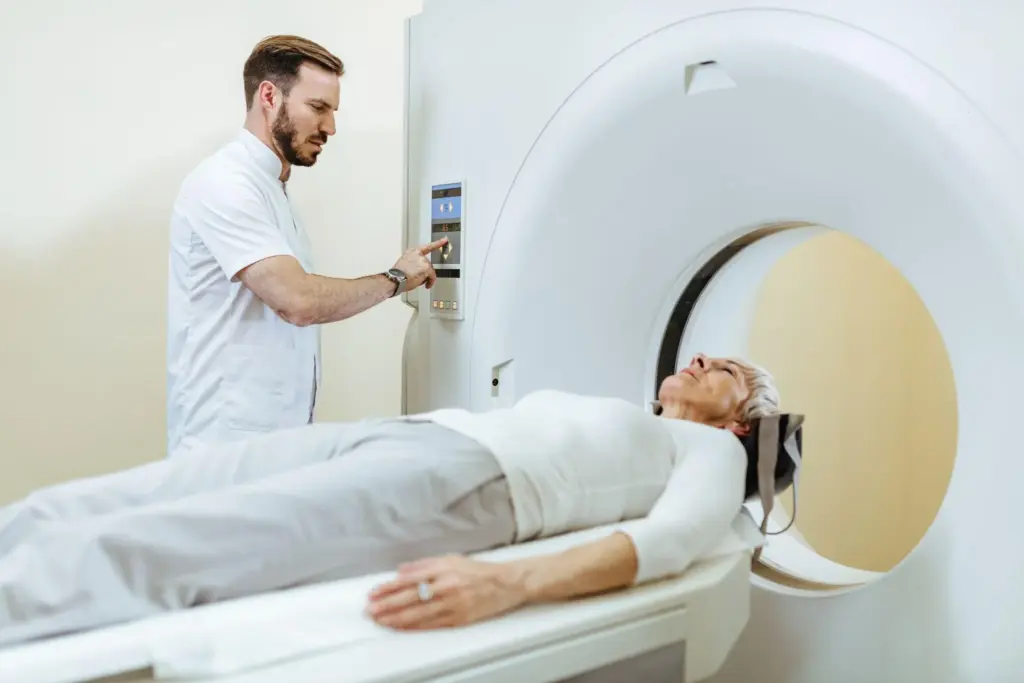
When patients are set for a CT scan with contrast dye, worries about how it might mix with their meds, like metformin, pop up. We get why these worries are big and want to clear them up to keep patients safe.
Physiological Basis for Possible Complications
The worry about metformin and contrast dye is mainly because of the chance of lactic acidosis. This is a big deal, mainly for those with kidney problems. Recent studies show we need to watch patients on metformin closely when they get contrast agents.
Metformin-Associated Lactic Acidosis: Causes and Symptoms
MALA, or metformin-associated lactic acidosis, is a rare but serious issue. It happens when metformin builds up, often because of kidney issues. Signs include muscle pain, weakness, dizziness, and stomach pain. Spotting these signs early is key to acting fast.
Statistical Risk Assessment: Fewer Than 10 Events Per 100,000 Patient-Years
The risk of lactic acidosis with metformin is very small, with studies showing less than 10 cases per 100,000 patient-years. But, when contrast dye is added, the risk is a bit higher. We stress the need to check kidney health before giving contrast dye to metformin users.
Knowing how metformin and contrast dye might interact helps us manage risks. This way, we can make sure our patients are safe during CT scans.
Current Guidelines for Managing Metformin Before CT Scans

Medical guidelines are clear on managing metformin before CT scans, with contrast agents. They aim to avoid lactic acidosis, a rare but serious issue. They also help prevent contrast-induced nephropathy.
American College of Radiology Recommendations
The American College of Radiology (ACR) has guidelines for metformin use with imaging and contrast agents. They say to check kidney function before a CT scan with contrast.
Key recommendations include:
- Check kidney function with eGFR before the scan.
- Stop metformin for 48 hours after the scan for those with normal kidneys and contrast.
- Stop metformin at the scan time and for 48 hours after for those with kidney issues or at risk.
The 48-Hour Rule: Evidence and Rationale
The 48-hour rule for metformin after a CT scan is based on how metformin works and the risk of kidney problems. It helps avoid lactic acidosis by keeping metformin levels low when kidneys might be affected.
The rationale behind this rule includes:
- It lets the body clear the contrast agent.
- It lowers the risk of metformin buildup in kidneys at risk.
Liv Hospital’s Protocol Aligned with International Standards
At Liv Hospital, we follow international guidelines for metformin before CT scans. Our protocol checks kidney function and follows guidelines for stopping metformin when needed.
By sticking to these guidelines and protocols, we ensure safe and effective care for patients getting CT scans with contrast.
Risk Stratification Based on Kidney Function
Assessing kidney function is key when deciding if it’s safe to use contrast agents during CT scans for patients on metformin. We rely on the estimated Glomerular Filtration Rate (eGFR) to gauge kidney health.
Understanding eGFR Measurements and Significance
The eGFR is calculated from a patient’s creatinine level, age, sex, and race. It shows how well the kidneys are working. A normal eGFR is above 60 mL/min/1.73m². Values below this indicate kidney problems.
High-Risk Patients: eGFR Below 60 mL/min/1.73m²
Patients with an eGFR under 60 mL/min/1.73m² face higher risks during CT scans with contrast. We take extra precautions to avoid complications in these cases.
Additional Risk Factors Requiring Medication Adjustment
Other factors like dehydration, heart failure, and nephrotoxic medications also raise risks. We evaluate these to decide the best treatment plan for each patient.
|
eGFR Range (mL/min/1.73m²) |
Kidney Function Status |
Risk Level |
|---|---|---|
|
>60 |
Normal |
Low |
|
30-59 |
Mildly to Moderately Impaired |
Moderate |
|
Severely Impaired |
High |
The table shows how eGFR helps us sort patients by risk level. This guides our decisions on metformin use and CT scans with contrast.
What to Do If You Mistakenly Took Metformin Before or After Your CT Scan
Taking metformin by mistake before or after a CT scan can be worrying. But, knowing what to do can help reduce risks. If you’ve accidentally taken metformin near your CT scan, it’s key to know the possible problems and act fast.
Immediate Steps to Take
If you’ve mistakenly taken metformin before or after a CT scan, stop taking the medication immediately and tell your healthcare provider. Here’s what we suggest:
- Contact your doctor or the team that did the CT scan to report the mistake.
- Do what they say about any extra checks or tests you might need.
- Drink lots of water to stay hydrated.
Warning Signs That Require Medical Attention
Knowing when to seek medical help is important. If you notice any of these symptoms, get help right away:
|
Symptom |
Description |
|---|---|
|
Severe Fatigue |
Feeling very tired or weak |
|
Muscle Pain |
Pain or discomfort in your muscles |
|
Respiratory Issues |
Having trouble breathing or breathing too fast |
|
Abdominal Pain |
Severe pain or discomfort in your stomach |
Communication with Your Healthcare Team
Talking openly with your healthcare team is key. Make sure to:
- Tell them when you took metformin in relation to the CT scan.
- Share any worries or symptoms you’re feeling.
- Follow their advice on when to start taking metformin again or if you need something else.
By following these steps, you can lessen the risks of taking metformin near a CT scan. Always talk to your healthcare provider for advice that fits your situation.
Safely Resuming Metformin After Contrast Imaging
When it’s time to start metformin again after imaging, we must think carefully. It’s key to balance managing diabetes with the risks of contrast agents.
Post-Procedure Kidney Function Assessment
Before starting metformin, we check how well the kidneys are working. We look at the eGFR (estimated Glomerular Filtration Rate) to make sure kidneys are okay. We do this 48 to 72 hours after the CT scan.
Timeline for Restarting Medication
When to start metformin again depends on kidney function and overall health. We wait until kidney function is safe. This helps avoid lactic acidosis, a serious risk.
Monitoring for Delayed Reactions
Watch for delayed reactions or kidney problems after starting metformin. Look out for muscle pain, breathing trouble, or stomach pain. If you notice anything odd, tell your doctor right away.
By checking kidney function, waiting the right amount of time, and watching for signs, we make sure patients can safely take metformin again after imaging.
Conclusion: Balancing Medical Protocols with Individualized Care
Managing patients on metformin who have CT scans with contrast agents is a challenge. At Liv Hospital, we find the right balance between following medical rules and caring for each patient. This way, we help patients get the best results and lower the risks of metformin and CT scan procedures.
We know how metformin and contrast dye work together. By following the latest guidelines, we can lower the chance of problems. Our plan checks kidney function and sorts patients by risk level, following international standards.
Our main aim is to give top-notch healthcare and support to patients from around the world. By mixing medical rules with personalized care, we make sure patients on metformin get safe and effective treatment. This is true before, during, and after CT scans with contrast agents.
FAQ
Can I take metformin before a CT scan with contrast?
It’s best to stop metformin before a CT scan with contrast. This reduces the risk of lactic acidosis. We follow guidelines to keep patients safe.
What are the risks associated with taking metformin and contrast dye?
The main worry is lactic acidosis, a rare but serious condition. But the risk is very low, with less than 10 cases per 100,000 patient-years.
How is kidney function assessed before a CT scan with contrast?
We check kidney function with eGFR measurements. Those with an eGFR below 60 mL/min/1.73m² are at higher risk. We adjust medication based on additional risk factors.
What if I mistakenly took metformin before or after my CT scan?
If you took metformin near your CT scan, act fast. Watch for warning signs that need medical help. Always talk to your healthcare team.
When can I resume taking metformin after a CT scan with contrast?
We check your kidney function after the scan. Then, we decide when to start metformin again. Watch for any late reactions.
Is it hard to stop taking metformin?
Stopping metformin temporarily might be needed for your safety. We guide you on when to stop and start again, following guidelines.
What are the guidelines for managing metformin before CT scans?
We follow the American College of Radiology’s advice and the 48-hour rule. These are evidence-based and meet international standards.
How does contrast dye affect kidney function?
CT scan contrast agents contain iodine. This can harm kidney function, more so in those with kidney issues or on certain meds like metformin.
Can I safely resume metformin after contrast imaging?
Yes, but it’s important to consider kidney function post-procedure. Also, be mindful of when to start metformin again.
What should I do if I experience symptoms after taking metformin and having a CT scan?
If you have symptoms like those of lactic acidosis, get medical help right away. Keep talking to your healthcare team.
References
- University of Illinois Chicago (UIC): https://dig.pharmacy.uic.edu/faqs/2023-2/september-2023-faqs/what-are-current-best-practices-on-holding-metformin-prior-to-and-post-contrast-administration/
- University of Washington Medicine: https://healthonline.washington.edu/sites/default/files/record_pdfs/Metformin-Medications-and-CT-Scans-with-IV-Contrast_06-2025.pdf
- National Center for Biotechnology Information (NCBI): https://pmc.ncbi.nlm.nih.gov/articles/PMC9808674/
- National Center for Biotechnology Information (NCBI): https://www.ncbi.nlm.nih.gov/pmc/articles/PMC6591671/