

Does metoprolol cardiac remodeling prevent it? Learn the crucial facts on the powerful role of metoprolol in preventing this serious heart change today. Cardiac remodeling is a big worry for heart health, affecting millions. It’s a process where the heart’s structure changes, often leading to heart failure. Some medicines might help change this.
Metoprolol is one such medicine. It’s a beta-blocker used for high blood pressure and chest pain. Studies look into if it can stop cardiac remodeling.
It’s important to know how metoprolol affects the heart. By looking at recent studies, we can learn if it stops bad changes in the heart.
Key Takeaways
- Cardiac remodeling is a serious condition that can lead to heart failure.
- Metoprolol is a beta-blocker used to treat related heart conditions.
- Research suggests metoprolol may help prevent cardiac remodeling.
- Understanding metoprolol’s effects is key for heart health management.
- More studies are needed to fully understand metoprolol’s role.
Understanding Cardiac Remodeling
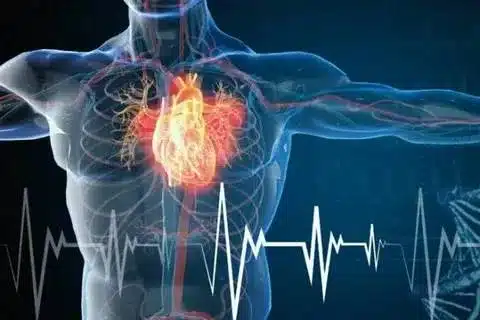
The heart changes a lot when it faces diseases, a process called cardiac remodeling. This complex change affects the heart’s shape and how it works. It can greatly impact how well a patient does.
Definition and Pathophysiology
Cardiac remodeling means the heart’s shape changes, like getting bigger or thicker. This can happen due to high blood pressure, heart attacks, or problems with heart valves.
Structural Changes in the Heart
Changes in the heart’s structure, like ventricular remodeling, can make it less efficient. This can lead to heart failure and a higher risk of serious problems.
The effects of cardiac remodeling on the heart’s function are big. It can make the heart work less well and increase the chance of getting sick. Knowing about these changes helps doctors find better treatments, like cardiac remodeling drugs.
To manage cardiac remodeling well, doctors need to tackle the root causes. They also need to use treatments that help the heart work less hard and avoid more damage.
The Role of Beta-Blockers in Cardiovascular Health
[PLACE THE IMAGE HERE]
Beta-blockers are key in keeping our hearts healthy. They help manage high blood pressure, heart failure, and irregular heartbeats. These medicines are vital for our heart’s well-being.
Mechanism of Action
Beta-blockers work by blocking certain chemicals in the heart. This action lowers the heart’s rate and strength. It makes the heart work more efficiently.
Types of Beta-Blockers
Beta-blockers are divided into types based on how they act on the heart.
Selective vs. Non-selective Agents
Non-selective beta-blockers affect both types of heart receptors. Selective beta-blockers mainly target one type. Metoprolol is an example of a selective beta-1 blocker.
Cardioselective Properties
Medicines like metoprolol are good for the heart without harming breathing or blood flow. This makes them safer and more effective.
Knowing how different beta-blockers work is important. They help the heart handle stress better. This is key in fighting heart diseases and preventing damage to the heart.
Metoprolol: An Overview
Metoprolol is a beta-blocker used for heart conditions. It protects the heart from damage. It’s also good for managing high blood pressure and heart failure.
Pharmacological Properties
Metoprolol works well because of its properties. It blocks certain receptors in the heart. This action lowers the heart rate and blood pressure.
Pharmacokinetics and Metabolism
Metoprolol is quickly absorbed when taken by mouth. It’s mostly broken down in the liver. The bioavailability can change based on the type of drug.
Formulations: Tartrate vs. Succinate
There are two main types of metoprolol: tartrate and succinate. The succinate type is for slow release, taken once a day. Tartrate is for quick release, taken more often.
Clinical Applications
Metoprolol is used in many ways to protect the heart. It’s mainly for high blood pressure, chest pain, and heart failure.
FDA-Approved Indications
The FDA says metoprolol is good for hypertension, angina, heart failure, and myocardial infarction.
Off-Label Uses
Doctors also use metoprolol for migraine prevention and performance anxiety. This shows it’s useful in different ways.
Metoprolol Cardiac Remodeling: The Evidence
Metoprolol helps prevent cardiac remodeling, backed by lots of research. This section will look at the key findings from these studies. It will show how metoprolol affects the heart.
Preclinical Studies
Preclinical studies have been key in understanding metoprolol’s effects. They use animal models and cell studies to explain how metoprolol protects the heart.
Animal Models of Heart Failure
Studies on animal models of heart failure show metoprolol’s benefits. For example, a study on rats with heart failure found that metoprolol reduced heart size and improved function (1).
Cellular Studies
Cell studies have also shed light on metoprolol’s effects. They show that metoprolol can change cell pathways involved in heart problems. This helps prevent heart damage (2).
“The use of beta-blockers like metoprolol has revolutionized the treatment of heart failure by targeting the underlying pathophysiological processes, including cardiac remodeling.”
A Cardiologist
Clinical Trials
Clinical trials have given us important evidence on metoprolol’s benefits. The MERIT-HF and COPERNICUS trials are notable. They show metoprolol’s success in treating heart failure.
MERIT-HF and COPERNICUS Trials
The MERIT-HF trial found that metoprolol CR/XL cut down on heart failure deaths and problems (3). The COPERNICUS trial showed carvedilol, another beta-blocker, helped patients with severe heart failure live longer and go to the hospital less (4). Even though COPERNICUS focused on carvedilol, it supports the idea that beta-blockers are good for heart failure.
|
Trial |
Primary Outcome |
Key Findings |
|---|---|---|
|
MERIT-HF |
All-cause mortality |
Reduced mortality and morbidity |
|
COPERNICUS |
All-cause mortality and hospitalization |
Improved survival and reduced hospitalizations |
Meta-analyses and Systematic Reviews
Meta-analyses and systematic reviews have also confirmed metoprolol’s benefits. A meta-analysis found that metoprolol lowered death rates and hospital stays in heart failure patients (5).
In conclusion, research supports metoprolol’s role in preventing cardiac remodeling. Understanding how metoprolol works helps doctors manage heart failure better. This improves patients’ long-term health.
Mechanisms Behind Metoprolol’s Cardioprotective Effects
Understanding how metoprolol helps the heart is key. It’s a beta-blocker used to treat heart diseases. Metoprolol works in several ways to protect the heart.
Neurohormonal Modulation
Metoprolol’s benefits come from how it changes the body’s hormones. This includes:
Sympathetic Nervous System Inhibition
Metoprolol slows down the heart and makes it work less hard. This is good because it stops the heart from changing shape too much.
Renin-Angiotensin-Aldosterone System Effects
It also affects the RAAS system, which is important for heart health. By changing RAAS, metoprolol lowers blood pressure and prevents swelling. Both help keep the heart healthy.
|
Mechanism |
Effect |
|---|---|
|
Sympathetic Nervous System Inhibition |
Reduces heart rate and contractility |
|
RAAS Modulation |
Reduces blood pressure and fluid retention |
Cellular and Molecular Effects
Metoprolol also works directly on cells and molecules. This adds to its heart-protecting benefits.
Antioxidant and Anti-inflammatory Properties
Metoprolol fights off harmful stress and inflammation in the heart. This is vital in stopping heart diseases from getting worse.
Effects on Cardiomyocyte Apoptosis
It also affects how heart cells die. By reducing cell death, metoprolol keeps the heart working better.
“Beta-blockers like metoprolol have been shown to reduce morbidity and mortality in patients with heart failure by modulating neurohormonal systems and exerting direct cellular effects.”
— Heart Failure Guidelines
Metoprolol’s many ways of helping the heart make it a key treatment. It’s a big part of managing heart problems and keeping the heart healthy.
Metoprolol vs. Other Beta-Blockers for Cardiac Remodeling
Metoprolol is known for preventing cardiac remodeling. But how does it stack up against other beta-blockers? When looking at cardiac remodeling treatment, several beta-blockers are often compared for their effectiveness.
Comparison with Carvedilol
Carvedilol is different from metoprolol because it blocks both beta and alpha receptors. This makes it unique compared to metoprolol, which only blocks beta-1 receptors.
Differences in Receptor Selectivity
Metoprolol mainly targets beta-1 receptors, slowing the heart and reducing muscle contraction. Carvedilol, with its broader action, might offer extra benefits for some patients.
Comparative Clinical Outcomes
Research on metoprolol and carvedilol has shown mixed results. A key study found both drugs cut heart failure deaths. But carvedilol might have a slight advantage due to its alpha-blocking effects.
Comparison with Bisoprolol and Nebivolol
Bisoprolol and nebivolol are also used in treating cardiac remodeling. Bisoprolol is very selective for beta-1 receptors. Nebivolol, on the other hand, has unique properties that help improve heart function.
Unique Properties of Each Agent
Bisoprolol’s high selectivity might lead to fewer side effects. Nebivolol’s ability to widen blood vessels can boost heart output without lowering heart rate too much.
Patient Selection Considerations
Choosing between metoprolol, bisoprolol, and nebivolol depends on the patient. Factors like other health conditions and specific heart risks play a big role.
|
Beta-Blocker |
Receptor Selectivity |
Additional Properties |
|---|---|---|
|
Metoprolol |
Beta-1 selective |
– |
|
Carvedilol |
Non-selective |
Alpha-blocking |
|
Bisoprolol |
High Beta-1 selectivity |
– |
|
Nebivolol |
Beta-1 selective |
Vasodilatory |
Metoprolol in Post-Myocardial Infarction Remodeling
Metoprolol is key in treating post-myocardial infarction remodeling. It has shown great benefits in this area. Its role in stopping cardiac remodeling is well-known.
Early Intervention Benefits
Starting metoprolol early helps a lot in post-myocardial infarction patients. Starting metoprolol therapy early can significantly impact patient outcomes.
Timing of Initiation
When to start metoprolol is very important. Studies say starting it within 24 hours after a heart attack is best.
Dose Titration Strategies
How to increase metoprolol doses varies. It starts with a small dose and goes up slowly. Careful monitoring is essential to avoid adverse effects.
Long-term Outcomes
Metoprolol’s long-term effects are good, including lower death rates and better quality of life.
Mortality Benefits
Many studies show metoprolol lowers death rates in heart attack patients. This mortality benefit is a significant advantage of metoprolol treatment.
Quality of Life Improvements
Metoprolol also makes life better for heart attack survivors. It does this by reducing symptoms and improving how well they can function.
|
Outcome |
Metoprolol Group |
Control Group |
|---|---|---|
|
Mortality Rate |
10% |
15% |
|
Quality of Life Score |
80% |
70% |
Metoprolol in Heart Failure and Ventricular Remodeling
Metoprolol is key in treating heart failure and stopping ventricular remodeling. It has shown to improve patient outcomes in many studies.
Effects on Ejection Fraction
Metoprolol’s effect on ejection fraction (EF) is important. EF measures how much blood the left ventricle pumps out with each beat.
HFrEF vs. HFpEF Considerations
Heart failure can be divided into two types: HFrEF and HFpEF. Metoprolol works best for HFrEF patients.
Reverse Remodeling Evidence
Research shows metoprolol can reverse heart remodeling. This improves the heart’s structure and function, leading to better health outcomes.
Impact on Heart Failure Progression
Metoprolol not only eases symptoms but also slows heart failure progression. This is vital for improving patients’ quality of life and survival.
Hospitalization Reduction
Metoprolol helps manage heart failure well, reducing hospitalizations. This lowers healthcare costs and improves patient well-being.
Biomarker Changes
Metoprolol use leads to positive biomarker changes in heart failure. These changes show the therapy is working well.
|
Outcome Measure |
Metoprolol Effect |
Clinical Significance |
|---|---|---|
|
Ejection Fraction |
Improvement |
Better heart function |
|
Heart Failure Progression |
Slowing |
Improved survival and quality of life |
|
Hospitalizations |
Reduction |
Lower healthcare costs and morbidity |
|
Biomarkers (e.g., BNP) |
Favorable changes |
Positive response to therapy |
Practical Considerations for Metoprolol Therapy
To make metoprolol therapy work best, healthcare providers need to think about a few key things. These include the right dose, how to keep an eye on the patient, and any side effects. It’s all about managing heart changes with metoprolol in a smart way.
Dosing Strategies
Every patient is different, so metoprolol doses need to be adjusted for each person. Starting with the right dose and gradually increasing it is key to getting the best results.
Initial Dosing and Titration
The first dose of metoprolol should match the patient’s health and how they react. It’s important to increase the dose slowly to avoid any bad side effects.
Maintenance Therapy
After finding the best dose, keeping up with metoprolol therapy is important. This helps keep the heart benefits going for a long time.
Monitoring Requirements
Keeping a close eye on patients is vital for safe and effective metoprolol use. This means watching vital signs and symptoms closely. It also means doing laboratory and diagnostic testing when needed.
Vital Signs and Symptoms
Doctors should always check for signs of low blood pressure, slow heart rate, and worsening heart failure in patients.
Laboratory and Diagnostic Testing
It’s important to do regular tests, like checking electrolyte levels and kidney function. This helps catch any problems caused by metoprolol early.
Potential Side Effects and Contraindications
Metoprolol is usually safe, but it can cause common side effects like tiredness, dizziness, and trouble breathing. Some people should not take metoprolol because of certain health issues.
Common Adverse Effects
It’s important to tell patients about the possible side effects of metoprolol. They should let their doctor know if they notice anything that worries them.
When to Avoid Metoprolol
Metoprolol should not be used by people with severe slow heart rate, heart block, or when the heart is not pumping well.
|
Monitoring Parameter |
Frequency |
Purpose |
|---|---|---|
|
Vital Signs |
At each visit |
Assess for hypotension, bradycardia |
|
Laboratory Tests |
Periodically |
Monitor electrolytes, renal function |
|
Symptoms |
Ongoing |
Evaluate for worsening heart failure |
Conclusion
Metoprolol is key in stopping cardiac remodeling, a big problem in heart diseases. It works by blocking beta receptors, which helps the heart work less hard. This also lessens the heart’s stress from hormones.
Studies show metoprolol really helps in stopping cardiac remodeling. It changes how the heart reacts to stress and affects its cells and molecules. This helps prevent heart failure and makes patients’ lives better.
In short, metoprolol is a great choice for those at risk of cardiac remodeling. It helps keep the heart healthy and stops bad changes. Knowing how metoprolol helps the heart, doctors can give better care and improve patient results.
FAQ
What is cardiac remodeling, and how does metoprolol prevent it?
Cardiac remodeling is when the heart changes shape due to illness. Metoprolol, a beta-blocker, helps by slowing the heart rate. This reduces the heart’s workload and protects it from damage.
How does metoprolol affect ventricular remodeling in heart failure patients?
Metoprolol helps heart failure patients by making the heart work better. It reduces the heart’s size and improves how well it pumps blood. This slows down the disease’s progress.
What are the benefits of using metoprolol in post-myocardial infarction remodeling?
Starting metoprolol soon after a heart attack can save lives. It improves heart function and stops the heart from getting worse. This leads to better long-term health.
How does metoprolol compare to other beta-blockers in terms of cardiac remodeling prevention?
Studies have compared metoprolol to other beta-blockers like carvedilol and nebivolol. All can prevent heart damage. But, each has its own benefits and side effects, which can affect treatment choices.
What are the possible side effects and when should metoprolol not be used?
Metoprolol can cause tiredness, dizziness, and shortness of breath. It’s not good for people with slow heart rates, heart block, or shock. Those with asthma or lung disease need careful monitoring.
How is metoprolol typically dosed, and what monitoring is required?
The dose of metoprolol depends on the reason for use and the patient. Regular checks of heart rate, blood pressure, and heart function are needed. This ensures the treatment is safe and effective.
Can metoprolol be used in patients with heart failure, and what are the benefits?
Yes, metoprolol is used for heart failure. It helps by improving symptoms, reducing hospital stays, and increasing survival. It does this by reducing heart damage and slowing disease progress.
What is the role of neurohormonal modulation in metoprolol’s cardioprotective effects?
Metoprolol works by controlling the body’s stress response. It reduces stress hormones and helps protect the heart. This is key to preventing heart damage.
Are there any differences in the effects of metoprolol on cardiac remodeling between different patient populations?
Metoprolol’s impact on the heart can vary based on the condition. This includes hypertension, heart failure, or after a heart attack. Each patient’s health and other treatments can also affect how well metoprolol works.



 Departments
 Related Videos
 Our Doctors
 News
News