

Discover what mild cardiomegaly means, its symptoms, causes, and treatment options for heart health.
Getting a diagnosis of mild cardiomegaly can be scary. But knowing what it is is the first step to taking care of your health. At Liv Hospital, we’re here to give you the care and info you need.
Mild cardiomegaly means your heart is a bit bigger than usual. It’s often found by chance during a chest X-ray for something else. Even though it might not cause symptoms right away, knowing its causes and implications is key.
We know a diagnosis can feel overwhelming. That’s why we’re here to help you understand. We’ll explain the causes, symptoms, and treatment options you have.
Key Takeaways
- Understanding mild cardiomegaly and its implications on your health.
- Identifying the common causes and risk factors associated with mild cardiomegaly.
- Recognizing the symptoms that may indicate a need for medical attention.
- Exploring the available treatment options for managing mild cardiomegaly.
- The importance of seeking professional medical care for an accurate diagnosis and treatment plan.
What Is Mild Cardiomegaly?

Mild cardiomegaly means the heart is a bit bigger than usual. It can happen for many reasons, like high blood pressure or heart disease. This enlargement is a sign that something might be wrong.
Definition and Medical Significance
Mild cardiomegaly is not a disease itself but a sign of a problem. It’s important to find out why the heart is enlarged. This way, doctors can treat it and stop it from getting worse.
Even a small change in the heart can mean trouble. Doctors use X-rays and echocardiograms to check the heart’s size and how well it works.
How It Differs from Severe Cardiomegaly
The main difference is how big the heart gets. Mild cardiomegaly means the heart is only a little bigger. Severe cardiomegaly means the heart is much bigger and can cause serious problems.
Mild cardiomegaly might not cause symptoms right away. But it’s a warning sign that shouldn’t be ignored. Severe cardiomegaly, on the other hand, can make it hard to breathe, feel tired, and cause swelling in the legs.
The Meaning of Mild Cardiomegaly
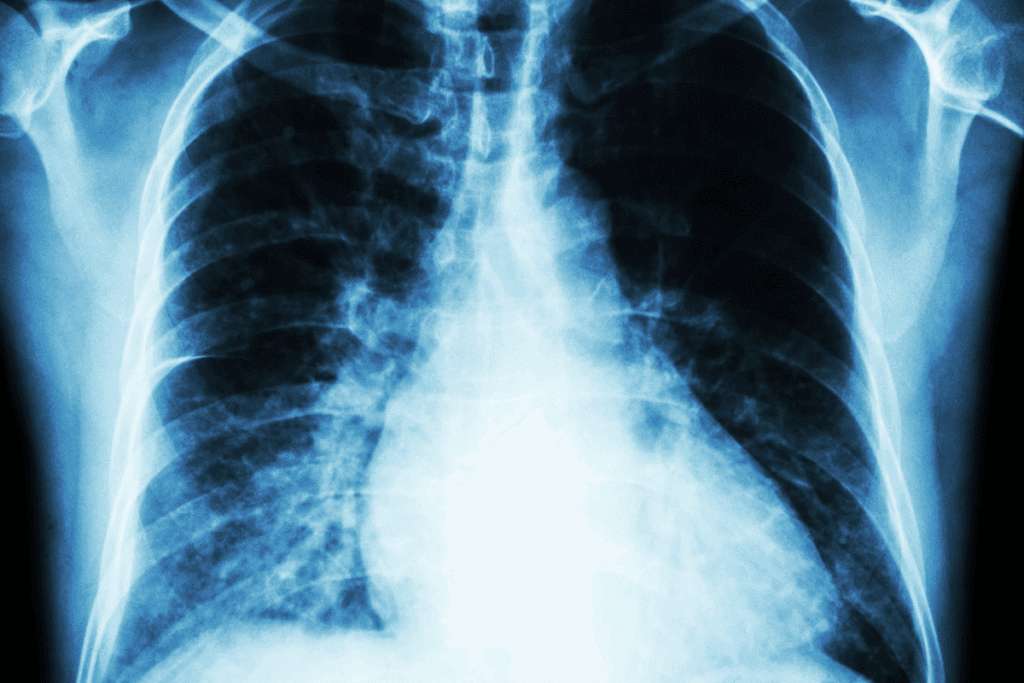
Mild cardiomegaly means the heart is slightly larger than usual. It’s not just about size. It’s about how these changes affect the heart’s function and health.
“The heart’s structure is complex, and even mild changes can have significant implications for cardiac function,” as noted by cardiology experts. These changes can manifest in different ways, mainly through thickened walls or dilated chambers.
Subtle Changes in Heart Structure
Subtle changes in the heart’s structure are not always easy to spot. Yet, they can greatly affect how well the heart works. These changes might include:
- Minor increases in the size of the heart’s chambers
- Thickening of the heart’s walls
- Slight reductions in the heart’s pumping efficiency
These small changes can signal underlying issues. They need to be addressed to stop the heart from getting worse.
Thickened Walls vs. Dilated Chambers
It’s important to know the difference between thickened walls and dilated chambers in mild cardiomegaly. Thickened walls happen when the heart muscle works too hard, often because of high blood pressure. Dilated chambers occur when the heart’s chambers get bigger, usually because the heart has to pump more blood.
A study in a cardiology journal explained, “The pathophysiology of cardiomegaly involves complex mechanisms that can lead to either hypertrophy (thickening) or dilatation, depending on the underlying cause.” Knowing whether the heart is thickened or dilated helps doctors figure out the cause and choose the right treatment.
In summary, mild cardiomegaly is a condition with small but important changes in the heart. Spotting these changes and understanding their effects is key to managing and treating the condition.
What Does a Mildly Enlarged Heart Mean for Your Health?
Discovering a mildly enlarged heart during a medical check-up raises many questions. A mildly enlarged heart, or mild cardiomegaly, means your heart is working harder than usual. This can happen for several reasons.
The Heart’s Response to Stress
The heart can grow when it faces stress, like physical, emotional, or health-related stress. This stress makes the heart muscle thicker or the chambers bigger. Knowing how the heart reacts to stress is key to figuring out what to do next.
At times, the heart gets bigger just to handle stress, and it might go back to normal once the stress goes away. But, if the stress keeps coming or there’s an underlying health issue, the heart might stay enlarged.
Physiological vs. Pathological Enlargement
It’s important to know the difference between physiological and pathological enlargement. Physiological enlargement happens as a normal response to things like pregnancy or intense exercise. Pathological enlargement, though, is a sign of a health problem that needs doctor’s attention.
Physiological enlargement usually goes back to normal once the cause is fixed. But, pathological enlargement might need medical help to avoid serious problems and prevent the heart from getting even bigger.
Knowing if your heart is enlarged due to normal reasons or a health issue is critical. It helps decide the best way to handle it and avoid any serious health risks.
Detecting Mild Cardiomegaly in Chest X-rays
Chest X-rays are key in spotting mild cardiomegaly. They help doctors check the cardiothoracic ratio. This ratio is important for seeing if the heart is too big.
Cardiothoracic Ratio Measurements
The cardiothoracic ratio is found by dividing the heart’s width by the chest’s width on an X-ray. A ratio over 0.5 means the heart might be enlarged. This simple check helps doctors spot heart size issues.
To get an accurate ratio, the X-ray must be taken in a standard PA view. The patient should stand and breathe deeply. This makes sure the measurement is correct, not affected by how the patient is standing or breathing.
Other Imaging Techniques for Confirmation
Even though X-rays are a start, other tests are needed to confirm and check the heart’s health. These include:
- Echocardiography: Gives detailed views of the heart’s shape and how it works.
- Computed Tomography (CT) scans: Show cross-sections of the heart to find out why it’s enlarged.
- Magnetic Resonance Imaging (MRI): Shows the heart’s details without using X-rays.
These tests not only confirm mild cardiomegaly but also help understand its cause and how it affects the heart.
| Imaging Technique | Key Features | Clinical Utility |
| Chest X-ray | Cardiothoracic ratio measurement | Initial assessment of cardiomegaly |
| Echocardiography | Detailed heart structure and function | Assesses cardiac function and possible causes |
| CT Scan | Cross-sectional images of the heart | Identifies possible causes and complications |
| MRI | Detailed anatomy without radiation | Examines heart anatomy and function |
Using these tests together, doctors can fully understand mild cardiomegaly. They can then plan the best treatment.
Common Causes of Mild Cardiomegaly
Knowing what causes mild cardiomegaly is key to managing it well. A mildly enlarged heart can come from many factors. We’ll look at these causes to help you understand this condition better.
Hypertension and Cardiovascular Conditions
Hypertension, or high blood pressure, is a main cause of mild cardiomegaly. High blood pressure makes the heart work harder, leading to thickening of the heart muscle. This can cause the heart to become mildly enlarged. Other heart issues, like coronary artery disease and heart valve problems, can also make the heart bigger.
Doctors say high blood pressure is a big risk for an enlarged heart. It makes the heart work too hard, which can cause it to grow over time.
Metabolic Factors: Obesity and Thyroid Disorders
Metabolic issues, like obesity and thyroid disorders, also play a big part. Being overweight can make the heart work harder, leading to enlargement. Thyroid problems, like hyperthyroidism, can also affect the heart and cause it to grow.
Anemia and Blood-Related Causes
Anemia can also cause mild cardiomegaly. Anemia means the body has too few red blood cells or they don’t carry enough oxygen. The heart pumps more blood to make up for this, which can make it bigger.
Temporary Causes: Pregnancy and Athletic Training
Sometimes, mild cardiomegaly is caused by temporary things like pregnancy or athletic training. Pregnancy and intense training can both make the heart slightly bigger. These changes usually go back to normal once the condition changes, like after pregnancy or when training is reduced.
It’s important to understand these causes to manage mild cardiomegaly well. By tackling the root causes, people can lower their risk of serious problems and keep their heart healthy.
Understanding Borderline Cardiomegaly
Borderline cardiomegaly means your heart is slightly larger than normal. It’s a state where your heart is almost too big but not quite. This condition needs close watching.
We’ll look into what it means for your heart to be slightly too big. Knowing about borderline cardiomegaly helps catch problems early. This can prevent serious heart issues later on.
When Heart Size Is at the Upper Limit of Normal
Having a heart that’s slightly too big can happen for many reasons. It might be due to your body adapting or early signs of disease. It’s important to figure out why to treat it right.
The cardiothoracic ratio (CTR) is a key measure in chest X-rays. If it’s at the upper limit, it might show borderline cardiomegaly. We suggest more tests like echocardiography to confirm and check how well your heart is working.
Monitoring and Follow-up Recommendations
If you have borderline cardiomegaly, watching your heart closely is key. This helps catch any signs of bigger problems. We tailor follow-up plans based on your risk and how you’re doing.
Here’s a basic guide for keeping an eye on things:
| Monitoring Parameter | Frequency | Duration |
| Clinical Assessment | Every 6 months | At least 1 year |
| Echocardiography | Annually | As recommended by the cardiologist |
| Chest X-ray | As needed | Based on clinical judgment |
By keeping a close eye on people with borderline cardiomegaly, we can stop bigger heart problems. This helps keep your heart healthy for longer.
Symptoms of Mild Cardiomegaly: What to Watch For
Knowing the symptoms of mild cardiomegaly is key for early treatment. This condition might not always show symptoms, but knowing the signs is important. It helps people get medical help when needed.
Why Symptoms May Be Absent
At first, mild cardiomegaly might not show symptoms. The heart works hard to keep blood flowing well. But, as it gets worse, symptoms will show up.
Early Warning Signs: Fatigue and Shortness of Breath
Fatigue and shortness of breath are early signs. Fatigue comes from the heart not pumping well, making you tired. Shortness of breath happens when the heart can’t pump enough blood, mainly when you’re active.
Recognizing Leg Swelling and Other Symptoms
As it gets worse, you might see leg swelling (edema) from fluid buildup. Other signs include palpitations, coughing, and in serious cases, orthopnea (breathing trouble while lying down). Spotting these symptoms early can help manage the condition better.
| Symptom | Description |
| Fatigue | Persistent feeling of tiredness due to reduced heart efficiency |
| Shortness of Breath | Difficulty breathing, specially during physical activity |
| Leg Swelling | Fluid buildup causing swelling in the legs |
When to Seek Medical Attention
See a doctor if you have severe shortness of breath, chest pain, or big leg swelling. Early treatment can greatly improve your chances of managing mild cardiomegaly.
Risk Factors for Developing Mild Cardiac Enlargement
Several factors can increase the risk of mild cardiomegaly. These include genetics, lifestyle, and health conditions. Knowing these risks helps identify who is more likely to develop it and how to prevent it.
Genetic Predispositions
Genetics play a big role in mild cardiomegaly. People with a family history of heart issues are at higher risk. Genetic factors can affect the heart’s structure and function, making some more prone to an enlarged heart.
Studies have found genetic mutations linked to heart conditions. For example, mutations in sarcomere genes can cause hypertrophic cardiomyopathy.
Lifestyle and Environmental Factors
Lifestyle and environment also impact the risk of mild cardiomegaly. Poor diet, lack of exercise, smoking, and too much alcohol harm the heart. A diet high in sodium, for instance, can lead to high blood pressure, a major risk factor.
Environmental toxins and certain jobs can also harm the heart. Long-term exposure to air pollution, for example, increases the risk of heart disease, including mild cardiomegaly.
Pre-existing Medical Conditions
Pre-existing conditions are also key in developing mild cardiomegaly. Conditions like hypertension, diabetes, and thyroid disorders affect heart health. Hypertension, in particular, is a significant risk factor because it makes the heart work harder, potentially leading to enlargement over time.
Other conditions, such as anemia and infections, can also contribute to mild cardiomegaly. For example, severe or chronic anemia can increase cardiac output, causing the heart to enlarge.
Understanding these risk factors helps individuals take steps to prevent mild cardiomegaly. This includes living a healthy lifestyle, managing health conditions, and knowing genetic predispositions.
Treatment Options for Mild Cardiomegaly
Healthcare providers look at several things when treating mild cardiomegaly. They consider the cause and the patient’s health. The goal is to fix the cause, manage symptoms, and stop it from getting worse.
Addressing the Underlying Cause
The first step is to find and fix the cause. This might mean managing high blood pressure, thyroid issues, or anemia. Treating the underlying cause helps reduce heart strain and might reverse the enlargement.
Medication Approaches
Medicines are key in treating mild cardiomegaly. The right medicine depends on the cause. For example, ACE inhibitors or beta-blockers help with high blood pressure. Diuretics reduce fluid buildup. The medicine choice is based on the person’s needs.
Lifestyle Modifications and Their Impact
Making lifestyle changes is also important. Dietary changes like eating less sodium and following a heart-healthy diet help. Regular physical activity improves heart health. Quitting smoking and drinking less alcohol are also good steps.
When More Aggressive Interventions Are Needed
Sometimes, more serious steps are needed. This could mean procedures or surgeries for underlying issues. Close monitoring by doctors is key to find the best treatment and make changes as needed.
Potential Complications of an Untreated Mild Enlarged Heart
Not treating mild cardiomegaly can lead to serious problems. It can cause the heart to grow even bigger. This can harm the heart and overall health.
Progression to More Severe Cardiomegaly
Ignoring mild cardiomegaly can make it worse. This can hurt how well the heart works. It might even lead to serious health issues.
Key factors that contribute to the progression include:
- Uncontrolled hypertension
- Underlying cardiovascular diseases
- Metabolic disorders such as obesity and diabetes
Impact on Heart Function and Overall Health
Not treating mild cardiomegaly can make the heart work less well. This can cause tiredness, shortness of breath, and swelling in the legs.
| Impact on Heart Function | Symptoms | Long-term Risks |
| Decreased cardiac efficiency | Fatigue, shortness of breath | Heart failure |
| Impaired blood circulation | Leg swelling, palpitations | Cardiovascular events |
Long-term Cardiovascular Risks
Untreated mild cardiomegaly can lead to heart failure and other heart problems. It’s important to act quickly to avoid these risks.
We suggest keeping an eye on mild cardiomegaly and treating it. This can stop it from getting worse. Making healthy lifestyle choices can also help a lot.
Living with Mild Cardiomegaly: Daily Management
Managing mild cardiomegaly daily means making diet changes, exercising safely, and keeping an eye on your health. These steps help you live better with the condition.
Dietary Adjustments
Changing your diet is key when you have mild cardiomegaly. Lowering sodium intake is important. Too much sodium can make your heart work harder. Here’s what we recommend:
- Keep sodium under 2,300 mg a day
- Stay away from processed and packaged foods
- Eat more fresh fruits, veggies, and whole grains
Safe Exercise Recommendations
Exercise is important for managing mild cardiomegaly. But, it’s important to pick safe and right activities. Here’s what we suggest:
- Do moderate aerobic exercises like brisk walking or cycling
- Stay away from high-intensity exercises that can stress your heart too much
- Talk to your doctor before starting any new exercise
Importance of Regular Monitoring
Regular check-ups and monitoring are key for managing mild cardiomegaly. This includes:
- Getting regular echocardiograms to check your heart
- Keeping an eye on your blood pressure and adjusting meds as needed
- Logging your symptoms and telling your doctor about any changes
Managing Stress
Stress management is also important for those with mild cardiomegaly. Here are some ways to manage stress:
- Try relaxation techniques like meditation or deep breathing
- Do things that make you happy and help reduce stress
- Get support from loved ones, friends, or a mental health expert
By following these daily management tips, people with mild cardiomegaly can live active and meaningful lives.
Conclusion: The Outlook for Patients with Mild Cardiomegaly
We’ve looked into mild cardiomegaly, where the heart gets a bit bigger. Knowing the reasons, signs, and how to treat it is key. With the right care, people with mild cardiomegaly can stay active.
Handling mild cardiomegaly means making big changes. This includes changing your lifestyle, taking medicine, and keeping an eye on your health. By tackling the root causes and living healthily, patients can see big improvements. It’s vital to work with doctors to create a treatment plan that fits you.
The future looks bright for those with mild cardiomegaly if they manage it well. By sticking to their treatment and making lifestyle changes, many see a big boost in their health. We urge those with mild cardiomegaly to stay informed, take charge of their health, and seek help when needed. This way, they can get the best results.
FAQ
What does mildly enlarged heart mean?
A mildly enlarged heart, or mild cardiomegaly, means the heart is a bit bigger than usual. This can happen for many reasons. These include high blood pressure, metabolic issues, or even pregnancy.
What is mild cardiomegaly?
Mild cardiomegaly is when the heart gets a bit bigger. Doctors often find this with tests like chest X-rays or echocardiograms. The heart might grow due to stress or health problems.
What are the causes of mild cardiomegaly?
Several things can cause mild cardiomegaly. These include high blood pressure, being overweight, thyroid issues, anemia, and even pregnancy or intense exercise. Knowing the cause helps doctors treat it better.
What are the symptoms of mild cardiomegaly?
Symptoms of mild cardiomegaly might be mild or not there at all. Signs can be tiredness, breathing hard, and swelling in the legs. If these get worse or don’t go away, see a doctor.
How is mild cardiomegaly detected?
Doctors use chest X-rays to find mild cardiomegaly. They look at the heart’s size compared to the chest. Echocardiograms can also help check how well the heart is working.
What is borderline cardiomegaly?
Borderline cardiomegaly means the heart is almost too big. It needs watching to stop it from getting worse. Regular check-ups are important.
How is mild cardiomegaly treated?
Treatment for mild cardiomegaly focuses on the cause. This might mean taking medicine, changing your lifestyle, or both. The goal is to keep the condition under control.
What are the possible complications of untreated mild cardiomegaly?
If mild cardiomegaly isn’t treated, it can get worse. This can hurt the heart’s function and overall health. It also raises the risk of heart problems later on. Getting help early is key.
How can I manage mild cardiomegaly daily?
Managing mild cardiomegaly daily means eating right, exercising safely, and seeing doctors regularly. Stress management is also important. These steps help keep the condition in check.
What lifestyle modifications can help with mild cardiomegaly?
Changes in lifestyle can help with mild cardiomegaly. Eating well, exercising safely, managing stress, and keeping an eye on your health are all important. These actions can make a big difference.
References
Martinez-Lemus, L. A. (2012). The dynamic structure of arterioles. Basic & Clinical Pharmacology & Toxicology, 110(1), 5-11.https://pubmed.ncbi.nlm.nih.gov/21989114/



 Departments
 Related Videos
 Our Doctors
 News
News