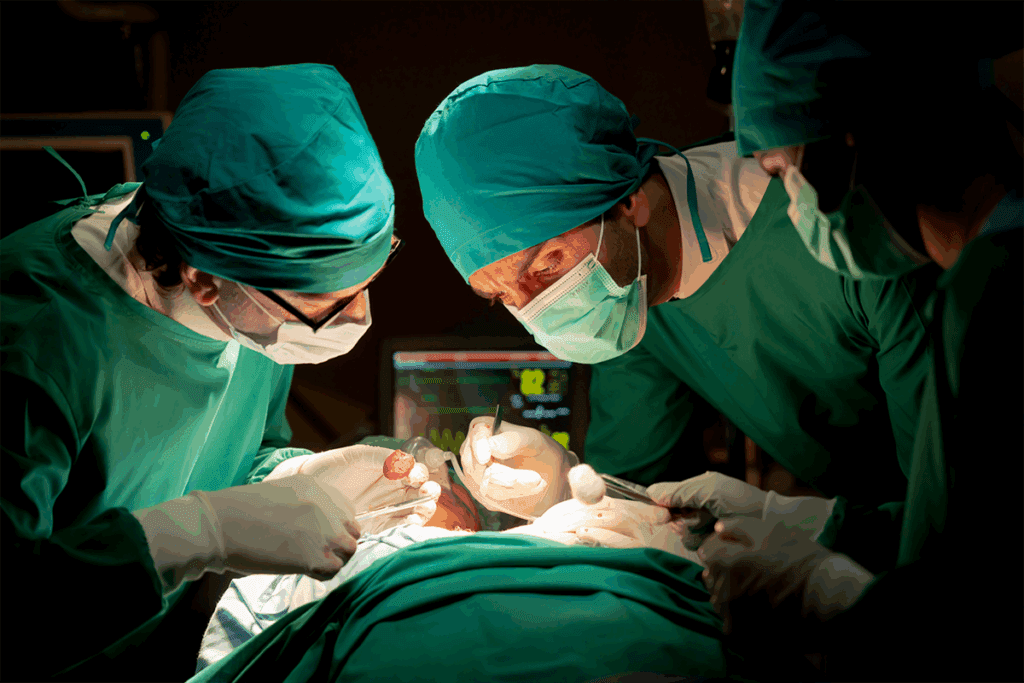
At Liv Hospital, we focus on less invasive solutions for all kinds of treatments. We aim to achieve great results with the least amount of surgery. Our team uses the latest minimally invasive surgery methods. These methods involve small cuts and special tools to fix injuries and improve movement. What is a minimally invasive procedure? Discover 7 amazing benefits, including less pain, faster recovery, and smaller scars.
Our patients get to recover faster and face fewer problems because of our approach. We use different methods like laparoscopy, endoscopy, and robotic surgery. This ensures the best results for our patients. Our goal is to offer top-notch healthcare with full support for international patients.
Key Takeaways
- Less invasive solutions for routine and complex interventions
- Faster recovery times due to minimized surgical trauma
- Utilization of cutting-edge techniques like laparoscopy and robotic surgery
- Comprehensive international patient support and guidance
- Maximum efficacy with minimal invasiveness
- Fewer complications with minimally invasive procedures
What Defines a Minimally Invasive Procedure in Modern Medicine
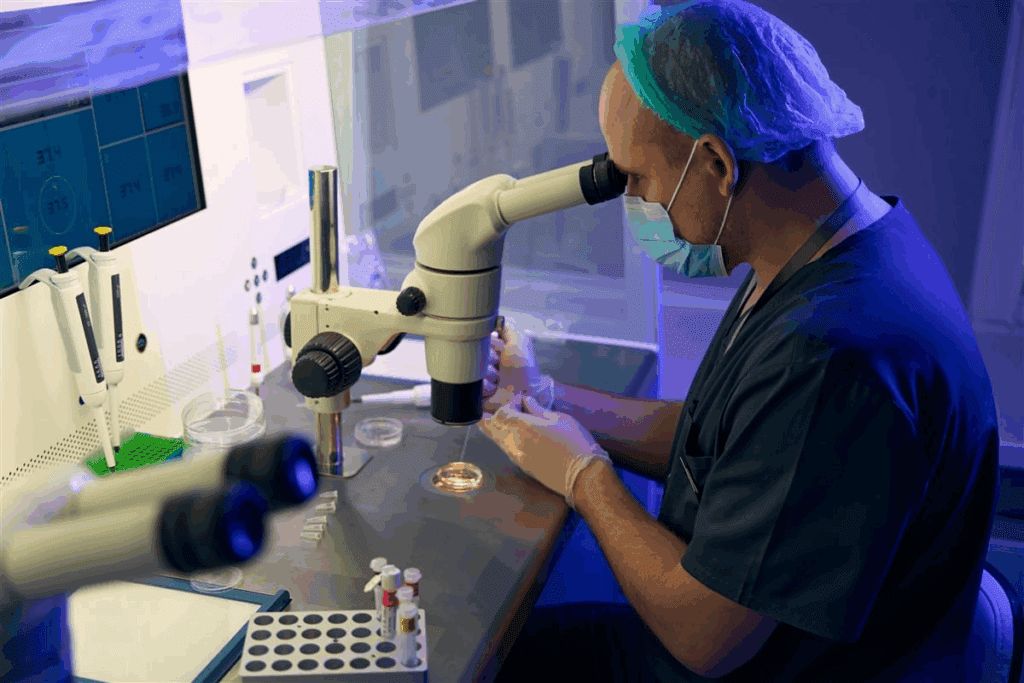
In today’s medicine, minimally invasive procedures mean using smaller cuts and less harm to the patient. These surgeries use small incisions, special tools, and a tiny camera. This way, they cause less damage to the body’s tissues and organs.
The Core Principles of Minimal Invasiveness
The main ideas behind minimal invasiveness are to cause less harm, cut down on recovery time, and lessen pain after surgery. Methods like laparoscopy, endoscopy, and robotic surgery are key. They let surgeons do complex tasks with great accuracy, thanks to modern tech.
- Smaller cuts mean less damage and trauma.
- Advanced tools and images help with precise surgery.
- There’s a lower chance of infection and other problems because of less body disruption.
Evolution from Traditional Surgery to Less Invasive Approaches
The move from old-school surgery to new, less invasive ways has come from better tech and understanding recovery. Old surgeries needed big cuts, causing a lot of damage, long hospital stays, and slow healing. But now, with minimally invasive methods, patients get safer, more comfortable, and less invasive care.
Important steps include:
- Laparoscopic methods let surgeons work through small belly cuts.
- Endoscopic procedures allow for looking inside without big disruptions.
- Robotic-assisted surgery gives surgeons better control and precision.
Types of Minimally Invasive Procedures and Techniques

Medical technology keeps getting better, leading to more treatment options for patients. Minimally invasive surgery (MIS) is designed to cause less harm to the patient. This means less recovery time and less scarring. We’ll look at the different MIS techniques, their uses, and the benefits they offer.
Laparoscopic Surgery: The Cornerstone of MIS
Laparoscopic surgery, or keyhole surgery, is a key part of MIS. It uses small cuts for a laparoscope and tools. This method lets surgeons do things like remove gallbladders and fix hernias with great precision and little harm.
It’s now a common choice for many surgeries because it’s good at reducing harm to the patient.
Endoscopic Procedures: Internal Visualization with Minimal Disruption
Endoscopic procedures use an endoscope to see inside the body. This tool is flexible or rigid and has a camera and light. It’s used for checking the inside of the body and for treatments like removing polyps.
These procedures are minimally invasive. They let doctors diagnose and treat without open surgery.
Robotic-Assisted Surgery: Precision and Control
Robotic-assisted surgery is a big step forward in MIS. It gives surgeons more control and precision. They use a robotic system for operations, getting better views and control.
This method is great for detailed surgeries, like prostate and heart surgeries. The precision and dexterity of robotic systems help surgeons do complex tasks more easily and accurately.
These new ways of doing surgery have changed the game. They offer patients shorter recovery times, less pain, and less scarring. As technology keeps improving, we’ll see even more ways to help patients.
How Minimally Invasive Surgical Procedures Differ from Traditional Operations
The move to minimally invasive surgery is a big step forward. It changes how we do surgeries, making them less harsh on patients and helping them heal faster.
Incision Size and Surgical Access Comparison
Minimally invasive surgery (MIS) and traditional surgery are worlds apart when it comes to incisions. Traditional surgery needs big cuts for a clear view. But MIS uses tiny cuts, just a few millimeters, for its tools and camera.
Key differences in incision size and surgical access include:
- Smaller incisions in MIS result in less tissue damage and trauma.
- Specialized instruments allow for precise manipulation within the body.
- A camera provides a magnified view of the surgical site on a monitor.
Specialized Tools and Equipment
MIS needs special tools and equipment for small cuts. This includes laparoscopes, endoscopes, and robotic systems. These tools help surgeons do complex tasks with great accuracy.
Operating rooms must have the right tech for MIS. Also, surgical teams need to know how to use these tools.
Surgeon Training and Expertise Requirements
Surgeons for MIS need special training and skills. They must learn MIS basics, get to know the equipment, and practice under supervision.
The requirements for surgeon training include:
- Comprehensive understanding of MIS principles and techniques.
- Familiarity with specialized equipment and technology.
- Hands-on training and practice under expert supervision.
By focusing on these areas, we can make sure patients get the best care from MIS.
Benefit #1: Reduced Post-Operative Pain and Discomfort
Minimally invasive procedures cause less pain and discomfort after surgery. This is because they reduce the trauma to the body. Many studies and patient reports support this advantage.
Scientific Evidence on Pain Reduction
Studies show that minimally invasive surgery cuts down on post-operative pain. A meta-analysis in a top medical journal found laparoscopic surgery patients had less pain than those with open surgery. This is because of smaller cuts, less tissue damage, and less body trauma.
“Minimally invasive surgery has been shown to reduce the stress response associated with surgical trauma, decreasing post-operative pain.” – Quote from a leading researcher in the field.
Patient-Reported Outcomes and Satisfaction
Patients who have minimally invasive surgery are often happier. A study showed that those who had laparoscopic surgery had less pain and recovered faster. This shows the benefits of these techniques.
“The reduction in post-operative pain and discomfort has been a game-changer for my patients. It’s not just about the surgery itself, but about the overall experience and recovery.” – renowned surgeon.
In summary, minimally invasive procedures greatly reduce pain and discomfort after surgery. This leads to better patient satisfaction and outcomes.
Benefit #2: Decreased Risk of Infection and Complications
Minimally invasive operations are safer for patients. They have a lower risk of infection and complications. Many studies and statistics show the benefits of smaller incisions and less tissue damage.
Infection Rate Statistics and Research Findings
Studies show that minimally invasive surgery has lower infection rates than traditional open surgery. A study in the Journal of the American College of Surgeons found laparoscopic surgery had lower infection rates than open surgery.
These findings support the idea that minimally invasive procedures lower infection risk. Some key statistics include:
- A meta-analysis of 15 studies on laparoscopic versus open surgery found a significant reduction in surgical site infections in the laparoscopic group.
- A study in the Journal of Surgical Research noted that the overall infection rate for minimally invasive procedures was substantially lower than for traditional surgery.
- Research published in the British Journal of Surgery highlighted that the reduced infection rate in minimally invasive surgery contributes to faster recovery times and shorter hospital stays.
Mechanism of Reduced Infection Risk
Minimally invasive surgery reduces infection risk through smaller incisions and less tissue disruption. Smaller incisions expose internal tissues less to contaminants, lowering infection risk.
Advanced surgical tools and techniques also play a role. These include:
- Precision: Minimally invasive surgery allows for more precise dissection and less tissue trauma.
- Reduced Exposure: Smaller incisions minimize the exposure of internal organs to the external environment, reducing the risk of contamination.
- Less Bleeding: Minimally invasive techniques often result in less bleeding, which reduces the need for blood transfusions and the associated risks of infection.
Understanding the mechanisms and benefits of minimally invasive surgery helps healthcare providers improve patient outcomes and reduce complications.
Benefit #3: Significantly Shorter Recovery Time
Patients who have minimally invasive surgery often recover faster. This means they can get back to their normal lives sooner. Choosing minimally invasive procedures over traditional surgery offers a big advantage.
The faster recovery is due to smaller incisions and less tissue damage. This reduces physical trauma and the risk of complications. It helps patients return to normal activities quicker.
Hospital Stay Duration: Comparative Analysis
Research shows that minimally invasive surgery leads to shorter hospital stays. The table below compares hospital stay times for different surgeries.
| Surgical Procedure | Minimally Invasive Hospital Stay | Traditional Hospital Stay |
| Laparoscopic Cholecystectomy | 1-2 days | 3-5 days |
| Robotic-Assisted Hysterectomy | 1-3 days | 4-6 days |
| Endoscopic Sinus Surgery | 0-1 day | 1-3 days |
Return to Work and Daily Activities Timeline
The time it takes to return to work and daily activities varies. It depends on the surgery type and the patient’s health. But, minimally invasive procedures usually mean a quicker return to normal life.
- For laparoscopic procedures, most patients return to work within 1-3 weeks.
- For robotic-assisted surgeries, the return to work timeline is often within 2-4 weeks.
- Endoscopic surgeries typically allow patients to resume work and daily activities within a few days to a week.
Minimally invasive procedures not only improve patient outcomes but also enhance their quality of life. They allow patients to return to their daily routines and work obligations more quickly.
Benefit #4: Minimal Scarring and Improved Cosmetic Results
Minimally invasive surgery leads to less scarring, making the results look better. It uses smaller cuts, causing less harm to the body. This method lowers the chance of problems and makes the surgery look nicer.
Incision Techniques and Placement Strategies
Doctors use special ways to make scars less noticeable. They place cuts in spots that are hard to see or hide in natural folds. They also make the cuts as small as possible to hurt the body less.
- Strategic placement of incisions
- Minimal incision size
Where the cuts are made is key to avoiding big scars. By choosing spots that are less obvious, doctors can make the surgery look better.
Long-term Cosmetic Outcomes
Minimally invasive surgery often looks better in the long run than traditional surgery. People who get this kind of surgery are usually happier with how they look.
| Cosmetic Outcome | Minimally Invasive Surgery | Traditional Open Surgery |
| Scarring | Minimal | Noticeable |
| Patient Satisfaction | High | Variable |
The cosmetic outcome of minimally invasive surgery is significantly better than traditional surgery, thanks to the smaller incisions and strategic placement.
Benefit #5: Reduced Blood Loss During Surgery
Minimally invasive surgery is safer because it reduces blood loss. This is a big plus for patients facing surgery. It’s a major worry for those going under the knife.
These surgeries use precision tools to cut down on bleeding. This means fewer blood transfusions and lower risks of problems. These tools help surgeons do complex work with less harm to the area around the surgery site.
Precision Tools That Minimize Bleeding
New surgical tools have greatly helped in cutting down blood loss. These include:
- Electrocautery devices that seal blood vessels
- Laser technology for precise tissue cutting
- Ultrasonic devices that coagulate and cut tissue simultaneously
These tools help surgeons work more precisely. This reduces the chance of losing a lot of blood.
Impact on Transfusion Requirements
Minimally invasive surgery means less blood loss. This leads to fewer blood transfusions. It also saves blood for others. A study found that these surgeries greatly cut down on the need for blood transfusions.
“The reduction in blood loss associated with minimally invasive surgery is a critical factor in improving patient outcomes and reducing healthcare costs.”
— Surgical Expert
We see how important less blood loss is in surgery. Minimally invasive methods are key to better patient care and safety.
Benefit #6: Special Advantages for High-Risk Patient Groups
Minimally invasive surgery is safer for patients at high risk. This includes those who are older, obese, or have other health issues. It reduces the chance of complications and helps them heal faster.
Benefits for Elderly Patients
Elderly patients face more risks during surgery. This is because they have less strength and often have other health problems. Minimally invasive surgery is gentler, reducing blood loss and infection risks.
Studies show that elderly patients recover faster and have fewer problems after minimally invasive surgery. They also spend less time in the hospital.
Advantages for Obese Patients
Obese patients have special challenges during surgery. They are at higher risk for infections and take longer to recover. Minimally invasive surgery helps by making smaller cuts.
This reduces the chance of infection and lessens tissue damage. It means obese patients can get back to their normal activities sooner.
Improved Outcomes for Patients with Multiple Comorbidities
Patients with many health issues are at higher risk for surgery problems. Minimally invasive surgery helps by reducing stress and damage. It makes recovery safer for those with complex health needs.
| Patient Group | Benefits of Minimally Invasive Surgery | Outcome Improvements |
| Elderly Patients | Reduced tissue trauma, less blood loss | Shorter hospital stays, fewer complications |
| Obese Patients | Smaller incisions, reduced wound infections | Faster recovery, less tissue damage |
| Patients with Multiple Comorbidities | Minimized physiological stress, less tissue disruption | Reduced risk of post-operative complications |
Minimally invasive surgery offers a safer option for high-risk patients. It improves their surgical experience and outcomes. This enhances their care and recovery chances.
Benefit #7: Lower Overall Healthcare Costs
Minimally invasive procedures help cut down on hospital stays and rehab needs. This leads to lower healthcare costs. Many factors contribute to these procedures being cost-effective.
Economic Analysis: Hospital and Procedure Costs
Research shows that minimally invasive surgery can greatly reduce hospital stays. This cuts down the cost of care. The need for fewer hospital beds, operating room time, and post-op care saves a lot of money.
A study compared laparoscopic and open surgery. It found that laparoscopic surgery led to significantly shorter hospital stays. This resulted in lower costs for hospitalization.
Reduced Rehabilitation and Follow-up Expenses
These procedures also lower costs for rehab and follow-up care. Patients needing minimally invasive surgery often require less physical therapy and fewer doctor visits. This helps reduce healthcare costs overall.
- Less need for post-operative pain management
- Reduced requirement for physical therapy
- Fewer follow-up visits to healthcare providers
Long-term Economic Impact for Healthcare Systems
The long-term benefits of minimally invasive procedures are huge for healthcare systems. They lower the cost per patient. This lets healthcare systems use resources better, leading to better health outcomes.
Also, cutting down on rehabilitation expenses and follow-up care makes healthcare more sustainable. It helps use resources wisely to provide quality care without wasting money.
Beyond Minimally Invasive: Non-Surgical and Least Invasive Alternatives
There are many non-surgical and least invasive treatments beyond minimally invasive procedures. These options are becoming more popular for their ability to provide effective care with little disruption to patients’ lives.
Medication-Based Treatment Options
Medication-based treatments are a key part of non-surgical care. They offer targeted therapy for many conditions. These treatments can include pain management drugs or drugs that address the root cause of a condition.
Thanks to new pharmaceuticals, we now have biologic medications. These can treat complex diseases more precisely and with fewer side effects than older treatments.
| Condition | Medication Type | Benefits |
| Chronic Pain | Pain Management Medications | Effective pain relief, improved quality of life |
| Autoimmune Diseases | Biologic Medications | Targeted therapy, reduced side effects |
Physical Therapy and Rehabilitation Approaches
Physical therapy and rehabilitation are key in non-surgical care. They help patients regain strength, mobility, and function.
These methods are tailored to each patient’s needs and goals. Physical therapy is great for those recovering from injury or surgery, or managing chronic conditions.
Emerging Non-Invasive Technologies
Non-invasive technologies are growing fast. Innovations like laser therapy, shockwave therapy, and advanced imaging are becoming more common.
These technologies allow for precise treatment with little recovery time. This improves patient outcomes and satisfaction.
As research goes on, we’ll see more advancements in non-invasive technologies. This will give patients and healthcare providers more options.
Conclusion: The Future of Minimally Invasive Medicine
Minimally invasive surgery is changing how we care for patients. It’s setting a new standard in healthcare. With new tech and techniques, patient care is getting better.
These advancements make surgeries more precise and quick. They also reduce recovery times and complications. This shift means patients have more options and better care.
New tools like robotic-assisted surgery and endoscopic procedures are leading the way. These innovations will bring even more effective treatments. This will help patients all over the world.
Minimally invasive surgery offers many benefits. Patients recover faster, have smaller scars, and face fewer complications. It’s becoming the top choice for many. We’re excited for the future of this field, promising better care for all.
FAQ
What is a minimally invasive procedure?
A minimally invasive procedure is a way to do surgery with small cuts. It uses special tools to cause less damage. This means patients can heal faster and face fewer problems.
What are the benefits of minimally invasive surgery?
Minimally invasive surgery has many benefits. It causes less pain and lowers the chance of infection. Patients recover quickly and have less scarring. It also means less blood loss and lower costs.
What types of procedures are considered minimally invasive?
Many procedures are minimally invasive. These include laparoscopic surgery, endoscopic procedures, and robotic-assisted surgery.
How does minimally invasive surgery reduce the risk of infection?
It uses smaller cuts. This causes less damage and lowers the chance of bacteria getting in.
Are minimally invasive procedures suitable for high-risk patients?
Yes, they are good for high-risk patients. This includes older people, those who are overweight, and those with many health issues. They face fewer problems and heal faster.
What is the difference between minimally invasive surgery and traditional surgery?
Minimally invasive surgery uses smaller cuts and special tools. This causes less damage and leads to quicker healing.
Are there non-surgical alternatives to minimally invasive procedures?
Yes, there are. Options include medicine, physical therapy, and new non-invasive technologies.
What is the future of minimally invasive medicine?
The future looks bright. New techniques and technology will keep improving results and offer more treatment options.
How does robotic-assisted surgery fit into minimally invasive procedures?
Robotic-assisted surgery uses a robotic system. It helps with precision and control. This allows for more complex surgeries with less invasion.
What are the economic benefits of minimally invasive surgery?
It saves money. It cuts down on hospital stays, rehab costs, and other expenses compared to traditional surgery.
How do minimally invasive procedures impact recovery time?
They greatly reduce recovery time. This is because they cause less damage. Patients can get back to their lives sooner.
What is the role of laparoscopy in minimally invasive surgery?
Laparoscopy is key. It lets surgeons see inside and work through small cuts.
How do minimally invasive procedures minimize scarring?
They use small cuts. This means less damage and less chance of big scars.
References:
- Jeganathan, J. R. (2025). Minimally invasive surgery: a historical and legal overview. PMC. https://pmc.ncbi.nlm.nih.gov/articles/PMC12279690/