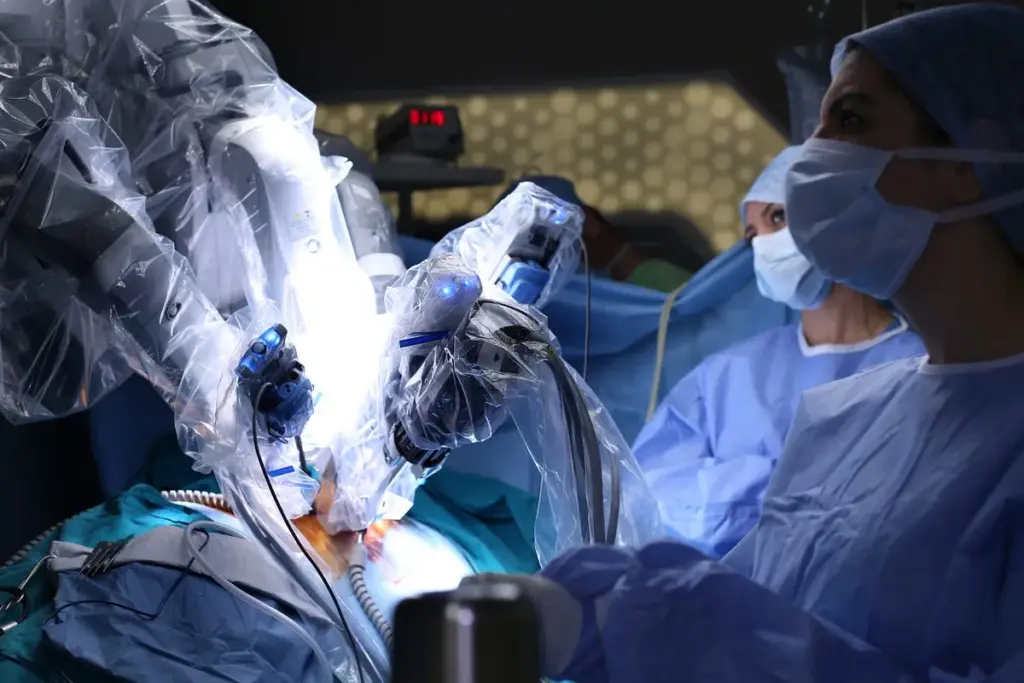
Did you know that over 1 million spine surgeries happen every year in the United States? Many people are now choosing a gentler option – minimally invasive spine surgery. This new approach is changing how we treat back problems, offering a less painful way than old spine surgery methods.
MISS uses smaller cuts and new surgical methods. This means less harm to muscles and tissues. It leads to less pain after surgery and a faster recovery. This makes it a great spine treatment for many. Let’s dive into why MISS is becoming the top choice over traditional back surgery.
Key Takeaways
- Minimally invasive spine surgery reduces trauma to the body.
- Smaller incisions lead to less post-operative pain.
- Patients experience a quicker recovery time.
- Advanced surgical techniques improve the effectiveness of the treatment.
- MISS is becoming a preferred alternative to traditional spine surgery.
Understanding Spine Surgery: From Traditional to Modern Approaches
Spine surgery has changed a lot. It now uses new, less invasive methods. This change helps patients recover faster and feel less pain.
The Evolution of Spine Surgery Techniques
Older spine surgery needed a big cut to see the spine. This hurt a lot of muscles and took longer to heal. Now, doctors use smaller cuts and special tools. They also use new tech to see exactly where they’re working.
Why Patients Seek “Easier” Surgical Options
People want surgeries that heal faster and hurt less. They want to avoid big problems after surgery. New spine surgery tries to do this by being less invasive but still very effective.
|
Characteristics |
Traditional Open Spine Surgery |
Modern Minimally Invasive Spine Surgery |
|---|---|---|
|
Incision Size |
Large incision |
Small incisions |
|
Muscle Damage |
Significant muscle damage |
Minimal muscle damage |
|
Recovery Time |
Longer recovery time |
Shorter recovery time |
|
Post-operative Pain |
More post-operative pain |
Less post-operative pain |
What Makes a Spine Surgery “Easy”?
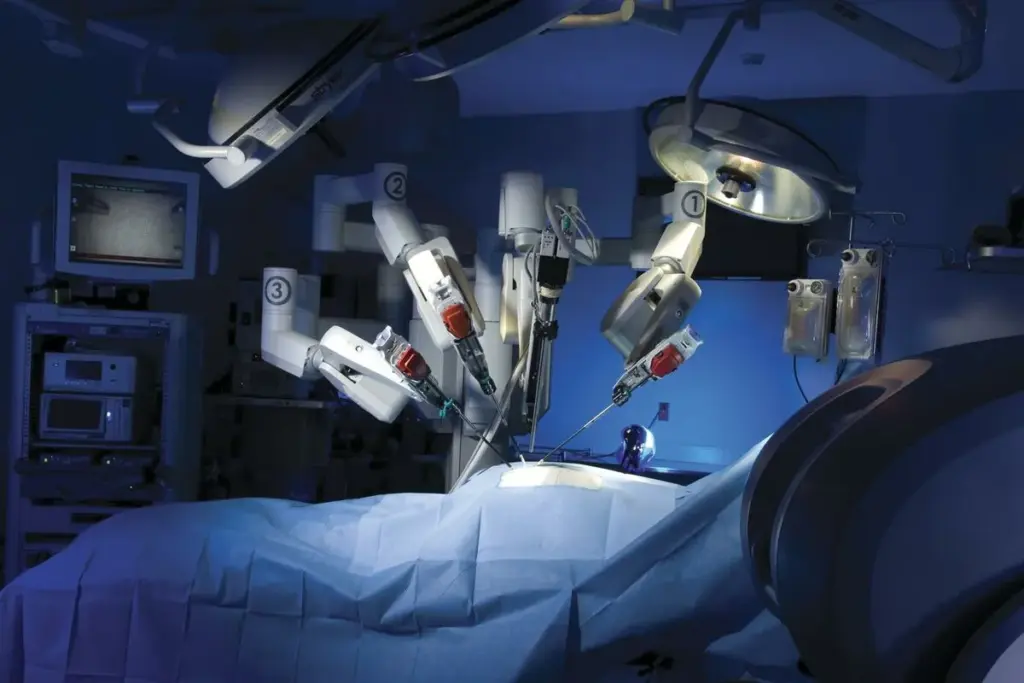
The idea of “easy” spine surgery involves many factors. These factors make the procedure less invasive and more effective. Patients look for the “easiest” option to reduce downtime and improve outcomes.
To grasp what makes a spine surgery “easy,” we must look at important factors. Surgeons and patients consider these when choosing a surgery.
Defining “Easy” in Surgical Terms
An “easy” spine surgery balances minimal invasiveness with optimal effectiveness. It should cause little tissue damage, less pain, and a quick recovery. Yet, it must still achieve the desired results.
Key Factors: Invasiveness, Recovery Time, and Effectiveness
Several factors make a spine surgery “easier.” These include:
- Invasiveness: How much the surgery disrupts the body’s tissues. Minimally invasive surgeries use smaller incisions and tools to reduce damage.
- Recovery Time: How long it takes for the patient to get back to normal. Easier surgeries lead to shorter hospital stays and quicker recovery.
- Effectiveness: How well the surgery works to relieve pain or stabilize the spine.
The Patient Perspective vs. Surgical Complexity
Surgeons focus on making surgeries easier from a technical standpoint. But patients have their own view. For them, an “easy” surgery means less anxiety before, better pain control after, and a smoother recovery.
It’s key to understand the balance between surgical complexity and patient experience. By aligning these, surgeons can offer care that meets clinical goals and patient expectations. This makes the surgery less daunting and more “easy” for patients.
Minimally Invasive Spine Surgery: The Game-Changer
Spine surgery has changed a lot with new techniques. Minimally invasive spine surgery (MISS) is a big change. It cuts down on damage to tissues and helps patients heal faster.
Core Principles
MISS is all about using small incisions. This means less damage to tissues and less scarring. Special tools, like tubular retractors, help get to the spine without hurting nearby tissues too much.
Advanced imaging is key in MISS. It lets surgeons see the spine clearly during surgery. This makes the surgery more precise and lowers the chance of problems.
Differences from Traditional Open Surgery
MISS is different from old-school open surgery in many ways. For one, the small cuts in MISS cause less pain and quicker healing. This is because there’s less damage to tissues.
Also, MISS uses new tech and tools for more accurate surgery. This means better results and fewer risks. Open surgery, with its bigger cuts, can lead to longer healing times and more risks.
By using MISS, doctors can give patients a safer and better way to treat spinal problems. As tech keeps getting better, MISS will keep being a big deal in spine surgery.
Microdiscectomy: The Gold Standard for Herniated Discs
Microdiscectomy is a top choice for treating herniated discs. It’s a minimally invasive method that helps ease pain and improve mobility. The surgery removes the herniated disc material that’s pressing on a nerve, relieving pain and discomfort.
Procedure Overview and Technique
Microdiscectomy is done under general anesthesia or conscious sedation. A small incision is made in the back, about 1-2 inches long. A microscope or endoscope is used to see the disc and nerve. Then, the damaged disc material is removed to free the nerve.
Recovery Timeline and Success Rates
Recovery from microdiscectomy is usually quicker than traditional surgery. Most people can get back to normal activities in a few weeks. Research shows that microdiscectomy is very effective, with most patients experiencing significant pain relief.
Here’s a look at the typical recovery timeline and success rates for microdiscectomy:
|
Recovery Stage |
Timeline |
Success Rate |
|---|---|---|
|
Immediate Post-Surgery |
1-2 days |
90% pain relief |
|
Return to Light Activities |
1-2 weeks |
85% functional improvement |
|
Full Recovery |
4-6 weeks |
80% return to normal activities |
Ideal Candidates for Microdiscectomy
Microdiscectomy is best for those with a herniated disc causing a lot of pain. It’s recommended for patients who haven’t gotten better with physical therapy and medication. The best candidates have a clear diagnosis of a herniated disc and significant nerve compression, with no other spinal issues.
Microdiscectomy is a complex procedure. It needs the skill of a neurosurgeon or orthopedic spine surgeon.
Endoscopic Spine Procedures: The Least Invasive Option
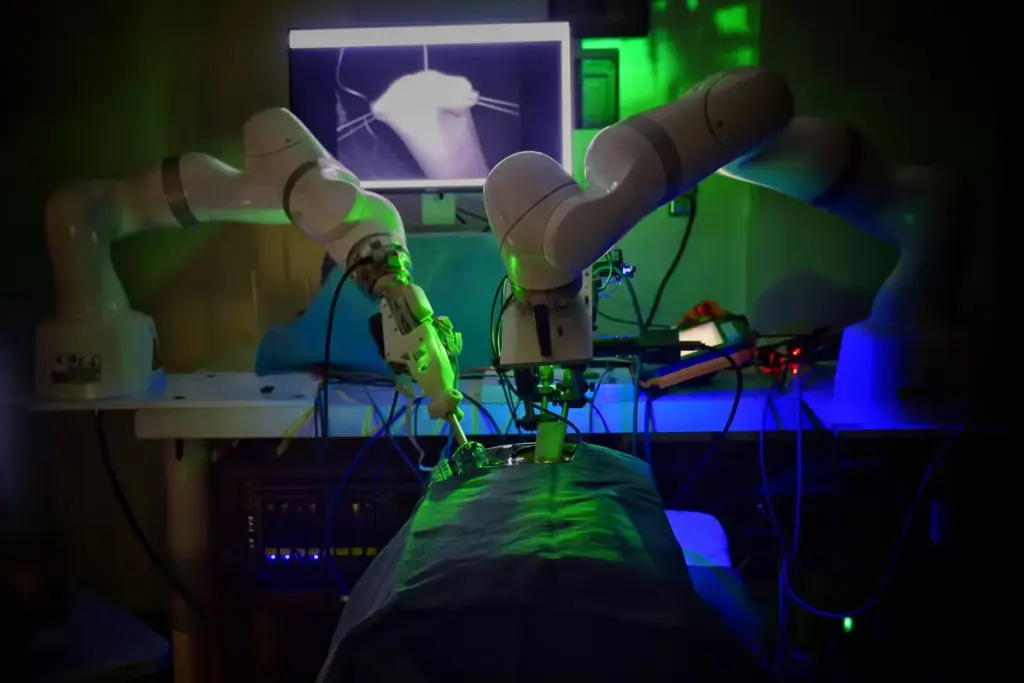
Endoscopic spine procedures are a new way to fix spinal problems. They use a small camera and tools through tiny cuts to see and fix issues in the spine.
How Endoscopic Procedures Work
Endoscopic spine surgery uses an endoscope, a thin camera tube, to see the spine on a screen. This lets surgeons work with little harm to the area around the spine. The surgery is done with local anesthesia or sedation, making it safer than general anesthesia.
Small cuts, less than 1 cm, are made for the endoscope and tools. The camera’s clear images help the surgeon remove bad tissue or fix damaged areas.
Types of Endoscopic Spine Surgeries
There are many endoscopic spine surgeries for different problems:
- Endoscopic Discectomy: This removes the bulging part of a disc that presses on nerves.
- Endoscopic Foraminotomy: It makes the openings for nerves bigger to ease pressure.
- Endoscopic Facetectomy: This removes part or all of the facet joint to take pressure off nerves.
Benefits and Limitations
Endoscopic spine procedures have many advantages:
|
Benefits |
Description |
|---|---|
|
Minimally Invasive |
Smaller cuts mean less damage and pain. |
|
Less Post-Operative Pain |
Less muscle damage means less pain after surgery. |
|
Faster Recovery |
Patients can get back to normal faster than with open surgery. |
|
Reduced Risk of Infection |
Smaller cuts mean less chance of infection. |
But, there are some downsides. Not all spinal problems can be fixed this way. The success also depends on the surgeon’s skill and the technology used.
Always talk to a spine expert to see if endoscopic surgery is right for you.
Percutaneous Vertebroplasty and Kyphoplasty for Vertebral Compression
For those with vertebral compression fractures, percutaneous vertebroplasty and kyphoplasty bring new hope. These procedures are minimally invasive. They provide immediate stability and pain relief.
Procedure Details and Differences
Percutaneous vertebroplasty and kyphoplasty treat vertebral compression fractures differently. Vertebroplasty injects bone cement into the fractured vertebra. Kyphoplasty uses a balloon to create space before adding cement.
The main differences are shown in the table below:
|
Procedure |
Description |
Benefits |
|---|---|---|
|
Percutaneous Vertebroplasty |
Injects bone cement into the fractured vertebra |
Immediate pain relief, stabilizes the vertebra |
|
Kyphoplasty |
Uses a balloon to create space before injecting bone cement |
Restores vertebral height, reduces kyphosis |
Recovery Experience and Outcomes
Recovery from both procedures is quick. Most patients feel pain relief within days. The recovery process includes a short hospital stay and rest.
- Immediate pain relief is common
- Short hospital stay, usually less than 24 hours
- Gradual return to normal activities within a few weeks
Both procedures are highly effective in treating vertebral compression fractures. They greatly improve patients’ quality of life.
Minimally Invasive Spinal Fusion: When Stability is Needed
For those needing spinal stability, minimally invasive spinal fusion is a top choice. It combines the benefits of spinal fusion with the quick recovery of minimally invasive methods. This means less damage to tissues and faster healing times.
Modern Fusion Techniques
Modern fusion techniques use advanced tech and special tools. These allow surgeons to make smaller cuts, causing less muscle damage and faster healing. Computer-assisted navigation and high-resolution imaging help place implants and bone grafts accurately. This boosts the fusion’s stability.
Recovery Expectations for MIS Fusion
Recovery from minimally invasive spinal fusion is quicker than traditional surgery. Patients often feel less pain and can get back to daily life sooner. The reduced muscle trauma and less blood loss of MIS fusion lead to these better results. Yet, recovery times can vary based on the patient and the surgery’s complexity.
Comparing to Traditional Fusion Surgery
Minimally invasive spinal fusion differs from traditional surgery in several ways. Traditional surgery has bigger cuts and more muscle dissection, making recovery longer. MIS fusion, on the other hand, has smaller incisions, less tissue damage, and shorter hospital stays. It aims for spinal stability but often has fewer complications and quicker recovery.
Artificial Disc Replacement: Motion-Preserving Alternative
For those with severe disc problems, artificial disc replacement is a hopeful solution. It keeps the spine moving. This surgery replaces a bad disc with a new one that moves like a natural disc.
Procedure Overview and Technology
This surgery is done with a small cut, using the latest tech for accuracy. The steps are:
- Removing the damaged disc
- Preparing the disc space for the prosthetic
- Inserting the artificial disc
The new disc helps the spine move right, easing pain and boosting function. Advanced materials and designs make it last and work well.
Recovery Process and Long-Term Outcomes
Recovering from this surgery is quicker than old-school fusion surgery. Patients usually:
|
Recovery Milestone |
Timeline |
|---|---|
|
Return to light activities |
2-4 weeks |
|
Return to normal activities |
6-12 weeks |
|
Full recovery |
3-6 months |
Long-term, this surgery can really help with pain and improve life quality. High patient satisfaction rates and fewer follow-up surgeries are common.
Always talk to a doctor to see if this surgery is right for you.
Laminectomy and Laminotomy: Decompressing the Spine
Minimally invasive laminectomy and laminotomy have changed spinal decompression surgery. They offer relief from nerve compression with less damage to tissue.
Minimally Invasive Approaches to Spinal Decompression
Spinal decompression surgeries, like laminectomy and laminotomy, aim to ease nerve pressure. Minimally invasive techniques make these procedures better. They use smaller cuts and disturb less tissue.
We use the latest technology for these surgeries. This ensures the decompression works well and cuts down on recovery time.
Recovery Timeline and Success Factors
The time it takes to recover from laminectomy and laminotomy varies. It depends on the case and the surgery type. Usually, people can get back to their usual activities in a few weeks.
Success factors include the surgeon’s skill, the condition’s severity, and the patient’s health. Choosing a skilled surgeon and following care instructions can greatly improve results.
Knowing about your condition and the surgery helps set realistic recovery and success goals.
Comparing Recovery Times Across Spine Surgery Types
Knowing how to recover from spine surgery is key. The time it takes can change a lot based on the surgery type. Minimally invasive surgeries usually mean shorter hospital stays and quicker recovery times.
Hospital Stay Duration by Procedure
The time you spend in the hospital is a big clue about your recovery. Traditional open spine surgeries often keep you in the hospital longer. They can last from a few days to a week.
On the other hand, minimally invasive spine surgeries (MISS) usually mean you can go home sooner. Many patients leave the hospital the same day or within 24 hours.
- Microdiscectomy: Often performed on an outpatient basis, with some patients staying overnight.
- Endoscopic Spine Procedures: Usually done on an outpatient basis, with minimal hospital stay.
- Minimally Invasive Spinal Fusion: May require a stay of 1-3 days.
- Traditional Open Spine Surgery: Can require a hospital stay of 3-7 days or more.
Return to Daily Activities Timeline
The time it takes to get back to normal activities varies by surgery type. Minimally invasive surgeries usually let you get back to normal faster.
- Endoscopic Procedures: Patients often resume normal activities within 1-2 weeks.
- Microdiscectomy: Recovery typically takes 2-4 weeks.
- Minimally Invasive Spinal Fusion: May take 6-12 weeks to return to full activity.
- Traditional Spine Surgeries: Can take 3-6 months or more for full recovery.
Return to Work Expectations
When you can go back to work depends on your surgery, health, and job. Generally, those with minimally invasive surgeries can get back to work faster than those with open surgeries.
- Desk jobs: May return to work within 2-6 weeks after minimally invasive surgery.
- Manual labor jobs: May need 6-12 weeks or more off work, depending on the surgery type.
It’s crucial to follow your surgeon’s advice on recovery and when to go back to work. This helps ensure the best results.
Technology Driving Easier Spine Surgeries
Technology has changed spine surgery a lot. It has made surgeries more precise and better for patients. Now, we see more minimally invasive surgeries because of new tech.
Advanced Imaging and Navigation Systems
Advanced imaging and navigation systems are key in spine surgery today. They give surgeons real-time data to work with. This helps them navigate the spine more accurately.
Intraoperative imaging like fluoroscopy and CT scans helps pinpoint structures. This lowers the chance of problems during surgery.
Navigation systems, linked with pre-op images, show the spine in 3D. This is very helpful for placing pedicle screws accurately.
Robotic-Assisted Spine Surgery
Robotic-assisted spine surgery is a big step up in tech. It offers unmatched precision and stability. This makes it possible to do more complex surgeries with better results.
Robotic systems also help with minimally invasive surgeries. This means less damage to tissues and faster healing. As robotics get better, we’ll see even more uses in spine surgery.
Specialized Instruments and Implants
New tools and implants have greatly helped spine surgery. Minimally invasive instruments cause less damage. And customized implants fit each patient’s needs better.
Materials science has led to biocompatible implants that work well with the body. These implants are key to the success of many spine surgeries.
Who Qualifies for Minimally Invasive Spine Procedures?
To see if you qualify for minimally invasive spine surgery, we check your health and spinal condition. This helps us find the best option for you.
Medical Criteria and Evaluation Process
Several things decide if you’re a good candidate for these surgeries. We look at how severe your spinal problem is and your overall health. We also consider any treatments you’ve had before.
Our evaluation includes:
- Looking at your medical history
- Using MRI or CT scans to see your spine
- Checking how you move and feel physically
- Talking about how your symptoms affect your daily life
Important factors include the type and severity of your spinal issue, any other health problems, and how you’ve reacted to treatments before.
When Traditional Surgery May Be Necessary
Even though minimally invasive surgery has many benefits, sometimes open surgery is better. This choice is made when:
- Your spinal problem is complex or very severe
- You’ve had surgery before and need more work done
- Your body shape doesn’t fit the minimally invasive method
If traditional surgery is recommended, we explain why. We also tell you what to expect from the surgery.
Choosing between minimally invasive and traditional surgery depends on your specific situation. We consider your unique needs and circumstances.
Potential Risks and Complications: What to Consider
Minimally invasive spine surgery is safer than old methods but still has risks. It’s important to know about these risks to make the best choice for your health.
Common Complications in Minimally Invasive Procedures
Even though MISS is less invasive, it can still have complications. These include infection, bleeding, and nerve damage. “Choosing an experienced surgeon and following post-operative instructions carefully can reduce these risks,” says experts.
Some specific complications of MISS are:
- Infection at the surgical site
- Bleeding or hematoma formation
- Nerve damage or irritation
- Instability or hardware failure in cases where instrumentation is used
Risk Factors That May Increase Complications
Some factors can make complications more likely during or after MISS. These include:
- Pre-existing medical conditions such as diabetes or heart disease
- Smoking, which can impair healing
- Obesity, which can put additional stress on the spine
- Previous spine surgeries, which can complicate new procedures
Knowing these risk factors is key to managing expectations and reducing risks. By understanding these potential complications and taking steps to avoid them, patients can have better outcomes from their spine surgery.
As spine surgery techniques improve, many patients have successful MISS without major issues. But knowing about the risks helps patients make better decisions about their care.
Questions to Ask Your Surgeon Before Choosing a Procedure
Getting ready for spine surgery is more than just the surgery. It’s about asking your surgeon important questions. This ensures you make a well-informed choice.
Experience and Specialization Questions
It’s key to know your surgeon’s experience and area of focus. You should ask:
- How many spine surgeries have you performed?
- What is your experience with the specific procedure I’m considering?
- Can you share any patient testimonials or reviews?
These questions help you understand the surgeon’s expertise and comfort with the procedure.
Procedure-Specific Questions
To fully grasp the surgery, you need to ask the right questions. Consider asking:
- What are the risks and potential complications of this surgery?
- How will the surgery be performed, and what techniques will be used?
- Are there any alternative treatments or procedures that could be considered?
These questions will give you a clear understanding of what to expect.
Recovery and Outcome Questions
Knowing the recovery process and expected outcomes is crucial. Ask your surgeon:
- What is the typical recovery time for this procedure?
- What kind of pain management options are available during recovery?
- How will my condition be monitored during the recovery process?
By asking these questions, you can prepare better for the recovery journey.
Talking thoroughly with your surgeon and asking the right questions can make you feel more confident and prepared for your spine surgery.
Conclusion: Finding Your Easiest Path to Spine Health
Finding the easiest way to spine health involves the right surgery and care. We looked at different spine surgery options. These include minimally invasive methods that help you recover faster and get better results.
Knowing the benefits of minimally invasive spine surgery helps patients make good choices. It’s important to work with skilled healthcare professionals. They help you get the best results and improve your spinal health.
The best spine surgery is one that fits your needs. It considers your health and what your spine needs. As we keep improving spinal care, our goal is to offer the most effective and least invasive treatments. This ensures you get on the path to optimal spine health.
FAQ
What is minimally invasive spine surgery?
Minimally invasive spine surgery (MISS) is a new way to operate on the spine. It uses small cuts and special tools to fix problems without harming much tissue. This method helps patients heal faster and feel less pain after surgery.
What are the benefits of minimally invasive spine surgery?
MISS has many advantages. It means smaller cuts, less pain, and a quicker recovery. Patients often get to go home sooner and get back to their lives faster. We use the latest technology to make recovery easier and more comfortable.
What types of spine surgeries are considered minimally invasive?
Many spine surgeries can be done with MISS. This includes fixing herniated discs, using endoscopes, and even replacing discs. Each method is chosen based on the patient’s specific needs.
How does microdiscectomy work?
Microdiscectomy is a way to treat herniated discs. It removes the part of the disc that’s pressing on nerves. This relieves pain and discomfort. We use high-tech tools and imaging to make sure it works well.
What is the recovery time for microdiscectomy?
Recovery from microdiscectomy is usually faster than traditional surgery. Most people can start doing normal things again in a few weeks. But, it can take a few months to fully get better. We give each patient personalized care to help them heal smoothly.
Are endoscopic spine procedures effective?
Yes, endoscopic spine procedures are very effective. They use a camera and special tools to see and fix the spine. This method is precise and less invasive, leading to less pain and quicker healing.
What is the difference between percutaneous vertebroplasty and kyphoplasty?
Both procedures fix vertebral compression fractures. The main difference is in how they’re done. Vertebroplasty fills the fractured vertebra with bone cement. Kyphoplasty uses a balloon to expand the vertebra before filling it with cement. We choose the best one for each patient.
How does minimally invasive spinal fusion compare to traditional fusion surgery?
Minimally invasive spinal fusion is less invasive and promotes faster healing. It uses smaller cuts and advanced techniques to reduce tissue damage. This leads to less pain and quicker recovery times compared to traditional surgery.
What are the risks associated with minimally invasive spine surgery?
While MISS is safe, it’s not without risks. Possible complications include infection, nerve damage, and bleeding. We take all precautions to minimize these risks and discuss them with patients before surgery.
How do I know if I’m a candidate for minimally invasive spine surgery?
We determine if MISS is right for you through a detailed evaluation. This includes looking at your medical history and diagnostic images. We consider many factors to find the best surgical approach for you.
What questions should I ask my surgeon before choosing a procedure?
It’s important to ask your surgeon about their experience and the procedure details. You should also ask about expected outcomes and recovery. We encourage patients to ask questions to make sure they’re well-informed and comfortable with their choice.
How has technology impacted spine surgery?
Technology has greatly improved spine surgery. Advances in imaging, navigation systems, and robotic-assisted surgery have made procedures more precise and effective. These advancements lead to better results and faster recovery times for patients.
Reference
National Center for Biotechnology Information. Evidence-Based Medical Insight. Retrieved from https://pmc.ncbi.nlm.nih.gov/articles/PMC7732048/