

Nearly 1 million adults in the United States have spine surgery each year. Many choose minimally invasive procedures. The recovery timeline depends on the patient’s health and the surgery’s complexity. Learn about minimally invasive spine surgery recovery time and what to expect during the healing process.
Knowing the recovery process is key. It helps manage expectations and ensures a smooth return to daily life. Patients usually recover faster than with traditional open surgery.
Key Takeaways
- Factors influencing recovery time include patient health and procedure complexity.
- Minimally invasive procedures typically offer shorter recovery times.
- Understanding the recovery process helps in managing expectations.
- Return to normal activities is generally faster than with traditional surgery.
- Patient outcomes are significantly improved with proper post-operative care.
Understanding Minimally Invasive Spine Surgery

Minimally invasive spine surgery is changing spinal surgery. It uses smaller incisions and causes less tissue damage. This leads to less pain and a quicker recovery for patients.
What Makes Surgery “Minimally Invasive”
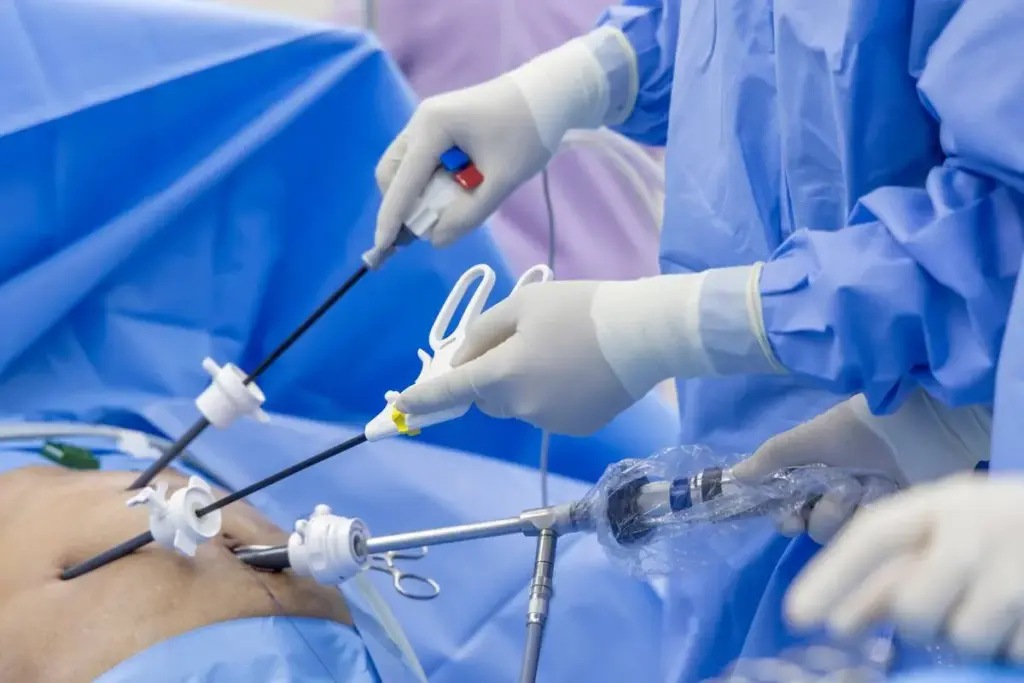
Minimally invasive spine surgery uses special tools and techniques. It’s done through small incisions, usually less than an inch. This method causes less damage to muscles and tissues.
It also reduces blood loss and helps the body heal faster.
Advanced imaging technologies like fluoroscopy or endoscopy help surgeons see the area clearly. This reduces the risk of complications.
Common Minimally Invasive Spine Procedures
Several spinal conditions can be treated with minimally invasive surgery. These include:
- Herniated discs
- Spinal stenosis
- Spondylolisthesis
- Degenerative disc disease
Procedures like discectomy, laminectomy, and spinal fusion can be done this way. It offers patients treatment options for their specific conditions.
Benefits Over Traditional Open Surgery
Minimally invasive spine surgery has many benefits. These include:
- Smaller incisions, resulting in less scarring
- Reduced muscle damage and trauma
- Less blood loss during surgery
- Shorter hospital stays and recovery times
- Less post-operative pain
It minimizes the impact on the body. This makes minimally invasive spine surgery a good choice for those wanting a quick recovery after spine surgery.
Following spine surgery recovery tips from healthcare professionals is key. It helps optimize the recovery process and achieve the best outcomes.
Minimally Invasive Spine Surgery Recovery Time: What to Expect
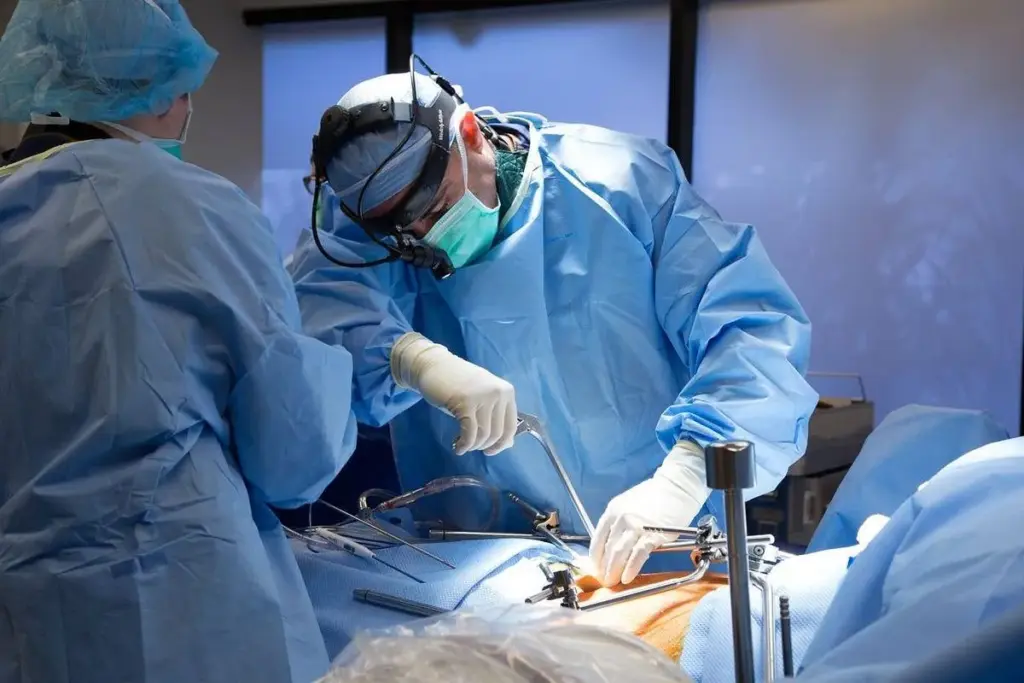
Knowing the recovery time for minimally invasive spine surgery is key for patients. This type of surgery is popular because it can lead to accelerated spine surgery recovery and less tissue damage.
General Timeline Overview
The spine surgery recovery timeline varies based on several factors. These include the surgery type and the patient’s health. Generally, recovery takes a few weeks to a few months.
Patients can start with light activities in 2-4 weeks after surgery. But, getting back to hard activities might take longer.
Procedure-Specific Recovery Variations
Recovery times differ for various minimally invasive spine surgeries. For example, a discectomy might have a shorter recovery than a fusion surgery.
- Discectomy: Typically 2-4 weeks
- Spinal fusion: 6-12 weeks or more
- Laminectomy: 4-6 weeks
Setting Realistic Expectations
To reduce recovery time after spine surgery, setting realistic goals is vital. Following post-operative instructions closely is also important. Patients should talk to their surgeon about their specific recovery timeline.
By knowing the recovery process and following care instructions, patients can improve their recovery. This helps them get the best results from their surgery.
Factors That Influence Recovery Duration
Recovery time after spine surgery varies a lot. This is because many things can affect how fast someone recovers. Knowing these factors can help patients plan better and recover faster.
Patient Age and Overall Health
How old you are and your health matter a lot. Younger people with fewer health problems usually recover quicker. Staying healthy by eating well and exercising can help a lot.
Type and Complexity of Procedure
The surgery’s type and how complex it is also matters. More complex surgeries take longer to recover from. Less complex surgeries like discectomy or laminectomy might have shorter recovery times.
Pre-existing Conditions
Having health problems before surgery can make recovery harder. Conditions like diabetes or obesity can slow healing. It’s important to manage these conditions well before and after surgery.
Adherence to Post-Op Instructions
Following your doctor’s instructions is key for a smooth recovery. This means taking your medicine as told, going to follow-up visits, and slowly getting back to physical activities. Not following these instructions can lead to longer recovery times or more problems.
|
Factor |
Influence on Recovery |
Tips for Optimization |
|---|---|---|
|
Patient Age |
Younger patients tend to recover faster |
Maintain a healthy lifestyle |
|
Procedure Complexity |
More complex surgeries require longer recovery |
Follow surgeon’s instructions closely |
|
Pre-existing Conditions |
Can complicate recovery and increase risk |
Manage conditions effectively before and after surgery |
|
Post-Op Adherence |
Critical for avoiding complications |
Attend follow-ups, adhere to medication schedules |
Understanding and dealing with these factors can help patients recover better after spine surgery. This can lower the chance of problems and improve results.
The Immediate Post-Operative Period (0-48 Hours)
The first 48 hours after spine surgery are key for managing pain and healing. They set the stage for a quick recovery. This time is vital for a smooth start.
Hospital Stay Duration
How long you stay in the hospital varies. Most leave within 24 to 48 hours. Your health, the surgery type, and any complications play a role.
Source: Journal of Neurosurgery: Spine
Pain Management Protocols
Managing pain well is key for a quick recovery. Doctors use a mix of medicines and other methods. They teach you how to handle pain at home, like using ice packs.
Initial Mobility Expectations
Moving early is important to avoid problems and help healing. Start with small movements and get more active as you feel better. “Early movement after spine surgery lowers the risk of blood clots and improves results”
Source: Spine Journal
. Following spine surgery recovery tips from doctors can greatly help your recovery.
Early Recovery Phase: The First Two Weeks
The first two weeks after surgery are very important. You need to follow the doctor’s instructions carefully. This time is when your body starts to heal, and how you take care of yourself matters a lot.
Managing Pain and Discomfort
Managing pain well is key in the early recovery phase. Your doctor will give you pain medicine. It’s important to take it as directed to move and do gentle exercises as suggested.
Other ways to ease pain include using cold packs and staying in a comfortable position. Doing things that take your mind off the pain, like reading or listening to music, can also help.
Activity Restrictions
It’s important to follow the activity restrictions to avoid problems and help your body heal. At first, you should not lift heavy things, bend, or twist. Later, you’ll start doing gentle exercises to get stronger and move better.
Also, you should not drive too soon and try to avoid sitting or standing for long periods. Your doctor will tell you when it’s okay to do these things again, including driving and physical labor.
Wound Care and Healing
Good wound care is key to avoid infection and make sure the wound heals right. You’ll get instructions on how to keep the surgical site clean and dry. Watch for signs of infection, like redness, swelling, or fever.
Initial Home Adjustments
Making some initial home adjustments can help a lot. This might mean setting up a comfy recovery spot on the ground floor if you have stairs. You might also need help with chores and have meals ready in advance.
Having people you can count on can really help. Think about asking family or friends to help you during this time.
Mid-Recovery Phase: Weeks 3-6
The mid-recovery phase is from weeks 3 to 6 after surgery. During this time, patients can slowly start doing more activities and begin formal rehab. The body keeps healing, and patients often see big improvements in their health.
Increasing Activity Levels
In weeks 3-6, patients are encouraged to do more, but slowly. They might start with gentle stretching exercises and short walks. It’s important to listen to the doctor’s advice to avoid doing too much too soon. Spine surgery recovery exercises help improve flexibility and strength.
Physical Therapy Introduction
Physical therapy starts in the mid-recovery phase. A physical therapist will create a plan to help patients get stronger, more flexible, and move better. This structured rehabilitation is important for a quick recovery from spine surgery.
Common Challenges During This Phase
Weeks 3-6 can be tough, with challenges like pain, swelling, and physical therapy demands. It’s important to tackle these issues early on. Using spine surgery recovery tips like eating well, staying hydrated, and resting enough can help.
Follow-up Appointments
Regular check-ups with the doctor are key in the mid-recovery phase. These visits help track healing, remove stitches, and solve any problems. Patients should keep a record of their progress and any questions for these appointments.
Long-Term Recovery: Beyond Six Weeks
The road to full recovery after spine surgery goes beyond the first six weeks. Many things can affect how fast you heal. Knowing what to expect can make your recovery better.
Return to Normal Activities
Getting back to normal is a big goal. This means going back to work, exercising, and doing daily tasks. How fast you can do this depends on your health, the surgery, and following doctor’s orders.
Key considerations for returning to normal activities:
- Follow the surgeon’s specific guidelines for resuming activities.
- Gradually increase activity levels to avoid overexertion.
- Monitor the body’s response to increased activity and adjust if needed.
Ongoing Rehabilitation
Rehabilitation is key for long-term recovery. It includes physical therapy, exercises, and lifestyle changes to keep your spine healthy.
Rehabilitation strategies may involve:
- Physical therapy to strengthen muscles around the spine.
- Low-impact exercises like walking or swimming for heart health.
- Learning how to keep your spine in the right position.
Final Outcome Expectations
Knowing what to expect after spine surgery is important. Most people see big improvements in their symptoms and life quality.
The table below shows what you might expect during recovery:
|
Recovery Aspect |
Short-Term (0-6 weeks) |
Long-Term (Beyond 6 weeks) |
|---|---|---|
|
Pain Levels |
High initial pain, gradually decreasing |
Minimal to no pain, with occasional flare-ups |
|
Activity Levels |
Limited mobility, gradual increase in activity |
Return to most normal activities, with some restrictions |
|
Rehabilitation Progress |
Initial healing, beginning of physical therapy |
Advanced physical therapy, strengthening, and flexibility exercises |
Understanding long-term recovery helps patients heal better and improve their spinal health.
Physical Therapy and Rehabilitation After Spine Surgery
Recovering from spine surgery takes a lot of work. A good physical therapy and rehabilitation program is key. It helps patients get stronger, more flexible, and back to their daily lives. Each program is made just for the patient, based on their surgery.
Initiating Physical Therapy
Physical therapy starts a few weeks after surgery, when the body begins to heal. The exact start time depends on the doctor and the patient’s health. Moving early helps avoid stiffness and keeps blood flowing.
Benefits of Early Physical Therapy:
- Reduced risk of complications
- Improved range of motion
- Enhanced recovery speed
Therapeutic Exercises for Recovery
Rehabilitation exercises focus on building strength, flexibility, and good posture. They might include:
- Gentle stretching exercises to improve flexibility
- Strengthening exercises for core and back muscles
- Aerobic exercises to enhance cardiovascular health
Progression of the Rehabilitation Program
The program gets more challenging as the patient gets better. The physical therapist checks progress often. This ensures the exercises stay right for the patient’s healing.
Key elements of a progressive rehabilitation program include:
- Regular monitoring of patient progress
- Adjustments to the exercise regimen based on patient feedback and clinical assessment
- Incorporation of functional activities to enhance daily living skills
Pain Management Strategies During Recovery
Managing pain well is key to a smooth recovery after spine surgery. A good pain plan can help patients get back to normal faster.
Medication Options
Medicines are important for controlling pain after surgery. Doctors often use a mix of medicines to tackle different types of pain.
- Opioids: These are used for sharp pain but are given for a short time because of addiction risks.
- Nonsteroidal Anti-Inflammatory Drugs (NSAIDs): NSAIDs cut down inflammation and pain. They’re often paired with opioids.
- Muscle Relaxants: These help with muscle spasms that might happen after surgery.
It’s important to stick to your medicine plan and talk to your doctor before changing anything.
When to Be Concerned About Pain Levels
Some pain is normal after spine surgery, but watch for signs that might mean you need help.
- Increasing Pain: If pain gets worse or can’t be controlled with medicine.
- Radiating Pain: Pain spreading to other areas, like legs or arms.
- Associated Symptoms: Fever, numbness, tingling, or weakness in limbs.
Using medicines and non-medical methods, and knowing when to worry, helps manage pain well. This approach makes recovery smoother and faster, letting people get back to their lives sooner.
Returning to Work and Daily Activities
Going back to work and daily life after spine surgery is a big step. It’s important to know the rules and advice for this part of recovery. How soon you can go back depends on the surgery type, your health, and your job.
Office Work vs. Physical Labor
What you do for work affects when you can go back. Office jobs might let you return in 2-4 weeks. But, you should avoid heavy lifting and bending.
Jobs that need you to lift heavy or bend a lot might take longer. You might need 6-12 weeks or more. This time is important to avoid hurting your spine again and make sure it heals well.
|
Type of Work |
Typical Return to Work Time |
Considerations |
|---|---|---|
|
Office Work |
2-4 weeks |
Avoid heavy lifting, bending |
|
Physical Labor |
6-12 weeks or more |
Risk of re-injury, ensure adequate healing |
Driving Restrictions
Don’t drive until you can handle sudden stops safely. This is usually 2-6 weeks after surgery. Always listen to your doctor’s advice.
“It’s not just about being able to drive, but being safe on the road. Patients should wait until they can comfortably manage their vehicle without significant pain or discomfort.”
Household Activities and Limitations
Start doing household chores slowly. Avoid heavy lifting and bending at first. As you get better, you can do more.
Sexual Activity Resumption
You can usually start having sex again in 4-6 weeks. But, always follow your doctor’s advice. Try to avoid positions that hurt your back.
Managing your recovery well means planning carefully for work and daily life. Knowing the right steps helps you recover faster and easier.
Potential Complications That May Extend Recovery
It’s important to know about possible complications after spine surgery. Even though new methods try to reduce risks, problems can happen. These issues can make recovery take longer.
Common Complications
Some common issues after spine surgery include infection, nerve damage, and hardware failure. Infection can happen at the surgery site. Nerve damage might come from the surgery or swelling later. Hardware failure often happens in more complex surgeries.
Warning Signs to Watch For
Knowing the warning signs is key. Look out for increasing pain, fever, numbness or tingling, and trouble with bowel or bladder control. If you notice these, call your doctor right away.
- Increasing pain not managed by prescribed medication
- Fever above 101.5°F (38.6°C)
- Numbness or tingling in arms or legs
- Redness, swelling, or discharge from the surgical site
How Complications Affect Recovery Timeline
Complications can make recovery take longer. For example, an infection might need antibiotics, adding to recovery time. Nerve damage could need more treatments, like physical therapy or surgery.
Using good spine surgery recovery strategies can help. Follow your doctor’s advice, go to all follow-up visits, and do physical therapy. Being proactive can help you recover faster and smoother.
Tips for Accelerating Your Spine Surgery Recovery
Recovering from spine surgery can be tough. But, there are ways to make it faster. By focusing on post-operative care, patients can cut down their recovery time and get better sooner.
Nutrition for Optimal Healing
Eating well is key for healing after spine surgery. Protein-rich foods like lean meats, fish, and legumes help fix tissues. Calcium and vitamin D are good for bones. A nutritionist or doctor can give you a diet plan that helps you recover.
A healthcare expert says, “A healthy diet is essential for recovery. It gives the body what it needs to heal well.” Drinking lots of water is also important.
Sleep and Rest Recommendations
Getting enough rest and sleep is critical. Stick to a regular sleep schedule and make your sleep area comfy. Use pillows or a wedge pillow to keep your spine comfortable.
- Establish a regular sleep schedule
- Create a sleep-conducive environment
- Avoid heavy meals close to bedtime
Smoking Cessation and Recovery
Smoking slows down healing by cutting blood flow and oxygen to tissues. Quitting before and after surgery can improve recovery. There are resources like counseling or nicotine replacement therapy to help quit.
By following these tips, patients can heal faster and get back to their normal life sooner.
When to Contact Your Surgeon During Recovery
Knowing when to reach out to your surgeon is key during recovery from spine surgery. It’s important to know the signs that mean you need to see a doctor. Also, keep track of your follow-up appointments.
Red Flag Symptoms
Watch how your body reacts to the surgery closely. Some symptoms, called red flags, mean you need to see a doctor right away. These include:
- Increasing pain not managed with prescribed medication
- Fever above 101.5°F (38.6°C)
- Redness, swelling, or discharge from the surgical site
- Numbness or tingling in the extremities
- Difficulty controlling bowel or bladder functions
If you notice any of these signs, call your surgeon without delay.
Follow-up Appointment Schedule
Follow-up visits are a big part of getting better. They let your surgeon check on your healing and answer any questions. Here’s when you usually go:
|
Appointment |
Timing |
Purpose |
|---|---|---|
|
First Follow-up |
1-2 weeks post-surgery |
Assess wound healing, remove sutures/staples |
|
Second Follow-up |
6-8 weeks post-surgery |
Evaluate recovery progress, discuss rehabilitation |
|
Final Follow-up |
3-6 months post-surgery |
Assess long-term recovery, address any concerns |
Questions to Ask at Check-ups
Prepare a list of questions for your follow-up visits. Ask about:
- The status of your recovery and any necessary adjustments
- Pain management strategies and possible changes
- Guidelines for increasing activity levels and physical therapy
- Any concerns or symptoms you’re experiencing
Being proactive and informed can greatly improve your recovery. Knowing when to contact your surgeon and what to ask at appointments helps. This way, you can have a smoother and more effective recovery from your spine surgery.
Conclusion
Knowing how to recover from minimally invasive spine surgery is key for a good outcome. The time it takes to recover can change based on several things. These include the surgery type, the patient’s age, and their overall health.
Most people need a few weeks to a few months to fully recover. The spine surgery recovery timeline starts with a hospital stay. Then, there’s a time of rest and rehab at home. By following the doctor’s advice and going to follow-up visits, patients can recover faster.
Several things can affect how well you recover. These include how well you manage pain, your physical therapy, and changes in your lifestyle. Understanding these can help patients get through their recovery better and achieve a good result.
FAQ
How long does it typically take to recover from minimally invasive spine surgery?
Recovery from minimally invasive spine surgery usually takes 6-12 weeks. The exact time depends on the surgery type, your health, and following doctor’s orders.
What are the benefits of minimally invasive spine surgery over traditional open surgery?
Minimally invasive surgery has many benefits. It uses smaller cuts, causes less damage, and leads to less blood loss. This means you can recover faster.
What factors can influence the duration of recovery after minimally invasive spine surgery?
Several things can affect how long it takes to recover. These include your age, health, the surgery type, any pre-existing conditions, and following doctor’s advice.
What can I expect during the immediate post-operative period after minimally invasive spine surgery?
Right after surgery, you’ll stay in the hospital for monitoring. Then, you’ll rest at home. Managing pain is a big focus during this time.
When can I start physical therapy after minimally invasive spine surgery?
When to start physical therapy varies. It depends on your surgeon’s advice and the surgery type. Usually, it starts a few weeks after surgery.
How can I manage pain during the recovery period?
Managing pain involves medication, ice or heat, and other methods. Always follow your surgeon’s advice on pain management.
When can I return to work and daily activities after minimally invasive spine surgery?
When you can go back to work depends on your job and surgery type. Desk jobs might be sooner than jobs that require physical activity.
What are some tips for accelerating recovery after minimally invasive spine surgery?
To recover faster, eat well, sleep enough, manage stress, and quit smoking if you do. Follow your doctor’s instructions and keep up with appointments.
What are the signs of possible complications that may extend recovery?
Look out for signs like more pain, fever, numbness, and trouble with bowel or bladder functions. If you notice these, call your surgeon.
How can I reduce the risk of complications during recovery?
To avoid complications, follow your doctor’s orders, go to all follow-up appointments, and report any issues to your surgeon right away.
What role does rehabilitation play in the recovery process?
Rehabilitation, like physical therapy, is key. It helps you regain strength and flexibility. A good rehab plan can greatly improve your surgery’s success.
Are there any specific exercises or activities that I should avoid during the recovery period?
Yes, avoid heavy lifting, bending, or twisting during recovery. Always listen to your doctor and physical therapist about safe exercises.
References
National Center for Biotechnology Information. Evidence-Based Medical Insight. Retrieved from https://www.ncbi.nlm.nih.gov/books/NBK558950/

























