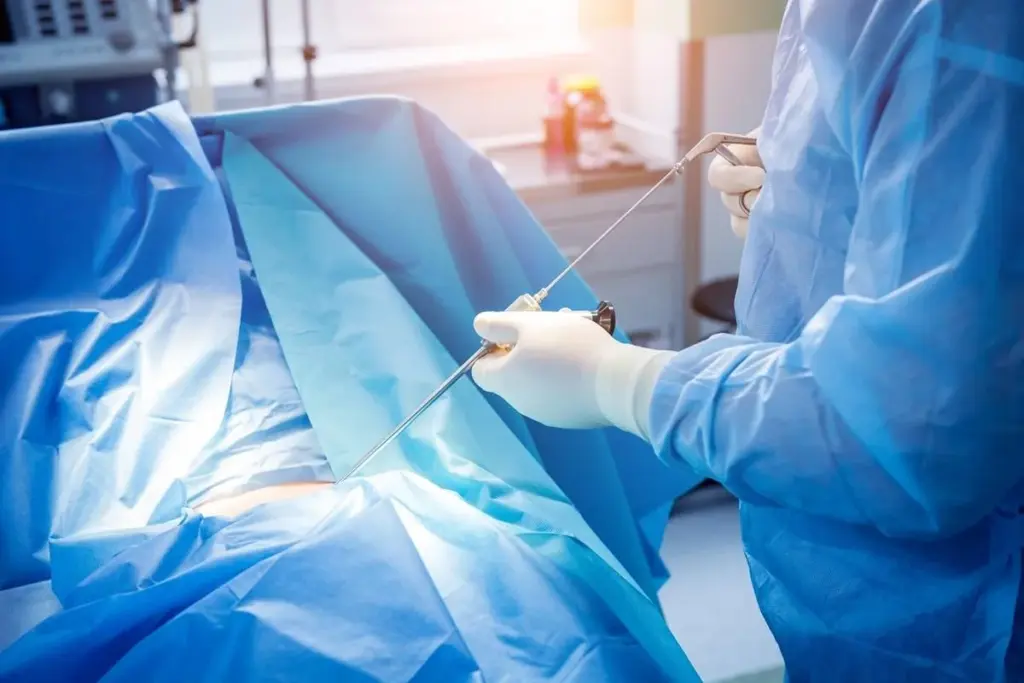
Back pain affects millions worldwide, making life harder. Advanced medical treatments are now available. Minimally invasive spine surgery is a new hope.minimally invasive spine surgery.minimally invasive treatment definitionKey Most Common Minimally Invasive Surgery Type
There’s a big move towards minimally invasive techniques in spine care. People want to heal faster and feel less pain after surgery. But, how much pain does this surgery cause?
Let’s dive into spine surgery and what it means for patients. We aim to clear up any confusion about the pain from these spine procedures.
Key Takeaways
- Minimally invasive spine surgery is designed to reduce tissue damage and promote faster recovery.
- Patients typically experience less post-operative pain compared to traditional open surgery.
- Advanced techniques and technologies play a crucial role in minimizing discomfort.
- Understanding the procedure and its benefits can help alleviate patient concerns.
- Personalized care and pain management strategies are essential for optimal outcomes.
What Is Minimally Invasive Spine Surgery
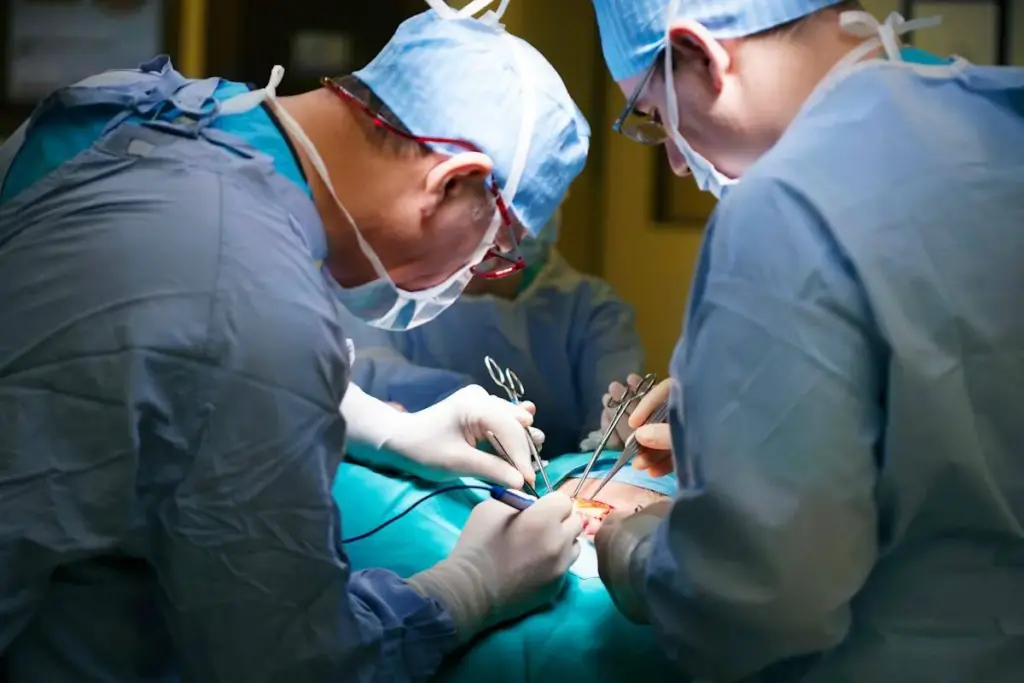
Minimally invasive spine surgery is a big step forward in spinal care. It offers a new way to treat spinal problems, different from old-fashioned open surgery.
Definition and Key Principles
This surgery uses small incisions to treat spinal issues. It aims to cause less damage and pain. It also uses new imaging tech to guide the surgery.
By doing this, we cut down on the harm of old surgeries. This means less pain and faster healing. It makes patients more comfortable and helps them get better faster.
Evolution of Minimally Invasive Techniques
New tech and understanding of the spine have led to better surgery methods. We now have special tools and imaging to do complex surgeries through small cuts.
This progress lets us treat more conditions, like herniated discs, spinal stenosis, and degenerative disc disease. Now, patients have more options that fit their needs and wants.
Common Conditions Treated with Minimally Invasive Spine Surgery
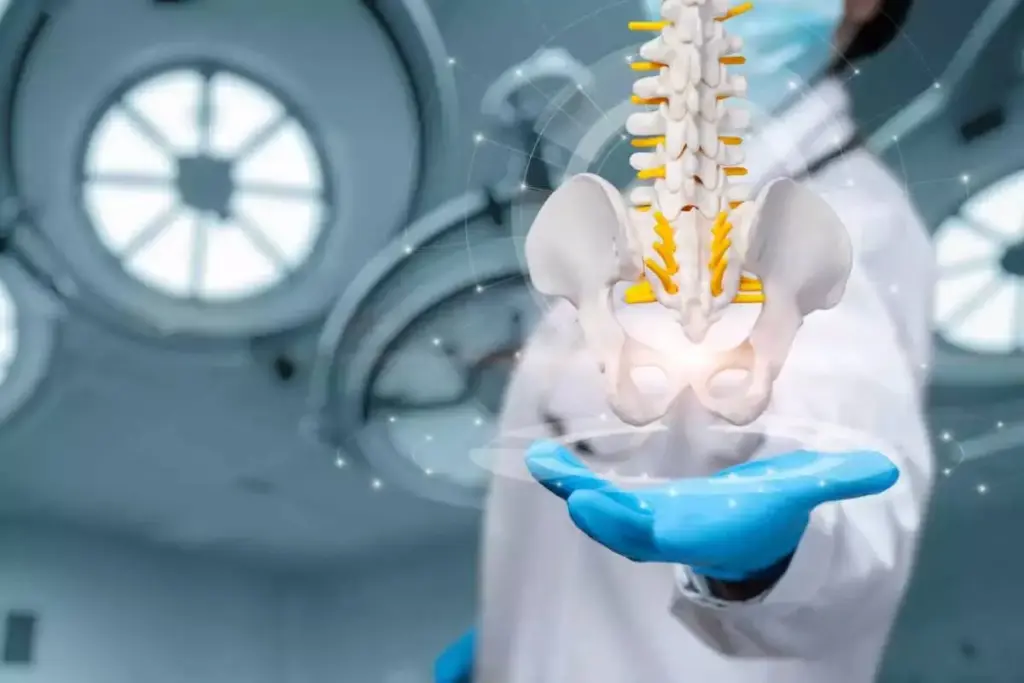
Spine conditions that were once hard to treat are now fixed with minimally invasive surgery. This method has changed how we treat spinal issues. It gives patients faster recovery times and lowers the risk of complications.
Herniated Discs
A herniated disc happens when the soft inner gel leaks out through a tear. This can cause back and leg pain, numbness, and weakness. Minimally invasive surgery can remove the herniated part of the disc.
Treatment Benefits: Less pain, better mobility, and a quicker return to daily life.
Spinal Stenosis
Spinal stenosis is when the spinal canal narrows, putting pressure on nerves. A common treatment is a minimally invasive laminectomy. It helps relieve pressure on the nerves.
Symptoms relieved: Leg and back pain, numbness, and cramping.
Degenerative Disc Disease
Degenerative disc disease makes spinal discs lose height and cushioning over time. Minimally invasive spinal fusion is used to treat it. It stabilizes the affected area and reduces pain.
|
Condition |
Symptoms |
Treatment |
|---|---|---|
|
Herniated Disc |
Back pain, numbness, weakness |
Microdiscectomy |
|
Spinal Stenosis |
Pain, numbness, cramping |
Minimally Invasive Laminectomy |
|
Degenerative Disc Disease |
Back pain, stiffness |
Minimally Invasive Spinal Fusion |
Spinal Instability
Spinal instability is when vertebrae move too much, causing pain. Minimally invasive spinal fusion can stabilize the spine and ease symptoms.
Minimally invasive spine surgery has greatly improved treatment for these conditions. It offers patients many benefits, including faster recovery and less pain after surgery.
Types of Minimally Invasive Spine Surgery Procedures
There are many types of minimally invasive spine surgery procedures. Each one is designed to treat different spinal problems. These methods have changed spine surgery by offering less invasive options than traditional surgery.
Microdiscectomy
Microdiscectomy is a surgery for herniated discs. It involves a small incision and a microscope or endoscope. Surgeons remove the disc material that’s pressing on nerves.
Benefits of Microdiscectomy: It causes less tissue damage, lowers infection risk, and has quicker recovery times than traditional surgery.
Minimally Invasive Laminectomy
Endoscopic Spine Procedures
Endoscopic spine procedures use an endoscope to see the spine. They are great for diagnosing and treating spinal issues like herniated discs and spinal stenosis. These procedures cause little tissue damage and have quick recovery times.
Minimally Invasive Spinal Fusion
Minimally invasive spinal fusion stabilizes the spine by fusing vertebrae together. It treats conditions like degenerative disc disease and spinal instability. The surgery uses small incisions and special tools to place bone graft and hardware.
Advantages of Minimally Invasive Spinal Fusion: It reduces blood loss, lowers postoperative pain, and shortens hospital stays. This method also leads to faster healing and return to normal activities.
Pain Experience During Minimally Invasive Spine Surgery
Advances in anesthesia and sedation have made spine surgery less painful. The thought of surgery can be scary, especially when worried about pain. Our team focuses on pain management to make your experience comfortable.
Anesthesia Options and Their Effects
There are many anesthesia options for spine surgery. The right one depends on the procedure, your health, and the surgeon’s choice. General anesthesia is common, making you sleep through the surgery.
Local anesthesia numbs the surgery area. Conscious sedation relaxes you without making you sleep. This makes the experience more pleasant.
Conscious Sedation Techniques in Spine Surgery
Conscious sedation helps you stay awake but relaxed during surgery. It reduces anxiety and discomfort. The sedation level can be changed to fit your needs.
Our team watches your vital signs and adjusts the sedation. This ensures a smooth and comfortable experience. Combining conscious sedation with local anesthesia manages pain well.
Intraoperative Pain Management
Managing pain during spine surgery is our main goal. Our surgeons and anesthesiologists create a pain plan for each patient. This plan considers your medical history and the procedure.
During surgery, we monitor your vital signs and adjust the anesthesia. This keeps you comfortable. Our advanced pain management strategies help minimize discomfort and ensure a good outcome.
Advanced Sedation Optimization for Neurological Procedures
Advanced sedation techniques have changed neurological surgery for the better. They make patients safer and more comfortable. As we improve in neurological procedures, like spine surgery, good sedation is key.
Neurological Sedation Management Strategies
Good sedation is vital for successful neurological procedures. We use many strategies to keep patients comfortable and safe. These include:
- Personalized Sedation Plans: We tailor sedation to each patient, considering their health and the procedure’s needs.
- Advanced Monitoring Techniques: We use top-notch equipment to watch patients’ vital signs and brain activity during the procedure.
- Multidisciplinary Collaboration: Our team works together, including anesthesiologists, neurologists, and surgeons, for a full sedation approach.
Brain Function Monitoring During Sedation
Monitoring brain function is crucial during sedation in neurological procedures. It helps ensure patients are safely sedated and the procedure is done carefully. We use:
- Electroencephalography (EEG): To watch the brain’s electrical activity.
- Bispectral Index (BIS) Monitoring: To check the sedation level.
Customized Sedation Protocols for Spine Surgery
Spine surgery needs a special sedation plan because of its complexity. We create custom sedation protocols for each patient. This ensures they are comfortable and safe.
These plans are made with the surgical team. They match the procedure’s needs, like sedation level and duration, and the patient’s health.
Our personalized and team-based sedation approach improves patient safety and comfort in neurological procedures, including spine surgery.
Immediate Post-Operative Pain Experience
Understanding post-operative pain is key for those thinking about spine surgery. We know managing pain is crucial for our patients. We aim to keep you comfortable during your recovery.
First 24 Hours After Surgery
The first 24 hours are vital for pain management. Our medical team closely monitors patients’ pain levels to manage discomfort. We use medication and other methods to reduce pain.
Common experiences in the first 24 hours include:
- Mild to moderate pain at the surgical site
- Discomfort or soreness in the surrounding areas
- Potential numbness or tingling sensations
Hospital Pain Management Protocols
Our hospital has comprehensive pain management protocols. A team of healthcare professionals creates a personalized pain plan for each patient.
Our protocols include:
- Regular assessment of pain levels
- Use of pain medication as needed
- Non-pharmacological interventions like ice or heat therapy
- Patient education on pain management techniques
Transition to Oral Pain Medications
We gradually switch patients from IV to oral pain medications. This ensures comfort while avoiding medication side effects.
Our team teaches patients how to manage pain at home. This includes:
- Dosage and timing of oral pain medications
- Potential side effects and how to manage them
- Follow-up appointments to monitor recovery
By understanding post-operative pain and having a detailed pain management plan, we ensure our patients receive the best care. This leads to optimal outcomes.
Pain Management Following Minimally Invasive Spine Surgery
Managing pain well is key to a smooth recovery after spine surgery. We know pain control is vital. There are many ways to help patients manage their pain.
Medication Approaches
Medicine is a big part of pain control after surgery. We suggest a mix of medicines to help manage pain. These might include:
- Opioids: For really bad pain, opioids might be given for a little while.
- Nonsteroidal Anti-Inflammatory Drugs (NSAIDs): NSAIDs cut down inflammation and ease pain.
- Muscle Relaxants: These help with muscle spasms that can happen after surgery.
- Acetaminophen: For mild to moderate pain, acetaminophen is often suggested.
It’s important to stick to the medicine plan your doctor gives you. Always talk to your doctor before changing your medicine.
Non-Pharmaceutical Pain Relief Methods
There are also non-medical ways to manage pain after spine surgery. These include:
- Physical Therapy: Gentle exercises and stretches can help move better and feel less pain.
- Heat and Cold Therapy: Heat or cold packs on the sore area can help.
- Relaxation Techniques: Deep breathing, meditation, and yoga can help lower stress and pain.
- Proper Posture and Body Mechanics: Keeping good posture and using the right body mechanics can ease spine strain.
Using these non-medical methods with medicine can help patients manage pain better and recover smoother.
Recovery Timeline and Pain Progression
Exploring the recovery timeline and pain progression after minimally invasive spine surgery helps patients understand their healing journey.
First Week Post-Surgery
The first week after surgery is often marked by some pain and discomfort. Patients are advised to rest and avoid strenuous activities during this time. Swelling, bruising, or numbness around the surgical site is common.
Pain management is key during this initial phase. Patients are given pain medication to control their discomfort. It’s important to follow the medication regimen as directed by the healthcare provider.
Weeks 2-4 Recovery Period
By weeks 2-4, most patients see a big improvement. Pain levels typically decrease, and strength and mobility start to return. Gentle exercises and stretches are encouraged during this time.
Physical therapy may be recommended to help regain full range of motion and strength. The goal is to gradually return to normal activities without worsening the condition.
Months 1-3 Healing Process
By months 1-3, many patients have made significant progress. Pain has decreased significantly for most, making daily activities easier. Occasional discomfort may still occur, but it’s usually manageable with over-the-counter pain relievers.
It’s advised to continue with physical therapy exercises to maintain flexibility and strength. The healthcare team will monitor progress and adjust the treatment plan as needed.
Long-term Pain Resolution
In the long term, most patients see significant pain resolution. Minimally invasive spine surgery aims to address the underlying causes of pain, offering lasting relief. While occasional flare-ups may occur, they are usually manageable with conservative treatments.
The long-term outcome depends on several factors, including the patient’s overall health, the specific condition treated, and adherence to post-operative instructions. Regular follow-up appointments with the healthcare provider are crucial to monitor long-term recovery and address any concerns.
Factors Affecting Pain Levels in Minimally Invasive Spine Surgery
It’s important to know what affects pain after spine surgery. Many things can change how much pain a patient feels. This includes their health, the surgery type, and the surgeon’s skill.
Patient-Specific Factors
Things about the patient can really affect pain after surgery. These include:
- Age: Older people might feel pain differently than younger ones. This is because of how our bodies change with age.
- Overall Health: If someone has health problems like diabetes, it can affect how they heal and feel pain.
- Pain Tolerance: Everyone feels pain differently. This is because we all have our own ways of dealing with pain.
- Psychological State: Our mental health can also change how we feel pain. Things like anxiety or depression can play a role.
Procedure-Specific Considerations
The type of surgery also matters a lot. Here are some things to consider:
- Type of Procedure: Different surgeries, like taking out a piece of the spine or fusing it, affect pain levels differently.
- Duration of Surgery: Longer surgeries can cause more pain because they involve more tissue damage.
- Technological Advances: New surgical tools and methods can help reduce pain by causing less damage.
Surgeon Experience and Technique
The surgeon’s skill and experience are very important. A good surgeon can:
- Minimize Tissue Damage: By being very precise, surgeons can reduce the amount of pain after surgery.
- Optimize Recovery: Experienced surgeons can make the recovery process better for each patient, which can help reduce pain.
Knowing these factors helps both patients and doctors. It helps manage expectations and work towards less pain and better results in spine surgery.
Comparing Pain: Minimally Invasive vs. Traditional Open Spine Surgery
When thinking about spine surgery, it’s key to know the pain differences between minimally invasive and traditional open surgery. Both methods have unique pain levels and recovery times.
Statistical Differences in Pain Scores
Research shows that minimally invasive spine surgery patients often feel less pain than those with traditional open surgery. A study in the Journal of Neurosurgery: Spine found lower pain scores in minimally invasive surgery patients at follow-ups.
Here’s a table to show the pain score differences:
|
Procedure |
Pre-op VAS Score |
Post-op VAS Score (1 week) |
Post-op VAS Score (6 weeks) |
|---|---|---|---|
|
Minimally Invasive |
7.2 |
3.5 |
1.8 |
|
Traditional Open |
7.5 |
5.2 |
3.2 |
Recovery Time Comparisons
Recovery time is where minimally invasive spine surgery shines. Patients usually need less hospital time and can get back to normal faster. Studies show that minimally invasive surgery patients stay in the hospital for 2-3 days. Traditional open surgery can keep patients in the hospital for 5-7 days or more.
Patient-Reported Outcomes
Patients who choose minimally invasive spine surgery often report less pain and higher satisfaction. A North American Spine Society survey found higher satisfaction and less pain in minimally invasive surgery patients.
Return to Daily Activities
Being able to get back to daily life is important for patients. Minimally invasive spine surgery usually means a quicker return. Patients can get back to their routines in 4-6 weeks, compared to 8-12 weeks or more for traditional surgery.
In summary, while both types of surgery have their uses, minimally invasive spine surgery is linked to less pain, shorter recovery times, and better patient satisfaction.
Potential Complications and Their Impact on Pain
It’s important to know about the possible problems after minimally invasive spine surgery. This surgery is meant to be safe and quick to heal. But, sometimes, issues can happen that affect pain levels.
Common Complications
Even though rare, some problems can happen after this surgery. These include:
- Infection at the surgical site
- Nerve damage or irritation
- Bleeding or hematoma
- Instability or hardware failure
- Recurrence of disc herniation
These issues can make pain worse or cause new pain. For example, nerve damage might lead to neuropathic pain. This pain feels sharp, shooting, or burning.
Managing Unexpected Pain Issues
If problems happen, we focus on managing pain. We use different ways to help, like:
- Changing pain medicine
- Using non-medication methods like physical therapy or acupuncture
- Fixing the cause of the problem when we can
Sometimes, we might need to do more surgery to fix the problem and ease pain.
When to Seek Medical Attention
It’s key for patients to know when to get help for pain after surgery. Severe pain that doesn’t get better with medicine, or pain with other symptoms like fever, numbness, or weakness, needs quick attention.
We tell patients to call their doctor if they have:
- Pain that gets worse and doesn’t get better with medicine
- Signs of infection, like redness, swelling, or fever
- Numbness, tingling, or weakness in the limbs
- Problems with bowel or bladder control
Getting help fast can help avoid bigger problems and improve pain management.
Physical Therapy and Rehabilitation After Spine Surgery
Physical therapy is key in the recovery after spine surgery. It helps patients get the best results. Understanding what makes physical therapy effective is crucial.
Timeline for Starting Physical Therapy
The start time for physical therapy varies. It depends on the surgery type and the doctor’s advice. Usually, patients start with gentle exercises a few days to a week post-surgery. Early movement helps avoid stiffness and aids in healing.
Recommended Exercises and Activities
Physical therapy plans are made for each patient. They start with gentle stretches and mobilization. This improves flexibility and reduces pain. Later, strengthening exercises are added to support the spine.
- Stretching exercises to improve flexibility
- Strengthening exercises to support spinal stability
- Aerobic conditioning to enhance overall recovery
Working with Physical Therapists
Physical therapists create a personalized recovery plan. They track progress and adjust the plan as needed. They also teach about proper posture and body mechanics to prevent future problems.
“A well-structured physical therapy program is essential for achieving the best possible outcomes after spine surgery.”— Expert in Physical Medicine and Rehabilitation
Pain Management During Rehabilitation
Managing pain is vital during recovery. Physical therapists use various methods, like manual therapy and exercise, to control pain. Pain management plans are tailored to each patient’s needs.
Understanding the role of physical therapy in recovery is important. Our team is dedicated to providing full care and support during this time.
Patient Testimonials: Real Pain Experiences
Patient testimonials give us a real look at pain and recovery after spine surgery. These stories show how different people can experience pain and heal.
Lessons Learned from Patient Experiences
Testimonials show the value of personalized care and setting realistic goals. Each person’s recovery is different. Health, procedure complexity, and care after surgery all play a big role.
|
Patient Profile |
Procedure |
Recovery Experience |
|---|---|---|
|
Sarah, 45, Office Worker |
Microdiscectomy |
Minimal pain, back to normal activities within 6 weeks |
|
John, 60, Retiree |
Minimally Invasive Laminectomy |
Significant reduction in chronic back pain |
|
Emily, 30, Athlete |
Minimally Invasive Spinal Fusion |
Longer recovery period, managed pain with healthcare support |
These stories show the wide range of experiences with pain and recovery. We share them to help others understand what to expect from spine surgery.
When to Contact Your Doctor About Post-Surgical Pain
After spine surgery, knowing when to call your doctor about pain is key. Managing pain well is important for your recovery.
Normal vs. Abnormal Pain Patterns
Some pain after spine surgery is normal. But, it’s important to know the difference between normal and abnormal pain. Normal pain usually gets better with medicine and time. Abnormal pain could mean something is wrong and needs quick doctor attention.
Look out for these signs of abnormal pain:
- Increasing pain despite medication
- Pain that radiates to new areas
- Numbness or tingling sensations
- Pain with fever or redness around the surgery site
Warning Signs That Require Immediate Attention
Some symptoms need you to call your doctor right away. If you notice any of these, don’t wait:
- Severe pain that doesn’t get better with medicine
- Weakness or numbness in your legs or arms
- Loss of bladder or bowel control
- Fever over 101.5°F (38.6°C)
- Redness, swelling, or drainage from the surgery site
It’s always better to err on the side of caution when it comes to your health. If you’re not sure about your symptoms, calling your doctor can give you peace of mind and quick help if needed.
Follow-up Appointment Expectations
Follow-up appointments are important for your recovery. Your healthcare team will check on your healing, remove any stitches, and adjust your pain plan as needed.
To get the most from your follow-up appointments:
- Bring a list of your current medications and dosages
- Be ready to talk about your pain and any worries
- Ask about your recovery and pain management
By staying informed and talking openly with your healthcare provider, you can manage the post-surgery period well and avoid complications.
Long-term Outcomes and Quality of Life Improvements
Minimally invasive spine surgery has changed how we treat spinal problems. It offers patients a chance for long-term quality of life improvements. The benefits of this surgery go beyond just the immediate recovery time.
Expected Pain Relief Timeline
Patients worry about when they’ll feel less pain after surgery. Most patients see a big drop in pain within a few weeks. But, how fast you feel better can depend on your condition and health.
Patients usually see their symptoms get better over months. Some may feel a bit sore at first, but this usually goes away as the spine heals.
Return to Normal Activities
Getting back to normal activities is key to recovery. Minimally invasive surgery causes less damage, leading to faster recovery times. Most people can start doing normal things again in a few weeks to months.
- Light activities, like walking, can start in a week or two.
- More intense activities, like bending and lifting, may take 4-6 weeks.
- Getting back to sports or heavy work can take several months.
Long-term Success Rates
The success of minimally invasive spine surgery is clear. Many studies show it works well for pain relief and better quality of life. This method lowers the chance of problems and helps healing, making it effective long-term.
People who have this surgery often see big improvements in their life. They feel less pain, move better, and can do things they love again.
Conclusion
Minimally invasive spine surgery has changed how we treat spinal problems. It’s safer and works well compared to old methods. We’ve looked at what makes it special and its benefits.
Knowing about these surgeries helps patients see the quick recovery and less pain they offer. We talked about how important managing pain is before and after surgery. This helps patients heal faster and feel better.
In the end, minimally invasive spine surgery is a big win for those with spinal issues. It’s safer and lets people get back to their lives sooner. This makes it a great choice for those looking for spinal relief.
FAQ
What is minimally invasive spine surgery?
Minimally invasive spine surgery uses small incisions and less tissue damage. This results in less pain and quicker recovery times for patients.
What are the benefits of minimally invasive spine surgery compared to traditional open spine surgery?
It offers smaller incisions and less tissue damage. This means less pain, shorter hospital stays, and faster recovery times.
What types of spinal conditions can be treated with minimally invasive spine surgery?
It can treat herniated discs, spinal stenosis, degenerative disc disease, and spinal instability. This variety of conditions makes it a versatile treatment option.
How is pain managed during minimally invasive spine surgery?
Pain management includes anesthesia options and conscious sedation. Intraoperative pain management strategies are also used.
What can I expect in terms of pain after minimally invasive spine surgery?
Patients can expect some pain, but it’s managed well with pain medications and non-pharmaceutical methods.
How long does it take to recover from minimally invasive spine surgery?
Recovery time varies by individual and procedure. Most patients return to normal activities within weeks to months.
What are the potential complications of minimally invasive spine surgery?
Complications include infection, nerve damage, and hardware failure. These risks are present with any surgery.
How can I manage pain during the recovery period after minimally invasive spine surgery?
Manage pain with pain medications, physical therapy, and non-pharmaceutical methods. These help during recovery.
When should I contact my doctor about post-surgical pain?
Contact your doctor for abnormal pain patterns, increased pain, numbness, or tingling. Also, if you have recovery concerns.
What are the long-term outcomes of minimally invasive spine surgery?
It offers long-term pain relief and improved quality of life. Many patients see significant symptom and functional improvements.
Will I need physical therapy after minimally invasive spine surgery?
Yes, physical therapy is often recommended. It helps regain strength, flexibility, and range of motion for optimal recovery.
Can I return to my normal activities after minimally invasive spine surgery?
Yes, most patients can return to normal activities. The timing depends on the individual and procedure specifics.
How does surgeon experience and technique affect pain outcomes in minimally invasive spine surgery?
Surgeon experience and technique greatly impact pain outcomes. More experienced surgeons often achieve better results.
References
National Center for Biotechnology Information. Evidence-Based Medical Insight. Retrieved from https://www.ncbi.nlm.nih.gov/pmc/articles/PMC6755410/



 Departments
 Related Videos
 Our Doctors
 News
News