

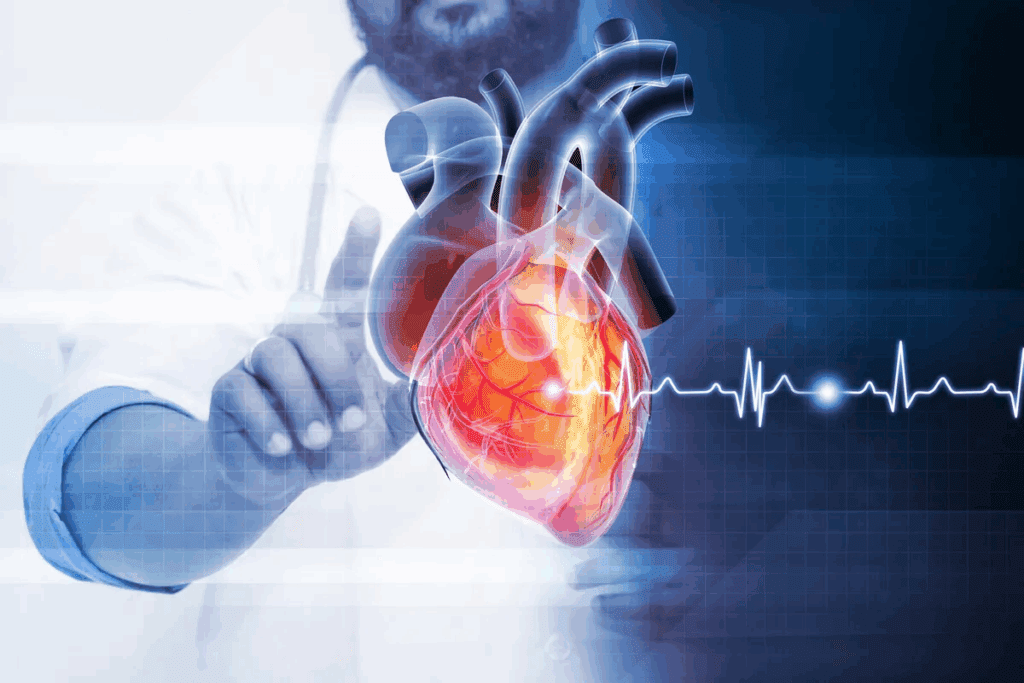
A mild cardiac infarction, or minor heart attack, happens when blood flow to a small part of the heart muscle is cut off or blocked briefly. This causes less damage than a major heart attack.
Even though symptoms might seem mild, a minor heart attack is a serious issue that needs quick action. At Liv Hospital, our team stresses the need to spot warning signs. They also explain the differences between minor and major heart attacks.
We aim to provide you with key details about minor heart attacks. This includes understanding the risks and what to do if you or someone you know shows symptoms.
Key Takeaways
- Knowing the causes and signs of a minor heart attack is key for quick medical help.
- A mild heart attack is a serious emergency that needs immediate care.
- Understanding the differences between minor and major heart attacks helps in getting the right medical care.
- Liv Hospital’s experts are committed to giving full care for heart emergencies.
- Acting fast can greatly improve outcomes for those having a minor heart attack.
Understanding What Is a Minor Heart Attack
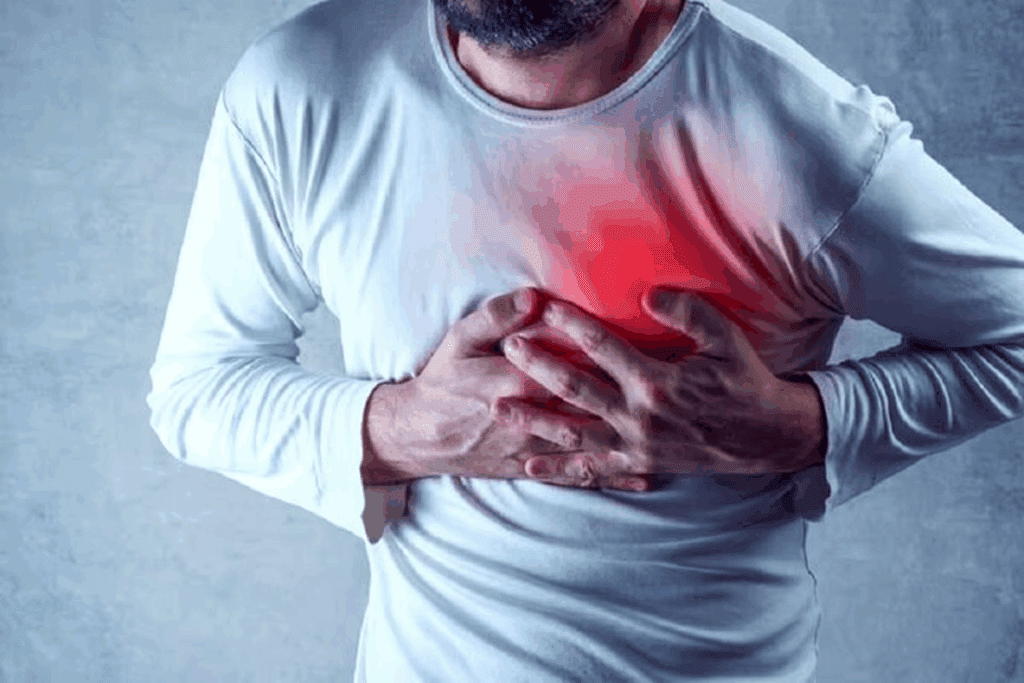
Minor heart attacks, or NSTEMI, happen when a coronary artery gets partially blocked. This reduces blood flow to the heart. It’s a type of heart attack where the heart muscle gets damaged because it lacks oxygen.
Definition and Medical Terminology
A minor heart attack is called Non-ST-segment Elevation Myocardial Infarction (NSTEMI). It means the coronary artery is partially blocked. This leads to less blood flow to the heart muscle.
Unlike a major heart attack, NSTEMI doesn’t show a big ST-segment elevation on an electrocardiogram (ECG). The term NSTEMI helps doctors and patients know it’s a less severe heart attack.
How Minor Heart Attacks Affect the Heart Muscle
During a minor heart attack, the heart muscle doesn’t get enough oxygen. This can damage the heart muscle cells. But, the damage is usually less than in a major heart attack.
The heart’s function might be slightly affected. But, with the right treatment, many people can fully recover.
Prevalence and Statistics in the United States
In the United States, minor heart attacks are a big concern. The American Heart Association says about 800,000 Americans have a heart attack each year. A lot of these are NSTEMI.
| Year | Total Heart Attacks | NSTEMI Cases | Percentage of NSTEMI |
| 2019 | 805,000 | 320,000 | 40% |
| 2020 | 790,000 | 310,000 | 39% |
| 2021 | 795,000 | 315,000 | 40% |
These numbers show how important it is to know about minor heart attacks and get medical help quickly.
Causes of a Minor Heart Attack
It’s important to know why minor heart attacks happen. A minor heart attack, or mild myocardial infarction, is when a coronary artery gets partially blocked. This is usually because of atherosclerosis or a temporary blood clot.
Partial Blockage of Coronary Arteries
The coronary arteries carry blood to the heart muscle. If they get partially blocked, the heart muscle doesn’t get enough oxygen and nutrients. This leads to a minor heart attack. The blockage is often because of plaque buildup, which is a mix of fat, cholesterol, and other substances.
Atherosclerosis and Plaque Buildup
Atherosclerosis is when plaque builds up inside the coronary arteries. Over time, this plaque can harden or rupture. This can trigger a blood clot that partially blocks the artery. This is a big reason for minor heart attacks.
Temporary Blood Clots and Vasospasm
Temporary blood clots can form in the coronary arteries, causing a minor heart attack. These clots can dissolve on their own or with treatment. Vasospasm, or sudden constriction of a coronary artery, can also reduce blood flow. This can lead to a minor heart attack.
In summary, minor heart attacks have many causes. These include partial blockage of coronary arteries, atherosclerosis, and temporary blood clots or vasospasm. Knowing these causes helps in preventing and managing minor heart attacks.
Risk Factors for Experiencing a Minor Heart Attack
Having a minor heart attack can be influenced by many things. These include genetics, lifestyle, and the environment. Knowing these factors is key to preventing a minor heart attack.
Modifiable Risk Factors
Modifiable risk factors are things we can change. They include lifestyle choices and medical treatments. Here are some important ones:
- High Blood Pressure: High blood pressure can harm the heart and arteries.
- High Cholesterol: Too much LDL cholesterol can cause artery blockages.
- Smoking: Smoking harms the heart and increases heart disease risk.
- Diabetes: Uncontrolled diabetes can lead to heart problems.
- Obesity and Physical Inactivity: Being overweight and not active can raise heart disease risks.
| Modifiable Risk Factor | Description | Preventive Measure |
| High Blood Pressure | Damages heart and arteries | Monitor blood pressure, exercise, and diet |
| High Cholesterol | Leads to plaque buildup | Dietary changes, statins if necessary |
| Smoking | Damages cardiovascular system | Quit smoking, avoid secondhand smoke |
Non-Modifiable Risk Factors
Non-modifiable risk factors are things we can’t change. These include:
- Family History: Heart disease in family members increases your risk.
- Age: Heart disease risk grows with age, after 45 for men and 55 for women.
- Gender: Men face heart disease risks earlier than women.
Knowing both types of risk factors helps in making a plan to lower heart attack risk. This plan can involve lifestyle changes and medical care.
Signs and Symptoms of a Minor Heart Attack
Knowing the signs of a minor heart attack is key to getting help fast. A minor heart attack, or NSTEMI, has symptoms that might not seem as serious as a major one. But, they are very important.
Common Symptoms
Common signs of a minor heart attack include chest pain or discomfort. This can feel like pressure, squeezing, or burning. You might also feel short of breath, lightheaded, or nauseous.
Pain or discomfort in arms, back, neck, jaw, or stomach can also happen.
Atypical Presentations
Not everyone shows the usual signs of a minor heart attack. Some people might feel fatigued, anxious, or just not well. These symptoms are more common in some groups, like women or people with diabetes.
How Symptoms Differ Between Men and Women
Symptoms of a minor heart attack vary between men and women. Men often get chest pain, but women might feel short of breath, nauseous, or have pain in the back or jaw. Knowing these differences helps everyone get the right care.
Being aware of these symptoms helps people get medical help quickly. This can prevent more heart damage.
How a Minor Heart Attack Differs from a Major Heart Attack
It’s key to know the difference between a minor and major heart attack. Both are serious and need quick action. Yet, they vary in heart damage, symptoms, and long-term effects.
Extent of Heart Damage
A minor heart attack damages less of the heart muscle than a major one. This is because a minor attack blocks a smaller artery partially. A major attack blocks a bigger artery fully, causing more harm.
Comparison of Heart Damage
| Characteristics | Minor Heart Attack | Major Heart Attack |
| Extent of Blockage | Partial | Complete |
| Artery Size | Smaller artery | Larger artery |
| Cardiac Tissue Damage | Less damage | More extensive damage |
Severity of Symptoms
Symptoms can differ between minor and major heart attacks. Minor attacks might have milder or shorter symptoms. Sometimes, symptoms are so mild they’re mistaken for other issues.
Even mild symptoms should not be ignored. Quick medical check-ups are vital to find the cause and treat it right.
Long-Term Implications and Prognosis
Even a minor heart attack can have big long-term effects. People who have had a minor attack are at higher risk for future heart problems. It’s important to follow doctor’s advice on lifestyle changes, medication, and check-ups.
Knowing the differences helps people see why quick medical help is always best, no matter how mild the symptoms seem.
Diagnosing a Minor Heart Attack
Diagnosing a minor heart attack is a detailed process. It involves looking at medical history, physical exams, and advanced tests. Getting it right is key to treating it well and avoiding more damage.
Initial Assessment and Tests
When someone shows signs of a minor heart attack, doctors start with an initial check-up. This includes:
- Taking a detailed medical history to identify risk factors and previous heart conditions.
- Conducting a physical examination to look for signs of heart disease.
- Performing an electrocardiogram (ECG) to assess the heart’s electrical activity.
- Running blood tests to check for cardiac biomarkers, such as troponin, which indicate heart muscle damage.
Blood tests are very important in diagnosing minor heart attacks. They show if the heart muscle is damaged by looking at certain enzymes in the blood.
| Diagnostic Test | Purpose |
| Electrocardiogram (ECG) | Assesses the heart’s electrical activity, helping to identify patterns that may indicate a heart attack. |
| Blood Tests (Troponin Levels) | Measures the level of cardiac biomarkers in the blood, indicating heart muscle damage. |
| Echocardiogram | Uses ultrasound waves to create images of the heart, showing its structure and function. |
Advanced Diagnostic Procedures
For some, more tests are needed to confirm the diagnosis and see how much damage there is.
Advanced diagnostic procedures include:
- Angiography: A procedure that uses X-rays and a contrast agent to visualize the coronary arteries, helping to identify blockages.
- Stress Test: Evaluates the heart’s function under stress, typically using exercise or medication to increase heart rate.
- Cardiac MRI: Provides detailed images of the heart’s structure and function, useful for assessing damage.
By using these tests together, doctors can accurately diagnose minor heart attacks. This helps them create the right treatment plan.
Treatment Approaches for a Minor Heart Attack
When a minor heart attack happens, quick action is key to avoid more heart damage. We’ll look at how to treat minor heart attacks. This includes medicines and surgery.
Immediate Medical Interventions
Right away, doctors start treating a minor heart attack. These steps are important to keep the patient safe and stop more heart harm.
Initial Assessment: At the hospital, patients get checked fast. This includes an ECG and blood tests to make sure it’s a heart attack.
“Time is muscle” in the context of heart attacks, stressing the need for fast action to lessen damage.
Medications and Their Functions
Medicines are key in treating minor heart attacks. They aim to get blood flowing again, ease pain, and stop more clots.
- Aspirin: Given right away to stop more clotting.
- Nitroglycerin: Helps ease chest pain by improving blood flow.
- Beta-blockers: Reduces the heart’s workload and helps prevent future attacks.
| Medication | Function |
| Aspirin | Prevents further clotting |
| Nitroglycerin | Relieves chest pain |
| Beta-blockers | Reduces heart workload |
Potential Surgical Procedures
In some cases, surgery is needed to treat a minor heart attack well. These surgeries help get blood flowing to the heart muscle again.
Some common surgeries include:
- Angioplasty: Opens blocked coronary arteries.
- Stenting: Places a stent to keep the artery open.
These treatments are vital in managing minor heart attacks. They help prevent more heart problems.
Recovery Process After a Minor Heart Attack
Recovering from a minor heart attack involves hospital care, taking medicine as directed, and joining cardiac rehab programs. This journey is tough, but with the right steps, patients can get better and lower their risk of future heart issues.
Hospital Stay and Initial Recovery
The first step in getting better is in the hospital. Doctors watch over patients, manage symptoms, and prevent problems. Here’s what we focus on:
- Keeping the patient stable with medicine and rest
- Running tests to see how much heart damage there is
- Teaching patients and their families about recovery and lifestyle changes
Following your medicine is key during this time. Patients take meds for high blood pressure, high cholesterol, and diabetes. We also stress the need for a healthy diet and avoiding smoking and too much alcohol.
Long-Term Rehabilitation Programs
After leaving the hospital, patients join cardiac rehab programs. These programs help patients get better from heart attacks by improving heart health, reducing symptoms, and boosting overall well-being.
Cardiac rehab is a team effort, including:
- Exercise to boost heart health and stamina
- Nutrition advice for a heart-healthy diet
- Stress management to deal with emotional recovery
- Learning to manage risk factors and prevent future heart issues
By combining hospital care, following medicine, and joining cardiac rehab, patients can fully recover and improve their health long-term after a minor heart attack.
Preventing Future Minor Heart Attacks
To stop minor heart attacks from happening again, we need to make big changes. This means changing our lifestyle and taking our medicine as told. Knowing what keeps our heart healthy helps us avoid future heart problems.
Lifestyle Modifications
Making lifestyle changes is key to avoiding minor heart attacks. Eating a heart-healthy diet full of fruits, veggies, whole grains, and lean meats is important. Also, staying active with activities like walking, cycling, or swimming helps our heart.
- Quitting smoking and avoiding secondhand smoke
- Managing stress through techniques like meditation or yoga
- Maintaining a healthy weight
- Limiting alcohol consumption
The American Heart Association says, “A healthy lifestyle is key to preventing heart disease and reducing the risk of heart attack.”
“A balanced diet, regular exercise, and stress management are all part of a healthy heart.”
Medication Adherence and Follow-Up Care
Sticking to your medicine is also very important. Drugs like antiplatelet agents, beta-blockers, and statins help manage heart disease.
Seeing your doctor regularly is also a must. This includes:
- Monitoring blood pressure and cholesterol levels
- Adjusting medications as necessary
- Participating in cardiac rehabilitation programs
By making lifestyle changes, taking your medicine, and getting regular check-ups, you can lower your risk of future minor heart attacks.
Common Misconceptions About Minor Heart Attacks
Minor heart attacks are serious and need quick medical care. Many think they’re not big deals, but this can cause harm. It can lead to worse health outcomes if not treated right away.
“It’s Not Serious If It’s Minor” Myth
The term “minor heart attack” can be confusing. It doesn’t mean it’s not a big deal. It just means the heart muscle damage isn’t as bad as a major heart attack. But, even minor heart attacks can have big long-term effects if not handled right.
Minor heart attacks can be a sign of bigger heart problems later. So, it’s key to take them seriously. Always follow your doctor’s advice for prevention and treatment.
Mistaking Minor Heart Attacks for Other Conditions
People often confuse heart attack symptoms with other less serious issues. Symptoms like chest pain, shortness of breath, or feeling tired can be mistaken for anxiety, indigestion, or other non-heart problems. This mistake can cause dangerous delays in getting medical help.
Knowing the signs of heart attacks is vital. If you experience these symptoms, get medical help right away. Learning about heart attack symptoms can help prevent bad outcomes by ensuring people know when to seek help.
Understanding minor heart attacks and clearing up common myths is key to better heart health. Recognizing their seriousness and knowing how to act is important. It helps manage and prevent future heart problems.
When to Seek Medical Help: Recognizing Emergency Situations
Knowing when to get medical help is key for those having a minor heart attack. Spotting the signs that mean you need to act fast is vital. It helps avoid more heart damage and boosts survival chances.
Warning Signs That Require Immediate Attention
Certain symptoms mean you need to get help right away. These include:
- Chest pain or discomfort that gets worse over time
- Shortness of breath, even when you’re not doing anything
- Dizziness or feeling like you’re going to pass out
- Pain or discomfort in one or both arms, the back, neck, jaw, or stomach
- Confusion or trouble speaking
If you or someone else shows these signs, act fast. Call emergency services right away if you see any of these warning signs.
| Symptom | Description | Action |
| Chest Pain | Discomfort or pain in the chest that may spread to other areas | Call emergency services |
| Shortness of Breath | Difficulty breathing or feeling winded even when sitting or lying down | Seek immediate medical help |
| Dizziness | Feeling lightheaded or faint | Call for emergency assistance |
What to Do While Waiting for Emergency Services
While waiting for help to arrive, you can do a few things:
- Stay calm and try to rest comfortably
- If you’re with someone, have them stay with you and keep you calm
- If you’re alone, try to stay on the phone with the emergency operator
- Do not drive yourself to the hospital unless absolutely necessary
It’s also good to have any important medical info ready. This includes a list of medications you’re taking. This info is very helpful for medical staff when they get there.
By knowing the warning signs and what to do, you can greatly improve the outcome for someone having a minor heart attack. Always remember, when in doubt, it’s best to seek medical help.
Conclusion
It’s key to know about minor heart attacks to get help fast and prevent more problems. We’ve looked at why they happen, how to spot them, and the big difference between minor and major heart attacks. Being aware and acting quickly is very important.
Minor heart attacks, or small heart attacks, happen when a part of the heart muscle gets damaged. This is due to a blockage in the heart’s blood vessels. Knowing the signs and who’s at risk can help people get medical help right away.
Knowing the difference between minor and major heart attacks helps people take care of their heart. They can make healthy lifestyle choices, follow their doctor’s advice, and go to all their follow-up appointments.
We urge everyone, but those at higher risk, to watch their heart health closely. If you notice any signs of a minor heart attack, get medical help right away. Early treatment can greatly improve your health and life quality.
FAQ
What is a minor heart attack?
A minor heart attack, or mild myocardial infarction, happens when a coronary artery gets partially blocked. This causes some damage to the heart muscle. It’s a serious condition that needs quick attention.
What causes a minor heart attack?
Minor heart attacks are often caused by a partial blockage in coronary arteries. This can be due to atherosclerosis, temporary blood clots, or vasospasm. Knowing these causes is key to preventing and managing the condition.
What are the signs and symptoms of a minor heart attack?
Common symptoms include chest discomfort, shortness of breath, and fatigue. Symptoms can differ between men and women. Some people may not show typical signs. It’s important to recognize these symptoms to get medical help quickly.
How does a minor heart attack differ from a major heart attack?
The damage to the heart, the severity of symptoms, and long-term effects vary between minor and major heart attacks. Understanding these differences is important for the right medical response and treatment.
What are the risk factors for experiencing a minor heart attack?
High blood pressure, high cholesterol, and smoking are modifiable risk factors. Non-modifiable factors include age, family history, and genetics. Knowing these risk factors helps individuals take preventive steps.
How is a minor heart attack diagnosed?
Diagnosis starts with initial assessments like electrocardiograms and blood tests. Advanced procedures like angiograms may follow. Accurate diagnosis is essential for effective treatment.
What are the treatment approaches for a minor heart attack?
Treatment includes immediate medical interventions and medications to manage symptoms. Surgical procedures may be needed to restore blood flow. Our focus is on providing complete care to support recovery.
What can I do to prevent future minor heart attacks?
Lifestyle changes like a healthy diet, regular exercise, and stress management are key. Adhering to medication and following up with care can also reduce risk. We encourage individuals to take proactive steps for heart health.
Is a minor heart attack a serious medical condition?
Yes, a minor heart attack is a serious condition that needs immediate attention. It’s not less serious just because it’s called “minor.”
When should I seek medical help for a minor heart attack?
If you experience warning signs like chest pain, shortness of breath, or dizziness, seek help right away. We provide guidance on what to do while waiting for emergency services.
Can I have a minor heart attack without knowing it?
Yes, it’s possible to have a minor heart attack without realizing it. Some people may not notice symptoms. Regular check-ups and awareness of heart health are important.
What is a mild cardiac infarction?
A mild cardiac infarction is another term for a minor heart attack. It indicates some damage to the heart muscle due to a partial blockage. It’s a condition that requires medical attention.
Can lifestyle changes help prevent minor heart attacks?
Yes, adopting a healthy lifestyle can significantly reduce the risk of minor heart attacks. This includes a balanced diet, regular physical activity, and not smoking. We promote heart-healthy habits.
References:
- White, H. J. (2023). Anatomy, Thorax, Superior Vena Cava. In StatPearls. National Center for Biotechnology Information. https://www.ncbi.nlm.nih.gov/books/NBK545255/
























