
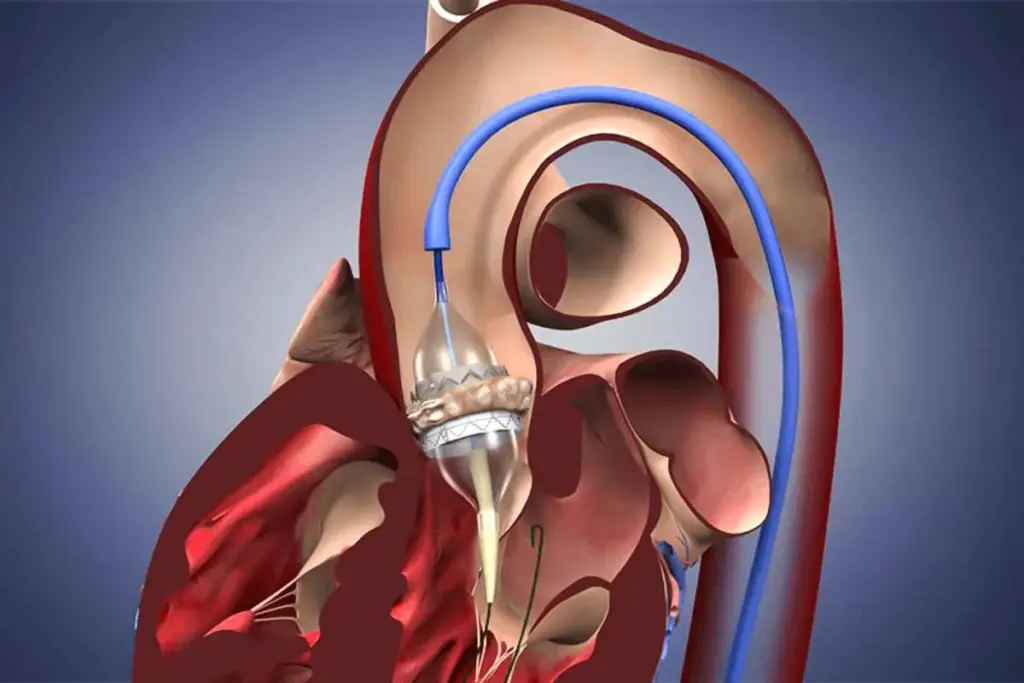
What must you expect during mitral valve repair recovery? Get the crucial facts on the powerful healing process and post-op care today. Having mitral valve repair surgery is a big step towards better heart health. But, the journey doesn’t stop after surgery. Recovery usually takes four to eight weeks. During this time, patients must pay close attention to their health and follow the care instructions given.
Knowing what to expect is key for a smooth recovery. Patients should get ready for a long hospital stay. They also need to watch their health closely and follow up with their doctors.
Key Takeaways
- Recovery from mitral valve repair surgery takes four to eight weeks.
- Post-surgery care is very important for a good recovery.
- Watching your health and following up with doctors is necessary after leaving the hospital.
- Patients should be ready for a long recovery time.
- Understanding the post-surgery instructions is vital for heart health.
The Immediate Post-Surgical Period

The time right after surgery is very important for those who had mitral valve repair. They need careful watching and care. This time is filled with close monitoring in the Intensive Care Unit (ICU).
ICU Monitoring and Care
In the ICU, patients are watched closely for their vital signs and other important health signs. This watchful eye is key to quickly fixing any problems.
Vital Sign Monitoring
Heart rate, blood pressure, and oxygen levels are checked all the time. This allows doctors to quickly identify any changes.
Ventilator Support and Removal
Patients often need help breathing with a ventilator after surgery. As they get better, the ventilator is removed, letting them breathe on their own.
Managing Pain and Discomfort
Managing pain is a big focus after surgery. Patients get the right medicine to ease their pain, helping them recover better.
First Steps Toward Mobility
Moving around early is important to avoid problems like blood clots and to help healing. Doctors help patients start moving, slowly increasing how much they can do.
|
Aspect of Care |
Description |
Benefits |
|---|---|---|
|
Vital Sign Monitoring |
Continuous monitoring of heart rate, blood pressure, and oxygen saturation. |
Quick identification of possible issues. |
|
Ventilator Support |
Help with breathing until the patient can do it alone. |
Lessens breathing effort. |
|
Pain Management |
Medicine to help with pain. |
Makes patients more comfortable and helps them recover. |
As patients get better, they start to breathe on their own and do gentle exercises. This whole care plan is key to a good recovery.
“The key to a successful recovery lies in the careful management of the post-surgical period, including close monitoring and effective pain management.”
Hospital Recovery Phase

The hospital recovery phase after mitral valve repair is very important. Patients need close medical care during this time. They get treatments to help them get better.
Daily Medical Assessments
Daily checks are key in the hospital recovery phase. Doctors watch the patient’s vital signs and look for complications. They also change treatment plans if needed. This helps catch problems early and treat them quickly.
Breathing Exercises and Respiratory Care
Breathing exercises and respiratory care are important for recovery. Patients learn ways to better their lung function and health.
Incentive Spirometry Techniques
Incentive spirometry helps patients breathe better. It uses a device to measure lung capacity. Patients take deep breaths to expand their lungs and get more oxygen. Incentive spirometry is a simple yet effective way to improve breathing.
Coughing and Deep Breathing Protocols
Coughing and deep breathing exercises are also important. They help clear the lungs and prevent respiratory problems. These exercises loosen mucus and expand the lungs. Learning the right technique is important for these exercises.
Preparing for Discharge
As patients get better, they start preparing for discharge. They learn about post-discharge care, managing medications, and follow-up appointments. Being well-prepared for discharge is important for a smooth recovery at home.
Returning Home: The First Week
Coming home after mitral valve repair surgery starts a new chapter in your recovery. This time is key for healing and getting used to body changes and new daily routines.
Setting Up Your Recovery Space
Making your home recovery area comfy is important for healing. Make sure it’s quiet, cozy, and easy to get to. You might need to change your living space to avoid climbing stairs or doing strenuous activities. Keep important things like meds, water, and a phone close by.
Managing Medications
Managing your meds right after surgery is very important. Your doctor will tell you which meds to take, like:
Anticoagulants and Blood Thinners
These meds help stop blood clots. It’s important to know how much to take and any side effects. You might need blood tests to check if the meds are working.
Pain Management at Home
Managing pain is a big part of getting better. Your doctor will give you pain meds to follow their instructions. Always watch your pain and tell your doctor if it gets worse or doesn’t go away.
When to Contact Your Doctor
Knowing when to call your doctor is key. Call them if you have more pain, trouble breathing, or signs of infection like fever or redness around the cut. Knowing these signs helps you act fast if problems arise.
Physical Aspects of Mitral Valve Repair Recovery
Understanding the physical aspects of mitral valve repair recovery is key for patients. It helps them navigate their post-surgery journey well. The recovery process involves several important physical considerations.
Incision Care and Healing
Proper incision care is vital to prevent infection and promote healing. Patients should keep the incision site clean and dry. They must follow the specific instructions from their healthcare team. The type of incision made during surgery affects the care and healing process.
Sternotomy Healing Timeline
For patients who underwent a sternotomy, healing takes several weeks. The sternum is fragile at first. Patients are advised to avoid heavy lifting or bending.
The sternum typically starts to feel more stable within 6-8 weeks.
Minimally Invasive Incision Care
For those who had minimally invasive surgery, the incisions are smaller. The healing process may be faster. Patients should follow their surgeon’s instructions for wound care and watch for any signs of infection.
Sleep Adjustments and Positioning
Sleep adjustments are key for comfort and healing during recovery. Patients may need to try different sleeping positions to find one that feels right. Using pillows for support can help maintain a comfortable position.
Energy Conservation Techniques
Conserving energy is vital during recovery. Patients are advised to pace their activities and take regular breaks to rest. Prioritizing tasks and avoiding strenuous activities helps manage energy levels effectively.
By focusing on these physical aspects of recovery, patients can enhance their healing process. This improves their overall outcome after mitral valve repair surgery.
Building Strength: Weeks 2-6
As you move through weeks 2-6 after mitral valve repair, getting stronger is key. It’s important to slowly increase your physical activity. This helps improve your heart health and overall well-being.
Safe Physical Activities
Choosing safe physical activities is vital in weeks 2-6. Walking is highly recommended because it’s easy on your body. You can also try light stretching and breathing exercises. Always check with your doctor before starting any new exercise.
Walking Program Progression
A walking program is a big part of getting better. By slowly increasing how far and fast you walk, you can boost your heart health and strength.
Daily Distance Goals
Setting daily walking goals can keep you on track. Start with short distances and gradually increase them as you get stronger.
Monitoring Exertion Levels
It’s important to watch how hard you’re working while walking or doing any physical activity. Use a scale from 1 to 10. Try to stay between 3 and 5, which means you’re working at a moderate level.
Activity Restrictions and Precautions
While you’re getting stronger, remember to avoid certain activities. Don’t lift heavy things, bend, or do anything too strenuous. It could hurt your heart or mess up your healing. Always listen to what your healthcare team says.
Nutrition and Lifestyle Adjustments
Mitral valve repair patients can greatly benefit from making smart nutrition and lifestyle changes. A balanced diet and proper fluid management are key for heart health and a smooth recovery.
Heart-Healthy Diet Recommendations
A heart-healthy diet includes lots of fruits, vegetables, whole grains, and lean proteins. It helps keep the heart healthy and supports recovery.
Foods to Embrace
It’s good to eat a variety of nutrient-dense foods. These include:
- Leafy greens like spinach and kale, full of vitamins and minerals.
- Berries and other fruits, packed with antioxidants.
- Whole grains like brown rice, quinoa, and whole-wheat bread.
- Lean proteins from poultry, fish, and legumes.
Foods to Limit or Avoid
It’s also important to avoid foods that are bad for the heart. These include:
- Foods high in saturated fats and trans fats.
- Processed and packaged foods, often high in sodium.
- Sugary drinks and foods with a lot of added sugars.
Fluid and Sodium Management
Proper fluid management and sodium intake are vital for mitral valve repair patients. Keeping an eye on these can prevent problems and aid in healing.
As one patient said, “
Changing my diet was a big adjustment, but it was worth it to feel better and recover faster.
Managing fluid and sodium intake needs careful attention to what you eat. Patients should talk to their healthcare provider to create a plan that fits their needs.
Emotional and Psychological Recovery
Recovering emotionally and psychologically is key after mitral valve repair. Patients feel many emotions, like relief and gratitude, but also anxiety and depression.
Understanding Post-Surgery Depression
Many patients get depressed after surgery. It’s important to know the signs. These include feeling sad all the time, losing interest in things, and changes in eating or sleeping.
Key signs to watch for:
- Persistent feelings of sadness or hopelessness
- Loss of interest in previously enjoyed activities
- Changes in appetite or sleep patterns
Coping Strategies and Support Systems
It’s important to find ways to cope and have support. This can include:
- Connecting with family and friends
- Joining a support group for heart surgery patients
- Engaging in relaxation techniques, such as meditation or deep breathing
A strong support network can greatly help. They offer both practical help and emotional support.
Setting Realistic Expectations
Having realistic expectations about recovery can reduce stress. Knowing recovery takes time and has ups and downs helps manage expectations.
Being aware of emotional challenges and having coping strategies can make recovery smoother.
Long-Term Mitral Valve Repair Recovery
Recovering from mitral valve repair takes time and effort. You’ll need to keep up with follow-up appointments and make lifestyle changes. It’s important to stay on track with your treatment to get the best results.
Follow-up Appointments and Testing
Seeing your doctor regularly is key to recovery. These visits help your doctor check on your mitral valve and heart health.
Echocardiogram and Imaging Assessments
Echocardiograms are vital for checking your mitral valve and heart. They help catch any problems early, so your doctor can act fast if needed.
Heart Rhythm Monitoring
Monitoring your heart rhythm is also important. You might have ECGs or wear devices to track your heart’s rhythm and find any irregularities.
Medication Management Over Time
Managing your medications is a big part of recovery. You might take anticoagulants, beta-blockers, and other heart medicines.
Working with your doctor to adjust your meds is essential. This ensures you’re getting the right treatment at the right time.
Returning to Work and Normal Activities
Getting back to work and normal activities is a big goal. When you can go back to work depends on your job and how fast you recover.
Always listen to your doctor about when it’s okay to start doing more. This includes going back to work, exercising, and doing other hard tasks.
Conclusion
Recovering from mitral valve repair surgery is a big step. It’s the start of a long journey to keep your heart healthy. This journey has many stages, from right after surgery to making lifestyle changes for the long term.
For a successful recovery, making healthy lifestyle choices is key. This means eating right, watching your fluid and salt intake, and staying active safely. Also, don’t forget to keep up with doctor’s appointments and tests to track your progress.
By focusing on long-term heart health and making the right lifestyle changes, you can greatly improve your life. It’s important to stick to your recovery plan and work with your healthcare team. This way, you can get the best results.
Adopting these changes can help you live a healthier, more active life after surgery. With the right attitude and support, you can overcome the challenges of recovery. And you’ll enjoy a better quality of life.
FAQ
What can I expect during the immediate post-surgical period after mitral valve repair surgery?
After surgery, you’ll be watched closely in the ICU. Your vital signs and breathing will be monitored. You’ll start to move around and get pain relief.
How long will I need to stay in the hospital after mitral valve repair surgery?
Your stay depends on how fast you recover. You’ll get daily checks, breathing exercises, and learn about breathing techniques.
What are the signs of complications that I should watch out for after discharge?
Look out for unusual pain, trouble breathing, or fever after you go home. If you notice these, call your doctor right away.
How can I manage my pain effectively after mitral valve repair surgery?
Your doctor will tell you how to manage pain. You can also try breathing exercises and relaxation to ease discomfort.
What are the guidelines for incision care and healing after mitral valve repair surgery?
Keep the incision area clean and dry. Follow your doctor’s advice for care. You might need to sleep in a certain way to avoid discomfort.
What are the recommendations for physical activity after mitral valve repair surgery?
Start with a walking program to build strength. Know your limits and avoid activities that could harm you.
What dietary changes can I expect after mitral valve repair surgery?
Eat heart-healthy foods and watch your fluid and sodium intake. Your doctor or dietitian can help with nutrition plans.
How can I cope with emotional and psychological changes after mitral valve repair surgery?
You might feel depressed or anxious. Recognize the signs and seek help from counseling or support groups.
What is the importance of follow-up appointments and testing after mitral valve repair surgery?
Regular check-ups and tests are key to tracking your recovery. Follow your doctor’s schedule for these visits.
When can I return to work and normal activities after mitral valve repair surgery?
Your doctor will tell you when it’s okay to go back to work or normal activities. It depends on how well you’re recovering.
How can I maintain long-term heart health after mitral valve repair surgery?
Stick to a heart-healthy diet, exercise regularly, and take your medications. Regular check-ups are also important for long-term health.
What are the benefits of cardiac rehab after mitral valve repair surgery?
Cardiac rehab helps you recover faster and safer. It includes exercise, education on heart health, and support.