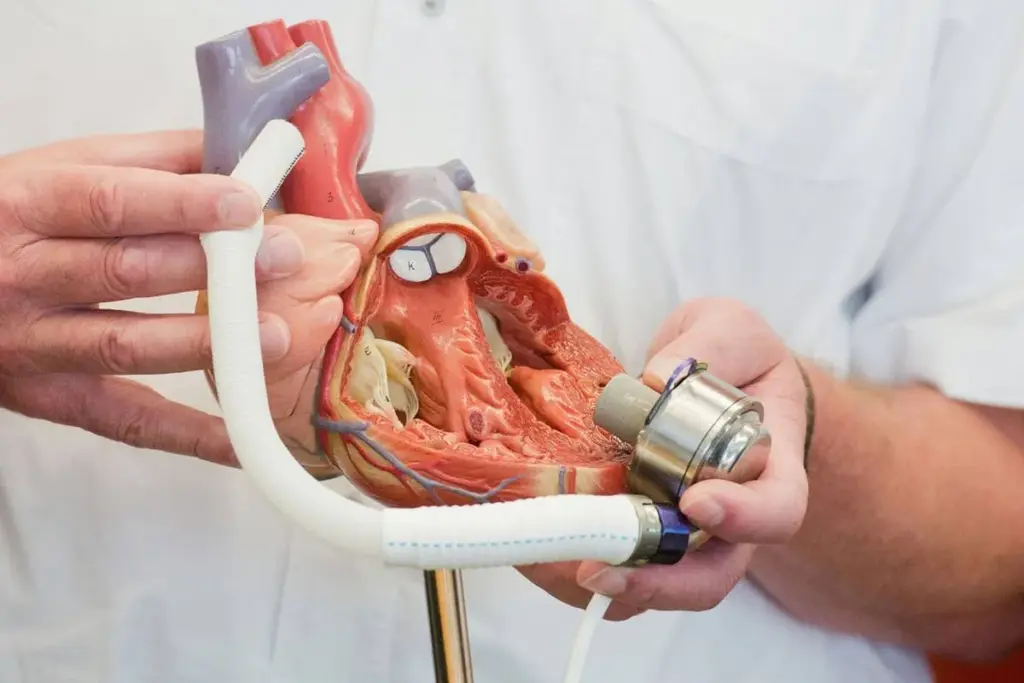
Mitral valve repair is a big deal. It’s a surgery that can really change a person’s heart health and life quality. A mortality rate of less than 1 in 1,000 at experienced centers shows how complex and risky this open-heart surgery is.How serious is mitral valve repair risk? Understand the crucial risks and the powerful facts about this amazing and serious operation.
It’s important to understand the surgical complexity and get a good patient evaluation. These steps help figure out if the surgery is right for someone.
Key Takeaways
- Mitral valve repair is a serious surgery with associated risks.
- The procedure can significantly improve heart health.
- Patient evaluation is critical for determining suitability.
- Surgical complexity requires experienced medical professionals.
- Mortality rates are low at experienced centers.
Understanding Mitral Valve Disease and the Need for Repair
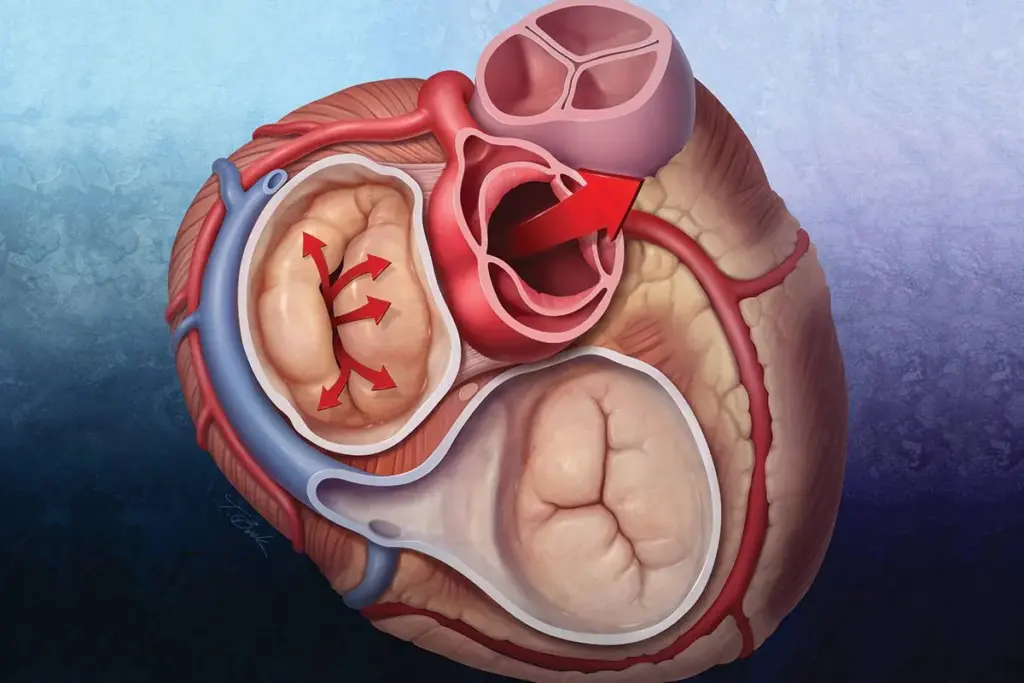
The mitral valve is key to heart health. Its problems can cause serious issues. It’s important to know how it works, common issues, and when surgery is needed.
Function of the Mitral Valve in Heart Health
The mitral valve helps blood move from the left atrium to the left ventricle. It’s vital for good blood flow and heart health. A healthy mitral valve is essential for the heart to pump blood well.
Common Mitral Valve Problems Requiring Intervention
Problems like mitral regurgitation and stenosis are common. These can cause shortness of breath, fatigue, and palpitations. Medical experts say quick action is key to avoid worse problems.
When Surgery Becomes Necessary
Surgery is needed for severe mitral valve disease that doesn’t respond to other treatments. Repair is often chosen for severe cases. The choice to have surgery depends on symptoms, heart function, and the benefits of repair or replacement.
Knowing when surgery is needed helps patients make better choices. Thanks to new technology, the risks of mitral valve repair are going down. This makes it a good option for many.
The Mitral Valve Repair Procedure Explained
It’s important for patients with mitral valve disease to know about the repair procedure. The surgery aims to fix or replace the mitral valve. This ensures the heart works properly.
Surgical Approaches to Mitral Valve Repair

There are several ways to repair the mitral valve. The method chosen depends on the patient’s health and the surgeon’s skills.
- Traditional open-heart surgery
- Minimally invasive techniques
Open-heart surgery uses a big incision in the chest for direct heart access. Minimally invasive methods use smaller cuts, which might lead to faster recovery.
Open-Heart vs. Minimally Invasive Techniques
For a long time, open-heart surgery was the main choice for mitral valve repair. But, new surgical methods have made minimally invasive options more popular.
|
Aspect |
Open-Heart Surgery |
Minimally Invasive Techniques |
|---|---|---|
|
Incision Size |
Larger incision |
Smaller incisions |
|
Recovery Time |
Generally longer |
Potentially shorter |
|
Scarring |
More noticeable scarring |
Less noticeable scarring |
Role of Cardiac Bypass During Surgery
Cardiac bypass is key in mitral valve repair surgery. It temporarily takes over the heart and lung functions. This lets the surgical team work on a stopped heart.
“Cardiac bypass is a critical component of many cardiac surgeries, including mitral valve repair.”
How General Anesthesia is Administered
General anesthesia keeps the patient comfortable and pain-free during surgery. The anesthesiologist watches the patient’s vital signs closely.
The mitral valve repair procedure is complex. It needs a skilled team. Knowing the different methods helps patients prepare for their surgery and recovery.
Comprehensive Assessment of Mitral Valve Repair Risk
Understanding the risks of mitral valve repair is key to good heart health. This surgery is lifesaving but comes with risks and complications.
Mortality Statistics and Serious Complications
The death rate for mitral valve repair is very low, less than 1 in 1,000 at top centers. Yet, serious issues like stroke, heart attack, and kidney failure can happen.
How safe the surgery is depends a lot on the patient’s health before surgery and how complex the surgery is.
Factors That Increase Surgical Risk
Older age, other serious health issues, and emergency surgery can raise the risk of mitral valve repair. Knowing these factors helps assess the patient’s risk.
Comparing Risks to Valve Replacement
Mitral valve repair is often compared to replacement. Repair usually has lower death rates and fewer problems than replacement.
Impact of Surgical Complexity on Outcomes
The complexity of the repair surgery affects the results. More complex repairs might take longer and have higher risks of problems.
The skill and experience of the surgical team are very important in managing risks and getting good results.
|
Risk Factor |
Mitral Valve Repair |
Mitral Valve Replacement |
|---|---|---|
|
Mortality Rate |
Less than 1 in 1,000 |
Higher than repair |
|
Surgical Complexity |
Varies by case |
Generally less complex |
|
Reoperation Risk |
Lower |
Higher |
Knowing the risks and benefits of mitral valve repair helps patients make informed choices. It’s vital to talk to a healthcare provider to find the best treatment.
Immediate Surgical Complications to Be Aware Of
It’s important for patients and doctors to know about the risks of mitral valve repair. This surgery fixes problems with the mitral valve. But, it comes with some immediate risks.
Bleeding Risks During and After Surgery
Bleeding is a big worry during and after the surgery. Excessive bleeding might need blood transfusions or more surgery. It’s key to watch and manage bleeding risks closely after surgery.
Infection Possible and How to Prevent It
There’s a chance of infection with mitral valve repair. Infection control measures like antibiotics and a clean environment help lower this risk. Patients also learn to spot infection signs after they go home.
Heart Rhythm Disturbances
Heart rhythm problems, or arrhythmias, can happen after the surgery. These can be mild or serious and might need treatment. Continuous monitoring is needed to catch and handle any rhythm issues fast.
Critical Post-Operative Monitoring Protocols
Good care after surgery means watching closely for any problems. This includes looking for bleeding, infection signs, and heart rhythm issues.
“Close surveillance in the post-operative period is key for spotting and handling mitral valve repair complications early.”
ICU monitoring is very important in this time. It helps catch and fix any issues quickly.
The Hospital Experience and Early Recovery
After mitral valve repair surgery, patients start a key time in the hospital. This period is all about watching over them closely. It helps manage any issues and makes sure they recover well.
ICU Monitoring and Initial Recovery
Right after surgery, patients go to the ICU. Here, the team keeps a close eye on their health. They manage pain and deal with any early problems. ICU monitoring helps catch and fix issues quickly.
Typical Hospital Stay Duration
The time in the hospital varies based on the patient’s health and surgery details. Usually, it’s a few days. This time lets doctors check on the patient, control pain, and watch for any big issues.
Managing Post-Operative Pain
Post-op pain management is very important. It helps patients feel better and can affect how long they take to get better. Doctors use different methods to help with pain, based on what each patient needs.
First Steps in Physical Rehabilitation
Starting to move and do exercises is key in recovery. Even in the hospital, patients start with simple movements. This helps improve blood flow, strengthens muscles, and speeds up recovery. Starting early physical therapy reduces risks and helps patients get back to their daily lives faster.
Long-Term Recovery Timeline and Expectations
Knowing what to expect after mitral valve repair is key for a smooth recovery. The journey involves physical challenges, a cardiac rehab program, and getting back to daily life.
Physical Limitations During Recovery
Right after surgery, patients face many physical hurdles. These include being less mobile, feeling tired, and pain at the surgery site. Remember, these issues are short-term and will lessen as you recover.
Cardiac Rehabilitation Process
Cardiac rehab is a big part of getting better after mitral valve repair. It includes safe exercises, learning about heart health, and stress management. The aim is to help you fully recover and boost your heart health.
Return to Normal Activities
When you can go back to normal activities varies. Most people start with light tasks in a few weeks and then more intense ones later. Always listen to your doctor’s advice to ensure a safe recovery.
Recovery Support Systems and Resources
Having a strong support network is essential for recovery. This includes family, friends, and professional help like cardiac rehab teams and support groups. Using these resources can make your recovery better.
|
Recovery Phase |
Timeline |
Activities |
|---|---|---|
|
Immediate Recovery |
0-2 weeks |
Rest, limited mobility |
|
Early Recovery |
2-6 weeks |
Light activities, gradual increase in mobility |
|
Late Recovery |
6-12 weeks |
Progressive return to normal activities, including exercise |
By knowing the recovery timeline and what to expect, patients can prepare better. With the right support and following doctor’s orders, you can have a successful recovery and a better life.
Advanced Techniques Reducing Mitral Valve Repair Risk
Advanced techniques in mitral valve repair are changing the game. They offer safer and more effective treatments for patients. New technologies and surgical methods have made traditional repairs less risky.
Minimally Invasive Surgical Options
Minimally invasive surgeries are gaining traction for mitral valve repair. They use smaller cuts, causing less damage and trauma. Studies show these surgeries can lead to shorter hospital stays and faster recovery.
Robotic-Assisted Procedures
Robotic-assisted procedures are another big leap forward. They use robotic systems to improve the surgeon’s precision. This can mean less bleeding and less pain after surgery.
Transcatheter Approaches
Transcatheter approaches are also being explored. They use catheters to fix the mitral valve without open-heart surgery. A study found they offer a less invasive option compared to traditional surgery.
Emerging Technologies in Valve Repair
The field of mitral valve repair is always growing. New imaging technologies and prosthetic materials are emerging. These advancements are expected to make repairs even safer.
In summary, advanced techniques in mitral valve repair are greatly improving outcomes. By keeping up with innovation, cardiac surgeons can provide safer and more effective treatments.
Long-Term Outcomes and Prognosis
Knowing what to expect after mitral valve repair is key for both patients and doctors. The success of the repair isn’t just about the surgery itself. It also depends on how well the repair lasts and how the patient feels over time.
Durability of Repair Results
Patients worry about how long their mitral valve repair will last. Research shows most patients get durable repair results. They often stay free from major mitral regurgitation for many years. The repair’s success depends on the surgery method, the valve’s condition, and the patient’s health.
Reoperation Risk Factors
Even with successful mitral valve repair, some patients might need another surgery. Risk factors for reoperation include leftover or coming back mitral regurgitation, worsening valve disease, and health problems. Spotting these risks early can help manage patient hopes and maybe lower the chance for more surgeries.
Quality of Life Improvements
Improving a patient’s quality of life is a main goal of mitral valve repair. Most patients see big improvements in symptoms and how well they can function. This lets them get back to their usual life. Cardiac rehab is key in helping patients get stronger and more energetic.
Statistical Success Rates by Patient Demographics
Success rates for mitral valve repair differ based on patient age, health, and how bad the valve disease is. For example, younger patients with fewer health issues usually do better. Knowing these differences helps doctors tailor treatments to fit each patient’s needs.
Looking at long-term results helps doctors give patients a clearer picture of what to expect after surgery. This leads to better decisions and care for patients.
Patient Evaluation and Lifestyle Changes
A thorough patient evaluation and adopting a healthy lifestyle are key for successful mitral valve repair. This includes several important steps to improve patient results.
Pre-Surgical Testing Requirements
Before surgery, patients go through various tests to check their health and heart condition. These tests might include:
- Electrocardiogram (ECG) to check heart rhythm
- Echocardiogram to see how well heart valves work
- Blood tests to look for infections or other issues
Medication Adjustments Before and After Surgery
Changing medications is often needed before and after mitral valve repair surgery. Anticoagulants and anti-arrhythmic drugs might be adjusted or started to manage heart rhythm and prevent problems.
Recommended Lifestyle Modifications
Changing your lifestyle is very important for mitral valve repair success. Patients are encouraged to live a heart-healthy life, including:
Dietary and Exercise Guidelines Post-Repair
Eating a balanced diet with fruits, vegetables, and whole grains is suggested. Regular physical activity, like walking or aerobic exercises, boosts heart health and overall well-being.
By sticking to these guidelines, patients can greatly enhance their outcomes and lower the chance of complications after mitral valve repair surgery.
Conclusion: Making an Informed Decision About Mitral Valve Repair
Mitral valve repair is a serious surgery that needs careful thought. Patients should talk to their healthcare provider about their risks and benefits. This helps them make a well-informed decision.
The outlook for those who have this surgery is usually good. They often see a big improvement in their quality of life. It’s important to follow up with care to ensure the surgery works well in the long run.
Knowing the risks, benefits, and what to expect during recovery helps patients choose the right treatment. Regular check-ups with a healthcare provider are key. They help keep an eye on the condition and solve any problems that come up.
FAQ
What is the function of the mitral valve in heart health?
The mitral valve is essential for facilitating blood flow between the heart’s left atrium and left ventricle. It connects the left atrium and left ventricle. Its proper function is vital for efficient blood circulation and heart health.
What are the common problems that require mitral valve intervention?
Issues like mitral regurgitation and mitral stenosis often need intervention. These problems can cause shortness of breath, fatigue, and palpitations. They may require surgery to fix or replace the valve.
What are the different surgical approaches to mitral valve repair?
There are open-heart surgery and minimally invasive techniques for repair. The choice depends on the patient’s health, the repair’s complexity, and the surgeon’s skill.
What are the risks associated with mitral valve repair?
Risks include mortality, bleeding, infection, heart rhythm issues, and the need for more surgery. The risk level varies based on the patient’s health, age, and the procedure’s complexity.
How long is the typical hospital stay after mitral valve repair?
Hospital stays can last from a few days to over a week. It depends on the patient’s recovery and if there are complications. Patients often start in the ICU before moving to a regular ward.
What is the long-term recovery timeline for mitral valve repair?
Recovery times vary, but most return to normal activities in weeks to months. Cardiac rehabilitation is key to regaining strength and improving heart health.
Are there advanced techniques that reduce the risks associated with mitral valve repair?
Yes, new techniques like minimally invasive and robotic-assisted procedures are used. They aim to reduce risks and improve outcomes by causing less trauma and shortening recovery times.
What are the long-term outcomes and prognosis for patients undergoing mitral valve repair?
Long-term outcomes are generally good, with improved quality of life and reduced symptoms. The repair’s durability and the risk of needing more surgery depend on the patient’s condition and post-operative care.
What lifestyle changes are recommended after mitral valve repair?
Patients are advised to eat heart-healthy, exercise as recommended, and manage stress. These changes support recovery and improve heart health.
How does general anesthesia impact the mitral valve repair procedure?
General anesthesia keeps the patient comfortable and pain-free during surgery. The anesthesia team monitors vital signs to ensure safe anesthesia.
What is the role of cardiac bypass during mitral valve repair surgery?
Cardiac bypass takes over the heart and lungs’ function during surgery. It allows for precise and safe repair by keeping the heart stationary.
What are the signs of potentially complications after mitral valve repair?
Look out for unusual bleeding, severe pain, breathing issues, fever, and irregular heart rhythms. Seek immediate medical help if these symptoms occur.
References
New England Journal of Medicine. Evidence-Based Medical Insight. Retrieved from https://www.nejm.org/doi/full/10.1056/NEJMoa1009355