
At Liv Hospital, we know how vital mitral valve ring repair is for treating mitral regurgitation. Annuloplasty is a key method to strengthen or tighten the heart valve. We aim to offer top-notch care to patients from around the world looking for advanced medical treatments.
The Cleveland Clinic says annuloplasty tightens or reinforces a heart valve. We’ll look into the main facts about annuloplasty techniques. We’ll see how they help improve heart health.
Key Takeaways
- Annuloplasty is a surgical procedure to reinforce or tighten the heart valve.
- Mitral valve ring repair is critical in addressing mitral regurgitation.
- Liv Hospital is committed to providing patient-centered care for international patients.
- Annuloplasty techniques have shown significant advancements in recent years.
- Restoring heart health is the primary goal of mitral valve ring repair.
Understanding Mitral Valve Disease and the Need for Repair
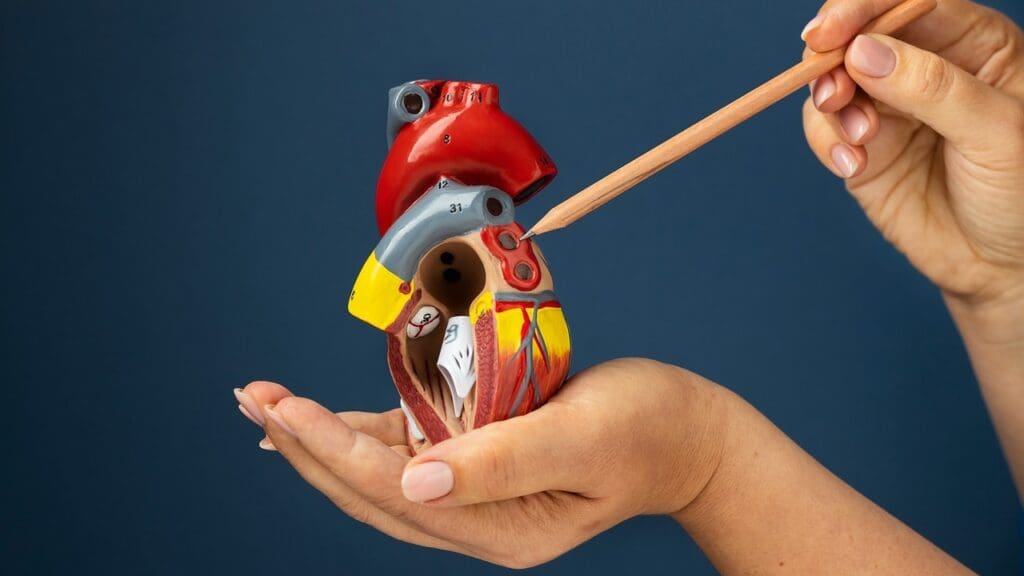
The mitral valve is key to heart function. Its problems can cause serious health issues. We’ll look into mitral valve disease, its causes, symptoms, and why surgery is needed.
The Anatomy of the Mitral Valve
The mitral valve is between the left atrium and ventricle. It has two leaflets, a mitral annulus, chordae tendineae, and papillary muscles. These parts work together for blood to flow right. Any problem here can cause mitral valve disease.
Mitral Regurgitation: Causes and Symptoms
Mitral regurgitation happens when the valve doesn’t close right. This lets blood flow back into the left atrium. It can be caused by several things, like leaflet prolapse or chordae tendineae rupture. Symptoms include shortness of breath, fatigue, and palpitations, which can really affect a person’s life.
When Surgical Intervention Becomes Necessary
When mitral regurgitation is severe or symptoms don’t go away with medicine, surgery is needed. Mitral valve repair is usually better than replacement if possible. It keeps the patient’s own valve and avoids lifelong anticoagulation. We’ll talk more about mitral valve ring repair and its benefits later.
The Science Behind Mitral Valve Ring Repair
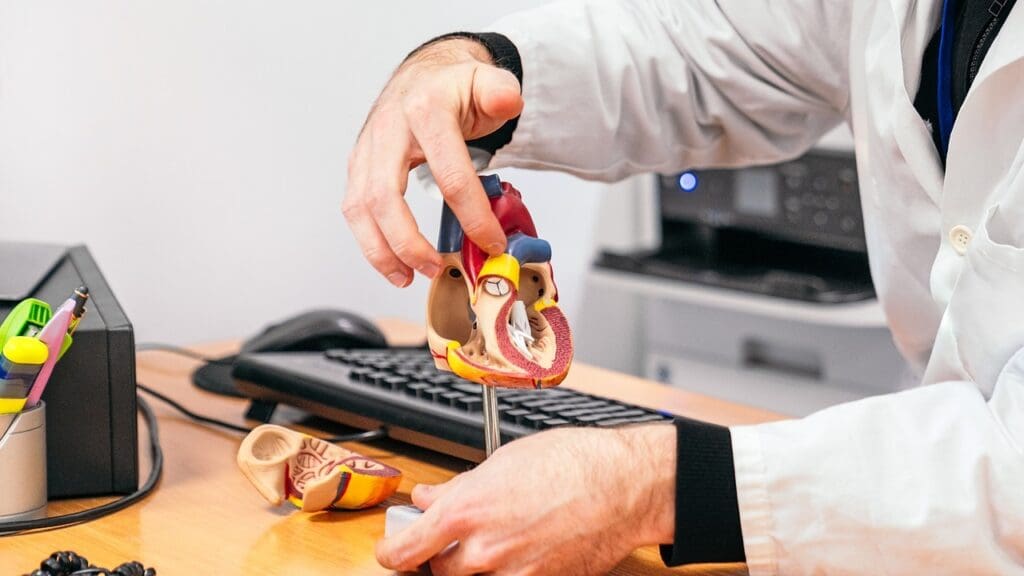
Annuloplasty is a key part of fixing the mitral valve. It involves putting a ring around the valve to help it work better. This method is vital for treating mitral regurgitation, where the valve doesn’t close right, causing blood to leak back into the heart.
Defining Annuloplasty in Mitral Valve Treatment
Annuloplasty is a surgery that puts a ring around the mitral valve. It aims to fix the valve’s shape and function. This ensures the valve closes well and stops blood from leaking back into the heart, as the Cleveland Clinic explains.
Types of Mitral Valve Repair Rings
There are many types of mitral valve repair rings. Each is made for different needs. Here are a few:
| Ring Type | Description | Clinical Use |
|---|---|---|
| Complete Ring | A rigid or semi-rigid ring that encircles the entire annulus. | Used for patients with significant annular dilation. |
| Partial Ring | A flexible ring that supports only a portion of the annulus. | Ideal for patients with less severe annular dilation. |
| Adjustable Ring | A ring that can be adjusted post-implantation to optimize valve function. | Beneficial for patients requiring precise annular sizing. |
The Evolution of Annuloplasty Techniques
Annuloplasty methods have changed a lot over time. This is thanks to new materials and surgical tools. Today’s rings are stronger and more flexible, leading to better results for patients.
Now, we use minimally invasive surgical approaches and transcatheter techniques more often. These methods help patients recover faster and more people can get the treatment they need.
We keep making annuloplasty better, improving how we fix the mitral valve. By understanding these advances, we can better tackle mitral valve disease and find new ways to help patients.
Key Fact 1: Mitral Valve Ring Repair Significantly Improves Survival Rates
Mitral valve ring repair is a groundbreaking procedure. It has greatly improved patient outcomes, including survival rates. We’ve seen a big jump in the long-term survival of those who get this treatment.
Statistical Evidence on Mortality Reduction
Studies show mitral valve ring repair cuts down on death rates. Research on PubMed backs this up. It shows patients who get this repair live longer than those who don’t.
Long-term Survival Benefits Compared to Valve Replacement
Looking at mitral valve ring repair versus valve replacement, the benefits are clear. Patients who get the repair tend to do better over time. The main benefits are:
- Improved survival rates
- Lower risk of complications
- Better quality of life
Peri-operative Mortality Rates Below 2%
Another big plus of mitral valve ring repair is its low risk of death right after surgery. This rate is usually under 2%. It shows the procedure is safe and effective, even in the first few days after surgery.
In summary, the evidence is clear. Mitral valve ring repair boosts survival rates. With its low risk of death right after surgery and long-term benefits, it’s a top choice for treating mitral valve disease.
Key Fact 2: Enhanced Leaflet Coaptation Through Annuloplasty
Annuloplasty improves leaflet coaptation with a mitral valve repair ring. This method has changed how we treat mitral valve disease. It makes the valve work better.
We will see how the ring helps the leaflets meet right. It stops the valve from getting bigger and gives it better strength.
How the Mitral Valve Repair Ring Improves Valve Function
The mitral valve repair ring supports the valve’s ring, making it the right shape and size. This helps the leaflets meet right during heartbeats. This ensures the valve closes well, stopping leaks.
The right size and placement of the ring are key for the best results.
Prevention of Future Annular Dilation
Ring annuloplasty stops the valve ring from getting bigger. This is important for patients with a certain type of valve disease. It helps avoid leaks coming back.
This is very important for patients with a certain type of valve disease.
Biomechanical Advantages of Ring Annuloplasty
Ring annuloplasty has many benefits. It helps the leaflets meet better and puts less stress on them. This reduces the chance of damage or tear.
A leading cardiac surgeon said,
“The use of a mitral valve repair ring has been a game-changer in our ability to treat mitral valve disease effectively and durably.”
This shows how important ring annuloplasty is in heart surgery today.
In summary, the mitral valve repair ring is key. It improves how the leaflets meet, stops the valve ring from getting bigger, and gives the valve better strength. These benefits help make mitral valve repair successful for a long time.
Key Fact 3: Etiology-Specific Annuloplasty Rings Reduce Recurrence Rates
Etiology-specific annuloplasty rings have changed how we treat mitral regurgitation. They offer custom solutions for different causes. Studies show these rings can greatly lower MR recurrence rates, leading to better patient results.
Customized Approaches for Different Causes of Mitral Regurgitation
Mitral regurgitation can stem from many causes, like degenerative, ischemic, and functional issues. Etiology-specific annuloplasty rings are made to tackle these various causes. For example, those with degenerative MR might need rings that offer strong support. On the other hand, functional MR might require rings that are more flexible for better leaflet coaptation.
A study in Annals of Cardiothoracic Surgery shows the ring choice is critical for repair success. It stresses the need to pick the right ring for each patient’s condition.
Comparative Studies on Ring Types and Outcomes
Research has looked into how different annuloplasty rings perform. A major discovery is that etiology-specific rings can cut down MR recurrence by targeting the root cause. For instance, a study found patients with these rings had lower MR recurrence rates than those with standard rings.
Technological Advancements in Ring Design
Annuloplasty ring design has seen big improvements, thanks to new materials and tech. Today’s rings are more durable and better support the mitral valve. Technological advancements have also led to rings with adjustable flexibility and rigidity, making repairs more precise.
As we keep pushing forward in mitral valve repair, using etiology-specific annuloplasty rings is a big leap. It helps lower MR recurrence rates and improves patient results.
Key Fact 4: Minimally Invasive and Transcatheter Annuloplasty Techniques
Annuloplasty techniques have changed a lot, now using less invasive methods. This means patients have more choices. These new ways of doing mitral valve repairs aim to cause less harm and help patients heal faster.
Evolution of Less Invasive Approaches
Minimally invasive annuloplasty has changed surgery a lot. It makes incisions smaller, which means less damage to tissues and quicker healing. This is thanks to better tools and imaging tech.
Benefits for High-Risk Patients
High-risk patients can now get help from new, less risky surgeries. These methods are safer than old ways, lowering the chance of serious problems. A study in Annals of Cardiothoracic Surgery shows they work well for these patients.
Recovery Time and Quality of Life Improvements
These new surgeries mean patients heal faster. They feel less pain and can get back to their lives sooner. This means a better quality of life for them, as they can do more without pain.
| Procedure | Recovery Time | Quality of Life Improvements |
|---|---|---|
| Minimally Invasive Annuloplasty | 2-4 weeks | Reduced pain, faster return to activities |
| Transcatheter Annuloplasty | 1-3 weeks | Minimal scarring, less post-operative pain |
We’re dedicated to giving our patients the best treatments. As mitral valve repair gets better, we’re always ready with the latest solutions. This helps improve how well patients do and their overall quality of life.
Key Fact 5: Left Ventricular Remodeling After Mitral Valve Ring Repair
Mitral valve ring repair greatly changes left ventricular remodeling. This leads to better heart function in patients. The fixes made during annuloplasty help not just the mitral valve but also the left ventricle’s health.
Cardiac Function Improvements Following Annuloplasty
After the repair, cardiac function improves a lot. This is because of less mitral regurgitation and less volume overload on the ventricle. This makes the heart pump blood better. Patients often see a big drop in symptoms and a better quality of life.
Reverse Remodeling Process and Timeline
The reverse remodeling process is a series of changes after annuloplasty. First, the left ventricle gets smaller because of less volume overload. Then, over time, the ventricle’s shape and function get back to normal. How long this takes can vary, but it usually happens in a few months after surgery.
Factors Affecting Ventricular Recovery
Many things can affect ventricular recovery after mitral valve ring repair. These include how well the heart worked before surgery, any other health issues, and how well the patient recovers after surgery. Knowing these factors helps doctors get the best results for their patients.
Key Fact 6: The Multidisciplinary Approach to Mitral Valve Treatment
At Liv Hospital, we use a detailed approach to treat mitral valves. We mix the newest research with our team’s skills. This way, we get the best results for our patients.
Integration of Academic Protocols with Clinical Practice
We add the latest research to our treatments. This keeps us ahead in mitral valve repair, like annuloplasty. Our patients get the best and newest treatments.
Patient-Centered Care Model
We focus on what each patient needs and wants. This creates a caring space for healing. It also makes the care better for everyone.
International Standards and Ethical Commitments
We follow global standards and ethics in our care. This ensures our patients get top-notch care. We stick to safety and effectiveness rules closely.
Our team’s diverse skills help us give full care to patients with mitral valve issues. We address their complex needs well.
Key Fact 7: Long-Term Outcomes and Quality of Life After Annuloplasty
Mitral valve repair through annuloplasty fixes the immediate problem of mitral regurgitation. It also boosts patients’ long-term health. This seventh key fact shows how the procedure greatly affects a patient’s life.
Patient Satisfaction and Symptom Relief
Research shows that annuloplasty patients feel better and are happier with their lives. Long-term outcomes show fewer symptoms like shortness of breath and tiredness.
Activity Levels and Functional Capacity
Many patients see better activity levels and function after annuloplasty. They can do more daily tasks and even start exercising again.
Monitoring and Follow-up Considerations
Regular checks are key to keeping the good results going. This includes echocardiograms and visits to the doctor to watch the mitral valve and heart health.
| Aspect | Pre-Annuloplasty | Post-Annuloplasty |
|---|---|---|
| Symptom Frequency | High | Low |
| Activity Level | Limited | Improved |
| Patient Satisfaction | Low | High |
Conclusion: The Future of Mitral Valve Ring Repair
Annuloplasty techniques have changed how we treat mitral valve disease. These advancements have greatly improved patient results. Now, patients live longer and have a better quality of life.
The future of mitral valve repair looks bright. New research and technology are leading the way. We’re seeing better results and faster recoveries thanks to these advancements.
There’s a lot to look forward to in annuloplasty. New ring designs and minimally invasive methods are on the horizon. Our goal is to keep improving care for our patients, both locally and internationally.
FAQ
What is mitral valve ring repair?
Mitral valve ring repair, also known as annuloplasty, is a surgery to fix the mitral valve ring. This ring supports the valve. It’s done to treat mitral regurgitation.
What is the purpose of a mitral valve repair ring?
The mitral valve repair ring helps the valve work better. It improves how the valve closes and prevents it from getting bigger. It also gives the valve better strength.
What are the benefits of mitral valve ring repair compared to valve replacement?
Repairing the mitral valve ring can make you live longer. It also makes the valve work better over time. This is better than replacing the valve.
What are the different types of mitral valve repair rings available?
There are many types of mitral valve repair rings. Some are made for specific problems with the valve. Others are made from different materials.
How has annuloplasty technique evolved over time?
Annuloplasty has changed a lot. New designs and ways to do the surgery have improved results. Now, patients do better and recover faster.
What are the advantages of minimally invasive annuloplasty techniques?
Minimally invasive surgery has many benefits. It means less time in the hospital and a quicker recovery. It’s also safer for people at high risk.
How does mitral valve ring repair affect cardiac function?
Repairing the mitral valve ring can greatly improve heart function. It can make the heart work better and even change its shape for the better.
What is the importance of a multidisciplinary approach to mitral valve treatment?
Treating mitral valve problems needs a team effort. It combines the latest research with real-world experience. This approach puts the patient first and follows strict standards.
What can patients expect in terms of long-term outcomes and quality of life after annuloplasty?
After surgery, patients often feel much better. They can do more things and feel more energetic. Most patients are very happy with their results.
What is the role of monitoring and follow-up after mitral valve ring repair?
Keeping an eye on patients after surgery is very important. It helps make sure everything is going well. It also catches any problems early and makes any needed changes.
What is mitral valve ring repair?
Mitral valve ring repair, also known as annuloplasty, is a surgery to fix the mitral valve ring. This ring supports the valve. It’s done to treat mitral regurgitation.
What is the purpose of a mitral valve repair ring?
The mitral valve repair ring helps the valve work better. It improves how the valve closes and prevents it from getting bigger. It also gives the valve better strength.
What are the benefits of mitral valve ring repair compared to valve replacement?
Repairing the mitral valve ring can make you live longer. It also makes the valve work better over time. This is better than replacing the valve.
What are the different types of mitral valve repair rings available?
There are many types of mitral valve repair rings. Some are made for specific problems with the valve. Others are made from different materials.
How has annuloplasty technique evolved over time?
Annuloplasty has changed a lot. New designs and ways to do the surgery have improved results. Now, patients do better and recover faster.
What are the advantages of minimally invasive annuloplasty techniques?
Minimally invasive surgery has many benefits. It means less time in the hospital and a quicker recovery. It’s also safer for people at high risk.
How does mitral valve ring repair affect cardiac function?
Repairing the mitral valve ring can greatly improve heart function. It can make the heart work better and even change its shape for the better.
What is the importance of a multidisciplinary approach to mitral valve treatment?
Treating mitral valve problems needs a team effort. It combines the latest research with real-world experience. This approach puts the patient first and follows strict standards.
What can patients expect in terms of long-term outcomes and quality of life after annuloplasty?
After surgery, patients often feel much better. They can do more things and feel more energetic. Most patients are very happy with their results.
What is the role of monitoring and follow-up after mitral valve ring repair?
Keeping an eye on patients after surgery is very important. It helps make sure everything is going well. It also catches any problems early and makes any needed changes.
References
- PubMed (National Library of Medicine): https://pubmed.ncbi.nlm.nih.gov/11568021/
- Annals of Cardiothoracic Surgery (Annals CTS): https://www.annalscts.com/article/view/16782/html
- Annals of Cardiothoracic Surgery (Annals CTS): https://www.annalscts.com/article/view/16780/17292
- Healio/Cardiology: https://www.healio.com/news/cardiology/20180614/transcatheter-annuloplasty-system-for-mr-shows-promising-results