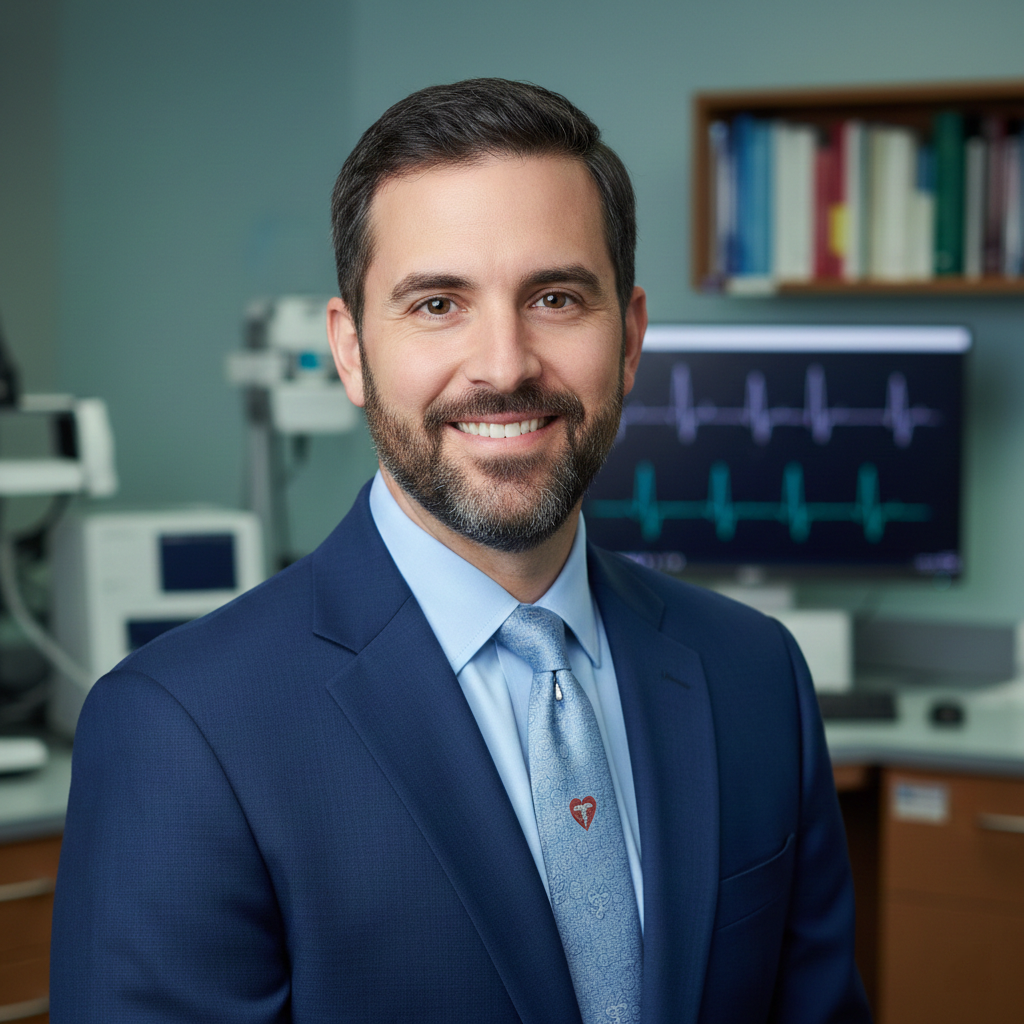
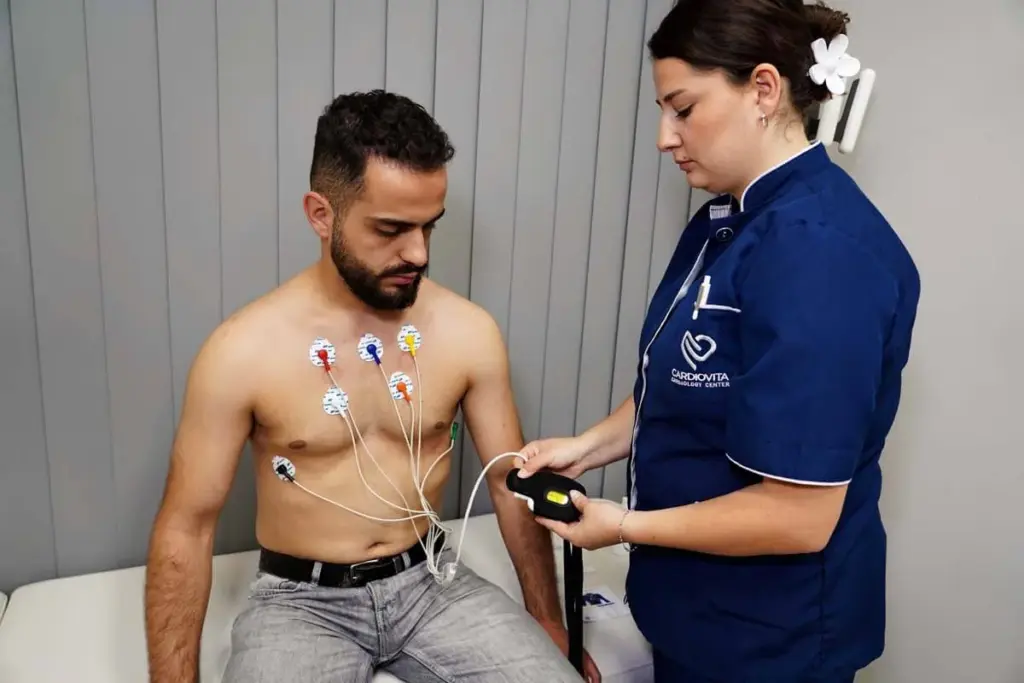
Did you know millions of people worldwide have irregular heartbeats, dizziness, or chest pain without knowing why? A Holter monitor test tracks the heart’s activity for 24 to 48 hours. It helps cardiologists find the cause of these symptoms.
Patients with symptoms like palpitations, skipped beats, or fainting spells might need a Holter monitor test. A cardiologist – a heart specialist – often suggests this test. It’s key for diagnosing heart rhythm disorders, which could mean a serious condition needs treatment.
Knowing when to get a Holter monitor test is important for getting the right care. If heart symptoms bother you, seeing a cardiac specialist is the first step towards finding out what’s wrong and how to fix it.
Key Takeaways
- A Holter monitor test tracks heart activity over 24 to 48 hours.
- Symptoms like irregular heartbeats, dizziness, or chest pain may require a Holter monitor test.
- A cardiologist is the heart doctor who diagnoses and treats heart conditions.
- Understanding the difference between a cardiologist and a cardiothoracic surgeon is important for getting the right care.
- A cardiac surgeon specializes in surgical procedures for heart conditions.
- A Holter monitor test helps diagnose heart rhythm disorders.
Understanding Holter Monitors
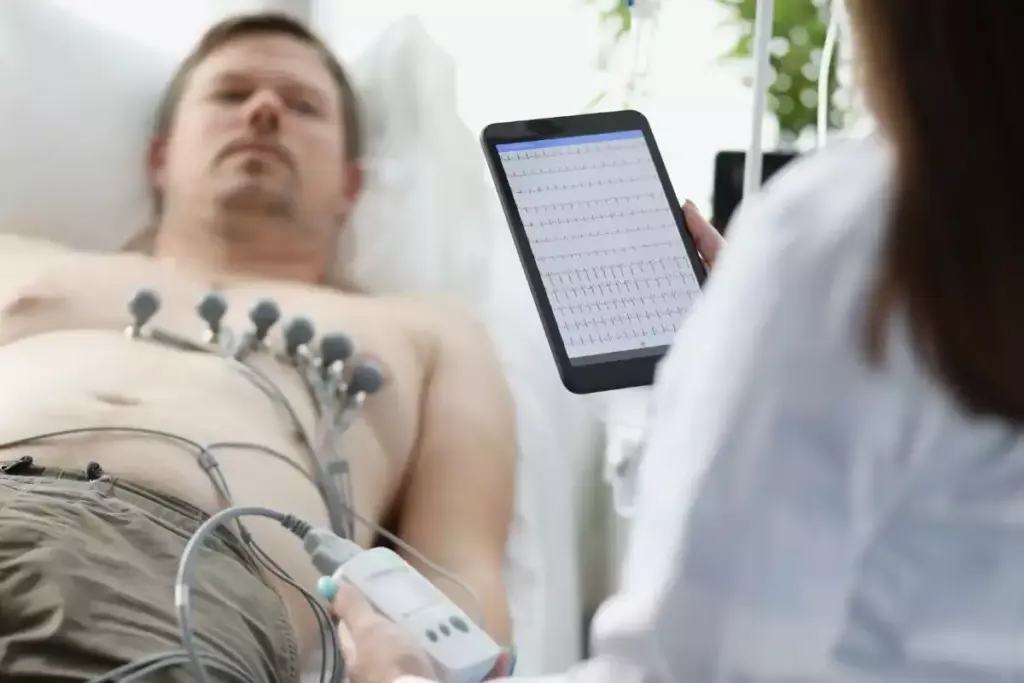
A Holter monitor is a portable device that records the heart’s activity for 24 to 48 hours. It’s key for finding heart rhythm problems that don’t always show up.
What is a Holter Monitor?
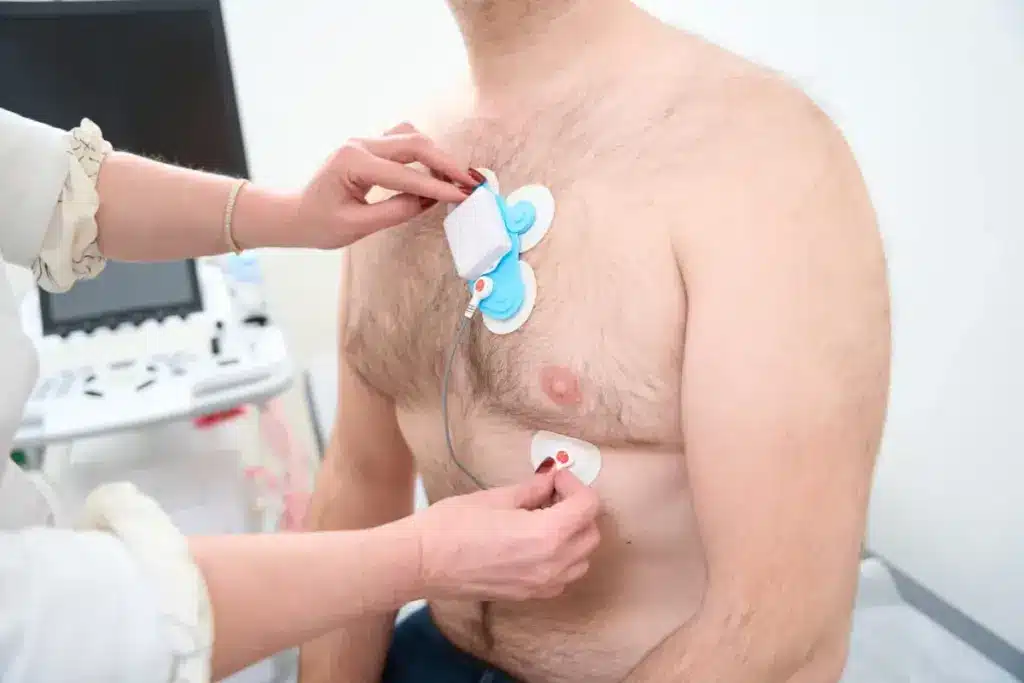
A Holter monitor is a small, wearable device that tracks the heart’s electrical activity all the time. It’s like an electrocardiogram (ECG) test but records for longer. This helps find heart rhythm issues that a standard ECG might miss.
How Does a Holter Monitor Work?
The Holter monitor uses chest electrodes to record the heart’s electrical activity. These electrodes connect to the monitor, which logs the data. Patients keep a diary of their activities and symptoms during monitoring. This helps link heart rhythm issues with what they were doing.
Understanding heart health means knowing the roles of different doctors. A cardiologist deals with heart conditions, while a cardiac surgeon does heart surgery. Knowing the difference helps patients get the right care. Also, knowing the different types of heart surgeons and their specialties is useful.
|
Device |
Monitoring Duration |
Key Features |
|---|---|---|
|
Holter Monitor |
24 to 48 hours |
Continuous recording, portable |
|
Event Monitor |
Variable, often longer than Holter |
Activated by patient during symptoms |
|
Implantable Loop Recorder |
Up to several years |
Implantable, continuous or triggered recording |
Common Signs Indicating a Need for Monitoring
Heart health is very important. Some symptoms mean you might need to watch your heart more closely. A Holter monitor test is often suggested for these signs. Knowing these signs helps figure out what tests you need.
Irregular Heartbeats
Irregular heartbeats, or arrhythmias, often lead to a Holter monitor test. These can feel like skipped or extra beats, or an odd rhythm. If you feel your heart beating strangely, your doctor might want to monitor it. A heart doctor or cardiac specialist can help manage these issues.
Dizziness or Fainting
Dizziness or fainting can mean your heart is not pumping enough blood. This can cause you to lose consciousness. If you keep feeling dizzy or fainting, see a doctor. They might use a Holter monitor to check your heart during these times.
Chest Pain
Chest pain is a serious symptom that needs quick attention. It can be from many things, but heart problems might need a Holter monitor test. If you have chest pain, see a heart surgeon or cardiologist right away. They can figure out what’s going on and what tests you need.
|
Symptom |
Possible Indication |
Recommended Action |
|---|---|---|
|
Irregular Heartbeats |
Arrhythmia or heart rhythm disorder |
Consult a cardiologist; consider Holter monitor test |
|
Dizziness or Fainting |
Potential heart issue affecting blood flow to the brain |
Seek medical attention; possible Holter monitoring |
|
Chest Pain |
Possible heart condition or coronary issue |
Immediate medical evaluation; possible Holter monitor test |
Knowing these signs and getting medical help early is key. A doctor, like a cardiologist or heart doctor, can guide you. They’ll suggest tests, like a Holter monitor, to keep your heart healthy.
Symptoms Related to Heart Conditions
Knowing the symptoms of heart conditions is key to getting help quickly. Heart issues can show up in many ways. Spotting these signs early can help you get the right care.
Palpitations
Palpitations are a common sign of heart problems. They make your heart beat irregularly, feeling like it’s pounding or skipping beats. Atrial fibrillation, a type of irregular heartbeat, can cause palpitations. If you have persistent or severe palpitations, see a cardiologist or cardiovascular surgeon to find out why.
Shortness of Breath
Shortness of breath, or dyspnea, is another sign of heart trouble. It happens when the heart can’t pump enough blood. This can be a sign of heart failure. Knowing the difference between a cardiologist and a cardiovascular surgeon helps you get the right care.
|
Symptom |
Possible Heart Condition |
Recommended Specialist |
|---|---|---|
|
Palpitations |
Atrial Fibrillation |
Cardiologist |
|
Shortness of Breath |
Heart Failure |
Cardiovascular Surgeon |
Heart Disease Indicators
Heart disease can show itself in many ways, like chest pain, dizziness, and fatigue. Cardiovascular surgeons and heart surgeons are key in treating heart disease with surgery. Knowing what they do helps you choose the right treatment.
- Chest pain can be a sign of coronary artery disease.
- Dizziness may indicate a problem with blood flow or heart rhythm.
- Fatigue can be a symptom of heart failure or other heart conditions.
Spotting these symptoms and knowing about different heart specialists can improve your heart health. If you’re feeling any of these symptoms, it’s important to talk to a doctor to figure out what to do next.
Persistent Symptoms Worth Monitoring
Certain ongoing symptoms can indicate the need for monitoring heart health. When we experience persistent issues, it’s important to understand if they are related to our heart’s functioning. We will explore some of these symptoms and their possible implications.
Chronic Fatigue
Chronic fatigue is a condition characterized by persistent and profound tiredness that isn’t relieved by rest. It can be a symptom of various underlying health issues, including heart conditions. Are cardiologists surgeons? While cardiologists are not surgeons, they play a critical role in diagnosing and managing heart conditions that might cause chronic fatigue.
Some studies suggest that heart failure can lead to chronic fatigue due to the heart’s reduced ability to pump blood efficiently. If you’re experiencing persistent tiredness, consulting a healthcare provider is essential.
Weakness or Tiredness
Weakness or tiredness that persists over time can be indicative of underlying heart problems. A heart surgeon or a cardiologist can help determine if your symptoms are related to heart health. Weakness might manifest as a lack of energy to perform daily activities or a general feeling of being unwell.
It’s worth noting that conditions like coronary artery disease can lead to symptoms of weakness or tiredness. Monitoring these symptoms can help in early detection and management.
Sleep Disturbances
Sleep disturbances, including insomnia or sleep apnea, can be linked to heart health. Sleep apnea, in particular, has been associated with an increased risk of heart disease. A healthcare provider, potentially a heart doctor or cardiologist, can assess whether your sleep issues are related to your heart health.
|
Symptom |
Potential Heart-Related Cause |
|---|---|
|
Chronic Fatigue |
Heart Failure |
|
Weakness or Tiredness |
Coronary Artery Disease |
|
Sleep Disturbances |
Sleep Apnea, Heart Disease |
Understanding the link between these persistent symptoms and heart health is key. If you’re experiencing any of these symptoms, it’s vital to consult with a healthcare professional. They can provide guidance and recommend appropriate monitoring or treatment.
Risk Factors for Heart Issues
Some factors can greatly increase the risk of heart problems. Knowing these factors is the first step to reduce the risk. We will look at these risk factors to understand their impact on heart health.
Family History of Heart Disease
A family history of heart disease is a big risk factor. If your parents or siblings had heart disease, you might too. Genes play a big role in heart health. Knowing your family’s medical history helps you understand your risk and take steps to prevent it.
High Blood Pressure
High blood pressure is another major risk. It can make arteries hard and stiff, making it harder for the heart to pump blood. Managing high blood pressure is key to keeping your heart healthy. This can be done through lifestyle changes and, if needed, medication.
Diabetes
Diabetes affects how your body handles blood sugar, impacting heart health. People with diabetes are at higher risk of heart disease. High blood sugar can damage blood vessels and nerves that control the heart. Controlling diabetes through diet, exercise, and medication can lower this risk.
It’s important to understand how these risk factors work together. For example, having one risk factor can make another worse. The table below shows the main risk factors and their effects on heart health.
|
Risk Factor |
Impact on Heart Health |
Preventive Measures |
|---|---|---|
|
Family History |
Increases the risk of heart disease |
Regular check-ups, healthy lifestyle |
|
High Blood Pressure |
Hardens arteries, increases heart workload |
Monitor blood pressure, lifestyle changes |
|
Diabetes |
Damages blood vessels and nerves |
Control blood sugar, balanced diet, exercise |
By understanding these risk factors and taking action, you can lower your chance of heart problems. It’s also key to know the difference between vascular and cardiac conditions. Knowing the roles of cardiologists versus pulmonologists in treating heart and related diseases is also important.
The Importance of Early Detection
Early medical action is key to keeping your heart healthy. Heart conditions can be complex and varied. They often need quick and precise diagnosis. Early detection helps prevent serious conditions and manage existing ones well.
Preventing Serious Conditions
Early detection is vital in stopping serious heart issues. By catching problems early, we can act before they worsen. For example, irregular heartbeats or palpitations might signal deeper issues. A Holter monitor test helps by tracking heart activity over time.
Heart disease, heart failure, and arrhythmias can be prevented or their effects lessened with early detection. Experts say early diagnosis and treatment greatly improve heart condition outcomes.
Managing Existing Conditions
For those with heart conditions, early detection and ongoing checks are key. This means not just the first diagnosis but also ongoing monitoring. A cardiothoracic or cardiovascular surgeon can help decide the best treatment. Knowing the difference between these surgeons helps patients make better care choices.
- Monitoring heart activity to adjust medication or treatment plans.
- Managing symptoms to improve quality of life.
- Preventing complications through timely interventions.
In the United States, many cardiac surgeons specialize in heart surgery. Knowing how many cardiac surgeons in the US are available reassures patients about access to specialized care.
How to Prepare for a Holter Monitor Test
To get the most out of your Holter monitor test, follow your healthcare provider’s preparation guidelines. This test records your heart’s activity for 24 to 48 hours. Proper preparation helps the device capture your heart’s activity accurately, giving your healthcare provider valuable data.
Instructions from Healthcare Providers
It is essential to follow the specific instructions provided by your healthcare provider for the Holter monitor test. It’s important to follow these instructions carefully. They may tell you how to maintain the device, keep a diary of your activities and symptoms, and any precautions to take.
When you get the Holter monitor attached, your healthcare provider will explain the procedure. They might give you a diary to record your activities, symptoms, and any unusual sensations. This information is key in correlating your symptoms with the Holter monitor data. For example, if you’re experiencing symptoms that might need a cardiothoracic surgeon or a cardiologist, your diary can help your provider understand your situation.
Lifestyle Adjustments
There are lifestyle adjustments you can make to ensure the Holter monitor test is successful. Avoid getting the device wet by not taking showers, baths, or swimming. You might also need to adjust your daily activities to avoid damaging the device.
During the test, wear loose, comfortable clothing to avoid discomfort from tight clothing. Understanding the difference between a cardiologist and a cardiothoracic surgeon can help you navigate your diagnosis and treatment plan. While a cardiologist can manage many heart conditions, complex cases might need a cardiothoracic or cardiovascular surgeon.
Duration of Holter Monitoring
The time you wear a Holter monitor can change based on several things. We’ll look at how long it usually lasts and what affects it.
Typical Monitoring Period
Most people wear a Holter monitor for 24 to 48 hours. This lets the monitor record your heart’s activity all the time. It gives doctors important data for making a diagnosis.
Factors Affecting Duration
Many things can change how long you wear a Holter monitor. These include your symptoms, how often they happen, and what your doctor needs. For example, if your symptoms are rare, you might wear the monitor longer. This helps doctors get the data they need.
Also, your cardiovascular health and any special conditions can affect how long you wear it. Knowing the difference between cardiovascular and cardiothoracic issues is key to the right diagnosis.
Here are some factors that might change how long you wear a Holter monitor:
- The severity and frequency of symptoms
- Your medical history, including any heart problems
- Your doctor’s judgment based on what they’ve found so far
Knowing these factors helps you get ready for the Holter monitor test. It also tells you what to expect while you’re wearing it.
Analyzing Holter Monitor Results
Looking at Holter monitor results is key to spotting heart problems and planning treatment. When we get the results, we must carefully check the data. This helps us understand the heart’s activity during the monitoring time.
Understanding Test Outcomes
Holter monitor results give a detailed look at heart activity. They show any irregularities or problems found during the monitoring. These results can reveal heart conditions like arrhythmias and show how often and long they last.
To make sense of the results, we look at a few important things:
- The type and how often irregular heartbeats happen
- How long any abnormal heart activity lasts
- If symptoms match the heart activity
By looking at these, doctors can better understand the heart’s state. They can then decide the best treatment.
|
Test Outcome |
Description |
Implications |
|---|---|---|
|
Normal Sinus Rhythm |
Normal heart rhythm with no big problems |
No need for further treatment |
|
Arrhythmia |
Irregular heartbeats found |
May need medicine or more monitoring |
|
Ischemia |
Heart doesn’t get enough blood |
May need more tests or treatment |
When to Consult a Doctor
After getting Holter monitor results, it’s important to talk to a doctor. They can explain the findings and what to do next. If the results show any heart problems or concerns, we might need to see a cardiologist or other specialists.
In some cases, the results might show the need for more tests or treatment. This could include:
- More monitoring with an event monitor or implantable loop recorder
- Medicine to manage heart conditions
- Changes in lifestyle to lower heart disease risk
We should also see a doctor if we have symptoms like chest pain, dizziness, or trouble breathing. Working with healthcare providers helps us create a good treatment plan. This can improve our heart health.
It’s important to know that cardiologists are key in understanding Holter monitor results and planning treatments. Even though they’re not surgeons, they often work with heart surgeons and other experts. Knowing their role helps patients understand their treatment options and make informed choices about their care.
Follow-Up After Holter Monitoring
After your Holter monitoring is done, your healthcare team will look at the data. They will figure out what to do next for your care. This is important to see how your heart acted during the test and find any problems that need more checking or treatment.
Next Steps Based on Results
Your Holter monitor test results will tell your doctor what to do next. They might want you to have more tests, like an echocardiogram or a stress test. These tests help check your heart health more closely. Sometimes, you might need to see a specialist, like a cardiologist or a cardiovascular surgeon, to talk about treatment.
It’s good to know the difference between heart specialists. For example, a cardiologist deals with heart conditions, while a cardiothoracic surgeon does heart and chest surgeries.
|
Specialist |
Role |
When to Consult |
|---|---|---|
|
Cardiologist |
Diagnoses and treats heart conditions |
For non-surgical heart conditions |
|
Cardiovascular Surgeon |
Performs surgery on the heart and blood vessels |
When surgical intervention is required |
|
Vascular Surgeon |
Specializes in surgical procedures for blood vessels |
For conditions related to blood vessels |
Continued Monitoring
At times, you might need to keep watching your heart’s activity. This could mean wearing a Holter monitor again or using other devices. Your healthcare provider will decide what’s best for you based on your condition.
Knowing what a cardiovascular surgeon does is also important. They do surgeries on the heart and blood vessels. They are key in treating serious heart problems.
After talking about your results and what to do next, it’s key to follow your doctor’s advice. This might mean making lifestyle changes, taking medicine, or having more tests. All of these steps help keep your heart healthy.
Alternative Monitoring Methods
Cardiologists suggest other monitoring tools for some patients. These tools are more flexible and can monitor the heart for longer than Holter monitors.
Event Monitors
Event monitors record the heart’s activity at certain times, like when symptoms happen. They’re great for people with rare symptoms. This way, doctors can make a better diagnosis over time.
Key Benefits: Event monitors give real-time data. They’re smaller and easier to carry than Holter monitors. Plus, they can be used for longer periods.
Implantable Loop Recorders
Implantable loop recorders (ILRs) are tiny devices put under the skin. They track the heart’s rhythm for a long time, sometimes up to years. They’re good for finding heart problems that are hard to spot with short monitoring.
ILRs are very helpful for people with frequent fainting or a high risk of heart rhythm problems.
Event monitors and ILRs are key in diagnosing and treating heart issues. They give cardiologists many tools to care for their patients fully.
Conclusion and Next Steps
A Holter monitor test is a key tool for finding heart problems. If you have symptoms like irregular heartbeats, dizziness, or chest pain, see a doctor. A cardiologist or heart surgeon can help.
Knowing the difference between a cardiologist and a heart surgeon is important. A cardiologist deals with diagnosing and treating heart issues. A heart surgeon, or cardiothoracic surgeon, does surgeries to fix or replace heart damage.
Seeking Professional Guidance
Talking to a healthcare expert is key to finding the right treatment. They will explain your test results and suggest how to care for your heart.
Heart Health Monitoring
Keeping an eye on your heart health is essential. By staying informed and working with your doctor, you can protect your heart. This helps prevent serious heart problems.
FAQ
What is a Holter monitor test, and why is it necessary?
A Holter monitor test tracks heart activity for 24 to 48 hours. It helps find irregular heartbeats and understand symptoms. It also guides treatment plans.
What symptoms may require a Holter monitor test?
Symptoms like irregular heartbeats, dizziness, and chest pain may need a Holter monitor test. This helps find the cause and its link to heart health.
How does a Holter monitor work?
A Holter monitor is a portable device that records heart activity. It uses chest electrodes to capture data. This data is then analyzed for heart rhythm irregularities.
What are the risk factors that increase the likelihood of heart issues?
Risk factors include family history of heart disease, high blood pressure, and diabetes. Knowing these is key for early detection and prevention.
How do I prepare for a Holter monitor test?
To prepare, follow your doctor’s instructions. This may include avoiding certain activities or keeping a symptom diary during monitoring.
How long does Holter monitoring typically last?
Holter monitoring usually lasts 24 to 48 hours. But, it can vary based on your diagnosis and doctor’s instructions.
How do I understand Holter monitor results?
Understanding results requires talking to your doctor. They will explain the data and discuss what it means for your heart health.
What are the next steps after Holter monitoring?
After results, your doctor may suggest more tests, treatment, or monitoring. This is to manage your heart health effectively.
Are there alternative monitoring methods to Holter monitors?
Yes, alternatives include event monitors and implantable loop recorders. Each has its own purpose and benefits for different needs.
Why is early detection of heart conditions important?
Early detection is key to preventing serious heart conditions. It helps manage existing conditions and improves outcomes and quality of life.
What is the difference between a cardiologist and a cardiac surgeon?
A cardiologist treats heart conditions with medications and non-surgical methods. A cardiac surgeon performs surgery for heart diseases.
Can a cardiologist perform surgery?
Generally, cardiologists do not perform surgery. They focus on diagnosis, treatment, and prevention through non-surgical means.
What does a cardiovascular surgeon do?
A cardiovascular surgeon operates on the heart and blood vessels. They treat conditions needing surgery, like coronary artery disease or heart valve disorders.
References
National Center for Biotechnology Information. Evidence-Based Medical Insight. Retrieved from https://pubmed.ncbi.nlm.nih.gov/