

Ischemic heart disease is a big problem worldwide, causing over 8 million deaths each year. It happens when the heart doesn’t get enough blood because of a blockage in the coronary arteries. We will look at the main reasons for this.
What is the most common cause ischemic heart disease? Identify the dangerous factors leading to this condition and how to stay safe and well.
The primary cause of ischemic heart disease is linked to coronary artery disease. This is when plaque builds up in the arteries, blocking blood flow. Knowing this helps us prevent and treat it.
Key Takeaways
- Ischemic heart disease is a major global health issue.
- Coronary artery disease is the main cause.
- Understanding the primary cause is key to prevention.
- Restricted blood flow to the heart is a significant risk.
- Prevention and treatment rely on addressing the root causes.
Understanding Ischemic Heart Disease
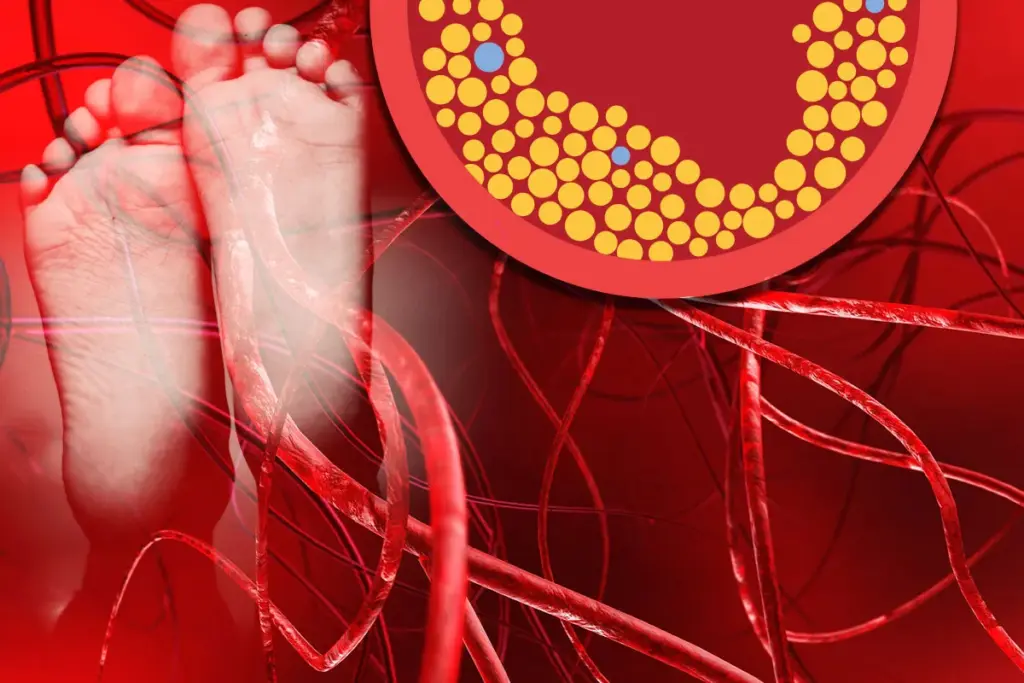
It’s important to know about ischemic heart disease to prevent it. This condition, also known as coronary artery disease (CAD), affects the heart’s blood supply. The main blood vessels to the heart get damaged or diseased.
Atherosclerosis, or plaque buildup, is the main cause. This narrowing or blockage reduces blood flow. It can cause chest pain, shortness of breath, and even a heart attack if blood flow is severely cut off.
Definition and Clinical Significance
Ischemic heart disease happens when the heart’s oxygen needs aren’t met. This is mainly because the coronary arteries are narrowed or blocked. It’s a serious condition that can lead to heart problems and even death.
The condition can show up in different ways. It can be stable angina, where symptoms come with effort and go away with rest. Or it can be unstable angina or a heart attack, which are emergencies.
Types of Ischemic Heart Disease
Ischemic heart disease includes several types, each with its own symptoms and treatment needs.
- Stable Angina: Predictable chest pain that comes with effort and goes away with rest.
- Unstable Angina: Unpredictable chest pain that can happen at rest, showing a severe blockage and a higher risk of heart attack.
- Myocardial Infarction (Heart Attack): When a heart part dies because of blocked blood flow for too long.
The table below shows the main features of these types:
|
Type |
Characteristics |
Clinical Implication |
|---|---|---|
|
Stable Angina |
Predictable pain with exertion, relieved by rest |
Managed with lifestyle changes and medication |
|
Unstable Angina |
Unpredictable pain, can occur at rest |
Higher risk, requires immediate medical attention |
|
Myocardial Infarction |
Damage to heart muscle due to blocked blood flow |
Medical emergency, requires immediate intervention |
Knowing the different types of ischemic heart disease is key to proper treatment. Understanding the causes, like atherosclerosis, and the symptoms helps doctors create better prevention and treatment plans.
The Most Common Cause of Ischemic Heart Disease

The main cause of ischemic heart disease is a buildup of plaque in the coronary arteries. This buildup, known as atherosclerosis, is the main reason for ischemic heart disease.
Atherosclerosis as the Primary Culprit
Atherosclerosis involves the buildup of lipids, inflammatory cells, and fibrous elements in arteries. This buildup narrows the coronary arteries. It reduces blood flow to the heart muscle, leading to ischemia.
Studies show atherosclerosis is more than just plaque buildup. It involves inflammation and immune responses. Mesoblast’s technology has highlighted the connection between inflammation and atherosclerosis.
How Atherosclerosis Develops in Coronary Arteries
Atherosclerosis in coronary arteries develops in several steps. It starts with endothelial dysfunction. Then, lipids and inflammatory cells accumulate. As the plaque grows, it can become unstable, causing heart attacks.
- Endothelial dysfunction allows lipids to penetrate the arterial wall.
- Inflammatory cells are recruited, promoting plaque growth.
- Smooth muscle cells proliferate, contributing to plaque development.
Understanding these steps is key to preventing and treating atherosclerosis. By tackling the root causes, we can lower the risk of ischemic heart disease and its complications.
The Atherosclerotic Process in Detail
Atherosclerosis is the main cause of coronary artery disease. It’s a complex process we need to understand well. Knowing how it works helps us find better ways to prevent and treat it.
Stages of Plaque Formation
The formation of atherosclerotic plaques happens in stages. First, endothelial dysfunction makes the arteries more open to lipids and inflammatory cells. Then, lipid-laden macrophages, or foam cells, start to grow, making the plaque bigger.
The atherosclerosis process has several important steps:
- Endothelial dysfunction and increased permeability
- Adhesion and migration of monocytes and T-lymphocytes
- Formation of foam cells and lipid accumulation
- Smooth muscle cell migration and proliferation
- Extracellular matrix deposition and calcification
From Stable to Unstable Plaques
Plaques can become either stable or unstable as they grow. Stable plaques have a thick cap and a small lipid core. They are less likely to burst. On the other hand, unstable plaques have a thin cap and a big lipid core. They are more likely to burst and cause a blood clot.
The change from stable to unstable plaques is key in heart disease. Inflammation, mechanical stress, and certain biomarkers can cause this change.
|
Characteristics |
Stable Plaques |
Unstable Plaques |
|---|---|---|
|
Fibrous Cap |
Thick |
Thin |
|
Lipid Core |
Small |
Large |
|
Inflammation |
Low |
High |
|
Rupture Risk |
Low |
High |
Understanding atherosclerosis is key to fighting ischemic heart disease. By knowing what causes it, we can create better treatments. This knowledge helps us prevent and treat atherosclerosis more effectively.
Major Modifiable Risk Factors
It’s key to know the main risk factors we can change to fight ischemic heart disease. This disease happens when blood flow to the heart is cut off by blocked arteries. We can change our lifestyle and get medical help to lower these risks.
Overview of Lifestyle-Related Risks
Lifestyle choices play a big role in getting ischemic heart disease. Smoking, an unhealthy diet, and not being active raise the risk a lot. Smoking harms blood vessels, making them more likely to block. A diet full of bad fats, cholesterol, and salt can also lead to high blood pressure and cholesterol.
“The INTERHEART study showed that nine things we can change account for over 90% of heart attack risk worldwide,” says a lot about how lifestyle affects heart health.
Ranking of Risk Factor Impact
Each risk factor’s impact on ischemic heart disease can be ranked. While rankings can change, dyslipidemia, hypertension, and diabetes mellitus are usually at the top. These conditions often go together, making it harder to manage them.
- Dyslipidemia, or abnormal blood lipids, is a big risk factor.
- Hypertension, or high blood pressure, can harm coronary arteries.
- Diabetes mellitus raises the risk because of its effects on blood vessels and nerves.
Risk Factor Clustering and Synergy
Risk factors often group together, and their effect can be stronger. For example, having both hypertension and dyslipidemia can more than double the risk. Knowing this helps us create better prevention and treatment plans.
By working on these main risk factors through lifestyle changes and medical help, we can lower our risk of ischemic heart disease a lot.
Hypertension and Coronary Artery Disease
High blood pressure is a big risk for heart disease. We’ll look at how it harms blood vessels. We’ll also talk about how to manage blood pressure to avoid heart problems.
Mechanisms of Vascular Damage
Hypertension affects the heart and blood vessels in many ways. Increased pressure damages the lining of blood vessels. This makes it easier for fats and harmful cells to get in.
This damage isn’t just in big arteries. It also harms the tiny blood vessels. This can cut down blood flow to the heart, even without big problems in the arteries.
Blood Pressure Management Goals
Keeping blood pressure under control is key to stopping heart disease. Guideline-recommended blood pressure targets are usually below 130/80 mmHg. To reach these goals, you might need to change your diet, exercise more, lose weight, and quit smoking. You might also need to take medicine.
- Lifestyle changes include dietary modifications, increased physical activity, weight management, and smoking cessation.
- Pharmacological treatment often involves the use of antihypertensive medications such as ACE inhibitors, beta-blockers, or diuretics.
By understanding how high blood pressure affects the heart and taking steps to control it, we can lower the risk of heart disease.
Dyslipidemia
Dyslipidemia is when cholesterol and triglycerides are not at normal levels. It’s a big reason for ischemic heart disease. We’ll look at how different lipids affect heart disease risk.
LDL, HDL, and Triglyceride Roles
LDL, or “bad” cholesterol, helps form plaques in arteries. High LDL levels can clog arteries, raising heart disease risk. HDL, or “good” cholesterol, helps clear cholesterol from blood, lowering disease risk. Triglycerides, another blood fat, also increase heart disease risk when too high.
It’s key to understand the balance of these lipids to gauge heart disease risk. For example, high LDL and low HDL can greatly increase heart disease risk.
Optimal Lipid Profiles for Prevention
Keeping lipid levels in check is vital to prevent heart disease. This means low LDL and triglycerides, and high HDL. Lifestyle changes like diet, exercise, and not smoking can help. Sometimes, medicine is needed to control cholesterol.
Those at high heart disease risk should aim for specific cholesterol targets. For instance, LDL levels under 100 mg/dL are often advised, with even stricter targets for high-risk individuals.
Effective management of dyslipidemia can greatly lower heart disease risk. This approach combines lifestyle changes, medical treatment, and regular lipid checks.
Diabetes and Insulin Resistance
It’s important to understand how diabetes and insulin resistance affect heart health. Diabetes is a big risk factor for heart disease, including ischemic heart disease. The changes in metabolism from diabetes and insulin resistance speed up atherosclerosis, a main cause of ischemic heart disease.
Metabolic Effects on Coronary Vessels
Diabetes and insulin resistance harm coronary vessels. High blood sugar damages the inner lining of blood vessels. This makes it hard for blood vessels to widen and keep blood flowing right.
Diabetes also raises levels of inflammation and oxidative stress. These factors damage blood vessels even more.
The metabolic syndrome, linked to insulin resistance, includes high blood pressure, bad cholesterol, and obesity. All these increase the risk of ischemic heart disease. They create a state that speeds up atherosclerosis in coronary arteries.
Glycemic Control Strategies
Keeping blood sugar levels in check is key for diabetic patients. This involves diet, exercise, and sometimes medicine. Tight control of blood sugar can lower the risk of heart problems.
We suggest a full plan for managing diabetes. This includes checking blood sugar often, taking medicine as directed, and making lifestyle changes. By controlling diabetes and insulin resistance, we can lower the risk of ischemic heart disease. This is a big factor in heart disease and death.
Tobacco Use and Smoking
Using tobacco products, like smoking, greatly raises the risk of getting ischemic heart disease. Tobacco smoke has thousands of harmful chemicals that can hurt the heart. We’ll look at how smoking harms heart health and the benefits of quitting.
Mechanisms of Cardiovascular Damage
Smoking harms the heart and blood vessels in many ways. It damages the blood vessel lining, making blockages more likely. It also raises blood pressure and heart rate, making the heart work harder. Plus, it cuts down the heart’s oxygen supply by lowering blood oxygen levels.
The Centers for Disease Control and Prevention (CDC) says smoking is a big cause of heart disease. It’s a primary cause of illness and death worldwide. The CDC also notes that smoking damages the heart and is a big risk for heart disease.
“Smoking is the leading cause of preventable death in the United States, accounting for more than 480,000 deaths per year. It is a major risk factor for cardiovascular disease, including coronary heart disease and stroke.”
Here’s a table showing how smoking affects heart health:
|
Effect |
Description |
|---|---|
|
Damage to Blood Vessels |
Smoking damages the inner lining of blood vessels, making them more susceptible to blockage. |
|
Increased Blood Pressure |
Smoking increases blood pressure, forcing the heart to work harder. |
|
Reduced Oxygen Supply |
Smoking reduces the level of oxygen in the blood, decreasing the oxygen supply to the heart. |
Benefits of Cessation Timeline
Quitting smoking has quick and lasting benefits for heart health. Within 20 minutes, heart rate and blood pressure drop. After 12 hours, more oxygen reaches the heart because of less carbon monoxide in the blood. The American Heart Association says quitting is key to lowering heart disease risk.
Quitting smoking’s benefits grow over time. After 1 year, heart disease risk halves. After 5 years, stroke risk is like a non-smoker’s. After 15 years, heart disease risk is similar to never smoking.
We urge people to find help and resources to quit smoking. Many programs and therapies can help manage withdrawal and cravings. Quitting smoking can greatly lower the risk of ischemic heart disease and other heart conditions.
Obesity and Metabolic Syndrome
Obesity and metabolic syndrome are big risks for heart disease. They work together in complex ways to harm our hearts. This is because of many different health problems.
Pathophysiological Connections
Being overweight, mainly around the belly, is linked to metabolic syndrome. This syndrome includes high blood pressure, high blood sugar, and bad cholesterol levels. It’s a big warning sign for heart disease because it helps blockages in blood vessels.
The links between obesity, metabolic syndrome, and heart disease are deep:
- Insulin Resistance: A big part of metabolic syndrome, leading to too much insulin and helping blockages grow.
- Chronic Inflammation: People who are overweight often have more inflammation. This inflammation helps blockages grow in blood vessels.
- Dyslipidemia: High triglycerides and low HDL cholesterol help form blockages in blood vessels.
- Hypertension: High blood pressure makes the heart work harder and damages blood vessels, making them more likely to block.
Experts say, “Having metabolic syndrome greatly increases the chance of heart problems like heart attacks and strokes.” (Source: Expert review on cardiovascular risk factors)
Weight Management Approaches
Managing obesity and metabolic syndrome is key to lowering heart disease risk. Here are some ways to do it:
- Lifestyle Modifications: Eating better, moving more, and changing behaviors to lose weight and improve health.
- Pharmacological Interventions: Medicines to help with weight, blood pressure, cholesterol, and insulin levels.
- Bariatric Surgery: For very overweight people, surgery can help a lot with weight and health.
By using a full plan to manage weight, people can lower their heart disease risk a lot.
Physical Inactivity and Sedentary Behavior
Physical inactivity and sitting too much are big problems for heart health. They are major causes of ischemic heart disease. Not moving enough is a big risk for coronary artery disease.
Sitting a lot can harm your heart. It can make your blood sugar levels go up, your blood pressure rise, and change your cholesterol levels. All these changes can lead to atherosclerosis, the main cause of coronary artery disease.
Physiological Impact on Coronary Health
Being inactive affects your heart in many ways. It can:
- Make your heart less fit
- Make your body more inflamed
- Change how your body handles fats
- Damage the lining of your blood vessels
These changes help atherosclerotic plaques grow in your coronary arteries. This increases your risk of ischemic heart disease.
Exercise Recommendations for Prevention
Exercise is key to preventing ischemic heart disease. We suggest:
- Do at least 150 minutes of moderate-intensity aerobic exercise each week
- Do strength training exercises two or more times a week
- Try high-intensity interval training (HIIT) for better heart health
Following these exercise tips can lower your risk of ischemic heart disease. It’s a big step towards better heart health and reducing deaths worldwide.
Key Takeaways:
- Not moving enough is a big risk for ischemic heart disease.
- Exercise can prevent coronary artery disease.
- Combining aerobic and strength training is best for heart health.
Genetic and Non-modifiable Risk Factors
Genetic and non-modifiable risk factors, like family history and age, are key in figuring out who might get ischemic heart disease. Even though we can change some risks, knowing these factors is vital for a full risk check.
Family History and Hereditary Patterns
A family history of ischemic heart disease is a big risk factor. If you have a first-degree relative (like a parent or sibling) with coronary artery disease, you’re at higher risk. This could mean you might be more likely to get atherosclerosis and ischemic heart disease because of your genes.
Studies have found many genes linked to a higher risk of coronary artery disease. These genes can affect how your body handles lipids, blood pressure, and blood vessel function.
Age and Sex Differences
Age is a major risk factor for ischemic heart disease. The risk goes up a lot after 45 for men and 55 for women. This is because plaque builds up in arteries over time and because the heart changes with age.
Sex also affects the risk and how ischemic heart disease shows up. Men tend to get coronary artery disease earlier than women. But, women’s risk goes up after menopause, showing how hormones play a part in heart health.
Ethnic and Racial Considerations
Being from a certain ethnic or racial group can also raise your risk of ischemic heart disease. For example, South Asians are at higher risk. This is likely because of a mix of genetics, lifestyle, and social status.
|
Risk Factor |
Description |
Impact on Ischemic Heart Disease Risk |
|---|---|---|
|
Family History |
Presence of coronary artery disease in first-degree relatives |
Increased risk due to possible genetic predisposition |
|
Age |
Risk increases with age, particulary after 45 in men and 55 in women |
Accumulation of plaque and age-related vascular changes |
|
Sex |
Men are at higher risk at younger ages; women’s risk increases post-menopause |
Hormonal influences on cardiovascular health |
|
Ethnic/Racial Background |
Certain populations (e.g., South Asians) have higher predisposition |
Combination of genetic, lifestyle, and socioeconomic factors |
It’s important to understand these genetic and non-modifiable risk factors to assess your risk for ischemic heart disease. Even though you can’t change these factors, knowing about them helps in planning prevention and early action.
Inflammation and Immune System Involvement
It’s important to know how inflammation and the immune system affect ischemic heart disease. Inflammation is key in the growth of atherosclerosis, a main cause of this disease.
The immune system’s role is complex. Different cells and cytokines create inflammation in atherosclerotic plaques. Recent studies suggest targeting inflammation could be a good treatment for ischemic heart disease.
Inflammatory Biomarkers
Some biomarkers show how likely someone is to have heart problems. These include C-reactive protein (CRP), interleukin-6 (IL-6), and others. High levels of these biomarkers mean a higher risk of heart events.
|
Biomarker |
Association with Cardiovascular Risk |
|---|---|
|
C-reactive protein (CRP) |
High levels indicate increased inflammation and risk |
|
Interleukin-6 (IL-6) |
Pro-inflammatory cytokine promoting atherosclerosis |
|
Tumor Necrosis Factor-alpha (TNF-alpha) |
Involved in systemic inflammation and plaque instability |
Anti-inflammatory Therapeutic Approaches
Anti-inflammatory treatments are being researched for ischemic heart disease. Mesoblast’s work with mesenchymal lineage cells is a new way to fight inflammation. This includes diseases of the heart and blood vessels.
Researchers are working hard to find treatments for ischemic heart disease. They’re looking at different ways to fight inflammation. This includes finding specific targets and using cell therapies to change how the immune system works.
By focusing on the inflammatory parts of ischemic heart disease, we can make treatments better. This will help patients get better faster.
Less Common Causes of Ischemic Heart Disease
There are several less common causes of ischemic heart disease that need attention. While atherosclerosis is the most common cause, knowing about these other causes is key for good patient care.
Coronary Vasospasm
Coronary vasospasm, or variant angina, is a sudden narrowing of coronary arteries. It can cause chest pain and is linked to temporary ST-segment elevation on ECGs.
This condition can happen to anyone, with or without big artery disease. It can be triggered by cold, stress, or certain drugs.
Microvascular Dysfunction
Microvascular dysfunction is when small coronary arteries don’t work right. It can cause heart ischemia, even without big artery disease.
This issue is more common in women and can cause chest pain. Doctors use special tests to check how well the arteries flow.
Coronary Embolism and Rare Causes
Coronary embolism is a rare cause of ischemic heart disease. It happens when something blocks a coronary artery. This can come from atrial fibrillation, prosthetic valves, or infective endocarditis.
Other rare causes include spontaneous coronary artery dissection, aneurysms, and vasculitis. It’s important to think of these in patients with unusual symptoms.
|
Cause |
Description |
Key Characteristics |
|---|---|---|
|
Coronary Vasospasm |
Temporary narrowing of coronary arteries |
Often associated with variant angina, transient ST-segment elevation |
|
Microvascular Dysfunction |
Abnormal function of small coronary arteries |
More common in women, associated with chest pain, abnormal coronary flow reserve |
|
Coronary Embolism |
Occlusion of coronary artery by thrombus or other material |
Sources include atrial fibrillation, prosthetic heart valves, infective endocarditis |
Preventing Atherosclerosis and Ischemic Heart Disease
Atherosclerosis is a common cause of heart disease. It can be stopped with healthy habits and medical care. Knowing what causes ischemic heart disease helps us find ways to prevent it.
Primary Prevention Strategies
Primary prevention aims to stop atherosclerosis and heart disease before they start. It’s about living a healthy life. This includes eating well, staying active, and not smoking.
Dietary changes are key. Eat more fruits, veggies, and whole grains. Cut down on bad fats and cholesterol. Add omega-3s from fish and nuts to your diet.
Exercise regularly. Aim for 150 minutes of moderate activity or 75 minutes of vigorous activity weekly. This keeps your heart healthy and your weight in check.
Secondary Prevention Approaches
For those with atherosclerosis or heart disease, secondary prevention is vital. It helps stop the disease from getting worse. It also lowers the risk of serious problems.
Medical treatments are important. Statins lower bad cholesterol, while blood pressure meds and antiplatelets prevent blood clots.
Keep making lifestyle changes. Quit smoking, stay at a healthy weight, and follow a heart-healthy diet. These steps are essential for managing the disease.
By using these prevention methods, we can greatly reduce heart disease. This improves health for those at risk and those already dealing with these conditions.
Treatment Approaches for Established Disease
Treating ischemic heart disease requires a mix of medical care, interventional procedures, and surgery. These methods aim to lessen symptoms and better patient results. A big part of this is fighting atherosclerosis, a main cause of the disease.
Medical Management
Medical care is key in treating ischemic heart disease. It uses medicines to control symptoms, slow disease growth, and avoid serious problems. Important drugs include:
- Antiplatelet agents to stop blood clots
- Beta-blockers to cut down heart work
- ACE inhibitors or ARBs to handle high blood pressure and heart failure
- Statins to lower bad cholesterol
Managing heart disease has grown more complex, needing a detailed plan. This shows how vital a full treatment plan is.
Interventional Procedures
For those needing more than just medicine, interventional steps like PCI are used. PCI uses angioplasty and stenting to open blocked arteries.
|
Procedure |
Description |
Benefits |
|---|---|---|
|
Angioplasty |
Balloon dilation of coronary arteries |
Restores blood flow |
|
Stenting |
Placement of a metal or drug-eluting stent |
Maintains artery patency |
Surgical Revascularization Options
When PCI isn’t right, CABG might be suggested. CABG uses grafts to bypass blocked arteries. These grafts usually come from the patient’s own veins or arteries.
New treatments are coming too. For example, Mesoblast is working on REVASCOR, a cell therapy for severe heart failure. This could be a big help for those with serious ischemic heart disease.
Knowing about different treatments helps doctors create plans that fit each patient. This way, they can improve life for those with ischemic heart disease.
Conclusion
Ischemic heart disease is a big problem worldwide. Atherosclerosis is the main reason for it. Knowing what causes coronary artery disease is key to fighting it. We talked about the main things that can lead to heart disease. These include high blood pressure, bad cholesterol, diabetes, smoking, being overweight, and not being active. By controlling these, we can lower the risk of heart disease. The main cause of heart disease is plaque buildup in arteries. This happens because of atherosclerosis. To prevent heart disease, we need to live healthy. By understanding the causes, we can fight heart disease and keep our hearts healthy.
FAQ
What is ischemic heart disease?
Ischemic heart disease happens when the heart doesn’t get enough blood. This often leads to heart attacks. It’s caused by blocked or narrowed coronary arteries.
What is the most common cause of ischemic heart disease?
Atherosclerosis is the main cause. It’s when plaque builds up in the coronary arteries, reducing blood flow.
What are the risk factors for developing ischemic heart disease?
Risk factors include high blood pressure, bad cholesterol, diabetes, smoking, being overweight, and not exercising. Family history, age, sex, and race also play a part.
How does hypertension contribute to ischemic heart disease?
High blood pressure damages blood vessels. It causes inflammation and atherosclerosis. Keeping blood pressure in check is key.
What is the role of dyslipidemia in ischemic heart disease?
Dyslipidemia affects cholesterol and triglyceride levels. High LDL and triglycerides, and low HDL, increase atherosclerosis risk.
How does diabetes contribute to ischemic heart disease?
Diabetes damages coronary vessels and promotes atherosclerosis. Controlling blood sugar is vital to avoid heart problems.
What is the impact of smoking on ischemic heart disease?
Smoking harms cardiovascular health and raises ischemic heart disease risk. Quitting smoking is essential.
How does obesity contribute to ischemic heart disease?
Obesity increases inflammation, insulin resistance, and bad cholesterol levels. These factors contribute to atherosclerosis.
What is the role of physical activity in preventing ischemic heart disease?
Exercise keeps blood vessels healthy, reduces inflammation, and boosts heart health. Regular physical activity is vital.
Can ischemic heart disease be prevented?
Yes, it can be prevented or delayed. Manage risk factors like high blood pressure and diabetes. Adopt a healthy lifestyle, including a balanced diet and exercise.
What are the treatment options for ischemic heart disease?
Treatments include medication, angioplasty, stenting, and surgery like bypass grafting. Each option depends on the severity of the disease.
What is the significance of inflammation in ischemic heart disease?
Inflammation is key in atherosclerosis and heart disease. Biomarkers like C-reactive protein help identify those at risk.
Are there any new or innovative treatments for ischemic heart disease?
Yes, new treatments are being researched. Examples include cell and gene therapy. Mesoblast’s REVASCOR is a new treatment for heart failure.
Reference
National Center for Biotechnology Information. Evidence-Based Medical Insight. Retrieved from https://www.ncbi.nlm.nih.gov/pmc/articles/PMC7770092/