Did you know over 2 million Positron Emission Tomography (PET) scans are done every year in the United States? This method is key in modern medicine, mainly for finding and managing cancer.
A PET scan is a test that shows doctors how the body works by looking at its metabolic activity. It’s often used to find cancer, see how far it has spread, and check if treatments are working.
The power of positron emission tomography is in its ability to give doctors deep insights into the body’s inner workings. This helps them make better choices for patient care.
Key Takeaways
- PET scans are a key tool in finding and managing cancer.
- Positron Emission Tomography shows detailed images of the body’s metabolic activity.
- PET scans help doctors diagnose and monitor various health conditions.
- The test is commonly used to detect cancer, assess its spread, and evaluate treatment effectiveness.
- Over 2 million PET scans are performed annually in the United States.
Understanding PET Scans: An Overview
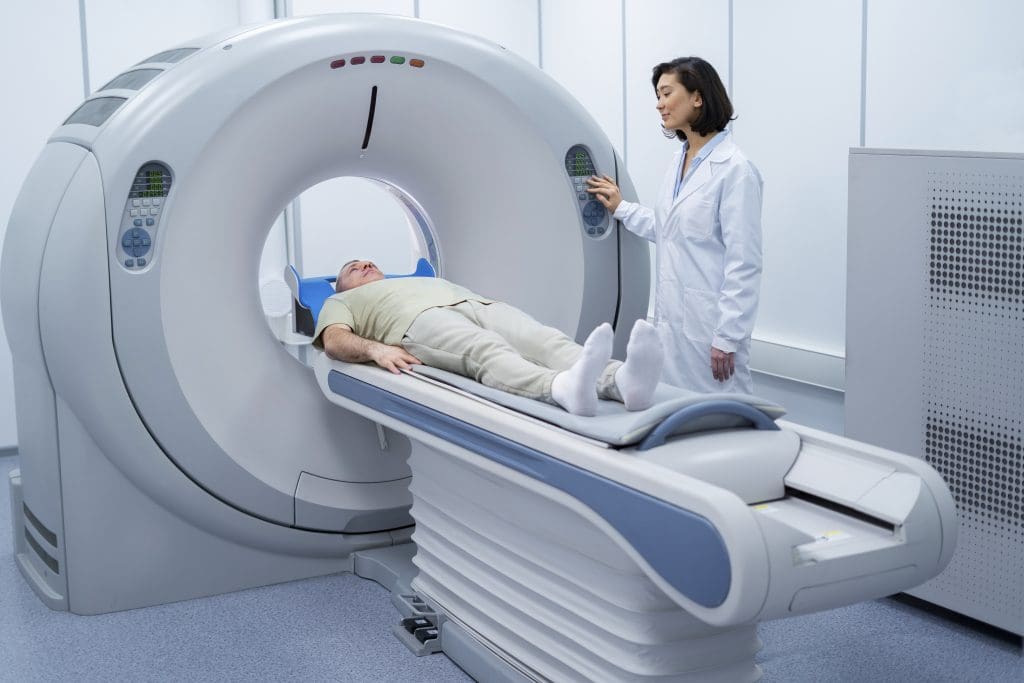
PET scans play a crucial role in the field of nuclear medicine imaging. They have changed how we diagnose and treat many health issues. This method gives us deep insights into how our bodies work, helping doctors make better choices.
Definition and Basic Principles
Positron Emission Tomography (PET) uses tiny amounts of radioactive tracers to see inside our bodies. It works by catching gamma rays from these tracers. This shows where our body’s metabolism is most active, like tumors or damaged areas.
The tracers in PET scans are linked to molecules like glucose. Cancer cells use more glucose than healthy cells. This makes them show up clearly on PET images.
History and Development of PET Technology
The idea of PET imaging started in the 1950s. But it wasn’t until the 1970s that the first scanners were made. Over time, technology has improved, making images clearer and scans faster.
Now, PET scans are vital in many fields, like cancer, brain, and heart studies. Research keeps making PET technology better and more useful.
The Science Behind PET Scan Technology

Positron Emission Tomography, or PET, is a cutting-edge medical imaging method. It gives insights into how our cells work. PET scans use small amounts of radioactive tracers to show where in the body things are happening.
How Positron Emission Tomography Works
PET scans detect energy from radioactive tracers injected into the body. These tracers go to areas where cells are very active, like in growing cancer. When they decay, they send out positrons that meet electrons, creating gamma rays.
The PET scanner picks up these gamma rays. It uses this info to make detailed pictures of what’s happening inside us. This is how PET scans help doctors see and track diseases.
Radioactive Tracers and Their Function
Radioactive tracers are key to PET scans. They join in with the body’s metabolic processes. For instance, Fluorodeoxyglucose (FDG) goes to cells that use a lot of glucose, like cancer cells.
The right tracer is picked for each medical issue. This makes PET scans a big step forward in nuclear medicine. They help doctors understand how the body works and decide on treatments.
Cancer Detection and Staging: The Primary Reason for PET Scans
PET scans are key in finding cancer cells, figuring out cancer stages, and checking how treatments work. They are vital in cancer care because of their many uses.
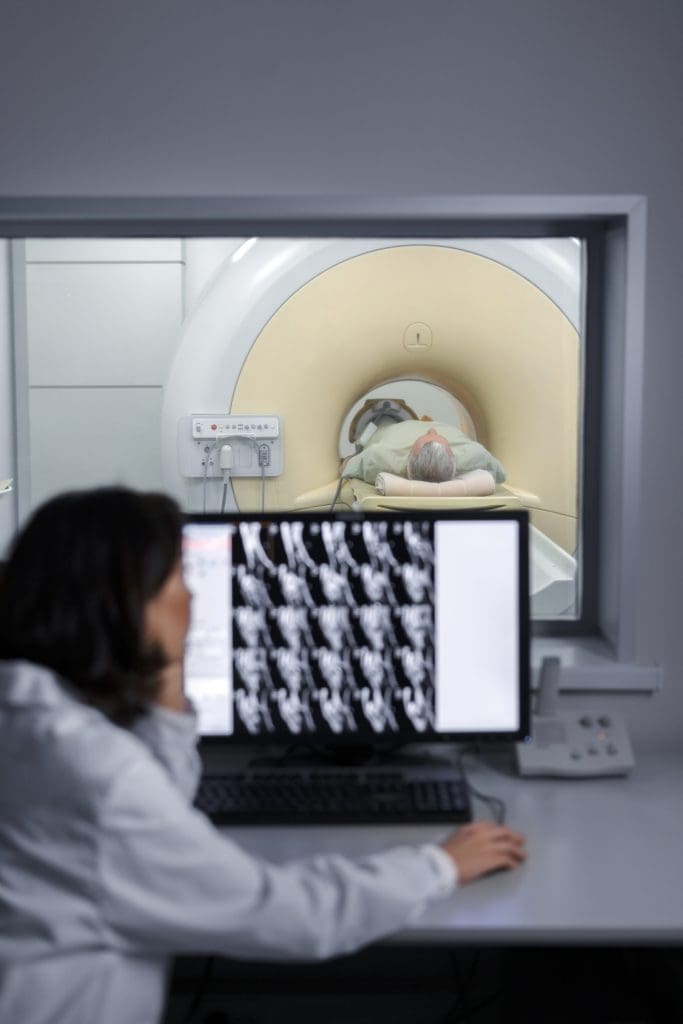
Identifying Cancer Cells and Tumors
PET scans are great at spotting cancer cells and tumors. They do this by showing where cells are very active. Cancer cells use more glucose than normal cells, so they glow on PET scans. This makes finding them easier.
The main benefits of PET scans for finding cancer are:
- They are very good at finding active cancer cells.
- They can find cancer early.
- They help guide biopsies to the right tumor spots.
Determining Cancer Stage and Spread
After finding cancer, knowing its stage and if it has spread is key for treatment planning. PET scans are great for this because they show how active tumors are in the body. This helps see if cancer has spread to lymph nodes or other parts of the body.
The main benefits of PET scans for staging are:
- They accurately show how far cancer has spread.
- They find active cancer in lymph nodes and other places.
- They help decide the best treatment based on how far cancer has spread.
Monitoring Treatment Response
PET scans also help check how well cancer treatments are working. By comparing scans before, during, and after treatment, doctors can see if tumors are getting smaller. This helps decide if treatment should keep going or change.
The main benefits of PET scans for checking treatment response are:
- They quickly show if treatment is working.
- They help adjust treatment plans based on how well they’re working.
- They help avoid treatments that aren’t needed.
In summary, PET scans are essential in cancer care. They give detailed information for diagnosis, staging, and treatment monitoring. Their ability to show tumor activity helps improve cancer care for patients.
Specific Cancer Types Commonly Evaluated with PET Scans
PET scans are key in finding and checking many common cancers. They give detailed info on how cells work, which helps a lot in fighting cancer.
Lung Cancer Detection and Assessment
Lung cancer is often checked with PET scans. PET/CT scans find the main tumor, check if cancer has spread to lymph nodes, and spot cancer in other parts of the body. This helps doctors plan better treatments and improve patient results.
- Accurate staging of lung cancer
- Detection of metastases
- Assessment of treatment response
Colorectal Cancer Evaluation
PET scans help a lot in finding and checking colorectal cancer. They see how far the cancer has spread and if treatments are working. PET/CT is great at finding cancer that comes back.
- Initial staging
- Monitoring treatment response
- Detecting recurrence
Lymphoma and Melanoma Diagnosis
PET scans are very important for lymphoma and melanoma. They help at the start, check how treatments are going, and find cancer that comes back. The info from PET scans helps doctors make better plans for treatment.
Breast Cancer Recurrence Monitoring
PET scans are also great for watching for breast cancer to come back. They work well, even when other tests don’t, because of dense breast tissue. PET/CT scans give a full picture.
PET scans are very useful in fighting cancer. They help doctors find and check cancer accurately. This makes a big difference in how well cancer is managed.
Neurological Applications of PET Scans
PET scans have changed how we diagnose and understand brain disorders. They show detailed images of brain activity. This helps doctors and researchers learn more about how the brain works under different conditions.
Brain Disorders and Diseases
PET scans are key in diagnosing and managing brain diseases. They spot areas of the brain hit by diseases like Parkinson’s and multiple sclerosis. This lets doctors see how these diseases progress and if treatments work.
Nuclear medicine is vital here. PET scans use radioactive tracers to see brain function. This is key for making treatment plans that target the problem.
Alzheimer’s Disease and Dementia Diagnosis
PET scans are a strong tool for diagnosing Alzheimer’s and dementia. They help tell apart different types of dementia and see how much brain damage there is. They can spot brain activity patterns linked to Alzheimer’s, helping catch it early.
The role of PET scans in neurology shows how important advanced PET imaging is in medicine. They help us understand brain disorders better. This leads to better care and disease management for patients.
Cardiac Uses for PET Imaging
PET scans have greatly helped in diagnosing and treating heart disease. They allow for detailed checks of heart function and blood flow. This information is key in making treatment plans.
Assessing Heart Function and Blood Flow
PET scans check how well the heart pumps and blood flows. A small radioactive tracer is injected into the blood. It builds up in the heart muscle.
The PET scan then takes pictures of the heart. These pictures show where the tracer is most and least concentrated. “PET imaging is key in finding coronary artery disease,” says a top cardiologist.
This info helps doctors see how bad heart disease is. It helps decide if a patient needs angioplasty or bypass surgery.
Identifying Damaged Heart Tissue
PET imaging is also key in finding damaged heart tissue. This is important for treating heart attacks. It helps doctors figure out the best treatment, like revascularization.
A study in a top medical journal found PET scans are very good at spotting healthy heart muscle. This is important for making treatment plans that work.
PET scans have changed how we diagnose and treat heart disease. They give detailed views of heart function and blood flow. This helps doctors create better treatment plans, improving care for patients.
Other Medical Reasons for PET Scan Procedures
PET scans are not just for cancer. They are also key in diagnosing other medical issues. PET scan procedures are vital in many areas of medicine.
Infection and Inflammation Detection
PET scans help find and track infections and inflammation. They are great when other methods don’t work. The diagnostic imaging of PET scans shows how bad an infection is, helping doctors treat it right.
For bone infections or abscesses, PET scans pinpoint where and how big the problem is. This info is key for deciding on surgery or antibiotics.
Epilepsy and Seizure Disorder Evaluation
PET scans are also used in neurology, for epilepsy and seizure disorders. They spot brain areas with odd activity. This helps find the cause of seizures.
In epilepsy, PET scans find the seizure spot. This is important for surgery planning. They show which brain parts are not working right, helping doctors plan treatment.
The wide use of PET scan procedures in medicine shows their value. They help find infections and understand brain disorders. PET scans give doctors the info they need to care for patients.
The Complete PET Scan Procedure: What to Expect
Understanding what happens during a PET scan can ease your worries. A PET scan is a medical imaging method that shows how the body works. It helps doctors find and treat many health issues.
Before the Scan: Preparation Steps
Getting ready for a PET scan is important. You’ll be told what to do before the scan to get good results. This might mean not eating, not exercising hard, and stopping some medicines. Your doctor will tell you exactly what to do, which might include not drinking caffeine or eating certain foods.
Tell your doctor about any health problems you have, like diabetes. Also, let them know about any medicines you’re taking. This helps them make the scan right for you and keep you safe.
During the Scan: The Imaging Process
When it’s time for the PET scan, you’ll lie on a table that moves into a big, ring-shaped machine. The scan is quick, lasting about 30 to 60 minutes. You might get a radioactive tracer injected before the scan. This tracer goes to areas of the body that are very active, like cancer cells.
The PET scanner picks up signals from the tracer, making detailed pictures of your body’s inside. You’ll need to stay very quiet and not move during the scan. The scan is usually painless, but you might feel a bit uncomfortable from lying there for a long time.
PET Scan Preparation Guidelines
To get the most out of a PET scan, you need to prepare well. This means following a few steps to get accurate results.
Dietary Restrictions and Medications
Before a PET scan, you’ll need to stick to certain diet rules. You might have to fast for 4 to 6 hours. This helps your body be in a fasting state. Also, avoid sugary foods and drinks for a while before the scan.
Tell your doctor about any medicines you’re taking. Some might need to be changed or stopped before the scan.
Some important diet and medicine tips are:
- Avoid caffeine and nicotine for at least 4 hours before the scan
- Not consuming sugary foods or drinks for 24 hours prior to the scan
- Informing the doctor about diabetes medications, as they may need adjustment
- Disclosing any allergies to medications or contrast agents
Important Considerations for Diabetic Patients
If you have diabetes, you need to tell your doctor about it. They’ll need to know about your diabetes and any medicines you take. They might ask you to change your medicine or insulin dose for the scan.
Diabetic patients should remember:
- Informing the doctor about the type of diabetes and any medications
- Adjusting insulin or medication doses as advised by the healthcare provider
- Monitoring blood sugar levels before and after the scan
PET/CT Combination Scans: Enhanced Diagnostic Power
The PET/CT scan is a big step forward in medical imaging. It gives both metabolic and anatomical details. This mix of Positron Emission Tomography (PET) and Computed Tomography (CT) scans offers a deeper look into the body’s inner workings.
Benefits of Combined Imaging
Using PET and CT scans together has many key benefits. These include:
- Improved accuracy in diagnosis by combining metabolic and anatomical data
- Better location and understanding of tumors
- Accurate tracking of cancer spread and stages
- Clearer monitoring of how treatments work
This combined approach helps doctors make better choices for patient care.
When PET/CT Scans Are Recommended
PET/CT scans are very helpful in certain situations. For example:
- They are great for diagnosing and staging cancers like lymphomas, lung cancer, and colorectal cancer.
- They help track how well cancer treatments are working.
- They spot cancer coming back.
- They guide biopsies and other procedures.
Doctors choose PET/CT scans based on the patient’s health needs and the need for detailed information.
PET Scan vs. Other Imaging Techniques
Understanding the differences between PET scans, MRI, and CT scans is key for accurate diagnosis. Each imaging modality has its own strengths and is best for different medical needs.
Differences Between PET Scans and MRI
PET scans and MRI are advanced tools, but they work differently. PET scans look at cell activity, great for finding cancer and checking its activity. MRI gives detailed views of inside structures, perfect for brain, spine, and joint issues.
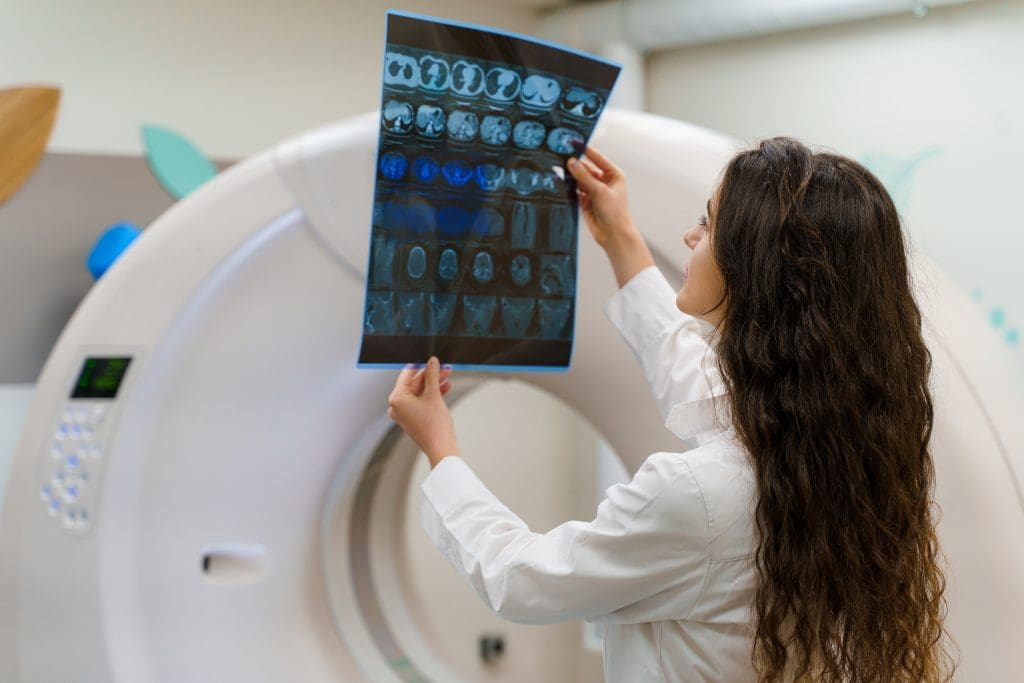
PET scans are better at showing metabolic changes, while MRI shows detailed anatomy. For brain disorders, MRI spots structural problems. PET scans check brain tissue activity.
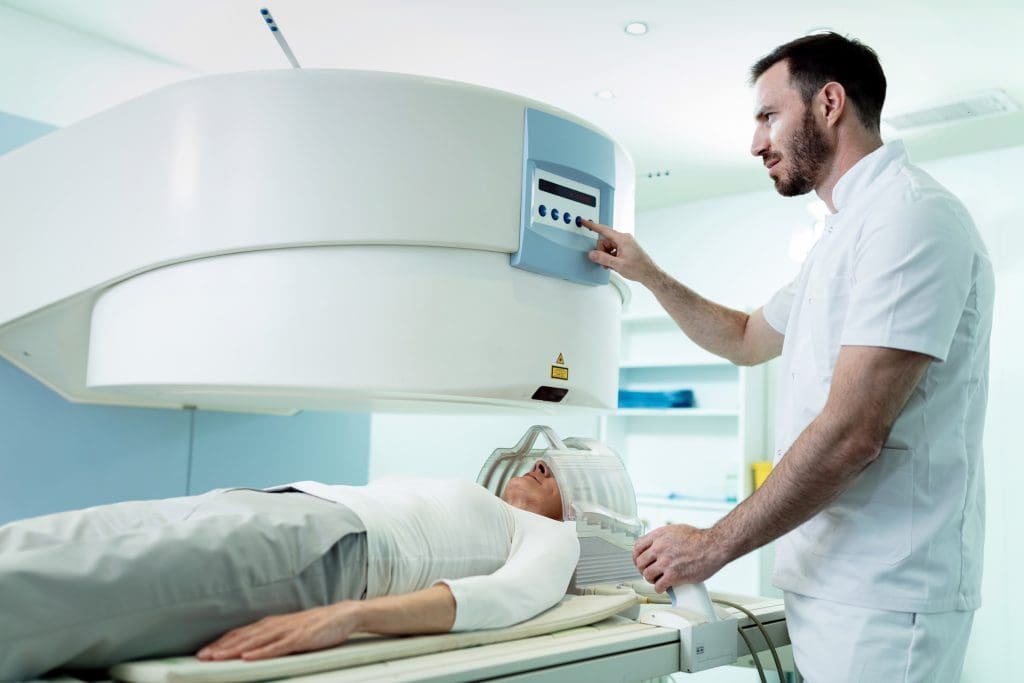
“The combination of PET and MRI provides a complete view of body anatomy and function, improving diagnosis.” – Medical Imaging Expert
PET Scan vs. CT Scan: When to Use Each
CT scans and PET scans are both useful for different conditions. CT scans show detailed body images, great for emergencies and finding injuries. PET scans focus on tissue and organ function.
The choice between PET and CT scans depends on the clinical question. For cancer staging, PET/CT scans are often used. They combine PET’s function info with CT’s anatomy.
Complementary Nature of Different Imaging Methods
Different imaging methods work together, not against each other. For example, PET with CT or MRI gives a full picture of a patient’s health. This approach boosts diagnosis accuracy and helps in making better treatment plans.
In summary, knowing the strengths and limits of PET scans, MRI, and CT scans is vital for choosing the right diagnostic tool. By using each modality’s unique benefits, healthcare professionals can better help patients.
Understanding PET Scan Results and Accuracy
Understanding PET scan results is key for both patients and doctors. These results show how active the body’s cells are. They help find and manage diseases, like cancer.
Interpreting PET Scan Images
PET scan images show where the body’s cells are most active. High metabolic activity usually means disease, like cancer. The images use colors to show activity levels, with bright colors meaning high activity.
Doctors need to be experts to understand these images. They look for signs of disease. For example, increased glucose uptake often means cancer. They consider the patient’s history and other tests when analyzing the images.
- Identify areas of abnormal metabolic activity
- Distinguish between benign and malignant processes
- Assess the extent of disease spread
Factors Affecting Accuracy and False Positives
PET scans are very accurate, but some things can make them less reliable. False positives can happen when inflammation or infection is mistaken for cancer. Some medicines and high blood sugar can also affect the scan.
It’s important for patients to follow the prep instructions. This helps make the scan more accurate. Doctors also consider these factors when looking at the results.
Some things that can affect PET scan accuracy include:
- Patient preparation and physiological state
- Technical aspects of the scan, such as equipment quality
- Expertise of the interpreting physician
Knowing these factors helps patients and doctors understand PET scan results better. This leads to better decisions about treatment and care.
PET Scan Cost and Insurance Coverage in the United States
PET scans are a key tool for doctors, but they can be expensive. Without insurance, the cost is a big worry for many.
Average Costs and Pricing Factors
The price of a PET scan in the U.S. changes a lot. It depends on where you go, the type of scan, and if you need extra tests like CT scans.
On average, PET scans can cost between $1,000 and $5,000 or more. The price includes the facility’s costs, the doctor’s skills, and the tracer’s cost.
Insurance Coverage and Reimbursement Policies
Most insurance in the U.S. covers PET scans for some health issues, like cancer. But, how much they cover can differ a lot.
It’s smart to talk to your insurance about what they cover. You might have to pay some money yourself. Some plans need you to get approval before the scan. They’ll check if it’s really needed.
Conclusion: The Vital Role of PET Scans in Modern Medicine
PET scans have changed the game in medical imaging. They are key in finding, diagnosing, and treating many health issues. They show how tissues work, helping doctors plan the best treatment.
PET scans are used in many ways. They help find and track cancer, and also check the brain and heart. This helps doctors make better choices for their patients.
As medical imaging gets better, PET scans will play an even bigger part. They help improve care and save lives. PET scans are a vital tool in today’s medicine, showing how important imaging is in healthcare.
FAQ
What is a PET scan, and how does it work?
A PET scan is a medical imaging tool that uses a radioactive tracer. It shows how active the body’s cells are. The tracer is injected into the body and absorbed by cells. The PET scanner then detects the signals from the tracer, creating detailed images of the body’s internal structures.
What is the most common reason for undergoing a PET scan?
The most common reason for a PET scan is to find and check cancer. It helps spot cancer cells and see how far they’ve spread. It also checks how well treatments are working.
How do I prepare for a PET scan?
To get ready for a PET scan, you might need to follow certain diet rules. You might also need to manage your medicines and avoid some activities. Diabetic patients have special instructions. Your healthcare provider will give you all the details you need.
What is the difference between a PET scan and a PET/CT scan?
A PET/CT scan combines the metabolic info from the PET scan with the body’s structure from the CT scan. This gives a clearer picture of the body’s internal structures. It’s often used for cancer diagnosis and staging.
How accurate are PET scans in detecting cancer?
PET scans are very good at finding cancer. But, their accuracy can change based on the cancer type, its stage, and the scan quality. While false positives can happen, PET scans are usually a reliable tool for diagnosis.
Can PET scans be used for conditions other than cancer?
Yes, PET scans can help diagnose and manage other medical conditions. This includes neurological disorders like Alzheimer’s and dementia, and heart diseases.
How much does a PET scan cost, and is it covered by insurance?
The cost of a PET scan varies based on location, facility, and scan type. In the U.S., it can cost between $1,000 and $5,000. Insurance policies differ, but many plans cover PET scans for certain conditions.
What are the benefits of using PET scans in neurology?
PET scans help diagnose and manage neurological conditions. They provide important info on brain function and metabolism, which is key for conditions like Alzheimer’s and dementia.
How do PET scans compare to other imaging modalities like MRI and CT scans?
PET scans offer metabolic info that complements MRI and CT scans’ anatomical info. Each imaging method has its own strengths and weaknesses. The choice depends on the specific medical condition and what’s needed for diagnosis.
Are there any risks or side effects associated with PET scans?
PET scans expose you to a small amount of radiation, but the risks are low. Some people might have side effects from the radioactive tracer, like allergic reactions or discomfort.
What is a PET scan, and how does it work?
A PET scan is a medical imaging tool that uses a radioactive tracer. It shows how active the body’s cells are. The tracer is injected into the body and absorbed by cells. The PET scanner then detects the signals from the tracer, creating detailed images of the body’s internal structures.
What is the most common reason for undergoing a PET scan?
The most common reason for a PET scan is to find and check cancer. It helps spot cancer cells and see how far they’ve spread. It also checks how well treatments are working.
How do I prepare for a PET scan?
To get ready for a PET scan, you might need to follow certain diet rules. You might also need to manage your medicines and avoid some activities. Diabetic patients have special instructions. Your healthcare provider will give you all the details you need.
What is the difference between a PET scan and a PET/CT scan?
A PET/CT scan combines the metabolic info from the PET scan with the body’s structure from the CT scan. This gives a clearer picture of the body’s internal structures. It’s often used for cancer diagnosis and staging.
How accurate are PET scans in detecting cancer?
PET scans are very good at finding cancer. But, their accuracy can change based on the cancer type, its stage, and the scan quality. While false positives can happen, PET scans are usually a reliable tool for diagnosis.
Can PET scans be used for conditions other than cancer?
Yes, PET scans can help diagnose and manage other medical conditions. This includes neurological disorders like Alzheimer’s and dementia, and heart diseases.
How much does a PET scan cost, and is it covered by insurance?
The cost of a PET scan varies based on location, facility, and scan type. In the U.S., it can cost between $1,000 and $5,000. Insurance policies differ, but many plans cover PET scans for certain conditions.
What are the benefits of using PET scans in neurology?
PET scans help diagnose and manage neurological conditions. They provide important info on brain function and metabolism, which is key for conditions like Alzheimer’s and dementia.
How do PET scans compare to other imaging modalities like MRI and CT scans?
PET scans offer metabolic info that complements MRI and CT scans’ anatomical info. Each imaging method has its own strengths and weaknesses. The choice depends on the specific medical condition and what’s needed for diagnosis.
Are there any risks or side effects associated with PET scans?
PET scans expose you to a small amount of radiation, but the risks are low. Some people might have side effects from the radioactive tracer, like allergic reactions or discomfort.



 Departments
 Related Videos
 Our Doctors
 News
News