
Adenoidectomy is a surgery to remove adenoid glands. It’s often used for kids with frequent infections or allergies. About 1 in 5 children have this surgery before they turn 10. This makes it a big choice for many parents. The most difficult surgery recovery is intense. Learn which complex procedures like spinal fusion require months of rehabilitation.
Choosing the best time for adenoid removal is tough. It depends on the child’s health, how bad their symptoms are, and if they have other health issues.
When thinking about pediatric adenoidectomy timing, weighing the good against the bad is key. We’ll look at what affects the decision to remove adenoids and the optimal age for adenoidectomy.
Key Takeaways
- Adenoidectomy is a common procedure for children with recurrent infections or allergies.
- The decision to remove adenoids depends on the child’s health and symptom severity.
- Pediatric adenoidectomy timing is critical for the best results and least risks.
- Knowing the best age for adenoid removal is vital for parents.
- Many factors influence the choice to have adenoidectomy.
Understanding Adenoid Removal
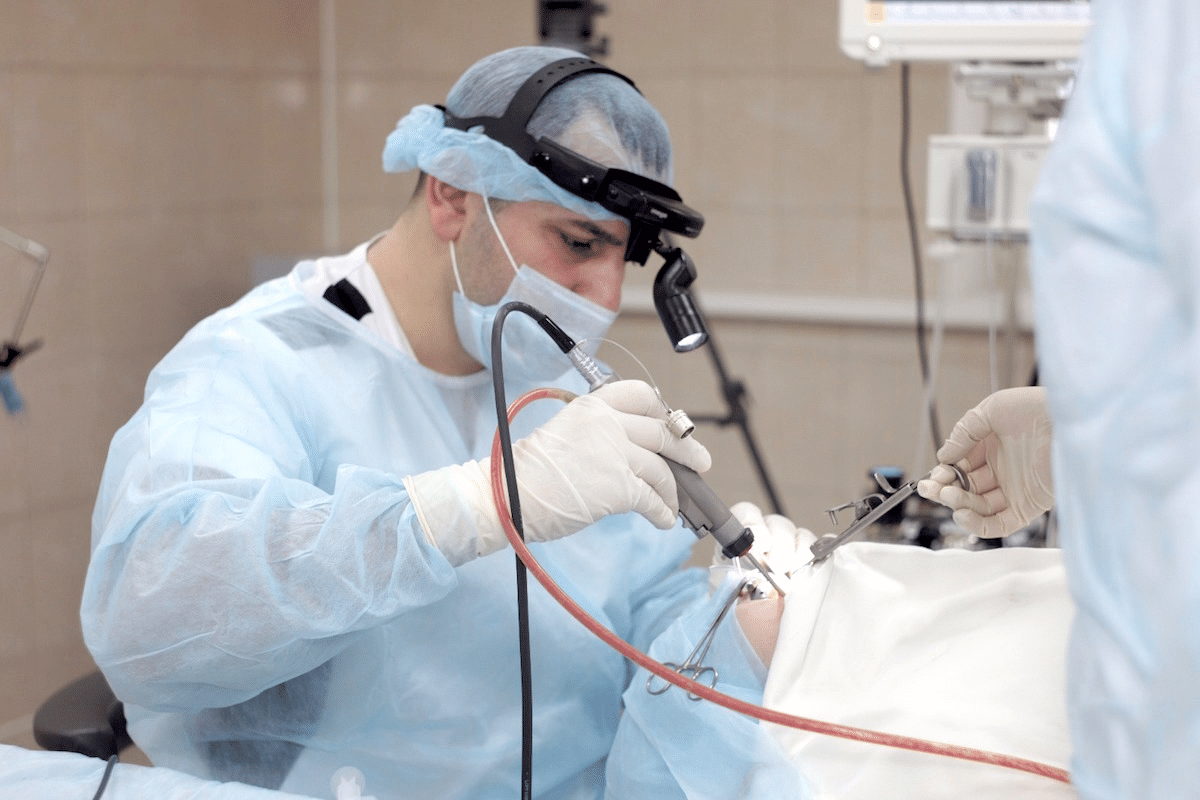
It’s important for parents to know about adenoids and when they might need to be removed. Adenoid removal, or adenoidectomy, is a surgery for kids with big or infected adenoids. It helps solve problems related to these issues.
What Are Adenoids?
Adenoids are tissue at the back of the nasal passage. They’re part of the immune system. They catch harmful germs we breathe in or swallow.
Role of Adenoids in the Body
Adenoids are key in young kids’ immune systems. They help keep the body safe by filtering out germs. But, as kids get older, their bodies find other ways to fight off germs.
Signs That Adenoids May Need Removal

There are signs that show adenoids might need to be taken out. These include:
- Frequent ear infections
- Breathing difficulties due to enlarged adenoids
- Sleep disturbances, such as sleep apnea
- Recurrent sinus infections
If these problems keep happening and affect a child’s life, doctors might suggest surgery.
|
Condition |
Description |
Potential Outcome of Adenoidectomy |
|---|---|---|
|
Frequent Ear Infections |
Recurrent infections due to Eustachian tube dysfunction |
Reduced frequency of ear infections |
|
Breathing Difficulties |
Enlarged adenoids obstructing nasal passages |
Improved breathing and reduced congestion |
|
Sleep Disturbances |
Sleep apnea or disrupted sleep patterns |
Better quality of sleep |
Knowing when adenoid removal is needed is key. By understanding adenoids and the benefits of surgery, parents can make smart choices for their kids’ health.
Symptoms Indicating Adenoidectomy
Certain symptoms can show that a child needs an adenoidectomy. This surgery is considered when these health issues affect a child’s life and growth.
Frequent Ear Infections
Children with big adenoids often get ear infections. These infections can cause hearing problems, pain, and might slow down their growth.
Children with these infections might have:
- Many ear infections in a short time
- Fluid in the middle ear that doesn’t go away
- Trouble hearing or hearing loss
These signs mean the adenoids might be causing the problem. Removing them might help.
Sleep Apnea Symptoms
Sleep problems, like sleep apnea, can mean a child needs an adenoidectomy. Kids with big adenoids might stop breathing in their sleep, snore, or wake up a lot.
- Pausing or stopping breathing during sleep
- Snoring or noisy breathing
- Restless sleep or waking up a lot
These symptoms can make kids tired, act out, and have trouble focusing. A pediatrician says treating sleep apnea is very important:
“Sleep apnea in children can have far-reaching effects on their cognitive and physical development. It’s vital to find and treat the cause.”
Difficulty Breathing
When kids have trouble breathing through their nose, it might mean they need their adenoids removed. They might:
- Breathe through their mouth instead of their nose
- Have noisy or hard breathing
- Have a stuffy or runny nose
These problems can make kids uncomfortable, affect their eating and speaking, and lower their quality of life.
|
Symptom |
Description |
Potential Impact |
|---|---|---|
|
Frequent Ear Infections |
Recurring infections due to enlarged adenoids |
Hearing loss, developmental delays |
|
Sleep Apnea |
Pausing or stopping breathing during sleep |
Daytime fatigue, behavioral issues |
|
Difficulty Breathing |
Breathing through the mouth, noisy breathing |
Nasal congestion, discomfort |
Knowing these symptoms is key to deciding what’s best for a child’s health. Adenoidectomy is often considered when these issues really affect a child’s life.
Optimal Age for Adenoidectomy
The timing of adenoid removal is key and varies by child’s health and needs. It’s considered when adenoids cause big health problems like infections, breathing issues, or sleep troubles.
Why Age Matters
The child’s age is a big factor in deciding on adenoidectomy. Young kids usually recover faster because their immune systems are growing. But, the surgery’s timing also depends on how bad the symptoms are and the child’s health.
Key considerations include:
- The child’s age and developmental stage
- The severity of adenoid-related health issues
- The presence of other health conditions that could impact surgery or recovery
Typical Age Range for Surgery
There’s no single “best age” for adenoidectomy, but most kids have it between 1 and 7 years old. This range is based on when adenoid problems start and how the child grows.
Some key points to consider within this age range:
- Children under 2 years old may need more careful thought because of their small size and growing body.
- Between 2 and 5 years, kids often face more severe adenoid problems, making this a common time for surgery.
- Older kids can also benefit from adenoidectomy, even if they haven’t outgrown their adenoid issues.
Surgeon Recommendations
Surgeons and ENT specialists look at many factors when suggesting adenoidectomy. They consider the child’s health, adenoid size, and how adenoid problems affect their life. We work with parents to find the best option based on the latest medical advice and the child’s needs.
It’s important for parents to talk to healthcare professionals to figure out the best time for adenoidectomy and what to expect.
Benefits of Adenoidectomy in Children
Adenoid removal surgery can greatly improve a child’s health. It helps when adenoids are too big or infected. Doctors recommend it to ease symptoms.
Improved Breathing
One key advantage is improved breathing. Big adenoids can block the airway. This makes it hard to breathe, worse at night. Removing them helps kids breathe better, which is good for their health and growth.
Better Quality of Sleep
Adenoidectomy also means better sleep. Big adenoids can disrupt sleep, causing sleep apnea. Taking them out helps kids sleep better. This is vital for their growth, thinking, and happiness.
Reduced Ear Infections
Another big plus is fewer ear infections. Big adenoids can block the Eustachian tube. This tube helps ears stay healthy. By removing adenoids, kids get fewer ear infections and related problems.
Here’s a quick look at the benefits:
|
Benefit |
Description |
Impact on Child’s Health |
|---|---|---|
|
Improved Breathing |
Removal of adenoids can clear airway obstruction. |
Enhances overall health and development. |
|
Better Quality of Sleep |
Reduces sleep disturbances and apnea. |
Improves cognitive function and quality of life. |
|
Reduced Ear Infections |
Decreases the risk of Eustachian tube obstruction. |
Leads to fewer complications and healthier ears. |
Risks of Delaying Adenoid Removal
Waiting too long to remove adenoids can harm a child’s health and happiness. Children may face many health problems if adenoid removal is delayed. These issues can make their life less enjoyable.
Prolonged Health Issues
One big risk is ongoing health troubles like infections and breathing problems. These can cause pain and discomfort. They can also make it hard for kids to do everyday things.
Persistent infections might even cause hearing loss or spread to other parts of the body. Breathing issues can also disrupt sleep. This makes the child’s health problems even worse.
Effects on Development
Delaying adenoid removal can also slow down a child’s growth. Chronic health issues can make it hard for kids to focus and learn. This can hurt their school grades.
Also, ongoing health problems can affect a child’s mood and how they interact with others. It can lower their self-esteem and make socializing harder.
Impact on Family Life
Delaying adenoid removal affects more than just the child. It can stress out parents too. The whole family’s happiness can suffer.
Going to the doctor a lot and possibly needing to stay in the hospital can be expensive. It can also mess up family plans.
Knowing these risks can help parents make better choices for their child. It might prevent long-term health problems and their effects.
Factors Influencing Timing of Surgery
Deciding when to do adenoidectomy surgery depends on several things. These include the child’s health, how big the adenoids are, and their development stage. It’s important to look at these factors to find the best time for surgery.
Child’s Health Status
The child’s health is a big factor in when to do adenoidectomy. Kids with frequent infections or long-term health issues might need surgery sooner. We check their health history to see if they need surgery and when.
Key health considerations include:
- How often and how bad the infections are
- If they have chronic conditions like sleep apnea or breathing problems
- How big the adenoids are and how they affect the child’s life
Size of Adenoids
The size of the adenoids is also very important. Big adenoids can cause breathing problems, sleep issues, and ear infections. We use tests like X-rays or nasal endoscopy to see how big they are and how they affect the child’s health.
The size of the adenoids can affect:
- Breathing and how well the child can breathe
- Sleep quality and if they have sleep apnea
- Ear infections and how well the eustachian tube works
Overall Growth and Development
Considering the child’s growth and development is also key. Removing adenoids can affect their speech, hearing, and face shape. We think about their age, developmental stage, and how surgery might affect their well-being.
Developmental considerations include:
- How it might affect their speech and language skills
- Its impact on their hearing and how they process sound
- How it might influence their face and teeth growth
Pre-Surgery Considerations
Getting ready for your child’s adenoidectomy involves understanding a few key things. Knowing what to expect can make the process easier. Before the surgery, we need to check a few important factors to make sure your child does well.
Evaluating Health History
Looking at your child’s health history is very important. We need to see if there are any past health issues that might affect the surgery or how they recover. This includes checking for allergies, past surgeries, or ongoing health problems like asthma or bleeding issues.
Key Health History Factors:
- Previous reactions to anesthesia
- History of bleeding or clotting disorders
- Chronic conditions like asthma or heart disease
- Any known allergies to medications
Preparing the Child
Getting your child ready for surgery is both physical and emotional. It’s good to explain the surgery in a way they can understand. Focus on the good parts and what they can look forward to after the surgery.
Tips for Preparing Your Child:
- Use simple and reassuring language to explain the surgery.
- Emphasize that the surgery is to help them feel better.
- Discuss the recovery process and any necessary post-operative care.
Important Questions for Your Doctor
Talking openly with your child’s doctor is key. You should ask about the surgery’s risks and benefits, the surgeon’s experience, and what to expect during recovery.
|
Question Category |
Example Questions |
|---|---|
|
Surgery Details |
What does the surgery entail? How long does it take? |
|
Risks and Complications |
What are the possible risks? How are complications handled? |
|
Post-Operative Care |
What is the typical recovery time? How should I care for my child after surgery? |
The Surgical Procedure
Learning about the adenoidectomy procedure can ease worries for parents and kids. We’ll cover the surgery’s main points. This includes what happens during the operation, the anesthesia choices, and post-surgery care for a quick recovery.
What to Expect During the Surgery
The adenoidectomy surgery is usually done under general anesthesia. This keeps the child calm and pain-free. The surgery removes the adenoids through the mouth, avoiding any cuts on the outside. This makes the process simpler and cuts down on recovery time.
The surgeon will check the adenoids’ size and condition during the surgery. They choose the best way to remove them. This careful approach helps avoid problems and ensures the best results.
Anesthesia Options Explained
General anesthesia is the usual choice for kids’ adenoidectomies. It makes sure they’re asleep and don’t feel pain. The anesthesiologist will talk to you about the anesthesia’s risks and benefits.
General anesthesia creates a safe space. It lets the surgical team work carefully and precisely.
Post-Operative Care
After the surgery, your child will be watched in a recovery area until they’re ready to go home. Post-operative care is key for a smooth recovery. Your healthcare team will give you clear instructions on pain management, diet, and follow-up visits.
It’s important to stick to these guidelines to avoid complications and help your child heal. If you have any worries or notice anything odd, call your healthcare provider right away.
Recovery and Aftercare
After an adenoidectomy, managing pain and watching for complications is key. We’ll help you know what to expect and how to recover well.
Typical Recovery Period
The recovery time after adenoidectomy is usually a few days. Pain management and rest are very important. Most kids can get back to normal in a week, but always follow the surgeon’s advice.
- Rest and avoid hard activities for a few days after surgery.
- Take pain meds as your doctor tells you to.
- Eat soft foods to make swallowing easier.
Signs of Complications
Complications are rare but can happen. Watch for bleeding or infection signs like:
- Too much bleeding or trouble swallowing blood.
- Fever over 102°F (39°C).
- More pain or swelling than expected.
If you see these signs, call your doctor right away.
Tips for a Smooth Recovery
Here are some tips for a smooth recovery:
- Make sure your child drinks lots of water.
- Use a humidifier to help the throat and ease congestion.
- Stick to the post-op instructions from your surgeon.
Following these tips can help your child feel better and avoid problems. This way, their adenoid surgery will have a good outcome.
Long-term Outcomes of Adenoidectomy
Adenoidectomy can greatly improve a child’s health and life quality. It’s important to know how it affects their health, daily life, and when they can return to normal activities.
Impact on Overall Health
Adenoidectomy can greatly benefit a child’s health. By removing the adenoids, we can lower the chance of infections and related health problems. Some key benefits include:
- Reduced Infections: Fewer ear infections and other health issues.
- Improved Breathing: Better breathing due to the removal of enlarged adenoids.
- Better Sleep Quality: Less sleep disturbances, like sleep apnea, for better sleep.
Life After Surgery
Children usually see a big improvement in their life after adenoidectomy. The surgery can lead to:
Improved overall wellbeing due to fewer illnesses and better sleep. Children often become more energetic and active. They can fully participate in daily activities without the worry of constant infections.
Returns to Normal Activities
Adenoidectomy allows children to easily return to normal activities without health issues. We see that:
- Children can focus better in school and extracurricular activities.
- Families have less disruption from fewer hospital visits and absences.
- Family life improves as health-related stressors decrease.
Understanding adenoidectomy’s long-term effects helps parents make better health care choices. We are dedicated to supporting and guiding them through this journey.
Making the Decision for Surgery
Choosing to have adenoidectomy is a big decision. It needs careful thought about the child’s health and the best time for surgery.
Consulting with Healthcare Providers
It’s wise to talk to healthcare providers about your child’s situation. They can help figure out the best time for surgery.
Weighing the Pros and Cons
Thinking about the good and bad sides of surgery is important. Consider how it might help with breathing and ear infections.
Family Considerations and Support
Family support is key in making this choice. Parents should talk to their doctor to make sure they’re choosing the right path for their child.
FAQ
What is the best age for adenoid removal?
The best time for adenoid removal depends on the child’s health and symptoms. It’s usually done for kids aged 2 to 7 years.
What are adenoids, and what is their role in the body?
Adenoids are tissue at the back of the nose. They help fight off infections in young kids.
What symptoms indicate that adenoid removal is necessary?
Signs like frequent ear infections, sleep apnea, and breathing trouble mean it’s time for surgery.
How does adenoidectomy improve a child’s quality of life?
It helps with breathing, sleep, and reduces ear infections. This makes kids feel better and grow well.
What are the risks of delaying adenoid removal?
Waiting too long can cause ongoing health problems and affect growth and family life.
What factors influence the timing of adenoidectomy?
The child’s health, adenoid size, and growth are important for deciding when to have surgery.
What pre-surgery considerations are important for adenoidectomy?
It’s key to check the child’s health history, prepare them, and ask the doctor questions before surgery.
What can be expected during the adenoidectomy procedure?
The surgery uses anesthesia, removes adenoids, and includes care after to help recovery.
What is the typical recovery period after adenoidectomy?
Recovery usually takes a few days to a week. The child might feel some pain and need rest.
What are the signs of potentially complications after adenoidectomy?
Look out for severe pain, trouble swallowing, fever, and bleeding. These need quick medical help.
How does adenoidectomy impact a child’s long-term health?
It can make kids healthier, reduce infections, and improve their life quality.
What are the key considerations for making the decision for adenoidectomy?
Talk to doctors, think about the benefits and risks, and consider family support when deciding.
At what age is adenoid removal most beneficial?
It’s most helpful between 2 and 7 years when adenoids really affect health.
How does the size of adenoids influence the decision for surgery?
Adenoid size and how it affects breathing, sleep, and health are key in deciding surgery.
References
Centers for Disease Control and Prevention. Evidence-Based Medical Insight. Retrieved from https://www.cdc.gov/groupastrep/index.html