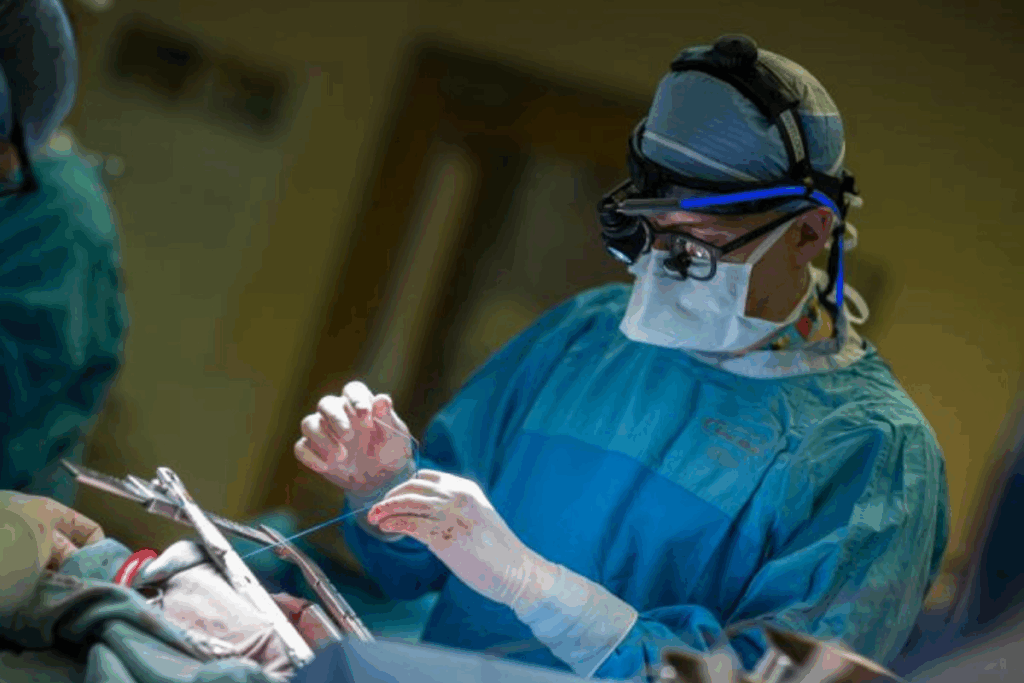
The cost of heart surgery can be a big financial worry for many. A single heart surgery can cost over $200,000 in some cases. This is because these surgeries are very complex and need the latest technology and expert skills. Many also wonder if heart surgery is among the most painful surgery experiences due to its intensity and recovery process.
Dealing with the cost of such surgeries can be tough. New medical tech has made treatments better but also pricier. It’s important for both patients and doctors to understand these costs in today’s medicine.
Key Takeaways
- The cost of heart surgery can exceed $200,000.
- Advanced medical technology contributes to the high costs.
- Understanding these expenses is key for patients and healthcare providers.
- Planning your finances is vital for surgery costs.
- New tech improves how well surgeries work.
The High Stakes of Heart Surgery: An Overview
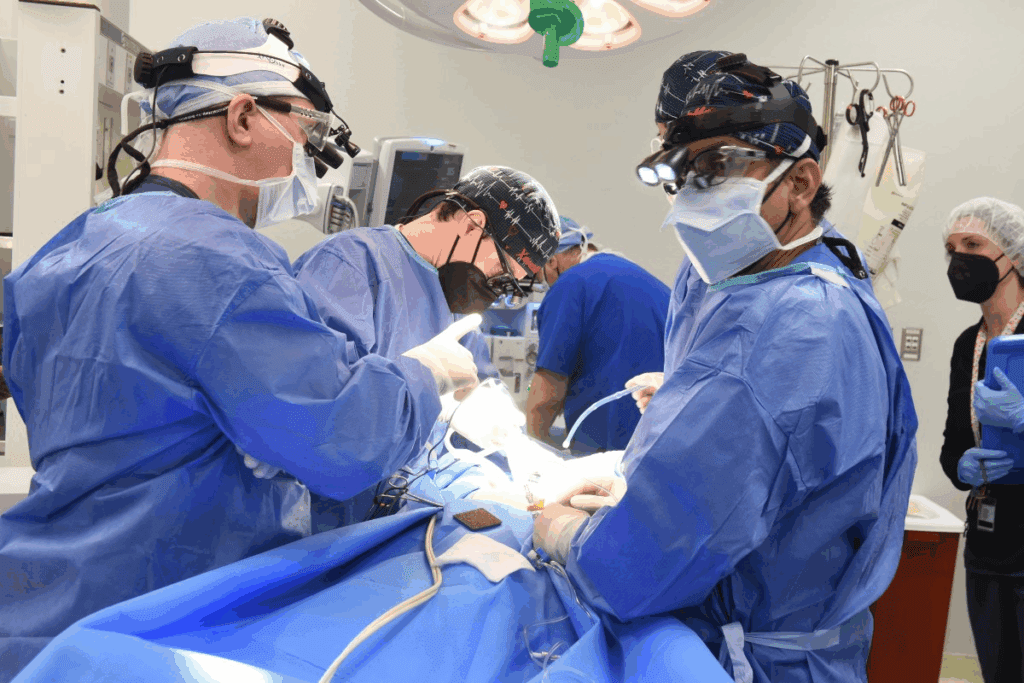
Heart surgery is a big financial step. It depends on how complex the surgery is and where it’s done. The cost can change a lot, showing how important these surgeries are.
Heart surgeries need a lot of skill and the latest technology. This makes them expensive.
Why Heart Surgeries Command Premium Prices
Many things make heart surgery costly. First, the surgeons need a lot of training. Their skills are worth a lot.
Also, the tools used are very advanced. Things like heart-lung machines are key to success. But they cost a lot to use and keep up.
The Relationship Between Surgical Complexity and Cost
The more complex a surgery, the more it costs. For example, heart transplants are very expensive. They need a lot of time and skill.
After surgery, patients need a lot of care. This care can be very expensive. It adds to the total cost of the surgery.
Knowing what makes heart surgery expensive helps. It shows how valuable the care is. It helps families prepare for the costs.
Heart Transplantation: The Ultimate Cardiac Procedure
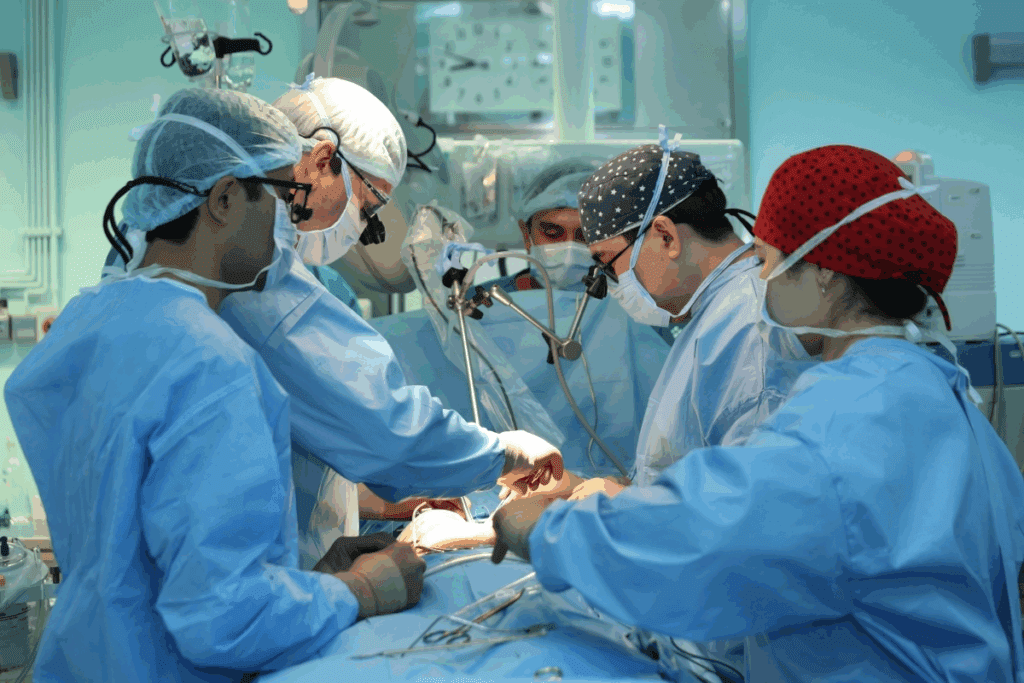
For those with end-stage heart failure, a heart transplant is a second chance at life. But it comes with big costs and challenges. The journey to a heart transplant is complex and emotionally tough. It involves surgery, pre-transplant checks, post-transplant care, and lifelong medication.
The Full Cost Breakdown of Heart Transplant Surgery
The cost of a heart transplant is huge. It includes the surgery, a skilled medical team, and top-notch facilities. In the U.S., a heart transplant can cost between $600,000 and over $1 million. This depends on the hospital, surgeon, and the patient’s health.
Other costs are pre-transplant checks, hospital stay, and post-transplant care. Before the transplant, patients go through many tests to see if they’re a good match. After the transplant, they often need ICU care and monitoring.
Post-Transplant Expenses and Lifetime Medication Costs
After the transplant, care is key for recovery and survival. This includes doctor visits, watching for rejection signs, and taking immunosuppressive drugs. These drugs can cost thousands a year. Patients need them for life, adding to the transplant cost.
Patients also have to make big lifestyle changes and stick to a strict care plan. This ensures the transplanted heart lasts longer. The financial load of a heart transplant can be huge. It’s vital for patients and families to look into financial help and insurance options.
Coronary Artery Bypass Grafting (CABG): Costs and Considerations
It’s important for patients to know the costs of CABG before deciding. CABG is a surgery that improves blood flow to the heart. It involves grafting bypasses to the coronary arteries.
The cost of CABG can change based on several things. These include how many bypasses are needed and the type of surgery used.
Multiple Bypass Procedures and Their Price Points
The cost of CABG goes up with more bypasses. This is because more complex surgeries take longer and need more resources.
- Single Bypass: Less complex, potentially lower cost.
- Double or Triple Bypass: More complex, higher cost due to increased surgical time and resources.
- Quadruple Bypass or More: Most complex, highest cost due to extensive grafting required.
| Number of Bypasses | Average Cost Range |
| Single Bypass | $40,000 – $80,000 |
| Double Bypass | $60,000 – $120,000 |
| Triple Bypass | $80,000 – $150,000 |
| Quadruple Bypass or More | $100,000 – $200,000+ |
Minimally Invasive vs. Traditional CABG: Cost Differences
Choosing between minimally invasive and traditional CABG affects the cost. Minimally invasive CABG is less invasive but may cost more due to specialized equipment and expertise.
Key differences in cost:
- Traditional CABG: Generally less expensive upfront, but may have longer recovery times.
- Minimally Invasive CABG: May be more expensive due to specialized equipment and training, but offers quicker recovery.
The choice between traditional and minimally invasive CABG depends on several factors. These include the patient’s condition, the surgeon’s advice, and personal preferences regarding recovery and costs.
Valve Replacement Surgeries: Mechanical vs. Biological Options
Valve replacement surgery is a key treatment for severe valve disease. It offers two main choices: mechanical and biological valves. The right choice depends on the patient’s age, lifestyle, and health.
Mechanical valves are strong and last long. They’re made from materials like titanium. But they need lifelong blood thinner treatment to stop clots. Biological valves, made from animal tissue, last about 10 to 15 years. They’re less likely to cause clots, so blood thinner treatment is not always needed.
Aortic Valve Replacement: The Most Common Valve Surgery
Aortic valve replacement is a common surgery. It replaces the aortic valve, between the heart’s left ventricle and the aorta. The surgery can be done in two ways: open-heart surgery or minimally invasive techniques. The choice depends on the patient’s health and the surgeon’s skill.
The cost of aortic valve replacement varies a lot. It can be from $50,000 to over $200,000. Insurance and out-of-pocket costs can affect the total cost for the patient.
Mitral Valve Repair and Replacement: Comparing Costs
Mitral valve repair and replacement are important for treating mitral valve disease. Repairing the valve is often preferred because it uses the patient’s own tissue. This reduces the need for blood thinners. But sometimes replacement is needed.
The cost of mitral valve surgery varies. Repair is usually cheaper than replacement. The cost can be from $30,000 to over $150,000. The complexity of the surgery, the need for more surgeries, and the patient’s health all play a role in the cost.
When thinking about valve replacement surgery, talking to a healthcare provider is key. They can help decide the best treatment based on your needs and situation.
The Most Painful Surgery: Cardiac and Non-Cardiac Procedures Compared
Surgery is never easy, but some are much more painful than others. Cardiac surgeries can vary in pain levels. This depends on the procedure and the patient’s health.
Pain Levels in Different Types of Heart Surgeries
Heart surgeries, like CABG and valve replacements, are complex and can cause a lot after. CABG requires an incision in the chest and might take a vein from the leg. This leads to pain in several areas.
Studies show that CABG patients might feel more pain than those having valve surgeries. Yet, both are major surgeries with severe pain in the early recovery.
Non-Cardiac Surgeries Known for Extreme Post-Operative Pain
Cardiac surgeries get a lot of attention, but other surgeries are also very painful. Spinal fusions, some orthopedic surgeries, and procedures with a lot of tissue removal can hurt a lot.
- Spinal fusion surgeries join vertebrae together, causing a lot of pain.
- Orthopedic surgeries, like hip or knee replacements, can also be very painful.
- Procedures that remove or dissect a lot of tissue can cause unbearable recovery pain.
Managing Unbearable Recovery Pain After Major Surgery
It’s key to manage unbearable recovery pain for patients’ comfort and recovery. Good pain management uses medicine and non-medical ways.
- Medicine includes opioids, NSAIDs, and other drugs based on the patient’s needs.
- Non-medical ways include physical therapy, psychological support, and things like acupuncture or mindfulness.
Using a mix of pain management strategies can help reduce severe surgery pain. This improves patient outcomes and satisfaction, whether it’s for cardiac or non-cardiac surgeries.
Heart Surgery vs. Other Organ Surgeries: Cost Comparison
Looking at the cost of surgeries, it’s key to compare heart surgery with other major organ surgeries. The prices for these procedures can be high. Patients and doctors need to understand these costs.
Heart surgery, like CABG and heart transplants, is very expensive. But other surgeries for organs like the brain, liver, and kidneys also have big price tags. We need to look at the costs of these surgeries to get a full picture.
Brain Surgery: Why Neurosurgical Procedures Often Exceed Cardiac Costs
Brain surgery, like removing tumors or clipping aneurysms, is often pricier than heart surgery. The brain’s complex structure and the need for precise techniques and tools add to the cost. This makes brain surgery one of the most expensive surgeries.
Neurosurgery needs skilled surgeons and advanced technology, like MRI and neuromonitoring. These tools and expertise increase the cost, making brain surgery very expensive.
Liver and Kidney Transplants: Comparing Expenses
Liver and kidney transplants are also very costly surgeries. Liver transplants can cost as much as heart transplants, but kidney transplants are slightly cheaper. But the total cost includes pre-transplant checks, post-transplant care, and lifelong medication.
Comparing these surgeries shows that heart transplants are the most expensive. But liver and kidney transplants also have big costs. The total cost of care for these patients goes beyond the surgery itself.
The Most Expensive Organ to Treat: A Comparative Analysis
Figuring out the most expensive organ to treat involves looking at surgery complexity, post-op care, and long-term management. Heart and brain surgeries are among the priciest. But the cost can vary a lot based on the organ and the condition.
An in-depth look shows that the brain is often the most expensive organ to treat. This is because of the complex nature of brain surgeries and the high cost of technology. But the total cost of care for heart, liver, or kidney transplant patients is also very high. This includes long-term follow-up and medication costs.
Congenital Heart Defect Repairs: Pediatric Cardiac Surgery Costs
When a family finds out their child has a congenital heart defect, it’s a big change. These heart problems are present at birth and can be simple or very complex. Simple ones might not cause symptoms, but complex ones often need surgery.
Complex Congenital Repairs in Infants and Children
Pediatric cardiac surgery for these heart defects includes many procedures. The cost and care needed depend on the defect’s complexity. Several factors affect the cost, such as:
- The type and complexity of the congenital heart defect
- The age and size of the child
- The need for additional treatments or interventions
- The expertise of the surgical team and the hospital’s reputation
Complex repairs can mean many surgeries, long hospital stays, and lots of follow-up care. These costs can add up quickly, often reaching hundreds of thousands of dollars.
Long-term Financial Impact of Early Cardiac Interventions
The costs of congenital heart defect repairs don’t stop after the surgery. Families face ongoing expenses for follow-up care, future surgeries, and managing their child’s condition. This includes:
- Regular check-ups with cardiologists and other specialists
- Medications to manage symptoms and prevent complications
- Potential future interventions or surgeries as the child grows
- Lifestyle adjustments to accommodate the child’s condition
It’s important for families to understand these costs to plan financially. We know how tough this is and want to help with support and care.
By understanding the costs of congenital heart defect repairs, we can help families more. We aim to ensure they get the care and resources they need.
Factors That Influence Heart Surgery Costs
It’s important for patients and their families to know what affects heart surgery costs. This knowledge helps them make better choices in cardiac care.
Hospital Reputation and Geographic Location
The cost of heart surgery can vary based on the hospital’s reputation and where it’s located. Hospitals known for great cardiac care often charge more. This is because they have more experience and may have better results.
Where the hospital is also matters. Hospitals in big cities or places with high living costs usually charge more than those in smaller towns.
Surgeon Experience and Specialization
The surgeon’s experience and specialty also play a big role in cost. Surgeons who do complex surgeries like heart transplants or minimally invasive procedures charge more. Their skill can lead to fewer complications and less need for extra surgeries.
Technology and Equipment Requirements
The technology and equipment used in surgery also affect the cost. New technologies, like robotic-assisted systems, are expensive to buy and maintain. This adds to the overall cost of surgery.
| Factor | Impact on Cost | Example |
| Hospital Reputation | Higher reputation, higher cost | Specialized cardiac hospitals |
| Surgeon Experience | More experienced, higher fees | Surgeons with high success rates |
| Technology Used | Advanced technology, higher cost | Robotic-assisted surgery |
Understanding these factors helps patients make informed decisions about their heart surgery. It’s all about knowing what affects the cost.
Insurance Coverage for Expensive Heart Procedures
Knowing what your insurance covers is vital when dealing with the high costs of heart surgery. Heart surgery can be very expensive. The right insurance can help lower your costs.
Medicare and Medicaid Coverage for Cardiac Surgery
People with Medicare or Medicaid can get help with heart surgery costs. Medicare helps those 65 and older, and some younger people with disabilities. Medicaid helps low-income families and individuals, but coverage varies by state.
Medicare covers many heart surgeries, like CABG and heart transplants. But you might have to pay for deductibles, copays, and coinsurance. Medicaid’s coverage also changes by state, with some states covering more than others.
Private Insurance Policies and Out-of-Pocket Maximums
Private insurance can also help with heart surgery costs. These plans differ in what they cover, deductibles, and out-of-pocket maximums. It’s important to check your policy to know what’s covered and what you’ll have to pay for.
Private insurance plans have an out-of-pocket maximum. This is the most you pay for healthcare in a year. Once you hit this limit, your insurance covers 100% of eligible costs. Knowing this can help you budget for your surgery.
When picking a private insurance plan, look at the provider network, what procedures are covered, and any pre-approval needs. Working with your healthcare provider and insurance can help you understand your coverage better.
International Medical Tourism for Heart Surgery
More people are traveling abroad for heart surgery to save money. This is called medical tourism. Many countries offer affordable care without sacrificing quality.
Top Destinations for Affordable Quality Cardiac Care
Several countries are popular for heart surgery. They attract patients worldwide with their affordable, high-quality care. Some top spots include:
- India, known for its skilled cardiac surgeons and modern hospitals
- Thailand, which offers cardiac procedures at good prices
- Mexico, a favorite for U.S. patients due to its lower costs and easy access
- Poland and Hungary in Europe, known for quality care at lower prices than Western Europe
These countries have invested in their healthcare. They also make it easy for international patients to get care.
Cost Savings vs. Risks of Overseas Heart Surgery
While saving money is a big draw, patients must think about the risks of surgery abroad. Key things to consider include:
| Risk Factors | Description | Potential Impact |
| Quality of Care | Variability in standards and accreditation | High |
| Post-Operative Care | Difficulty in accessing follow-up care upon returning home | Medium to High |
| Travel Risks | Complications during travel after surgery | Medium |
| Language Barriers | Miscommunication with healthcare providers | Low to Medium |
Patients should do their homework on destinations and healthcare providers. This helps avoid risks. Check surgeons’ credentials, understand aftercare, and plan for travel complications.
By weighing the pros and cons, patients can choose heart surgery abroad wisely. They can save money without sacrificing quality care.
Technological Innovations Affecting Heart Surgery Costs
The world of heart surgery is changing fast thanks to new tech. These advancements could make care better and cheaper.
Robotic-assisted cardiac surgery is a big step forward. It makes surgeries more precise and less invasive. This could mean patients recover faster and face fewer problems.
Robotic-Assisted Cardiac Surgery: Worth the Premium?
Robotic-assisted surgery is a big deal in heart care. It lets surgeons do complex tasks with better control and precision. A study found it can lead to shorter hospital stays and fewer complications than traditional surgery.
“Robotic-assisted cardiac surgery is changing heart surgery. It’s safer and less invasive, with fewer complications.”
But is it worth the extra cost? The tech is pricey at first. Yet, the long-term savings from shorter stays and fewer problems might make up for it.
Emerging Technologies That May Reduce Future Costs
Other new techs could lower heart surgery costs. These include:
- 3D printing for custom models and implants
- Artificial intelligence for better planning and guidance during surgery
- Virtual reality for training and patient education
As these techs improve, we’ll see better care and maybe lower costs. For example, 3D printing can make planning more efficient, saving time in the OR.
Looking ahead, tech will be key in heart surgery. By investing in these advancements, we aim for better, more affordable care for all.
Patient Stories: Surviving Both the Surgery and the Bills
Many patients face a tough journey after heart surgery. It’s not just about getting better from the surgery. They also have to deal with the financial side of things.
Heart surgery saves lives but can be very expensive. It puts a big strain on families’ finances.
Patients who have had heart surgery show great strength and willpower. We talked to several of them. They shared their stories, showing the medical and financial challenges they faced.
Financial Recovery Strategies After Major Heart Surgery
Getting better from heart surgery is not just about the body. It’s also about getting back financially. Families have to deal with medical bills, insurance, and lost income.
There are ways to make the financial side easier:
- Make a budget that includes medical costs and possible income loss.
- Talk to healthcare providers to lower bills or set up payment plans.
- Look for financial help from hospitals, non-profits, and government programs.
- Use insurance to its fullest by understanding policies and fighting for treatments.
By using these strategies, patients can manage their finances better. This lets them focus on getting well.
Resources for Patients Facing Catastrophic Medical Expenses
Patients with big medical bills after heart surgery are not alone. There are many resources to help them.
| Resource | Description |
| Patient Advocate Services | Services that help patients understand and manage their medical bills and insurance claims. |
| Non-Profit Organizations | Organizations that offer financial help, counseling, and support for patients with big medical bills. |
| Government Assistance Programs | Programs like Medicaid and Medicare help with medical costs for those who qualify. |
One patient said, “The financial help I got was a lifesaver. It let me focus on getting better without worrying about money.”
“The financial burden of heart surgery can be overwhelming, but with the right resources and support, patients can navigate this challenging time.”
— Medical Financial Counselor
We hope to help those facing heart surgery and its financial challenges. By sharing stories and advice, we aim to support them.
Conclusion: Navigating the Financial and Physical Challenges of Heart Surgery
Heart surgery is a big deal, both in terms of money and health. We’ve seen how the costs can add up, and the road to recovery is tough. But with the right help, patients can get through it.
It’s key for patients and their families to understand the costs and details of heart surgery. Each surgery, like bypass grafting or transplant, comes with its own price tag and needs. We’ve talked about how things like hospital reputation and technology impact costs.
Handling the financial side of heart surgery needs careful planning and support. Things like insurance, traveling for medical care, and new tech can help. We end by saying it’s all about staying strong and hopeful for those facing surgery.
With top-notch care and support, patients can beat the physical and financial hurdles of heart surgery. The right care and resources lead to better outcomes and a better life.
FAQ
What is the average cost of heart surgery?
Heart surgery costs vary a lot. They depend on the surgery type, where you are, and other things. Costs can range from $50,000 to over $500,000.
How much does a heart transplant cost?
Heart transplants are very expensive. They can cost over $1 million. This includes the surgery, hospital stay, and follow-up care.
What factors influence the cost of heart surgery?
Several things affect heart surgery costs. These include the hospital’s reputation, the surgeon’s skill, the technology used, and where you are.
Is CABG more expensive than other heart surgeries?
CABG can be pricey, but it depends on the approach. Costs vary based on whether it’s traditional or minimally invasive.
How do mechanical and biological valves compare in terms of cost?
Mechanical valves cost more upfront but last longer. Biological valves might need to be replaced more often, affecting long-term costs.
What are the most painful heart surgeries?
CABG and valve replacements can be very painful after surgery. But pain levels vary by person and surgery type.
How does heart surgery compare to other organ surgeries in terms of cost?
Heart surgery is expensive, but other surgeries like brain, liver, and kidney transplants can also be costly. Some might even cost more than heart surgery.
Are there insurance options available for covering heart surgery costs?
Yes, there are insurance options like Medicare, Medicaid, and private policies. They can help cover heart surgery costs, but you might have to pay some out-of-pocket.
Is medical tourism a viable option for affordable heart surgery?
Medical tourism can save money on heart surgery. But it’s important to consider the risks and ensure quality care when getting surgery abroad.
How do technological innovations impact heart surgery costs?
New technologies like robotic-assisted surgery might raise initial costs. But, they could also reduce complications and recovery times, affecting overall expenses.
What resources are available for patients facing catastrophic medical expenses after heart surgery?
There are many resources for managing heart surgery costs. These include financial aid programs, non-profit organizations, and counseling services.
How can patients manage severe post-operative pain after heart surgery?
To manage severe pain, try medication, physical therapy, and alternative therapies. These can help ease pain and improve recovery.
Reference:
PMC Iran Heart Transplant Cost Analysis.