
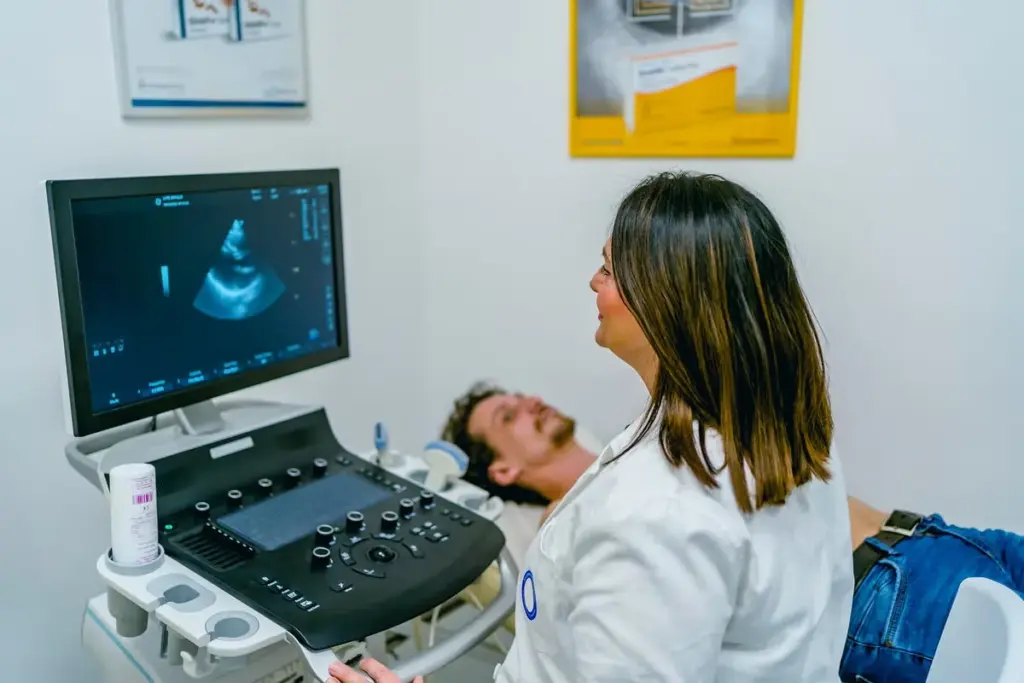
Cardiovascular disease is the top cause of death globally, with over 17.9 million deaths yearly, says the American Heart Association. Knowing your heart health is key to getting the right care. Our goal is to help our community’s heart health with full care and advice.
To spot and treat heart issues well, we use many cardiac imaging techniques. CTA scans and CT angiograms give clear pictures of the heart and its blood vessels. Also, angiography helps see the blood vessels and find blockages.
Key Takeaways
- Cardiac imaging is key for diagnosing and treating heart issues.
- Many methods are available, like CTA scans, CT angiograms, and angiography.
- We’re dedicated to supporting heart health with full care and advice.
- Knowing the different cardiac imaging types helps patients make better care choices.
- Modern cardiology relies heavily on advanced cardiac imaging technologies.
Understanding MRI Cardiovascular Technology
MRI technology has greatly improved our ability to find heart problems. MRI, or Magnetic Resonance Imaging, is a non-invasive tool. It’s key for looking at the heart and blood vessels.
What is MRI?
MRI uses a strong magnetic field, radio waves, and computers to show detailed images of the heart and blood vessels. It’s different because it doesn’t use harmful radiation. This makes it safer for people who need to have many tests.
Key benefits of MRI include:
- High-resolution images of the heart’s structure and function
- Ability to assess blood flow and detect vascular diseases
- Non-invasive, reducing the need for surgical procedures
How MRI Works for Cardiac Imaging
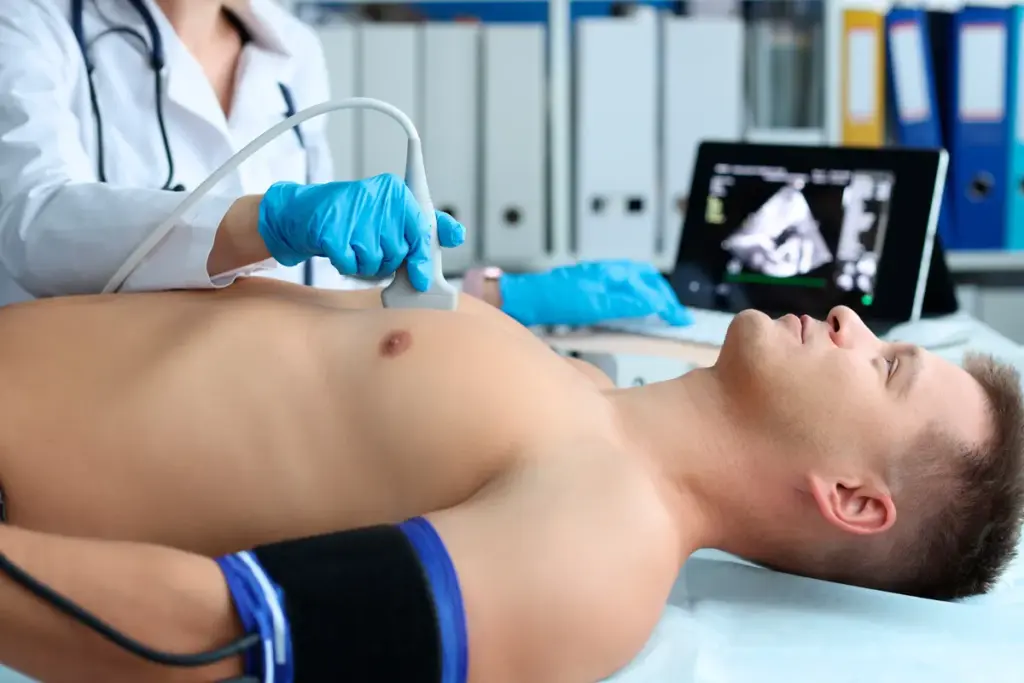
In cardiac imaging, MRI gives important info about the heart’s shape and how it works. It helps find problems like coronary artery disease and heart failure. MRI’s ability to show things in real-time is very helpful during procedures.
Interventional MRI uses quick imaging to guide procedures. This makes treatments more accurate and safe. It’s great for things like cardiac catheterization and angioplasty.
The detailed images from MRI help doctors:
- Check the heart’s structure and find issues
- See how well the heart is working
- Watch how heart disease changes and see if treatments work
The Importance of Cardiac Imaging
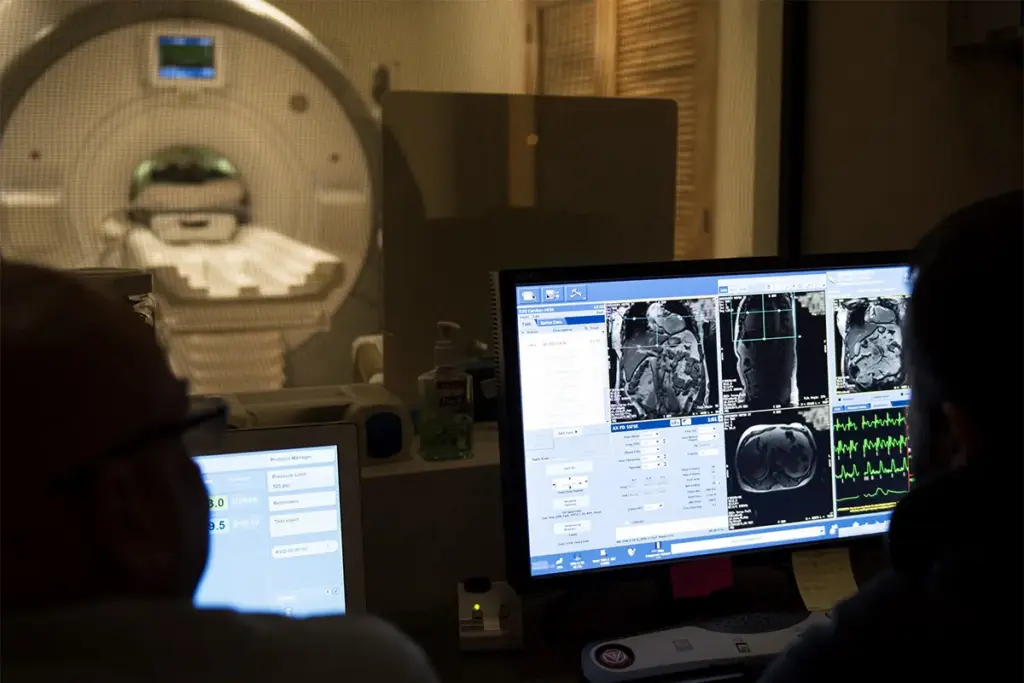
Cardiac imaging is key in finding and treating heart problems. It’s a vital part of heart care. “Accurate diagnosis is the foundation of effective treatment,” say top cardiologists. They stress how important heart health is, and imaging is at the heart of this.
Why Cardiac Imaging Matters
Cardiac imaging is important because it spots heart diseases early. It uses advanced tech to find problems before they get worse. This helps patients live better lives and improves treatment results.
Key Benefits of Early Detection
Early detection through cardiac imaging brings many benefits, including:
- Timely Intervention: It allows for early treatment, which can prevent serious problems.
- Personalized Care: It lets doctors create treatment plans that fit each patient’s needs.
- Improved Outcomes: It greatly boosts survival rates and lowers the risk of heart issues.
A famous cardiologist says, “Early detection is key to managing heart disease effectively.” Our health checks aim to find heart problems early. This approach helps prevent big issues in heart care.
Different Types of Cardiovascular Imaging
Cardiovascular imaging uses many techniques to see the heart. Our place offers a wide range of cardiology care. This includes emergency care, rehabilitation, screenings, surgery, and vascular surgery.
MRI vs. CT Scans
Magnetic Resonance Imaging (MRI) and Computed Tomography (CT) scans are key for heart images. They work differently and serve various needs.
MRI: It uses a magnetic field and radio waves for detailed heart images. It’s great for checking heart muscle and blood vessels without radiation.
CT Scans: They use X-rays for heart and blood vessel images. CT scans help find coronary artery disease and are good for those who can’t have an MRI.
|
Imaging Modality |
Key Features |
Primary Use |
|---|---|---|
|
MRI |
No ionizing radiation, detailed soft tissue imaging |
Heart muscle disorders, blood vessel problems |
|
CT Scans |
Quick imaging, detailed coronary artery imaging |
Coronary artery disease, calcium scoring |
Echocardiography
Echocardiography, or echo, uses ultrasound for heart images. It’s safe and shows how the heart works and looks in real-time.
- Checks heart valve function and finds issues
- Looks at heart chamber size and how well they work
- Tracks heart disease and how well treatments work
Nuclear Imaging
Nuclear imaging uses radioactive tracers to see the heart’s function and blood flow. It’s key for checking how well the heart gets blood.
Nuclear stress tests are used to see if coronary artery disease is present. They compare the heart’s function at rest and when stressed.
How MRI Helps Diagnose Heart Conditions
MRI is key in finding heart problems early. It shows the heart’s details, helping doctors spot issues before they get worse.
Identifying Heart Muscle Disorders
MRI is great for finding heart muscle problems. It can see the heart’s details clearly. This lets doctors measure the heart’s parts accurately.
Key benefits of MRI in diagnosing heart muscle disorders include:
- High-resolution images of the heart’s structure
- Ability to measure the thickness of the heart’s walls
- Assessment of the heart’s function and pumping efficiency
Real-time MRI is super for guiding procedures. It helps diagnose complex heart issues better.
Evaluating Blood Vessel Problems
MRI is also great for checking blood vessel issues. It can see the coronary arteries and find blockages or problems.
|
Condition |
How MRI Helps |
|---|---|
|
Coronary Artery Disease |
MRI can visualize the coronary arteries, detecting blockages or abnormalities. |
|
Cardiomyopathy |
MRI assesses the heart muscle’s thickness and function, aiding in diagnosis. |
|
Blood Vessel Anomalies |
MRI helps in identifying any anomalies or malformations in the blood vessels. |
MRI helps us give better diagnoses and treatment plans for heart issues. It’s a big step forward in cardiology.
Preparing for an MRI Cardiovascular Exam
Getting ready for an MRI cardiovascular exam is important. Our heart care services cover everything from simple tests to complex surgeries.
What to Expect During the Procedure
During the MRI, you’ll be in a comfy spot, even though you’re in a big magnet. Our team will help you feel safe and comfortable. You’ll lie on a table that moves into the MRI machine.
Key aspects of the procedure include:
- Being positioned on the MRI table, which may involve strapping you in to prevent movement.
- Receiving instructions through an intercom system to help you follow breathing commands or remain still.
- The MRI machine making loud knocking or beeping noises during the scan; we provide earplugs or headphones to help minimize discomfort.
Tips for a Smooth MRI Experience
To have a smooth MRI, follow these tips:
Before the Exam:
- Tell your doctor about any metal objects or implants you have, as these can affect the MRI.
- Avoid wearing clothing with metal parts, such as zippers or buttons, as they may need to be removed.
- Remove any jewelry or accessories that could interfere with the MRI.
During the Exam:
- Follow the instructions given by the MRI technician carefully.
- Try to relax and remain as still as possible to ensure the best image quality.
- If you experience any discomfort or anxiety, don’t hesitate to communicate with the technician.
Knowing what to expect and following these tips can make your MRI exam go smoothly.
Interpreting MRI Results
Understanding MRI results is vital for treating heart patients. We look at detailed images of the heart’s structure and function.
Understanding MRI Images
MRI images show a lot about the heart’s anatomy and how it works. To get the most from these images, we need to know what’s normal and what’s not. Key aspects to look for include:
- Cardiac chamber size and function
- Valvular structure and function
- Myocardial thickness and texture
- Presence of any scar tissue or fibrosis
By looking at these features, we can see how healthy the heart is. We can also spot any problems.
Common Findings in Cardiac MRI
Some common things found in cardiac MRI include:
- Myocardial infarction: Scarring from a heart attack can be seen, helping us understand the damage.
- Cardiomyopathy: MRI can spot and describe different types of cardiomyopathy, like hypertrophic or dilated.
- Valvular disease: MRI can show how bad valvular stenosis or regurgitation is.
These findings are key for diagnosing and managing heart conditions. By understanding cardiac MRI results, we can create treatment plans that meet each patient’s needs.
Effective interpretation of MRI results requires a deep understanding of cardiac anatomy, physiology, and pathology. With technical skill and clinical knowledge, we can fully use cardiac MRI to better patient outcomes.
Advancements in MRI Technology
Cardiovascular imaging is getting a big boost from new MRI tech. This change is making it easier to spot and fix heart problems. It’s all thanks to the latest in MRI tech.
One big area where MRI tech is getting better is in cardiovascular imaging. New things like interventional MRI are changing how we handle heart issues. They let us see and fix problems in new ways.
Innovations in Cardiovascular Imaging
Interventional MRI uses fast images to help with treatments. It makes treatments more precise and effective. This is super helpful for tricky heart cases where clear images are key.
A top expert said,
“The integration of MRI in interventional procedures represents a significant leap forward in cardiovascular medicine.”
This shows how important MRI is becoming in heart care.
Future Trends to Watch
We’re expecting even more new things in MRI tech soon. Things like better real-time imaging and smarter image analysis tools are on the horizon. These will help doctors get even better at diagnosing and treating heart issues.
These new tools will make treatments more accurate. They’ll also let us tackle more heart problems with MRI-guided help.
Risks and Considerations
It’s important for patients and healthcare providers to know about the risks of MRI cardiovascular imaging. This imaging tool is powerful but has its own set of risks. We must be aware of these to ensure safe and effective imaging.
MRI Safety Protocols
MRI safety protocols help reduce risks during the procedure. These include screening for metal implants, checking for claustrophobia, and removing metal objects. Following these protocols is key for a safe MRI experience.
Potential Risks in Cardiovascular Imaging
While MRI is mostly safe, some risks exist, mainly for certain patients. These risks include claustrophobia, reactions to contrast agents, and issues with the strong magnetic field. Knowing these risks helps us manage them better.
|
Risk/Consideration |
Description |
Mitigation Strategy |
|---|---|---|
|
Claustrophobia |
Fear of enclosed spaces |
Open MRI machines or sedation |
|
Metal Implants |
Interaction with the MRI’s magnetic field |
Screening before the procedure |
|
Contrast Agent Reaction |
Allergic reactions or side effects |
Pre-scan assessment, alternative contrast agents |
By understanding and addressing these risks, we can make sure MRI cardiovascular imaging is used safely and effectively.
Comparing Imaging Techniques
Cardiac imaging has grown a lot, with many ways to check heart health now. It’s key to know what each method does well and its limits.
Advantages of MRI Over Other Methods
MRI is better than other methods in many ways. It gives clear images without using radiation. This is great for people who need many tests or are worried about radiation.
The main good points of MRI for the heart are:
- High-resolution images of the heart’s shape and how it works
- No radiation exposure, which is safer for long-term checks
- Excellent soft tissue characterization, for detailed heart shape checks
- Ability to assess blood flow and myocardial viability
When we compare MRI to CT scans, MRI wins because it shows how the heart works and its structure. MRI can see how the heart acts under stress and at rest. This helps find coronary artery disease.
When to Choose MRI for Heart Evaluation
Choosing the right imaging method depends on the question, the patient, and what’s needed for treatment. MRI is best for:
- Looking at complex heart problems from birth
- Checking heart muscle diseases and inflammation
- Examining heart tumors and growths
- Tracking how heart disease changes over time
In summary, MRI is a key tool for diagnosing and managing heart issues. It offers special benefits that make it a must-have for heart imaging.
Conclusion: The Future of Cardiac Imaging
As we keep supporting heart health in our community, MRI cardiovascular imaging plays a key role. The future of cardiac imaging looks bright. New technologies and techniques are always being developed.
Advancing Cardiac Health
Cardiac imaging is essential for heart health. MRI helps doctors understand heart conditions better. This leads to more effective treatments and better patient outcomes.
Final Insights
We aim to support heart health with advanced care and imaging. MRI will be vital in diagnosing and treating heart issues. By using the latest in cardiovascular imaging, we improve care and positively impact our patients’ lives.
FAQ
What is cardiac imaging, and why is it important?
Cardiac imaging shows the heart and its parts. It helps find heart problems, plan treatments, and keep the heart healthy.
What is MRI, and how does it work for cardiac imaging?
MRI, or Magnetic Resonance Imaging, is a safe way to see the heart. It uses strong magnets and radio waves to make clear images. It works by aligning body atoms and detecting signals as they return to normal.
What are the benefits of using MRI for cardiac imaging?
MRI gives detailed heart images without harmful radiation. It’s great for checking heart muscle and blood vessel issues.
How does MRI compare to CT scans for cardiac imaging?
MRI and CT scans both help see the heart. MRI is better for soft tissues, while CT scans are quicker for blood vessel checks. The right choice depends on what you need to see.
What is the role of echocardiography in cardiac imaging?
Echocardiography uses sound waves to see the heart. It’s used to check heart function and other issues.
How do I prepare for an MRI cardiovascular exam?
For an MRI, remove metal items and eat lightly before. Tell your doctor about any health issues or implants. You might need to hold your breath during parts of the test.
What are the possible risks of MRI cardiovascular imaging?
MRI is mostly safe, but there are risks. These include allergic reactions, claustrophobia, and issues with certain implants.
How are MRI results interpreted, and what do they indicate?
A doctor looks at MRI images for heart problems. They check for muscle or blood vessel issues. The findings help plan further care.
What are the advancements in MRI technology for cardiac imaging?
MRI tech has improved with better images and faster scans. New methods also help check heart function. These changes make MRI better for heart checks.
When should MRI be chosen over other imaging techniques for heart evaluation?
Choose MRI for complex heart issues like muscle or blood vessel problems. It’s also good for those who can’t have other tests.
What is the future of cardiac imaging, and how will MRI contribute to it?
Cardiac imaging will keep getting better, with MRI leading the way. MRI will help improve heart care by giving detailed images and guiding treatments.
What is the difference between a CT angiogram and a coronary angiogram?
A CT angiogram is a non-invasive test using CT scans for artery views. A coronary angiogram is invasive, using dye through a catheter. Both check for artery disease.
What is coronary computed tomography angiography (CCTA)?
CCTA is a CT scan with dye to see arteries. It’s a non-invasive test for artery disease diagnosis and treatment planning.
What are the benefits of cardiac CT scans?
Cardiac CT scans are quick and give clear heart images. They’re great for artery disease, structure, and function checks.
How does cardiac MRI compare to cardiac CT scans?
MRI and CT scans both image the heart, but differently. MRI is better for soft tissues, while CT scans are quicker for artery disease checks.
Reference
National Center for Biotechnology Information. Evidence-Based Medical Insight. Retrieved from https://www.ncbi.nlm.nih.gov/pmc/articles/PMC9872125/



 Departments
 Related Videos
 Our Doctors
 News
News