

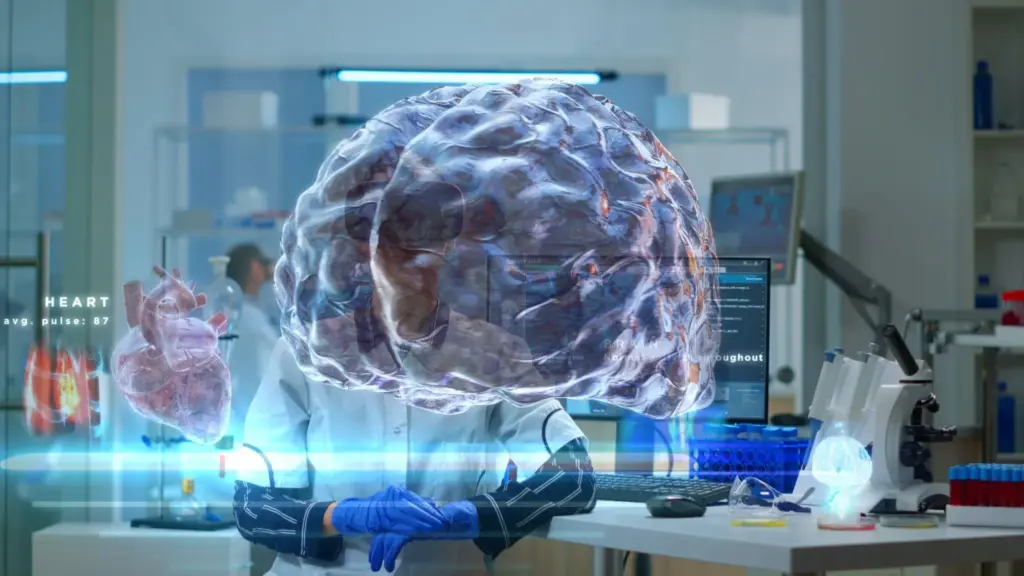
When patients show sudden neurological symptoms or injuries, neurologists turn to brain scans. These scans help find the root cause. They use neuroimaging to check for new symptoms, seizures, or severe headaches. They also watch how diseases progress or plan surgeries. An mri scan provides vital data for your neurologist. Learn why this amazing tool is perfect for a fast and accurate brain diagnosis.
Recent studies show that neuroimaging helps diagnose conditions like ALS, multiple sclerosis, and brain tumors early. By getting a diagnostic scan, neurologists can make better decisions for patient care. This ensures patients get the right treatment on time.
Key Takeaways
- Neurologists order brain scans to assess new neurological symptoms or injuries.
- Advanced neuroimaging techniques enable earlier diagnosis of neurological conditions.
- Brain scans help monitor disease progression and plan surgical interventions.
- Timely diagnosis through neuroimaging ensures effective treatment and patient care.
- Neuroimaging plays a critical role in modern neurology, supporting informed decision-making.
Understanding Neurological Brain Scans
Neurological brain scans have changed the game in neurology. They give us deep insights into the brain’s workings. These scans are key for diagnosing and treating many neurological issues.
We use neuroimaging to see the brain’s detailed structures and spot problems. Different imaging methods help us understand the root cause of symptoms.
The Role of Imaging in Neurological Diagnosis
Imaging is essential for diagnosing neurological conditions. It lets us look at the brain without surgery. Neuroimaging techniques, like MRI and CT scans, give us vital info for making diagnoses.
Imaging in diagnosis has many benefits. It:
- Improves accuracy in diagnosis
- Helps patients get better care
- Reduces the need for risky surgeries
- Allows for better treatment plans
Evolution of Brain Imaging Technology
Brain imaging has seen big leaps forward in recent years. High-field MRI has made brain images clearer, helping us spot small issues we couldn’t see before.
Rules like the Canadian Head CT Rule and PECARN criteria have also made us better at finding serious head injuries. These advances help us diagnose and treat neurological problems more effectively.
Common Types of Brain Scans Used by Neurologists
Neurologists use advanced brain imaging to understand and manage complex cases. We use different brain scans to diagnose and monitor various neurological conditions. The right scan depends on the condition, patient needs, and the treatment needed.
MRI Scan: The Gold Standard in Neuroimaging
Magnetic Resonance Imaging (MRI) scans are the top choice for brain imaging. They show detailed images of soft tissues in the brain. MRI scans are great for seeing conditions like multiple sclerosis, showing lesions and damage.
“MRI has changed neurology by giving us deep insights into the brain,” says a leading neurologist. MRI scans are very good at finding soft tissue injuries. But, they’re not good for patients with metal implants or pacemakers.
CT Scans: Quick and Effective Imaging
Computed Tomography (CT) scans are also key for neurologists. They’re great in emergencies, like suspected strokes or head trauma. CT scans give quick and detailed images of the brain, helping spot acute injuries.
CT scans are fast and always available, making them vital in urgent care. But, they don’t show soft tissue injuries as well as MRI scans.
Other Neuroimaging Techniques
There are other important neuroimaging techniques too. Functional MRI (fMRI) maps brain activity, and Positron Emission Tomography (PET) scans show abnormal brain function. Each technique gives unique insights, helping neurologists diagnose and plan treatments.
The right imaging technique depends on the clinical question and patient needs. By using different scans, we get a full picture of neurological conditions. This helps us create effective treatment plans.
Primary Reasons Neurologists Order MRI Scans
Neurologists often use MRI scans to check for different brain conditions. These scans help us see the brain’s structure and how it works. This is key for making the right diagnosis and treatment plan.
Evaluating New Neurological Symptoms
When people show new symptoms like numbness or vision problems, MRI scans are vital. They use special MRI methods to look at the brain’s details and blood flow.
The table below shows why MRI scans are great for checking new symptoms:
|
Benefit |
Description |
|---|---|
|
Detailed Imaging |
Provides high-resolution images of brain structures |
|
Non-Invasive |
No radiation or surgical intervention required |
|
Early Detection |
Enables early diagnosis of neurological conditions |
Monitoring Disease Progression
MRI scans are also key for tracking how neurological diseases like multiple sclerosis or brain tumors progress. They help us see how the brain changes over time. This lets us know if treatments are working and what to do next.
Advanced MRI techniques, such as 7T MRI, offer enhanced visualization of brain structures, allowing for more precise monitoring of disease progression.
Surgical Planning and Post-Operative Assessment
MRI scans are also important for planning surgeries and checking how the brain is doing after surgery. They give neurosurgeons clear images of the brain. This helps them plan better and see how well the surgery went.
We use MRI scans to see how the brain reacts to treatment and spot any issues. This info is vital for improving patient care and results.
Diagnosing Unexplained Neurological Symptoms
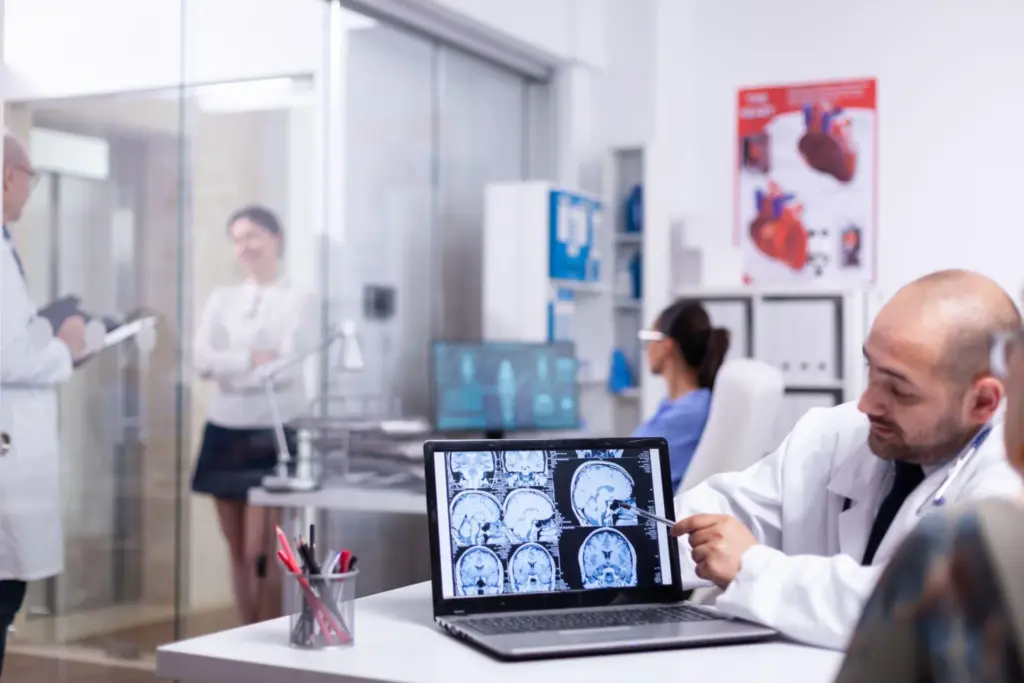
When patients have unexplained neurological symptoms, doctors often use brain scans to find the cause. These symptoms can be hard to diagnose because they don’t always show clear signs. MRI and CT scans help doctors see the brain’s structure and function, helping them find the cause.
Persistent Headaches and Migraines
Persistent headaches and migraines are common complaints. While many cases are managed based on symptoms, some need more investigation. MRI scans are very helpful, as they can show structural problems that might be causing symptoms. For example, MRI findings can help guide treatment for migraines.
Unexplained Dizziness and Balance Issues
Unexplained dizziness and balance issues can really affect a person’s life. These symptoms can come from many causes, like inner ear problems or neurological disorders. Brain scans, like MRI, can spot structural brain issues that might be causing these problems. For instance, an MRI can find problems in the brainstem or cerebellum that lead to dizziness and balance issues.
Advanced neuroimaging techniques help doctors understand the causes of unexplained symptoms. This leads to more accurate diagnoses and effective treatments.
Brain Scans for Seizure Disorders and Epilepsy
For those with epilepsy, brain scans are key. They help find where seizures start and check if treatments work. We use top-notch neuroimaging to give precise diagnoses and make treatment plans just right for each person.
Identifying Seizure Foci
Finding where seizures start is vital in managing epilepsy. Advanced MRI scans, like functional MRI (fMRI), are essential. They show us how the brain works and looks, helping pinpoint seizure foci.
A study in Epilepsia journal says fMRI is key for finding important brain areas and seizure networks.
“fMRI has changed how we check patients with epilepsy. It gives us detailed info on brain function and structure.”
Epilepsia Journal
|
Imaging Technique |
Application in Epilepsy |
Benefits |
|---|---|---|
|
Functional MRI (fMRI) |
Identifying seizure foci and eloquent cortex |
Provides detailed functional information, aiding in surgical planning |
|
Structural MRI |
Visualizing brain anatomy and detecting lesions |
Helps in identifying structural abnormalities related to seizure foci |
Monitoring Treatment Effectiveness
It’s important to see if treatments work for epilepsy patients. Brain scans, like MRI, help us see how seizure foci and brain health change over time.
We mix imaging and doctor checks to see how treatments do. For example, fewer or less severe seizures and stable or better scans mean treatment is working.
- Regular MRI scans to monitor changes in brain structure and function
- Clinical evaluations to assess seizure frequency and severity
- Adjustments to treatment plans based on imaging and clinical findings
By combining advanced neuroimaging with doctor knowledge, we offer full care for those with seizure disorders and epilepsy. This improves their life quality.
Neuroimaging After Head Trauma
Neuroimaging is key in diagnosing and treating head trauma. It helps doctors see how bad the injury is and if there are serious problems. Tools like CT scans and MRI give detailed brain images.
The Canadian Head CT Rule for Trauma Patients
The Canadian Head CT Rule helps decide if a CT scan is needed for minor head injuries. It looks at age, how awake the patient is, and symptoms like vomiting. This rule helps find who might have serious brain injuries.
Using this rule, doctors can choose when to use neuroimaging. This saves resources and reduces radiation for patients.
PECARN Criteria for Pediatric Brain Injuries
The PECARN criteria help doctors figure out if a child needs a CT scan after a head injury. They look at the child’s age, symptoms, and how the injury happened. This helps sort out who needs a scan.
- Low-risk criteria: Kids with no or minor symptoms might not need a CT scan.
- High-risk criteria: Kids with serious symptoms or signs of injury should get a scan right away.
In summary, neuroimaging is essential for head trauma care. Rules like the Canadian Head CT Rule and PECARN criteria help standardize care. They make sure patients get the right treatment and avoid unnecessary tests.
Brain Scans for Suspected Stroke
When a stroke is suspected, quick diagnosis is key for effective treatment. Brain scans are vital in this process. They help healthcare professionals quickly figure out the stroke type and start the right care.
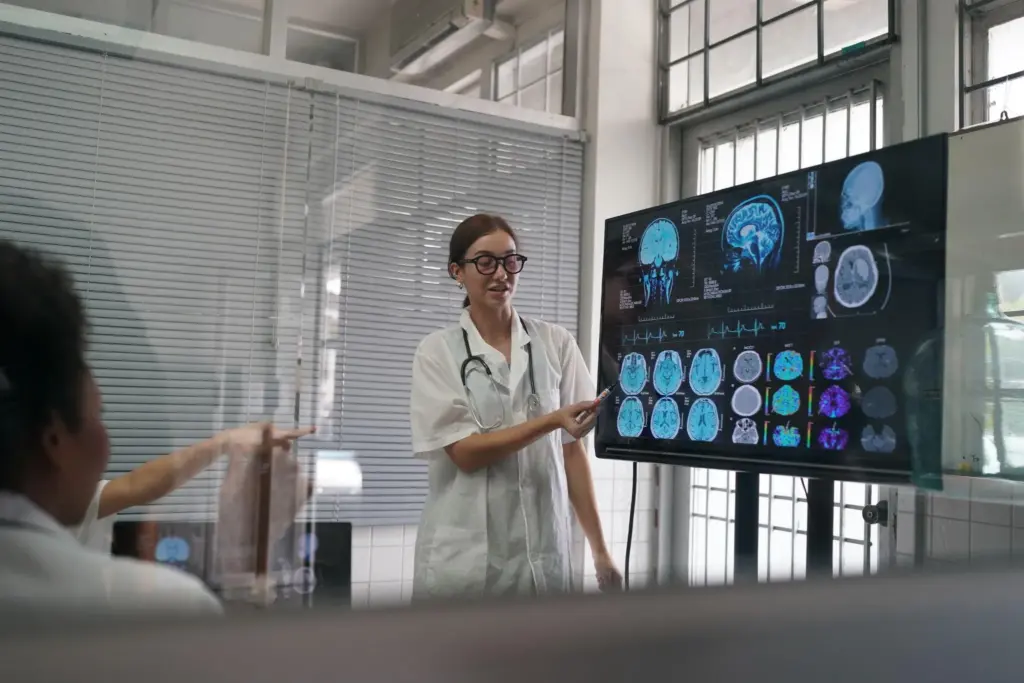
Time-Critical Imaging for Ischemic Stroke
Ischemic stroke happens when a blood vessel in the brain gets blocked. It needs immediate attention. Quick imaging is essential to improve outcomes. We use CT scans or MRI to quickly check the situation and choose the best treatment, like clot-busting drugs or mechanical thrombectomy.
The benefits of rapid imaging include:
- Quick Diagnosis: Identifying the stroke type and location.
- Timely Intervention: Administering clot-busting drugs or performing mechanical thrombectomy.
- Improved Outcomes: Reducing the risk of long-term damage through prompt treatment.
Detecting Hemorrhagic Stroke
Hemorrhagic stroke is caused by bleeding in or around the brain. It also needs quick diagnosis and treatment. Neuroimaging is key in finding the source and size of the bleed. We use CT scans to quickly spot bleeding and decide if surgery is needed.
Key aspects of detecting hemorrhagic stroke include:
- Accurate Diagnosis: Using imaging to tell ischemic from hemorrhagic stroke.
- Assessing Severity: Checking how bad the bleeding is and the brain damage risk.
- Guiding Treatment: Helping decide on surgery or other treatments to control bleeding and brain pressure.
In conclusion, brain scans are essential for diagnosing and managing suspected strokes. They help with quick imaging for ischemic stroke and spotting hemorrhagic stroke. This way, we can give timely and effective care, greatly improving patient outcomes.
Detecting Brain Tumors and Abnormal Growths
Finding brain tumors and growths is a tough task. We use top-notch imaging to spot and understand these issues. This is key for picking the right treatment. Scans help us tell if tumors are primary or spread from elsewhere, and if they’re harmless or cancerous.
Primary vs. Metastatic Brain Tumors
Primary tumors start in the brain. Metastatic tumors come from other places and land in the brain. Knowing where a tumor comes from helps us plan treatment better. We use MRI with contrast to learn about the tumor’s nature.
Differentiating Benign from Malignant Lesions
Telling benign from malignant tumors is important for treatment and outlook. Benign tumors are usually not cancer and might not need strong treatment. But malignant tumors are cancer and need quick action. Neuroimaging helps us figure out what kind of tumor it is, guiding treatment.
Here are some ways to tell benign from malignant tumors:
- Tumor size and location: Big tumors or those in important spots might be cancerous.
- Contrast enhancement: How a tumor looks with MRI contrast can show how aggressive it is.
- Edema and mass effect: If there’s a lot of swelling and pressure around the tumor, it might be cancer.
Diagnosing Multiple Sclerosis and Demyelinating Disorders
<SEP-14280_image_4>
Brain scans are key in diagnosing multiple sclerosis and tracking disease activity. Multiple sclerosis (MS) is a chronic condition that harms the central nervous system. It causes demyelination, inflammation, and various neurological symptoms.
We use advanced imaging, like MRI scans, to see MS plaques and lesions. This is vital for diagnosing MS, understanding its severity, and checking how treatments work.
Visualizing MS Plaques and Lesions
MRI scans are great at spotting MS plaques and lesions in the brain and spinal cord. These lesions show where the nerve fibers’ protective covering is damaged. By seeing these lesions, we can spot MS and gauge how active the disease is. Research studies confirm MRI’s value in diagnosing MS and tracking its progress.
Lesions in certain brain and spinal cord areas help us gauge disease severity and predict symptoms. For instance, optic nerve lesions can cause vision issues, while spinal cord lesions can affect mobility.
Monitoring Disease Activity and Treatment Response
Brain scans are also vital for watching how the disease acts and how treatments work. By tracking changes in lesion activity and new lesions, we can see if treatments are effective. This helps us adjust treatment plans for better care and outcomes.
Regular MRI scans help spot signs of disease activity, like new or active lesions. This shows if a relapse is happening or if treatment isn’t working. It lets us customize treatment plans for each patient, improving their care and life quality.
We use MRI scans to track MS’s progress and adjust treatments. This helps slow the disease, lessen symptoms, and enhance patients’ lives.
Advanced MRI Scan Technology in Neurological Diagnosis
The field of neurological diagnosis has seen big changes with new MRI technologies. These advanced tools help us better diagnose and treat complex brain conditions. We’ll look at how advanced MRI, like 7T MRI and functional MRI, improves brain diagnosis.
7T MRI: Enhanced Visualization of Brain Structures
7T MRI is a big step up in brain imaging, giving us high-resolution images of brain parts. This lets neurologists see the brain more clearly, making diagnoses more accurate. The detailed images help spot small issues that might not show up on lower-field MRI machines.
With 7T MRI, we can see the brain’s complex structures better. This leads to more accurate diagnoses and treatment plans. It’s very useful for complex cases where clear images are key.
Functional MRI for Brain Activity Mapping
Functional MRI (fMRI) is a key tool for mapping brain activity. It measures blood flow changes to show which brain areas are active. This is super helpful for diagnosing and treating things like stroke, brain tumors, and neurological disorders.
fMRI lets us map brain function without surgery. It gives us deep insights into how our brains work. This has changed neurology, making diagnoses and treatments more precise.
Brain Scans for Neurodegenerative Diseases
Neuroimaging has changed how we diagnose and track neurodegenerative diseases. We can now see the brain in great detail. This helps us spot problems early and accurately.
Diseases like Alzheimer’s, Parkinson’s, and ALS are tough to diagnose. Brain scans are key in these cases. They let doctors keep an eye on how the disease is moving and change treatment plans as needed.
Alzheimer’s Disease and Dementia
Alzheimer’s is the top cause of dementia in older adults. Advanced MRI techniques help us spot Alzheimer’s by showing changes in the brain. These changes include atrophy in the hippocampus and temporal lobe, which show the disease is getting worse.
- Spotting Alzheimer’s early with brain scans helps us act fast.
- Watching how the disease changes with regular scans helps us adjust treatments.
Studies show that brain scans can find signs of Alzheimer’s before symptoms show up. This early detection is key for making good treatment plans.
Parkinson’s Disease and Movement Disorders
Parkinson’s causes tremors, stiffness, and trouble moving. While doctors mainly use clinical diagnosis, neuroimaging helps rule out other causes. Techniques like DaTSCAN show dopamine levels in the brain, helping confirm the diagnosis.
“The use of neuroimaging in Parkinson’s disease is not just about diagnosis; it’s about understanding the disease’s progression and potentially guiding treatment decisions.” – Neurologist
Neuroimaging also helps tell Parkinson’s apart from other similar diseases. This is important for the right treatment.
Amyotrophic Lateral Sclerosis (ALS)
ALS affects nerve cells in the brain and spinal cord. MRI scans help diagnose ALS by showing atrophy and signal changes in the corticospinal tracts. While there’s no cure, early diagnosis through neuroimaging can improve care and help with clinical trials.
Researchers are looking into using advanced neuroimaging as biomarkers for ALS. This could help track the disease and how well treatments work.
Neuroimaging for Infectious and Inflammatory Brain Conditions
<SEP-14280_image_5>
Neuroimaging is key in diagnosing brain conditions caused by infections or inflammation. It helps doctors treat these conditions quickly and effectively. Thanks to advanced imaging, we now understand and manage these disorders better.
Meningitis and Encephalitis
Meningitis and encephalitis are serious infections. They inflame the brain’s protective membranes and the brain itself. MRI scans are essential for diagnosing these conditions. They show inflammation, infection, or brain damage.
MRI scans are great for spotting encephalitis. They reveal inflammation or abnormal brain activity. For meningitis, MRI can spot complications like abscesses or hydrocephalus. Contrast agents make infected areas more visible, helping doctors diagnose and assess the infection’s extent.
|
Condition |
Primary Imaging Features |
Role of Neuroimaging |
|---|---|---|
|
Meningitis |
Enhancement of meninges, presence of complications like abscesses or hydrocephalus |
Diagnosis, assessment of complications |
|
Encephalitis |
Areas of inflammation, abnormal brain activity |
Diagnosis, monitoring disease progression |
Autoimmune Encephalitis
Autoimmune encephalitis occurs when the body attacks the brain. This leads to inflammation and neurological symptoms. MRI is the best tool for diagnosing this condition.
MRI can show inflammation in brain areas on T2-weighted images. Advanced MRI techniques, like diffusion-weighted imaging, help measure brain involvement.
We use neuroimaging for diagnosis and to track treatment progress. By watching imaging changes, doctors can adjust treatment plans. This improves patient outcomes.
Preparing for Your Brain Scan: What Patients Should Know
Getting ready for a brain scan is important. It makes the process smoother and less stressful. Knowing what to expect before, during, and after can improve your experience.
Before the Procedure: Preparation Guidelines
Following specific guidelines is key for a successful brain scan. These steps vary based on the scan type and your health.
- Clothing: Wear loose, comfortable clothes without metal parts. You might get a gown for the scan.
- Metal Objects: Take off all metal items like jewelry and glasses. They can mess with the scan.
- Medications: Tell your doctor about any meds you’re on. Some might need to be changed or stopped.
- Medical Conditions: Share any health issues, like claustrophobia or metal implants. They can impact the scan.
- Contrast Agent: If you need a contrast agent, you might need to fast beforehand. Let your doctor know about any allergies.
|
Preparation Step |
Description |
|---|---|
|
Clothing |
Wear loose, metal-free clothing; may be provided with a gown |
|
Metal Objects |
Remove jewelry, glasses, and removable dental work |
|
Medications |
Inform doctor about medications; may need adjustment |
|
Medical Conditions |
Disclose claustrophobia, kidney disease, metal implants |
|
Contrast Agent |
May require fasting; disclose any allergies |
During and After the Scan: What to Expect
<SEP-14280_image_6>
During the scan, you’ll lie on a table that moves into the scanner. It’s usually painless but might be noisy or feel cramped.
What to Expect During the Scan:
- The scan happens in a controlled area with a radiologist or technician watching.
- You’ll be told to stay very quiet and not move, as this helps get clear images.
- You might get earplugs or headphones to block out the scanner’s noise.
- For some scans, like functional MRI, you might do specific tasks.
After the scan, you can usually go back to your normal day unless your doctor says not to. The images will be checked by a radiologist. Then, your doctor will talk to you about the results.
Understanding Brain Scan Results
Brain scan results give us important insights into brain health. They help doctors figure out what’s wrong and how to fix it. When a doctor orders a brain scan, the images it produces are full of useful information.
How Neurologists Interpret Imaging Findings
Reading brain scan results is a tough job. It needs a lot of knowledge about brain imaging and how to match images with symptoms. Doctors look for things like tumors or damage in the brain.
For example, doctors might use MRI scans to find where seizures start. They then match what they see with the patient’s symptoms and history. This helps them decide the best treatment.
“The integration of imaging findings with clinical information is critical for accurate diagnosis and effective treatment planning.”
— Neurologist
The Importance of Clinical Correlation
Matching brain scan results with a patient’s symptoms and history is key. This step is important because scans alone can’t always tell the whole story.
For instance, a scan might show something unusual, but if the patient feels fine, it might not need treatment. On the other hand, a scan might look normal, but if the patient is having symptoms, more tests are needed.
|
Clinical Scenario |
Imaging Findings |
Clinical Correlation |
|---|---|---|
|
Patient with new onset seizures |
MRI shows a lesion in the temporal lobe |
Lesion is likely the seizure focus; treatment focuses on managing seizures and potentially addressing the lesion |
|
Patient with headache |
CT scan shows a small incidental aneurysm |
Aneurysm is monitored but not immediately treated if asymptomatic; focus is on managing headache |
|
Patient with dizziness |
MRI shows white matter changes |
Changes could be related to demyelinating disease; further diagnostic tests are ordered to confirm |
By combining what they see on scans with what they know about the patient, doctors can make better diagnoses. They can then create treatment plans that really work for each person.
Disparities in Access to Neurological Imaging Neurological Imaging
<SEP-14280_image_7>
Healthcare disparities affect how easily people can get neurological imaging. This impacts their health outcomes. Despite new neuroimaging technologies, not everyone has equal access. We look at why this is and how it affects patient care.
Socioeconomic Factors Affecting Brain Scan Access
Socioeconomic status is key in getting neurological imaging. People from lower socioeconomic backgrounds often struggle to get these tests. Research shows those with many health issues are more likely to get scans.
Economic limits can block access to brain scans. Without good health insurance or enough money, people might skip tests because of cost. We must think about these issues when we talk about healthcare gaps.
Geographic and Insurance-Related Barriers
Where you live also matters for getting neurological imaging. Rural or remote areas often lack access to advanced medical care, including neuroimaging. This can mean delayed diagnoses and treatments, hurting patient results.
Insurance issues also play a big part. Different insurance plans and payment rules can decide if patients get neuroimaging tests. We need to fix these gaps to make sure everyone gets the healthcare they need.
Understanding the role of socioeconomic, geographic, and insurance factors in neurological imaging access is key. We can work towards a fairer healthcare system. This means improving access to neuroimaging and tackling the social factors that affect health.
Conclusion
Advanced neuroimaging has changed how we diagnose and treat brain diseases. Tools like MRI and CT scans help doctors understand symptoms and track diseases. They also guide treatment plans.
New technologies in neuroimaging have made big strides. High-field MRI scanners and functional MRI help map brain activity. These advancements have made diagnoses more accurate and care better.
Brain scans are key in diagnosing and managing brain diseases. They help doctors give better care to patients. This leads to better health outcomes and a better quality of life for patients.
FAQ
What is a brain MRI scan used for?
A brain MRI scan helps find and track many brain problems. This includes stroke, tumors, and diseases like multiple sclerosis. It shows detailed pictures of the brain, helping doctors understand symptoms and plan treatment.
How long does a brain MRI scan take?
A brain MRI scan can take anywhere from 15 to 90 minutes. This time varies based on the scan type and if contrast agents like gadolinium are used.
What is the difference between an MRI and a CT scan?
MRI scans use magnetic fields to show soft tissues clearly. CT scans use X-rays for internal structure images. MRI is better for brain imaging because it spots soft tissue issues well.
Why is gadolinium used in MRI scans?
Gadolinium makes certain brain structures or lesions more visible in MRI scans. It’s used when doctors suspect tumors, infections, or inflammation.
How do neurologists interpret brain scan results?
Neurologists look at brain scan results with the patient’s symptoms and history in mind. Their knowledge in neuroimaging helps them spot and diagnose issues accurately.
What are the benefits of advanced MRI technology like 7T MRI?
Advanced MRI tech, like 7T MRI, offers clearer images of the brain. This helps in precise diagnosis and tracking of brain conditions. It’s key for complex cases.
How do brain scans help in diagnosing neurodegenerative diseases?
Brain scans, like MRI, help spot neurodegenerative diseases like Alzheimer’s and Parkinson’s. They show changes in brain structure and function, helping in early detection and tracking disease progress.
What should I expect during a brain scan procedure?
During a brain scan, you’ll lie on a table that moves into the machine. You must stay very quiet during the scan. It’s usually painless but might be loud.
Are there any disparities in access to neurological imaging?
Yes, some people face barriers in getting brain scans due to money, location, and insurance. This affects how quickly they can get diagnosed and treated for brain conditions.
How do brain scans contribute to diagnosing seizure disorders?
Brain scans, like MRI, help find seizure causes by spotting abnormal brain areas. This helps doctors plan treatments, including surgery.
What is the role of neuroimaging in stroke diagnosis?
Neuroimaging, like CT and MRI, is key in stroke diagnosis. It quickly tells if it’s an ischemic or hemorrhagic stroke. This is vital for making quick treatment choices.
Can brain scans detect brain tumors?
Yes, brain scans can find tumors and growths. MRI and CT scans help tell if tumors are primary or metastatic and if they’re benign or malignant. This helps in planning treatment.
Reference
Carelon Medical Benefits Management. Imaging of the Brain. https://guidelines.carelonmedicalbenefitsmanagement.com/imaging-of-the-brain-2024-10-20/
NCBI. PMC article. https://pmc.ncbi.nlm.nih.gov/articles/PMC11846079/
Frontiers in Neurology. Research. https://www.frontiersin.org/journals/neurology/articles/10.3389/fneur.2025.1621761/full
National Institute of Neurological Disorders and Stroke (NINDS). Brain CT Scan and MRI. https://www.ninds.nih.gov/health-information/patient-caregiver-education/brain-ct-scan-and-mri
NCBI. PMC article. https://www.ncbi.nlm.nih.gov/pmc/articles/PMC5931168/
























