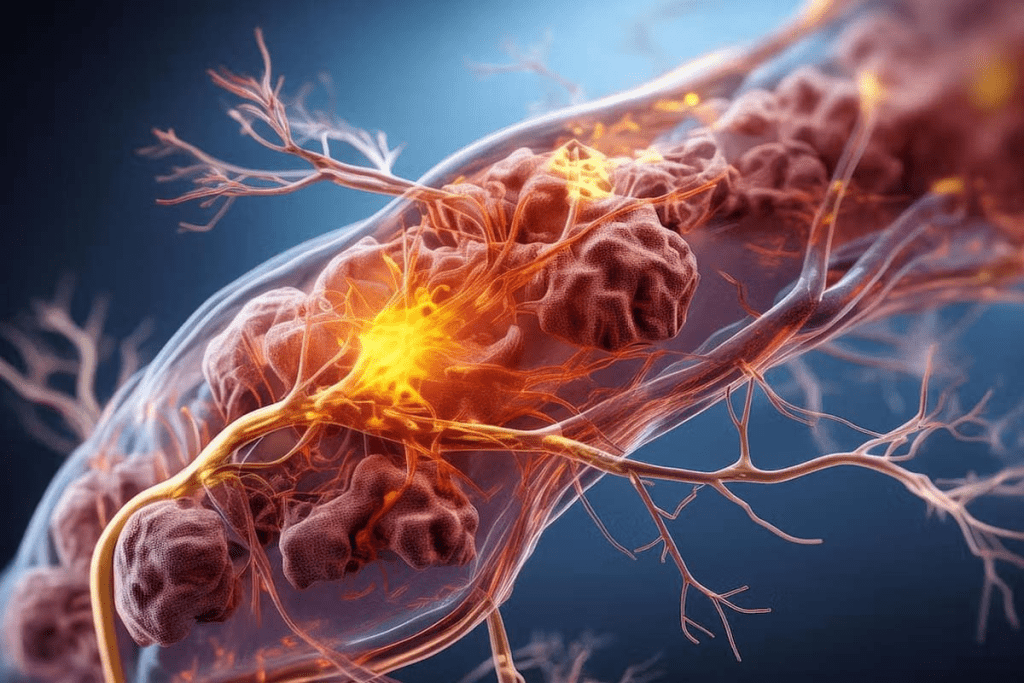
About 900,000 people in the United States live with Multiple Sclerosis. It’s a chronic autoimmune disease that harms the central nervous system. New advances in regenerative medicine bring hope for a cure. Multiple sclerosis stem cell treatment offers a promising avenue for managing and potentially reversing the effects of the disease.
This innovative method uses stem cells to fix or replace damaged cells in the central nervous system. By learning about the benefits and current status of multiple sclerosis stem cell treatment, those with MS can make better choices for their care.
Key Takeaways
- Stem cell treatment, which utilizes stem cells to repair or replace damaged cells in the brain and spinal cord, is a hot topic in research concerning Multiple Sclerosis (MS).
- Regenerative medicine aims to repair or replace damaged cells in the central nervous system.
- Understanding the benefits and risks is key for those thinking about stem cell treatment.
- Current studies are looking into the safety and effectiveness of stem cell therapy for MS.
- Stem cell treatment, which utilizes stem cells to repair or replace damaged cells in the brain and spinal cord, is a hot topic in research concerning Multiple Sclerosis (MS).mptoms.
Understanding Multiple Sclerosis: A Brief Overview
MS, or multiple sclerosis, is a chronic autoimmune disease that affects the central nervous system. It happens when the immune system attacks the protective covering of nerve fibers. This disrupts communication between the brain and the rest of the body.
What Causes Multiple Sclerosis
The exact cause of multiple sclerosis is not fully understood. Research points to a mix of genetic, environmental, and immune system factors. People with a family history of MS are more likely to get it, suggesting a genetic link.
Certain environmental factors, like low levels of vitamin D and viral infections, may also play a role. They can trigger MS in people who are already at risk.
Common Symptoms And Disease Progression
The symptoms of multiple sclerosis vary from person to person. This makes it hard to diagnose. Common symptoms include numbness or tingling in the limbs, vision problems, and difficulty with balance and coordination.
The disease can progress differently for each person. Some may have a relapsing-remitting course, while others may have a more progressive form.
Understanding how MS progresses is key to managing it. The disease can move at different speeds. Some people may have long periods without symptoms, while others may see a quick decline in their abilities.
Conventional Treatment Approaches For MS
Managing multiple sclerosis involves several treatments. These aim to slow the disease and manage symptoms. They help improve the lives of those with MS.
Disease-Modifying Therapies
Disease-modifying therapies (DMTs) are key in treating MS. They help reduce relapses and slow disease growth. They also prevent new damage in the brain.
Types of DMTs:
- Injectable medications (e.g., interferons, glatiramer acetate)
- Oral medications (e.g., fingolimod, teriflunomide)
- Infused medications (e.g., natalizumab, alemtuzumab)
Each DMT has its own benefits and side effects. For example, injectables might cause soreness at the injection site. Oral meds can lead to stomach issues.
Symptom Management Medications

Managing symptoms is vital in MS care. It greatly affects a patient’s quality of life. Medications help with pain, tiredness, and brain fog.
Common Symptom Management Strategies:
- Medications for fatigue (e.g., amantadine, modafinil)
- Drugs for spasticity (e.g., baclofen, tizanidine)
- Treatments for depression and anxiety (e.g., SSRIs, benzodiazepines)
The National Multiple Sclerosis Society says, “Managing symptoms is key to keeping function and quality of life in MS patients.”
“The goal of symptom management is to make life with MS more manageable and improve overall well-being.”
By using DMTs and symptom management together, doctors can give MS patients a full care plan. This addresses both the disease’s progression and its daily effects.
Stem cell treatment, which utilizes stem cells to repair or replace damaged cells in the brain and spinal cord, is a hot topic in research concerning Multiple Sclerosis (MS).
Stem cell therapy might help treat Multiple Sclerosis by fixing or replacing damaged cells. MS causes nerve damage, leading to many symptoms. This therapy aims to heal and control the immune system.
How Stem Cells Work in the Body
Stem cells can grow into many types of cells. For MS, they might fix myelin damage or calm the immune system. Researchers look at different stem cells, like blood, bone, and brain stem cells.
Key functions of stem cells in MS treatment:
- Regeneration of damaged myelin
- Immune system modulation
- Potential for tissue repair
Potential Mechanisms For MS Treatment
How stem cells help MS patients is being studied. Several ways they might help have been found:
- Immunomodulation: They might control the immune system, stopping it from attacking the brain and spinal cord.
- Remyelination: They could turn into cells that make myelin, fixing damaged nerves.
- Neuroprotection: They might release substances that protect brain cells and help healing.
Knowing how these mechanisms work is key to making stem cell treatments better. Scientists are working hard to improve these treatments and make them safer.
Types Of Stem Cell Therapies Used For MS
Stem cell therapies are showing promise for treating multiple sclerosis (MS). They offer hope to patients. Different types of stem cell therapies are being studied, each with its own benefits.
Hematopoietic Stem Cell Transplantation (HSCT)
Hematopoietic Stem Cell Transplantation (HSCT) uses high-dose chemotherapy and stem cells to rebuild the immune system. HSCT has shown promise in treating aggressive MS by resetting the immune system and stopping disease progression.
- Immune system reset: HSCT aims to remove faulty immune cells that cause MS.
- Disease-modifying effect: It may offer a long-term solution for managing MS by regenerating the immune system.
Mesenchymal Stem Cell Therapy (MSC)
Mesenchymal Stem Cell Therapy (MSC) uses mesenchymal stem cells with anti-inflammatory and regenerative properties. MSC therapy is being studied for its ability to repair damaged tissues and control the immune system in MS patients.
- Immunomodulation: MSCs may reduce inflammation and adjust the immune response.
- Tissue repair: MSCs could help repair damaged neural tissues.
Neural Stem Cell Approaches
Neural Stem Cell Approaches use neural stem cells to promote neural repair and regeneration. This therapy is being researched for its ability to address the neurodegenerative aspects of MS.
- Neural regeneration: Neural stem cells may help regenerate damaged neural tissues.
- Neuroprotection: These cells could offer neuroprotective effects, protecting against further damage.
Hematopoietic Stem Cell Transplantation In Detail
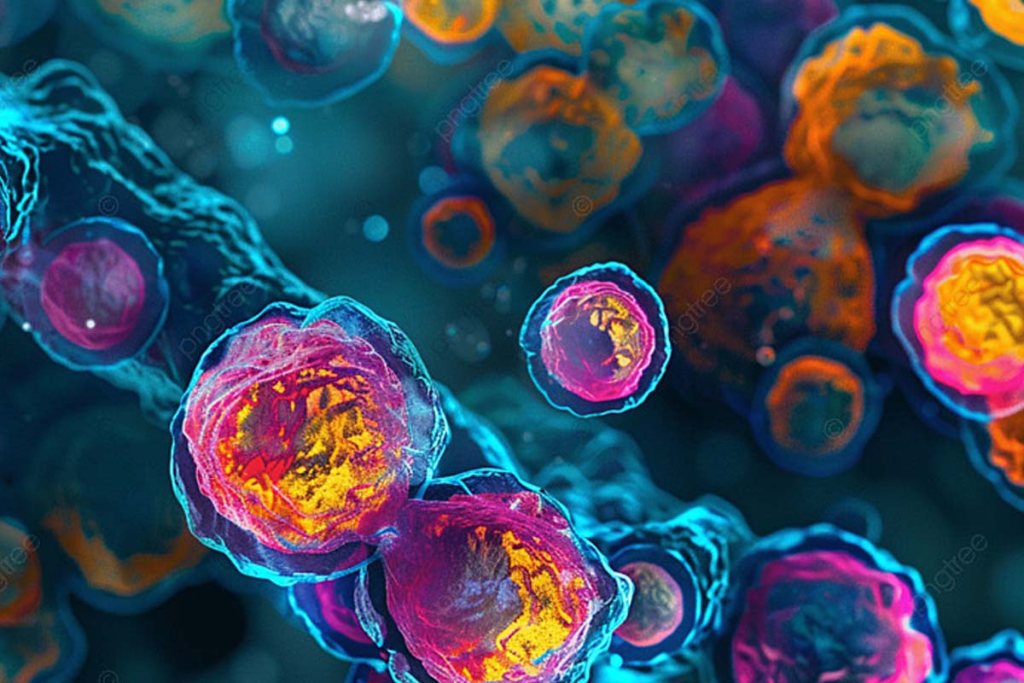
Hematopoietic Stem Cell Transplantation (HSCT) is being studied for treating Multiple Sclerosis. It aims to refresh the immune system. This could stop MS from getting worse.
The HSCT Procedure Step By Step
The HSCT process has several important steps:
- Stem Cell Collection: First, stem cells are taken from the patient’s blood or bone marrow.
- Chemotherapy: Then, the patient gets high-dose chemotherapy. This kills off the old immune cells.
- Stem Cell Infusion: Next, the stem cells are given back to the patient. They help build a new immune system.
- Recovery: After, the patient is watched closely. Their immune system starts to get better.
Patient Selection Criteria
Not every MS patient can get HSCT. The criteria include:
- Disease Severity: Those with severe MS who haven’t gotten better with other treatments might be chosen.
- Age and Health Status: Younger patients with fewer health problems are usually picked. They can handle the treatment better.
- Previous Treatments: How well patients have done with other treatments is also important.
“The success of HSCT depends on choosing the right patients and careful treatment,” says a top neurologist.
Knowing about HSCT and who can get it helps doctors and patients make smart choices. It could be a big change for some.
Mesenchymal Stem Cell Therapy For MS Patients
Stem cell treatment, which utilizes stem cells to repair or replace damaged cells in the brain and spinal cord, is a hot topic in research concerning Multiple Sclerosis (MS).
Sources of MSCs
MSCs come from different places, each with its own benefits:
- Bone Marrow: MSCs from bone marrow are common but might need a big procedure.
- Umbilical Cord Tissue: MSCs from umbilical cord tissue are popular. They grow fast and don’t trigger many immune reactions.
- Adipose Tissue: MSCs from fat tissue are also good. They’re easy to get with liposuction.
Administration Methods
How MSCs are given matters a lot:
- Intravenous Infusion: This is the usual way. It lets MSCs reach inflamed areas.
- Intrathecal Injection: Putting MSCs directly into the spinal canal might work better for MS patients.
Current Research Status
Studies on MSC therapy for MS are always going on. Many clinical trials are checking if it’s safe and works well. Early results look good, with some patients feeling better and having less disease activity.
Researchers are focusing on a few key areas:
- Figuring out the best MSC doses and how to give them
- Learning about MSC therapy’s long-term safety
- Seeing how MSC therapy compares to other MS treatments
Clinical Evidence: Can Stem Cell Treatment Actually Cure MS?
Stem cell treatment, which utilizes stem cells to repair or replace damaged cells in the brain and spinal cord, is a hot topic in research concerning Multiple Sclerosis (MS). Recent clinical trials have given us valuable insights. It’s important to look at the evidence to see if these treatments work for MS.
Major Clinical Trials Results
Many clinical trials have looked into stem cell treatments for MS. They’ve used different methods, like hematopoietic stem cell transplantation (HSCT) and mesenchymal stem cell (MSC) therapy. The results are encouraging, with some patients seeing big improvements.
A study in the Journal of Neurology, Neurosurgery, and Psychiatry showed HSCT helped patients with aggressive MS. Many saw a drop in disability progression.
Key findings from recent clinical trials include:
- Patients who got HSCT saw better outcomes, like fewer relapses and slower disability.
- MSC therapy might help by reducing inflammation and fixing the central nervous system.
- Every patient reacts differently, showing the need for treatments tailored to each person.
Long-term Outcomes and Remission Rates
Looking at long-term results and remission rates is key for judging stem cell treatments for MS. Early signs are promising, with some patients staying in remission for years.
A study on HSCT for MS found many patients stayed disease-free for years after treatment. MSC therapy also shows promise for lasting benefits.
Notable long-term outcomes include:
- Some patients treated with HSCT stayed in remission for a long time.
- They also saw lasting drops in inflammation and better brain function.
- We need more research to understand how long these benefits last.
As research keeps moving forward, more trials will help us understand stem cell treatments for MS better.
Patient Experiences With Stem Cell Treatments
Stem cell therapy for MS is growing, and patient stories are key to understanding its benefits and hurdles.
Many MS patients see stem cell treatment as a ray of hope. Some report big improvements, like regained mobility or fewer symptoms. This boosts their quality of life quality.
Success Stories
Many patients share their positive experiences with stem cell therapy for MS. Their tales of remarkable recoveries and symptom improvements give hope to others.
One patient, for example, saw a big drop in MS relapses after treatment. They were able to do daily tasks with more energy.
Challenges and Disappointments
Not all patients have positive results from stem cell therapy. Some face mild side effects or severe issues, or see little to no symptom relief.
It’s vital to grasp these challenges to set realistic hopes and refine treatment plans. Patients should talk openly with their doctors about risks and benefits.
The mixed experiences of MS patients with stem cell treatment show how complex the disease is. It highlights the need for treatments tailored to each person.
Risks And Side Effects Of Stem Cell Therapy For MS
Stem cell therapy offers hope for MS patients, but it comes with risks. These include short-term problems and long-term safety worries. Knowing these risks is key to making smart choices.
Short-term Complications
Short-term issues with stem cell therapy for MS include:
- Infection: There’s a chance of getting an infection because of the procedure.
- Graft-versus-host disease (GVHD): This is a big worry for hematopoietic stem cell transplantation (HSCT). GVHD happens when the new immune cells attack the body.
- Reaction to conditioning regimen: The chemotherapy or radiation used to get ready for the transplant can cause side effects.
Managing short-term complications means watching closely and providing support. For example, antibiotics can fight infections, and drugs can help with GVHD.
Long-term Safety Concerns
Long-term worries about stem cell therapy for MS are being studied. Possible problems include:
- Risk of disease relapse: MS symptoms might come back after treatment.
- Potential for secondary autoimmune disorders: Stem cell therapy might cause new autoimmune diseases.
- Unclear long-term effects of stem cell modification: As stem cell treatments get better, we’re learning more about their long-term effects.
Long-term follow-up is key for patients getting stem cell therapy. It helps catch and deal with these possible issues early.
Mortality Risks
Mortality risks with stem cell therapy for MS are low but important. The risk of death from treatment depends on the type of therapy and the patient’s health.
For example, HSCT has a higher risk of death than some other stem cell therapies. Patient selection is vital to lower this risk. Doctors must carefully check the patient’s health and disease severity before starting treatment.
In summary, stem cell therapy is promising for MS, but it’s important to know the risks and side effects. By understanding these, patients can make better choices about their treatment.
Cost And Accessibility Of MS Stem Cell Treatments
Stem cell treatment, which utilizes stem cells to repair or replace damaged cells in the brain and spinal cord, is a hot topic in research concerning Multiple Sclerosis (MS).
Treatment Costs In The United States
The price of stem cell therapy for MS can change a lot in the United States. Things that affect the cost include the type of therapy, the place of treatment, and the patient’s needs. For example, Hematopoietic Stem Cell Transplantation (HSCT) is usually pricier than Mesenchymal Stem Cell Therapy (MSC).
Recent data shows HSCT can cost between $80,000 and over $150,000. This depends on how complex the procedure is and the patient’s health. MSC therapy, on the other hand, might cost between $10,000 to $50,000 per treatment. Often, patients need more than one treatment.
Insurance Coverage Issues
Insurance for stem cell therapy varies a lot. Some plans might cover parts of the therapy, while others might not cover it at all. Patients often struggle to figure out what their insurance will cover.
“Insurance coverage for stem cell therapies is evolving, but it remains a major hurdle for many patients. Advocacy and further research are needed to improve access to these potentially life-changing treatments.”
To tackle these issues, patients should talk to their healthcare providers and insurance companies. They need to understand what their insurance covers. Many treatment centers also offer help with costs and financial planning to make sure patients can get the care they need.
Medical Tourism For MS Stem Cell Treatment
Many MS patients face high costs and strict rules at home. So, they travel abroad for stem cell treatments. This is called medical tourism. It means going to another country for care that’s not available or is cheaper at home.
Popular International Treatment Centers
Some countries are now top choices for MS patients looking for stem cell treatments. These places have fewer rules about stem cell therapies. This lets patients try treatments not approved in their home countries.
Mexico, Costa Rica, and China are big names in stem cell tourism. Their clinics offer many stem cell therapies, including for Multiple Sclerosis. Patients from all over come here.
- Mexico offers various stem cell therapies, including those using adipose-derived stem cells.
- Costa Rica is known for its high-standard medical facilities and innovative treatment protocols.
- China has a large number of clinics, including some that offer treatments not found elsewhere.
Risks of Seeking Treatment Abroad
Medical tourism can be a chance to get treatments not available at home. But, it also has big risks. Quality control and safety standards can differ a lot between places. This could mean getting bad care.
Some risks include:
- Infection or complications from unsterile procedures.
- Lack of follow-up care or support after returning home.
- Financial loss due to ineffective or fraudulent treatments.
Before going for MS stem cell treatment abroad, do your homework. Look into clinics and countries carefully. Know the good and bad sides of it.
FDA Regulation and Approval Status
The FDA is key in regulating stem cell therapies in the U.S., focusing on Multiple Sclerosis treatments. They make sure these treatments are safe and work well.
Current Regulatory Framework
The FDA checks stem cell therapies carefully. They:
- Look at applications before they hit the market to see if they’re safe and effective.
- Check the places where these therapies are made.
- Watch for any bad reactions after the treatments are used.
The FDA looks at the risks of stem cell therapies. They consider how safe and useful these treatments are for MS.
Approved vs. Experimental Treatments
It’s important to know the difference between FDA-approved and experimental stem cell treatments. FDA-approved treatments have been tested a lot and are safe and effective for certain uses.
Experimental stem cell treatments haven’t gone through the FDA’s approval process yet. They might be in clinical trials, which test new therapies.
Approved and experimental treatments differ in a few ways:
- Safety and Efficacy Data: Approved treatments have lots of data showing they’re safe and work. Experimental treatments are being tested.
- Regulatory Oversight: FDA watches approved treatments closely. Experimental treatments are checked in clinical trials.
- Patient Access: Approved treatments are used in real-world settings. Experimental treatments are only in clinical trials.
Knowing about the FDA’s rules and the difference between approved and experimental treatments is key for MS patients looking at treatment options.
Comparing Stem Cell Treatment to Other MS Therapies
Stem cell treatment, which utilizes stem cells to repair or replace damaged cells in the brain and spinal cord, is a hot topic in research concerning Multiple Sclerosis (MS).
Efficacy Comparisons
Studies are starting to show how stem cell therapy compares to traditional MS treatments. Disease-modifying therapies (DMTs) have long been used to manage MS. But stem cell therapies, like hematopoietic stem cell transplantation (HSCT), might offer new hope by reducing disease activity and possibly stopping it from getting worse in some patients.
Comparing stem cell therapy to DMTs is complex. They work in different ways and help different patients. But early results suggest stem cell therapy could be a game-changer for those with aggressive or hard-to-treat MS.
Quality of Life Outcomes
When we talk about MS treatments, we must think about how they affect patients’ lives. Stem cell therapy could greatly improve patients’ lives by reducing symptoms, helping them function better, and possibly leading to long-term remissions.
Studies are looking into how stem cell therapy compares to other treatments in terms of quality of life. Early results show that successful stem cell therapy can greatly improve patients’ overall well-being and ability to function.
Cost-Benefit Analysis
It’s hard to compare the costs of stem cell therapy to traditional MS treatments. Costs vary, and insurance coverage can differ. But it’s key to look at both the initial cost of stem cell therapy and its long-term benefits, like needing less medication and being more productive.
A full cost-benefit analysis must also consider the long-term healthcare savings and economic benefits of better patient outcomes. As we get more data on long-term results, we’ll understand more about the cost-effectiveness of stem cell therapy for MS.
Who Is an Ideal Candidate for MS Stem Cell Treatment?
Stem cell treatment, which utilizes stem cells to repair or replace damaged cells in the brain and spinal cord, is a hot topic in research concerning Multiple Sclerosis (MS).
Disease Type and Stage Considerations
The type and stage of MS matter a lot. Those with relapsing-remitting MS might see more benefits. Early-stage patients often do better with this therapy.
Age and Health Factors
Age and health are also big factors. Younger patients with fewer health problems usually see better results. Other health issues can make treatment harder and less effective.
Other things like medical history and past treatments also matter. A doctor’s thorough check is needed to see if someone is a good fit.
To sum up, finding the right candidate for MS stem cell treatment is complex. It involves looking at disease type, stage, age, health, and more. This way, doctors can figure out who will likely benefit most from this new therapy.
Discussing Stem Cell Treatment with Your Healthcare Team
Stem cell treatment, which utilizes stem cells to repair or replace damaged cells in the brain and spinal cord, is a hot topic in research concerning Multiple Sclerosis (MS).
Questions to Ask Your Neurologist
When you talk to your neurologist about stem cell treatment, ask important questions. Find out about their experience with stem cell therapies, the risks and side effects, and what you can expect. This will help you make a smart choice about your treatment.
- What experience do you have with stem cell treatments for MS?
- What are the possible risks and side effects of stem cell therapy?
- How might stem cell treatment change my MS symptoms?
- Are there any clinical trials or studies I should know about?
The National Multiple Sclerosis Society says it’s key to know the latest research and treatments. This is why it’s so important to be informed when talking about treatment with your doctor.
Finding MS Specialists with Stem Cell Expertise
Finding a specialist in stem cell therapy for MS can be tough. Ask your primary care doctor or neurologist for suggestions. You can also look up specialists through the International Society for Stem Cell Research (ISSCR).
“The key to successful treatment lies in the expertise of the healthcare team and the patient’s active participation in the decision-making process.”
By working with your healthcare team and asking the right questions, you can decide if stem cell treatment is right for you.
Future Directions in Stem Cell Research for Multiple Sclerosis
Stem cell research for MS is growing fast. New ways to fight this disease are being found. These include new technologies and treatments.
Emerging Technologies
Several new technologies could change stem cell therapy for MS. These include:
- Gene Editing: CRISPR/Cas9 is being studied to make stem cells work better or safer.
- Induced Pluripotent Stem Cells (iPSCs): iPSCs could make treatments more effective by using cells from the patient.
- Tissue Engineering: This field might help create better environments for stem cells to work in.
These new technologies could make stem cell treatments safer and more effective for MS.
Promising Research Areas
There are also many research areas that could lead to better MS treatments:
- Combination Therapies: Mixing stem cell therapy with other treatments could make them work better.
- Personalized Medicine: Tailoring treatments to each patient could improve results.
- Stem Cell-derived Exosomes: Exosomes from stem cells might offer a new way to treat MS.
These areas show how fast stem cell research for MS is moving. They point to new, effective treatments on the horizon.
Conclusion: The Promise and Reality of Stem Cell Treatment for MS
Stem cell treatment, which utilizes stem cells to repair or replace damaged cells in the brain and spinal cord, is a hot topic in research concerning Multiple Sclerosis (MS).
But, the truth about stem cell treatment for MS is more complicated. Some people have seen good results, while others have had mixed experiences. The field faces many challenges. Researchers are trying to solve these problems to improve treatment and results.
As we move forward, stem cell therapy looks very promising for MS care. It’s important to understand both the good and the challenges of this treatment. This knowledge helps patients and doctors make better choices.
FAQ
What is Stem cell treatment, which utilizes stem cells to repair or replace damaged cells in the brain and spinal cord, is a hot topic in research concerning Multiple Sclerosis (MS).
Stem cell treatment, which utilizes stem cells to repair or replace damaged cells in the brain and spinal cord, is a hot topic in research concerning Multiple Sclerosis (MS).e. It uses stem cells to fix or replace damaged cells in the brain and spinal cord. This can help reduce inflammation and help the nerves heal.
How does stem cell therapy work for MS?
Stem cell therapy for MS uses special cells called stem cells. These cells can turn into different types of cells. They might help fix damaged tissues, control the immune system, and help the brain and spinal cord heal.
What are the different types of stem cell therapies used for MS?
There are two main types of stem cell therapies for MS. One is Hematopoietic Stem Cell Transplantation (HSCT). The other is Mesenchymal Stem Cell (MSC) therapy. Each type works differently and has its own benefits.
Stem cell treatment, which utilizes stem cells to repair or replace damaged cells in the brain and spinal cord, is a hot topic in research concerning Multiple Sclerosis (MS).
Stem cell treatment can help manage MS symptoms and might even lead to long-term remission. But, it’s not a cure for everyone. The disease can progress differently in each person, and treatment results vary.
What are the risks and side effects associated with stem cell therapy for MS?
Stem cell therapy for MS can have risks and side effects. These might include infections, graft-versus-host disease, and long-term safety concerns. It’s important to carefully choose the right treatment and monitor patients closely.
How much does stem cell treatment for MS cost?
The cost of stem cell treatment for MS varies a lot. It depends on the type of therapy, where it’s done, and insurance coverage. Some treatments are very expensive and might not be covered by insurance.
Is stem cell treatment for MS approved by the FDA?
FDA approval for stem cell treatments for MS is not the same for all treatments. Some are approved for certain uses, while others are experimental. It’s key to understand the regulatory framework and the difference between approved and experimental treatments.
Can I travel abroad for MS stem cell treatment?
Yes, some people travel abroad for MS stem cell treatment. They might go to places where treatments are not approved in their home country. But, there are risks, like variable treatment quality and challenges with follow-up care.
How do I know if I’m a good candidate for MS stem cell treatment?
To see if you’re a good candidate for MS stem cell treatment, consider several things. These include the type and stage of your disease, your age, overall health, and specific treatment criteria. A healthcare professional will need to evaluate you thoroughly.
What should I discuss with my healthcare team about stem cell treatment?
When talking to your healthcare team about stem cell treatment, ask about the benefits and risks. Also, ask about the latest research and how it compares to other treatments for MS. Don’t forget to ask about clinical trials and getting referrals to specialists.
What is the future of stem cell research for multiple sclerosis?
The future of stem cell research for MS looks promising. Researchers are exploring new technologies and treatments. This includes using induced pluripotent stem cells and gene editing. The goal is to make treatments more effective and safer.
Are there any ongoing clinical trials for MS stem cell treatment?
Yes, there are many ongoing clinical trials for MS stem cell treatment. These trials are testing the safety and effectiveness of different stem cell therapies. They cover various treatment approaches and patient groups. These trials will help us better understand how stem cell treatment can manage MS.
References
- U.S. Food and Drug Administration. (2023). Important patient and consumer information about regenerative medicine therapies. Retrieved fromhttps://www.fda.gov/vaccines-blood-biologics/consumers-biologics/important-patient-and-consumer-information-about-regenerative-medicine-therapies