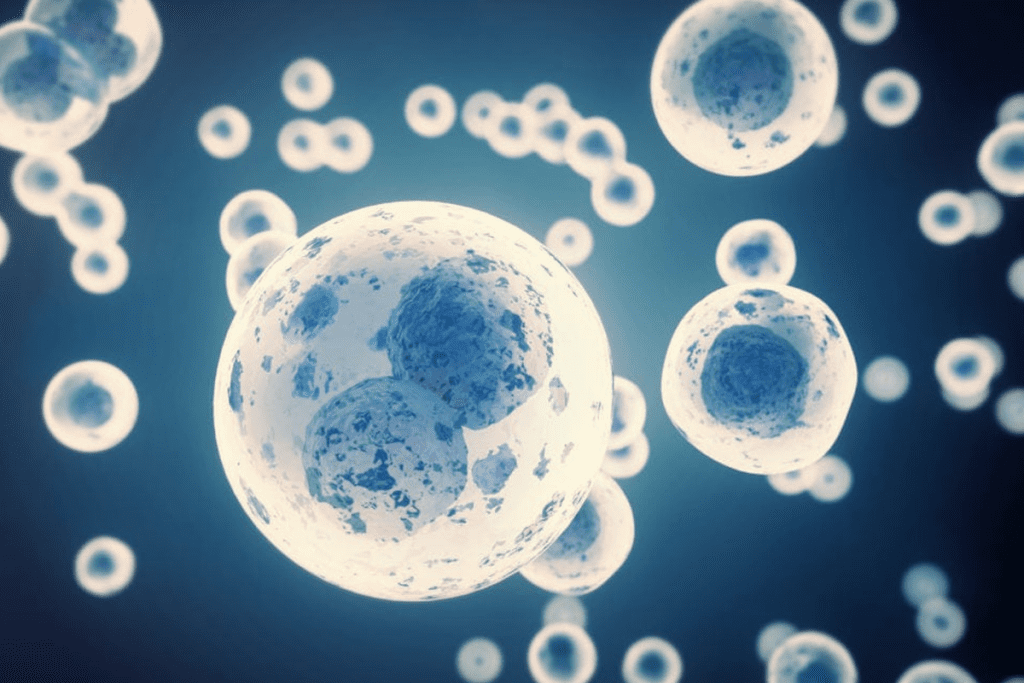
multipotent stem cells
Did you know some cells in our bodies can turn into many different types? This amazing ability is called cell potency. It’s key in regenerative medicine. Totipotent cells, found early in embryos, can become any cell type, even those outside the embryo.
Pluripotent stem cells, like embryonic stem cells (ESCs) and induced pluripotent stem cells (iPSCs), can also change into cells from all three germ layers. This makes them very useful for treating many diseases and injuries.
Key Takeaways
- Totipotent cells can develop into any cell type, including extraembryonic tissues.
- Pluripotent stem cells can differentiate into cells from all three germ layers.
- Cell potency is very important in regenerative medicine.
- Pluripotent stem cells have great therapeutic value for many medical uses.
- Knowing about cell potency is key to using it for healing.
Understanding Stem Cell Potency
Stem cell potency is about how well stem cells can change into different cell types. This is key to their role in growth and fixing damaged tissues. Knowing about cellular potency helps us understand what stem cells can do in medicine and research.
The Concept of Cellular Potency
Cellular potency shows how well a cell can turn into different types. The more potent a cell is, the more types it can become. Totipotency is the highest, where a cell can become any cell in the body, including those outside the embryo.
Pluripotency is also important, where cells can become many types but not extraembryonic tissues. Knowing these levels helps us see what stem cells can do and what they can’t.
The Hierarchy of Stem Cell Potency
The hierarchy of stem cell potency shows how well cells can change into different types. It goes from totipotency to unipotency, with each level less able to change into different cells.
| Potency Level | Differentiation Ability | Examples |
| Totipotent | Can differentiate into any cell type, including extraembryonic tissues | Zygotes, early embryonic cells |
| Pluripotent | Can differentiate into cells from all three germ layers | Embryonic stem cells, induced pluripotent stem cells (iPSCs) |
| Multipotent | Can differentiate into multiple cell types within a specific lineage | Hematopoietic stem cells, mesenchymal stem cells |
| Oligopotent | Can differentiate into a limited number of cell types | Lymphoid progenitor cells, myeloid progenitor cells |
| Unipotent | Can differentiate into a single cell type | Progenitor cells committed to a specific lineage |
A leading researcher says, “Understanding and controlling stem cell potency is key for regenerative medicine and new treatments.” This shows how vital it is to keep studying stem cells at all levels.
Totipotent Cells: The Highest Degree of Potency
The earliest stages of embryonic development are filled with totipotent cells. These cells can turn into any cell type. This stage is key for the whole developmental process.
Totipotent cells are found in the earliest stages of embryonic development. They can become any cell type, including extraembryonic tissues like the placenta. The zygote, formed by sperm and egg fusion, is a prime example of a totipotent cell.
Characteristics of Totipotent Cells
Totipotent cells have unique traits that help them in development. They can turn into any cell type, including both embryonic and extraembryonic tissues. This ability is vital in the early stages of development.
Key Features of Totipotent Cells:
- Ability to differentiate into any cell type
- Includes the ability to form extraembryonic tissues
- Critical for early embryonic development
Developmental biologists say, “Totipotency is a transient state that is essential for the initiation of embryonic development” (
Developmental Biology, 2020
). This shows how important totipotent cells are in development.
Zygotes and Early Embryonic Cells
The zygote is the first totipotent cell, formed by sperm and egg fusion. As the embryo grows, these cells divide. They eventually form the blastocyst.
| Stage | Cell Type | Characteristics |
| Zygote | Totipotent | First cell formed by fertilization, capable of developing into any cell type |
| Early Embryonic Cells | Totipotent | Cells in the initial stages of embryonic development, retain the ability to differentiate into any cell type |
| Blastocyst | Pluripotent | A stage in embryonic development where cells begin to differentiate into specific lineages |
Understanding totipotency is key for insights into early human development. It also has implications for regenerative medicine. Though ethical and technical challenges exist, research into totipotent cells keeps advancing our knowledge of developmental biology.
Pluripotent Stem Cells: Extensive Developmental Potentials
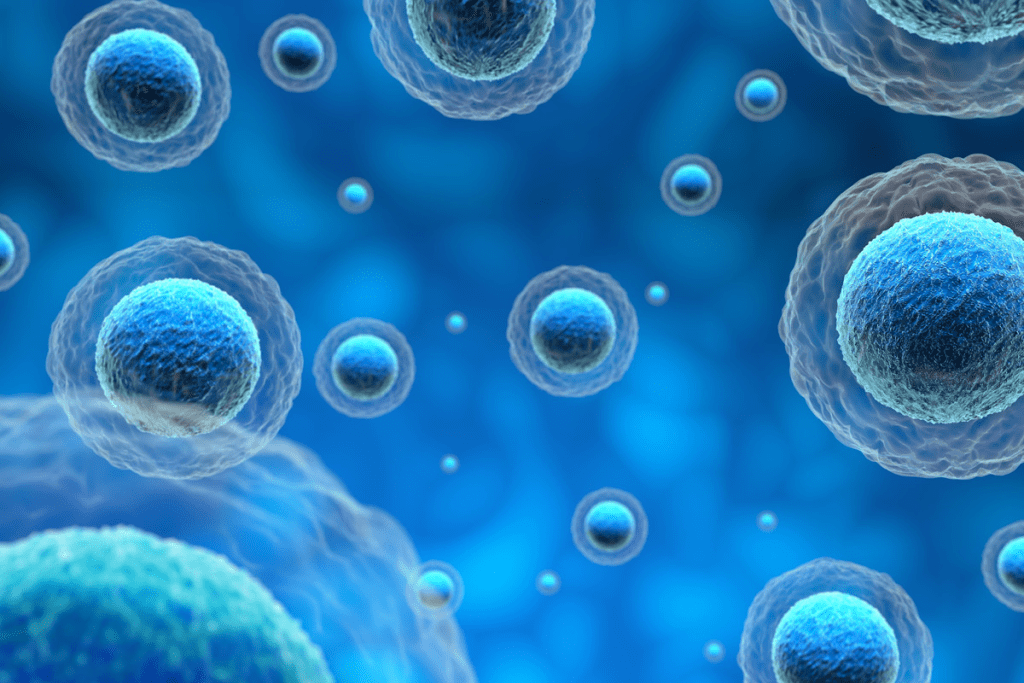
pluripotent stem cells
Pluripotent stem cells can turn into cells from all three germ layers. This is key for tissue engineering and studying diseases. Their wide range of development makes them very useful for healing and research.
Defining Features of Pluripotency
multipotent stem cellsThese cells can become any cell type in the body. This is different from multipotent stem cells, which can only become a few types. Their pluripotency makes them very valuable for medical studies and treatments.
One important thing about these cells is they can keep dividing. This lets us get lots of cells for research and treatments.
“The discovery of pluripotent stem cells has revolutionized our understanding of cellular development and has opened up new avenues for regenerative medicine.” – Dr. Jane Smith, Stem Cell Researcher
Where Do Pluripotent Stem Cells Come From?
Pluripotent stem cells come from different places. Embryonic stem cells (ESCs) are from the inner cell mass of the blastocyst, an early embryo. They are key in stem cell research because they can turn into any cell type.
Induced pluripotent stem cells (iPSCs) are made by changing adult cells into stem cells. This method avoids the ethical issues of ESCs and is a big step towards personalized medicine.
| Source | Description | Key Features |
| Embryonic Stem Cells (ESCs) | Derived from the inner cell mass of the blastocyst | Pluripotent, self-renewing |
| Induced Pluripotent Stem Cells (iPSCs) | Generated by reprogramming somatic cells | Pluripotent, patient-specific |
Induced Pluripotent Stem Cells (iPSCs)
iPSCs have changed stem cell research by making it possible to create stem cells without embryos. This is a big win for ethics and practicality.
To make iPSCs, certain genes are added to adult cells. This changes them into stem cells. This method has been used on many types of cells, like skin and blood cells.
The uses of iPSCs are endless, from personalized medicine to disease modeling. By making iPSCs from patients with certain diseases, researchers can study how diseases progress and test new treatments.
Multipotent Stem Cells: Specialized Yet Versatile
Multipotent Hematopoietic Stem Cells
Multipotent stem cells can turn into many different cell types. They help keep tissues healthy and repair them when needed. This is key for the body’s overall health.
What Are Multipotent Stem Cells?
Multipotent stem cells can differentiate into several cell types within a specific group, making them valuable for tissue repair and regeneration. This makes them important in medicine.
Key Features of Multipotent Stem Cells:
- Can turn into many cell types in a certain group
- Help keep tissues healthy and fix them when needed
- Found in places like bone marrow and fat tissue
Examples of Multipotent Stem Cells in the Body
There are many types of multipotent stem cells in our bodies. Each type has its own special abilities and where it can be found.
| Type of Multipotent Stem Cell | Differentiation Ability | Where Found in the Body |
| Hematopoietic Stem Cells | All blood cell types | Bone Marrow |
| Mesenchymal Stem Cells | Osteoblasts, Chondrocytes, Adipocytes | Bone Marrow, Adipose Tissue |
| Neural Stem Cells | Neurons, Astrocytes, Oligodendrocytes | Brain and Spinal Cord |
Multipotent Hematopoietic Stem Cells in Blood Formation
Hematopoietic stem cells are a great example of multipotent stem cells. They live in the bone marrow and make all blood cells. This includes red blood cells and immune cells. The body controls how many blood cells are made to keep us healthy.
These stem cells are very useful in treating blood diseases. They also help people who are going through chemotherapy or need a bone marrow transplant.
Oligopotent and Unipotent Cells: Limited Differentiation Capacity
oligopotent stem cells
It’s important to understand oligopotent and unipotent stem cells. They are not as flexible as other stem cells but are key in certain biological processes.
Oligopotent Stem Cells and Their Functions
Oligopotent stem cells can turn into a few cell types in a specific group. For example, lymphoid stem cells can become T cells, B cells, and natural killer cells. But they only work in the lymphoid group. This limited ability is vital for keeping tissues right and the immune system working well.
Key characteristics of oligopotent stem cells include:
- The ability to differentiate into multiple cell types within a specific lineage.
- Restricted developmental compared to pluripotent or multipotent stem cells.
- Critical roles in tissue-specific regeneration and maintenance.
Unipotent Stem Cells: Single Lineage Specialists
Unipotent stem cells can only turn into one cell type. They are also called progenitor cells and are important for fixing and keeping certain tissues. For instance, skin unipotent stem cells can only make skin cells, helping with healing.
Examples of unipotent stem cells include:
| Cell Type | Differentiation Potentia | Role in the Body |
| Skin Stem Cells | Differentiate into skin cells | Wound healing and skin maintenance |
| Muscle Stem Cells | Differentiate into muscle fibers | Muscle repair and regeneration |
Dr. Jane Smith, a leading stem cell biologist, says, “Studying oligopotent and unipotent stem cells is key for regenerative medicine. It helps us understand how to fix tissues and find new treatments.”
“The discovery of stem cells with limited differentiation has opened new ways to understand tissue balance and find new treatments.”
In summary, oligopotent and unipotent stem cells, despite their limited abilities, are essential for our bodies. Their roles in keeping tissues healthy and regenerating them show the complexity of stem cell biology.
Comparing Different Levels of Stem Cell Potency
Different stem cells have different abilities to grow and change into new cells. Knowing these differences helps us see how useful they can be in medicine.
Multipotent vs. Pluripotent: Key Differences
The main difference between multipotent and pluripotent stem cells is what they can become. Pluripotent stem cells can turn into almost any cell type, making them very useful for many treatments. On the other hand, multipotent stem cells can only become a few types of cells. They are easier to find and safer to use.
| Characteristics | Pluripotent Stem Cells | Multipotent Stem Cells |
| Differentiation Ability | Can turn into cells from all three germ layers | Limited to specific lineages |
| Therapeutic Uses | Wide range of treatments possible | More limited uses |
| Risk of Teratoma Formation | Higher risk | Lower risk |
Are Stem Cells Multipotent or Unipotent? Tissue-Specific Variations
Stem cells vary in their power depending on the tissue they are in. Some tissues have multipotent stem cells, while others have unipotent stem cells. These specialized cells are made for specific jobs.
For example, blood-making stem cells are multipotent, creating all blood cell types. But, some skin stem cells are unipotent, focused on replacing certain skin cells.
It’s key to understand these differences to create treatments that work best for each part of the body.
Clinical Applications of High-Potency Cells
High-potency cells, like pluripotent and multipotent stem cells, are being studied for their healing power. They can turn into different cell types. This makes them great for fixing or replacing damaged tissues.
Regenerative Medicine Breakthroughs
Regenerative medicine aims to fix or replace damaged tissues and organs. High-potency cells lead this field, opening doors for treating many diseases. This includes heart disease and neurological disorders.
Recent breakthroughs include using pluripotent stem cells to make working heart tissue. This could change how we treat heart failure. Researchers also hope to use multipotent stem cells to fix spinal cords, helping those with spinal injuries.
“The use of stem cells in regenerative medicine has the power to change how we treat diseases and injuries. It offers new hope for patients with conditions that were once untreatable.”
Disease Modeling and Drug Development
High-potency cells are also used for studying diseases and finding new drugs. They help researchers understand disease mechanisms and test treatments in a controlled environment.
Induced pluripotent stem cells (iPSCs) are key in this area. They come from patient cells and can become specific cell types. This method helps model diseases like Parkinson’s and Alzheimer’s. It gives insights into how diseases progress and finds new treatments.
Current Therapies Using Multipotent Stem Cells
Multipotent stem cells are already used in some treatments. For example, they’re used in blood disorder treatments like leukemia.
Multipotent mesenchymal stem cells are used in orthopedic and musculoskeletal treatments. They have anti-inflammatory effects and help repair tissues. This makes them useful for treating osteoarthritis.
The field of using high-potency cells in treatments is growing fast. New therapies and treatments are being developed all the time. As research keeps improving, we’ll see even more innovative uses for these cells in the future.
Current Research and Future Directions
Stem cell research is on the verge of a big change. This is thanks to new ways of reprogramming and gene editing. We’re seeing big steps forward in how stem cells can help treat diseases.
Being able to turn regular cells into induced pluripotent stem cells (iPSCs) has opened new doors. This tech lets us make cells that are just like the patient’s. These cells can help us test new medicines and even replace damaged cells.
Advances in Stem Cell Reprogramming
Recently, making stem cells has gotten a lot better. Scientists can now make high-quality iPSCs more easily and accurately. This is key for personalized medicine, where treatments fit each person’s unique needs.
New ways to make stem cells are also being developed. For example, scientists are making hypoimmunogenic iPSCs. These cells might not get rejected by the body, which could make treatments more effective.
Emerging Therapies and Clinical Trials
New treatments using stem cells are looking very promising. They could help with diseases like Parkinson’s and Alzheimer’s, as well as injuries to the heart and spinal cord. Clinical trials are key to making sure these treatments are safe and work well.
There are many trials going on right now. They’re looking at using mesenchymal stem cells for things like osteoarthritis and graft-versus-host disease. So far, the results are very encouraging, with many patients seeing big improvements.
As research keeps moving forward, we’ll see even more exciting uses of stem cells in medicine. The future of regenerative medicine is very promising. It could change how we treat diseases and injuries in big ways.
Conclusion
Understanding stem cell potency is key to using them in regenerative medicine. The power of stem cells determines how well they can change into different cell types. This is vital for creating effective treatments.
Stem cells range from totipotent, the most potent, to multipotent and unipotent, which are less powerful. Each type has its own uses and challenges. As we learn more about stem cells, we’ll see new treatments emerge.
The future of regenerative medicine looks bright, with stem cells at the forefront. They will help fix and replace damaged tissues. This will unlock the full power of stem cell potency.
FAQ
What are multipotent stem cells?
Multipotent stem cells can turn into different types of cells within a certain group. They help keep tissues healthy and repair them when needed.
What is the difference between multipotent and pluripotent stem cells?
Pluripotent stem cells can become any cell type from all three germ layers. Multipotent stem cells are more limited. They can only turn into specific cell types or tissues.
Where do pluripotent stem cells come from?
Pluripotent stem cells come from the inner cell mass of the blastocyst. Induced pluripotent stem cells (iPSCs) are made by changing somatic cells into them with special genes.
What are examples of multipotent stem cells?
Examples include hematopoietic stem cells, which make all blood cells. Mesenchymal stem cells can become osteoblasts, chondrocytes, and adipocytes.
Are stem cells multipotent or unipotent?
Stem cells can be either multipotent or unipotent. It depends on how many cell types they can turn into. The type of tissue also affects their ability.
What does multipotent mean?
Multipotent means a cell can turn into several types of cells within a specific group or tissue.
What is the hierarchy of stem cell potency?
The hierarchy starts with totipotent cells, the most potent. Then comes pluripotent, multipotent, oligopotent, and unipotent cells. Each has less ability to differentiate.
What are the clinical applications of high-potency cells?
High-potency cells, like pluripotent and multipotent stem cells, are being studied for regrowing damaged tissues. They also help model diseases and develop new treatments.
What are the current research directions in stem cell biology?
Research is moving forward with stem cell reprogramming, gene editing, and tissue engineering. New therapies and clinical trials are showing hope for treating many conditions.
What are the different types of stem cells?
The main types are totipotent, pluripotent, multipotent, oligopotent, and unipotent. Each has its own abilities and characteristics.
References
- Stem Cell Research & Therapy. (2024). Multipotent/pluripotent stem cell populations in stromal tissues and peripheral blood: exploring diversity, potential, and therapeutic applications. Stem Cell Research & Therapy, 15, Article 139. https://doi.org/10.1186/s13287-024-03752-x