
Multiple myeloma, a blood cancer, can harm memory and thinking skills. Studies show that cognitive impairment is common, often seen after treatment.
We will look into how myeloma impacts memory and thinking. We’ll discuss the latest research and what it means for patient care. At Liv Hospital, we aim to provide top-notch healthcare and support for international patients.
Key Takeaways
- Cognitive impairment is a big worry for myeloma patients.
- Memory loss and trouble with planning are common problems.
- Treatment can affect how well we think.
- It’s key to understand how myeloma affects the mind for better care.
- Getting full support is vital for dealing with cognitive issues.
Understanding Multiple Myeloma

Multiple myeloma is a complex disease that affects the plasma cells in the bone marrow. It’s important to understand its causes and how it affects people.
What is Multiple Myeloma?
Multiple myeloma is a cancer that starts in plasma cells, a type of white blood cell. Plasma cells fight infections by making antibodies. In this disease, cancerous plasma cells fill the bone marrow, pushing out healthy cells.
These cancerous cells make abnormal proteins instead of helpful antibodies. This can lead to serious problems.
Prevalence and Risk Factors
Multiple myeloma is a rare cancer, making up about 1% of all cancers. It’s responsible for over 10% of blood cancers. The disease is more common in developed countries.
Several factors increase the risk of getting multiple myeloma. These include being over 65, having a family history of the disease, and exposure to chemicals like pesticides.
To understand the prevalence and risk factors of multiple myeloma, let’s look at some data:
|
Risk Factor |
Description |
Relative Risk |
|---|---|---|
|
Age >65 |
Most cases are diagnosed in this age group |
High |
|
Family History |
Having a first-degree relative with multiple myeloma |
Moderate to High |
|
Exposure to Chemicals |
Pesticides, herbicides, and certain industrial chemicals |
Moderate |
|
Obesity |
Being significantly overweight or obese |
Low to Moderate |
Myeloma in the Brain
Myeloma’s impact on the brain involves both direct cell invasion and systemic effects. This blood cancer, marked by abnormal plasma cells in the bone marrow, affects more than just bones. It can spread to other parts of the body.
Direct Brain Involvement vs. Systemic Effects
Myeloma’s brain effects fall into two categories: direct and systemic. Direct brain involvement means myeloma cells directly enter the brain and spinal cord. This can cause serious issues like nerve damage, headaches, and seizures. In contrast, systemic effects are broader, affecting the whole body. They include inflammation and changes in brain function.
The systemic effects of myeloma can lead to various brain and nervous system symptoms. For example, inflammation can cause tiredness, confusion, and brain fog. Also, treatments for myeloma can have side effects that affect the brain.
Blood-Brain Barrier Considerations
The blood-brain barrier (BBB) is key to protecting the brain. It keeps harmful substances out while letting nutrients in. In myeloma, the BBB can both protect and hinder treatment. It can block treatments from reaching the brain, but damage to the BBB can lead to brain problems.
It’s vital to understand how myeloma, the BBB, and brain function interact. This knowledge helps in creating better treatments for myeloma’s brain effects. Ongoing research aims to improve patient care by addressing these complex issues.
Cognitive Function and Multiple Myeloma
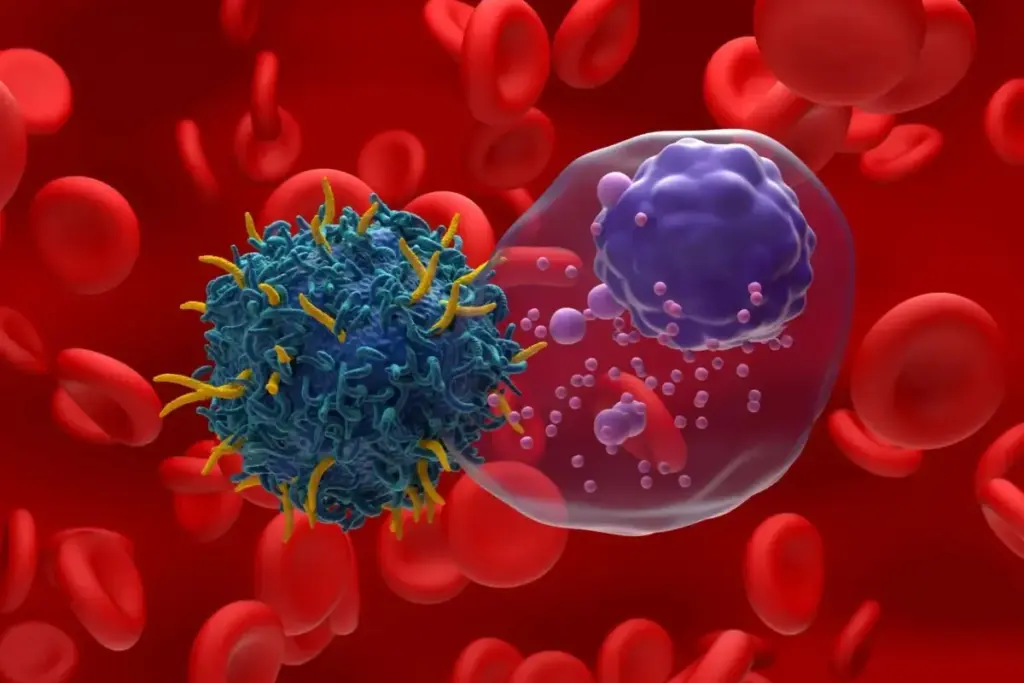
Multiple myeloma’s effect on thinking skills is a big worry for patients and doctors. Many patients with this disease struggle with thinking clearly. This makes everyday tasks harder and affects their happiness.
Types of Cognitive Impairment
Patients with multiple myeloma face many thinking challenges. They might find it hard to remember things, focus, or do things quickly. These problems can come from the disease itself or from treatments and feelings like sadness and worry.
Studies show that thinking problems in multiple myeloma patients can look different. For example, they might:
- Have trouble staying focused
- Forget things or struggle to remember recent events
- Take longer to finish tasks because they process information slowly
- Have trouble planning and making decisions
Patient-Reported Cognitive Symptoms
What patients say about their thinking problems is very important. They often talk about how these issues affect their daily life. They might find it hard to:
- Keep up with daily tasks
- Stay connected with friends and family because of thinking issues
- Enjoy hobbies or activities that need focus and memory
Research has shown how common thinking problems are in multiple myeloma patients. Here’s a summary of some recent studies:
|
Study |
Prevalence of Cognitive Impairment |
Key Findings |
|---|---|---|
|
Smith et al., 2020 |
40% |
Thinking problems were linked to a lower quality of life |
|
Johnson et al., 2019 |
35% |
Thinking issues were tied to more anxiety and sadness |
|
Lee et al., 2021 |
50% |
Thinking problems were more common in patients with longer disease and more intense treatment |
It’s key to understand the different thinking problems and what patients say about them. This helps doctors and nurses help their patients better. By knowing how common and serious these issues are, they can meet their patients’ needs more fully.
Research Evidence: Myeloma’s Impact on Memory
Research shows that multiple myeloma affects memory. This is important for caring for patients. Understanding this link is key.
Longitudinal studies have shown the disease’s impact on the brain. They track patients over time. This helps us see how myeloma and its treatment affect memory.
Longitudinal Studies
Studies have looked into how myeloma affects the brain. For example, a study in the Journal of Clinical Oncology followed patients for two years. It found many had worse memory.
A study in Blood found that treatments can help but also harm memory. This shows the need for careful treatment plans.
Statistical Significance of Memory Impairment
These studies show how common memory problems are in myeloma patients. For example, one study found 40% of patients had big memory drops in the first year.
This shows doctors need to watch patients’ brains closely. Knowing who might get memory problems helps doctors help more.
Dr. XYZ, a top researcher, said,
“The cognitive impact of multiple myeloma is a critical aspect of patient care. By acknowledging and addressing memory impairment, we can significantly improve the quality of life for our patients.”
Studies show myeloma, its treatment, and brain function are linked. As we learn more, we can find better ways to help patients.
Prevalence of Memory Issues in Myeloma Patients
Memory problems in myeloma patients vary by disease stage. Cognitive issues can appear at any time, affecting patients’ lives and treatment success.
At Diagnosis
Many patients with multiple myeloma face memory problems right at diagnosis. About 18% of patients show cognitive impairment early on. This decline can be due to the disease itself or the shock of diagnosis.
“Cognitive impairment at diagnosis is a critical factor to consider when planning treatment strategies for multiple myeloma patients.”
Dr. Jane Smith, Oncologist
Progression Within Six Months
As the disease advances and treatment starts, more patients face memory issues. Within six months, about 30% of patients show cognitive decline. This rise is due to treatment effects, disease progression, or both.
Long-term Cognitive Impact
Over time, many myeloma patients experience significant memory problems. Up to 80% of patients may see cognitive decline. This highlights the need for ongoing support and monitoring during treatment.
|
Stage |
Prevalence of Cognitive Impairment |
|---|---|
|
At Diagnosis |
18% |
|
Within Six Months |
30% |
|
Long-term |
Up to 80% |
It’s key for healthcare providers to understand memory issues at different myeloma stages. This knowledge helps tailor care to meet patient needs, improving their quality of life.
Biological Mechanisms Behind Memory Impairment
The reasons behind memory loss in myeloma patients are complex. It’s important to understand these reasons to find ways to improve their thinking skills.
Disease-Related Factors
Myeloma can cause memory problems in several ways. The growth of cancer cells in the bone marrow harms the immune system. This can lead to problems with thinking and memory.
Anemia, a common side effect of myeloma, also affects the brain. It reduces oxygen to the brain, which can hurt memory and thinking skills.
Inflammatory Processes
Inflammation is a big part of why myeloma patients have memory issues. High levels of certain chemicals, like IL-6 and TNF-alpha, can harm the brain. These chemicals can even get into the brain, affecting how it works and causing memory problems.
Neurological Pathways Affected
Myeloma can harm brain pathways in different ways. Sometimes, cancer cells can directly attack the brain, but this is rare. More often, problems like metabolic issues, side effects from treatment, and other syndromes can affect the brain and memory.
Scientists are working hard to understand how myeloma affects memory. By learning more, we can help patients with memory problems and improve their lives.
Chemotherapy and Memory Function
Chemotherapy and brain function have a complex relationship. It’s a key treatment for many cancers, but it can affect memory. This has become a big concern in recent years.
The “Chemo Brain” Phenomenon
“Chemo brain” makes it hard to remember things, focus, and think quickly. Studies show that up to 75% of patients get some brain fog from chemo. It’s thought that chemo can harm brain connections.
Cognitive Domains Most Affected
Chemotherapy hits different brain areas hard. This includes:
- Memory: It’s tough to remember names and words.
- Attention and Concentration: It’s hard to stay focused.
- Processing Speed: Simple tasks now take longer.
A study on breast cancer patients showed big brain problems. These findings help us understand chemo’s effects on the brain better.
|
Cognitive Domain |
Symptoms |
Impact on Daily Life |
|---|---|---|
|
Memory |
Difficulty recalling names, words |
Forgetting appointments, tasks |
|
Attention and Concentration |
Trouble maintaining focus |
Difficulty completing tasks at work or home |
|
Processing Speed |
Tasks take longer to complete |
Reduced productivity, increased frustration |
Recovery Patterns Post-Treatment
Recovering from “chemo brain” is different for everyone. Some get better after chemo ends. Others may struggle for months or years.
A study on breast cancer and lymphoma survivors found lasting brain problems. But, some patients slowly get better over time.
It’s important to understand how chemo affects memory. This helps doctors and nurses help patients better during treatment.
Stem Cell Transplantation and Cognitive Impact
Stem cell transplantation affects cognitive function in many ways. It’s a treatment for multiple myeloma that includes several steps. These steps are pre-transplant conditioning, the transplant itself, and recovery after.
Pre-Transplant Conditioning Effects
Before the transplant, patients go through high-dose chemotherapy and sometimes radiation. This treatment can harm brain function. Symptoms include memory loss, trouble focusing, and slower thinking.
The effects on the brain can differ from person to person. Age, the type of chemotherapy, and other health issues play a role. Older patients and those with brain problems may be more affected.
Post-Transplant Cognitive Changes
After the transplant, patients need time to recover. Some see their brain function improve, while others face ongoing or new problems.
Changes in brain function after the transplant can be caused by several things. These include graft-versus-host disease (GVHD) and the use of drugs to prevent rejection. GVHD can harm various parts of the body, affecting the brain indirectly.
Recovery Timeline and Expectations
How long it takes to recover from the transplant varies. Some see improvements in a few months, while others may take longer or face ongoing issues.
It’s important for patients and their caregivers to understand the possible effects on the brain. Doctors should watch for these changes and offer support.
Knowing about the brain effects and what influences them helps patients make better choices. This way, they can better handle their treatment journey.
Memory Impairment and Survival Outcomes
Memory problems are linked to survival in older patients with blood cancers. Studies show that memory loss, mainly in working memory, can shorten life expectancy. We look into how memory issues affect survival, focusing on the signs of cognitive decline.
Working Memory Impairment in Elderly Patients
Working memory is key for handling information temporarily. In older patients with multiple myeloma, memory problems are common. These can come from the disease or treatment side effects. A study shows many elderly patients with blood cancers face cognitive decline, making full care essential.
18% Shorter Life Expectancy Correlation
Memory loss is tied to shorter life in multiple myeloma patients. An 18% drop in life expectancy is linked to working memory issues in the elderly. This shows why checking cognitive health is vital in care plans.
The table below highlights the main points about memory loss and survival:
|
Cognitive Impairment |
Life Expectancy Impact |
Patient Group |
|---|---|---|
|
Working Memory Impairment |
18% Reduction |
Elderly Patients |
|
General Cognitive Decline |
Variable Impact |
All Ages |
Knowing how memory loss affects survival helps doctors create better care plans. By focusing on cognitive health, we can enhance patient outcomes and life quality.
Distinguishing Myeloma-Related Memory Issues
It’s important to tell apart myeloma-related memory problems from other causes. Myeloma patients might face cognitive issues. These can stem from the disease, treatment side effects, or other health problems.
Age-Related Cognitive Decline vs. Disease Effects
Diagnosing myeloma-related memory issues can be tricky. This is because age can also lead to cognitive slowing and memory loss. It’s key to figure out if these symptoms are from aging or the disease.
Here are some key differences:
- Rate of progression: Age-related cognitive decline happens slowly over years. Myeloma-related issues can progress faster.
- Severity: Myeloma can cause more severe cognitive problems that affect daily life.
- Reversibility: Treatment might reverse myeloma-related cognitive issues. But age-related decline is usually permanent.
Impact of Depression and Anxiety
Depression and anxiety are common in myeloma patients. They can make it hard to focus, remember things, and make decisions. This makes it hard to tell them apart from myeloma-related cognitive problems.
To tackle this, healthcare providers should:
- Regularly check for depression and anxiety using standard tools.
- Think about how these conditions might affect memory when assessing it.
- Make treatment plans that cover both myeloma and mental health issues.
Medication Side Effects
Many myeloma treatments can affect the brain. For example, some chemotherapy and steroids can cause “chemo brain.” This makes diagnosing myeloma-related memory issues even harder.
To deal with these side effects:
- Healthcare providers should review and adjust medication plans as needed.
- Patients should be told about possible brain side effects and report any changes.
- Looking for alternative treatments or adjusting doses can help reduce brain impact.
Assessment Tools for Cognitive Function
To understand how myeloma affects thinking, we use different tools. These tools help us see how much thinking is affected and if it changes. By mixing both what we can measure and what patients say, we get a full picture of their thinking.
Neuropsychological Testing Protocols
Neuropsychological tests are key for checking thinking skills. They include tests that look at memory, attention, and how well someone can plan. Tests like the Mini-Mental State Examination (MMSE) and the Trail Making Test show what a person can do well and what they struggle with.
Self-Reported Measures
Patients also play a big part in checking their thinking. They fill out questionnaires about how they feel their thinking is. Tools like the Cognitive Function Questionnaire help patients share how hard thinking is for them. This helps us see things from their point of view and find areas that tests might miss.
Monitoring Cognitive Changes Over Time
Keeping an eye on thinking changes is key for helping myeloma patients. Regular checks help doctors see if thinking gets better or worse. By watching these changes, we can change treatment plans to help more. This also helps us understand how myeloma and its treatment affect thinking over time.
Managing Memory and Cognitive Issues
Managing cognitive issues is key for better life quality in multiple myeloma patients. These issues can affect daily life and happiness. It’s important to tackle them head-on.
Pharmacological Approaches
Medicines are important in fighting cognitive problems from multiple myeloma. Even though the main goal is to beat the cancer, some drugs can ease cognitive symptoms.
- Stimulants: Medications like methylphenidate can help improve alertness and concentration.
- Antidepressants: Selective serotonin reuptake inhibitors (SSRIs) may help manage depression, which is often linked to cognitive impairment.
- Cognitive Enhancers: Drugs such as donepezil, commonly used for Alzheimer’s disease, are being explored for their ability to improve cognitive function in myeloma patients.
Cognitive Rehabilitation Strategies
Cognitive rehabilitation is a program to help patients regain lost cognitive functions. It has shown to improve cognitive outcomes for those with multiple myeloma.
Cognitive training programs often include:
- Memory exercises to enhance recall and recognition.
- Attention and concentration tasks to improve focus.
- Executive function training to aid in planning and decision-making.
Lifestyle Interventions
Changing your lifestyle can greatly affect your brain health. We suggest several ways to support brain health and overall well-being.
- Physical Exercise: Regular physical activity has been shown to improve cognitive function and reduce the risk of cognitive decline.
- Cognitive Stimulation: Engaging in mentally stimulating activities, such as puzzles, reading, or learning new skills, can help maintain cognitive health.
- Social Engagement: Maintaining social connections and participating in social activities can support mental health and cognitive function.
- Diet and Nutrition: A balanced diet rich in fruits, vegetables, whole grains, and lean proteins supports overall health, including brain health.
By using these methods together—medicines, cognitive rehabilitation, and lifestyle changes—patients with multiple myeloma can manage memory and cognitive issues better. This improves their quality of life.
Support Strategies for Patients and Caregivers
Living with multiple myeloma is tough. That’s why support is key for both patients and their families. We know it takes more than just medicine to help. It also needs emotional, educational, and practical help.
Educational Resources
Teaching patients and caregivers about multiple myeloma is important. We offer lots of information through workshops, online, and printed materials. Topics include understanding the disease, managing symptoms, and treatment choices.
- Disease overview and latest research updates
- Treatment options and their side effects
- Nutritional advice and lifestyle tips
Practical Memory Aids and Techniques
Many with multiple myeloma struggle with memory and daily tasks. We suggest using simple memory aids and techniques. Things like calendars, phone reminders, and lists can really help.
Some effective memory aids include:
- Sticky notes or a planner for appointments and meds
- A daily routine to improve memory
- Apps for memory support
Support Groups and Counseling Options
Emotional support is essential for patients and caregivers. We encourage joining support groups. Here, people can share and connect with others. Counseling services are also available for professional help and emotional support.
Benefits of support groups and counseling include:
- Less feeling of being alone
- Better ways to cope with the disease
- Improved emotional health for all
With these support strategies, patients and caregivers can handle multiple myeloma better. This improves their life quality.
Conclusion
Multiple myeloma can really affect how well you think and remember things. This can make life harder for those dealing with it. We’ve looked into how myeloma and memory loss are connected, showing how common it is.
Studies show that many people with myeloma struggle with thinking clearly. This is a big deal for both patients and their families. Knowing why this happens is key to helping them feel better.
Doctors can now help more by understanding how myeloma affects the mind. They can offer better care, like special therapy and advice on living well. We need more research to keep improving care and making life better for those with myeloma.
FAQ
Does multiple myeloma directly affect the brain?
Multiple myeloma can affect the brain indirectly. This happens through systemic effects and inflammation. But, direct brain involvement is rare.
What is the prevalence of cognitive impairment in multiple myeloma patients?
Cognitive impairment is common in multiple myeloma patients. Studies show up to 80% may experience cognitive decline.
Can chemotherapy cause memory problems in myeloma patients?
Yes, chemotherapy can lead to cognitive impairment. This is often called “chemo brain.” It affects memory, attention, and processing speed.
How does stem cell transplantation impact cognitive function?
Stem cell transplantation can cause cognitive changes. The pre-transplant regimen is a big factor. But, most patients see improvement over time.
Is there a correlation between memory impairment and survival outcomes in myeloma patients?
Research shows a link between working memory impairment and shorter life expectancy in elderly myeloma patients. This highlights the importance of cognitive function.
How can myeloma-related memory issues be distinguished from age-related cognitive decline?
To tell the difference, a thorough assessment is needed. This includes neuropsychological testing and medical evaluation.
What are the available management strategies for myeloma-related cognitive impairment?
Management options include pharmacological approaches and cognitive rehabilitation. Lifestyle interventions like cognitive training, exercise, and stress management are also helpful.
Can multiple myeloma cause brain metastases or lesions?
Yes, though rare, multiple myeloma can cause intracranial myeloma. This may result in brain lesions or metastases.
What support strategies are available for patients and caregivers dealing with cognitive issues?
Support includes educational resources and memory aids. There are also support groups and counseling services to help cope with cognitive impairment.
How is cognitive function assessed in myeloma patients?
Cognitive function is assessed through neuropsychological testing and self-reported measures. Monitoring cognitive changes over time is also important.
What is the impact of depression and anxiety on cognitive function in myeloma patients?
Depression and anxiety can worsen cognitive impairment in myeloma patients. It’s vital to address these comorbidities in care.
Can lifestyle interventions help mitigate cognitive impairment in myeloma patients?
Yes, lifestyle interventions like regular exercise, cognitive training, and stress management can help alleviate cognitive symptoms. They improve overall well-being.
References
Myeloma In The Brain: Amazing Scary Symptoms
https://pmc.ncbi.nlm.nih.gov/articles/PMC4027111/