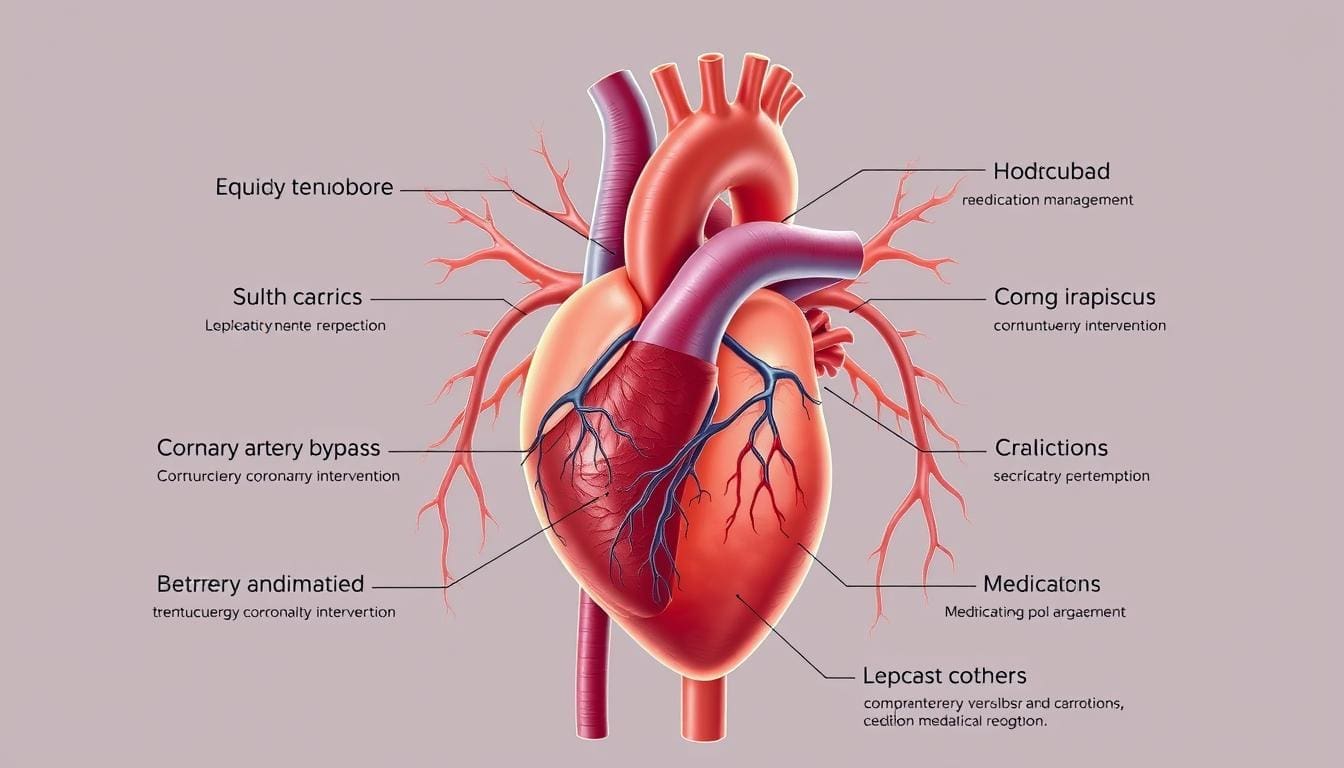
Cardiovascular diseases are a major cause of death worldwide. At Liv Hospital, we focus on myocardial ischemia treatment. This helps restore blood flow to the heart, preventing damage and reducing symptoms.
We will look at ways to treat ischemic heart disease. This includes medicines, lifestyle changes, and other interventions. Our aim is to help patients manage their condition well.
Knowing the treatment options is the first step. It helps patients relieve and prevent ischemia.
Key Takeaways
- Restoring blood flow to the heart is key in managing myocardial ischemia.
- Lifestyle changes are important in preventing further damage.
- Medicines and interventions help relieve and prevent ischemia.
- Good treatment empowers patients to manage their condition.
- Comprehensive approaches are needed for the best care.
Understanding Myocardial Ischemia: Causes and Symptoms
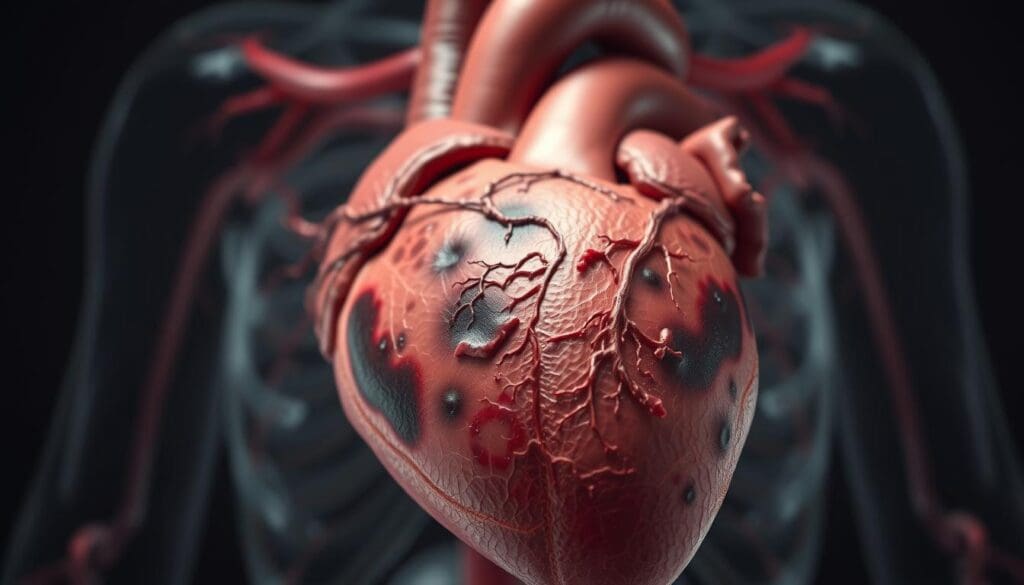
Myocardial ischemia happens when the heart doesn’t get enough oxygen-rich blood. This can lead to serious problems. Knowing the causes and symptoms is key for treating ischemia.
What Happens During Myocardial Ischemia
Myocardial ischemia occurs when the heart’s blood supply is cut off. This happens when the coronary arteries get narrowed or blocked. This blockage reduces blood flow, causing pain or discomfort in the chest, known as angina. If not treated quickly, it can lead to more serious issues.
Common Causes of Reduced Blood Flow to the Heart
Several things can cause less blood to reach the heart. These include coronary artery disease, blood clots, and coronary artery spasms.
- Coronary Artery Disease: The most common cause, where plaque buildup narrows the coronary arteries.
- Blood Clots: Clots can block the coronary arteries, severely reducing blood flow.
- Coronary Artery Spasms: Sudden constriction of the coronary arteries can temporarily reduce blood flow.
Recognizing the Warning Signs
It’s important to know the symptoms of myocardial ischemia to get medical help fast. Common signs include chest pain or discomfort, shortness of breath, and feeling very tired.
| Symptom | Description |
|---|---|
| Chest Pain or Discomfort | Often described as pressure, squeezing, or heaviness in the chest. |
| Shortness of Breath | Feeling winded or unable to catch breath, even at rest. |
| Fatigue | Unusual tiredness or feeling weak, which can be a sign of reduced heart function. |
Diagnosing Ischemia: Essential Tests and Evaluations

Getting a correct diagnosis is key for treating myocardial ischemia. We use many tests to check the heart’s function and blood flow.
Non-Invasive Diagnostic Tests
We start with non-invasive tests to find out if you have myocardial ischemia. These include electrocardiograms (ECG) to see the heart’s electrical activity. Stress tests check how the heart works when you’re active. Echocardiograms let us see the heart’s structure and how it moves.
These tests help us understand your heart without surgery.
Invasive Diagnostic Procedures
For a closer look, we might use invasive tests. The most common is coronary angiography. It involves putting a dye into the coronary arteries to spot blockages.
This test gives us clear pictures of the arteries. It helps us see where and how bad the ischemia is.
Risk Assessment for Treatment Planning
After we know what’s wrong, we look at your risk level. This helps us plan the right treatment for ischemia. We consider how bad the ischemia is, your heart health, and other health issues.
Knowing these details, we create a personalized treatment plan. It’s tailored to your needs to lower the risk of problems.
Comprehensive Myocardial Ischemia Treatment Approaches
Treating myocardial ischemia requires a detailed plan to lessen symptoms and prevent more damage. We know each patient is different, so we tailor our care to fit their needs.
Treatment Goals and Objectives
The main goals of myocardial ischemia treatment are to ease symptoms, stop the disease from getting worse, and improve life quality. By doing this, we can greatly improve patient results and lower the chance of serious problems.
Our goals include:
- Lowering how often and how bad ischemic episodes are
- Boosting blood flow to the heart
- Stopping more heart damage
- Improving heart health overall
Individualized Treatment Planning
We focus on individualized treatment planning for myocardial ischemia patients. We look at each patient’s unique situation, medical history, and lifestyle when making a treatment plan.
A detailed treatment plan might include:
- Medicines to manage symptoms and risk factors
- Changes in lifestyle to support heart health
- Procedures to get blood flowing again
- Cardiac rehab programs for recovery and prevention
The Importance of Early Intervention
Acting quickly is key in managing myocardial ischemia. Early treatment can stop more heart damage, lessen symptoms, and lead to better results.
The advantages of early action are:
| Benefits | Description |
|---|---|
| Reduced Symptoms | Early treatment can ease angina and other symptoms, making life better. |
| Improved Outcomes | Quick action can prevent more heart damage, lowering the risk of heart attack and other issues. |
| Enhanced Cardiac Health | Early treatment can help blood flow to the heart, boosting heart health. |
Approach 1: Medication Therapy for Symptom Relief
Medication therapy is key in managing myocardial ischemia. It helps ease symptoms and prevents serious problems. We use different medicines to tackle various parts of the condition.
Antiplatelet and Anticoagulant Medications
Antiplatelet drugs like aspirin and P2Y12 inhibitors (e.g., clopidogrel) stop platelets from clumping. This lowers the chance of blood clots. Anticoagulants, such as warfarin and NOACs, block the coagulation process, reducing clot risks.
Key Benefits: They cut down the risk of heart attacks, strokes, and other blood clot-related issues.
Beta Blockers for Heart Rate Control
Beta blockers help control heart rate and lower oxygen demand. They slow the heart and reduce muscle strength. This helps ease ischemia symptoms. Common beta blockers include metoprolol, atenolol, and propranolol.
“Beta blockers have been shown to significantly reduce mortality and morbidity in patients with myocardial ischemia by lowering myocardial oxygen demand.”
Nitrates for Acute and Chronic Management
Nitrates, like nitroglycerin, isosorbide mononitrate, and isosorbide dinitrate, quickly ease angina symptoms. They widen blood vessels, lower blood pressure, and reduce oxygen demand. They’re used for quick relief and to prevent future episodes.
Statins and Lipid-Lowering Agents
Statins are vital for managing cholesterol levels and slowing plaque buildup. They lower bad cholesterol and reduce heart risks. Other drugs, like ezetimibe and PCSK9 inhibitors, may be added to statins for extra protection.
| Medication Class | Primary Use | Examples |
|---|---|---|
| Antiplatelet Agents | Prevent platelet aggregation | Aspirin, Clopidogrel |
| Beta Blockers | Reduce heart rate and myocardial oxygen demand | Metoprolol, Atenolol |
| Nitrates | Relieve angina symptoms | Nitroglycerin, Isosorbide Mononitrate |
| Statins | Lower LDL cholesterol | Atorvastatin, Simvastatin |
Understanding these medicines helps patients see their role in managing myocardial ischemia. Our treatment plans are customized for each patient, aiming for the best results.
Approach 2: Interventional Procedures for Severe Ischemia
For those with severe heart ischemia, interventional procedures are key. These methods aim to get blood flowing to the heart again. This helps reduce symptoms and improves health outcomes.
Percutaneous Coronary Intervention (PCI)
Percutaneous Coronary Intervention, or PCI, is a non-surgical way to treat blocked arteries. PCI uses a catheter to insert a balloon that inflates to open the artery. Then, a stent is placed to keep it open. It’s great for those with acute coronary syndrome or big blockages.
The benefits of PCI include:
- It’s minimally invasive, cutting down on recovery time
- It’s effective in easing symptoms and improving life quality
- It can be done quickly for emergency cases
Coronary Artery Bypass Grafting (CABG)
Coronary Artery Bypass Grafting, or CABG, is a surgery that creates a detour around a blocked artery. This is done by grafting a healthy blood vessel to the coronary artery, bypassing the blockage. CABG is best for those with complex or multi-vessel disease.
The key advantages of CABG include:
- It offers long-term relief from symptoms for many
- It can improve survival rates for certain groups
- It can tackle multiple blockages at once
Choosing Between Invasive and Non-Invasive Strategies
Choosing between PCI or CABG depends on several factors. These include the blockage’s severity and location, the patient’s health, and personal preferences. Doctors carefully consider these to pick the best treatment for each patient.
Key considerations include:
- The extent and complexity of coronary artery disease
- Presence of other medical conditions that may affect treatment
- Patient’s overall health and ability to tolerate invasive procedures
- Previous treatments and their outcomes
By weighing these factors, doctors can create a treatment plan tailored to the patient. This plan aims to meet the patient’s needs and improve their chances of success.
Approach 3: Lifestyle Modifications for Heart Health
For patients with myocardial ischemia, healthy habits are key. We know managing cardiac ischemia needs a mix of treatments. Lifestyle changes help support heart health.
Dietary Adjustments for Cardiac Health
Eating right is vital for heart health. We suggest eating fruits, veggies, whole grains, and lean proteins. Avoid saturated fats, trans fats, and cholesterol.
Try a Mediterranean-style diet for heart benefits. It’s good for your heart.
Watch your sodium intake. Too much sodium can raise blood pressure. Look for low-sodium foods and read labels.
Physical Activity Guidelines for Ischemia Patients
Exercise is key for treating ischemia. Aim for 150 minutes of moderate exercise weekly. Or do 75 minutes of vigorous exercise. Brisk walking, cycling, or swimming are great choices.
Talk to your doctor before starting any new exercise. This is important if you have health issues.
Stress Management Techniques
Stress can worsen myocardial ischemia. We recommend meditation, yoga, or deep breathing to manage stress.
Find joy in hobbies or relaxing activities. Try different stress-reduction methods to see what works for you.
Smoking Cessation and Alcohol Moderation
Quitting smoking is essential for heart health. We provide support to help you stop smoking. This includes counseling and medication.
Drink alcohol in moderation. Women should have no more than one drink a day. Men should limit it to two drinks a day.
These lifestyle changes can greatly improve heart health. A complete approach to treating ischemia includes diet, exercise, stress management, and quitting smoking.
Approach 4: Cardiac Rehabilitation Programs
We suggest cardiac rehabilitation programs for treating myocardial ischemia. These programs help patients recover by combining exercise, education, and counseling.
Structured Exercise Training
Cardiac rehab focuses on structured exercise. Exercise boosts heart health by improving blood flow and reducing ischemia symptoms. Our programs are customized for each patient, ensuring safety and effectiveness.
Exercise training offers many benefits. It improves heart health, boosts stamina, and helps manage ischemia risk factors.
Education and Counseling Components
Education and counseling are key in cardiac rehab. Patients learn about lifestyle changes like diet, stress management, and quitting smoking. Our healthcare team supports patients with their specific needs.
Through education and counseling, patients understand their condition better. They learn how to manage it effectively.
Monitoring Progress and Adjusting Treatment
Monitoring patient progress is vital in cardiac rehab. It lets us adjust treatment plans for better care. Regular checks help spot areas for improvement and allow for timely action.
| Component | Description | Benefits |
|---|---|---|
| Structured Exercise Training | Tailored exercise programs to improve cardiovascular health | Improved heart health, increased stamina |
| Education and Counseling | Guidance on lifestyle changes and managing ischemia | Better understanding of condition, effective management |
| Monitoring Progress | Regular assessments to adjust treatment plans | Timely interventions, improved outcomes |
Adding cardiac rehab to their treatment plan can greatly improve patients’ lives. It leads to better health outcomes.
Approach 5: Specialized Treatments for Different Types of Ischemia
Myocardial ischemia treatment needs a careful approach. Different types of ischemia require special care. Knowing these differences helps create effective treatment plans.
Demand Ischemia Treatment Strategies
Demand ischemia happens when the heart needs more oxygen than it gets. This often happens during physical activity or stress. To treat it, we aim to lower the heart’s workload and boost oxygen supply.
- Beta blockers help by reducing heart rate and contractility, lowering oxygen demand.
- Nitrates improve blood flow and cut down on preload.
- Ranolazine is used for its anti-anginal effects without affecting heart rate or blood pressure much.
Managing Chronic Stable Ischemia
Chronic stable ischemia shows up as predictable angina or ischemic symptoms. It’s managed with lifestyle changes, medications, and sometimes revascularization.
Lifestyle adjustments include eating right, exercising regularly, and quitting smoking. Medications like antiplatelet agents, beta blockers, and statins are key in managing symptoms and slowing disease.
Addressing Silent Ischemia
Silent ischemia is when the heart’s blood flow drops without symptoms. To manage it, we focus on reducing risk factors. This may include antiplatelet therapy and other medications to cut down ischemic episodes.
“The goal of treating silent ischemia is to prevent myocardial infarction and reduce mortality, as silent ischemia is associated with a higher risk of adverse cardiac events.”
Approach 6: Emerging Therapies and Research Directions
New treatments are changing how we fight myocardial ischemia. Research keeps moving forward, bringing new ways to help patients. We’re seeing a big change in how we care for people, making it more personal and effective.
Gene Therapy Approaches
Gene therapy is a new hope for treating myocardial ischemia. It targets the genetic causes of the disease. This could lead to treatments that stop or reverse the disease.
Gene therapy adds genes to cells to treat or prevent disease. For myocardial ischemia, it might help the heart heal or work better even with less blood flow. Clinical trials are testing its safety and how well it works, giving us hope for new treatments.
Stem Cell Treatments for Heart Repair
Stem cell treatments are another exciting area of research. They aim to fix or replace damaged heart tissue. Early studies show promising results, with some patients seeing better heart function.
Researchers are looking at different stem cells for treating myocardial ischemia. These include:
- Mesenchymal stem cells (MSCs)
- Cardiac stem cells (CSCs)
- Induced pluripotent stem cells (iPSCs)
Each type has its own benefits. Research is focused on finding the best stem cells and how to use them.
Novel Pharmacological Agents
New drugs are also being developed for myocardial ischemia. These aim to tackle specific problems, like reducing inflammation or improving heart function.
Some of these new drugs include:
- Anti-inflammatory drugs to reduce cardiac damage
- Metabolic modulators to improve heart function under ischemic conditions
- Vasodilators to enhance blood flow to the heart
These new treatments offer hope for better care for patients with myocardial ischemia, leading to better symptoms and outcomes.
As we keep exploring these new therapies, the future of treating myocardial ischemia looks bright. By leading in research and innovation, we can offer patients the best care possible.
Approach 7: Secondary Prevention Strategies
Effective secondary prevention strategies are key for managing myocardial ischemia. They help prevent future cardiac events. We focus on a complete approach to lower the risk of recurrence and complications.
Long-term Medication Management
Long-term medication management is vital for secondary prevention. We advise sticking to prescribed meds, like antiplatelet agents, beta blockers, and statins. These help control symptoms and slow disease growth.
It’s important for patients to take their meds as directed. We help them understand why their meds are important and any possible side effects.
Ongoing Risk Factor Control
Keeping risk factors under control is key to preventing myocardial ischemia from coming back. We manage risks like high blood pressure, high cholesterol, and diabetes. This is done through lifestyle changes and, if needed, medication.
By managing these risks, we can greatly lower the chance of future ischemic events. This improves overall heart health.
Regular Monitoring and Follow-up
Regular check-ups are essential for secondary prevention. We schedule visits to keep an eye on patients’ health, adjust treatments, and answer any questions. This ongoing care helps patients manage their condition well and keep their heart healthy.
Conclusion: Integrating Treatment Approaches for Optimal Outcomes
Effective treatment for myocardial ischemia needs a mix of strategies. We’ve talked about seven main ways to help and prevent ischemia. These include medicines, procedures, lifestyle changes, and more.
By combining these methods, we can make a plan that fits each patient’s needs. This approach is key to managing cardiac ischemia and improving patient results. Healthcare teams work with patients to create a plan that uses the best strategies for their condition.
The aim of treating myocardial ischemia is to enhance patients’ lives and lower the risk of problems. By using a variety of treatments, we can get the best results. This way, we provide full care for those with cardiac ischemia.
What is myocardial ischemia, and how is it treated?
Myocardial ischemia happens when the heart doesn’t get enough blood. This reduces oxygen to the heart muscle. Doctors use medicines, lifestyle changes, and procedures to fix this. They aim to improve blood flow and manage symptoms.
What are the common causes of reduced blood flow to the heart?
The main reason is coronary artery disease. This is when arteries get blocked by plaque. Other causes include blood clots, spasms, and conditions that make the heart need more oxygen.
What are the symptoms of myocardial ischemia?
Symptoms include chest pain or discomfort. It might feel like pressure or tightness. Pain can spread to the arms, back, neck, jaw, or stomach. Other signs are shortness of breath, feeling tired, dizzy, or nauseous.
How is myocardial ischemia diagnosed?
Doctors use several tests to diagnose it. These include an electrocardiogram (ECG), stress tests, and echocardiograms. They also do coronary angiography and check for biomarkers. These tests help find out how the heart is working and if there are blockages.
What is the role of medication therapy in managing myocardial ischemia?
Medicines are key in managing myocardial ischemia. They help reduce symptoms and improve heart function. Antiplatelet agents, beta blockers, nitrates, and statins are common. They help improve blood flow and lower cholesterol.
What are interventional procedures used for treating severe myocardial ischemia?
For severe cases, doctors use procedures like PCI and CABG. PCI uses a balloon to open blocked arteries. CABG surgically bypasses blocked sections. These help restore blood flow to the heart.
How do lifestyle modifications help in managing myocardial ischemia?
Making lifestyle changes is important. This includes eating right, exercising regularly, managing stress, and quitting smoking. These changes help improve heart health and prevent further problems.
What is cardiac rehabilitation, and how does it support recovery?
Cardiac rehab is a program that includes exercise, education, and counseling. It helps patients recover from myocardial ischemia. It improves heart health and reduces symptoms.
What are the different types of myocardial ischemia, and how are they treated?
There are different types, like demand ischemia and silent ischemia. Treatment depends on the type and severity. It may include medicines, lifestyle changes, or procedures.
What are emerging therapies for treating myocardial ischemia?
New treatments include gene therapy and stem cell treatments. These aim to improve heart function and reduce symptoms. They are part of ongoing research.
How can secondary prevention strategies help prevent the recurrence of myocardial ischemia?
Secondary prevention is key. It includes long-term medication, controlling risk factors, and regular check-ups. These steps help prevent future problems and manage health.
What is demand ischemia treatment?
Demand ischemia treatment focuses on reducing oxygen demand. This is done through medicines, lifestyle changes, and other interventions. It aims to manage heart rate and blood pressure.
How is coronary ischemia treated?
Treatment for coronary ischemia includes medicines, procedures, and lifestyle changes. These aim to restore blood flow, manage symptoms, and prevent further damage.
Reference:
- “Chronic Ischemic Heart Disease: Selection of Treatment Modality” – NCBI Bookshelf.https://www.ncbi.nlm.nih.gov/books/NBK507703/ (ncbi.nlm.nih.gov) (NCBI)
- “ESC Guidelines for the management of chronic coronary syndromes” – European Society of Cardiology.https://www.escardio.org/Guidelines/Clinical-Practice-Guidelines/Chronic-Coronary-Syndromes (escardio.org) (European Society of Cardiology)
- “What has changed in the management of chronic ischaemic heart disease” – European Heart Journal Supplements.https://academic.oup.com/eurheartjsupp/article/27/Supplement_3/iii83/8114513 (academic.oup.com) (OUP Academic)
- “Silent Myocardial Ischemia – StatPearls” – NCBI Bookshelf.https://www.ncbi.nlm.nih.gov/books/NBK536915/ (ncbi.nlm.nih.gov) (NCBI)
“Myocardial Infarction – Treatment & Management” – Medscape.https://emedicine.medscape.com/article/155919-treatment (emedicine.medscape.com) (emedicine.medscape.com)