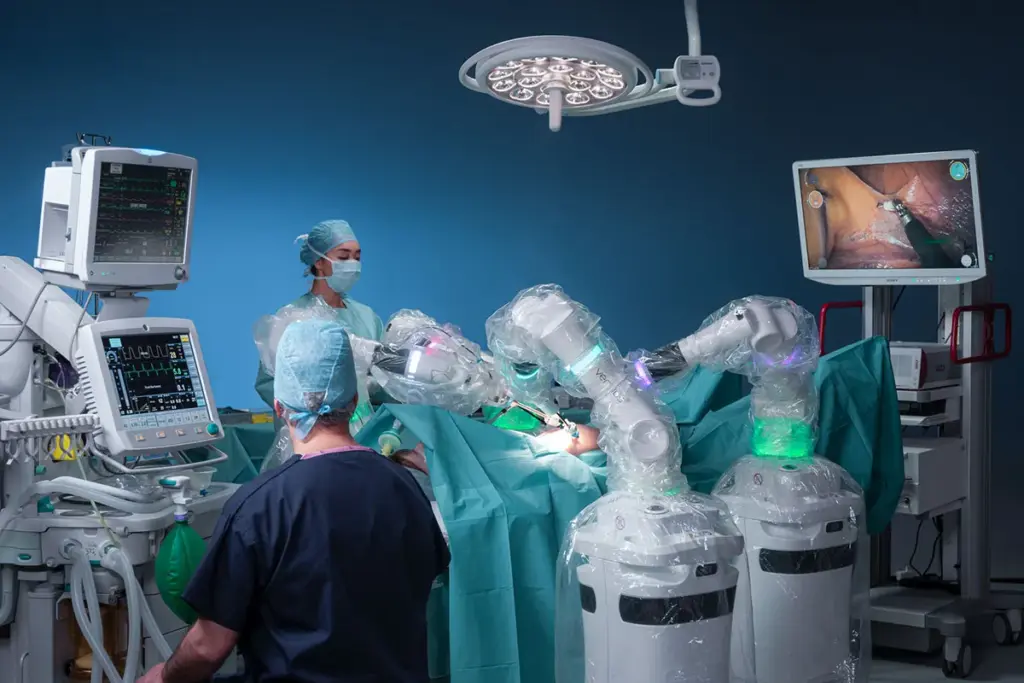
Robotic surgery has changed the game in minimally invasive surgery. It offers a safer and more precise way than traditional open surgery. One of the biggest pluses of robotic myomectomy is the smaller scars. This makes it a great choice for women looking to get rid of uterine fibroids. Myomectomy via robotic surgery is an elite choice. Discover amazing and brilliant ways to achieve miraculous results with minimal scars.
Many people wonder if robotic surgery causes bigger scars. The truth is in the myomectomy procedure. Robotic myomectomy uses small cuts for the robotic arms. This allows for precise fibroid removal with little damage to nearby tissue.
Thanks to advanced robotic tech, surgeons can do complex surgeries with better control and view. This leads to smaller scars and quicker healing for those getting uterine fibroid removal.
Key Takeaways
- Robotic myomectomy offers a minimally invasive approach to treating uterine fibroids.
- Smaller incisions result in reduced scarring compared to traditional open surgery.
- Advanced robotic technology enhances precision and visualization during surgery.
- Faster recovery times are a significant benefit of robotic myomectomy.
- Patients can expect less post-operative pain and fewer complications.
Understanding Uterine Fibroids and Their Impact
Uterine fibroids are non-cancerous growths in or around the uterus. They affect women’s health in many ways. These growths, or leiomyomas, can differ in size, number, and location.
“Uterine fibroids are a big health issue for many women,” says a leading gynecology expert. “They can cause discomfort and disrupt daily life.” Knowing about these growths is key to finding the right treatment.
What are uterine fibroids?
Uterine fibroids are benign tumors in the uterine wall. They can be intramural (inside the uterine wall), submucosal (just under the uterine lining), or subserosal (on the outer surface). The exact cause is not known, but genetics, hormones, and environment are thought to play a part.
Common symptoms and complications
Women with uterine fibroids may have symptoms like:
- Heavy or prolonged menstrual bleeding
- Pelvic pain or pressure
- Frequent urination
- Constipation
- Infertility or recurrent miscarriage
In some cases, fibroids can lead to complications. These include anemia from heavy bleeding, fibroid torsion, or degeneration. This can cause severe pain.
When surgical intervention becomes necessary
Surgery, like myomectomy, may be needed for severe symptoms or discomfort. It’s also considered when fibroids affect fertility. The decision to undergo surgery depends on several factors, including the size, number, and location of the fibroids, as well as the patient’s health and reproductive goals.
Understanding uterine fibroids helps women make informed choices. They can decide on treatments like myomectomy surgery or other options.
What is a Myomectomy?
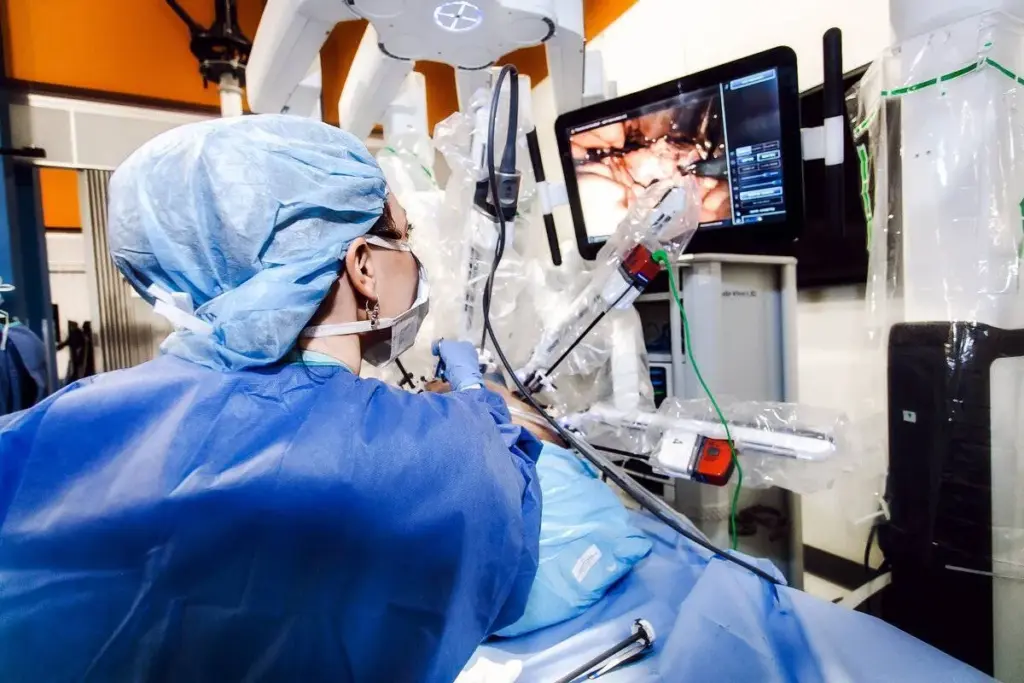
Women with uterine fibroids have a surgical option called myomectomy. It removes fibroids but keeps the uterus. This is great for those who want to keep their fertility.
Definition and Purpose of Fibroid Removal
Myomectomy, or fibroid removal, is a surgery to take out uterine fibroids. It aims to ease symptoms like heavy bleeding and pelvic pain. It also helps with pressure on other organs, all while keeping the uterus.
The surgery removes fibroids from the uterine wall. Sometimes, it also rebuilds the uterus to its original shape. This surgery improves life quality for women with fibroid symptoms.
Who Needs Myomectomy Surgery
Myomectomy is for women with:
- symptomatic uterine fibroids
- wish to preserve their fertility
- significant symptoms impacting daily life
- fibroids causing complications like anemia from heavy bleeding
This surgery is for women who are of childbearing age and want to have kids. The choice to have myomectomy depends on the fibroids’ size, number, and location. It also considers the patient’s overall health.
Difference Between Myomectomy and Hysterectomy
The main difference is in the surgery’s extent. Myomectomy removes fibroids but keeps the uterus. Hysterectomy removes the uterus entirely.
Myomectomy is best for women wanting to keep their fertility. Hysterectomy is for women who have finished having children or have other uterine issues.
Traditional Surgical Approaches for Fibroid Removal
Women facing fibroid removal need to know about traditional surgical methods. These methods have improved over time and are key in treating uterine fibroids.
Open Abdominal Myomectomy
Open abdominal myomectomy requires a big cut in the belly to reach the uterus. It’s a traditional way to remove fibroids. Though it’s more invasive, it’s good for complex cases because it lets surgeons see everything clearly.
Laparoscopic Myomectomy
Laparoscopic myomectomy uses small cuts and a laparoscope for surgery. It’s less invasive and leads to quicker recovery. But, it needs special skills and tools.
Hysteroscopic Myomectomy
Hysteroscopic myomectomy uses a hysteroscope to reach the uterus. It’s great for removing fibroids that grow into the uterine cavity. It’s less invasive and can be done without staying overnight in the hospital.
Each surgical method has its own benefits. Knowing these options helps patients and doctors choose the best fibroid removal surgery.
|
Surgical Approach |
Invasiveness |
Recovery Time |
Best For |
|---|---|---|---|
|
Open Abdominal Myomectomy |
More invasive |
Longer |
Complex cases, large fibroids |
|
Laparoscopic Myomectomy |
Minimally invasive |
Shorter |
Smaller fibroids, cosmetic concerns |
|
Hysteroscopic Myomectomy |
Least invasive |
Shortest |
Submucosal fibroids |
By comparing these methods, patients and doctors can find the best option. They consider the fibroid’s size, location, patient health, and personal wishes.
The Evolution of Robotic Surgery in Gynecology
Robotic technology has changed gynecological surgery a lot. It has moved towards less invasive methods. This change is thanks to better robotic systems that help surgeons work more precisely.
Robotic surgery is now big in gynecology because it helps patients a lot. It means less time to recover, less blood loss, and better looks. The da Vinci Surgical System is a key example of this new tech.
History of Robotic-Assisted Surgery
The start of robotic surgery in gynecology was in the early 2000s. The first systems were approved for laparoscopic use back then. The tech has grown a lot, with better tools and clearer views.
People wanted more precise and less invasive surgeries. Key advancements include better views, easier controls, and better tools.
The da Vinci Surgical System
The da Vinci Surgical System is a top choice for gynecology. It gives enhanced dexterity and precision. This makes complex surgeries easier and more accurate for surgeons.
- Improved visualization through high-definition 3D imaging
- Enhanced surgeon control with intuitive instrumentation
- Reduced surgeon fatigue through ergonomic design
This system is key in many gynecology surgeries. It helps surgeons give patients the best of minimally invasive surgery.
Technological Advancements in Minimally Invasive Procedures
Robotic surgery in gynecology keeps getting better with new tech. There are better tools, clearer images, and more AI.
Some big tech improvements are:
- Advanced robotic instruments with enhanced articulation
- Improved imaging systems for better visualization
- Increased integration of AI for predictive analytics
These new things will make robotic surgery in gynecology even better. Patients will get even better care and more options.
Robotic Myomectomy: The Procedure Explained
Robotic myomectomy is a modern surgery that uses advanced robots to remove uterine fibroids. It’s known for its precision and fewer complications. This makes it a popular choice for many.
How Robotic-Assisted Myomectomy Works
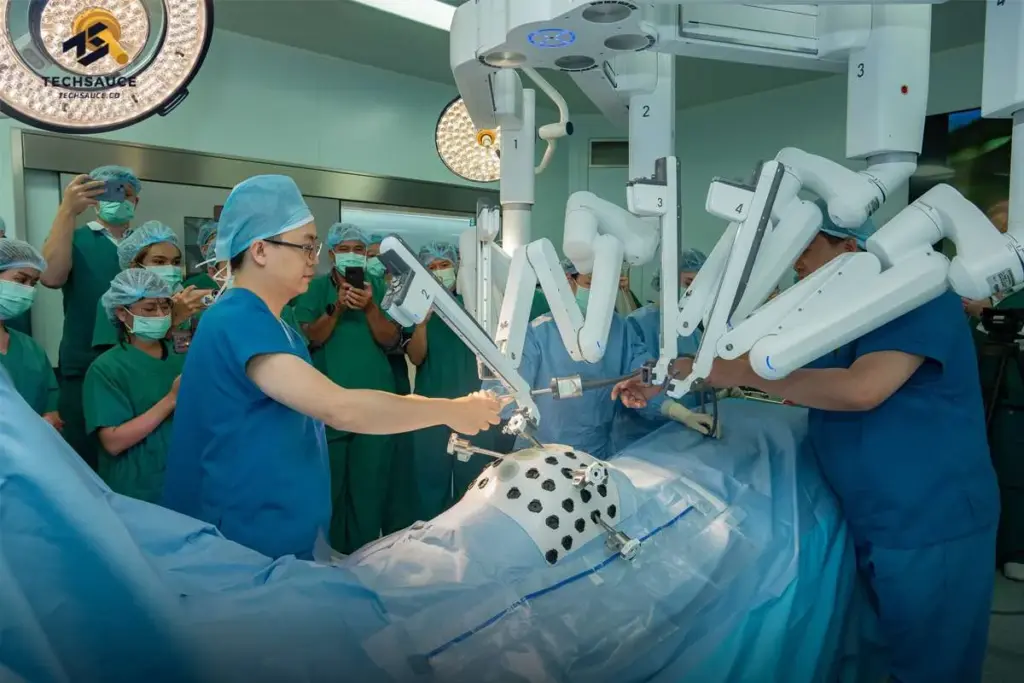
The procedure uses a robotic system, like the da Vinci Surgical System. It has a console for the surgeon, robotic arms, and a 3D vision system.
The surgeon controls the robotic arms from the console. They use the 3D vision system for a clear view of the area. This helps in removing fibroids carefully.
The Surgeon’s Role and Control
The surgeon is key in robotic myomectomy. They control the robotic arms from the console. This allows for precise surgery.
The surgeon’s skill is vital. They make sure the fibroids are removed right. They also protect the rest of the uterus.
Patient Preparation and Positioning
Preparation for robotic myomectomy is important. The patient is given general anesthesia. They are then placed in a way that helps the surgeon.
The table below shows how patients are prepared and positioned:
|
Preparation Step |
Description |
|---|---|
|
Anesthesia |
General anesthesia is given to keep the patient comfortable. |
|
Positioning |
The patient is placed in a Trendelenburg position for better access. |
|
Surgical Site Preparation |
The belly is cleaned and ready for the robotic ports. |
Understanding robotic myomectomy helps patients see its benefits. It’s a cutting-edge surgery with many advantages.
Comparing Incision Sizes: Does Robotic Surgery Leave Bigger Scars?
Myomectomy procedures, including robotic surgery, differ in their incision patterns. This can affect the extent of scarring. Understanding these differences is key for patients choosing fibroid removal options.
Incision patterns in different myomectomy approaches
Different myomectomy approaches have different incision patterns. Open abdominal myomectomy uses a single, larger incision, leading to more noticeable scarring. On the other hand, laparoscopic myomectomy uses several smaller incisions, causing less scarring. Robotic myomectomy is a laparoscopic surgery that uses a robotic system. It aims to enhance precision and minimize incision sizes.
|
Surgical Approach |
Typical Incision Size |
Scarring Outcome |
|---|---|---|
|
Open Abdominal Myomectomy |
Single incision, 4-6 inches |
More noticeable scarring |
|
Laparoscopic Myomectomy |
Multiple incisions, 0.5-1 cm each |
Less pronounced scarring |
|
Robotic Myomectomy |
Multiple small incisions, 0.8-1.2 cm each |
Minimal scarring |
Size and placement of robotic surgery ports
Robotic myomectomy requires several small incisions for the robotic ports. These ports are 0.8 to 1.2 cm in size and are placed to minimize visible scarring. The da Vinci Surgical System allows for precise control. This enables surgeons to place the ports to reduce scar appearance.
Visual comparison of scarring outcomes
Comparing scarring outcomes visually can be insightful. While results vary, robotic myomectomy often leads to less noticeable scarring than open abdominal myomectomy. A patient noted, “The minimal scarring from my robotic myomectomy was a significant advantage; I felt more confident showing off my scar, or lack thereof.”
In conclusion, robotic myomectomy has a favorable profile due to its minimally invasive nature and precise incision placement. Patients should discuss their concerns about scarring with their healthcare provider to find the best approach for their needs.
Factors Affecting Scarring in Uterine Fibroid Surgery
It’s important to know what affects scarring after uterine fibroid surgery. This knowledge helps both patients and surgeons. We will look at these factors in this section.
Patient-specific factors
Several things about the patient can influence scarring after myomectomy. These include:
- Genetic predisposition: Some people are more likely to get keloid or hypertrophic scarring because of their genes.
- Skin type: Different skin types scar differently.
- Age: Older people might scar more because their bodies make less collagen.
- Nutritional status: Eating well is key for healing wounds.
Surgical technique considerations
The way the surgery is done also affects scarring. Important things to consider are:
- Type of myomectomy: The choice between open, laparoscopic, or robotic-assisted surgery changes the number and size of cuts.
- Incision placement: Where the cuts are made can make the scars less visible.
- Suturing techniques: How the cuts are closed can affect how the scar looks.
Post-operative wound care
Good care after surgery is key to less scarring. Important steps include:
- Keeping the wound clean: Clean wounds are less likely to get infected.
- Using scar creams or gels: Some products can make scars less noticeable.
- Avoiding sun exposure: Sun can make scars darker and more visible.
By understanding these factors and using the right care, patients and surgeons can reduce scarring after myomectomy.
Cosmetic Outcomes of Different Myomectomy Techniques
It’s important for patients and surgeons to know about the cosmetic effects of myomectomy. The look of scars after surgery can affect how happy patients are and how well they recover.
Short-term Appearance of Incisions
The look of scars right after surgery can change based on the method used. For example, robotic-assisted myomectomy uses small cuts, making scars less visible early on. On the other hand, open myomectomy might leave a bigger scar because of the larger cut needed.
“Robotic surgery allows for more precise dissection and less tissue damage, potentially reducing the risk of significant scarring.”
Long-term Scar Development
Many things can affect how scars look over time, like the patient’s skin, the surgery method, and aftercare. Usually, robotic myomectomy scars are less visible as time goes on because they are smaller and placed carefully.
|
Surgical Technique |
Typical Scar Size |
Long-term Visibility |
|---|---|---|
|
Robotic-Assisted Myomectomy |
0.5 – 1 cm |
Less noticeable |
|
Traditional Open Myomectomy |
5 – 10 cm |
More noticeable |
|
Laparoscopic Myomectomy |
0.5 – 2 cm |
Moderately noticeable |
Scar Minimization Strategies
To make scars less noticeable, several steps can be taken. These include careful stitching, using dissolvable stitches, and good wound care after surgery. Patients should also not smoke and eat well to help healing.
Effective scar minimization techniques include:
- Using silicone gel or sheeting on the scar
- Massaging the scar tissue gently
- Avoiding direct sun exposure on the scar
Knowing about the different myomectomy methods and their effects on looks helps patients make better choices. It’s key for patients to talk to their doctors about their concerns to find the best option for them.
Benefits of Robotic-Assisted Myomectomy Beyond Scarring
Robotic-assisted myomectomy brings many benefits beyond just less scarring. It’s not just about avoiding scars. This advanced surgery offers much more.
Enhanced Precision and Visualization
This surgery is known for its precision. The robotic system gives a clear, 3D view of the area being worked on. This makes it easier to remove fibroids accurately.
The robotic tools also move more smoothly than traditional ones. This is key in myomectomy, where keeping healthy tissue is important.
Reduced Blood Loss
Robotic myomectomy also means less blood loss. The clear view and precise tools help surgeons spot and stop bleeding. This also means they can sew up the area better.
Less blood loss is safer for patients. It means a quicker recovery and fewer complications. It also means less chance of needing blood transfusions.
Preservation of Uterine Integrity
Another big plus is how it keeps the uterus intact. The robotic system lets surgeons remove fibroids carefully. This helps the uterus stay strong.
This is great for women who want to keep their fertility or uterine function. It’s all about keeping the uterus healthy and working well.
In short, robotic-assisted myomectomy has many benefits. It’s not just about less scarring. It also means better precision, less blood loss, and a healthier uterus. These reasons make it a good choice for many patients.
- Enhanced precision through 3D visualization and advanced instrumentation
- Reduced blood loss due to improved visualization and precise suturing
- Preservation of uterine integrity through careful dissection and repair
Potential Drawbacks of Robotic Fibroid Surgery
Robotic-assisted myomectomy is a modern way to remove fibroids. It has many benefits but also some challenges. Knowing these challenges is key to making the right choice for your health.
Challenges in Surgeon Training
One big challenge is the learning curve for surgeons. The robotic systems are complex and need special training. Surgeons must be good at both myomectomy and using the robotic equipment.
This training takes a lot of time and effort. It can be hard for some doctors to keep up.
The success of robotic myomectomy also depends on the surgeon’s skill. Proficiency in robotic surgery is important. It helps in removing fibroids accurately and safely.
Longer Operating Times
Robotic myomectomy takes longer than traditional surgery. Setting up the robotic system and doing the surgery carefully takes more time. But, the recovery time is often shorter.
Equipment Limitations
The limitations of the robotic equipment are another thing to think about. Even though they offer better views and precision, they can have technical issues. These problems are rare but can affect the surgery.
The cost and availability of robotic systems also matter. They can make it hard for some people to get this surgery.
It’s important for patients to know about these challenges before choosing robotic myomectomy. By understanding both the benefits and drawbacks, they can make a better choice for their treatment.
Recovery After Myomectomy: Comparing Surgical Approaches
Knowing how to recover after myomectomy is key. The recovery time can change based on the surgery type. This period is important for getting back to normal life.
Hospital Stay Duration
The time spent in the hospital after myomectomy changes with the surgery method. Robotic myomectomy usually means a shorter stay, from a few hours to a night. This is because it’s less invasive. On the other hand, open myomectomy might keep you in the hospital for 1 to 3 days. This is because it involves a bigger cut and more tissue damage.
“Robotic surgery’s minimally invasive nature leads to smaller cuts and less tissue harm. This results in shorter hospital stays,” a study on robotic myomectomy outcomes explains.
Pain Management Approaches
Managing pain is a big part of getting better after surgery. People who have robotic myomectomy often feel less pain than those who had open surgery. This is because robotic surgery causes less damage and has smaller cuts.
- Robotic myomectomy: Usually, patients manage pain with pills, needing little to no strong pain meds.
- Open myomectomy: Often, more pain meds are needed, like epidurals or stronger narcotics.
Return to Normal Activities Timeline
How fast you can get back to normal also depends on the surgery. Those who had robotic myomectomy tend to recover quicker, usually in 1 to 2 weeks. But, open myomectomy recovery can take 4 to 6 weeks or more.
|
Surgical Approach |
Hospital Stay |
Pain Management |
Return to Normal Activities |
|---|---|---|---|
|
Robotic Myomectomy |
A few hours to overnight |
Oral pain medications, minimal narcotics |
1-2 weeks |
|
Open Myomectomy |
1-3 days |
Epidural or stronger narcotics |
4-6 weeks |
Looking at recovery times after different surgeries shows how important the choice is. Knowing these differences helps patients prepare better and make informed decisions about their care.
Myomectomy Risks and Complications
It’s important to know the risks and complications of myomectomy. This surgery removes uterine fibroids. The risks can differ based on the surgical method used.
Common Complications Across All Approaches
Myomectomy, no matter the method, has some common risks. These include:
- Infection: As with any surgery, there’s a chance of infection after myomectomy.
- Bleeding: Too much bleeding during or after surgery is a risk.
- Adhesions: Scar tissue or adhesions can form.
- Damage to surrounding organs: Nearby organs like the bowel or bladder can get hurt.
“The risk of complications can be minimized with proper surgical technique and post-operative care,” says an experienced surgeon. Choosing a skilled surgeon is key.
Risks Specific to Robotic Procedures
Robotic myomectomy has its own risks. These include:
- Technical issues: Problems with the robotic equipment can happen.
- Conversion to open surgery: Sometimes, the surgery needs to be changed to an open procedure.
- Longer operating times: Robotic procedures can take longer than traditional ones.
Patients should talk to their healthcare provider about these risks. This helps understand the complications for their situation.
Long-term Considerations
Myomectomy can help with fibroid symptoms, but there are long-term things to think about. These include:
- Fibroid recurrence: Fibroids might come back after myomectomy.
- Fertility and pregnancy: Myomectomy’s effect on fertility and future pregnancies is important.
- Scar tissue formation: Scar tissue can form and have implications.
Knowing these risks and complications helps patients make informed choices. It prepares them for what to expect after myomectomy.
Cost Considerations for Robotic vs. Traditional Fibroid Removal
Myomectomy costs can change a lot, depending on if you choose robotic or traditional surgery. It’s important to look at what affects these costs. When thinking about fibroid removal surgery, knowing the costs is key to making a good choice.
Insurance Coverage Factors
Insurance coverage is a big deal when it comes to myomectomy costs. Robotic myomectomy is seen as a more advanced method. This might change how much insurance pays. It’s important to check with your insurance to see what they cover.
Hospital and Facility Fees
Hospital and facility fees are a big part of myomectomy costs. Robotic surgery needs special equipment and trained staff. This can make these fees higher. But, robotic surgery might mean you stay in the hospital less. This could save money in the long run.
Long-term Cost-Benefit Analysis
Looking at the cost of myomectomy, we must think about long-term benefits. Robotic myomectomy might mean less recovery time and less blood loss. This could save money over time. We should compare these benefits to the upfront costs to find the best option for each patient.
In summary, robotic myomectomy might cost more at first than traditional methods. But, the long-term benefits and savings are worth considering. By understanding what affects myomectomy costs, patients can make better choices for their care.
Patient Experiences with Robotic Myomectomy Scarring
Patients often wonder about scarring after robotic myomectomy. As this surgery improves, knowing about scarring is key.
Real Patient Testimonials
Many patients are happy with the cosmetic results of robotic myomectomy. A study in the Journal of Minimally Invasive Gynecology showed patients like the small scars.
“I was amazed at how small the scars were after my robotic myomectomy. It was a big factor in my decision to choose this procedure.”
These stories show how robotic myomectomy boosts patients’ self-esteem and satisfaction.
Before and After Perspectives
Looking at before and after photos helps understand robotic myomectomy’s cosmetic results. Here’s what patients usually see.
|
Timeframe |
Scarring Description |
Patient Satisfaction |
|---|---|---|
|
Immediately Post-Surgery |
Minimal redness and swelling at port sites |
Generally positive due to minimal visible scarring |
|
6 Weeks Post-Surgery |
Scars begin to fade, becoming less noticeable |
High satisfaction as scars continue to improve |
|
1 Year Post-Surgery |
Scars are significantly faded, often barely visible |
Very high satisfaction with cosmetic outcome |
Satisfaction Rates with Cosmetic Outcomes
Studies show most patients are happy with how they look after robotic myomectomy. A study in the Journal of Robotic Surgery found over 90% were pleased.
Real stories, before and after photos, and satisfaction rates give a full picture of robotic myomectomy scarring. As technology gets better, patients can expect even better results.
Conclusion: Making an Informed Decision About Fibroid Removal Surgery
When thinking about fibroid removal surgery, it’s key to make a well-informed choice. You should look at the surgery type, possible scarring, and the good and bad sides of myomectomy.
We’ve looked at different surgery methods, like traditional and robotic-assisted myomectomy. We’ve talked about their pros and cons. This helps patients pick the right treatment for them.
Choosing the right fibroid surgery means looking at the surgeon’s skills, the technology used, and how it affects recovery and scarring. With this knowledge, patients can pick a myomectomy that fits their needs and health goals. This leads to better decision making.
FAQ
What is a myomectomy, and how does it differ from a hysterectomy?
A myomectomy removes uterine fibroids but keeps the uterus. A hysterectomy removes the whole uterus. Women who want to keep their ability to have children often choose myomectomy.
Does robotic surgery leave bigger scars compared to traditional myomectomy methods?
Robotic surgery might have smaller incisions than open surgery. This could mean less noticeable scars. But, scars can vary based on the person and the surgery.
What are the benefits of robotic-assisted myomectomy beyond scarring?
Robotic myomectomy offers better precision and less blood loss. It also helps keep the uterus intact. These benefits can lead to better surgery results and quicker recovery.
What factors affect scarring in uterine fibroid surgery?
Scarring can depend on the patient’s skin and healing. It also depends on the surgery’s technique and incision size. Good wound care is key to reducing scars.
How does the recovery process differ after robotic myomectomy compared to traditional myomectomy approaches?
Robotic surgery often means shorter hospital stays and less pain. People usually get back to normal faster than with open surgery. But, recovery times can differ based on the person and the surgery’s complexity.
What are the potentially drawbacks of robotic fibroid surgery?
Robotic surgery might take longer and require special training. There could be technical issues during the surgery. These are things to consider.
How do the costs of robotic myomectomy compare to traditional fibroid removal methods?
Robotic surgery can cost more because of the robotic system and training. But, shorter hospital stays and quicker recovery might make it more cost-effective in the long run.
What are the risks and complications associated with myomectomy?
Myomectomy can lead to bleeding, infection, and adhesions. Robotic surgery might have specific risks like technical problems. There’s also a chance of fibroids coming back later.
Can robotic myomectomy minimize the risk of complications?
Robotic surgery might lower the risk of bleeding thanks to its precision. But, it’s important to talk to a doctor about your specific risks and benefits.
How can I minimize scarring after myomectomy?
To reduce scarring, follow wound care instructions and avoid smoking. A healthy lifestyle also helps. Talk to your doctor about ways to minimize scars.
References
https://my.clevelandclinic.org/health/procedures/4819-laparoscopy