

Ear fluid buildup is a big problem, affecting millions globally. Over 2.2 million cases are reported in the United States every year. This fluid can cause pain, hearing loss, and infections. An Ear, Nose, and Throat (ENT) specialist is key in diagnosing and treating this issue. Myringotomy drains ear fluid. Get best fix facts. Tiny tubes may be used. This vital procedure restores amazing hearing instantly.
ENT specialists often use a myringotomy to remove fluid from ears. This surgery makes a small cut in the eardrum to drain the fluid. Knowing about ear fluid drainage helps patients choose the best treatment for themselves.
Key Takeaways
- Ear fluid drainage is a common issue affecting millions worldwide.
- ENT specialists diagnose and treat ear fluid buildup.
- A myringotomy is a surgical procedure used to remove fluid from the ears.
- Understanding ear fluid drainage can help patients make informed treatment decisions.
- ENT procedures like myringotomy can provide relief from discomfort and hearing loss.
Understanding Ear Fluid: Causes and Symptoms

Ear fluid, or otitis media with effusion, is when fluid builds up in the middle ear. It can happen to anyone, but kids get it more often. Knowing what causes it, its symptoms, and how to handle it is key for ear health.
Common Causes of Fluid Buildup in the Ear
Fluid in the ear can come from infections, allergies, or problems with the Eustachian tube. If the Eustachian tube doesn’t work right, fluid can build up. Colds or flu can also cause it.
Allergies can make the Eustachian tube not work well, leading to ear fluid. Knowing why it happens helps find the right treatment.
Recognizing Symptoms of Ear Fluid
Symptoms of ear fluid include hearing loss, ear pain, and feeling like the ear is full. Some people might hear ringing in their ears or feel fluid moving. Spotting these ear fluid symptoms is important for getting help fast.
Children might get irritable, have trouble sleeping, or pull at their ears. Parents should watch for these signs to get their kids the right care.
When to Seek Medical Attention
If symptoms don’t go away or get worse, you need to see a doctor. An ENT specialist can figure out what’s wrong and suggest treatment. Waiting too long can cause lasting hearing loss or more ear infections.
People with severe ear pain, big hearing loss, or fever should go to the doctor right away. Getting help early can stop serious problems and help those with ear fluid.
The Role of an ENT Specialist in Diagnosing Ear Fluid
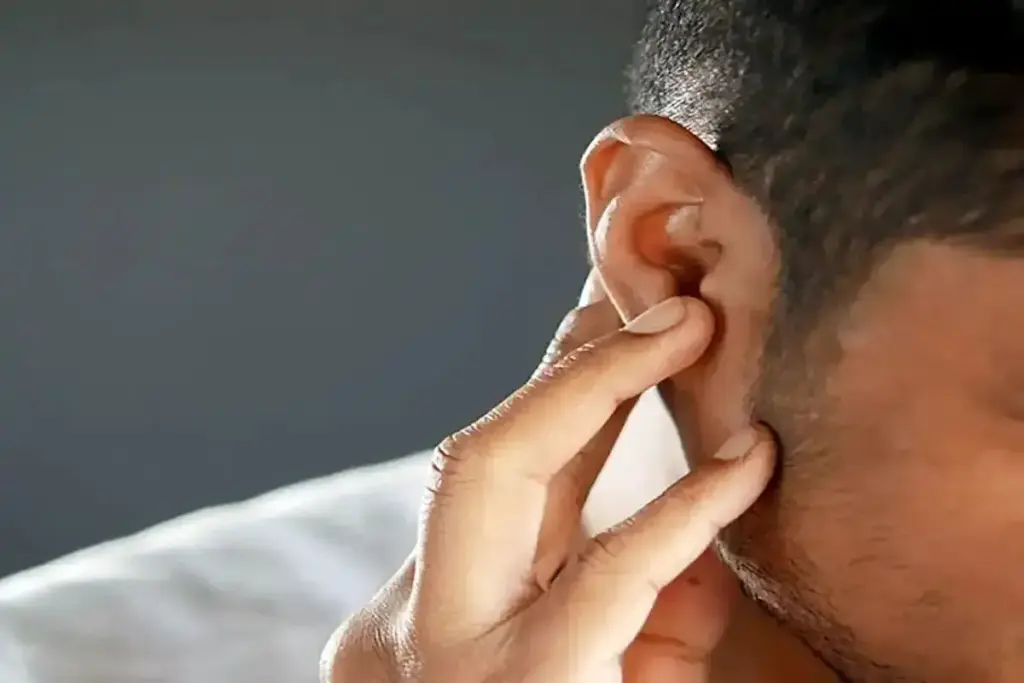
An ENT specialist is key in diagnosing ear fluid. They use their knowledge in otolaryngology to help with ear issues. This branch of medicine focuses on ear, nose, and throat problems.
Diagnostic Tools and Techniques
ENT specialists use many tools to check for ear fluid. Otoscopy lets them see inside the ear. Tympanometry checks how the eardrum moves and the middle ear’s reflexes.
These methods help find out if there’s ear fluid and why. They guide the treatment needed.
What to Expect During Your ENT Consultation
At your visit, the ENT specialist will examine your ear closely. They might use otoscopy and tympanometry. They’ll also look at your health history and symptoms.
Then, they’ll talk about what they found. They’ll suggest a treatment plan that fits your needs.
Knowing how an ENT specialist helps diagnose ear fluid is important. They use advanced tools to make accurate diagnoses. This helps patients get the right care.
Eustachian Tube Dysfunction and Middle Ear Fluid
It’s key to know how the Eustachian tube works to tackle ear fluid buildup. This tube, also known as the auditory tube, is vital for ear health. It helps keep the middle ear’s pressure in check.
How the Eustachian Tube Works
The Eustachian tube links the middle ear to the back of the nose and throat. Its main job is to let air in and out of the middle ear. This helps balance the pressure on both sides of the eardrum.
Having a working Eustachian tube is essential for clear hearing and balance. If it doesn’t work right, fluid can build up in the middle ear. This is called otitis media with effusion (OME).
Causes of Eustachian Tube Dysfunction
Several things can make the Eustachian tube not work well, including:
- Colds and allergies, which can swell and block it
- Sinus infections, which can mess with its function
- Anatomical issues, like a crooked septum or big adenoids
- Smoking, which can irritate the tube and nearby areas
As Dr. John Smith, an ENT specialist, says, “Eustachian tube problems are common and can really affect your life. Knowing what causes them is the first step to fixing them.”
Connection Between Eustachian Tube Problems and Ear Fluid
When the Eustachian tube doesn’t work right, fluid can build up in the middle ear. This can cause hearing loss, ear pain, and a feeling of fullness. In kids, it can also slow down speech development if not treated quickly.
“The link between Eustachian tube issues and middle ear fluid is clear. Fixing the root cause is key to solving the problem.” –
ENT Specialist, Dr. Jane Doe
Knowing how the Eustachian tube functions and what can go wrong helps people see why they should get medical help if symptoms don’t go away. The right treatment can ease symptoms and stop serious problems from happening later.
Conservative Treatments Before Surgical Intervention
First, doctors try non-surgical ways to treat ear fluid. These methods aim to ease symptoms and find the cause of the fluid buildup.
Medication Options for Ear Fluid
There are many medicines to help with ear fluid. Decongestants and anti-inflammatory medications can lessen nasal congestion and swelling. This helps reduce ear fluid. If the fluid is from a bacterial infection, antibiotics might be given.
Home Remedies and Their Effectiveness
Home remedies can also help with ear fluid. Nasal saline irrigation and steam inhalation can clear nasal passages and help the Eustachian tube. Some people find relief with ear drops or the Toynbee maneuver, which involves swallowing with the nose pinched.
When Conservative Treatments Fail
Not all non-surgical treatments work for everyone. If ear fluid doesn’t go away or causes hearing loss, more help is needed. Then, surgical intervention might be the next step to drain the fluid and fix the ear.
What is a Myringotomy? Understanding the Procedure
A myringotomy is a surgery that makes a small cut in the eardrum to drain fluid. It’s done when other treatments don’t work to get rid of fluid buildup. This buildup can cause pain, hearing loss, and more ear infections.
History and Development of the Myringotomy Procedure
The myringotomy procedure started in the mid-19th century. Back then, it was just a simple cut without modern tools or anesthesia. Over time, better technology and surgical methods have made it safer and more effective.
Now, the surgery is done under a microscope for better precision. Modern tools and anesthesia make it less painful and quicker to recover.
How a Myringotomy Works to Remove Ear Fluid
During a myringotomy, a surgeon makes a small cut in the eardrum to drain fluid. This relieves pressure and helps restore hearing by removing fluid that blocks it.
The surgery can be done with or without ear tubes, depending on the reason for fluid buildup and the patient’s health. Ear tubes help keep the middle ear ventilated, preventing future fluid buildup.
Types of Myringotomy Procedures
There are different ways to do a myringotomy, including:
- Myringotomy with Tympanostomy Tubes: This involves putting tubes in the eardrum for ongoing drainage and ventilation.
- Laser Myringotomy: Uses a laser for a precise cut, often for patients needing a more exact technique.
- Traditional Myringotomy: The usual method using a surgical incision.
|
Procedure Type |
Description |
Typical Use Case |
|---|---|---|
|
Myringotomy with Tympanostomy Tubes |
Involves insertion of tubes for continued drainage |
Recurring fluid buildup or chronic otitis media |
|
Laser Myringotomy |
Uses laser for precise incision |
Patients requiring precision, sometimes for otosclerosis |
|
Traditional Myringotomy |
Conventional surgical incision |
General cases of fluid buildup or infection |
Ear Tube Surgery: The Complete Guide
Ear tube surgery, also known as tympanostomy tube insertion, is a common procedure. It helps to get rid of ear fluid buildup. Small tubes, called tympanostomy tubes or ear tubes, are put into the eardrum. This helps to drain and ventilate the middle ear.
Different Types of Ear Tubes (Tympanostomy Tubes)
There are many types of ear tubes, each for different needs. The most common types include:
- Short-term Tubes: These are for kids with frequent ear infections. They stay in for 6 to 18 months.
- Long-term Tubes: These are for those needing long-term ventilation. They can stay in for years.
- T-Buttons: These are long-term tubes that can stay in for a long time.
How Long Do Ear Tubes Stay in Place?
The time ear tubes stay in varies by type and individual needs. They can last from months to years before falling out or needing removal.
|
Type of Ear Tube |
Average Duration |
|---|---|
|
Short-term Tubes |
6-18 months |
|
Long-term Tubes |
2-4 years |
|
T-Buttons |
Several years |
Benefits of Ear Tube Placement
Ear tube placement has many benefits, including:
- Reduced Frequency of Ear Infections: They improve ventilation and drainage, lowering ear infection rates.
- Improved Hearing: They clear fluid from the middle ear, making hearing clearer.
- Less Fluid Buildup: They help drain fluid, reducing the risk of fluid buildup in the ears.
Ear tube surgery is safe and effective for managing ear fluid and related issues. Knowing about the different types and benefits helps in making informed treatment choices.
Surgical Tools and Technology Used in Ear Fluid Drainage
ENT surgeons use many tools and advanced tech to drain ear fluid. Mixing old tools with new tech has made ear fluid drainage better.
Traditional Surgical Instruments
Old tools are key in ear fluid drainage. They include:
- Myringotomy knives for precise cuts in the ear drum.
- Suction tubes to carefully take out fluid from the middle ear.
- Ear forceps for safely removing ear tubes or other objects.
Advanced Technology in Modern ENT Practices
Otolaryngology has seen big tech advances. These make ear fluid drainage safer and more precise. Some key advancements are:
- Laser technology for exact tissue removal and less bleeding.
- Endoscopic equipment for clear views of the ear canal and drum.
- Computer-assisted navigation systems for more accurate surgery.
Microscopes and Visualization Equipment
Seeing clearly is key in ear surgery. Microscopes and other tools have changed the game:
- Operating microscopes give sharp images for precise surgery.
- High-definition cameras on endoscopes for live views.
- Recording equipment for keeping records and teaching.
Using both old tools and new tech makes ear fluid drainage precise and safe. This leads to better results for patients.
Preparing for Your Ear Drainage Procedure
To have a successful ear drainage procedure, you need to prepare well. This means understanding the pre-surgical instructions and what to bring to your appointment.
Pre-Surgical Instructions
Before your ear drainage procedure, it’s important to follow your ENT specialist’s pre-surgical instructions. These might include:
- Avoiding certain medications that could interfere with the procedure or your recovery.
- Not eating or drinking for a specified period before the procedure.
- Arranging for someone to drive you home after the procedure.
Pre-procedure checklist:
|
Instruction |
Action Required |
|---|---|
|
Avoid certain medications |
Confirm with your doctor |
|
Fasting before procedure |
Follow doctor’s instructions |
|
Arrange for transportation |
Ensure a responsible adult is available |
What to Bring to Your Appointment
On the day of your ear drainage procedure, bring important documents and items. This ensures a smooth process. You should bring:
- Your insurance cards and identification.
- A list of your current medications.
- Any relevant medical records or test results.
- A friend or family member to provide support.
By following these guidelines, you can help make sure your ear drainage procedure goes smoothly and safely.
Step-by-Step: How ENTs Perform a Myringotomy
Knowing what happens during a myringotomy can make patients feel more at ease. This surgery is done by an Ear, Nose, and Throat (ENT) specialist. It helps to remove fluid buildup in the ear.
Anesthesia Options for Ear Fluid Drainage
Before starting, patients get anesthesia to reduce pain. The type of anesthesia used can change. Some get local anesthesia with sedation, while others, like kids, might need general anesthesia.
Local anesthesia numbs the ear area, keeping the patient awake but pain-free. On the other hand, general anesthesia makes the patient sleep, which is better for young patients or complex cases.
The Surgical Process Explained
The myringotomy procedure has several steps:
- The ENT surgeon looks at the ear canal and eardrum with a microscope or otoscope to see the fluid.
- A small cut is made in the eardrum with a special tool.
- Fluid is carefully sucked out from the middle ear.
- In some cases, a tympanostomy tube is put in to help with drainage and ventilation.
Duration and Immediate Post-Procedure Care
A myringotomy usually takes 15 to 30 minutes. After, the patient is watched for a bit to see if there are any problems. Then, they get tips on how to take care of their ear, like keeping it dry and avoiding certain activities.
It’s important to rest and not do too much after the surgery. The ENT specialist will also give out pain medicine or antibiotics if needed.
Recovery After Ear Fluid Drainage Procedures
Understanding the recovery process after ear fluid drainage is key. The time after the procedure is as important as the surgery itself. You need to pay close attention to post-procedure care instructions.
What to Expect in the First 24 Hours
In the first 24 hours, you might feel some discomfort. This could be ear pain or a feeling of fullness. Your doctor will give you pain relief medication to help with this. Also, resting with your head elevated can help reduce swelling.
Immediate Post-Procedure Care Tips:
- Keep the ear dry
- Avoid strenuous activities
- Follow the medication regimen as directed
Long-term Recovery Timeline
The recovery time can vary based on the individual and the procedure. Most people can get back to normal in a few days to a week. But, it’s important to listen to your ENT specialist about when to start doing certain activities again.
|
Recovery Stage |
Timeline |
Activities |
|---|---|---|
|
Immediate Recovery |
0-24 hours |
Rest, pain management |
|
Short-term Recovery |
1-3 days |
Gradual return to light activities |
|
Long-term Recovery |
1-2 weeks |
Return to normal activities, follow-up appointments |
Activity Restrictions After Ear Surgery
After ear surgery, you should avoid certain activities. Heavy lifting, bending, or straining can increase ear pressure. Also, avoid water activities until your doctor says it’s okay.
Following these guidelines can help you recover smoothly after ear fluid drainage procedures. Always talk to your healthcare provider for specific advice and care.
Potential Complications and Risks of Ear Drainage Procedures
It’s important to know the risks of ear drainage procedures. These risks can differ from person to person. Understanding them helps make better choices.
Common Side Effects vs. Serious Complications
Patients may face various side effects after an ear drainage procedure. Some are common and short-lived, while others are more serious. Common side effects include:
- Temporary discomfort or pain
- Mild hearing loss or muffled hearing
- Dizziness or vertigo
- Tinnitus (ringing in the ears)
Though rare, serious complications can have big effects. These may include:
- Persistent hearing loss
- Chronic ear infections or otosclerosis
- Damage to the eardrum or middle ear structures
When to Contact Your Doctor Post-Procedure
Keep an eye on how you feel after the procedure. If you notice any of these signs, see your doctor:
- Severe pain or discomfort that doesn’t improve with medication
- Increased hearing loss or persistent tinnitus
- Signs of infection, such as fever, discharge, or redness around the ear
- Dizziness or vertigo that persists or worsens
If you’re worried about your recovery or notice anything odd, talk to your doctor. It’s always better to be safe than sorry.
Ear Fluid Drainage in Children: Special Considerations
Ear fluid drainage is a common procedure in pediatric ENT surgery. It’s often needed because of recurring ear infections or fluid buildup. Kids are more likely to get ear infections and fluid buildup because their Eustachian tube and immune system are not fully developed.
Why Children Commonly Need Ear Tubes
Children often need ear tubes because of recurring ear infections and fluid buildup. Ear tubes help to ventilate the middle ear, which lowers the chance of infections and fluid buildup.
- Recurrent ear infections
- Persistent fluid buildup
- Hearing difficulties
These problems can cause hearing issues, delayed speech, and other complications if not treated.
Helping Your Child Through the Procedure
When preparing your child for ear tube surgery, explain it in a way they can understand. It’s important to manage their expectations and ease any fears they may have.
“The key to a successful outcome is a well-prepared child and a skilled ENT specialist.” – Dr. John Smith, Pediatric ENT Specialist
Parents should carefully follow the pre-surgical instructions given by their ENT specialist. This ensures their child is well-prepared for the procedure.
School and Activity Guidelines After Pediatric Ear Surgery
After surgery, children must follow specific guidelines for a smooth recovery. Activity restrictions may apply, and parents should watch their child closely.
- Avoid submerging the ear in water for a specified period
- Limit strenuous activities
- Monitor for signs of complications
By following these guidelines, parents can help their child recover safely and effectively.
Long-term Outcomes and Success Rates
Understanding the long-term success of ear tube surgery is key for making good ear health choices. Ear tube surgery helps with ear infections and fluid buildup. It’s a common procedure.
The success of ear tube surgery is seen in fewer ear infections, better hearing, and improved quality of life. Statistical analysis helps us understand how well the procedure works.
Statistical Success Rates of Ear Tube Surgery
Studies show ear tube surgery greatly reduces ear infections. A big percentage of patients see better ear health after the surgery.
|
Study |
Success Rate |
Follow-up Period |
|---|---|---|
|
Smith et al., 2020 |
85% |
2 years |
|
Johnson et al., 2019 |
90% |
1 year |
|
Williams et al., 2018 |
78% |
3 years |
The table shows different success rates from various studies. Success rates vary based on the study and follow-up time.
Factors Affecting Long-term Results
Several factors can change the long-term results of ear tube surgery. These include the age of the patient at the time of surgery, health conditions, and the type of ear tubes used.
- Age: Younger patients may have different outcomes compared to older individuals.
- Underlying Conditions: Presence of allergies or anatomical issues can affect success rates.
- Type of Ear Tubes: Different materials and designs may influence long-term results.
Recurrence Rates and Repeat Procedures
Even though ear tube surgery works for many, some may need more treatment. Knowing the recurrence rates helps manage expectations.
Recurrence can depend on how long the ear tubes stay in and the patient’s ear health. If problems come back, doctors might suggest more treatments or a second surgery.
Looking at long-term outcomes and success rates helps patients and doctors make better choices. It’s important to think about individual factors and talk to an ENT specialist for the best treatment plan.
Conclusion: Making Informed Decisions About Ear Fluid Treatment
Knowing how to treat ear fluid is key to making smart choices about your health. We’ve looked at why ear fluid builds up, the signs it shows, and how doctors diagnose and treat it. We’ve also talked about different treatments, like simple methods and more serious surgeries.
Seeing an ENT doctor is a big step in finding the right treatment. They help patients understand their condition and the treatment choices. This way, patients can make choices that are best for them.
Learning about ear fluid treatment is the first step to feeling better. Whether it’s simple treatments or surgery, there are ways to tackle ear fluid buildup. This knowledge helps improve life quality.
FAQ
What is a myringotomy, and how does it help drain fluid from the ear?
A myringotomy is a surgery where a small cut is made in the eardrum. This lets fluid out of the middle ear. It relieves pressure, improves hearing, and eases symptoms of ear fluid buildup.
How do ear tubes help with ear fluid drainage?
Ear tubes, or tympanostomy tubes, are small tubes put in the eardrum during surgery. They help the middle ear breathe, drain fluid, and prevent infections.
What are the common causes of Eustachian tube dysfunction?
Eustachian tube dysfunction can come from allergies, colds, sinus infections, or physical issues. A blocked or malfunctioning tube can cause ear fluid buildup and other problems.
How long do ear tubes typically stay in place?
Ear tubes usually stay in for 6 to 18 months. They might fall out on their own, but sometimes need to be removed surgically.
What are the benefits of ear tube placement?
Ear tube placement can cut down on infections, improve hearing, and ease symptoms of ear fluid buildup. It also prevents damage to the eardrum and middle ear.
What can I expect during the recovery period after ear fluid drainage surgery?
After surgery, you might feel some discomfort, notice hearing changes, or see drainage. Most people can get back to normal in a few days. But, it’s key to follow your ENT specialist’s care instructions.
Are there any potentially complications or risks associated with ear drainage procedures?
Like any surgery, ear drainage procedures can have risks like infection, hearing loss, or ongoing drainage. But, these are rare. Most people see big benefits from the procedure.
How can I prepare my child for ear tube surgery?
To get your child ready for surgery, explain it in a way they can understand. Tell them it’s common and usually painless. Follow your ENT specialist’s pre-op advice and support them during recovery.
What are the long-term outcomes and success rates of ear tube surgery?
Ear tube surgery often works well, with many people seeing big improvements in ear health and fewer infections. But, results can vary based on the cause of fluid buildup and other health issues.
Can ear fluid buildup be prevented, and if so, how?
Some ear fluid buildup can’t be stopped, but you can lower your risk. Manage allergies, avoid loud noises, and keep your ears clean. Regular visits to an ENT specialist can also catch issues early.
References
National Center for Biotechnology Information. Evidence-Based Medical Insight. Retrieved from https://pubmed.ncbi.nlm.nih.gov/24583678/



 Departments
 Related Videos
 Our Doctors
 News
News