Ever felt your nose get stuffy or runny right after eating? This is called gustatory rhinitis. It happens to many people, usually after eating spicy or hot foods.
Your nose isn’t reacting to a food allergy. It’s responding to certain triggers through nerves. Knowing about this and how to manage it can make eating enjoyable again.
Gustatory rhinitis is a non-allergic condition. It causes nasal symptoms shortly after eating certain foods and drinks. Unlike allergic rhinitis, it’s triggered by nerve stimulation from food, not an allergy.
Key Takeaways
- Gustatory rhinitis is a non-allergic condition causing nasal symptoms after eating certain foods.
- Primary triggers include spicy foods containing capsaicin, hot-temperature foods, and alcohol.
- Symptoms typically appear within 5-10 minutes of consumption.
- Understanding gustatory rhinitis is key to managing its symptoms.
- Effective management can greatly improve your quality of life.
Understanding Nasal Congestion After Eating

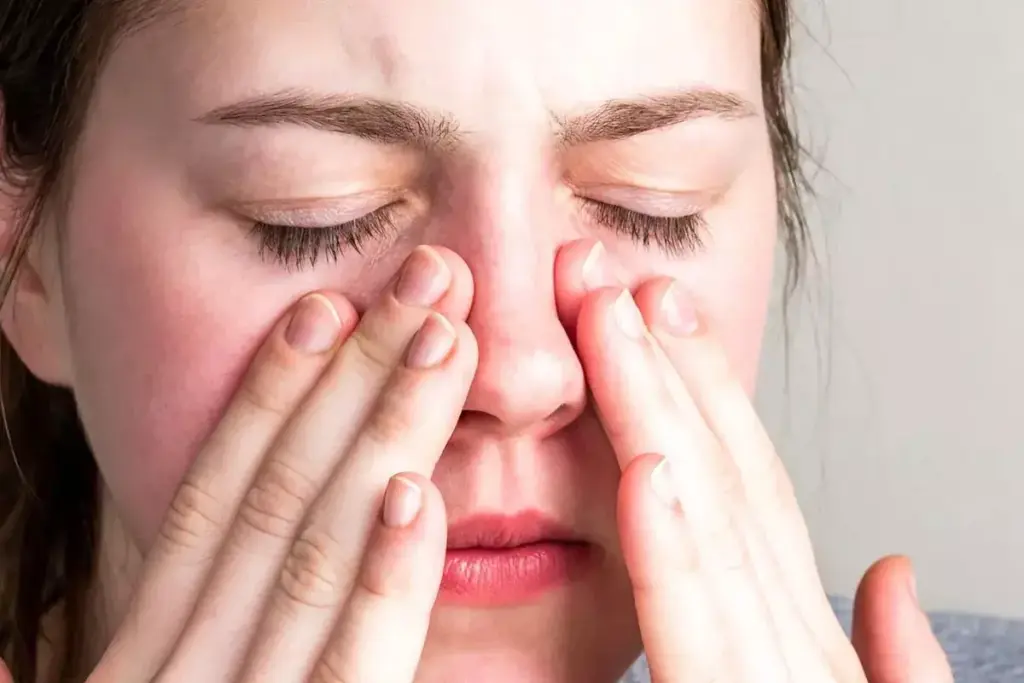
Eating a meal can sometimes make your nose stuff up. This is often due to gustatory rhinitis. It’s a non-allergic condition that happens after eating certain foods.
What is Gustatory Rhinitis?
Gustatory rhinitis happens when nerves in your nose get too excited after eating. This makes your nasal glands make too much mucus. It’s different from allergic rhinitis because it doesn’t involve an immune reaction. Instead, it’s caused by eating spicy or hot foods.
Eating spicy or hot foods can wake up the nerves in your nose. This makes your body produce more mucus. So, you might feel like your nose is stuffy, runny, or have postnasal drip after eating.
How It Differs from Allergic Reactions
Gustatory rhinitis and allergic rhinitis work in different ways. Allergic rhinitis is caused by an immune reaction to things like pollen or dust. Gustatory rhinitis, on the other hand, is caused by nerve stimulation from certain foods.
To learn more about managing nasal congestion after eating, check out our patient resources page. Knowing the difference between these conditions is key to managing them. Allergic rhinitis needs avoiding allergens and might need medicine or shots. Gustatory rhinitis can often be helped by changing what you eat and other non-medical ways.
In short, gustatory rhinitis is a condition that happens when you eat certain foods, like spicy or hot ones. Understanding it and how it’s different from allergic rhinitis helps us manage its symptoms better. This improves life for those who have it.
Common Triggers That Cause Nasal Congestion After Eating

Knowing what causes nasal congestion after eating is important. Some foods and drinks can make your nose stuffy. Learning about these triggers can help you feel better.
Spicy Foods and Capsaicin Effects
Spicy foods often lead to nasal congestion. Capsaicin in chili peppers and hot sauces can make your nose produce more mucus. Capsaicin’s effect on the nasal passages is immediate, often resulting in symptoms within 5-10 minutes of consumption. Foods with chili peppers, wasabi, or horseradish are usually to blame.
To show how capsaicin and other spicy compounds work, here’s a table:
| Spicy Food | Active Compound | Effect on Nasal Passages |
| Chili Peppers | Capsaicin | Increased mucus production |
| Wasabi | Allyl isothiocyanate | Stimulation of nasal nerves |
| Horseradish | Allyl isothiocyanate | Nasal passage irritation |
Hot Temperature Foods and Beverages
Hot foods and drinks can also cause nasal congestion. Drinking hot coffee, tea, or broth can lead to symptoms. The heat makes blood vessels in your nose expand, causing more mucus and congestion.
Alcohol and Other Common Triggers
Alcohol, like wine and beer, can also cause nasal congestion. It makes blood vessels wider and increases mucus production. Other common triggers include foods with high histamine levels or those that cause allergies.
Knowing these triggers helps manage and prevent nasal congestion after eating. By avoiding certain foods and drinks, you can reduce your symptoms.
Effective Remedies to Stop Nasal Congestion After Eating
Nasal congestion after eating can be really annoying. But, there are many ways to feel better and live better. We’ll look at ways to handle gustatory rhinitis, like quick fixes, changing what you eat, using nasal sprays, and seeing a doctor.
Immediate Relief Strategies
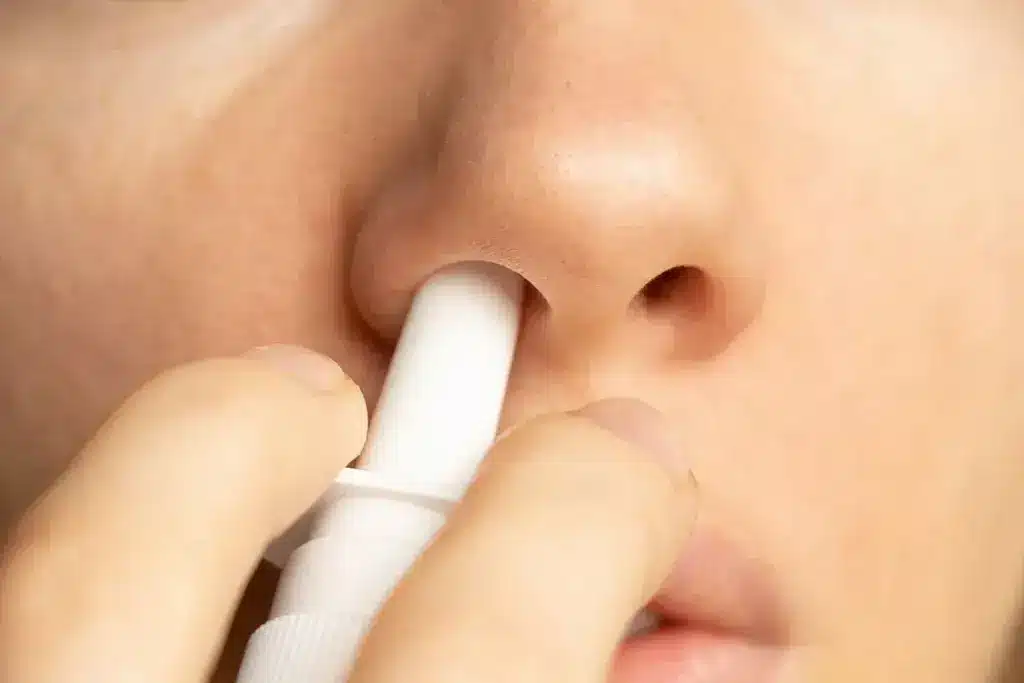
For quick help with nasal congestion, there are a few things you can do. Nasal decongestants can help fast, but use them carefully to avoid getting worse. Also, a humidifier can add moisture to the air, making your nose feel better.
Another good quick fix is nasal saline irrigation. This means using a saline solution to clean out your nose. It can quickly clear out mucus and make you feel better.
Dietary Modifications and Food Avoidance
Changing what you eat is very important for gustatory rhinitis. Stay away from foods that make your nose stuffy, like spicy or hot foods. Finding and avoiding your own trigger foods is key to feeling better.
Keeping a food diary can help you figure out which foods make your nose stuffy. This way, you can make better choices about what to eat. It can really help reduce your symptoms over time.
| Trigger Food | Effect on Nasal Congestion | Recommended Action |
| Spicy Foods | Increases nasal secretion and congestion | Avoid or reduce consumption |
| Hot Temperature Foods | Causes vasodilation, leading to congestion | Opt for cooler or lukewarm foods |
| Alcohol | Can cause nasal congestion in some individuals | Limit or avoid alcohol consumption |
Nasal Irrigation and Saline Solutions
Nasal irrigation with saline solutions is a great way to fight nasal congestion. It cleans out your nose and helps you breathe better. Doing it regularly can really help your symptoms.
Using a neti pot or a squeeze bottle with saline can be very effective. Make sure to use clean water to avoid getting sick.
Medical Treatments and Prescription Options
For some, medical help is needed to manage gustatory rhinitis. Prescription nasal antihistamines like azelastine can help by easing congestion and allergy symptoms.
Talking to a doctor is important to find the right treatment. They can suggest the best options based on your symptoms and health.
By trying these methods together—quick fixes, changing your diet, nasal sprays, and medical help—you can manage nasal congestion after eating. This can greatly improve your life.
Conclusion:
Understanding gustatory rhinitis and its triggers is key to managing symptoms. This condition can be managed with the right approach.
Avoiding trigger foods and using nasal saline irrigation can help. We’ve talked about ways to stop nasal congestion after eating. This includes immediate relief, changing your diet, and medical treatments.
Using these strategies can greatly reduce nasal congestion after eating. This brings relief and improves your overall health. A summary of the main points shows how important it is to know the causes of gustatory rhinitis. Using the right remedies can help manage symptoms.
By knowing the causes and using effective remedies, you can manage your symptoms. We give you the knowledge and tools to handle nasal congestion after eating.
FAQ:
What is gustatory rhinitis?
Gustatory rhinitis is a non-allergic condition where eating, especially spicy or hot foods, triggers a runny or congested nose.
Why does my nose get stuffy when I eat spicy food?
Spicy foods stimulate the nasal glands via the parasympathetic nervous system, causing mucus production and congestion.
Can hot temperature foods trigger nasal congestion?
Yes, hot foods can activate nasal secretions and cause temporary congestion.
How does alcohol affect nasal congestion?
Alcohol can dilate blood vessels and stimulate nasal glands, leading to increased mucus and congestion.
What are some effective remedies for nasal congestion after eating?
Remedies include nasal saline rinses, antihistamine sprays, avoiding triggers, and cool compresses.
How can I prevent nasal congestion after eating?
Prevent it by identifying and avoiding trigger foods, eating slowly, and using nasal irrigation before or after meals.
Is gustatory rhinitis the same as allergic rhinitis?
No, gustatory rhinitis is non-allergic and triggered by food, while allergic rhinitis involves an immune response to allergens.
Can gustatory rhinitis be treated with medication?
Yes, intranasal antihistamines or anticholinergic sprays can help manage symptoms in some cases.
How long does it take for symptoms to appear after eating trigger foods?
Symptoms usually appear within minutes of eating the trigger food.
What is the role of nasal irrigation in managing gustatory rhinitis?
Nasal irrigation helps clear mucus, reduce irritation, and temporarily relieve congestion after eating.
When should I seek medical attention for a sinus infection?
Seek care if symptoms last more than 10 days, worsen after initial improvement, cause high fever, severe facial pain, swelling, or vision changes.
References:
National Center for Biotechnology Information. Evidence-Based Medical Insight. Retrieved from https://pubmed.ncbi.nlm.nih.gov/20502728/