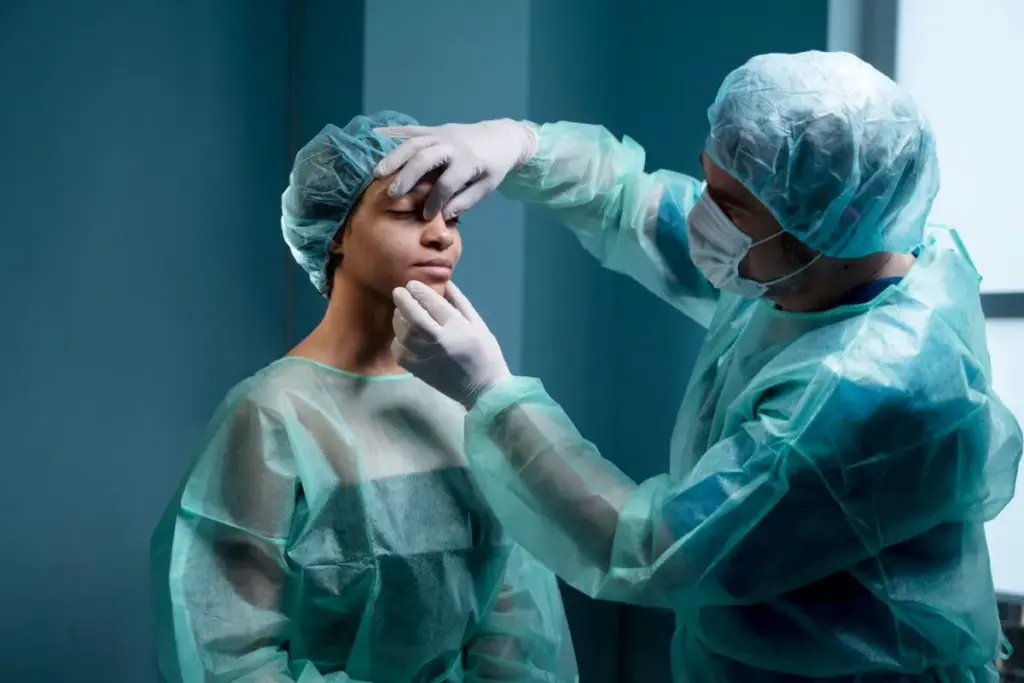
Septoplasty is a surgery to fix a deviated septum. This condition can make breathing hard. Knowing how to recover is key for a good outcome. Many wonder when they can start bending over again.
Recovering from nasal dns surgery? Learn why avoiding bending is vital for your safety and how to protect your amazing surgical results.
Bending over can increase pressure on the surgical site, so it should be avoided during recovery. It’s important to be careful to avoid problems. Healing from septoplasty takes a few weeks for most people.
It’s vital to follow your surgeon’s advice during recovery. This includes knowing when it’s okay to bend over again.
Key Takeaways
- Understand the importance of post-operative care after septoplasty.
- Learn when it’s safe to bend over after surgery.
- Discover tips for a smooth recovery.
- Find out how to minimize the risk of complications.
- Know what to expect during the deviated septum surgery recovery process.
Understanding Septoplasty and Nasal DNS
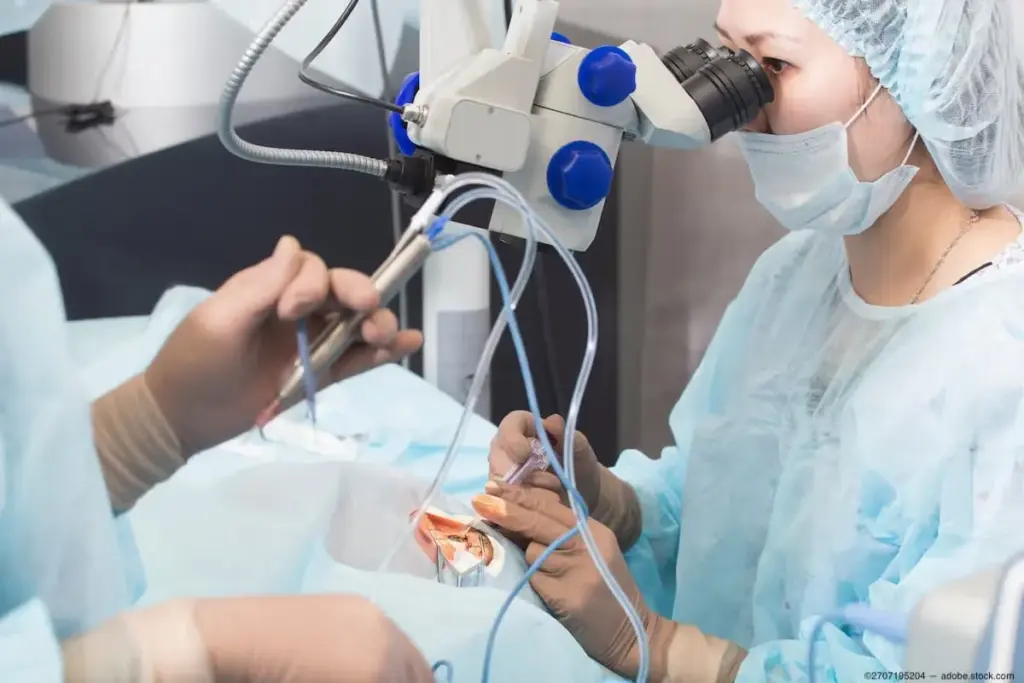
Septoplasty is a surgery that fixes a deviated nasal septum. Many people have a deviated septum, which can cause health problems.
ENT surgeons say 80 to 90% of people have some septum deviation. This can block breathing and cause other issues.
What Is a Deviated Nasal Septum?
A deviated nasal septum happens when the thin wall between the nasal passages shifts. This makes one passage smaller, leading to breathing trouble.
Septum deviation can be caused by genetics, injuries, or developmental issues. Symptoms include blocked nose, loss of smell, and nosebleeds.
How Septoplasty Corrects Nasal Septum Issues
Septoplasty is a surgery to fix a deviated nasal septum. The surgeon adjusts or removes parts of the septum to improve airflow.
This surgery is done under general or local anesthesia with sedation. It can greatly improve breathing and reduce health risks.
|
Benefits of Septoplasty |
Description |
|---|---|
|
Improved Breathing |
Correcting the nasal septum deviation improves airflow, making it easier to breathe. |
|
Reduced Nasal Congestion |
By removing or adjusting the obstructing parts of the septum, nasal congestion is significantly reduced. |
|
Less Risk of Nosebleeds |
A corrected nasal septum reduces the risk of nosebleeds caused by dry air or irritation. |
Candidates for Septoplasty Surgery
People with a deviated nasal septum causing breathing problems are good candidates. Others include those who have tried other treatments without success or have recurring sinus infections.
“Septoplasty is often recommended for individuals with significant nasal septum deviation causing obstructive symptoms. The decision to undergo surgery should be made after thorough consultation with an ENT specialist.”
— American Academy of Otolaryngology
It’s important for those considering septoplasty to talk to their healthcare provider. They should discuss their condition and the surgery’s benefits and risks.
The Septoplasty Procedure Explained
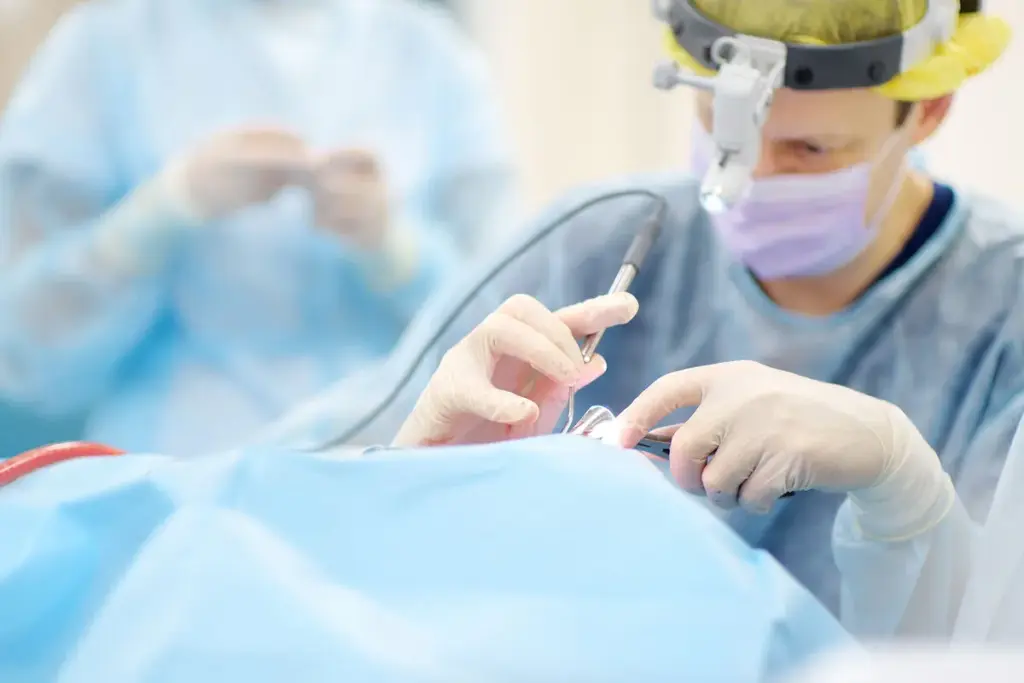
Knowing about the septoplasty procedure is key for patients. It’s done to fix a deviated nasal septum. This can lead to breathing problems and nasal congestion.
What Happens During Surgery Inside the Nose
A surgeon makes an incision inside the nose for septoplasty. They lift the mucous membrane to see the septum. Then, they fix or remove parts of the septum to help breathing.
Anesthesia and Surgical Techniques
Septoplasty uses general anesthesia or local anesthesia with sedation. The choice depends on the patient’s health and the surgery’s complexity. Modern methods aim to reduce recovery time and improve results.
Duration and Hospital Stay
The septoplasty procedure lasts 30 to 90 minutes. Most patients go home the same day. Some might need to stay overnight for observation. Here’s a table with general guidelines for duration and hospital stay.
|
Procedure Complexity |
Duration |
Hospital Stay |
|---|---|---|
|
Simple |
30-60 minutes |
Same day |
|
Moderate |
60-75 minutes |
Same day or overnight |
|
Complex |
75-90 minutes |
Overnight or longer |
Patients should follow their surgeon’s advice before and after surgery. This helps in a smooth recovery and the best results.
Initial Recovery Phase After Septoplasty
Knowing about the initial recovery after septoplasty is key for patients. This time is important for a good outcome and to avoid problems.
First 24-48 Hours Post-Surgery
The first 24 to 48 hours after surgery are critical. Patients should rest and not do hard activities. Resting with your head elevated helps with swelling and healing.
Patients might feel nasal congestion, swelling, and mild pain. These can be managed with medicine from your surgeon.
Managing Pain and Discomfort
Handling pain and discomfort is important. Patients get pain medicine to help. It’s vital to take the medicine as told by your surgeon to avoid problems.
Using cold compresses on the nose and face can also help. Drinking lots of water is recommended too.
Immediate Activity Restrictions
Right after surgery, it’s important to avoid certain activities. Patients should not lift heavy, bend, or do hard activities. These can raise blood pressure and cause bleeding or swelling.
|
Activity |
Recommended Avoidance Period |
Rationale |
|---|---|---|
|
Heavy Lifting |
1-2 weeks |
Increases blood pressure, potentially leading to bleeding |
|
Bending Over |
1-2 weeks |
Can increase pressure in the nasal cavity, leading to swelling or bleeding |
|
Strenuous Exercise |
2-3 weeks |
Can increase heart rate and blood pressure, potentially complicating healing |
The Science Behind Bending Restrictions
The rule against bending over after septoplasty comes from the science of healing. After septoplasty, the nasal area is hurt, starting the healing process.
How Bending Affects Blood Pressure in the Nasal Cavity
Bending over raises blood pressure in the nasal area. This happens because gravity pulls blood towards the head and nose. High blood pressure can cause bleeding and swelling at the surgery site.
A study in a medical journal says, “Bleeding after nasal surgery is a big worry. It’s important to reduce this risk for a smooth recovery.”
“Bleeding after nasal surgery is a big worry. It’s important to reduce this risk for a smooth recovery.”
Risks of Increased Bleeding and Swelling
Bending over can lead to more bleeding and swelling after septoplasty. Bleeding happens when small blood vessels in the nose break. Swelling comes from more blood and fluid in the nasal tissues.
|
Risks |
Consequences |
|---|---|
|
Increased Bleeding |
Hematoma formation, need for additional surgery |
|
Increased Swelling |
Prolonged recovery, nasal congestion, breathing difficulties |
Impact on Surgical Results
The main goal of septoplasty is to fix nasal septum issues and improve breathing. Bending over can mess up these results. It can cause bleeding and swelling, leading to scar tissue and affecting the surgery’s long-term success.
In summary, knowing why bending is restricted after septoplasty shows why following post-op care is key. It helps ensure a smooth and complication-free recovery.
When Can You Safely Begin Bending Over?
Many septoplasty patients wonder when they can bend over again. The answer depends on the surgery’s extent and how fast you heal.
General Timeline Guidelines
Doctors usually tell patients to avoid bending for one to two weeks after septoplasty. This helps the nasal passages heal without stress or high blood pressure.
Doctor’s Recommendations
It’s important to listen to your surgeon or healthcare provider. They can give you advice based on your surgery and health.
Individual Factors That Affect Recovery Speed
How fast you recover can depend on your age, health, and any surgery complications. Knowing these can help you guess when you can bend over safely.
|
Recovery Stage |
Timeline |
Activities Allowed |
|---|---|---|
|
Immediate Recovery |
0-48 hours |
Rest, limited activity |
|
Early Recovery |
2-7 days |
Gradual return to light activities |
|
Advanced Recovery |
1-2 weeks |
Bending over allowed, with caution |
By following general guidelines and your doctor’s advice, you can safely recover. This helps avoid complications.
Gradual Return to Normal Activities
After septoplasty surgery, patients slowly get back to their normal life. The healing process takes time, with big improvements seen in the first few weeks.
Week 1 Post-Septoplasty Milestones
In the first week, patients often feel nasal congestion, swelling, and discomfort. But by the end of the week, they start to feel better. They might even begin doing light activities.
- Mild pain and discomfort are common but manageable with prescribed medication.
- Nasal congestion starts to decrease, improving breathing.
- Patients are advised to avoid strenuous activities, bending, or heavy lifting.
Weeks 2-3 Recovery Progress
By weeks 2-3, most patients see big improvements. Their nasal passages heal more, and breathing gets easier.
|
Week |
Symptoms |
Activities |
|---|---|---|
|
2 |
Reduced nasal congestion, less discomfort |
Gradually increase light activities |
|
3 |
Continued improvement in breathing, minimal discomfort |
Resume more strenuous activities as advised by the doctor |
Full Recovery Expectations
Full recovery from septoplasty can take several weeks to a few months. It’s important to follow the doctor’s post-operative care advice for the best healing.
Being patient and following the doctor’s instructions are key to a successful recovery.
Alternative Methods for Reaching Low Objects
After septoplasty, you should avoid bending over. But, you don’t have to give up on daily tasks. There are many ways and tools to help you manage without straining your nasal area.
Safe Techniques During Recovery
Using a retrieval tool or grabber is a simple solution. It lets you pick up things from the floor without bending. Also, keeping important items at waist level can greatly reduce bending.
For picking up items, try the squat technique. This means bending your knees and keeping your back straight. It helps avoid putting pressure on your nasal area.
Helpful Tools and Accessories
There are many tools that can help during your recovery:
- Reachers or grabbers: Great for picking up things from the floor.
- Long-handled dusters: Perfect for cleaning high shelves without a ladder.
- Storage bins on wheels: Easy to move and can be placed at a good height.
Setting Up Your Home for Recovery
Before surgery, reorganize your home. Put things you use often in easy spots. Set up a recovery station with snacks, water, meds, and things to do nearby.
By using these tips, you can avoid bending and make your recovery from septoplasty easier and more comfortable.
Exercise and Physical Activity After Septoplasty Recovery
Getting back to exercise after septoplasty needs careful planning and advice from your doctor. It’s important to find the right balance between getting back to normal and avoiding risks during recovery.
When You Can Resume Light Exercise
At first, you should avoid hard activities for about one to two weeks. You can start with light exercises like short walks a few days after surgery, if there are no issues. Always listen to your doctor’s specific advice, as everyone heals differently.
“A successful recovery comes from slow and steady progress,” says a top ENT specialist. “Start with easy activities and slowly add more intensity as you feel better and your doctor says it’s okay.”
Timeline for Returning to Strenuous Activities
Stay away from hard activities like heavy lifting, bending, or intense workouts for at least two to three weeks. The exact time depends on how well you heal and the surgery’s complexity.
- Start with light stretching and low-impact exercises after 1-2 weeks.
- Slowly increase the intensity of your workouts over the next 2-4 weeks.
- Avoid high-impact activities and contact sports for at least 4-6 weeks.
Specific Guidelines for Different Types of Exercise
Each exercise has its own recovery time. For example:
|
Exercise Type |
Recommended Wait Time |
|---|---|
|
Light cardio (e.g., walking) |
3-5 days |
|
Yoga or light stretching |
1-2 weeks |
|
High-intensity workouts |
2-3 weeks |
|
Contact sports |
4-6 weeks |
It’s crucial to listen to your body and not rush back into hard activities too soon. Too much strain too early can lead to problems like bleeding or swelling.
Managing Daily Activities Without Bending
It’s important to avoid bending after septoplasty surgery for a comfortable recovery. Making a few changes to your daily routine can help. This way, you can lower the risk of complications and aid in healing.
Bathroom Routines
Changing your bathroom routine can help you avoid bending. Using a shower chair or stool can prevent standing for too long. For cleaning, a long-handled brush or sponge makes it easy to reach without bending.
Kitchen and Household Tasks
In the kitchen, pick meals that don’t need much cooking or use pre-cut ingredients. This cuts down on bending. Using adaptive utensils and cooking in a comfortable position also helps. For household chores, ask others to do the heavy lifting or bending to avoid strain.
- Use pre-prepared meals or simple recipes.
- Keep frequently used items at waist level.
- Avoid heavy lifting or bending.
Workplace Accommodations
If your job involves bending or physical activity, talk to your employer about workplace accommodations. They might let you adjust your duties or work in a more comfortable spot. For desk jobs, make sure your workspace is set up right to avoid strain.
By following these tips, you can manage your daily tasks with less bending. This supports a smoother and more comfortable recovery after septoplasty surgery.
Warning Signs and Complications
Knowing the warning signs of complications after septoplasty is key for a smooth recovery. While septoplasty is usually safe, knowing about possible complications helps you act fast.
Symptoms That Require Medical Attention
Keep a close eye on your symptoms after septoplasty. Look out for excessive bleeding, difficulty breathing, and severe pain that doesn’t get better with medicine.
- Persistent nasal discharge or a foul smell from the nose
- Swelling that gets worse over time
- Fever above 101.5°F (38.6°C)
When to Contact Your Surgeon
If you notice heavy bleeding that doesn’t stop, increasing pain, or concerns about your nasal packing, reach out to your surgeon. They can help you manage these issues.
Emergency Situations
In rare cases, complications can be serious. If you face severe difficulty breathing, heavy bleeding, or signs of infection like high fever, chills, or more redness, get help right away.
|
Symptom |
Action Required |
|---|---|
|
Excessive Bleeding |
Contact Surgeon Immediately |
|
Difficulty Breathing |
Seek Emergency Care |
|
Severe Pain |
Contact Surgeon for Guidance |
Treatment Options for a Deviated Nasal Septum
It’s important to know the treatments for a deviated nasal septum if you’re having trouble breathing. A deviated septum can make breathing hard, cause congestion, and increase the chance of sinus infections. The right treatment depends on how bad the deviation is and your symptoms.
Non-Surgical Cures for Deviated Septum
For mild cases, doctors might suggest non-surgical options. These include:
- Nasal decongestants to reduce nasal congestion
- Nasal strips to help open up the nasal passages
- Saline nasal sprays to moisturize the nasal passages and thin mucus
When Surgery Is Necessary
For more serious cases or when non-surgical methods don’t work, surgery might be needed. Septoplasty, a surgery to fix a deviated nasal septum, is often suggested. It aims to straighten the septum, improving airflow and reducing blockage.
How to Fix a Deviated Septum Without Surgery
While surgery is often the best fix for a deviated nasal septum, there are ways to manage symptoms without it. Along with nasal decongestants and saline sprays, other non-surgical methods include:
- Using a humidifier to keep the nasal passages moist
- Avoiding allergens and irritants that can make congestion worse
- Elevating the head during sleep to reduce congestion
These can help with symptoms but aren’t a permanent fix for a deviated nasal septum.
Septoplasty Before and After: What to Expect
After septoplasty, patients often ask about changes in their breathing and nose look. This surgery fixes a deviated nasal septum. It can really affect how you breathe and your nose works.
Breathing Improvements
Septoplasty mainly helps with breathing. It fixes the nasal septum, making air flow better. People often say they can breathe easier through their nose after surgery.
Improved breathing is a big plus of septoplasty. It can help you sleep better and breathe more easily. This makes life better overall.
Does a Septoplasty Make Nostrils Even?
Septoplasty mainly fixes the nasal septum for better breathing. It might make your nose look a bit different, but it’s not for making nostrils even. Sometimes, it can slightly change how your nostrils look.
The main goal of septoplasty is to improve breathing, not to change how your nose looks. If you’re worried about your nose’s look, you might need more surgery, like rhinoplasty.
Aesthetic Changes
Septoplasty isn’t about looks, but some people might see small changes in their nose. These could be slight changes in the nasal shape or less swelling.
Aesthetic changes from septoplasty are usually small. The surgery’s main aim is to make breathing better, not to change your nose’s look.
Additional Recovery Considerations
Knowing how to care for yourself after septoplasty is key to a good recovery. Several factors play a role in making sure you heal well.
Sleeping Positions After Septoplasty
Choosing the right sleeping position is important. Sleeping on your back with your head up can help reduce swelling. Use an extra pillow to keep your head raised.
Try not to sleep on your side or stomach. These positions can put too much pressure on your nose. It’s important to avoid these positions early on.
Nasal Care and Cleaning
Keeping your nose clean is a must after septoplasty. Use saline nasal sprays to keep your nose moist. Also, gently blowing your nose as your surgeon tells you can help clear out any blockages.
|
Nasal Care Activity |
Frequency |
Notes |
|---|---|---|
|
Saline Nasal Spray |
3-4 times a day |
Helps keep nasal passages moist |
|
Gently Blowing Nose |
As directed by surgeon |
Avoids forcing or blowing too hard |
Talking After Septoplasty
Talking is usually okay after septoplasty, but don’t talk too much, at least not in the first few days. This lets your nose heal without extra stress.
“Resting your voice can be as important as resting your body after septoplasty. This helps in minimizing discomfort and supporting the healing process.”
By following these tips, you can make your recovery more comfortable. Always listen to what your healthcare provider says. Everyone’s recovery is different.
Conclusion
Recovering from septoplasty needs careful attention to post-operative instructions. This ensures a smooth and effective septoplasty recovery. It’s important to understand the procedure and its impact on nasal health. A deviated septum surgery recovery involves managing pain and avoiding strenuous activities. It also means being mindful of bending restrictions to prevent complications. Following your surgeon’s guidelines and taking precautions can greatly impact your nasal surgery success. Avoiding heavy lifting and bending helps prevent bleeding and promotes healing. As you recover, being aware of warning signs is key. This way, you can ensure a successful outcome. You’ll enjoy improved nasal function and overall well-being.
FAQ
What is a deviated nasal septum?
A deviated nasal septum happens when the thin wall between the nasal passages shifts. This can make breathing hard and cause other breathing problems.
How long does it take to recover from septoplasty?
Recovery from septoplasty varies. Most people can get back to normal in one to two weeks. Full recovery takes a few weeks to months.
Can septoplasty make my nostrils even?
Septoplasty mainly fixes breathing issues by correcting a deviated septum. It might make nostrils look more even, but that’s not its main goal.
What are the risks of bending over after septoplasty?
Bending over after septoplasty can raise blood pressure in the nose. This can lead to more bleeding and swelling. It can also mess up the surgery’s results and slow down healing.
When can I resume exercise after septoplasty?
When you can start exercising again after septoplasty depends on the activity. Light exercises might be okay in one to two weeks. But, you should avoid hard activities for a few weeks.
How do I manage daily activities without bending?
To avoid bending, use tools like reachers or grabbers. Also, change your home setup to make things easier to reach without bending.
What are the warning signs of complications after septoplasty?
Watch out for severe bleeding, trouble breathing, and a lot of pain after septoplasty. Also, look for signs of infection like fever and more swelling.
Can a deviated nasal septum be treated without surgery?
Yes, some deviated nasal septums can be treated without surgery. You can try nasal strips, decongestants, and saline sprays. But, surgery is often needed for a full fix.
What can I expect after septoplasty in terms of breathing improvements?
After septoplasty, you should see big improvements in breathing. The surgery fixes the septum, making it easier to breathe through your nose.
How should I care for my nose after septoplasty?
Follow your surgeon’s advice for nose care after septoplasty. This might include using saline sprays, not blowing your nose, and gently cleaning your nose.
Can I talk normally after septoplasty?
After septoplasty, it’s best to talk less and softer for a few days. This helps with healing. But, you can usually talk normally after that.
Reference
National Center for Biotechnology Information. Evidence-Based Medical Insight. Retrieved from https://pmc.ncbi.nlm.nih.gov/articles/PMC5662536/



 Departments
 Related Videos
 Our Doctors
 News
News