Many individuals suffering from chronic sinusitis or acute sinus symptoms seek effective relief. We look into how modern saline sinus flushing techniques can help. These methods, supported by research, can ease sinus congestion.
ENT specialists are key in managing sinus issues. They use nasal irrigation rinse as a main part of treatment. Studies show that high-volume sinus lavage can greatly improve symptoms in those with chronic rhinosinusitis.
At top healthcare places like Liv Hospital, ENT doctors are using the newest sinus flushing methods. We’ll explore the benefits of professional nasal irrigation. It can be a big help for those dealing with sinus problems.
Key Takeaways
- Modern saline sinus flushing techniques offer effective relief from sinus congestion.
- ENT specialists play a critical role in managing sinus problems.
- High-volume sinus lavage can significantly improve symptoms in chronic rhinosinusitis patients.
- Professional nasal irrigation rinse is a key component of sinus care.
- Leading healthcare providers are setting new standards in ENT care.
The Impact of Sinus Problems on Daily Life
Sinus conditions can deeply affect a person’s life, from sleep to social interactions. When sinus problems occur, they can cause a chain of issues that impact daily life.
There are many sinus conditions, each with its own symptoms. Knowing these conditions is key to managing and treating them effectively.
Common Sinus Conditions and Their Symptoms
Many sinus conditions are common and can greatly affect health. These include:
- Chronic sinusitis, marked by long-lasting inflammation and infection of the sinuses.
- Nasal polyps, which cause nasal congestion and changes in smell.
- Acute sinusitis, caused by infections leading to sinus pressure and pain.
Nasal polyps can cause long-lasting nasal congestion, changes in smell, and chronic infections. These symptoms not only cause discomfort but also make daily activities hard.
How Blocked Sinuses Affect Quality of Life
Blocked sinuses can greatly affect a person’s quality of life. The pain and discomfort from sinus pressure make everyday tasks hard. Also, nasal congestion can disrupt sleep, leading to fatigue and feeling unwell.
Also, sinus problems can affect mental health. The ongoing nature of sinus conditions can cause frustration and anxiety. This can impact social interactions and overall well-being. It’s important to see sinus issues as both physical and mental health concerns.
We know how important it is to get medical help for sinus problems. ENT specialists can diagnose and treat sinus conditions, improving quality of life. Understanding the impact of sinus problems helps us see the need for proper care and treatment.
What Is Sinus Flushing and How Does It Work?

Sinus flushing, also known as sinus irrigation, is a method to help manage sinus symptoms. It involves rinsing the nasal passages and sinuses with a saline solution. This helps clear out debris, reduces congestion, and promotes healthy drainage.
By understanding how sinus flushing works, people can better take care of their sinus health.
Definition and Basic Principles of Sinus Irrigation
Sinus irrigation is the process of flushing the sinuses with a saline solution. It removes excess mucus, allergens, and other irritants. This technique aims to restore the natural balance of the nasal and sinus environment.
It helps alleviate symptoms of sinusitis and other sinus-related conditions. People use various devices, like neti pots and squeeze bottles, to deliver the saline solution gently through the nasal passages.
A study on the website shows the effectiveness of saline nasal irrigation. It improves symptoms of chronic sinusitis. This research highlights the importance of sinus irrigation as a complementary therapy for managing sinus health.
History and Evolution of Sinus Washing Techniques
The concept of sinus flushing dates back to ancient practices, like Ayurvedic medicine. Over time, the techniques and tools have evolved significantly. Modern devices are designed to be more user-friendly and effective.
They offer various options for individuals to manage their sinus health at home or with professional guidance.
|
Technique |
Description |
Benefits |
|---|---|---|
|
Neti Pot Irrigation |
Uses a neti pot to pour saline solution through the nasal passages. |
Effective for daily sinus maintenance. |
|
Squeeze Bottle Irrigation |
Involves squeezing a bottle to release saline solution into the nasal passages. |
Easy to use and portable. |
|
Professional Sinus Flushing |
Performed by an ENT specialist using specialized equipment. |
Provides immediate relief and is tailored to individual needs. |
The Role of ENT Specialists in Sinus Care
ENT specialists are key in managing sinus care. They use their knowledge to diagnose and treat various nasal and sinus conditions.
What Otolaryngologists Specialize In
Otolaryngologists, or ENT specialists, are doctors trained in ear, nose, and throat disorders. They use advanced techniques like nasal rinse sinus procedures to manage sinus issues.
These experts have the skills and tools to perform nasal douche for sinus infection treatments. This helps patients with chronic sinusitis find relief.
|
Condition |
ENT Specialist’s Role |
Treatment Options |
|---|---|---|
|
Chronic Sinusitis |
Diagnose and manage symptoms |
Nasal irrigation, medication, surgery |
|
Sinus Infections |
Prescribe appropriate treatment |
Antibiotics, nasal douche |
|
Nasal Congestion |
Identify underlying causes |
Nasal strips, saline nasal spray |
When to Consult an ENT for Sinus Issues
If you have ongoing sinus problems like chronic congestion or facial pain, see an ENT specialist. They can do a detailed check-up and suggest treatments, like nasal rinse sinus therapy.
Seek professional help if your symptoms last over a week or come with a fever. These could be signs of a serious infection needing a nasal douche for sinus infection.
Professional Nasal Irrigation Rinse Procedures
ENT specialists use advanced techniques for nasal irrigation. These methods can give quick relief from sinus problems. Our goal is to help you manage your daily life with effective solutions.
In-Office Irrigation Techniques Used by ENTs
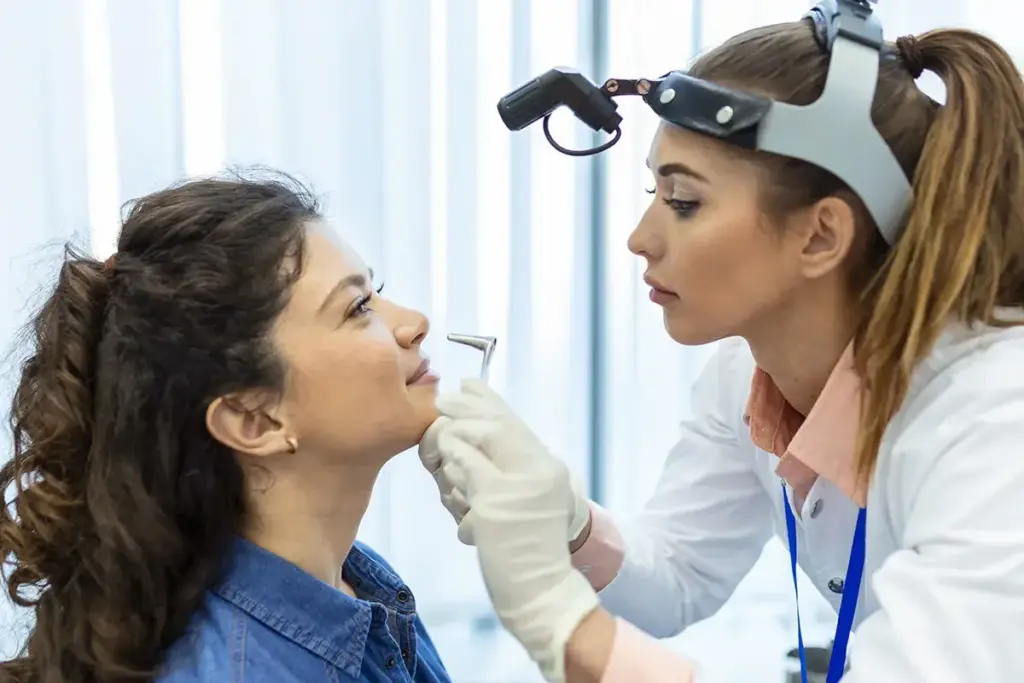
ENTs use in-office techniques that are both effective and comfortable. We use top-notch equipment for a thorough sinus wash. This helps clear out your nasal passages and sinuses.
For those with chronic or acute sinus symptoms, this is very helpful. We might use saline solutions to gently flush your sinuses. This sinus lavage removes debris, reduces inflammation, and aids in healing.
Advanced Equipment Used by Specialists
Our office has the latest in sinus care technology. We use advanced irrigation devices for precise flush nasal and sinus wash procedures. These devices clean deep into your sinuses, relieving pressure and congestion.
Our equipment lets us customize treatments for each patient. We adjust the irrigation solution’s flow and pressure for comfort and effectiveness.
What to Expect During an ENT Sinus Flush
At your ENT sinus flush, expect a detailed and professional procedure. We’ll first check your sinus health and plan the best treatment. The irrigation process is usually quick and might feel a bit uncomfortable.
During the sinus wash, you might feel fluid flowing through your sinuses. But it shouldn’t hurt. Right after, you might feel your sinuses clear and pressure ease.
“The sinus irrigation procedure was surprisingly comfortable, and I felt a significant improvement in my sinus symptoms afterward.” – A satisfied patient.
After the procedure, we’ll give you tips on how to keep your sinuses healthy. This helps maintain the treatment’s benefits and supports ongoing sinus health.
Clinical Evidence Supporting Sinus Irrigation
Research shows that sinus irrigation is very effective. It helps treat nose wash sinus infection and improves patient outcomes. Many studies have proven its benefits.
Research on Symptom Improvement Rates
Studies show that saline irrigation can greatly improve symptoms in sinus infection patients. A study in found that those who used it saw a big drop in symptoms.
This method works by removing debris and pathogens from the nose. It helps reduce inflammation and aids in healing. Knowing how do you drain your sinuses well can help manage your condition better.
Pediatric Research Outcomes
Research also shows that sinus irrigation works well for kids. Children who do it regularly have fewer sinus problems and better health. This is good news for its safety and effectiveness in all ages.
Patient Satisfaction Studies
Most patients are very happy with sinus irrigation. They say it greatly improves their life quality. It’s simple and effective in handling chronic sinus issues.
It helps relieve sinus pressure and congestion. This lets patients do their daily activities without sinus discomfort. In short, the evidence for sinus irrigation is strong. It’s a good option for those with nose wash sinus infection or looking to how do you drain your sinuses.
How to Drain Your Sinuses: Professional vs. At-Home Methods
Understanding the difference between professional sinus flushing and at-home nasal irrigation is key. Sinus health is vital for our well-being. The right method for sinus drainage can greatly improve our life quality.
Advantages of ENT-Performed Procedures
Professional sinus irrigation by an ENT specialist has many benefits. Effective relief for severe sinus symptoms is a major advantage. ENTs use advanced tools and methods for a safe and thorough procedure.
This is great for those with chronic sinus issues or who haven’t seen results with home methods. Professional flushing can also offer quick relief by clearing blockages and reducing swelling. It’s customized to fit your specific needs, making it more effective.
Limitations of Self-Administered Irrigation
At-home nasal irrigation is easy and affordable, but it has its limits. Inadequate technique can lead to incomplete drainage or even infections. Using the wrong solutions or equipment can also irritate or harm your nasal passages.
For severe or chronic sinus problems, self-irrigation might not be enough. Without expert guidance, you might not reach the right areas, leading to ongoing symptoms.
When Self-Care Is Appropriate vs. Professional Care
Knowing when to use self-care versus professional care is important. For mild sinus issues, at-home irrigation is a good start. But if symptoms don’t improve or get worse, seeing an ENT specialist is essential.
Professional care is best for recurring sinus infections, chronic sinusitis, or when home treatments don’t work. ENTs can give a detailed evaluation and suggest the best treatment, which might include professional flushing.
In summary, both professional and at-home methods have their roles in sinus care. Knowing their strengths and weaknesses helps us choose the best option. This way, we can effectively manage sinus symptoms and enhance our overall well-being.
Types of Solutions Used for Sinus Lavage
Sinus lavage is key for keeping sinuses healthy. The solution used is very important. Different solutions are needed for different patients.
Saline Solutions and Their Formulations
Saline solutions are the top choice for sinus irrigation. They mix salt and water. Isotonic saline solutions match the body’s salt levels, being gentle. Hypertonic saline solutions have more salt, helping with congestion.
|
Solution Type |
Characteristics |
Benefits |
|---|---|---|
|
Isotonic Saline |
Same salt concentration as human tissues |
Gentle on nasal mucosa, moisturizes |
|
Hypertonic Saline |
Higher salt concentration |
Reduces nasal congestion, effective for sinus pressure |
Medicated Solutions for Specific Conditions
Medicated solutions are used for certain conditions. They might have antibiotics, antifungals, or corticosteroids. For example, antibiotic solutions fight bacterial infections. Corticosteroid solutions reduce inflammation in chronic sinusitis.
What to Avoid in Irrigation Solutions
Don’t use tap water for sinus irrigation. It might have harmful bacteria. Also, avoid harsh or irritating solutions. Use sterile or distilled water instead. Always talk to an ENT specialist for the right solution.
The Sinus Irrigation Process: Step-by-Step
The sinus irrigation process has several key steps. It’s done by ENT specialists to clear mucus and debris from the sinuses. This helps relieve congestion and sinus pressure.
Pre-Procedure Preparation by ENT Specialists
Before starting, our ENT specialists explain the process to the patient. They also make sure all the needed equipment is ready. This includes:
- Reviewing the patient’s medical history to identify any risks or allergies.
- Doing a quick examination to check the nasal passages and sinuses.
- Picking the right irrigation solution for the patient’s needs.
During the Professional Irrigation Process
The patient is then comfortably positioned. The irrigation solution is gently put into the nasal passages with a special device. The solution moves through the sinuses, removing mucus and debris. This is done in a safe and controlled setting.
Post-Procedure Care and Instructions
After the procedure, patients get care instructions to help them recover well. These include:
- Using saline nasal sprays to keep the nasal passages moist.
- Avoiding hard activities for a while.
- Watching for any signs of problems or bad reactions.
|
Post-Procedure Care |
Description |
Benefits |
|---|---|---|
|
Saline Nasal Sprays |
Keeping the nasal passages moist to prevent dryness and irritation. |
Reduces discomfort and promotes healing. |
|
Avoiding Strenuous Activities |
Minimizing physical exertion to prevent increased sinus pressure. |
Helps in preventing complications. |
|
Monitoring for Complications |
Watching for signs of adverse reactions or complications. |
Ensures prompt intervention if necessary. |
Benefits of Professional Sinus Flushing
For those with chronic sinus problems, professional sinus flushing can be a big help. An ENT specialist performs this procedure. It offers many benefits that can greatly improve a patient’s life.
Immediate Relief Benefits
One key benefit of professional sinus flushing is the quick relief it gives. It clears out nasal passages and sinuses. This leads to less congestion and sinus pressure.
Many patients see quick benefits like less sinus pressure and better breathing. The immediate relief from this procedure is great for those with acute sinusitis or severe symptoms.
Long-Term Health Improvements
Professional sinus flushing also brings long-term health benefits. Regular flushing keeps sinuses healthy by removing debris and reducing infection risk. It’s good for those with chronic sinus conditions.
Adding professional sinus flushing to treatment plans can lower sinus infection frequency and severity. This leads to long-term health improvements and less need for antibiotics or other meds.
Quality of Life Enhancements
Professional sinus flushing also boosts quality of life. It reduces sinus symptoms, leading to better sleep, more productivity, and enjoying daily activities without sinus issues.
Patients who get regular sinus flushing often feel much better. This quality of life enhancement is key. It lets patients live more comfortably and fully enjoy their lives.
In summary, professional sinus flushing offers many benefits. It provides quick relief, long-term health gains, and improves quality of life. Understanding these benefits helps patients make better choices for their sinus care. They can work with their ENT specialist to find the best treatment plan.
Potential Risks and Side Effects of Sinus Washing
Sinus washing is usually safe, but it can have some risks and side effects. It’s important to know about these to make informed choices.
Common Minor Side Effects
Most people do well with sinus irrigation, but some might feel minor side effects. These can include:
- Nasal discomfort or pain
- Temporary nasal congestion
- Mild nosebleeds
- Headaches
These side effects usually go away quickly. But if they don’t or get worse, it’s best to talk to an ENT specialist.
Rare but Serious Complications
Even though rare, serious problems can happen with sinus washing. These might include:
- Infections, like sinusitis or other bacterial infections
- Severe allergic reactions to the irrigation solution
- Nasal septal perforation
Following the right technique and using sterile or distilled water can help avoid these risks.
How ENTs Minimize Procedure Risks
ENT specialists take steps to lower the risks of sinus washing:
|
Precaution |
Description |
|---|---|
|
Proper Technique Training |
Patients learn the right way to do sinus irrigation to avoid pushing water too hard into their noses. |
|
Use of Sterile Equipment |
ENT offices use clean equipment for irrigations, which lowers the chance of infection. |
|
Customized Irrigation Solutions |
Solutions are made just for the patient, which helps avoid allergic reactions or other bad effects. |
By doing these things, ENT specialists can make sinus washing safer and more effective. This helps treat sinusitis and other nasal problems well.
As we’ve talked about, sinus washing is usually safe, but knowing the risks and side effects is key. Understanding these and working with an ENT specialist can help make sinus irrigation safer and more beneficial.
Nose Wash Sinus Infection: At-Home Irrigation Options
At-home nasal irrigation is a simple yet effective method for alleviating sinus infection symptoms. Many individuals find relief from sinus pressure and congestion by using nasal irrigation techniques in the comfort of their own homes.
Traditional Nasal Irrigation Methods
Neti pots have been used for centuries as a traditional method for nasal irrigation. These devices work by rinsing the nasal passages with a saline solution, helping to clear out mucus and debris.
Benefits of Neti Pots:
- Effective in reducing sinus congestion
- Can be used with various saline solutions
- Portable and easy to clean
Modern Irrigation Devices for Home Use
In addition to traditional neti pots, modern irrigation devices offer advanced features for improved sinus care. These include squeeze bottles with nasal sprays and electronic nasal irrigators.
|
Device Type |
Key Features |
Benefits |
|---|---|---|
|
Neti Pots |
Simple, non-electric |
Effective, portable |
|
Squeeze Bottles |
Easy to use, adjustable pressure |
Convenient, gentle on nasal passages |
|
Electronic Irrigators |
Customizable settings, advanced technology |
Precise control, enhanced comfort |
Creating Safe Irrigation Solutions at Home
When creating saline solutions for nasal irrigation at home, it’s important to use sterile or distilled water. This minimizes the risk of infection. You can also add salt and baking soda to mimic the natural pH of the body.
Tips for Safe Irrigation:
- Use sterile or distilled water
- Follow proper salt and baking soda ratios
- Clean irrigation devices thoroughly after each use
When Professional Sinusitis Flushing Is Necessary
Home remedies can help with mild sinus issues. But, some situations need professional help. We look at when you should see a doctor for severe sinus symptoms.
Indicators That Home Remedies Aren’t Sufficient
If home remedies don’t work for you, it’s time to see a doctor. Signs you need professional help include:
- Severe facial pain or pressure
- Persistent nasal congestion
- Thick, discolored nasal discharge
- Fever or chills
- Symptoms that worsen over time
Seeing an ENT specialist is key when these symptoms show up.
Conditions Requiring Medical Intervention
Some health issues need more than home remedies. These include:
|
Condition |
Description |
|---|---|
|
Chronic Sinusitis |
Long-term inflammation of the sinuses that doesn’t respond to home treatments |
|
Acute Sinusitis with Complications |
Severe infections that may have spread beyond the sinuses |
|
Nasal Polyps |
Growths in the nasal passage that can obstruct sinus drainage |
These conditions often need professional sinus flushing as part of treatment.
Emergency Situations Related to Sinus Problems
Some sinus issues are emergencies. Severe symptoms that need quick medical help include:
- Sudden, severe headache or facial pain
- Confusion or altered mental state
- Vision changes or double vision
- Swelling around the eyes
- High fever with chills
Sinus Flushing for Special Populations
Some groups, like children and older adults, need special care with sinus irrigation. This method is effective but must be adjusted for each group’s needs.
Pediatric Considerations and Techniques
Children need a gentle approach to sinus irrigation. Their small nasal passages and growing sinuses require careful handling. We use special saline solutions to avoid discomfort and risks.
Elderly Patients and Sinus Care
Elderly patients face unique challenges with sinus care. We consider their health and sinus changes. Adjustments, like using humidified air, help maintain their nasal health.
- Careful assessment of the patient’s overall health and sinus condition
- Use of gentle, age-appropriate irrigation techniques
- Consideration of any medications that may affect nasal health
Managing Irrigation for Patients with Chronic Conditions
Those with chronic conditions need ongoing care. We create a personalized plan for each patient. This helps manage their condition effectively.
For example, cystic fibrosis patients may need more frequent irrigation. “
Follow-Up Care After Professional Sinus Irrigation
Professional sinus irrigation is just the start. Keeping up with care is key for the best results. After the procedure, patients must know how to keep their sinuses healthy.
Post-Procedure Monitoring by ENT Specialists
After the procedure, ENT specialists will check in to see how you’re doing. They want to make sure your sinuses are healing right and there are no problems.
They will look at your sinus health and check for infections. They might also give tips on keeping your sinuses healthy.
“Regular follow-up care is vital to ensuring the long-term success of sinus irrigation.”ENT Specialist
Maintenance Regimens to Extend Benefits
To keep the benefits going, patients are told to stick to a care plan. This includes doing nasal saline irrigations regularly. It helps keep the sinuses clear and prevents infections.
They might also get medicine to help with sinus health. This could be steroids to reduce swelling or antibiotics for bacterial infections.
- Use saline nasal sprays as directed
- Perform nasal irrigation regularly
- Attend follow-up appointments with your ENT specialist
When to Schedule Additional Treatments
It’s important to know when to get more treatment. If symptoms come back or get worse, see your ENT specialist. Regular visits can catch problems early.
If you have severe pain, trouble breathing, or signs of infection, get help fast. This is important for your health.
By following these steps and staying in touch with your doctor, you can keep enjoying the benefits of sinus irrigation. This will help keep your sinuses healthy for a long time.
Conclusion: The Value of ENT-Administered Sinus Flushing
Professional sinus flushing is a big help for managing sinus symptoms. We’ve looked at how it works and its benefits in this article. It’s clear that ENT specialists play a key role in sinus care.
When done right, sinus flushing can ease sinus pressure and congestion. An ENT specialist’s expertise makes the process safe and effective. This means fewer risks and better results.
For people with chronic sinus issues, sinus flushing is a big part of their treatment. It can greatly improve their life quality. In the end, ENT-administered sinus flushing offers safe, effective, and personalized care for sinus problems.
FAQ
What is sinus flushing, and how does it work?
Sinus flushing, or nasal irrigation, cleans your nasal passages and sinuses. It uses a saline solution to remove mucus, debris, and allergens. This process helps your sinuses drain properly, easing congestion.
Can an ENT specialist perform sinus flushing?
Yes, ENT specialists like us can do sinus flushing in our offices. We use special equipment and techniques. Our goal is to safely and effectively relieve sinus issues.
What are the benefits of professional sinus flushing?
Professional sinus flushing can quickly ease congestion. It also improves your long-term health and quality of life. Many of our patients see big improvements in their symptoms and overall health.
What types of solutions are used for sinus lavage?
We use saline, medicated, or a mix of solutions, based on your needs. Our solutions are gentle yet effective in clearing out mucus and debris.
How do I prepare for a sinus irrigation procedure?
Before the procedure, we’ll check your nasal passages and sinuses. We might give you instructions, like avoiding certain medications or sprays.
What can I expect during a professional sinus irrigation procedure?
During the procedure, we’ll use a special device to deliver the solution. You might feel a gentle flow, but it’s usually painless.
Are there any risks or side effects associated with sinus washing?
Sinus washing is mostly safe, but you might feel some discomfort or stinging. Serious risks like infection or trauma are rare. We use sterile equipment to minimize risks.
Can I perform sinus irrigation at home?
Yes, you can do sinus irrigation at home with a neti pot or other devices. Just make sure to use sterile or distilled water to avoid infection.
When should I seek professional sinusitis flushing?
If you have persistent or severe sinus symptoms, like facial pain or fever, seek professional help. We can assess your condition and guide you on the best treatment.
How often should I undergo sinus irrigation?
How often you need sinus irrigation depends on your situation. We might suggest a regular routine to keep your sinuses healthy and prevent problems.
Is sinus flushing suitable for children and elderly patients?
Yes, sinus flushing can be done for children and the elderly. We use gentle techniques and tailored approaches to meet their needs.
What are the signs that I need to schedule additional sinus irrigation treatments?
If your sinus symptoms come back, like congestion or facial pain, you might need more treatments. We can check your condition and advise on the next steps.
JAMA Network. Evidence-Based Medical Insight. Retrieved from https://jamanetwork.com/journals/jamaotolaryngology/fullarticle/484888[2