nasal polyps
Did you know that nasal polyps affect millions of people worldwide? They cause a lot of discomfort and can really impact your life. Symptoms include congestion, loss of smell, and sinus infections.
Are nasal polyps ruining your life? Learn dangerous ultimate secrets about untreated growths and discover effective, easy ways to find relief.
Dealing with nasal polyp symptoms can be really tough. It can make everyday life hard. In this article, we’ll talk about what nasal polyps are, their effects, and how to treat them.
Key Takeaways
- Understanding what nasal polyps are and their causes.
- Recognizing the symptoms of nasal polyps.
- Exploring available treatment options for nasal polyps.
- Learning how to manage nasal polyp symptoms effectively.
- Discovering lifestyle changes to help cope with nasal polyps.
Understanding Nasal Polyps and Their Impact
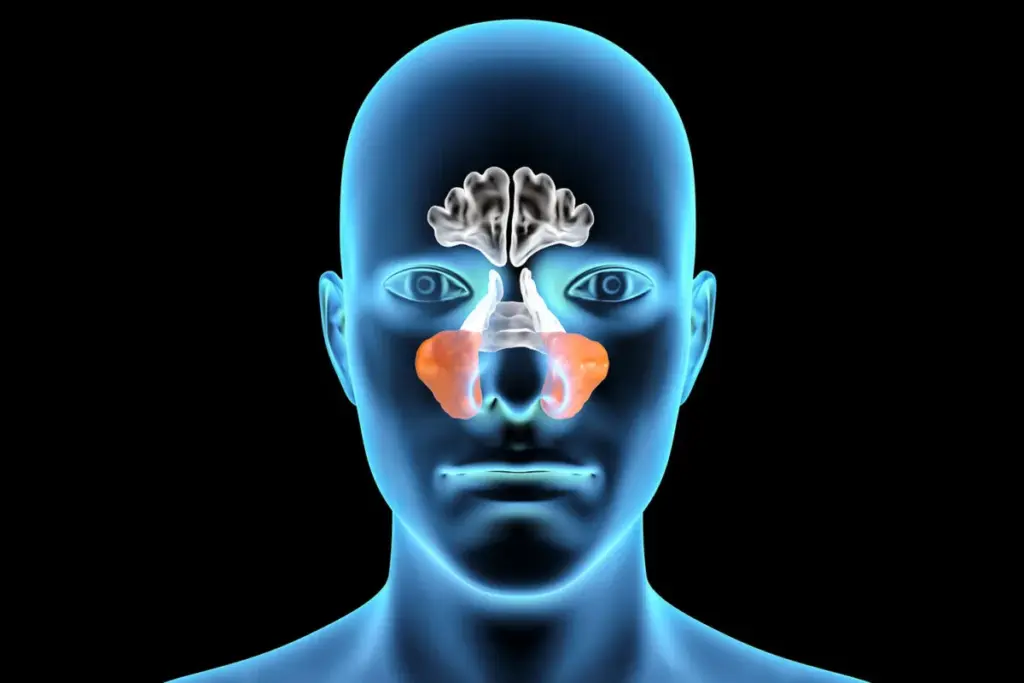
nasal polyps symptoms
It’s important to know about nasal polyps to manage their effects on daily life. Nasal polyps are soft, painless growths in your nasal passages or sinuses. They happen because of long-term inflammation.
These growths can be linked to asthma, recurring infections, allergies, drug sensitivity, or certain immune disorders. Nasal polyps can cause symptoms that really affect your quality of life.
Definition and Basic Characteristics
Nasal polyps are benign growths caused by long-term inflammation in the nasal mucosa. They are soft and painless, and can vary in size. The exact cause of nasal polyps is not always clear, but they often come from conditions that cause chronic inflammation.
Key characteristics of nasal polyps include:
- Noncancerous nature
- Soft and painless texture
- Association with chronic inflammation
- Variable size, potentially obstructing nasal passages
Medical professionals say, “Nasal polyps are a sign of an underlying inflammatory process. Their management needs to tackle the root cause.”
How Nasal Polyps Affect Daily Life

Nasal polyps can cause symptoms that affect daily activities and overall well-being. Common symptoms include nasal congestion, loss of smell, facial pressure, and trouble breathing through the nose.
|
Symptom |
Impact on Daily Life |
|---|---|
|
Nasal Congestion |
Difficulty breathing, sleep disturbances |
|
Loss of Smell |
Reduced enjoyment of food, safety concerns (e.g., detecting gas leaks) |
|
Facial Pressure |
Discomfort, headaches |
These symptoms can really impact your quality of life. They need proper management and treatment to ease them.
The Anatomy of Nasal Polyps
nasal polyps anatomy
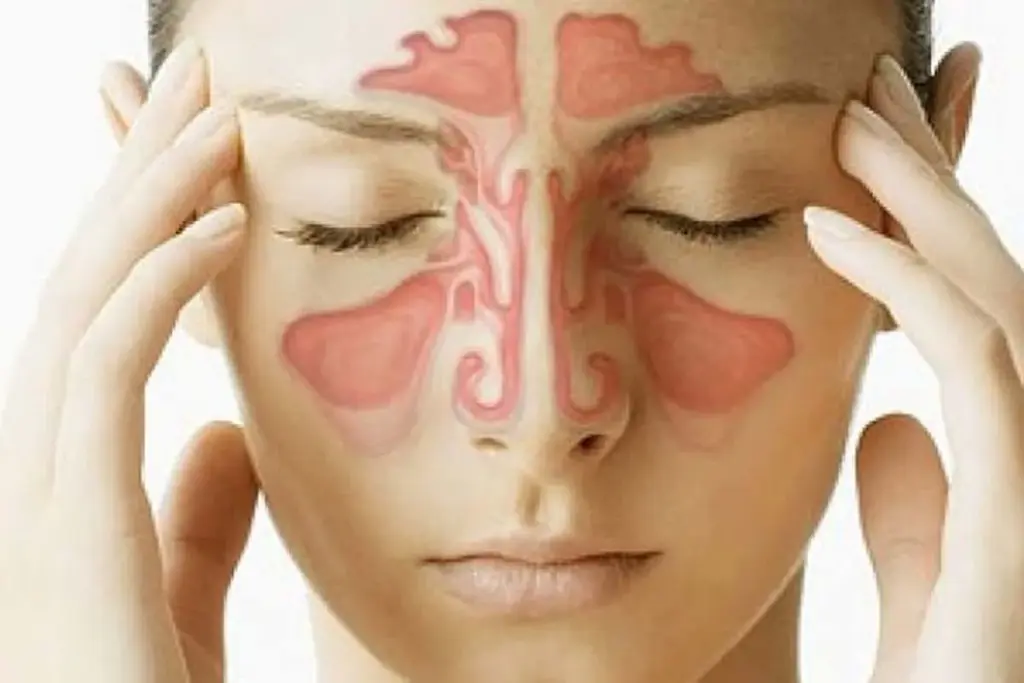
Understanding nasal polyps requires knowledge of their structure and growth locations. These growths are not harmful and appear in the nasal passages. Their shape and size can affect our health.
Structure and Appearance
Nasal polyps are soft and painless. They are not cancerous. These growths are usually teardrop-shaped and can be different sizes. Their surface is smooth and might be pale or slightly red.
Common Locations in the Nasal Cavity
Nasal polyps often grow in the ethmoid sinuses. These are between the nose and the eyes. They can also appear in the maxillary sinuses, which are in the cheeks. Where they grow can affect how we breathe and smell.
The Role of the Ethmoid Bone and Sinuses
The ethmoid bone is at the roof of the nasal cavity. It has the ethmoid sinuses, which are important for nasal polyps. These sinuses are small air cells that can get inflamed, causing polyps to form.
|
Anatomical Feature |
Description |
Relevance to Nasal Polyps |
|---|---|---|
|
Ethmoid Bone |
A spongy bone at the roof of the nasal cavity containing numerous small air cells. |
Highly relevant as it houses the ethmoid sinuses where polyps often form. |
|
Nasal Cavity |
The internal space of the nose where air passes through. |
Relevant as nasal polyps grow within this cavity, affecting airflow. |
|
Sinus Polyps |
Benign growths resulting from chronic inflammation. |
Directly related to the condition being discussed. |
Prevalence and Risk Factors
nasal polyp risk factors
Nasal polyps are influenced by genetics, environment, and health. They grow on the nasal lining and can greatly affect life quality.
Who Is Most Likely to Develop Nasal Polyps
Nasal polyps can happen to anyone, but they’re more common in adults. People with asthma are at a higher risk. About 20-30% of asthma patients also have nasal polyps.
Those with allergies, especially allergic rhinitis, and certain genetic conditions like cystic fibrosis are also at risk. These conditions cause chronic inflammation and irritation in the nasal passages.
Conditions That Increase Your Risk
Several health conditions and environmental factors can raise your risk of nasal polyps. These include:
- Chronic Sinusitis: Ongoing inflammation and infection of the sinuses can lead to the formation of nasal polyps.
- Aspirin Sensitivity: Individuals with aspirin-exacerbated respiratory disease (AERD) are more likely to develop nasal polyps.
- Allergic Fungal Sinusitis: A condition characterized by an allergic reaction to fungi in the sinuses, which can lead to polyp formation.
- Cystic Fibrosis: A genetic disorder that results in severe damage to the lungs, digestive system, and other organs, increasing the risk of nasal polyps.
|
Risk Factor |
Description |
Impact on Nasal Polyp Development |
|---|---|---|
|
Asthma |
Chronic inflammation of the airways |
Increases risk due to shared inflammatory pathways |
|
Allergic Rhinitis |
Allergic reactions leading to nasal inflammation |
Heightens risk due to chronic nasal inflammation |
|
Cystic Fibrosis |
Genetic disorder causing severe organ damage |
Significantly increases risk due to thick mucus production |
Knowing these risk factors is key for early detection and management of nasal polyps. Healthcare providers can offer targeted treatments and preventive measures to those at higher risk.
Common Symptoms of Nasal Polyps
nasal polyps symptoms
Knowing the symptoms of nasal polyps is crucial for managing them well. These growths can affect breathing, smelling, and comfort.
Early Warning Signs
Early signs of nasal polyps include a reduced sense of smell or taste. You might also notice nasal congestion and discharge. Some people feel facial pain or pressure, headaches, and postnasal drip. These symptoms can start off mild but get worse if not treated.
Key early warning signs include:
- Loss of smell or taste
- Nasal congestion or stuffiness
- Nasal discharge or postnasal drip
- Facial pain or pressure
- Headaches
Advanced Symptoms
As nasal polyps grow or increase in number, symptoms can worsen. Advanced symptoms include persistent nasal congestion and trouble breathing through the nose. You might also feel pressure in your face or forehead. Some people get recurring sinus infections, which might need sinusitis antibiotics.
A medical expert emphasizes the importance of early detection:
“Early detection and treatment of nasal polyps can significantly improve quality of life and reduce the risk of complications.”
Nasal and Sinus Specialist
When Symptoms Require Immediate Medical Attention
Certain symptoms need immediate medical help. Severe difficulty breathing, sudden severe facial pain, or signs of infection like fever and increased nasal discharge are urgent. Also, if your symptoms change or get worse, see a doctor.
|
Symptom Severity |
Common Symptoms |
Action Required |
|---|---|---|
|
Mild |
Loss of smell, nasal congestion |
Monitor symptoms, consult a doctor |
|
Moderate |
Facial pain, postnasal drip, recurring sinus infections |
Seek medical evaluation, consider treatment options |
|
Severe |
Severe difficulty breathing, sudden severe facial pain |
Immediate medical attention required |
Causes and Triggers of Nasal Polyp Development
nasal polyp causes
To understand nasal polyps, we must look at inflammation, allergies, and genetics. These growths in the nasal passages are often due to long-term inflammation.
Inflammatory Conditions
Chronic inflammation is a big reason for nasal polyps. Chronic sinusitis is one condition that can cause them. This swelling can lead to polyp formation.
“Inflammation is a key driver in the development of nasal polyps,” studies say. This can come from infections or allergies.
Allergic Reactions and Environmental Factors
Allergies are a big part of nasal polyp development. Dust, pollen, and mold can cause allergic reactions. This can lead to inflammation and polyps. Pollutants and irritants in the environment also play a role.
- Allergens like dust and pollen
- Environmental pollutants
- Irritants such as smoke
Controlling allergies and avoiding environmental irritants can lower the risk of nasal polyps.
Genetic Predisposition
Genetics also play a part in nasal polyps. People with a family history of polyps, asthma, or allergies are more at risk. Genetics can affect how the body reacts to inflammation.
“Genetic predisposition can significantly influence an individual’s likelihood of developing nasal polyps,” medical research says. Knowing this can help in finding better treatments.
Understanding what causes nasal polyps helps us manage and prevent them. We need to tackle inflammation, allergies, and genetics.
Diagnosing Nasal Polyps
nasal endoscopy
Figuring out if you have nasal polyps starts with a detailed check-up. Doctors use different methods to see how big, where, and how polyps affect your nose and sinuses.
Physical Examination Techniques
A doctor’s first step is usually a physical check. They might use a tool called a nasal speculum to look inside your nose. This helps spot big polyps or other issues that might be causing your symptoms.
Nasal Endoscopy
Nasal endoscopy is a detailed way to see inside your nose and sinuses. It uses a flexible or rigid scope to get a clear view. This method is great for finding polyps, seeing how big they are, and checking their impact. Nasal endoscopy is especially helpful for hard-to-see areas.
Imaging Studies: CT Scans and MRIs
CT scans and MRIs give a full picture of your sinuses and nose. CT scans show how big polyps are and if they’re causing problems like sinusitis. MRIs help tell polyps apart from other growths, which helps doctors plan your treatment.
Choosing the right test depends on your situation. Doctors aim for a precise diagnosis to plan the best treatment. By using these methods, they can fully understand your condition and tailor a treatment plan just for you.
The Impact of Nasal Polyps on Quality of Life
nasal polyp treatment
Nasal polyps can make life tough, affecting both body and mind. They change daily life, causing symptoms that hurt well-being.
Physical Effects and Limitations
Nasal polyps cause nasal congestion, loss of smell, and facial pain. These symptoms make it hard to do everyday things. For example, not being able to smell food can lead to poor nutrition.
They also disrupt sleep, causing fatigue and less productivity. It’s key to find good nasal polyp treatment to ease these symptoms.
|
Physical Symptom |
Impact on Daily Life |
|---|---|
|
Nasal Congestion |
Difficulty breathing, sleep disturbances |
|
Loss of Smell |
Reduced enjoyment of food, potential nutritional deficiencies |
|
Facial Pain |
Discomfort, headaches, and decreased productivity |
Psychological and Social Impact
Nasal polyps can deeply affect the mind. Chronic nasal issues and loss of smell can make people feel frustrated and alone. They might feel anxious or depressed because of their symptoms and how they affect daily life.
Going out socially can be hard too. People with nasal polyps might stay away from social events because of their condition or discomfort. This can make them feel even more isolated and hurt their mental health.
It’s important to understand how nasal polyps affect life. By treating both physical and mental sides, doctors can help people take back control. This improves their overall health and well-being.
Medical Treatment Options for Nasal Polyps
Nasal polyps can be managed with various medical treatments. This improves your quality of life. The right treatment depends on the polyp size, symptom severity, and any underlying conditions.
Nasal Corticosteroid Sprays
Nasal corticosteroid sprays are often the first choice for treating nasal polyps. They reduce inflammation and swelling, making breathing easier. These sprays can also shrink polyps, helping with nasal congestion and loss of smell. Fluticasone and budesonide are common sprays used.
Benefits: They effectively reduce polyp size and inflammation. They can be used long-term with few side effects.
Oral Corticosteroids
For severe cases, oral corticosteroids may be given. These are strong anti-inflammatory drugs that can shrink nasal polyps. But, they are used for short periods due to possible side effects.
Considerations: Oral corticosteroids can cause weight gain, mood changes, and high blood pressure. They are effective but have significant side effects.
Antibiotics for Secondary Infections
If there’s a secondary bacterial infection, antibiotics might be needed. Sinusitis antibiotics treat bacterial infections that can happen with nasal polyps. Remember, antibiotics don’t work on viral infections.
Importance: Treating secondary infections is key to prevent complications and aid in healing.
Talking to a healthcare professional about these treatments is important. They can help decide the best way to manage nasal polyps.
Advanced Medical Therapies
Biological treatments are changing how we manage nasal polyps. These new therapies offer hope to those who didn’t get better with old treatments. We’ll look at Dupixent, a biological treatment, and its possible side effects.
Biological Treatments: Dupixent and Its Mechanism
Dupixent (dupilumab) is a special antibody that fights inflammation in nasal polyps. It blocks two proteins, IL-4 and IL-13, which cause inflammation. By stopping these proteins, Dupixent reduces swelling and can make polyps smaller.
Key Benefits of Dupixent:
- Reduces nasal polyp size
- Improves sense of smell
- Decreases nasal congestion
Studies have shown Dupixent works well for severe nasal polyps.
Potential Side Effects of Biological Treatments
Dupixent and similar treatments can have side effects. Common ones include:
- Injection site reactions
- Eye and eyelid inflammation
- Cold sores
It’s important to talk to your doctor about the risks and benefits. This helps you make the best choice for your treatment.
|
Biological Treatment |
Mechanism of Action |
Common Side Effects |
|---|---|---|
|
Dupixent (Dupilumab) |
Blocks IL-4 and IL-13, reducing type 2 inflammation |
Injection site reactions, eye inflammation, cold sores |
As research gets better, we’ll see more targeted treatments. It’s key for patients to stay updated and work with their doctors. This way, they can find the best treatment plan.
Surgical Treatments for Nasal Polyp Removal
Surgical treatments can help remove nasal polyps when other methods fail. We’ll look at the different surgeries, like endoscopic sinus surgery and polypectomy. We’ll also talk about what to expect during recovery and after the surgery.
Endoscopic Sinus Surgery Procedures
Endoscopic sinus surgery is a good choice for removing nasal polyps. It’s a minimally invasive surgery that uses an endoscope to see inside the nasal passages and sinuses. The surgeon can then remove polyps and improve airflow.
Benefits of Endoscopic Sinus Surgery:
- Minimally invasive, reducing recovery time
- High success rate in removing nasal polyps
- Improves sinus drainage and reduces sinus pressure
Polypectomy Techniques
Polypectomy is a surgery to remove nasal polyps. The method used depends on the polyp’s size and location. Sometimes, a microdebrider is used to cut and remove the polyp tissue. This method is precise and causes less damage.
|
Polypectomy Method |
Description |
Advantages |
|---|---|---|
|
Microdebrider |
Uses a tool that cuts and suctions away polyp tissue |
Precise, minimizes damage to surrounding tissue |
|
Endoscopic Removal |
Involves using an endoscope to visualize and remove polyps |
Effective for polyps in hard-to-reach areas |
Recovery and Post-Surgical Care
After nasal polyp surgery, you might feel some nasal congestion and mild discomfort. It’s important to follow a care plan that includes nasal saline irrigations. These help keep the nasal passages clean and aid in healing. Also, make sure to go to all follow-up appointments to check on your healing progress.
Post-Surgical Care Tips:
- Use nasal saline irrigations as directed
- Attend all scheduled follow-up appointments
- Avoid strenuous activities for a few weeks post-surgery
Nasal Irrigation and Rinse Techniques
Nasal irrigation is a simple yet effective way to manage nasal polyps. It involves rinsing the nasal passages with a saline solution. This clears out mucus, reduces inflammation, and improves sinus drainage.
By adding nasal irrigation to their daily routine, people with nasal polyps can feel a lot better. They can experience significant relief from their symptoms.
Benefits of Sinus Rinses for Nasal Polyps
Sinus rinses offer many benefits for nasal polyps. They help reduce the size of nasal polyps by decreasing inflammation. They also improve sinus drainage, which can be blocked by polyps.
Lastly, sinus rinses can prevent infections. They clear out bacteria and other pathogens from the nasal cavity.
How to Properly Perform Nasal Irrigation
To do nasal irrigation right, use a neti pot or a squeeze bottle with a nasal spray tip. Make the saline solution as the device’s instructions say or use a pre-mixed packet.
Start by tilting your head to one side. Gently pour the solution into the upper nostril. Let it flow out of the lower nostril. Do the same on the other side.
It’s crucial to use sterile or distilled water. Also, clean the device after each use to avoid infection.
Living with Nasal Polyps: Daily Management Strategies
Managing nasal polyps daily means controlling your environment and making lifestyle changes. These steps help you handle symptoms better and live a fuller life.
Environmental Controls and Allergen Avoidance
Controlling your environment is key in managing nasal polyps. Use HEPA filters to clean the air at home. Stay away from strong smells and keep your space clean and free of dust.
It’s also important to avoid allergens. Find out what allergens make your symptoms worse. Stay inside when pollen counts are high, use allergen-proof bedding, and avoid pets if you’re allergic to them.
Diet and Lifestyle Modifications
Your diet can also help manage nasal polyps. Eat foods that fight inflammation, like omega-3s, fruits, and veggies. Avoid foods that can make inflammation worse, like processed foods and sugary ones.
Changing your lifestyle can also help. Regular exercise and a healthy weight can improve your health and help with nasal polyps. Exercise helps with sinus drainage, and a healthy weight lowers the risk of conditions that make nasal polyps worse.
Monitoring Your Condition and Recognizing Changes
Keeping an eye on your symptoms is crucial for managing nasal polyps. Watch for changes like more nasal congestion, loss of smell, or facial pain. A symptom journal can help you track your condition and find patterns or triggers.
Spotting symptom changes early helps prevent bigger problems. It also improves your life quality. Don’t forget to see your healthcare provider regularly to adjust your treatment plan as needed.
Preventing Nasal Polyp Recurrence
To stop nasal polyps from coming back, you need both medical help and lifestyle changes. We’ll look at the best ways to keep polyps away and stay healthy for a long time.
Long-term Medication Strategies
Long-term meds are key in stopping polyps from coming back. Nasal corticosteroid sprays are often the first choice. They help lower inflammation and stop polyps from returning.
Sometimes, oral corticosteroids are used for a short time to fight off severe inflammation. Also, biological treatments like Dupixent are promising. They target specific inflammation pathways.
- Nasal corticosteroid sprays to reduce inflammation
- Oral corticosteroids for short-term control of severe inflammation
- Biological treatments to target specific inflammatory pathways
Lifestyle Changes for Prevention
Changing your lifestyle is also crucial in preventing polyps from coming back. Environmental controls and allergen avoidance can greatly lower the risk of polyps returning.
Regular use of nasal saline irrigations helps keep your nasal passages clean and lowers inflammation. Eating a healthy diet full of fruits, veggies, and omega-3s also supports your sinuses.
- Implement environmental controls to reduce allergen exposure
- Use nasal saline irrigations regularly
- Maintain a healthy diet to support sinus health
A combination of long-term medications and lifestyle changes can help prevent the recurrence of nasal polyps. This improves your life quality a lot.
Complications of Untreated Nasal Polyps
Not treating nasal polyps can lead to serious health problems. These include ongoing infections and breathing issues. If not treated, nasal polyps can greatly lower a person’s quality of life, leading to severe health issues.
Chronic Sinusitis and Recurring Infections
Untreated nasal polyps often cause chronic sinusitis. This is a long-term inflammation of the sinuses, leading to frequent infections. Symptoms include nasal blockage, facial pain, and a reduced sense of smell.
Chronic sinusitis is more than just a minor problem. It can seriously affect daily life. People with this condition often face ongoing discomfort and need constant care.
|
Condition |
Symptoms |
Impact on Quality of Life |
|---|---|---|
|
Chronic Sinusitis |
Nasal congestion, facial pain, reduced sense of smell |
Ongoing discomfort, continuous management required |
|
Sleep Apnea |
Pausing breathing during sleep, daytime fatigue |
Poor sleep quality, increased risk of cardiovascular diseases |
|
Breathing Difficulties |
Nasal obstruction, difficulty breathing through the nose |
Reduced physical performance, increased reliance on mouth breathing |
Sleep Apnea and Breathing Difficulties
Additionally, nasal polyps may lead to sleep apnea and breathing difficulties. The blockage from polyps can lead to pauses in breathing during sleep, typical of sleep apnea. This disrupts sleep quality and raises the risk of heart diseases. Also, breathing through the mouth can cause dry mouth and oral health problems.
Sleep apnea and breathing issues can deeply affect daily life. Poor sleep can lead to daytime tiredness, lower productivity, and a decrease in overall well-being.
Potential for Structural Changes in the Nose
Untreated nasal polyps can cause structural changes in the nasal cavity. The constant presence of polyps can erode bone and tissue, changing the nasal structure. This can widen the nasal bridge or alter the nasal anatomy.
It’s vital to treat nasal polyps to prevent such changes. We stress the need for early medical treatment to avoid lasting damage.
Natural and Home Remedies for Symptom Relief
Managing nasal polyps often needs a mix of treatments. This includes both medical care and natural remedies. Home remedies and alternative methods can greatly improve comfort and lessen symptoms.
Effective Home Treatments
Home treatments can help with nasal polyp symptoms. Nasal irrigation is a simple way to clear your nasal passages and sinuses. Using a saline solution can lessen inflammation and make breathing easier.
Keeping your home’s air humid can also help. It keeps your nasal passages moist, reducing irritation and congestion.
Applying a warm compress to your face is another good home treatment. It can loosen mucus and ease sinus pressure, giving you temporary relief.
Herbal and Alternative Approaches
Some herbal remedies can help with nasal polyp symptoms. Turmeric has anti-inflammatory properties that can reduce polyp size and symptoms. Drinking turmeric in milk or taking it as a supplement, with doctor’s advice, can be helpful.
Quercetin, found in fruits and veggies, also has anti-inflammatory effects. Adding quercetin-rich foods to your diet or taking supplements can support conventional treatments.
Complementary Therapies
Therapies like acupuncture and yoga can also help. Acupuncture can lessen inflammation and improve sinus drainage. Yoga can boost your overall well-being and reduce stress, which helps your nasal health.
Always talk to healthcare professionals before trying new therapies or supplements. They can ensure they’re safe and right for you.
Conclusion: Managing Life with Nasal Polyps
Managing nasal polyps needs a full plan. This includes knowing about the condition, getting the right medical care, and using home remedies. Understanding the causes, symptoms, and treatments helps people live better with nasal polyps.
Treatment for nasal polyps can mix medical and lifestyle changes. We talked about treatments like nasal sprays, oral steroids, and Dupixent. Sometimes, surgery is needed to remove the polyps.
Along with medical help, making lifestyle changes is key. This means using nasal irrigation, avoiding allergens, and changing your diet. A proactive approach can lessen symptoms and boost overall health.
We hope this article has helped you understand how to manage nasal polyps. Working with doctors and making smart lifestyle choices can help you control your condition. This way, you can enjoy a better quality of life.
FAQ
What are nasal polyps and how do they affect my quality of life?
Nasal polyps are soft, painless growths in your nasal passages or sinuses. They come from chronic inflammation. Symptoms like loss of smell, nasal congestion, and sinus infections can affect your daily life.
What are the common symptoms of nasal polyps?
Symptoms include nasal congestion, loss of smell, and sinus pressure. You might also get recurring sinus infections. Severe breathing problems or facial pain are urgent signs to see a doctor.
How are nasal polyps diagnosed?
Doctors use physical exams, nasal endoscopy, and imaging like CT scans or MRIs. These help see the size and effect of the polyps.
What are the treatment options for nasal polyps?
Treatments include nasal sprays, oral steroids, and antibiotics for infections. Dupixent is also used. Surgery, like endoscopic sinus surgery, can remove polyps.
Can nasal polyps be prevented from recurring?
To prevent them, use nasal sprays long-term and make lifestyle changes. This includes controlling your environment and avoiding allergens.
What are the potential complications of untreated nasal polyps?
Untreated polyps can cause chronic sinusitis and infections. They might also lead to sleep apnea, breathing issues, and changes in your nose’s structure.
Are there any natural or home remedies that can provide relief from nasal polyp symptoms?
Yes, remedies like nasal irrigation and steam inhalation can help. Herbal supplements might also offer relief. But, always use these with medical treatments.
How can I manage my nasal polyps on a daily basis?
Manage them by controlling your environment and making healthy lifestyle choices. Keep an eye on your symptoms and adjust your treatment plan as needed.
What is the role of the ethmoid bone and sinuses in nasal polyp development?
The ethmoid bone and sinuses are key areas for polyp growth. They are prone to chronic inflammation, leading to polyps.
What are the potential side effects of Dupixent treatment for nasal polyps?
Dupixent can cause side effects like injection site reactions and eye inflammation. It may also increase the risk of infections. Always talk to your doctor about these risks.
References
Evidence-Based Medical Insight https://www.ncbi.nlm.nih.gov/books/NBK560746